Support

Jundiai

About

Welcome to Jundiai, a dynamic city located in the state of São Paulo that perfectly balances industrial development with a high quality of life. Situated strategically between the bustling metropolis of São Paulo and the region of Campinas, this municipality is a significant hub in Brazil, known for its economic strength and welcoming atmosphere. With a population of approximately 400,000 residents, Jundiai offers the convenient amenities of a large urban center while successfully retaining the charm and community feel of a smaller town.

The city boasts deep roots that date back to the 17th century, originally serving as a gateway to the hinterlands for early pioneers. Visitors interested in the past can explore the fascinating history of Jundiai, observing its transformation from a humble settlement into a major railway and agricultural powerhouse. This heritage is lovingly preserved in local museums and the historical architecture scattered throughout the downtown area.
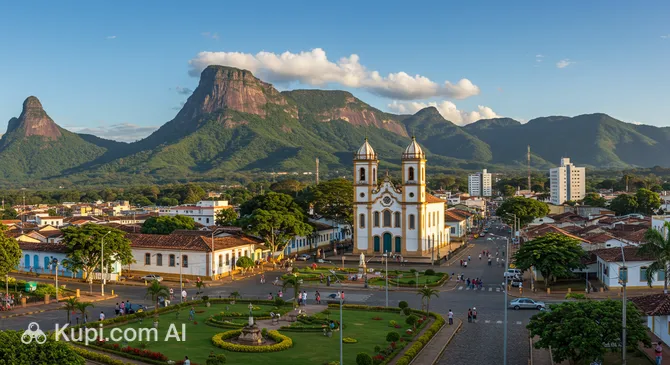
Jundiai. Source: Kupi.Binoculars

Jundiai is famously celebrated as the "Land of Grapes" (Terra da Uva) and is renowned for its production of sweet grapes and artisanal wines. One of the main draws for tourists is the Italian Wine Tourism Circuit, where visitors can tour family-owned vineyards, enjoy wine tastings, and savor traditional Italian cuisine. For nature lovers, the city is home to the majestic Serra do Japi, a biological reserve that protects a rare remnant of the Atlantic Forest, offering trails, waterfalls, and breathtaking biodiversity just a short drive from the city center.

Whether you are looking to indulge in gastronomic delights, explore lush natural landscapes, or simply relax in a city known for its safety and well-being, Jundiai is an excellent destination. We invite you to discover the unique flavors and warm hospitality that make this city a standout gem in the region.
Weather Overview

Jundiai enjoys a pleasant climate characterized by distinct seasonal variations, making it a comfortable destination year-round. The city typically experiences warm, humid summers and mild, dry winters. For travelers planning their trip, understanding the weather in Jundiai is key to packing the right attire and making the most of the outdoor attractions.

During the summer months, from December to March, the city is at its warmest and wettest. Average temperatures hover around 23°C to 24°C, with daytime highs frequently reaching nearly 28°C. This period also sees the highest frequency of rainfall; January is particularly rainy, with approximately 23 wet days. It is advisable to carry an umbrella or raincoat if you visit during this lush, green season.

Conversely, the winter season, spanning June through August, offers a distinct change of pace with significantly drier conditions and cooler air. July is typically the coldest month, where minimum temperatures can dip to around 11.8°C, while daily highs remain pleasant at about 23.8°C. Rainfall is scarce during this time, often dropping to near zero millimeters in July. Overall, visitors can expect warm summers with occasional rain and cool, dry winters, providing excellent opportunities for both vineyard tours and hiking in the Serra do Japi.

Interesting Facts

Beyond its reputation as a bustling industrial hub, Jundiai preserves a collection of unique traditions and historical milestones that often surprise visitors. From spontaneous natural phenomena to specific culinary customs, the city holds secrets that define its distinct local identity.
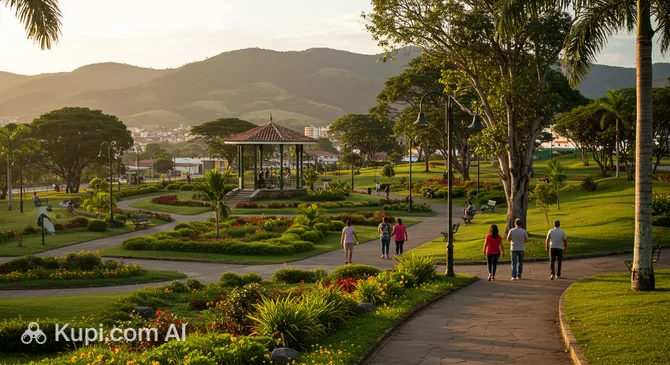
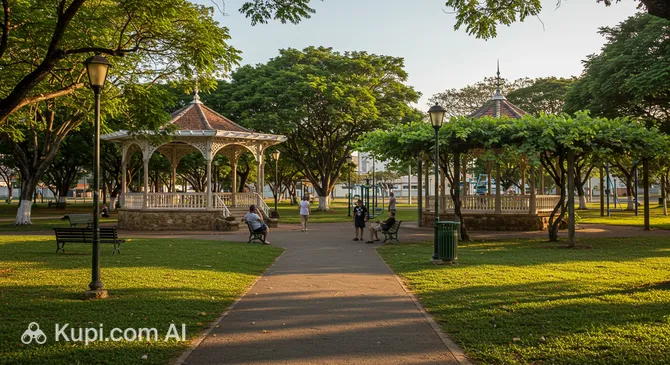
Antônio Carbonari Park (Grape Park). Source: Kupi.Binoculars
  • The city is the actual birthplace of the Niagara Rosada grape, a variety that appeared in 1933 through a spontaneous genetic mutation in the vineyards of the Carbonari family. This sweet, pink fruit revolutionized national viticulture and is celebrated annually at the Antônio Carbonari Park (Grape Park), which is named after the owner of the farm where the discovery was made.

  • Jundiai played a pioneering role in Brazil's development as the inland terminus of the Santos–Jundiaí Railway. Inaugurated in 1867, this was the very first railway in the state of São Paulo, built to transport coffee from the rich interior highlands to the port of Santos, effectively shaping the region's economic history.

  • Local gastronomy features a beloved intangible heritage: the Cheese Coxinha (Coxinha de Queijo). While the chicken version is standard across Brazil, Jundiai has a deep-rooted tradition for the cheese-filled variant, which is so popular that the city hosts an annual contest to crown the best recipe, and locals often distinguish it by a toothpick inserted at the top.

  • The city is internationally recognized as a member of the City of Children network, implementing innovative urban planning that prioritizes early childhood. This includes a concept known as "unwalling childhood," where public spaces and nature are designed to serve as outdoor classrooms and safe play areas for the youngest residents.

How to Get There

Reaching Jundiai is quite convenient due to its strategic location between two of Brazil's most important metropolitan areas. Whether you are arriving from international destinations or traveling within the country, you have several excellent options for accessing the city. For a detailed breakdown of routes and transportation modes, you can read more about how to get to Jundiai.

The city of Jundiai does not have its own commercial airport, but it is exceptionally well-served by major hubs in the vicinity. The closest option is Viracopos Airport (VCP), located approximately 32.0 km from Jundiai. It is a significant logistics and passenger hub, offering numerous domestic and international flights. Travel time from Viracopos to Jundiai by taxi or car is typically around 1 hour and 10 minutes. Another primary gateway is the Sao Paulo-Guarulhos International Airport (GRU), situated about 49.8 km away. As the country's busiest airport, it receives flights from all over the world. The journey from Guarulhos to Jundiai generally takes about 1 hour and 35 minutes by road.

For clarity, here is a summary of the main airports serving the region:

Airport Name City Passenger Traffic Km from City
Sao Paulo-Guarulhos International Airport Sao Paulo Very High 49.8
Sao Paulo/Congonhas Airport Sao Paulo High 54.4
Viracopos Airport Sao Paulo Medium 32.0
Sao Jose dos Campos Sao Jose dos Campos Small 105.2
Sao Paulo Catarina Airport Aracariguama 39.9

In addition to air travel, Jundiai is easily accessible by ground transportation. The city is connected to the capital via the modern Anhanguera and Bandeirantes highways, making bus or car travel smooth and efficient. Furthermore, Jundiai is the terminus of Line 7-Ruby of the CPTM commuter railway, providing a direct and affordable rail link to downtown São Paulo, which is a popular choice for daily commuters and visitors alike.

Main Attractions

Jundiai offers a diverse array of attractions that cater to history buffs, nature enthusiasts, and those seeking spiritual or architectural beauty. The city's tourism scene is well-structured, blending its rich railway and coffee-growing heritage with well-maintained green spaces. Whether you are exploring the historic downtown or relaxing by the water, there are several key spots that define the local experience.

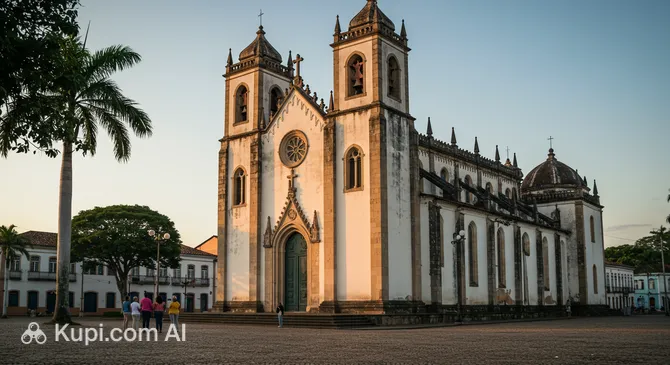
One of the most imposing architectural landmarks in the city is the Cathedral of Our Lady of Exile. Located in the heart of the city, this neo-Gothic masterpiece is dedicated to the patron saint of Jundiai. Visitors are often captivated by its grand façade, intricate stained glass windows, and the beautifully detailed frescoes inside. It serves not only as a place of worship but also as a central point for understanding the city's religious and cultural traditions.

Cathedral of Our Lady of Exile. Source: Kupi.Binoculars

For a deep dive into the region's past, the Historical and Cultural Museum of Jundiaí – Solar do Barão is an essential stop. Housed in a restored 19th-century solar (mansion) that once belonged to a coffee baron, the museum preserves furniture, documents, and artifacts that tell the story of the city's development. Beyond the exhibits, the building itself is a treasure, featuring charming gardens that provide a quiet escape from the urban bustle.

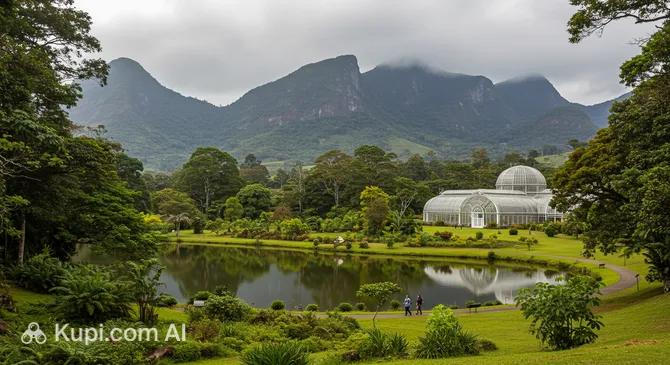
Nature lovers will find plenty to admire at the Jundiaí Botanical Garden. This peaceful sanctuary is designed to showcase the diversity of the local flora as well as exotic species. It features themed gardens, including Japanese and African sections, along with waterfalls and walking paths. It is an excellent location for a leisurely stroll, offering a chance to reconnect with nature without leaving the city limits.

Jundiaí Botanical Garden. Source: Kupi.Binoculars

Another favorite for outdoor recreation is the City Park (Jundiaí), often referred to as the "Parque da Cidade." Situated around a large reservoir, this expansive area is perfect for active tourists. It boasts miles of cycling and jogging tracks, picnic areas, and playgrounds. The park is a testament to the city's commitment to quality of life, providing a scenic backdrop for exercise or relaxation by the water.

Finally, the city's identity as a railway hub is celebrated at the Paulista Company Museum. Located within the historic Fepasa Complex, this museum is dedicated to the Companhia Paulista de Estradas de Ferro. It houses a fascinating collection of railway memorabilia, tools, and historical records that explain how the railroad shaped the economic landscape of São Paulo state, making it a fascinating visit for industrial history enthusiasts.

Local Cuisine

The culinary scene in Jundiai is a delightful reflection of its history, heavily influenced by Italian immigration and its agricultural strength. Known as the "Land of Grapes," the city offers a gastronomic experience that blends traditional Brazilian flavors with authentic Italian heritage. Visitors will find that food here is more than just sustenance; it is a celebration of family, tradition, and the land.

One dish that you absolutely must try is the famous Cheese Coxinha (Coxinha de Queijo). While the chicken-filled version is standard across Brazil, Jundiai has claimed the cheese variation as a local cultural patrimony. This savory snack consists of a soft, seasoned potato dough filled with melting cheese—typically mozzarella or a local curd cheese—breaded and deep-fried to golden perfection. It is so beloved that it has its own dedicated festival, and you can find it in bakeries and snack bars throughout the city.

Beyond snacks, the city’s Italian roots shine through in its main courses. Sunday lunches in Jundiai are traditionally long affairs featuring homemade fresh pasta, such as tagliatelle or gnocchi, served with rich tomato or meat sauces. Another staple in the local "rural tourism" restaurants is fried polenta and galeto (roasted spring chicken), often enjoyed at family-run cantinas located within the city's vineyards.

Coco Bambu. Source: Kupi.Binoculars

When it comes to drinks, the star is undoubtedly the local wine. Jundiai is dotted with numerous artisanal wineries (adegas) that produce unique varieties, ranging from dry reds to sweet table wines made from American grape varieties. For non-alcoholic options, the fresh grape juice made from the native Niagara Rosada grape is incredibly refreshing and sweet, often served chilled at farm stands and restaurants.

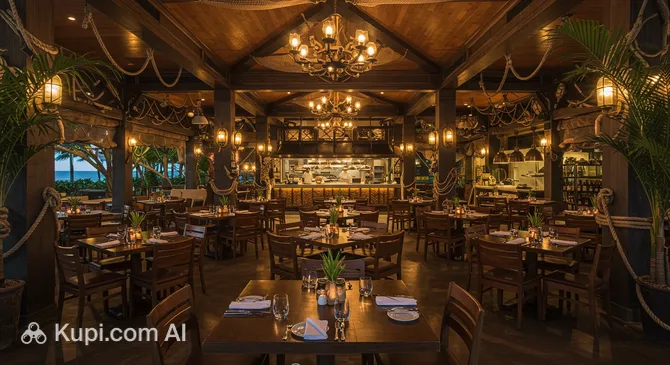
Dining in Jundiai ranges from rustic farm-to-table experiences on the "Grape Circuit" to sophisticated urban dining. For those visiting in January or February, the Antônio Carbonari Park (Grape Park) hosts the annual Grape Festival, a massive event filled with food stalls, wine tastings, and local produce. If you are looking for a renowned dining atmosphere within the city, Coco Bambu is a popular choice, offering an extensive menu of seafood and Brazilian dishes in a refined setting.

Travel Tips

Traveling to Jundiai is generally a smooth and pleasant experience, thanks to its well-organized infrastructure and proximity to major metropolitan hubs, but having a few local insights can make your trip even more enjoyable. To help you navigate the "Land of Grapes" with ease, we have compiled a list of essential practicalities covering everything from packing to local customs.

  1. Clothing and Gear: Jundiai features a tropical altitude climate. If you are visiting in summer (December to March), bring light, breathable fabrics and a sturdy umbrella or raincoat, as afternoon showers are common. For winter trips (June to August), layers are essential; mornings and evenings can be quite chilly, so pack a warm sweater or light jacket. Since the city is famous for its rural tourism and the Serra do Japi, comfortable walking shoes are indispensable for vineyard tours and nature trails.

  2. Transportation: The city has an efficient public bus system known as SITU, which is integrated via central terminals. However, for most tourists, ride-hailing apps like Uber and 99 are the most convenient, safe, and affordable way to navigate the urban area. If you plan to explore the "Rota da Uva" (Grape Route) to visit scattered wineries and farms, renting a car is highly recommended for maximum flexibility.

  3. Finances: The official currency is the Brazilian Real (BRL). Credit and debit cards are widely accepted almost everywhere, including most rural farm stands and small restaurants. However, it is wise to carry some cash for small purchases or street vendors. ATMs are plentiful in banks, supermarkets, and shopping malls. In restaurants, a service charge of 10% is typically included in the bill, so additional tipping is optional.

  4. Health and Safety: Jundiai is consistently ranked as one of the safest cities in Brazil, but standard travel precautions still apply. Avoid walking in deserted areas late at night and keep expensive electronics discreet. Pharmacies like Droga Raia or Drogasil are abundant, with several operating 24/7. If you plan to hike in the biological reserves, be sure to wear and bring insect repellent.

  5. Communication: Portuguese is the primary language, and English is not widely spoken outside of high-end hotels and major corporate environments. Learning basic phrases like "Bom dia" (Good morning) and "Obrigado" (Thank you) goes a long way. Download a translation app and offline maps before you arrive. Note that WhatsApp is the main communication tool for locals and businesses; you can often book tables or ask questions via the app.

  6. Local Etiquette: Locals are generally warm and informal. Greetings often involve a handshake or, among women or close friends, a kiss on the cheek. It is polite to greet people when entering an elevator or a small shop. The "thumbs up" gesture is universally used to say "yes," "okay," or "thank you."

  7. What to Avoid: Avoid drinking tap water. While the city's water treatment is excellent, it is safer for short-term visitors to stick to bottled or filtered water to prevent any digestive adjustments. Also, avoid assuming that all rural attractions are open on Mondays or Tuesdays; the countryside tourism calendar is heavily weighted towards the weekend.

  8. Rural Tourism Tip: A unique aspect of Jundiai is its "adegas" (wineries). Many of these are family-run businesses located inside residential properties or farms. Don't be shy if the entrance looks like a private home; look for the "Aberto" (Open) sign. These spots often offer the most authentic experiences and direct contact with the producers.

With these practical tips in hand, you are well-prepared to embrace the charm and flavors of Jundiai without any hassle. Whether you are sipping artisanal wine in the countryside or exploring the historic downtown, a little preparation ensures your adventure will be safe, comfortable, and truly memorable.

Entertainment & Nightlife

Entertainment and Nightlife:

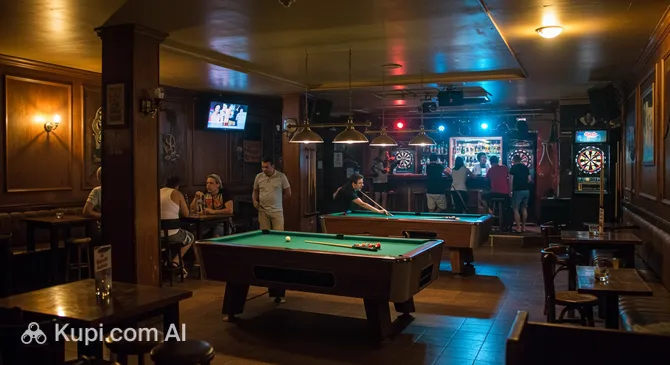
While Jundiai is not known for the frenetic 24-hour clubbing scene found in nearby São Paulo, it offers a vibrant and sophisticated nightlife that caters to a diverse crowd. The city's evening entertainment focuses largely on social interaction, featuring lively gastro-bars, traditional pubs, and cultural venues where locals gather to unwind after work. The atmosphere is generally welcoming and safe, ranging from relaxed happy hours to energetic nights of live music and dancing.

The epicenter of nightlife in Jundiai is undoubtedly Avenida 9 de Julho and its surrounding streets. This bustling thoroughfare is lined with various establishments, from high-end bars to casual eateries. It is the perfect place to start an evening, hopping between venues to find the vibe that suits you best. On weekends, the area is packed with young professionals and students, creating a buzzing atmosphere. The dress code is typically "casual chic"—smart jeans and a nice shirt will fit in almost anywhere.

For those looking to sing their hearts out or dance the night away, Aplausos Bar and Karaoke is a popular destination. It combines the fun of a karaoke lounge with a nightclub atmosphere, making it a favorite for birthday celebrations and group outings. If you prefer a more cultural evening, keep an eye on the schedule for Espaço Expressa. Located in the historic former railway complex, this venue hosts concerts, exhibitions, and thematic fairs, offering a unique blend of history and contemporary entertainment.

Aplausos Bar and Karaoke. Source: Kupi.Binoculars

If you prefer a more laid-back evening with plenty of options in one place, the city's shopping centers are excellent hubs for entertainment. Jundiaí Shopping is a modern complex that goes beyond retail; it features a state-of-the-art cinema, a variety of restaurants, and a rooftop area with great views. It is a safe and convenient choice for families or couples looking for a dinner-and-movie date night.

Espaço Expressa. Source: Kupi.Binoculars

Regarding daytime entertainment, the city offers exciting options for families and thrill-seekers. Jumpark is a massive indoor trampoline park that provides energetic fun for all ages, while HotZone offers a wide array of arcade games and simulators. These venues are perfect for spending a fun afternoon before heading out for dinner.

Practical Tips for a Night Out:
Most bars and clubs start filling up around 9:00 PM on Fridays and Saturdays. Entry fees (couvert artístico) are common in places with live music, usually ranging from 10 to 30 BRL. While Jundiai is safe, especially in the main nightlife districts, it is advisable to use ride-sharing apps like Uber or 99 to get around at night rather than walking long distances or waiting for public transport. If you are driving, be aware that Brazil has a zero-tolerance policy for drinking and driving ("Lei Seca"), so taking a taxi is always the best option.

Parks & Museums

Jundiai is a city that prides itself on preserving its natural beauty and historical heritage, offering visitors a variety of green spaces and cultural institutions to explore. Whether you want to enjoy a leisurely walk by the water or delve into the region's rich past, the local parks and museums provide the perfect setting for a relaxing day out.

A favorite gathering spot for locals and tourists alike is the City Park (Jundiaí). Spanning nearly 500,000 square meters, this expansive recreational area is designed to promote well-being and outdoor activity. The park features a large reservoir that helps cool the surrounding air, creating a refreshing microclimate even on warmer days. Visitors can explore well-paved cycling paths, use the open-air gym equipment, or simply relax in the shaded pavilions. It is an ideal location for families, offering ample space for children to play in a safe and scenic environment.

City Park (Jundiaí). Source: Kupi.Binoculars

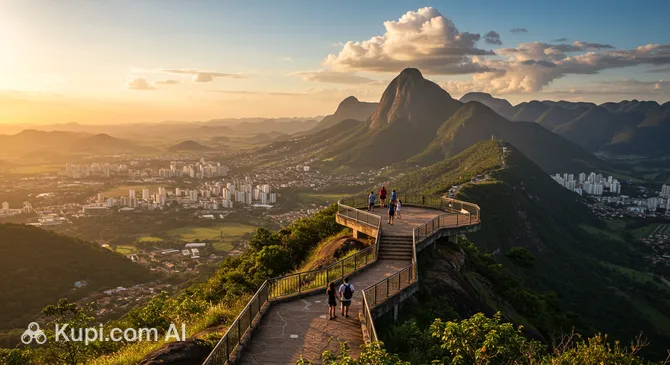
For a different perspective of the region's landscape, the Mirante Viewpoint is an unmissable stop. This elevated observation deck offers sweeping panoramic views of the city and the majestic Serra do Japi. It is a particularly enchanting spot at sunset, where the connection between the urban center and the protected Atlantic Forest becomes visibly clear. Photographers and nature lovers will appreciate the serene atmosphere and the chance to capture the city's scenic backdrop from above.

Mirante Viewpoint. Source: Kupi.Binoculars

Those interested in marine life and environmental education should visit the Bixo D'Água Aquarium. This facility is dedicated to showcasing a diverse collection of freshwater and saltwater species. It serves as an educational hub where visitors of all ages can learn about aquatic ecosystems and the importance of conservation. The intimate setting allows for a close-up look at the colorful underwater world, making it a fascinating experience for children.

On the cultural front, the city preserves its memories in charming venues like the Historical and Cultural Museum of Jundiaí – Solar do Barão. While the exhibits chronicle the city's evolution, the building’s internal gardens are a hidden gem, offering a quiet retreat in the middle of downtown. Additionally, the legacy of the Santos–Jundiaí Railway permeates the city's identity, with various preserved structures celebrating the railroad that once drove the local economy.

Getting Around

The public transport system in Jundiai is well-organized and efficient, primarily relying on a comprehensive network of buses and a commuter railway connection. The local bus system, known as SITU (Sistema Integrado de Transporte Urbano), is the backbone of urban mobility. It operates through a series of integrated terminals—such as Terminal Central and Terminal Vila Arens—where passengers can transfer between different bus lines to reach various neighborhoods without having to pay a second fare. Additionally, the city is the terminus for Line 7-Ruby of the CPTM (Paulista Metropolitan Trains Company), which functions like a surface metro, providing a direct and affordable rail link to the capital, São Paulo.

For payment, the system is relatively flexible for visitors. On local municipal buses, fares can typically be paid in cash directly to the conductor or driver upon boarding. The price for a single bus ride is approximately 5.50 BRL. If you plan to use the CPTM train service, you can purchase a QR Code digital ticket at the station machines using cash or a debit card. Travelers coming from São Paulo who already possess a "TOP" card or the "Bilhete Único" can also use these cards to pay for the train fare at the Jundiai station turnstiles.

Tourists will find it easiest to navigate the city by using navigation apps like Google Maps or Moovit, which provide accurate routes and real-time schedules for the bus network. Public transport generally operates from 4:00 AM until midnight. A useful tip is to plan your movements around the main terminals; once you pay your fare to enter a terminal or board a bus, you remain within the integrated system until you exit a terminal, allowing for cost-effective travel across the city.

If you prefer more direct and comfortable transportation, ride-sharing apps like Uber and 99 are extremely popular and widely available in Jundiai. They are often the best choice for reaching specific wineries, rural restaurants, or the Serra do Japi biological reserve, where bus service may be less frequent. Traditional taxis are also available at designated stands near major squares and the bus station. For those wishing to explore the extensive "Grape Route" at their own pace, renting a car is a recommended alternative.

Accommodation

Accommodation in Jundiai caters to a diverse mix of visitors, reflecting the city's dual identity as a thriving business hub and a popular countryside getaway. The range of options is quite broad, spanning from efficient, modern hotels in the urban center to charming inns (pousadas) and full-service resorts located in the rural outskirts. Whether you are in town for a corporate meeting or to explore the local wine circuit, you will find suitable lodging that fits various budgets and preferences.

For those prioritizing convenience and mobility, the central districts and the neighborhoods along Avenida 9 de Julho are the best places to stay. These areas place you within walking distance of major shopping centers, restaurants, and nightlife, as well as providing easy access to the bus terminals and the highway. Conversely, if your goal is relaxation and immersion in nature, look for accommodations along the "Rota da Uva" (Grape Route). These properties often offer a more rustic and tranquil atmosphere, surrounded by vineyards and the lush greenery of the Atlantic Forest.

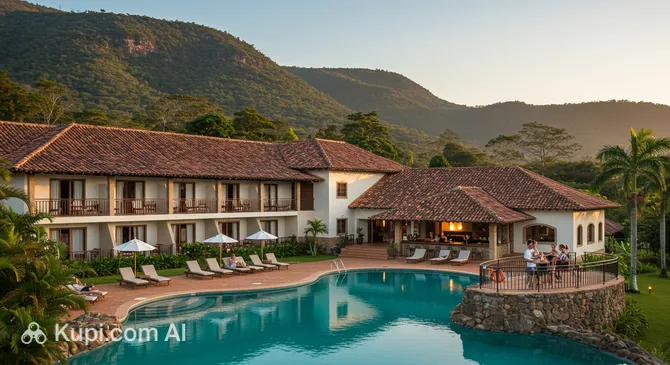
A standout option for travelers seeking a more comprehensive leisure experience is the Jundiaí Resort Hotel. This type of establishment typically offers extensive amenities such as swimming pools, recreational activities for children, and on-site dining, making it an excellent choice for families looking to unwind without leaving the property.

Jundiaí Resort Hotel. Source: Kupi.Binoculars

The price range for accommodation in Jundiai is generally considered mid-range, offering good value compared to the capital city of São Paulo. Standard business hotels are often busier and slightly pricier during the week, while rural resorts may see higher demand on weekends and holidays. Booking can easily be done through major online travel platforms, which is recommended to secure the best rates.

Booking Tip: If you plan to visit during the annual Grape Festival (Festa da Uva), which usually takes place in January and February, it is highly advisable to book your accommodation several weeks in advance. This event draws thousands of tourists to the city, and the best hotels and inns tend to fill up quickly.

Nearby Cities

For those looking to explore the surroundings, Jundiai serves as an excellent base for day trips to several interesting nearby locations:

One of the most popular destinations for nature lovers is Atibaia. Known as the "Land of Strawberries," this charming town is famous for its annual Flower and Strawberry Festival and the majestic Pedra Grande, a massive rock formation that offers breathtaking views and is a hotspot for hang gliding and paragliding. Another delightful option is Indaiatuba, often cited for its exceptional quality of life. Visitors here can enjoy the expansive Parque das Águas and explore the city's well-preserved history, including the Railway Museum. For those seeking a more modern urban experience, Barueri offers the upscale district of Alphaville, renowned for its high-end shopping centers and diverse gastronomic scene.

City Population Distance (km)
Barueri 262,275 35
Indaiatuba 256,223 34
Francisco Morato 168,243 18
Franco da Rocha 145,755 23
Atibaia 137,187 35

These nearby destinations offer a glimpse into the diverse culture and landscapes of the region.

Shopping & Souvenirs

Shopping in Jundiai is a diverse experience that ranges from modern, high-end retail centers to charming traditional street commerce. While the city is not primarily known as a fashion capital, its robust economy ensures that visitors have access to excellent infrastructure, featuring major national and international brands alongside unique local producers. Whether you are looking for the latest trends or artisanal products from the countryside, the city offers satisfying options for every type of shopper.

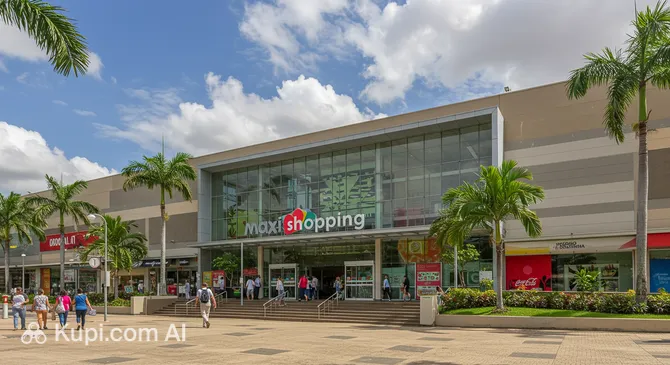
For those who prefer the convenience and variety of large commercial centers, the city is home to two main shopping malls. Jundiaí Shopping is the more modern and upscale option, located in a prime area of the city. It features a sophisticated mix of stores, a gourmet food court, and a pleasant atmosphere for a leisurely afternoon. Another major destination is Maxi Shopping, a traditional hub that has served the community for decades. It offers a comprehensive selection of department stores, services, and entertainment, making it a one-stop shop for families and residents.

Jundiaí Shopping. Source: Kupi.Binoculars

If you enjoy the bustle of street shopping, the Centro (Downtown) area is the place to be. The streets surrounding Rua Barão de Jundiaí and Rua do Rosário form a lively open-air commercial district. Here, you can find everything from clothing and footwear to electronics and household goods at competitive prices. The pedestrian-friendly zones are often crowded and energetic, offering a glimpse into the daily life of the locals.

Maxi Shopping. Source: Kupi.Binoculars

Given Jundiai's fame as the "Land of Grapes," the most authentic shopping experience lies in its rural tourism circuit. Visitors should definitely explore the local wineries (adegas) and farm stands scattered along the "Rota da Uva." These are the best places to buy edible souvenirs, such as the renowned Niagara Rosada grapes, artisanal wines, homemade jams, honey, and fresh cheeses. Bringing back a bottle of local wine or a jar of grape jelly is a perfect way to take a piece of the city's heritage home with you.

Regarding practicalities, store hours in Jundiai generally follow standard Brazilian business schedules. Street shops in the downtown area typically open from 9:00 AM to 6:00 PM on weekdays and until 1:00 PM or 2:00 PM on Saturdays, remaining closed on Sundays. Shopping malls operate daily, usually from 10:00 AM to 10:00 PM, with food courts often closing later. Payment is hassle-free, as credit and debit cards are widely accepted even in smaller establishments, though carrying some cash is useful for small street vendors. Tourists should note that Brazil does not operate a VAT refund (Tax-Free) system for international visitors on general goods.

Reached the end of the page?

That means the route is fully explored