Support

Itanhaem

About

Itanhaém is a captivating coastal destination located in the state of São Paulo, Brazil. Known for its extensive shoreline and rich cultural heritage, the city offers a perfect blend of beach relaxation and historical exploration. With a population of approximately 103,000 residents, Itanhaém maintains a welcoming community atmosphere while serving as a popular getaway for those seeking to escape the bustle of larger metropolises. Its climate is typically tropical, ensuring warm temperatures that are ideal for enjoying the outdoors throughout much of the year.

Itanhaem. Source: Kupi.Binoculars

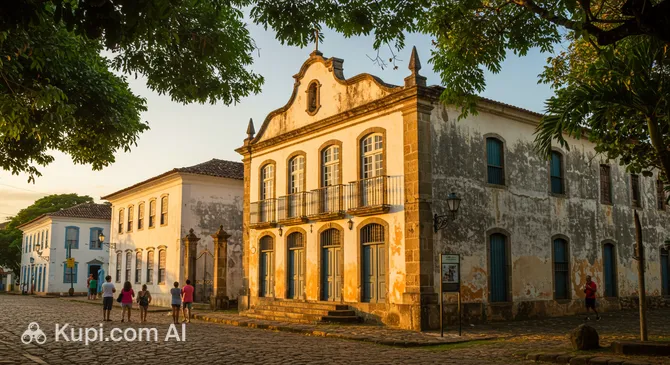
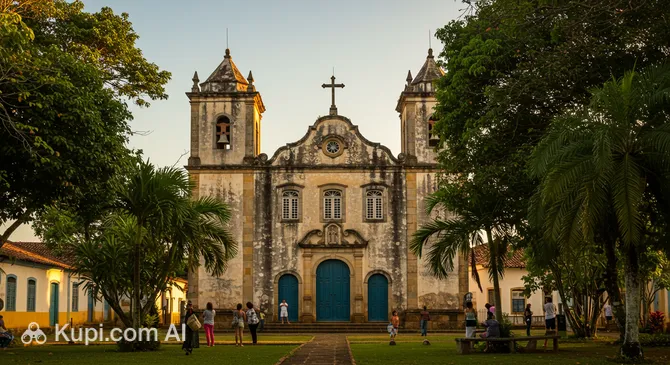
As one of the oldest settlements in the nation, founded in 1532, the history of Itanhaém is deeply woven into its streets and landmarks. Visitors can step back in time by exploring the well-preserved historic center, which features colonial architecture such as the Convent of Our Lady of the Conception. This iconic structure sits atop a hill, offering not only a glimpse into the past but also panoramic views of the city and the ocean below.

Nature enthusiasts and beach lovers will find plenty to admire here. The city boasts around 26 kilometers of beaches, including the famous Praia dos Sonhos (Dream Beach), which lives up to its name with beautiful scenery. A unique highlight is the Bed of Anchieta (Cama de Anchieta), a stunning rock formation where the Jesuit priest José de Anchieta is said to have rested and composed poems. Additionally, the region is surrounded by the lush Atlantic Forest, providing opportunities for eco-tourism and river boat tours.

Whether you are interested in colonial history, eager to relax on sun-drenched sands, or looking to explore nature trails, Itanhaém is a delightful destination. Its combination of cultural depth and natural beauty makes it a must-visit spot on the São Paulo coast.

Weather Overview

The climate in Itanhaém is generally pleasant, characterized by warm summers and mild winters, typical of the São Paulo coast. January is usually the warmest month, with an average temperature of 24.3°C and highs reaching up to 27.7°C. During this peak summer season, the city experiences a high frequency of damp conditions, with January seeing up to 27 wet days, although the total precipitation volume remains relatively low.

As the year progresses towards winter, the temperatures drop to a comfortable range for outdoor activities without being freezing. July is typically the coolest month, with an average temperature of 18.0°C and nighttime lows dipping to around 13.7°C. This period is notably drier, with July recording only about 8 wet days and minimal rainfall compared to the start of the year. For more specific forecasts and seasonal averages, you can consult the guide to weather in Itanhaém.

Travelers planning a visit should keep these seasonal shifts in mind. Expect warm summers with frequent wet days and mild, drier winters, offering distinct experiences depending on whether you prefer beach lounging or cooler coastal exploration.

Interesting Facts

Beyond the main attractions, Itanhaém holds many fascinating secrets that reveal its depth as a cultural and natural sanctuary. From cinematic history to curious geological formations, the city offers several surprises for the observant traveler.
  • The Amazon of São Paulo: Due to its immense biodiversity and over 2,000 kilometers of navigable rivers, the region is frequently nicknamed "Amazônia Paulista." The pristine estuary and mangrove areas provide a lush, green backdrop that feels worlds away from the nearby urban centers.

  • Soap Opera Fame: The city gained national fame as the filming location for the original 1973 version of the beloved Brazilian telenovela Mulheres de Areia (Women of Sand). To honor this cultural legacy, the Woman Sand Statue was erected at the beach where many scenes were shot, becoming a nostalgic landmark for fans.

  • A Natural Sphinx: Nature has carved its own art into the landscape at Paranambuco Hill – Sphinx Rock. When viewed from a specific angle, this intriguing rock formation bears a striking resemblance to the legendary Egyptian Sphinx, sparking the imagination of locals and visitors alike.

  • A Lost Captaincy: While now a municipality, Itanhaém was once the capital of its own territory known as the Captaincy of Itanhaém in the 17th century. The Chamber House and Jail – Conceição Museum stands as a rare architectural witness to this era of immense political importance.

Woman Sand Statue. Source: Kupi.Binoculars

How to Get There

Reaching this coastal destination is relatively straightforward, primarily relying on the extensive transportation network of the nearby state capital. For a comprehensive guide on travel options and routes, you can read more about how to get to Itanhaem.

The city of Itanhaem does not have its own major commercial airport for regular passenger flights, but it is well-served by the airports in the neighboring metropolis of São Paulo. The closest major hub is Sao Paulo/Congonhas Airport (IATA: CGH), located in the city of São Paulo, approximately 63.1 km from Itanhaem. The journey by taxi or transfer typically takes around 1 hour and 55 minutes, depending on traffic conditions. As a major domestic hub with high passenger traffic, it offers frequent connections from cities across Brazil.

For international travelers, the most convenient entry point is Sao Paulo-Guarulhos International Airport (IATA: GRU), also located in São Paulo. Situated about 89.2 km from Itanhaem, this is the country's busiest airport. The transfer from here usually takes approximately 2 hours and 35 minutes by road. Another option further afield is Viracopos Airport (IATA: VCP), located in São Paulo, roughly 135 km away, which serves as a key hub for certain domestic airlines.

For clarity, here is a summary of the main airports in the region:

Airport Name City Passenger Traffic Km from City
Sao Paulo-Guarulhos International Airport Sao Paulo Large 89.2
Sao Paulo/Congonhas Airport Sao Paulo Large 63.1
Viracopos Airport Sao Paulo Large 135.0
Sao Jose dos Campos Sao Jose dos Campos Small 141.9
Sao Paulo Catarina Airport Aracariguama 92.4

Regarding rail travel, the city of Itanhaem does not have a passenger railway station connecting it to major urban centers. Visitors typically arrive by road, utilizing the efficient bus network or renting a car to drive down the coast from São Paulo. The highway system provides scenic views and a direct route to the city's beaches.

Main Attractions

Itanhaém offers a diverse range of sights that go beyond its famous coastline, inviting visitors to explore its rich religious history, scenic nature spots, and vibrant local culture. While the Convent of Our Lady of the Conception and the Bed of Anchieta are iconic, the city boasts several other must-see locations that provide a deeper understanding of this charming destination.

One of the most significant historical landmarks is the Church of Sant'Anna. Located in the heart of the historic center, this church is a cornerstone of the city's colonial heritage. Built in the 17th century, it features traditional architecture and houses altars and artifacts that tell the story of the region's religious development. It is a peaceful place for history buffs to appreciate the preserved details of Brazil's past.

Church of Sant'Anna. Source: Kupi.Binoculars

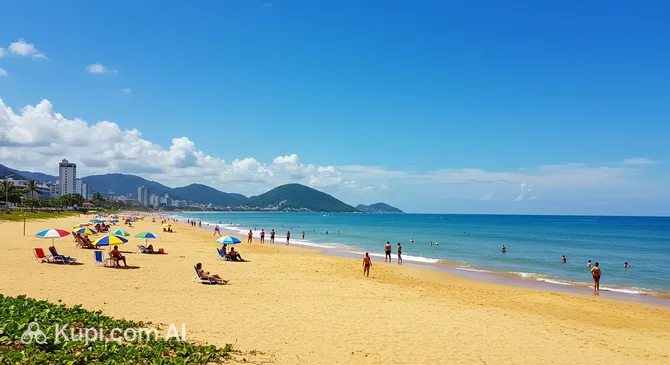
For families and those seeking a well-structured seaside experience, Cibratel Beach is an excellent choice. This expansive stretch of sand is known for its cleanliness and organized amenities, making it a favorite for tourists who want comfort alongside natural beauty. The beach offers plenty of space for sunbathing and sports, while the calm waters in certain areas are perfect for a refreshing swim.

Cibratel Beach. Source: Kupi.Binoculars

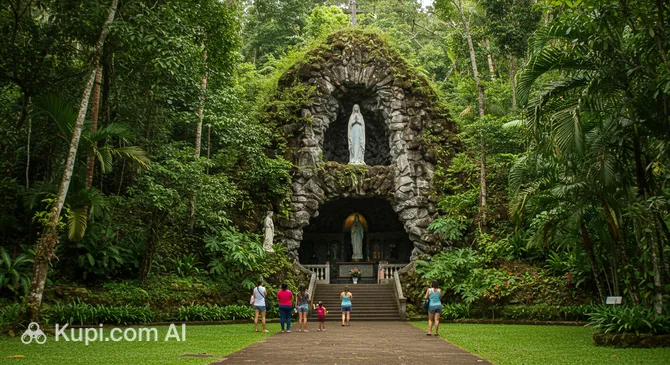
A unique spot that blends nature with spirituality is the Grotto of Our Lady of Lourdes. Situated near the coast, this shrine is set within a small, tranquil park area. Pilgrims and visitors come here to light candles and enjoy a moment of silence away from the busier beach crowds. The site also hosts a monthly mass, drawing the local community together in this scenic open-air setting.

Grotto of Our Lady of Lourdes. Source: Kupi.Binoculars

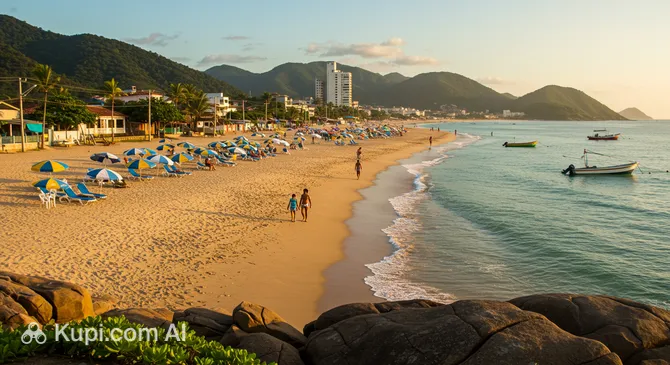
Another highlight is Praia dos Pescadores, or Fisherman's Beach. Historically significant and culturally vibrant, this beach gained national fame as a filming location for classic Brazilian television. Beyond its pop-culture status, it is a hub for surfing enthusiasts due to its good waves and serves as a picturesque spot where the Itanhaém River meets the ocean, offering beautiful views of the local fishing boats.

Praia dos Pescadores. Source: Kupi.Binoculars

Local Cuisine

The culinary scene in Itanhaém is a delightful reflection of its coastal geography and history. Rooted in traditional Caiçara culture—a unique blend of indigenous, Portuguese, and African influences—the local food focuses heavily on fresh ingredients sourced directly from the sea and the surrounding Atlantic Forest. Visitors can expect hearty, flavorful meals where seafood plays the starring role, often accompanied by locally grown produce such as cassava and bananas.

One of the most distinctive dishes you must try is Azul-Marinho. This regional specialty consists of fish stewed with green dwarf bananas in an heavy iron pot; the iron reacts with the tannin in the bananas to give the broth a characteristic deep blueish hue. Since Itanhaém is a significant producer of bananas, the fruit is a staple ingredient found in many forms, from savory chips to sweet desserts. During the winter months, Tainha na Brasa (grilled mullet) becomes a local favorite, often served with rice and pirão (a fish broth thickened with cassava flour).

Eating in Itanhaém is often a casual, open-air affair, particularly along the shoreline. The beaches are dotted with kiosks that serve popular petiscos (finger foods) perfect for sharing. Tourists frequently order generous portions of isca de peixe (fried fish strips), breaded shrimp, or pastéis—crispy deep-fried pastries filled with cheese, meat, or shrimp. These snacks are a quintessential part of the beach experience.

To accompany these savory treats, the drink of choice is often a cold Caipirinha, Brazil's national cocktail made with cachaça, sugar, and lime. Given the warm tropical climate, ice-cold beer is also extremely popular. For a non-alcoholic refresher, nothing beats fresh coconut water (água de coco), drunk straight from the fruit, which is widely available from vendors along the sand.

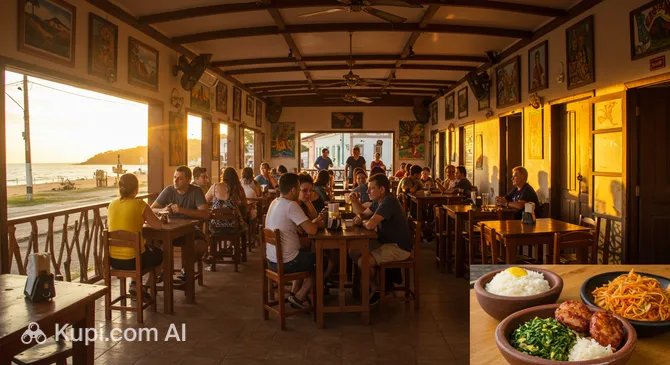
When it comes to dining establishments, the city offers a range of welcoming spots that emphasize hospitality. For a meal that captures the essence of local comfort food, Tia Lena Restaurant is a notable venue where visitors can enjoy well-prepared dishes in a friendly atmosphere. Alternatively, if you are looking to take a break from seafood, the state of São Paulo is famous for its high-quality pizza. A Pizza Itanhaém offers a great variety of flavors, providing a delicious option for a relaxed evening dinner.

Tia Lena Restaurant. Source: Kupi.Binoculars

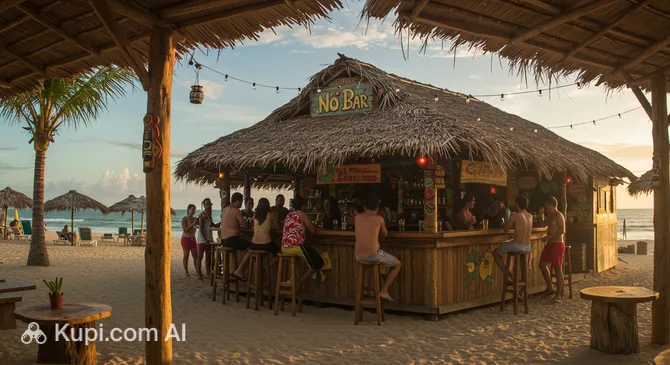
For those interested in the local nightlife or a casual drink after sunset, Nô Bar is another spot to consider, adding to the vibrant yet laid-back social scene of the city.

Travel Tips

To ensure your visit to Itanhaém is as smooth and enjoyable as possible, a little preparation goes a long way. These practical tips are designed to help you navigate the local customs, logistics, and environment, allowing you to focus on relaxing by the sea and exploring the city's rich history.

  1. Clothing and Gear: Given the tropical climate, pack lightweight, breathable fabrics like cotton or linen to stay cool. Swimwear and flip-flops are essential for the beaches, but bring sturdy, comfortable walking shoes for exploring the historic center and the hill leading to the Convent of Our Lady of the Conception. If you plan to visit religious sites, remember to dress modestly; covering shoulders and knees is a sign of respect.

  2. Transportation: The city center is walkable, but to reach distant beaches or attractions, you may need wheels. Public buses connect the main neighborhoods and are an affordable option. Ride-hailing apps like Uber and 99 are generally available and convenient for direct trips. If you want total freedom to explore the coastline of Brazil, renting a car is highly recommended.

  3. Finances: The local currency is the Brazilian Real (BRL). Credit and debit cards are widely accepted in restaurants, supermarkets, and shops. However, it is wise to carry some cash, especially small bills, for beach vendors, small kiosks, or local craft markets where card machines might not be available. Tipping is customary; a 10% service charge is usually added to restaurant bills.

  4. Health and Safety: The sun can be very strong, so high-SPF sunscreen and a hat are non-negotiable items. Since the city is surrounded by the Atlantic Forest, bring insect repellent to protect against mosquitoes. Pharmacies (farmácias) are easy to find for basic needs. As in many coastal cities, stay vigilant with your belongings in crowded areas and avoid walking on deserted beaches at night.

  5. Communication: Portuguese is the official language, and English is not widely spoken outside of major hotels or tourist agencies. It is very helpful to learn a few basic phrases like "Obrigado" (Thank you) and "Por favor" (Please). downloading an offline translation app and a map is a great idea. You can purchase a local SIM card from major carriers like Vivo, TIM, or Claro at newsstands or pharmacies with your passport.

  6. Local Etiquette: Locals are generally warm and informal. A common greeting is a handshake or a light kiss on the cheek (usually one or two). The "thumbs up" gesture is universally used to say "yes," "okay," or "thank you." When entering a shop or elevator, it is polite to greet others with a simple "Bom dia" (Good morning) or "Boa tarde" (Good afternoon).

  7. What to Avoid: Avoid drinking tap water; always opt for bottled or filtered water to prevent stomach issues. Also, try not to flash expensive electronics or jewelry while walking on the street; keeping a low profile helps you blend in and stay safe.

  8. Local Insight: Don't leave without trying the local banana sweets. As a major producer of bananas, Itanhaém offers delicious varieties of doce de banana (banana jam or candy), which make for a tasty snack or a perfect souvenir to take home.

By keeping these simple guidelines in mind, you will be well-equipped to experience the best of Itanhaém. Embrace the laid-back coastal vibe, interact with the friendly locals, and make unforgettable memories in this historic seaside city.

Entertainment & Nightlife

Entertainment in Itanhaém leans towards a relaxed, coastal vibe rather than high-energy clubbing. The city comes alive after sunset with a laid-back atmosphere where locals and tourists gather to enjoy cold drinks, live music, and the ocean breeze. The nightlife is centered around socializing in open-air environments, making it perfect for those who appreciate conversation and casual fun over intense parties.

The most bustling areas for evening activities are the promenades along the beaches. Praia do Sonho is a particularly popular spot where the nightlife spills out onto the street. Here, you will find a variety of kiosks and bars playing everything from Brazilian MPB to sertanejo music. Another vibrant district is Boca da Barra, located where the river meets the sea; it offers a scenic backdrop for night walks and is often the site of local events and concerts during the summer season.

For those looking for a specific venue to enjoy a drink, Nô Bar is a standout option. Known for its welcoming environment, it is a great place to sample local appetizers and enjoy a cold beer or a caipirinha while soaking in the local culture. It attracts a diverse crowd, from young groups to families, and the dress code is typically casual—shorts and flip-flops are perfectly acceptable.

Nô Bar. Source: Kupi.Binoculars

If you prefer a late-night meal as part of your evening entertainment, A Pizza Itanhaém is a favorite among night owls. Pizzerias in the state of São Paulo are social institutions, and this venue offers a cozy setting to linger over dinner well into the night. It is an excellent spot to start your evening before heading to the beachfront kiosks.

Another excellent location to explore is Praia do Sonho at night. The illuminated shoreline provides a romantic and safe setting for an evening stroll. Many visitors end their night here, simply sitting on the sand or at a nearby vendor, watching the moon reflect off the waves.

Practical Advice: The nightlife in Itanhaém typically starts around 8:00 PM and winds down by 1:00 AM or 2:00 AM, though it may go later on summer weekends. Prices are generally affordable compared to larger cities. For safety, it is best to stick to the well-lit areas of the beachfront and the historic center. Ride-hailing apps and taxis are reliable ways to get back to your accommodation after a night out.

While the focus here is on the evening, the city also offers charming daytime entertainment. Visitors can explore the historic Museum of Conceição, take relaxing boat tours up the Itanhaém River, or enjoy family-friendly fun at the local public parks. The transition from a sunny day at the beach to a breezy evening at a bar is seamless, defining the easygoing rhythm of this coastal town.

Parks & Museums

Itanhaém is a destination where history and nature are inextricably linked, offering visitors a chance to explore colonial heritage amidst lush Atlantic Forest backdrops. The city’s green spaces and cultural institutions provide a deeper look into the region's past and its diverse ecosystem, moving beyond the typical beach experience to reveal the soul of this ancient settlement.

For those interested in the historical roots of the city, the Chamber House and Jail – Conceição Museum is an essential stop. Located in the historic center, this colonial building is one of the most significant architectural landmarks in the region. Originally serving as both a legislative house and a prison, it now functions as a museum preserving artifacts and documents that chronicle the local history. Walking through its halls offers a fascinating glimpse into the administrative and social life of Brazil's early colonial period.

Chamber House and Jail – Conceição Museum. Source: Kupi.Binoculars

Nature lovers will find a sanctuary at Sapucaitava Hill. This natural area is accessible via an ecological trail that is relatively easy to navigate, making it suitable for most ages. The hike rewards visitors with stunning panoramic views of the coastline, the river, and the surrounding vegetation. It is an excellent spot for birdwatching and appreciating the native flora of the Atlantic Forest while enjoying the fresh ocean breeze from a higher vantage point.

Sapucaitava Hill. Source: Kupi.Binoculars

Another area that highlights the city's relationship with nature is the Guaraú Pier. Situated where the river meets the sea, this spot is not just a scenic location for a stroll but also a gateway to the region's mangroves and waterways. From here, tourists can embark on boat tours to explore the river islands or simply watch the local fishermen at work, observing a traditional lifestyle that has sustained the community for generations.

For a more secluded natural experience, Saudade Beach offers a peaceful retreat at the foot of the hills. Unlike the bustling urban beaches, this small cove is surrounded by rocks and vegetation, providing a quiet atmosphere that feels almost like a private park. It is a perfect hidden gem for travelers seeking tranquility and a direct connection with the raw beauty of the coastline.

Getting Around

The public transport system in Itanhaém relies primarily on an extensive network of buses, as the city does not have a metro or tram system. The municipal bus lines, operated by the local bus company, connect the residential neighborhoods to the city center, the main commercial areas, and the popular beaches. For travel to neighboring coastal cities such as Santos or Peruíbe, visitors can utilize the intermunicipal buses managed by EMTU, which run frequently along the main highways.

Regarding payment, the system is designed to be accessible. While local residents typically use a rechargeable electronic transport card to take advantage of fare integration within a one-hour window, tourists can easily pay with cash on board. When boarding a municipal bus, you will pay the conductor or the driver directly. It is highly recommended to carry small bills and coins, as change for large banknotes is often not available. The approximate fare for a single journey is affordable, generally hovering around a few Reais.

For a smooth experience, keep in mind that buses usually operate from the early morning (around 5:00 AM) until midnight, with reduced frequency on weekends and holidays. To catch a bus, you must signal the driver with your hand as the vehicle approaches the stop; otherwise, it may not stop. Entry is typically through the front door, where you pay the fare and pass through the turnstile, while exiting is done through the rear door.

If you prefer more comfort or direct routes, ride-hailing apps such as Uber and 99 are widely available and efficient in Itanhaém. Traditional taxis are also a reliable option and can be found at designated stands near the bus terminal and major public squares. Additionally, due to the city's flat terrain, bicycles are a popular and pleasant way to get around. You can find bike rental shops near the coast, allowing you to explore the beachfront at your own pace.

While not a standard mode of public commuting, visitors should look out for the Trenzinhos (tourist trains). These colorful, truck-pulled vehicles are a local favorite during the summer season and holidays, offering a fun, open-air city tour with music and guides, perfect for getting an overview of the main attractions.

Accommodation

Itanhaém provides a welcoming array of accommodation options suited to its laid-back coastal atmosphere. Visitors will typically find a good selection of pousadas (traditional Brazilian guesthouses), budget-friendly hotels, and an abundance of vacation rentals. While the city is not primarily known for massive international luxury resorts, it excels in offering cozy, family-oriented lodgings that allow travelers to feel at home close to the sea.

When choosing where to stay, location depends largely on your itinerary. For those seeking convenience and culture, staying near the Historic Center (Centro) is ideal. This area places you within walking distance of colonial landmarks, banks, and a variety of local restaurants. However, most tourists prefer the beach districts for a true seaside experience. Neighborhoods like Praia do Sonho and Cibratel are highly sought after, offering immediate access to the sand and a quieter, residential vibe that is perfect for relaxation.

Since Itanhaém is a favorite weekend and holiday destination for residents of the nearby state capital, demand can spike significantly during the summer months (December to February) and major national holidays like Carnival and New Year's Eve. It is highly advisable to book your accommodation well in advance during these peak periods to secure the best spots and avoid limited availability.

In terms of pricing, the city is generally affordable, catering largely to budget and mid-range travelers. Prices can vary depending on proximity to the ocean, with beachfront properties naturally commanding a premium. Booking is easily done through major online travel platforms, though renting private homes or apartments for the season is a very common and often economical choice for families or larger groups visiting the region.

Nearby Cities

For those looking to explore the surroundings, Itanhaem serves as an excellent base for day trips to several interesting nearby locations:

Just a short drive along the coast lies Santos, a major port city that blends urban energy with seaside leisure. It is renowned for possessing the largest beachfront garden in the world, a lush strip of greenery separating the buildings from the sand. Visitors can also explore the historic Coffee Museum or take a nostalgic ride on the heritage tram through the city center.

Adjacent to Santos is Sao Vicente, historically significant as the first permanent Portuguese settlement in the Americas. This neighbor offers a relaxed atmosphere with attractions like the Teleférico (cable car), which ascends Morro do Voturuá to provide breathtaking panoramic views of the bay and the coastline.

Heading up the mountain range towards the metropolitan plateau, travelers can visit Sao Bernardo do Campo. While known as an industrial hub, it offers extensive green spaces such as the Estoril Park near the Billings Reservoir, providing a different landscape compared to the coastal plains.

City Population Distance (km)
Santos 1,897,551 53
Sao Bernardo do Campo 816,925 59
Santo Andre 721,368 63
Diadema 426,757 57
Sao Vicente 355,542 47

These nearby destinations offer a glimpse into the diverse culture and landscapes of the region.

Shopping & Souvenirs

Shopping in Itanhaém is a relaxed and informal experience, reflecting the city's easygoing coastal atmosphere. While you will not find massive luxury shopping complexes or high-end international designer boutiques here, the city offers a charming selection of local stores, street markets, and commercial galleries. The retail scene is primarily focused on beachwear, casual clothing, handicrafts, and regional delicacies, making it easy to find practical items for your trip or unique gifts to take home.

The main hub for shopping is located in the Centro (City Center). The streets surrounding the historic Praça Narciso de Andrade and the bustling Avenida Rui Barbosa are lined with a variety of shops. Here, tourists can find everything from pharmacies and supermarkets to surf shops and clothing stores. Another important commercial district is the Belas Artes neighborhood, which serves as a secondary center with a good range of services, grocery stores, and local commerce closer to the southern beaches.

Itanhaém does not possess large-scale shopping malls comparable to those in São Paulo. Instead, the city features smaller commercial centers and galleries, often referred to as galerias. These smaller arcades typically house a mix of clothing boutiques, gift shops, and snack bars. They offer a convenient way to browse for items in a covered environment, particularly on rainy days, though they maintain a modest and local character.

For a more authentic shopping experience, the local markets are a must-visit. The Feira de Artesanato (Craft Fair) is a highlight for tourists, usually held in the city center near the main squares on weekends and holidays. It is the perfect place to browse for handmade jewelry, leather goods, and decorative items. Additionally, if you are staying in a vacation rental and plan to cook, the Mercado de Peixes (Fish Market) near the river offers the freshest catch of the day, allowing you to sample the region's seafood at its source.

When it comes to souvenirs, the best items to bring back are those that represent the local culture and agriculture. As the region is a significant producer of bananas, banana sweets (doce de banana) are a signature treat. You can find them in various forms, from creamy jams to crystalized candies. Handicrafts made from seashells, bamboo, and wood are also popular keepsakes that capture the seaside spirit of the city.

Most shops in Itanhaém operate from Monday to Friday, typically opening around 9:00 AM and closing by 6:00 PM. On Saturdays, stores usually close earlier, around 1:00 PM or 2:00 PM, though supermarkets and shops in tourist-heavy areas may stay open longer, especially during the summer season. Payment is convenient, with credit and debit cards being widely accepted even in smaller stalls, though carrying some cash is advisable for small purchases at street markets.

Tourists should be aware that Brazil does not operate a standard tax-free shopping refund system for international visitors like many European countries do. The price you see on the tag is the final price, inclusive of all taxes. Therefore, tax refunds are not a typical part of the shopping experience in Itanhaém.

Reached the end of the page?

That means the route is fully explored