Support

Piracicaba

About

Piracicaba. Source: Kupi.Binoculars

Welcome to Piracicaba, a captivating destination located in the interior of the state of São Paulo. Often affectionately referred to as the "Noiva da Colina" (Bride of the Hill), this city offers a delightful blend of urban development and traditional charm. As a significant hub in southeastern Brazil, Piracicaba is known for its warm hospitality, vibrant culture, and the strong connection its residents have with the river that shares its name.

The city is home to a population of approximately 390,000 people and serves as an important agricultural and industrial center. The climate here is generally tropical, characterized by warm summers and mild winters, making it a pleasant place to visit year-round. The Piracicaba River is not just a geographical landmark but the very heart of the city, influencing the local lifestyle and leisure activities.

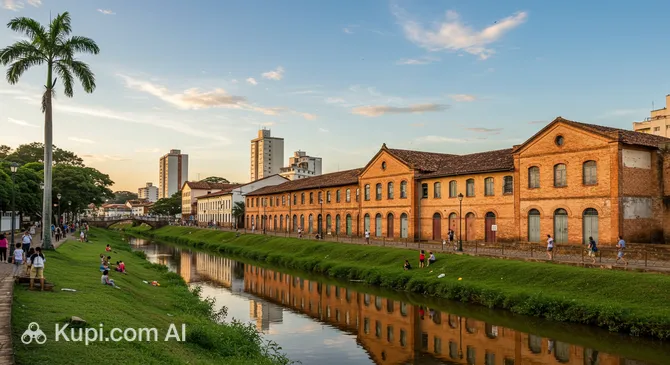
Visitors interested in the past will find the history of Piracicaba fascinating, as it is deeply rooted in the coffee and sugar cane cycles that shaped the region. One of the city's most iconic landmarks is the Engenho Central, a former sugar mill that has been beautifully transformed into a cultural center and park. It stands as a testament to the city's industrial heritage while providing a scenic space for events and relaxation.

A trip to Piracicaba would not be complete without a stroll along the Rua do Porto. This riverside promenade is famous for its lively atmosphere and traditional restaurants serving delicious river fish. While exploring, be sure to try the city's most famous culinary treat, the pamonha (a sweet corn delicacy), which has gained fame throughout the country. Whether you are looking for cultural immersion or a relaxing weekend by the water, Piracicaba invites you to discover its unique spirit.

Weather Overview

Travelers planning a visit can expect a generally warm climate characterized by distinct wet and dry seasons. The weather in Piracicaba is most intense during the summer months, particularly from December to March, when average temperatures hover around 25°C. This period is also the wettest, with January seeing frequent rainfall on up to 21 days and daily highs reaching approximately 29.5°C.

In contrast, the winter season from June to August offers milder temperatures and significantly drier conditions. July is typically the coolest month, with average temperatures dropping to 19.3°C and nighttime lows dipping to 12.6°C. Rainfall is scarce during this time, especially in July, which records almost zero precipitation. As spring approaches in September, the heat begins to return, with daytime highs occasionally peaking at 31.0°C.

Interesting Facts

Beyond the scenic river views and historical mills, Piracicaba holds fascinating stories that define its unique character. Discover some intriguing details that make this "Bride of the Hill" truly special.

Alto do Mirante Tourist Elevator. Source: Kupi.Binoculars
  • The city's name has deep indigenous roots, coming from the Tupi-Guarani language meaning "place where the fish stops." This poetic description refers to the grand waterfalls of the Piracicaba River, where fish historically struggled to swim upstream to spawn, a natural phenomenon known locally as piracema.

  • Piracicaba is considered a global capital for graphic humor. Since 1974, it has hosted the International Humor Salon of Piracicaba, one of the oldest and most prestigious events of its kind in the world, showcasing cartoons and caricatures from artists across the globe at the historic Engenho Central.

  • While corn treats are common in Brazil, this city is the undisputed reference for pamonha. The phrase "Pamonhas de Piracicaba" became a famous marketing jingle used by vendors in cars throughout the state of São Paulo, turning the city's version of this sweet corn dumpling into a legendary culinary benchmark.

  • To get the best view of the river's famous rapids, the city built the Alto do Mirante Tourist Elevator. Uniquely constructed on the Caio Tabajara Esteves de Natividade bridge, it lifts visitors approximately 24 meters high for a panoramic lookout over the water and the cityscape.

How to Get There

Planning a trip to this charming destination requires some logistical preparation, as the city does not have its own commercial airport. However, it is well-connected to the major hubs of the state. For a detailed overview of your travel options, you can read more about how to get to Piracicaba.

The most convenient gateway for many travelers is Viracopos Airport (VCP), located in the municipality of Campinas, approximately 60.7 km from Piracicaba. Although it serves the greater São Paulo region, its location in Campinas makes it the closest major hub, offering a relatively short transfer time of about 1 hour by road. For international arrivals, Sao Paulo-Guarulhos International Airport (GRU) is the primary option. Situated in the city of Guarulhos, roughly 142.3 km away, it serves as the main international entry point for the area. Due to the greater distance and potential traffic, the travel time from Guarulhos is estimated to be around 2 to 3 hours. Another alternative is Sao Paulo/Congonhas Airport (CGH), which handles mostly domestic routes and is located directly in the city of São Paulo, about 141.8 km from Piracicaba.

For clarity, here is a summary of the main airports in the vicinity:

Airport Name City Passenger Traffic Km from City
Sao Paulo-Guarulhos International Airport Sao Paulo Large 142.3
Sao Paulo/Congonhas Airport Sao Paulo Large 141.8
Viracopos Airport Sao Paulo Large 60.7
Bauru-Arealva Airport Bauru Small 159.5
Sao Paulo Catarina Airport Aracariguama N/A 90.9

Since there are no direct passenger railway services to Piracicaba, the final leg of your journey will almost certainly be by road. The region boasts an extensive network of modern highways, making bus travel or car rentals efficient and comfortable options. Buses depart frequently from the main bus terminals in São Paulo and Campinas, offering a direct link to the city center.

Main Attractions

Exploring Piracicaba reveals a city deeply connected to its river and history, offering visitors a delightful mix of cultural heritage and scenic beauty. Beyond the famous river promenade, the city boasts several landmarks that provide insight into its development and local traditions. Whether you are interested in architecture, nature, or history, there are plenty of fascinating spots to discover.

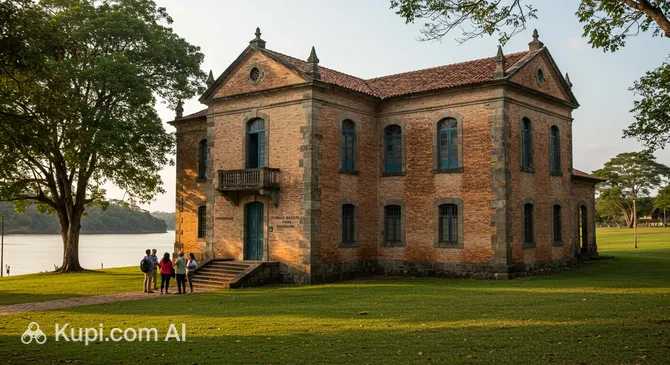
One of the most architecturally intriguing sites is the Piracicaba Water Museum Francisco Salgot Castillon. Located strategically near the river, this museum is housed in a historic pumping station dating back to the late 19th century. It offers tourists a unique look at the history of water sanitation and supply in the region, blending technical knowledge with the charm of preserved heritage structures. It is an excellent stop for those who appreciate industrial history and beautiful riverside views.

Piracicaba Water Museum Francisco Salgot Castillon. Source: Kupi.Binoculars

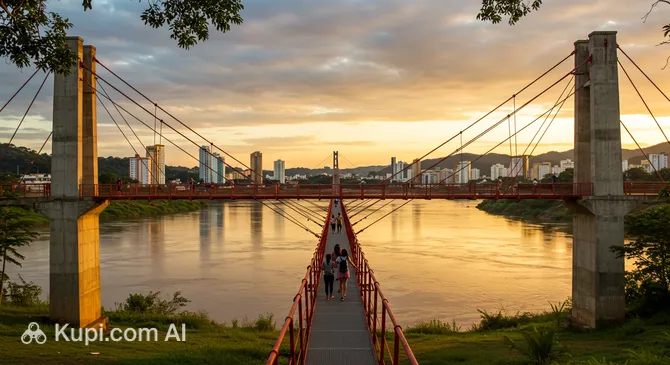
For a stunning perspective of the city's natural landscape, a walk across the José Dias Nunes (Tião Carreiro) Suspension Footbridge is essential. This cable-stayed bridge is not only a vital pedestrian link but also a beloved postcard image of Piracicaba. Walking across it provides panoramic views of the river's rapids and the surrounding greenery, making it a perfect spot for photography and enjoying the refreshing river breeze, especially during sunset.

José Dias Nunes (Tião Carreiro) Suspension Footbridge. Source: Kupi.Binoculars

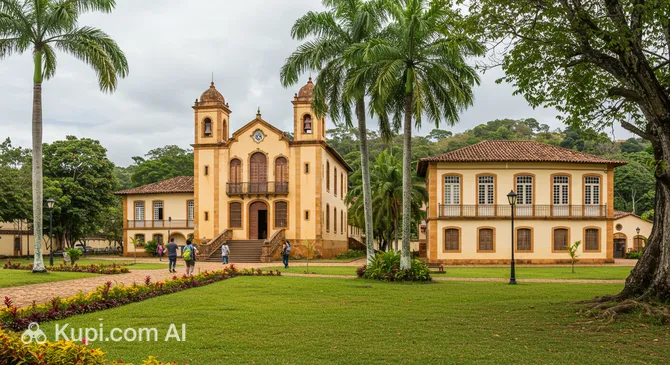
History enthusiasts should not miss the Casa do Povoador. Recognized as one of the oldest buildings in the city, this site serves as a vibrant cultural center dedicated to preserving local folklore and art. The house itself is a relic of the past, standing as a testament to the simple yet enduring architectural styles of the region's early settlements. Inside, visitors can often find exhibitions showcasing regional artists and historical artifacts that tell the story of the local community.

Casa do Povoador. Source: Kupi.Binoculars

Another significant landmark is the Paulista Station, which stands as a symbol of the railway era that drove the city's economic growth. Preserved to maintain its original charm, the station offers a glimpse into the bustling days of coffee transport and passenger travel in the interior of São Paulo. It is a nostalgic destination for those interested in the golden age of Brazilian railways and the industrial expansion of the 20th century.

Local Cuisine

The culinary scene in Piracicaba is deeply intertwined with its geographical roots and agricultural heritage, offering visitors a taste of authentic Brazilian countryside flavors. The city is nationally famous for its corn production, specifically the legendary Pamonha. You cannot visit without trying this delicacy, made from fresh corn paste wrapped in husks and boiled. It comes in sweet versions, often filled with cheese, or savory types with spices and meats. The fame of "Pamonhas de Piracicaba" is so widespread that it has become a cultural symbol of the city.

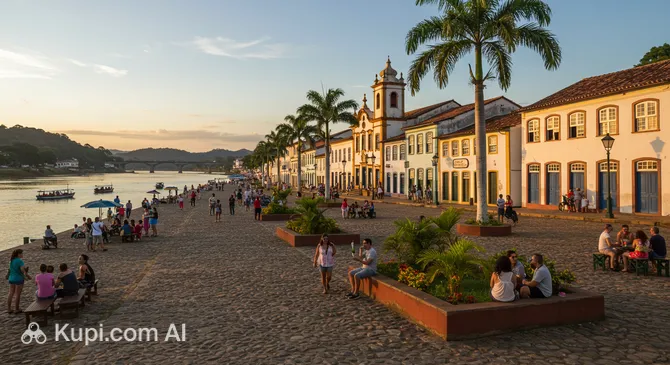
Given the importance of the river, freshwater fish is the other pillar of local gastronomy. The most iconic dining experience can be found along the Rua do Porto, a vibrant riverside promenade lined with rustic restaurants. Here, the signature dish is Fish on the Coals (Peixe na Brasa), typically featuring species like Pintado or Piapara. The fish is roasted whole or in large cuts over open fires and served with simple, hearty sides like rice, pirão (a fish broth mush), and vinaigrette salsa. It is a communal dining style where large platters are shared among friends and family.

Fishermen's Square. Source: Kupi.Binoculars

The area around Fishermen's Square is the epicenter of this food culture. On weekends, the air is filled with the aroma of grilled fish, and the atmosphere is lively with locals enjoying the outdoors. For those looking for a traditional self-service meal that highlights regional home-style cooking, Monte Sul Centro is a popular spot to sample a variety of Brazilian dishes in a casual setting.

When it comes to drinks, the region's history of sugar cane cultivation ensures that Cachaça—Brazil's national spirit—is of high quality here. You will find excellent artisanal brands produced in nearby stills. In recent years, a robust craft beer scene has also emerged. Places like Barley's Tap House & Parrilla offer a modern twist on the local nightlife, serving locally brewed ales and lagers that pair perfectly with grilled meats. Whether you prefer a cold draft beer or a sweet sugarcane juice (caldo de cana), Piracicaba has plenty of refreshing options to cool down the warm afternoons.

Barley's Tap House & Parrilla. Source: Kupi.Binoculars

Beyond the traditional river feast, the city offers a diverse range of eateries. From the classic botecos serving appetizers like fried manioc and sausage to contemporary venues like Mr Tap - Craft Beers, the food landscape caters to all tastes. The blend of indigenous ingredients, rural traditions, and modern influences makes dining here a highlight of any trip.

Travel Tips

To ensure your trip to Piracicaba is as smooth and enjoyable as possible, we have compiled a list of practical advice covering everything from packing essentials to local customs. These tips will help you navigate the city with confidence and make the most of your time in this charming part of the São Paulo countryside.

  1. Clothing and Gear: Since the climate is generally warm and tropical, pack light, breathable fabrics like cotton or linen. Summers can be quite hot, so a hat, sunglasses, and high-SPF sunscreen are essential. Comfortable walking shoes are a must, especially if you plan to explore the cobblestone areas near the river or the parks. For electronics, the standard voltage in Piracicaba is 127V, and outlets typically fit type N plugs (three pins) or type C (two pins), so bringing a universal adapter is recommended.

  2. Transportation: The most convenient way for tourists to get around is by using ride-hailing apps like Uber or 99, which are widely available, safe, and affordable. While there is a public bus system, routes can be difficult to navigate without knowing Portuguese. Renting a car is a good option if you plan to visit neighboring towns or prefer more independence, but for the city center and main attractions, apps are sufficient.

  3. Finances: The official currency is the Brazilian Real (BRL). Credit and debit cards are widely accepted in hotels, restaurants, and shops. However, it is wise to carry some cash for small purchases, such as buying pamonha from street vendors or handicrafts at local markets. ATMs are easily found at banks and supermarkets, but be aware of withdrawal limits and fees for international cards.

  4. Health and Safety: Piracicaba is generally safer than large metropolitan capitals, but standard precautions apply. Avoid walking in deserted areas or unlit parks late at night and keep an eye on your belongings in crowded places. Pharmacies like Drogaria São Paulo or Raia are plentiful, and many have extended hours. It is advisable to drink bottled or filtered water rather than tap water to avoid any stomach issues.

  5. Communication: The official language is Portuguese. English is not widely spoken outside of major hotels or high-end establishments, so learning a few basic phrases like "Obrigado" (Thank you) and "Por favor" (Please) will go a long way. Downloading a translation app or having an offline dictionary on your phone is highly recommended to help with menus and directions.

  6. Local Etiquette: Brazilians are warm and informal. Greetings often involve a handshake or a light kiss on the cheek (usually one in the state of São Paulo) for women. The "thumbs up" gesture is commonly used to say "yes," "okay," or "thank you." When dining, tipping around 10% is customary and is often already included in the bill as a service charge.

  7. What to Avoid: Do not assume that locals speak Spanish; while the languages are similar, trying to communicate in Spanish can sometimes be seen as dismissive of their unique culture. Also, avoid flashing expensive jewelry or large amounts of cash in public, even though the city is relatively calm.

  8. Local Insight: For the most authentic experience, visit the Rua do Porto on a Sunday afternoon. This is when the area is most alive, filled with locals enjoying live music, grilled fish, and cold drinks. It is the perfect time to soak up the true "Noiva da Colina" atmosphere and mingle with the friendly residents.

Armed with these practical tips, you are ready to explore the beautiful streets and riverbanks of Piracicaba without worry. Embrace the local rhythm, enjoy the delicious cuisine, and have a wonderful journey in this welcoming Brazilian city!

Entertainment & Nightlife

As a bustling university city, Piracicaba offers a vibrant and diverse nightlife scene that caters to students, locals, and visitors alike. When the sun sets, the city transforms, offering everything from laid-back riverside gatherings to energetic bars and pubs. The atmosphere is generally welcoming and casual, reflecting the warm hospitality of the interior of São Paulo.

The heart of the evening social life is undoubtedly the Rua do Porto. While famous for its daytime dining, at night it becomes a lively hub where the sounds of sertanejo (Brazilian country music) and samba drift from the restaurants. It is the perfect place to enjoy a cold beer while feeling the river breeze. For those seeking a more urban buzz, Avenida Carlos Botelho and the surrounding streets in the São Dimas neighborhood are lined with trendy bars, burger joints, and upscale pubs that draw a younger crowd.

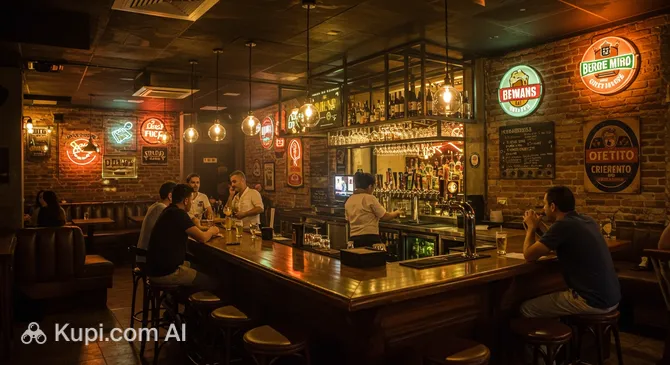
The city has developed a strong reputation for its craft beer culture. Enthusiasts should head to Mr Tap - Craft Beers, a popular spot known for its extensive selection of local and international brews. It is a great venue to mingle with locals and enjoy a relaxed evening. If you prefer a more refined culinary experience accompanied by excellent wines and gourmet products, Pavanelli Emporium and Restaurant offers a cozy and sophisticated setting perfect for a quiet night out.

Mr Tap - Craft Beers. Source: Kupi.Binoculars

For those looking for entertainment beyond bars, the Piracicaba Shopping Mall provides a comprehensive leisure center. It features modern movie theaters showing the latest international and Brazilian films, as well as a variety of dining options and arcade games, making it a safe and convenient choice for families or couples.

Practical Advice for Nightlife:

  • Timing: Happy hours usually start around 6:00 PM, while bars and clubs get busier after 9:00 PM. On weekends, venues can stay open until late, but it is always good to check specific hours.
  • Dress Code: The style in Piracicaba is casual. Jeans and a nice top are suitable for almost all venues, even the more upscale ones.
  • Safety and Transport: The main nightlife districts are generally safe, but it is advisable to avoid walking alone in quiet areas late at night. The best way to get around is by using ride-hailing apps like Uber or 99, which are reliable and affordable.

During the day, the city offers a different kind of entertainment. Culture lovers can explore the local theaters, such as the Teatro Municipal Dr. Losso Netto, or revisit the historical museums mentioned earlier. For families, the city's parks and the zoo provide excellent outdoor recreation before the evening festivities begin.

Parks & Museums

Piracicaba offers a refreshing balance between urban life and nature, with green spaces that celebrate the region's biodiversity and cultural venues that honor its rich history. From riverside promenades to educational reserves, the city provides ample opportunities for visitors to unwind outdoors or dive deep into the local heritage.

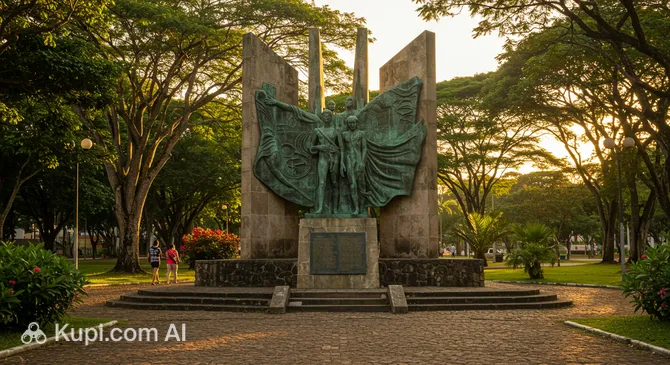
The most beloved green space in the city is the Parque da Rua do Porto (João Herrmann Neto). Situated along the banks of the Piracicaba River, this sprawling park is the go-to spot for families and fitness enthusiasts. It features a large lake with pedal boats, jogging tracks, and playgrounds. It is also common to spot capybaras grazing peacefully on the lawns, adding a touch of wildlife to the experience. Within this park, visitors can find the Peace Monument, an inspiring structure dedicated to promoting the culture of peace and unity among peoples.

Peace Monument. Source: Kupi.Binoculars

For a more immersive encounter with nature, the Horto Florestal de Tupi is a must-visit. Located about 15 kilometers from the city center, this experimental station and conservation unit protects a significant area of Atlantic Forest and reforested zones. It offers several trails of varying difficulty levels, allowing hikers to explore the lush vegetation, observe native birds, and enjoy the tranquility of its lakes and creeks. It is an ideal escape for those looking to disconnect from the city buzz.

In terms of cultural heritage, the Museu Histórico e Pedagógico Prudente de Moraes stands out as a key institution. Housed in the former residence of Prudente de Moraes, the first civilian president of Brazil, the museum preserves the memory of his life and political career. The building itself is a historical gem, and the exhibits provide a fascinating timeline of Piracicaba's development and its role in the national political landscape during the early Republic.

Art enthusiasts should head to the Pinacoteca Municipal Miguel Dutra. Often hosting rotating exhibitions of contemporary and classical art, this gallery plays a vital role in the city's artistic scene. It showcases works by local and regional artists, offering a glimpse into the creative spirit of the interior of São Paulo. The venue frequently organizes workshops and cultural events, making it a dynamic space for artistic exchange.

Insider Tip: For a unique "open-air museum" experience, take a walk through the campus of ESALQ (Luiz de Queiroz College of Agriculture). The grounds are beautifully landscaped with exotic trees, historical buildings, and vast gardens. It is a peaceful place open to the public, perfect for a quiet afternoon stroll amidst stunning architecture and nature.

Getting Around

Navigating Piracicaba is relatively straightforward, with a public transport system primarily relying on an extensive network of urban buses. Unlike larger metropolitan areas, the city does not have a metro or tram system. instead, the bus fleet connects all major neighborhoods, universities, and industrial areas to the city center. The system is designed around the concept of integration, allowing passengers to switch routes at designated terminals without paying an additional fare, provided they remain within the terminal area or use the integration card within a specific time window.

The hub of the network is the Central Integration Terminal (TCI), located in the heart of the city. From here, lines radiate outwards to district terminals such as Vila Sônia, Piracicamirim, Paulicéia, São Jorge, and Eldorado. For tourists, the TCI is the most important point of reference, as most buses passing through tourist attractions and shopping areas will eventually connect here. The buses are generally clean and functional, with destination signs clearly displayed on the front.

Regarding payment, the system encourages the use of a rechargeable electronic card, currently managed by the local transport operator. While paying with cash directly to the conductor on board is often possible, using the card is more practical and sometimes offers a slightly lower fare. Visitors planning to stay for a few days can acquire a card at the main terminal or authorized sales points. To check schedules and routes in real-time, it is highly recommended to download local transport apps or widely used navigation apps like Moovit or CittaMobi, which cover the city's lines accurately.

For those preferring more comfort or direct routes, ride-sharing apps are extremely popular and efficient in Piracicaba. Services like Uber and 99 operate extensively throughout the city, offering a safe and often very affordable alternative to traditional taxis. This is particularly useful for returning to your accommodation late at night or when carrying luggage. Traditional taxi stands are also available, usually found near the main bus station (Rodoviária), the central square, and major landmarks.

While not a mode of mass transit, a unique feature of the city's mobility landscape is the Tourist Elevator (Elevador Turístico) located at the Alto do Mirante. It serves as a functional link between the lower riverbank area and the upper viewpoint on the bridge, saving pedestrians a steep climb while offering panoramic views of the Piracicaba River. Additionally, the city has been expanding its network of cycle paths, particularly along the river promenade, making bike rentals a pleasant option for leisure rides on sunny days.

Accommodation

Finding the perfect place to stay in Piracicaba is relatively easy, as the city boasts a well-developed hospitality infrastructure designed to cater to both business travelers and tourists. The accommodation landscape is dominated by mid-range hotels and functional business flats, which offer modern amenities and reliable service. For those traveling on a tighter budget, there are several cost-effective inns and hostels, while visitors seeking more comfort can find upscale options with pool facilities and broader services.

When choosing a location, the City Center is often the most practical choice for first-time visitors. Staying here places you within walking distance of banks, shops, and historical landmarks, as well as the main bus terminals. It is the hub of daily life and offers the easiest access to public transportation. Alternatively, if your focus is leisure and gastronomy, look for accommodations near the Piracicaba River and the Rua do Porto. This area allows you to be close to the city's famous promenade, parks, and vibrant restaurant scene, providing a more scenic and relaxed atmosphere.

The general price range for accommodation in Piracicaba is quite reasonable, especially when compared to the capital city of São Paulo. Most travelers will find that mid-range options provide excellent value for money. Booking is straightforward, with most establishments listed on major international online booking platforms. Direct booking via phone or the hotel's website is also common and can sometimes yield better rates.

Booking Tip: While finding a room is usually not a problem, the city gets very busy during its major annual events, such as the Festa das Nações (Festival of Nations) in May or the International Humor Salon. If you plan to visit during these festive periods, it is highly recommended to secure your reservation at least a few weeks in advance to ensure availability and the best prices.

Nearby Cities

For those looking to explore the surroundings, Piracicaba serves as an excellent base for day trips to several interesting nearby locations:

One of the most popular destinations is Limeira, located just a short drive away. Often called the "Capital of Plated Jewelry," it attracts visitors looking for fashion accessories and jewelry shopping at competitive prices. The city also has a rich agricultural history, particularly in citrus farming, and offers pleasant parks such as the Parque Cidade de Limeira for a relaxing afternoon.

Another fascinating stop is Americana. This city holds a unique place in Brazilian history due to the immigration of North American families from the Southern United States following the American Civil War. Today, it is a thriving urban center known for its textile industry and the Parque Ecológico, which houses a zoo and botanical garden perfect for families.

Very close to Piracicaba lies Santa Bárbara d'Oeste, which shares a similar historical heritage with Americana. It is a city that blends tradition with modernity, featuring museums like the Immigration Museum that tell the story of the region's diverse cultural roots. It is an ideal spot for those interested in local history and a quieter atmosphere.

City Population Distance (km)
Limeira 300911 30
Sumare 265955 40
Americana 244270 32
Hortolândia 215819 46
Santa Bárbara d'Oeste 190139 24

These nearby destinations offer a glimpse into the diverse culture and landscapes of the region.

Shopping & Souvenirs

Shopping in Piracicaba offers a pleasant mix of modern convenience and traditional charm, reflecting the city's status as a regional hub in the interior of São Paulo. Visitors can explore everything from bustling pedestrian streets lined with local boutiques to large shopping centers featuring international brands. Whether you are looking for fashion, electronics, or unique regional specialties, the city provides ample opportunities to find what you need.

The heart of the city's street commerce is located in the downtown area (Centro), particularly along Rua Governador Pedro de Toledo. Known locally as the "Calçadão," this pedestrian-only street is always lively and filled with a wide variety of stores selling clothing, footwear, and accessories at affordable prices. It is the perfect place to experience the daily rhythm of the locals and discover small shops that have been part of the community for decades.

For a more comprehensive and climate-controlled retail experience, the Piracicaba Shopping Mall is the primary destination. Located on Avenida Limeira, this large complex houses over 200 stores, including major Brazilian department stores and well-known global franchises. Beyond shopping, it offers a safe and comfortable environment with a diverse food court and entertainment facilities, making it a popular spot for families to spend the afternoon.

Piracicaba Shopping Mall. Source: Kupi.Binoculars

If you are interested in local flavors and artisanal products, a visit to the Mercado Municipal is essential. This traditional market is vibrant with colors and smells, offering fresh produce, spices, and regional cheeses. It is also an excellent place to find high-quality Cachaça. The region of Piracicaba is famous for producing some of Brazil's finest artisanal sugarcane spirits, and a bottle makes for a perfect souvenir to take home. Additionally, for those seeking gourmet gifts or fine wines, the Pavanelli Emporium and Restaurant offers a curated selection of delicacies that are worth exploring.

When it comes to souvenirs, besides cachaça, look for items that celebrate the city's rural culture and its beloved river. Handicrafts often feature themes related to fish or the "caipira" (countryside) lifestyle. While perishable, the famous sweet corn pudding, Pamonha, is the city's most iconic product; if you are traveling a short distance, buying fresh pamonha is a must.

Opening Hours and Payment: Street shops generally operate from 9:00 AM to 6:00 PM on weekdays and from 9:00 AM to 1:00 PM on Saturdays, remaining closed on Sundays. The shopping mall, however, is open daily from 10:00 AM to 10:00 PM (with shorter hours for stores on Sundays, usually 2:00 PM to 8:00 PM). Credit and debit cards are widely accepted throughout the city, but it is advisable to carry some cash for small purchases at street stalls or the municipal market.

Tax-Free: Travelers should note that Brazil does not currently operate a Value Added Tax (VAT) refund system for international tourists for general retail purchases. The price you see on the tag is the final price you pay.

Reached the end of the page?

That means the route is fully explored