Support

Araraquara

About

Araraquara, affectionately known as the Morada do Sol (Abode of the Sun), is a charming and vibrant city located in the interior of the state of São Paulo. With a population of approximately 226,000 inhabitants, it offers a perfect blend of modern urban infrastructure and a welcoming, small-town atmosphere. As a significant municipality in Brazil, it is renowned for its high quality of life, well-planned streets, and the spectacular sunsets that gave the city its poetic nickname.

The city's development has been significantly shaped by the coffee boom and the arrival of the railroad. Travelers interested in the roots of this region can explore the fascinating history of Araraquara, which is preserved in its historical buildings and cultural institutions. The city takes pride in its heritage, maintaining a connection to its past while looking forward to the future.
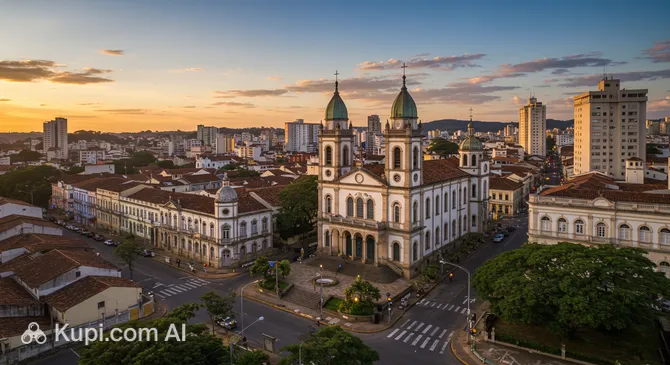
Araraquara. Source: Kupi.Binoculars

There are several attractions that make a visit here worthwhile. The Railway Museum (Museu Ferroviário) is a highlight for history buffs, showcasing the importance of trains in the city's growth. For those seeking relaxation, the Parque Infantil offers lush green spaces in the heart of the city, ideal for a leisurely stroll. Additionally, the Rua 5 (Voluntários da Pátria Street) is famous for its "tunnel of trees," creating a unique and picturesque urban landscape.

Whether you are visiting for business or leisure, Araraquara invites you to experience its warm climate and friendly hospitality. It is a delightful destination to discover the rich culture and the golden glow of the late afternoons that make this city truly special.

Weather Overview

Araraquara generally enjoys a warm climate characterized by distinct seasonal changes in rainfall rather than extreme temperature fluctuations. Travelers looking for more specific forecasts can consult the detailed guide to the weather in Araraquara, but generally, the city experiences warm, humid summers and milder, significantly drier winters.

The summer months, particularly from December through March, bring the most frequent precipitation. January is typically the wettest month in terms of frequency, with approximately 21 wet days and average temperatures hovering around 25.2°C. During this period, daily highs often reach nearly 30°C, creating a tropical atmosphere where rain showers are a common occurrence.

In contrast, the middle of the year offers a dry respite. From June to August, rainfall becomes scarce, with July often recording 0 mm of precipitation and only a single wet day. Temperatures during these winter months are pleasant, with average lows dipping to around 14.1°C in July, while daytime highs remain comfortable at roughly 26°C. As the season transitions in September, the heat tends to peak, with maximum temperatures climbing to 31.9°C.

Interesting Facts

Beyond the main attractions, Araraquara holds many fascinating secrets that surprise even the most curious travelers. From literary masterpieces to prehistoric footprints, the city's history is paved with unique stories that go far beyond its sunny nickname.

  • Dinosaurs on the Sidewalks: A walk through the city center can literally be a stroll through the Jurassic period. The pinkish sandstone slabs used to pave the sidewalks, known locally as Pedra Araraquara, are fossilized dunes that occasionally feature visible tracks left by dinosaurs and ancient mammals millions of years ago.

  • Birthplace of a Masterpiece: One of the most important works of modern literature in Brazil was created here. The writer Mário de Andrade reportedly wrote his iconic novel Macunaíma in a feverish burst of inspiration over just six days while staying at the Chácara Sapucaia, a farmhouse in the city.

  • A Philosopher's Visit: The city has a surprising connection to French existentialism. In 1960, the renowned philosopher Jean-Paul Sartre and the writer Simone de Beauvoir visited Araraquara to deliver a lecture at the local university, an event that became legendary in the city's intellectual history.

  • The "Cleanest City" Title: For decades, Araraquara held the prestigious, albeit informal, title of the "cleanest city in the three Americas." This reputation for impeccable urban hygiene and organization was established in the mid-20th century and remains a point of immense pride for the locals today.

How to Get There

Reaching this vibrant city in the interior of São Paulo state is relatively straightforward, thanks to its proximity to several major transport hubs and a network of high-quality highways. While direct commercial flight options to Araraquara itself may be limited, the surrounding region is well-served by airports that facilitate easy access. For a detailed breakdown of all available routes and transport modes, you can read more about how to get to Araraquara.

The most convenient entry point for many travelers is Dr. Leite Lopes State Airport (RAO), located in the neighboring city of Ribeirão Preto. It is the closest major facility, situated approximately 82 km from Araraquara. Travelers landing here can expect a smooth transfer time of around one hour by car or taxi. This airport serves as a key regional link, connecting the interior to other major Brazilian capitals.

For those arriving from international destinations or seeking a wider range of flight connections, Viracopos Airport (VCP) is a significant alternative. It is a major hub serving the wider region, located about 173 km away. The journey to Araraquara typically takes between 2 and 2.5 hours. Another viable option for domestic travelers is Bauru-Arealva Airport (JTC) in Bauru, roughly 102 km away, with a travel time of approximately 1 hour and 30 minutes.

For clarity, here is a summary of the main airports serving the region:

Airport Name City Passenger Traffic Km from City
Dr. Leite Lopes State Airport Ribeirão Preto Medium 82.1
Bauru-Arealva Airport Bauru Small 102.3
Sao Jose do Rio Preto Airport Sao Jose do Rio Preto Medium 166.1
Viracopos Airport Sao Paulo Large 173.5
Dr Gastao Vidigal Airport Marilia Small 186.9

Main Attractions

Exploring Araraquara reveals a city that values its cultural heritage and natural beauty. While the city is well-known for its urban planning, its specific tourist spots offer a deeper dive into the region's history, geology, and leisure lifestyle. Visitors will find a variety of spaces ranging from educational museums to stunning ecological parks.

One of the most visually striking locations is the Parque do Basalto. This ecological park is unique because it was established in a former basalt quarry, resulting in a dramatic landscape of high rock walls and native vegetation. It features a beautiful waterfall and lakes that attract local wildlife, making it a perfect spot for nature lovers, photographers, and those seeking a peaceful retreat from the city center. The park's trails allow visitors to appreciate the impressive geological formations up close.

For those interested in the city's spiritual and historical roots, the Matriz de São Bento is a must-visit. Located in the heart of the city, this church stands on the site of the city's first chapel and serves as a major landmark. The current structure impresses with its imposing architecture and beautifully preserved interior, reflecting the religious devotion and artistic history of the community. The surrounding square is also a traditional meeting point, offering a glimpse into the daily life of the locals.

To understand the "Dinosaurs on the Sidewalks" phenomenon mentioned in local trivia, tourists should head to the Museu de Arqueologia e Paleontologia (MAPA). This institution is dedicated to preserving the region's prehistoric heritage, housing a significant collection of fossils and the famous sandstone slabs containing dinosaur footprints. It provides a fascinating educational experience, explaining the geological history of the Araraquara sandstone formation and the ancient creatures that once roamed this land.

Another cultural gem is the Chácara Sapucaia, now a cultural center maintained by UNESP (São Paulo State University). This historic farmhouse is not only architecturally charming but also culturally significant as the place where the modernist writer Mário de Andrade wrote his masterpiece, Macunaíma. Today, it hosts various cultural events and exhibitions, allowing visitors to walk through the rooms and gardens that inspired one of Brazil's greatest literary works.

Local Cuisine

The culinary scene in Araraquara is a delightful reflection of its history, blending traditional Brazilian countryside flavors with a strong Italian heritage. Visitors will find that the city's gastronomy is hearty, welcoming, and deeply rooted in the agricultural abundance of the São Paulo interior. From savory snacks famous throughout the country to comforting family-style meals, eating here is an essential part of the travel experience.

Undoubtedly, the most famous gastronomic treasure of the region is the Coxinha de Bueno de Andrada. Located in the rural district of Bueno de Andrada, just a short drive from the city center, this golden, tear-drop-shaped chicken croquette has achieved legendary status. Tourists and locals alike flock to the traditional railway station area to taste these crispy treats, which are renowned for their thin dough and generous, flavorful fillings, ranging from the classic chicken to dried meat and cheese.

Beyond the famous savory snacks, the city honors its "caipira" (countryside) roots with dishes based on corn. It is common to find fresh pamonha (boiled corn paste wrapped in husks) and curau (sweet corn pudding) at local markets and specialty shops. Additionally, due to the significant Italian immigration in the region, Araraquara boasts excellent cantinas and pizzerias, serving high-quality pasta and wood-fired pizzas that rival those found in the state capital.

When it comes to drinks, the warm climate invites refreshing options. As the region is a major producer of citrus fruits, fresh orange juice is a staple, often served ice-cold and incredibly sweet without added sugar. For something stronger, the local bar culture is vibrant, with residents gathering at sidewalk tables to enjoy a chopp (draft beer) or a classic caipirinha made with cachaça and lime, perfectly complementing the relaxed, sunny atmosphere of the "Abode of the Sun."

The food culture in Araraquara is social and unhurried. Locals prefer to dine out in the evenings, filling the bustling bars and restaurants along the main avenues. Whether you are grabbing a quick snack at a padaria (bakery) or sitting down for a long Sunday lunch at a steakhouse, you will encounter friendly service and generous portions that define the hospitality of the interior.

Travel Tips

To ensure your visit to the "Abode of the Sun" is as smooth and enjoyable as possible, we have compiled a set of essential guidelines. These practical tips will help you navigate local customs, logistics, and daily life in Araraquara with the confidence of a seasoned traveler.

  1. Clothing and Gear: Since the city is famous for its heat, pack light, breathable fabrics like cotton or linen, especially if visiting between September and March. A hat and sunscreen are indispensable due to the intense sun. However, if you are traveling during the winter (June to August), bring a light jacket or sweater, as evenings can get surprisingly chilly. Comfortable walking shoes are a must for exploring the unique sandstone sidewalks.

  2. Transportation: The most convenient way to get around is by using ride-hailing apps like Uber or 99, which are safe, reliable, and relatively inexpensive here. The city also has an organized public bus system centered around the Terminal Central de Integração (TCI). If you plan to visit the famous district of Bueno de Andrada or neighboring towns, renting a car is highly recommended for flexibility.

  3. Finances: The official currency is the Brazilian Real (BRL). Credit and debit cards are widely accepted, even in small kiosks and bakeries. However, it is wise to carry some cash for small purchases or tips. ATMs are plentiful, but for security, prefer those located inside shopping malls or supermarkets. Tipping around 10% in restaurants is standard and usually included in the bill as a service charge.

  4. Health and Safety: Araraquara is considered one of the safer cities in the state, but standard urban precautions apply. Avoid walking alone in deserted parks or unlit areas late at night. Pharmacies are abundant, with several major chains operating 24/7 in the city center and along main avenues like Via Expressa. For emergencies, dial 192 for an ambulance or 190 for the police.

  5. Communication: The primary language is Portuguese, and English proficiency is not widespread outside of hotels and universities. Learning basic phrases like "Obrigado" (Thank you) and "Por favor" (Please) goes a long way. A crucial tip is to install WhatsApp on your phone; it is the preferred communication tool for locals and businesses, used for everything from booking tables to asking for store hours.

  6. Local Etiquette: Locals are generally warm and informal. Greetings often involve a handshake or, among women or mixed company, a kiss on the cheek. It is polite to greet shopkeepers and drivers with a "Bom dia" (Good morning) or "Boa tarde" (Good afternoon). When dining, keep the noise level moderate, but feel free to engage in friendly conversation if approached.

  7. What to Avoid: Avoid drinking tap water directly. While the city's water treatment is good, the mineral content or plumbing in older buildings might upset your stomach; stick to bottled or filtered water. Additionally, do not flash expensive electronics or jewelry conspicuously while walking on the streets, just to be on the safe side.

  8. Sunset Strategy: Take the city's nickname seriously and plan your day to be outdoors in the late afternoon. The sunsets in Araraquara are legendary for their vivid colors. A great "life hack" is to position yourself at a high point or an open square, like the Praça do Daae, around 5:30 PM to witness the spectacular golden hour that defines the region.

Armed with these insights, you are ready to explore the charming streets and warm hospitality of this interior gem in Brazil. Enjoy the relaxed pace of life, the stunning skies, and the friendly encounters that await you in Araraquara.

Entertainment & Nightlife

Araraquara offers a vibrant and welcoming nightlife scene that perfectly reflects its warm climate and university-town atmosphere. Thanks to the presence of UNESP students and a sociable local population, the city buzzes with energy after dark, particularly from Thursday through Saturday. The nightlife here is less about exclusive, high-end nightclubs and more about lively bars, open-air "botecos," and venues with live music ranging from Brazilian rock to sertanejo and samba.

The epicenter of the city's evening entertainment is undoubtedly Avenida Bento de Abreu. This bustling avenue serves as the city's main nightlife hub, lined with restaurants, bars, and kiosks that spill out onto the sidewalks. It is the place to see and be seen, where groups of friends gather for happy hour and stay well into the night. Another key area is the Praça das Bandeiras, a historic square that hosts a more bohemian crowd, often featuring cultural events and spontaneous gatherings.

For those looking to experience the local bar culture, Bar do Zinho is a true institution in Araraquara. Located on Praça das Bandeiras, it is famous for its cultural significance and relaxed, intellectual vibe, often hosting local artists and musicians. It is the perfect spot to enjoy a cold beer and engage in conversation. Another popular venue is Boteco Pé na Cova, known for its lively atmosphere, live music performances, and a menu full of traditional bar snacks (petiscos) that pair perfectly with a "caipirinha."

If you are planning a night out, keep in mind that the action typically starts around 8:00 PM, with bars getting crowded by 10:00 PM. The dress code is generally casual and comfortable—jeans and a nice top are standard. Prices are reasonable and considered very affordable compared to larger cities like São Paulo, allowing visitors to enjoy a fun night out without high costs. Most venues do not charge an entry fee unless there is a special band playing.

Regarding safety, Araraquara is considered quite safe for nightlife enthusiasts. However, standard urban precautions apply. It is advisable to use ride-hailing apps like Uber or 99 to get around at night rather than walking long distances between districts, especially after midnight. The city center is well-lit, but quieter residential streets can be deserted.

Before the sun sets, the city also offers excellent daytime entertainment. The Teatro Municipal is a cultural landmark offering a diverse program of plays and concerts. For a more relaxed afternoon, Shopping Jaraguá provides a mix of cinema, shopping, and dining options, serving as a modern leisure hub for families and tourists alike.

Parks & Museums

Araraquara is a city that harmoniously blends urban development with environmental preservation and cultural memory. Visitors will find that the "Abode of the Sun" lives up to its reputation for quality of life, offering spacious green areas for recreation and well-curated museums that safeguard the region's identity. Whether you are looking to relax under the shade of ancient trees or explore the history of the railroad, the city has plenty to offer.

For outdoor enthusiasts, the Parque Pinheirinho (officially the Parque Ecológico) is the city's premier recreational hub. This vast complex is a favorite among locals for weekend leisure, featuring a large reservoir, swimming pools, and sports courts. It is an excellent spot for families, offering ample space for picnics, a kart track, and walking paths surrounded by greenery. It represents the active lifestyle of the city, providing a refreshing escape from the urban heat.

Another significant green space is the Bosque do Botânico (Grove of the Botanic Garden). Unlike the bustling Pinheirinho, this park offers a more serene environment dedicated to the preservation of native flora. It is the perfect location for a quiet morning jog or a peaceful walk. The dense canopy provides welcome relief from the sun, and the well-maintained trails allow visitors to immerse themselves in the local biodiversity right in the middle of the city.

On the cultural front, the Museu Ferroviário (Railway Museum) is an essential stop, located within the historic train station. Araraquara's growth was intimately tied to the expansion of the railways, and this museum captures that golden era. Visitors can explore fascinating exhibits including old locomotives, telegraph equipment, and photographs that document the lives of the railway workers who helped build the interior of São Paulo state.

For a broader historical perspective, the Museu Histórico e Pedagógico Voluntários da Pátria sits in the leafy Praça Pedro de Toledo. Housed in a building with historical significance, its collection spans various periods of the city's development, from the coffee barons to the Constitutionalist Revolution of 1932. It provides a comprehensive narrative of how a small settlement grew into one of the most important cities in the region.

For a truly authentic experience, take a moment to admire the Arborização Urbana (Urban Forestation) specifically along Rua 5 (Rua Voluntários da Pátria). While not a park in the traditional sense, the "tunnel" formed by the massive Oiti trees is a natural landmark in its own right. Walking or driving through this green corridor is a simple yet defining experience of Araraquara, showcasing the city's dedication to integrating nature into daily life.

Getting Around

The public transport system in Araraquara is primarily based on a comprehensive network of urban buses. Unlike larger metropolises, the city does not have a metro or tram system. The bus service is efficient and covers most neighborhoods, connecting residential areas with the city center, universities, and industrial districts. The heart of this network is the Terminal Central de Integração (TCI), located in the downtown area. Almost all bus lines pass through this terminal, making it the main hub for transfers and a key reference point for getting around.

The system is operated by a consortium known as CAT (Consórcio Araraquara de Transportes). The buses are generally modern, clean, and accessible. For payment, the city utilizes an electronic ticketing card called Novocard. While frequent commuters use rechargeable cards, tourists can typically pay with cash directly on board. You will pay the fare to a conductor or the driver upon entering. The approximate fare for a single trip is around 5.00 BRL, though it is always wise to carry small bills and coins, as change for large notes may not be available.

For visitors planning to use the bus, the most practical advice is to familiarize yourself with the TCI. If you need to switch buses to reach a distant destination, you can often do so within the terminal without paying an additional fare, provided you stay within the integration area. To navigate the routes and schedules, apps like Moovit or CittaMobi are highly recommended and work well in the city, providing real-time arrival estimates and route planning. Buses typically run from early morning, around 5:00 AM, until shortly after midnight.

If you prefer more direct and private transportation, ride-hailing apps are extremely popular and reliable alternatives in Araraquara. Services like Uber and 99 are widely available, offering safe and reasonably priced rides, often costing only slightly more than a bus fare for short distances. Traditional taxis are also available, mostly found at designated stands near the TCI, the bus station (Rodoviária), and major squares, but they tend to be more expensive than the apps.

While the city is relatively spread out, the central district is flat and well-paved, making it conducive to walking for short trips between shops and restaurants. Although there is no large-scale public bike-sharing scheme currently in operation, the city's terrain and the presence of bike lanes on major avenues like the Via Expressa make cycling a viable option if you can arrange a private rental. Overall, combining the bus system for longer distances with ride-sharing apps for convenience offers the best balance for exploring the city.

Accommodation

Accommodation in Araraquara is characterized by practicality and comfort, catering largely to business travelers, academic visitors, and families exploring the region. The city does not typically feature ultra-luxury resorts; instead, visitors will find a solid selection of mid-range business hotels, reliable national chains, and modest but welcoming budget options. The hospitality here reflects the city's organized and friendly nature, ensuring a pleasant stay regardless of your budget.

When choosing where to stay, location is a key factor. The City Center (Centro) is the most convenient area for tourists who want to explore on foot. Staying here places you within walking distance of historical landmarks, the main shopping districts, and the Parque Infantil. It is also where the main public transport hub (TCI) is located, making it easy to navigate the city without a car.

For those seeking a quieter environment or attending events, the Fonte Luminosa district is an excellent alternative. This area is slightly more upscale and is home to the Arena da Fonte stadium and the convention center. Hotels in this neighborhood tend to be newer and offer modern amenities, often situated near the highway access points, which is convenient for travelers arriving by car.

Another practical option is the area surrounding the Rodoviária (Bus Station). While further from the cultural attractions, this zone offers functional accommodation perfect for short stopovers or travelers prioritizing easy access to intercity transport. These hotels are generally simple and cost-effective.

Booking and Prices: The price range for accommodation in Araraquara is generally affordable compared to the state capital. You can expect to find high-quality mid-range rooms at very reasonable rates. While it is usually easy to find a room, it is advisable to book in advance if you are visiting during major local events like the FACIRA (Trade and Industrial Fair) or during university entrance exam periods, when the city fills up with students and parents. Most hotels are listed on major online booking platforms, but direct booking is also a reliable method in this region.

Nearby Cities

For those looking to explore the surroundings, Araraquara serves as an excellent base for day trips to several interesting nearby locations:

City Population Distance (km)
Sao Carlos 254484 39
Matao 81439 27
Jaboticabal 75820 59
Taquaritinga 56587 54
Guariba 38499 46

São Carlos is the most prominent neighbor and a fantastic option for a day trip. Known as the "Capital of Technology" due to its prestigious universities and research centers, it offers a vibrant cultural scene. Visitors can explore the Parque Ecológico de São Carlos, which is excellent for families, or visit the historic railway station. The city also boasts a lively restaurant scene and a cooler climate due to its slightly higher altitude.

Another delightful destination is Matão, located very close to Araraquara. This city is nationally famous for its traditional Corpus Christi celebration, where the streets are adorned with magnificent carpets made of flowers, glass beads, and colored earth. Even outside the festival season, Matão offers a peaceful, small-town atmosphere with charming squares and welcoming locals, making it perfect for a quick and relaxing getaway.

Jaboticabal, known affectionately as the "City of Roses," is another worthwhile stop. It has a strong agricultural tradition and is renowned for its ceramics and peanut production. The city center features well-preserved historical architecture and tree-lined streets that invite a leisurely stroll. It is an ideal spot to experience the authentic hospitality of the São Paulo interior.

These nearby destinations offer a glimpse into the diverse culture and landscapes of the region.

Shopping & Souvenirs

Shopping:

Shopping in Araraquara offers a delightful mix of modern convenience and historical charm, reflecting the city's blend of urban development and tradition. Visitors can choose between bustling pedestrian streets in the city center or comfortable, air-conditioned shopping malls that serve as major leisure hubs. Whether you are looking for international brands, local handicrafts, or specific regional products, the city provides a diverse retail experience.

The most iconic shopping destination in the city is undoubtedly Shopping Lupo. Located in the downtown area, this mall is housed in the restored former factory of Lupo, one of the most famous textile companies in Brazil, which was founded in Araraquara. The building itself is a historical landmark, featuring a distinctive clock tower and industrial architecture. Inside, visitors can find a variety of stores, cafes, and a cinema, all within a setting that pays homage to the city's industrial past. It is also the perfect place to buy high-quality socks and underwear directly from the source.

For a more extensive and modern retail experience, Shopping Jaraguá is the largest commercial center in the region. Situated on Avenida Alberto Benassi, it features a wide array of national and international franchises, a large food court, and a multiplex cinema. It is a favorite meeting point for locals, especially on weekends, offering everything from fashion and electronics to services and entertainment.

Travelers who prefer the atmosphere of street markets and traditional commerce should head to Rua 9 de Julho, popularly known as "Rua 2." This area forms the heart of the city's commercial district (Comércio Popular). Parts of the street are designated as a pedestrian mall (calçadão), lined with shops selling clothing, shoes, accessories, and household goods at very competitive prices. Walking here provides a glimpse into the daily life of the residents and is a great opportunity to find bargains.

When it comes to opening hours, street shops in the city center typically operate from 9:00 AM to 6:00 PM on weekdays and until 1:00 PM on Saturdays, though some larger stores may stay open later. The shopping malls, including Jaraguá and Lupo, generally open their stores from 10:00 AM to 10:00 PM from Monday to Saturday, with reduced hours on Sundays and holidays, usually starting in the afternoon.

Reached the end of the page?

That means the route is fully explored