Support

Mococa

About

Welcome to Mococa, a charming municipality nestled in the northeastern region of the state of São Paulo, Brazil. Known for its serene atmosphere and rich cultural heritage, this city offers visitors a delightful glimpse into the traditional life of the Brazilian interior. With a population of approximately 69,000 residents, Mococa maintains a friendly, small-town vibe while serving as a significant center for the surrounding agricultural area.

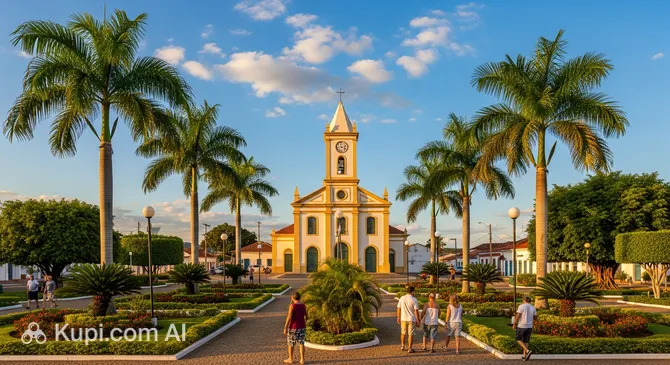
Mococa. Source: Kupi.Binoculars

The city is renowned for its impressive collection of colonial architecture, which stands as a testament to its prosperous past during the coffee boom. Travelers interested in the history of Mococa will find the city center particularly fascinating, with its well-preserved mansions and historical buildings that date back to the 19th and early 20th centuries. Walking through these streets feels like taking a step back in time, allowing one to appreciate the grandeur of the coffee barons' era.

Beyond its architectural beauty, Mococa is celebrated for its local craftsmanship and dairy products, especially its traditional sweets and cheeses. Nature lovers and those seeking rural tourism can explore the historic coffee farms (fazendas) scattered around the countryside, some of which are open to visitors. The city is also a known stop on the Caminho da Fé (Path of Faith), a popular pilgrimage route, attracting trekkers and cyclists from all over.

Whether you are an architecture enthusiast, a history buff, or simply looking for a peaceful retreat in the countryside, Mococa is a destination worth exploring. Its blend of historical charm, lush green landscapes, and warm hospitality makes it a perfect stop for anyone wishing to experience the authentic heart of São Paulo state.

Weather Overview

The climate in this region is generally characterized by warm, humid summers and mild, dry winters, making it a pleasant destination year-round. Before packing for your trip, it is helpful to review the current weather in Mococa to ensure you are prepared for the seasonal variations.

During the summer months, particularly from December to March, the city experiences its warmest temperatures, with averages around 24°C and highs regularly reaching 28°C. This period is also the wettest, with January seeing up to 23 wet days, so bringing an umbrella or raincoat is advisable. In contrast, the winter season from June to August offers cooler and much drier conditions. July is typically the coldest month, with average temperatures dropping to 19.1°C and nighttime lows around 12.9°C, accompanied by almost no rainfall.

The transitional months of September and October can be quite warm, with maximum temperatures peaking near 30°C, before the rainy season begins again in November. Overall, visitors can expect a tropical climate pattern with distinct wet and dry periods, offering sunny days for exploration during the winter and lush, green landscapes during the summer.

Interesting Facts

Beyond the main attractions and historical facades, Mococa holds many fascinating secrets and cultural landmarks that surprise even the most seasoned travelers.

  • A Cradle for Olympic Swimmers: Mococa is famously known in the sports world for hosting the Troféu Chico Piscina. This is one of the most traditional and prestigious junior swimming competitions in Brazil, having served as a launching pad for numerous athletes who later went on to compete in the Olympic Games.

  • A Household Name for Sweets: While the region is known for dairy, the city's name itself is synonymous with a specific and beloved brand of "doce de leite" (milk jam) and condensed milk found in pantries across Brazil. For many Brazilians, the word "Mococa" immediately triggers memories of traditional desserts.

  • Indigenous Roots: The name "Mococa" is derived from the Tupi-Guarani language. It is believed to translate to "small house" or "shelter" (Moco-Oca), referencing the temporary dwellings used by the early founders and pioneers when they first settled in the region.

  • Italian Artistic Legacy: The city's visual identity was significantly shaped by Bruno Filisberti, an Italian sculptor who settled in Mococa. His impressive craftsmanship can be admired in the ornate altars and sculptures within the Mother Church (Igreja Matriz), blending European artistic traditions with local history.

How to Get There

Reaching Mococa is a journey through the scenic landscapes of the São Paulo countryside. While the city is tucked away in the interior, it is accessible via several major transport hubs in the region. For a detailed breakdown of routes and transport modes, you can read more about how to get to Mococa to plan your trip effectively.

The city of Mococa does not have its own airport, but travelers have multiple convenient options nearby. The closest facility is Dr. Leite Lopes State Airport (IATA: RAO), located in the city of Ribeirão Preto, approximately 89 km away. A taxi or car ride from there typically takes about 1 hour and 30 minutes. For those arriving on international flights or from further afield, Viracopos Airport (IATA: VCP) in Sao Paulo is a major hub situated about 170 km from Mococa, with a transfer time of around 2.5 hours by road.

Another significant option is the Sao Paulo-Guarulhos International Airport (IATA: GRU), which is the busiest airport in Brazil. Located in Sao Paulo, roughly 223 km away, it offers the most extensive international connections. Travelers landing here should expect a journey of approximately 3 to 3.5 hours to reach Mococa by car or bus.

For clarity, here is a summary of the main airports serving the region:

Airport Name City Passenger Traffic Km from City
Sao Paulo-Guarulhos International Airport Sao Paulo Very High 223.2
Viracopos Airport Sao Paulo High 170.4
Dr. Leite Lopes State Airport Ribeirão Preto Medium 88.6
Uberaba Airport Uberaba Low 214.2
Sao Paulo Catarina Airport Aracariguama - 217.3

Currently, there are no regular passenger railway services directly connecting to Mococa. The most common and reliable way to arrive is by road. The city is well-connected by a network of highways, making travel by bus or car the primary means of transport. Several bus companies operate frequent routes from major cities like São Paulo, Campinas, and Ribeirão Preto, offering a comfortable ride through the lush interior of the state.

Main Attractions

Mococa is a city where the past meets the present, offering visitors a delightful mix of architectural heritage, cultural depth, and rural tranquility. The city's golden era as a coffee production hub has left a lasting legacy, visible in its streets and surrounding farms. Here are some of the main attractions that make this destination so special.

One of the most striking landmarks in the city is the Igreja Matriz de São Sebastião. Built at the end of the 19th century, this Neo-Gothic church is a masterpiece that reflects the wealth of the coffee barons. Tourists are often captivated by its magnificent interior, which features intricate paintings by the Italian artist Elia Napoli and walls decorated with scagliola, a technique that imitates marble. It is not just a place of worship but a true work of art that dominates the city center.

For those interested in local history and arts, the Casa de Cultura Rogério Cardoso is an essential stop. Housed in a beautiful building from 1929, this cultural center is named after the beloved Brazilian actor and comedian who was born in Mococa. The facility is a treasure trove for visitors, as it hosts three distinct museums: the Historical Museum, the Museum of Sacred Art, and the Museum of Plastic Arts. It serves as the vibrant heart of the city's artistic life, offering exhibitions and workshops throughout the year.

Mococa is also famous for its rural tourism, and the Fazenda Ambiental Fortaleza is a prime example of this heritage. Historic yet innovative, this farm has been in the same family since 1850 and is renowned internationally for its sustainable approach to coffee production. Visitors can explore the grounds to learn about organic farming, enjoy farm-to-table dining experiences, and immerse themselves in the lush nature of the Brazilian countryside. It is a perfect spot for those looking to understand the journey of coffee from bean to cup.

Finally, no visit is complete without a leisurely walk through the Historic Center. The downtown area is an open-air museum lined with well-preserved colonial mansions that date back to the height of the coffee boom. Strolling through these streets allows travelers to admire the eclectic architecture and imagine the lifestyle of the wealthy coffee patrons who once called this city home. The center is also a great place to find local shops selling traditional sweets and crafts.

Local Cuisine

Local Cuisine:

The culinary scene in Mococa is a heartwarming blend of São Paulo's interior traditions and the rich flavors of neighboring Minas Gerais. This fusion creates a distinctive "Paulista" countryside cuisine, known locally as comida caipira, which is characterized by wood-fired cooking, abundant fresh ingredients, and a deep love for comfort food. Visitors will find that meals here are not just about sustenance but are a celebration of the region's agricultural abundance.

Dairy plays a starring role in the local diet, and the city is nationally famous for its high-quality milk-based products. You absolutely must try the artisanal doce de leite (milk caramel), which is often served as a dessert with a slice of fresh white cheese, a combination known as "Romeo and Juliet." For a hearty main course, look for traditional dishes like feijão tropeiro (beans mixed with cassava flour, bacon, and eggs) or succulent pork ribs served with creamy polenta, which perfectly embody the rustic flavors of the interior.

When it comes to beverages, the city's history is steeped in coffee culture. Enjoying a cup of fresh, locally harvested coffee is a daily ritual here, typically accompanied by warm pão de queijo (cheese bread). For those interested in spirits, the region produces excellent artisanal cachaça, the famous Brazilian sugarcane spirit. It is common to find aged varieties in local emporiums, perfect for sipping neat or mixing into a refreshing caipirinha.

Dining in Mococa is a laid-back and social experience. The city center is dotted with inviting padarias (bakeries) and confectioneries where locals gather for long afternoon snacks. On weekends, the street markets come alive, offering a chance to taste crisp, deep-fried pastels paired with freshly pressed sugarcane juice. For a truly authentic experience, many of the historical coffee farms surrounding the city open their doors to tourists, serving elaborate rural breakfasts and lunches cooked on traditional wood-burning stoves.

Travel Tips

Planning a trip to Mococa is an exciting opportunity to experience the authentic pace of the Brazilian interior, and a few practical preparations will ensure your visit is as smooth as it is memorable. These essential tips are designed to help you navigate local customs, logistics, and daily life in this charming historical city.

  1. Clothing and Gear: Since the climate varies by season, packing layers is key. For the hot and humid summers, bring lightweight, breathable fabrics and a raincoat or umbrella for frequent showers. If you visit during the drier winter months, pack a sweater or light jacket for the cooler evenings. Comfortable walking shoes are a must, especially if you plan to explore the cobblestone streets of the historic center or tour the rural fazendas (coffee farms).
  2. Transportation: The city center is compact and walkable, making it easy to explore major sights on foot. For longer distances or to reach the surrounding farms, renting a car is highly recommended as it offers the most flexibility. While ride-hailing apps like Uber may operate in the city, availability can be lower than in major capitals, so it is wise to have the number of a local taxi service handy just in case.
  3. Finances: The official currency is the Brazilian Real (BRL). While credit and debit cards are widely accepted in hotels, restaurants, and supermarkets, it is essential to carry some cash for small purchases, street snacks, or rural attractions that might not have reliable internet for card machines. ATMs are available at major bank branches in the downtown area. Tipping around 10% is customary in restaurants if the service charge isn't already included.
  4. Health and Safety: Mococa is generally a safe and peaceful city, but it is always prudent to practice standard travel safety, such as not displaying expensive electronics unnecessarily. Pharmacies (drogarias) are plentiful in the town center for basic medical needs. For emergencies, there is a local hospital, but travel insurance covering medical evacuation is always recommended for international tourists.
  5. Communication: The primary language is Portuguese, and English is not widely spoken outside of specific tourist-focused establishments. Learning a few basic phrases like "Bom dia" (Good morning) and "Obrigado/a" (Thank you) goes a long way. It is advisable to download a translation app for offline use. Prepaid SIM cards from carriers like Vivo or Claro can be purchased at local newsstands or pharmacies to ensure you stay connected.
  6. Local Etiquette: Paulistas from the interior are known for their warmth and hospitality. When entering a shop or greeting someone, a friendly "Hello" is expected. Physical contact, such as a handshake or a light kiss on the cheek (usually one in São Paulo state), is common during greetings. Politeness and patience are highly valued, so take your time during interactions.
  7. What to Avoid: Avoid drinking tap water; it is safer to stick to bottled or filtered water to prevent any stomach issues. Also, try not to rely solely on digital maps when exploring rural areas, as GPS signals can be spotty; asking locals for directions is often more reliable and welcomed.
  8. Shopping Hours: Keep in mind that commerce in smaller Brazilian cities often follows traditional hours. Most shops close by 1:00 PM on Saturdays and remain closed on Sundays, except for supermarkets and bakeries. If you plan to buy the city's famous dairy products or artisanal crafts, plan your shopping for weekdays or Saturday mornings.

By keeping these practicalities in mind, you will be well-equipped to relax and fully immerse yourself in the rich culture and scenic beauty of Mococa. Enjoy the warm welcome of the locals and the delightful tranquility of the São Paulo countryside!

Entertainment & Nightlife

Nightlife in Mococa is characterized by a relaxed and welcoming atmosphere, reflecting the city's friendly interior spirit. Rather than large, thumping nightclubs, the evening entertainment scene focuses on lively bars, gastro-pubs, and social spaces where locals gather to unwind. The action typically centers around the downtown area (Centro) and the main avenues, where you can find a variety of establishments ranging from casual snack bars to more sophisticated venues offering craft cocktails and draft beer.

For those looking to experience the local vibe, Bajas Restaurante & Bar is a standout favorite among residents. Known for its extensive menu of signature cocktails—including creative twists on the classic caipirinha—and cold draft beer, it is a perfect spot to start the night. Another popular venue is Rei do Boliche Sport Bar, which offers a fun combination of entertainment options; here, visitors can enjoy a game of bowling, watch live sports matches, and grab a drink in a lively setting that often draws a younger crowd.

The atmosphere in Mococa's nightlife is generally casual and unpretentious. Most venues do not enforce a strict dress code, with smart-casual attire being the norm. Live music is a staple of the weekend experience, with many bars hosting local artists playing sertanejo (Brazilian country music), MPB (Musica Popular Brasileira), or pop rock. Fridays and Saturdays are the busiest nights, with places usually filling up after 9:00 PM.

From a practical perspective, enjoying a night out in Mococa is quite affordable compared to larger cities. Entry fees are rare unless there is a special event or live band, and food and drink prices are reasonable. While the city is generally safe for evening strolls in populated areas, it is advisable to use local taxi services or ride-hailing apps when returning to your accommodation late at night, rather than walking long distances alone.

During the day, entertainment in Mococa takes on a different pace. The Teatro Municipal is a cultural hub that occasionally hosts plays and musical performances, adding a touch of artistic flair to the city. For a more immersive daytime experience, visitors often explore the surrounding rural areas, where historical coffee farms offer tours and leisure activities, providing a perfect contrast to the city's evening social scene.

Parks & Museums

Mococa offers a delightful mix of manicured green spaces and rich cultural institutions that reflect its identity as a historic coffee town. While the city is surrounded by the lush nature of the countryside, its urban center preserves important gardens and venues that safeguard the region's artistic and historical memory.

Parks and Green Spaces

The heart of the city's outdoor life is arguably the Praça Marechal Deodoro (Marechal Deodoro Square). More than just a central plaza, this space functions as a botanical garden with its impressive corridor of imperial palm trees and dense vegetation that offers a refreshing respite from the heat. It is a perfect spot for a leisurely stroll, where visitors can admire the famous bronze sculpture A Mulher de Mococa (The Woman of Mococa) by the renowned local sculptor Bruno Giorgi. The square also features a traditional bandstand and a luminous fountain, making it a picturesque setting for relaxation.

For those seeking a more immersive nature experience, the city's surroundings are dotted with "ecological sanctuaries" within private estates and rural areas, such as the Fazenda Buracão. While technically a rural property, it is often visited for its natural trails, kayaking opportunities, and lush landscapes that represent the Atlantic Forest transition zone. It provides an excellent opportunity for tourists to connect with the local flora and fauna in a preserved environment.

Museums and Galleries

The cultural epicenter of the municipality is the Casa de Cultura Rogério Cardoso. Housed in a beautifully restored building from 1929 that was once a vocational school, this center is a "must-visit" because it aggregates three distinct museums under one roof. It honors the famous Brazilian actor Rogério Cardoso, a native of Mococa, with a special room dedicated to his life and career, filled with personal memorabilia that fans of Brazilian television will appreciate.

Within the Casa de Cultura, history buffs should explore the Museu Histórico e Geográfico. This section preserves a vast collection of photographs, documents, and artifacts that narrate the city's development, particularly focusing on the opulent Coffee Era. It offers a deep dive into the lives of the coffee barons and the immigrants who shaped the region's economy.

Art enthusiasts will find the Museu de Artes Plásticas "Quirino da Silva" and the Museu de Arte Sacra equally captivating. The former displays works by local and regional artists, highlighting the city's creative spirit, while the latter houses a significant collection of religious art, including images and liturgical objects that reflect the deep-rooted faith of the local community.

Historical and Architectural Sites

Beyond the museums, the Mercado Municipal (Municipal Market), founded in 1895, stands as a living monument to the city's trade history. Recently revitalized, it is an architectural gem where visitors can admire the structure while shopping for traditional cheeses, sweets, and handicrafts. It is a vibrant place to experience the daily rhythm of the locals and taste the authentic flavors of the interior.

Authentic Experiences

For a truly local experience, visit the Feira de Domingo (Sunday Fair) at Praça Santa Cecília. It is not just a market but a weekly cultural event where artisans display their work and families gather for breakfast, offering a genuine slice of Mococa's community life that you won't find in standard guidebooks.

Getting Around

Public transport in Mococa is primarily designed to serve the local population's daily needs, relying almost exclusively on a network of municipal buses. As a relatively small city with a population of around 69,000, there is no metro, tram, or train system available for intra-city travel. The bus service, often referred to by locals as "circular," connects the residential neighborhoods on the outskirts with the central commercial district and key areas like the industrial park.

For visitors, the bus system is straightforward but basic. The routes usually converge at or pass through the city center, making the Terminal Rodoviário (Bus Station) and the main squares key reference points. Operating hours typically run from early morning, around 6:00 AM, until approximately 11:00 PM or midnight. It is important to note that the frequency of buses decreases significantly on weekends, particularly on Sundays and holidays, so planning ahead is advisable if you rely on this mode of transport.

Regarding payment, the system is quite traditional. While local residents often use electronic travel cards, tourists can easily pay the fare in cash directly on board. You will usually pay the driver or a conductor upon entering the bus through the front door. The fare is affordable, generally costing a few Reais. It is highly recommended to carry small change, as breaking large bills can sometimes be difficult for the bus staff.

Given the compact nature of Mococa's historic center, walking is often the most pleasant and efficient way to explore. Most of the major architectural sights, museums, and shops are located within a short distance of each other. However, for reaching destinations further afield or for greater comfort, taxis are a reliable alternative. You can find taxi stands (ponto de táxi) at strategic locations such as the main bus terminal and near the central square.

Modern ride-hailing apps like Uber and 99 are also operational in the city and offer a convenient way to get around without the language barrier of explaining directions. These services are often competitively priced compared to standard taxis. Additionally, since many of the region's main attractions—such as the historic coffee farms—are located in the rural countryside, renting a car is strongly suggested for tourists who wish to explore beyond the city limits freely.

Accommodation

Accommodation in Mococa reflects the city's welcoming and traditional character, offering visitors a range of comfortable options rather than large international luxury chains. The hospitality scene is dominated by independent establishments, ranging from simple, family-run pousadas (inns) and functional business hotels in the city center to charming rural retreats on the outskirts. The most distinctive lodging experience in the region, however, is undoubtedly the opportunity to stay at a historic coffee farm (fazenda), where guests can immerse themselves in the local heritage and nature.

For those prioritizing convenience and proximity to cultural sights, the City Center (Centro) is the best area to stay. Choosing a hotel here places you within walking distance of the main architectural landmarks, such as the Neo-Gothic Mother Church and the various museums housed in the Casa de Cultura. Staying downtown also means easy access to local bakeries, restaurants, and shops, allowing travelers to experience the daily rhythm of the municipality without needing a car for every outing.

Alternatively, travelers seeking relaxation and a deeper connection with the region's history should consider the rural zone. Several historic properties have been converted into eco-tourism destinations, offering a blend of rustic comfort and colonial grandeur. These accommodations often provide full-board packages featuring traditional farm-to-table cuisine, guided tours of coffee plantations, and outdoor activities like hiking or horseback riding. It is a perfect choice for families or couples looking for a peaceful getaway amidst the rolling green hills of São Paulo's interior.

In terms of cost, accommodation in Mococa is generally affordable to mid-range. You can expect reasonable prices for clean and comfortable rooms, with rates increasing slightly for the more exclusive farm stays that offer all-inclusive experiences. While many of the larger hotels and established inns are listed on major online booking platforms, some smaller family-run guesthouses may still prefer direct bookings via phone or messaging apps. A helpful tip is to book well in advance if you plan to visit during major local events, such as the Troféu Chico Piscina swimming competition or religious festivities, as the city's limited room capacity can fill up quickly during these peak periods.

Nearby Cities

For those looking to explore the surroundings, Mococa serves as an excellent base for day trips to several interesting nearby locations. Situated near the border of Minas Gerais, the city offers easy access to a variety of destinations known for their natural beauty, historical significance, and thermal waters.

One of the most popular choices for a day trip is Poços de Caldas, located approximately 57 km away in the state of Minas Gerais. Famous throughout Brazil as a hydro-mineral resort, it attracts visitors with its curative thermal baths, stunning waterfalls, and the scenic cable car ride up to the statue of Christ the Redeemer. The city is also renowned for its handcrafted Murano-style crystals and delicious local sweets, making it a perfect spot for leisure and shopping.

Closer to home, just 18 km from Mococa, lies São José do Rio Pardo. This city is deeply connected to Brazilian literature as the place where Euclides da Cunha wrote his masterpiece, Os Sertões. History enthusiasts can visit the dedicated museum and the zinc bridge, the reconstruction of which was supervised by Euclides himself during his time as an engineer in the city. Nature lovers will also appreciate the Rio Pardo, which offers opportunities for fishing and eco-tourism activities.

Another excellent option is Guaxupé, situated about 36 km away. Known as a major hub for coffee production, it offers a glimpse into the thriving agricultural heart of the region. The city center features a magnificent Neo-Gothic cathedral that is a visual treat for architecture buffs. Visitors can enjoy the vibrant local atmosphere and sample some of the finest coffees produced in Brazil right at the source.

City Population Distance (km)
Pocos de Caldas 152,435 57
Sao Jose do Rio Pardo 54,388 18
Guaxupe 49,430 36
Vargem Grande do Sul 41,807 41
Santa Cruz das Palmeiras 34,737 47

These nearby destinations offer a glimpse into the diverse culture and landscapes of the region, ranging from the rolling hills of Minas Gerais to the historic river valleys of São Paulo.

Shopping & Souvenirs

Shopping in Mococa is a delightful experience that reflects the city's strong ties to its agricultural roots and historical traditions. Unlike the sprawling commercial hubs of major metropolises, the retail scene here is intimate and authentic, focused largely on local craftsmanship, regional delicacies, and family-owned businesses. Visitors will not find high-end luxury boutiques, but rather a charming selection of stores that offer a genuine taste of the São Paulo interior, particularly famous for its dairy products and coffee-related goods.

The primary destination for retail therapy is the City Center (Centro). The streets surrounding the main squares, such as Praça Marechal Deodoro, form the commercial heart of the municipality. Here, tourists can wander through bustling avenues lined with clothing stores, shoe shops, and variety stores (known locally as lojas de variedades). This area is perfect for a leisurely walk, allowing you to admire the colonial architecture while browsing for everyday items or unique local finds.

Travelers accustomed to massive shopping complexes should adjust their expectations, as Mococa does not feature large-scale shopping malls. Instead, the city relies on traditional street commerce and small shopping galleries. These galleries often house a mix of boutiques, beauty salons, and cafeterias, providing a cozy and convenient environment for quick purchases without the overwhelming crowds of big-city malls.

A highlight of the local shopping scene is the Mercado Municipal (Municipal Market). Housed in a historic building, it is an essential stop for foodies and culture enthusiasts. Inside, stalls overflow with fresh produce, spices, and regional specialties. It is the best place to interact with local vendors and discover the ingredients that define the local cuisine. Additionally, the Sunday Fair (Feira de Domingo) at Praça Santa Cecília is a vibrant weekly event where artisans display handmade crafts, embroidery, and street food, offering a perfect opportunity to support the local community.

When it comes to souvenirs, culinary treats are the undisputed stars. You cannot leave Mococa without buying a jar of artisanal doce de leite (milk caramel), a product for which the city is nationally renowned. Other excellent gifts include bags of freshly roasted coffee beans from nearby farms, bottles of aged cachaça, and traditional cheeses. For non-edible keepsakes, look for beautiful handmade embroidery and crochet work, a craft that has been passed down through generations in the region.

Standard opening hours for shops in Mococa are from 9:00 AM to 6:00 PM on weekdays (Monday to Friday). On Saturdays, most stores operate on a reduced schedule, typically closing by 1:00 PM, while Sundays are generally reserved for rest, with the exception of supermarkets and the morning street fairs. Regarding payment, credit and debit cards are widely accepted in most established shops and restaurants. However, it is advisable to carry some cash (Brazilian Reais) when visiting street markets or smaller stalls to ensure smooth transactions.

Regarding tax-free shopping, tourists should be aware that Brazil's tax refund system is not operational in smaller municipalities like Mococa. The price you see on the tag is the final price, inclusive of all local taxes. While you won't get a VAT refund at the airport for goods bought here, the reasonable prices of local products often make them excellent value for money regardless.
Reached the end of the page?

That means the route is fully explored