Support

Castro

About

Welcome to Castro, a destination where tradition and cultural diversity come together in the heart of the Campos Gerais region. Known as the "First City of Paraná," this charming municipality offers a unique blend of Brazilian heritage and European influence, particularly from its strong Dutch roots. With a population of approximately 67,000 residents, the city provides a peaceful yet engaging atmosphere for travelers seeking history, gastronomy, and scenic landscapes.

Geographically, the city is situated along the banks of the Iapó River, characterized by the rolling hills and green pastures typical of the region. The climate is generally mild, with warm summers and cool winters, making it a pleasant destination year-round. As you explore this fascinating corner of Brazil, you will discover a place that proudly preserves its past while embracing modern agricultural innovation.
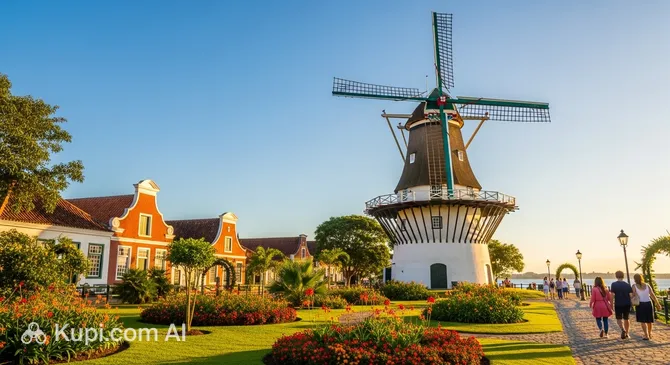
Castro. Source: Kupi.Binoculars

The city's origins are deeply connected to the 18th-century cattle drivers, or "tropeiros," who used the area as a resting point on their long journeys. Visitors can delve deeper into this era by exploring the history of Castro at the Museu do Tropeiro (Tropeiro Museum). Housed in a historic building, it is one of the few museums in the country dedicated entirely to the lifestyle and artifacts of these pioneers who played a crucial role in the development of southern Brazil.

One of the most striking features of the city is the Castrolanda Cultural Center. This district showcases the profound influence of Dutch immigrants who settled here in the mid-20th century. The highlight is "De Immigrant," a massive windmill that stands as one of the largest in the world. Visitors can tour the mill, visit the local immigration museum, and enjoy traditional Dutch architecture and cuisine, adding a distinct international flavor to their trip.

Beyond its cultural heritage, the city offers beautiful outdoor spaces such as the Parque Lacustre (Lakeside Park), a perfect spot for leisure and nature walks. Whether you are admiring the historic colonial houses or tasting local dairy delicacies, Castro invites you to experience its warm hospitality and rich cultural tapestry.

Weather Overview

The climate in Castro is generally temperate, offering a comfortable atmosphere for exploration throughout the year. Visitors can expect distinct seasonal changes, with warm, humid summers and cooler, drier winters. For a more detailed breakdown of conditions during your specific travel dates, you can check the current weather in Castro.

Summer, spanning from December to March, is the warmest period, with average temperatures hovering around 21°C and highs reaching up to 25.6°C. It is also the wettest season; January is particularly rainy, often seeing precipitation on up to 24 days of the month, so carrying an umbrella or raincoat is highly recommended.

In contrast, the winter months of June through August bring crisper air and clearer skies. Average temperatures drop to approximately 15°C, with nighttime lows falling to around 10°C in July. Rainfall decreases significantly during this time, with July typically experiencing only about 5 wet days, making it a pleasant season for outdoor activities if you dress in layers.

Interesting Facts

Beyond its scenic landscapes and Dutch architecture, Castro holds several fascinating secrets that surprise many visitors. From its pivotal role in state politics to its impressive engineering feats, the city's history is filled with unique distinctions that go far beyond the surface.

  • A Temporary State Capital: While Curitiba is the well-known capital of Paraná today, Castro briefly held this title. During the Federalist Revolution in 1894, the city served as the acting capital of the state for three months, a short but significant period in its political history.

  • A Giant Built Without Nails: The famous "De Immigrant" windmill is not just a visual replica; it is an engineering marvel. Standing as one of the largest windmills in the world, its massive wooden structure was constructed using traditional Dutch joinery techniques, meaning it was built entirely without the use of nails.

  • The National Capital of Milk: Castro officially holds the title of "National Capital of Milk" in Brazil. The region is renowned for its high-tech dairy farming, achieving productivity levels per cow that rival the best standards in Europe and North America.

  • A Unique Tribute to Tropeiros: The city is home to the Museu do Tropeiro, which is widely considered the only museum in the country exclusively dedicated to the history of the cattle drivers (tropeiros). Appropriately, it is housed in the oldest standing building in the city, an 18th-century structure that witnessed the very era it preserves.

How to Get There

Reaching this destination in the Campos Gerais region is a straightforward journey, typically involving a flight to a major transport hub followed by a scenic drive. For a detailed breakdown of routes and transportation methods, you can read more about how to get to Castro. While the city itself is quieter, its proximity to the state capital ensures good connectivity for travelers.

The city of Castro does not have its own commercial airport, but you can fly into Afonso Pena International Airport (CWB) in the city of Sao Jose dos Pinhais, which serves the greater Curitiba area. This is the primary gateway for most visitors and is located about 115 km from Castro. The ground transfer from here generally takes approximately 3 hours and 15 minutes by taxi or bus. As a large regional hub, it offers numerous flight connections. Alternatively, you might consider Londrina Airport (LDB) in Londrina, though it is further afield. Situated roughly 200 km away, the travel time from there is estimated at around 5 hours and 20 minutes.

For clarity, here is a summary of the main airports serving the region:

Airport Name City Passenger Traffic Km from City
Afonso Pena International Airport Sao Jose dos Pinhais High 115.3
Navegantes Airport Navegantes Medium 266.6
Regional de Maringá Maringa Medium 252.5
Londrina Airport Londrina Medium 199.6
Joinville-Lauro Carneiro de Loyola Airport Joinville Low 198.2

Currently, there is no direct passenger railway service to Castro. The most common way to arrive is by road, utilizing the extensive bus network that connects the municipality with Curitiba and neighboring cities. Many visitors also choose to rent a car to enjoy the freedom of exploring the beautiful landscapes of Paraná at their own pace.

Main Attractions

The city of Castro offers a compelling mix of historical depth and cultural charm, making it a rewarding destination for curious travelers. The local tourism scene is anchored by its dual heritage—the legacy of the 18th-century cattle drivers and the vibrant traditions of Dutch immigrants. Whether you are a history buff or a nature lover, the city's main sights provide an immersive look into the unique identity of the Campos Gerais region.

A visit to Castro would be incomplete without exploring the Centro Cultural Castrolanda. This complex is a slice of the Netherlands in Brazil, designed to preserve the memory of the Dutch families who settled here. The main attraction is the majestic "De Immigrant" windmill, which is not only a photogenic landmark but also houses a museum detailing the immigration saga. Visitors can climb to the observation deck for panoramic views, explore typical Dutch architecture, and see traditional wooden clogs being made, offering a distinct European atmosphere in the middle of Paraná.

For those interested in the roots of southern Brazil, the Museu do Tropeiro is an essential stop. Located in the famous "Casa de Telha," one of the oldest masonry structures in the city, the museum holds a vast collection of over 2,500 artifacts. The exhibits include leather goods, tools, religious objects, and clothing that belonged to the tropeiros (cattle drivers). It provides a fascinating insight into the rugged lives of these pioneers who traversed the region and helped shape the city's economy and culture.

Another historical gem is the Fazenda Capão Alto, a site of immense importance often linked to the very origins of Castro. Dating back to the 18th century, this historic farm was a crucial stopover on the legendary Viamão Path used by cattle drovers. Today, tourists can visit the preserved colonial property to admire its taipa (rammed earth) architecture and the old chapel, stepping back in time to the era of the great cattle drives.

For a moment of relaxation amidst nature, Parque Lacustre offers a serene escape right in the city. This large urban park features scenic lakes, walking trails, and plenty of green space for picnics or leisure. It is a popular gathering spot for locals and provides a peaceful setting to watch the sunset or enjoy a quiet stroll after a day of sightseeing.

Local Cuisine

The culinary scene in Castro is a delightful reflection of its dual heritage, blending the rustic traditions of 18th-century cattle drivers with the distinct flavors brought by Dutch immigrants. As the "National Capital of Milk," the city naturally excels in dairy production, but the local gastronomy goes far beyond cheese and yogurt. Visitors can expect a unique dining experience that ranges from hearty, savory Brazilian staples to delicate European pastries, often within the same day.

A true taste of the city's history can be found in Tropeiro cuisine. Born from the needs of cattle drovers who required energy-rich, non-perishable meals for long journeys, these dishes remain local favorites. The most iconic is Feijão Tropeiro, a robust mixture of beans, cassava flour, sausage, eggs, and cracklings. Another staple is Arroz Carreteiro, a flavorful rice dish cooked with dried meat. These meals are typically served in clay pots in traditional restaurants, offering a comforting and authentic taste of the region's past.

On the sweeter side, the influence of the Dutch colony at Castrolanda offers a completely different flavor profile. Here, tourists can indulge in authentic Dutch treats that are hard to find elsewhere in Brazil. The famous Stroopwafel, a waffle cookie made from two thin layers of baked dough joined by a caramel filling, is a must-try. You will also find delicious apple pies (Appeltaart) and savory snacks like Bitterballen (meat-based croquettes), often served in charming confectioneries and cafes within the cultural district.

Given Castro's status in the dairy industry, the local cheeses are exceptional. From Gouda to Emmental, the quality of locally produced cheese is high, and many visitors buy them fresh directly from producers or cooperatives. For drinks, the region is embracing the craft beer movement, often with a European touch, but the freshest milk and yogurt drinks remain a signature offering of the municipality.

For a comprehensive gastronomic experience, visitors should seek out a traditional Café Colonial. This lavish meal is a cultural institution in southern Brazil, featuring a massive buffet of breads, cakes, jams, cold cuts, cheeses, and hot drinks. It serves as a perfect intersection of the city's hospitality, agricultural abundance, and European ancestry, making it an essential activity for any food lover visiting Castro.

Travel Tips

Planning a trip to Castro is an exciting opportunity to experience a unique blend of cultures in the heart of Paraná. To ensure your visit is as smooth and enjoyable as possible, here are some practical tips to help you navigate the city like a local.

  1. Clothing and Gear: The weather in the region can be quite variable, often described as experiencing "four seasons in one day." It is advisable to dress in layers, bringing light clothing for warm afternoons and a jacket for cooler evenings, especially in winter. Since you will likely be walking around the Parque Lacustre or climbing the stairs of the windmill, pack comfortable walking shoes. An umbrella or raincoat is essential if you visit during the humid summer months.

  2. Transportation: While there are local buses and taxis, the most convenient way to explore the area is by car. Many of the main attractions, such as the Castrolanda Cultural Center and historic farms, are spread out and not always easily accessible by public transit. Renting a car gives you the flexibility to move between the city center and the Dutch colony at your own pace.

  3. Finances: The official currency is the Brazilian Real (BRL). Credit and debit cards are widely accepted at hotels, restaurants, and larger shops, particularly in the tourist areas. However, it is wise to carry some cash for small purchases at local markets, street food stalls, or rural attractions where card machines might be unreliable.

  4. Health and Safety: Castro is generally a safe and peaceful city, but it is always best to practice standard travel precautions, such as keeping an eye on your belongings in public spaces. Pharmacies are readily available in the city center for minor health needs. For emergencies, the number for the ambulance service (SAMU) is 192.

  5. Communication: The primary language spoken is Portuguese. While staff at major tourist sites in Castrolanda may speak English or Dutch due to the local heritage, English is not widely spoken in general shops or by the average resident. Learning a few basic phrases like "Bom dia" (Good morning) and "Obrigado" (Thank you), or having a translation app handy, will be very helpful.

  6. Local Etiquette: Brazilians are known for their warmth and hospitality. It is common to greet people with a handshake or a friendly nod. When entering small shops or elevators, a polite greeting is expected. In the Dutch district, the atmosphere is equally welcoming but maintains a sense of European orderliness; respecting queues and local customs is appreciated.

  7. What to Avoid: Avoid assuming that the cultural attractions are open every day of the week. Many museums and specifically the attractions in Castrolanda may be closed on Mondays or have shorter hours on holidays. Always check the opening times in advance to avoid disappointment.

  8. Local Insight: Don't leave without trying the local dairy products. As the "National Capital of Milk," the region produces exceptional yogurts and cheeses. A great tip is to visit the local cooperatives or the souvenir shop at the mill to buy fresh produce directly from the source—it makes for a delicious and authentic snack during your trip.

With these preparations in mind, you are all set to immerse yourself in the rich history and welcoming atmosphere of Castro. Enjoy every moment of your journey, from the historic trails of the tropeiros to the charming windmills of the Dutch colony!

Entertainment & Nightlife

Nightlife in Castro is characterized by a relaxed and welcoming atmosphere, reflecting the city's small-town charm and cultural heritage. Rather than bustling nightclubs or noisy discos, the evening entertainment here revolves around social gatherings in cozy bars, gastropubs, and restaurants. It is the perfect destination for travelers who enjoy good conversation, live acoustic music, and high-quality local gastronomy accompanied by a cold beer or a glass of wine.

The heart of the city's nightlife is primarily located in the Centro (City Center), particularly along the main avenues where locals congregate after work and on weekends. Here, you will find a variety of establishments ranging from traditional Brazilian "botecos" serving draft beer and snacks to more modern venues offering craft cocktails and gourmet burgers. The vibe is casual and family-friendly, with most places operating until late evening, typically winding down between 10:00 PM and midnight, even on weekends.

For a taste of the local social scene, Cappadócia Food & Beer is a popular choice among residents and visitors alike. Known for its lively environment and varied menu, it is a great spot to enjoy artisanal snacks and drinks. Another well-regarded venue is Estação Grill Restaurante e Bar, which often features live music performances and offers a robust selection of grilled meats and beverages, making it an ideal setting for a hearty evening meal that transitions into a night of socializing.

Regarding the Castrolanda district, travelers should be aware that it is primarily a daytime destination. While the area offers a distinct European feel and beautiful architecture, evening entertainment options are very limited. Most museums, shops, and restaurants in this district close in the late afternoon. Therefore, it is highly recommended to explore Castrolanda during the day to fully appreciate the windmill and cultural attractions, reserving your evenings for the livelier spots in the city center.

When planning your night out, it is best to head out around 8:00 PM, as kitchens in this smaller municipality may close earlier than those in larger metropolitan areas. The dress code is almost exclusively casual; comfortable jeans and a nice shirt are perfectly appropriate for any venue in town. Prices are generally affordable, offering excellent value for the quality of food and service provided.

In terms of safety, Castro is considered very safe for evening walks, especially in the central and tourist districts. However, standard precautions should always be taken. Public transport is limited at night, so it is highly recommended to have the number of a local taxi service or use a ride-sharing app if available, although walking between central hotels and nearby bars is often a viable option.

Before the sun sets, the city offers plenty of daytime entertainment to fill your itinerary. History enthusiasts can explore the rich heritage of the region at the local museums or enjoy a peaceful afternoon at the Parque Lacustre. Whether you are admiring the colonial architecture or learning about the "tropeiro" legacy, the daytime activities provide a perfect cultural foundation for your relaxed evenings in this charming city.

Parks & Museums

The city of Castro offers a captivating journey through time and nature, where well-preserved history meets serene landscapes. From the rolling green hills of the Campos Gerais to the meticulously curated collections of its cultural centers, the municipality provides visitors with a diverse array of spaces to explore. Whether you are looking to relax by the water or delve into the daily lives of past centuries, the local parks and museums serve as perfect gateways to understanding the region's unique identity.

For those seeking outdoor leisure, the Parque Lacustre stands out as the city's premier green space. Located centrally, this expansive park is a haven for nature lovers and fitness enthusiasts alike, featuring winding walking paths, sports courts, and tranquil lakes that reflect the surrounding greenery. It is an ideal spot for a family picnic or a late afternoon jog, offering a peaceful escape from the urban routine while remaining easily accessible.

Another significant natural area is the Prainha (officially the Balneário Dr. Libânio Estanislau Cardoso), situated along the banks of the Iapó River. This recreational area is a favorite among locals for camping and enjoying the outdoors, particularly during the warmer months. With its rustic charm and proximity to the river that played such a crucial role in the city's development, it provides a scenic backdrop for relaxation and is a great place to observe the local flora and fauna.

In terms of cultural heritage, the Museu do Tropeiro is an unmissable stop for anyone interested in Brazilian history. Housed in the iconic "Casa de Telha," an 18th-century structure, the museum preserves the memory of the cattle drivers who founded the city. Its collection includes thousands of artifacts, such as riding gear, rustic tools, and period clothing, offering a tangible connection to the rugged lifestyle of the pioneers who traversed these lands.

Reflecting a different chapter of the city's past, the Memorial da Imigração Holandesa, located within the Castrolanda Cultural Center, offers a deep dive into European heritage. While the massive "De Immigrant" windmill is the visual highlight, the interior houses a fascinating museum detailing the journey and challenges of the Dutch families who settled here. Visitors can explore exhibits featuring traditional costumes, photographs, and machinery, providing a comprehensive look at how this community transformed the region's agriculture.

For a more intimate glimpse into local history, the Casa de Sinhara offers a unique perspective on the domestic life of the 19th-century aristocracy. This museum recreates the atmosphere of a wealthy household from the era, displaying period furniture, porcelain, and household items that tell the stories of the women who managed these estates. It is a charming venue that complements the rugged narrative of the tropeiros with a touch of colonial elegance.

Architectural enthusiasts should also make time for the Fazenda Capão Alto. As a protected historical heritage site, this farm showcases authentic colonial architecture using rammed earth (taipa de pilão) construction. Walking through its grounds feels like stepping back into the cycle of the great cattle drives, making it a powerful testament to the region's economic origins.

For a truly authentic experience, take a moment to explore the smaller trails near the Iapó River canyon if you have the time. While less manicured than the central parks, these areas offer raw, stunning views of the geological formations typical of the Campos Gerais, often missed by the average tourist sticking solely to the city center.

Getting Around

Public transport in Castro is straightforward and relies primarily on a network of municipal buses. As a medium-sized city with a population of around 67,000, it does not have complex mass transit systems like subways, trams, or trains. The bus service is designed to connect the residential neighborhoods with the commercial center and key industrial areas. For tourists, the system is relatively easy to use, although the frequency of service can vary significantly depending on the time of day and the specific route.

The buses are the most economical way to get around, particularly if you plan to visit the outlying district of Castrolanda. While most routes operate within the urban core, specific lines connect the city center to the Dutch colony, which is one of the main tourist draws. It is important to note that these buses may run less frequently on weekends and holidays, so planning your return trip in advance is highly recommended to avoid long waits.

Regarding payment, the system is quite traditional. While local residents often use electronic transport cards, visitors can pay the fare directly in cash upon boarding. You will typically pay the driver or a conductor at the turnstile. It is essential to carry small bills or coins in the local currency, as getting change for large banknotes can sometimes be difficult. The fare is affordable and is charged per ride, regardless of the distance traveled within the municipal limits.

For those who prefer more comfort or direct transport, taxis are a reliable alternative and are widely available throughout the city. You can easily find them at designated stands, known as "pontos de táxi," located near the main squares and the bus terminal. Ride-hailing apps are also operational in the region, but availability can be lower than in major capitals, especially during off-peak hours or in more remote areas. If you are relying on an app, allow extra time for a driver to be assigned.

Given the city's layout and the distance between attractions, many visitors find that renting a car offers the most flexibility. This is particularly true if you wish to explore the natural landscapes of the Campos Gerais or visit the historic farms at your own pace. However, within the central historic district, walking is a pleasant option. The terrain in the center is relatively manageable, allowing you to explore the local shops, the tropeiro museum, and the parks on foot without the need for a vehicle.

Accommodation

Accommodation in Castro is characterized by its down-to-earth hospitality and functionality, catering largely to visitors interested in the region's agricultural strength and cultural heritage. The city does not typically feature large luxury resorts or international chains; instead, travelers will find a reliable selection of mid-range hotels, budget-friendly business hotels, and family-run inns (pousadas) that offer comfortable and clean amenities.

The most convenient area to stay is the City Center (Centro). Choosing a hotel here places you within walking distance of local restaurants, shops, and the bus terminal, making it an excellent base for those without a car. Staying in the center allows for easy access to evening dining options after a day of sightseeing. From here, the famous Castrolanda district and its windmill are just a short drive or taxi ride away, so there is no disadvantage to staying in the main urban core.

For those seeking a quieter experience or traveling by car, there are several options located on the outskirts or along the main access roads. These establishments often offer more spacious grounds and parking facilities, making them popular with travelers exploring the wider Campos Gerais route. While there are fewer accommodation options directly inside the Castrolanda colony itself, the short distance from the city center makes the commute negligible.

Prices generally fall into the budget to mid-range categories, offering excellent value for money compared to larger state capitals. Most establishments provide standard conveniences like Wi-Fi and complimentary breakfast—which often features the region's renowned fresh dairy products, cakes, and cheeses. Booking can usually be done easily through major online platforms.

A crucial booking tip: Castro is a major hub for agribusiness and hosts significant events, such as the massive Agroleite fair. During these agricultural expos, the city's hotels fill up completely, and prices can rise. If you plan to visit during these peak business periods, it is essential to book your room weeks or even months in advance to secure a spot.

Nearby Cities

For those looking to explore the surroundings, Castro serves as an excellent base for day trips to several interesting nearby locations:

One of the closest and most compelling stops is Ponta Grossa, located just 36 km away. As the main hub of the region, it is famous for the Vila Velha State Park, which features iconic sandstone formations and deep natural craters known as "furnas." It offers a perfect mix of geological wonders and urban amenities, making it a favorite for both nature lovers and history buffs.

For those seeking outdoor adventure, Jaguariaiva is a fantastic destination situated about 68 km from Castro. The town is renowned for its breathtaking natural landscapes, including the Canyon of the Jaguariaíva River and the Linear Park along the Capivari River. It is an ideal spot for hiking, rafting, and enjoying the lush scenery of the Campos Gerais.

Another interesting option is Campo Largo, located approximately 86 km away. Known as the "Capital of Ceramics," this city is a great place to shop for high-quality porcelain and pottery. It also serves as a gateway to the metropolitan area of Curitiba, offering a blend of industrial heritage and small-town charm.

City Population Distance (km)
Ponta Grossa 311,611 36
Campo Largo 112,377 86
Almirante Tamandare 103,204 90
Telemaco Borba 78,974 82
Jaguariaiva 32,606 68

These nearby destinations offer a glimpse into the diverse culture and landscapes of the region.

Shopping & Souvenirs

Shopping in Castro is a delightful experience that focuses more on cultural authenticity and local flavors than on high-end fashion or sprawling luxury complexes. As a city with deep roots in both the "tropeiro" (cattle driver) tradition and Dutch immigration, the best purchases here are those that reflect this unique dual heritage. Visitors will find a charming selection of artisanal goods, rural products, and gastronomic treats that are difficult to find anywhere else in Brazil.

The main commercial hub of the city is located in the Centro (Downtown) area. The primary artery for shopping is Rua Doutor Jorge Xavier da Silva, along with the intersecting Rua XV de Novembro. Walking along these bustling streets, you will find a variety of clothing boutiques, shoe stores, pharmacies, and general variety shops. This is where the locals do their daily shopping, and it offers a lively atmosphere, particularly on Saturday mornings.

Unlike larger metropolitan areas, Castro does not have massive shopping malls. The retail scene is characterized by street-facing shops and small commercial galleries rather than large enclosed centers. For those looking for extensive department stores or cinema complexes, the neighboring city of Ponta Grossa offers larger shopping malls and is just a short drive away. However, for the typical tourist needs and local finds, the city center is more than adequate.

For visitors specifically looking for souvenirs and cultural items, the district of Castrolanda is the most important stop. The souvenir shop located within the Memorial da Imigração Holandesa (at the windmill) is excellent for finding themed gifts. Here, you can purchase traditional Dutch wooden clogs (klompen), porcelain featuring Delft Blue designs, and embroidered items. It is also the perfect place to buy imported Dutch treats or locally made versions of European snacks.

When it comes to what to buy, the city's reputation as the "National Capital of Milk" should be your guide. Dairy products are the star purchase in Castro. You should definitely look for locally produced cheeses, butter, and doce de leite (milk jam), which are renowned for their quality. Additionally, packages of Stroopwafels (waffle cookies with caramel filling) are a popular and delicious gift to bring back home. Local handicraft fairs, often held in public squares like Praça Manoel Ribas, also occasionally showcase leather goods and rustic items connected to the region's tropeiro history.

Store hours in Castro typically follow the standard commercial schedule of southern Brazil. Most shops in the city center open from 9:00 AM to 6:00 PM on weekdays. On Saturdays, businesses usually operate from 9:00 AM to 1:00 PM, with most closing on Sundays. Supermarkets and some pharmacies may have extended hours. Payment methods are modern and convenient; credit and debit cards are widely accepted even in smaller establishments, though it is always useful to carry some cash for small purchases at street stalls or fairs.

Regarding tax refunds, Brazil does not have a widespread tax-free shopping system for tourists comparable to those in Europe or parts of Asia. While there are specific duty-free zones in the country, Castro is a regular municipality, and prices displayed usually include all applicable taxes. Therefore, visitors should not expect to claim VAT refunds on their purchases here.

Reached the end of the page?

That means the route is fully explored