Support

Ponta Grossa

About

Welcome to Ponta Grossa, a captivating destination located in the state of Paraná. Often referred to as the "Princess of the Fields" (Princesa dos Campos), this city offers a remarkable blend of urban energy and breathtaking natural landscapes. It serves as a significant economic and cultural hub in the region, attracting visitors with its unique geological features and warm hospitality.

Situated in southern Brazil, the city rests on a high plateau, which contributes to its distinct climate and geography. With a population of over 300,000 residents, Ponta Grossa is large enough to offer modern amenities and services while retaining a friendly, community-oriented atmosphere. It is a place where the beauty of the outdoors meets the convenience of city life.
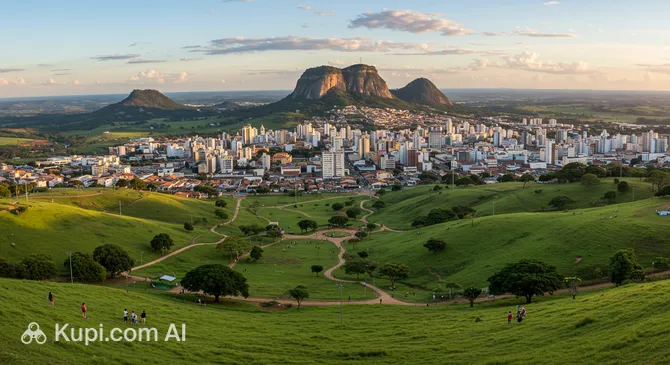
Ponta Grossa. Source: Kupi.Binoculars

The history of Ponta Grossa is deeply connected to the "tropeiros" (muleteers) who traversed this region in past centuries, shaping its development and cultural identity. This rich heritage is still celebrated today and adds a layer of historical depth to your visit. Beyond its past, the city is renowned for its stunning natural attractions.

Nature enthusiasts simply must visit the Vila Velha State Park, famous for its ancient sandstone formations carved by wind and rain into fascinating shapes. Another unmissable highlight is the Buraco do Padre, a spectacular waterfall that cascades inside a natural cave, creating a truly magical scene. These sites make the city a paradise for eco-tourism and adventure.

Whether you are drawn by the allure of geological wonders or the charm of local culture, Ponta Grossa promises an unforgettable experience. We invite you to explore its scenic trails, historical sites, and vibrant streets for a truly authentic Brazilian adventure.
Weather Overview

The climate in this region is generally mild and pleasant, though it varies noticeably between seasons. Summers are typically warm and humid, with January being the warmest month, featuring an average temperature of approximately 22°C and daily highs reaching up to 26.2°C. This season also brings the most rainfall, with January seeing about 23 wet days, so carrying an umbrella is recommended if you visit early in the year.

As the year progresses towards winter, temperatures drop and the weather becomes significantly drier. July is usually the coldest month, with average temperatures around 15.1°C and lows dipping to nearly 10°C. Rainfall is minimal during this period, with July experiencing only about 5 wet days, making it a great time for outdoor activities if you dress in layers. For a detailed forecast and monthly breakdown, you can check the current weather in Ponta Grossa to help plan your packing list.

Overall, you can expect warm summers with occasional rain and cold, dry winters. Spring and autumn offer moderate temperatures, with October and November seeing a return of rainfall as the weather warms up again.

Interesting Facts

Beyond the well-known geological formations, Ponta Grossa holds a collection of fascinating stories and cultural distinctions that often surprise visitors.
  • The Capital of Rump Steak: The city is officially recognized as the "National Capital of Alcatra no Espeto" (Rump Steak on a Spit). This culinary tradition dates back to the era of the muleteers (tropeiros) and is so cherished that it is celebrated with its own annual event, highlighting the region's deep connection to traditional gaúcho cuisine.

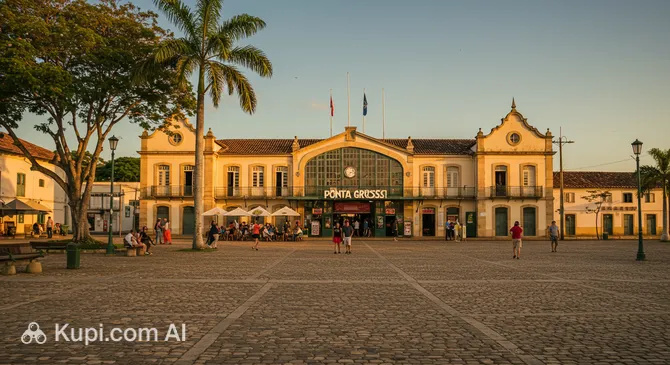
  • A Station Named "Longing": The historic Saudade Station bears one of the most poetic names in the railway world. "Saudade" is a Portuguese word describing a deep emotional state of nostalgic or melancholic longing, fitting for a place that once saw thousands of farewells and reunions during the golden age of rail travel.

  • German Heritage and Dark Beer: Ponta Grossa is famous for hosting the Münchenfest, also known as the National Dark Beer Festival. This lively event celebrates the city's strong German roots with traditional music, folk dances, and local gastronomy, transforming the town into a vibrant hub of Bavarian culture every year.

  • A Landmark on the Skyline: The Cathedral of Saint Anne (Catedral Sant’Ana) is not just a religious center but a geographical anchor. It was constructed on the highest point of the city center, ensuring that its distinct modern architecture and substantial stained glass windows are visible from various vantage points across town.

Saudade Station. Source: Kupi.Binoculars

How to Get There

Reaching this destination is relatively straightforward, as it is well-connected to the major transport networks of southern Brazil. While most visitors arrive by road from the state capital, Curitiba, there are several air travel options for those coming from further afield. For detailed planning and specific routes, you can read more about how to get to Ponta Grossa.

The city of Ponta Grossa does not have a major international airport within its immediate limits, so the most common entry point for travelers is Afonso Pena International Airport (IATA: CWB). Located in the city of Sao Jose dos Pinhais, just outside Curitiba, this large facility handles over 5 million passengers annually and is approximately 110 km from Ponta Grossa. The transfer by taxi or bus takes about 3 hours, offering a smooth connection via the region's highways.

Another alternative is Joinville-Lauro Carneiro de Loyola Airport (IATA: JOI), situated in the city of Joinville. It is located roughly 185 km away from Ponta Grossa. While it is a smaller regional hub with moderate passenger traffic, it can serve as a secondary option depending on your flight origin. The ground journey from Joinville is longer, typically taking around 5 hours.

For clarity, here is a summary of the main airports:

Airport Name City Passenger Traffic Km from City
Afonso Pena International Airport Sao Jose dos Pinhais Large 109.8
Navegantes Airport Navegantes High 248.3
Regional de Maringá Maringa Medium 260.6
Londrina Airport Londrina Medium 219.1
Joinville-Lauro Carneiro de Loyola Airport Joinville Medium 184.9

Regarding rail travel, there are currently no major passenger railway stations providing direct service to Ponta Grossa for tourists. While the region has a rich railway history, modern access is primarily by road. Visitors typically rent a car or take a comfortable intercity bus from the airport or nearby major cities to reach their final destination.

Main Attractions

Ponta Grossa offers a diverse array of sights that go beyond its famous geological formations. The city's urban area is dotted with parks, religious landmarks, and modern facilities that reflect its cultural heritage and growth. Whether you are looking for a peaceful afternoon by the water or a glimpse into the local architecture, the city has plenty to explore.

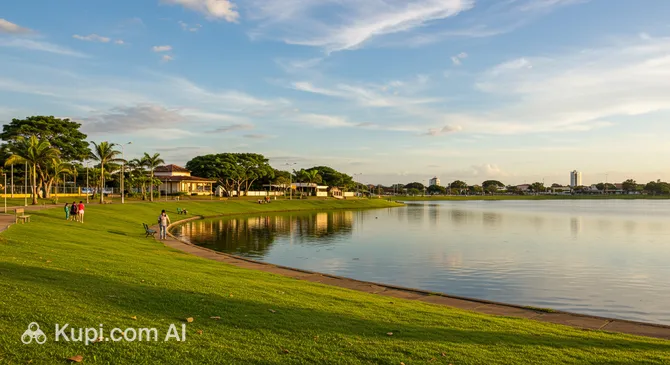
One of the most popular recreational spots in the city is Olarias Lake. This revitalized park has become a favorite gathering place for both locals and tourists. It features paved walking and cycling paths, ample green spaces for picnics, and a beautiful deck that offers a perfect vantage point for watching the sunset. It is an excellent location to unwind and enjoy the outdoors without leaving the urban environment.

Olarias Lake. Source: Kupi.Binoculars

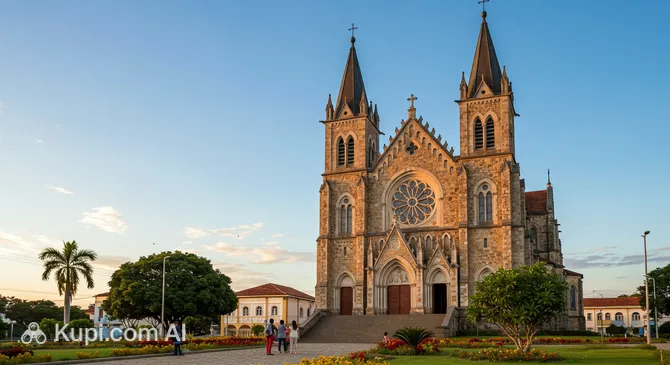
For those interested in religious architecture, the Cathedral of Saint Anne (Catedral Sant’Ana) is a must-see. Dominating the city center, this massive structure is known for its modern square design and impressive stained glass windows that bathe the interior in colorful light. It stands as a symbol of the city's faith and offers visitors a serene atmosphere for reflection amidst the bustling streets.

Another significant religious site is the Sacred Heart of Jesus Church (Polish Church). This building is a tribute to the Polish immigrants who played a crucial role in the development of the region. With its distinct red brick facade and traditional design, it serves as both a place of worship and a historical monument, preserving the cultural legacy of the community.

Sacred Heart of Jesus Church (Polish Church). Source: Kupi.Binoculars

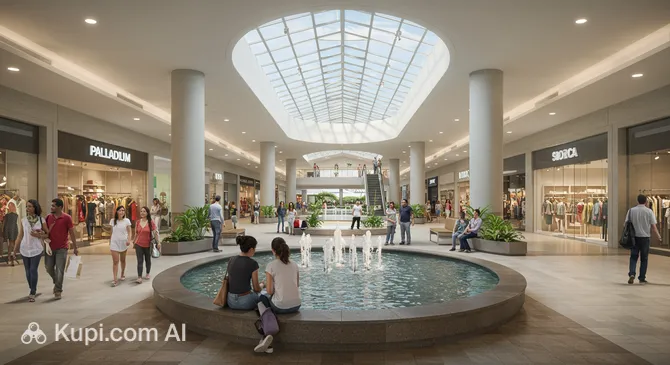
If you are in the mood for shopping or dining, the Palladium Shopping Center offers a comprehensive modern experience. As one of the main commercial hubs in the region, it houses a wide variety of retail stores, a food court with diverse culinary options, and entertainment facilities. It is a convenient stop for travelers needing to pick up supplies or looking for a comfortable place to spend an evening.

Palladium Shopping Center. Source: Kupi.Binoculars

Local Cuisine

The culinary scene in Ponta Grossa is a delicious reflection of its diverse history, blending the rustic traditions of the tropeiros (muleteers) with the strong influences of German and Polish immigrants. Visitors will find a hearty and flavorful gastronomy that prioritizes high-quality meats and comfort foods, making dining here a memorable part of the travel experience.

The undisputed star of the local menu is Alcatra no Espeto (Rump Steak on a Spit). Recognized as the city's official dish, it consists of a specific cut of top sirloin, seasoned simply with coarse salt to preserve its natural flavor, and grilled slowly over charcoal. This tradition is so significant that it is celebrated annually, and you will find it served in many traditional steakhouses across the city, often accompanied by white rice, fresh salads, and mayonnaise.

Another regional staple is the pinhão, the seed of the Araucaria pine tree, which is abundant in the state of Paraná. It is often eaten boiled as a warm snack during cooler months or incorporated into savory dishes like entrevero, a rich stew made with various meats and vegetables. Due to the city's significant Slavic heritage, you can also easily find delicious pierogies—Polish dumplings filled with potato and cheese, served with a savory sauce, reflecting the comforting home-cooking style of the region.

When it comes to drinks, Ponta Grossa has a deep appreciation for beer, rooted in its German ancestry. The city is a regional hub for beer lovers, boasting a growing number of craft breweries and a vibrant nightlife. Locals enjoy gathering at lively spots to enjoy a cold draft beer and live music. For a fun evening out, places like Capivara's Rock Bar offer a spirited atmosphere to enjoy drinks with friends.

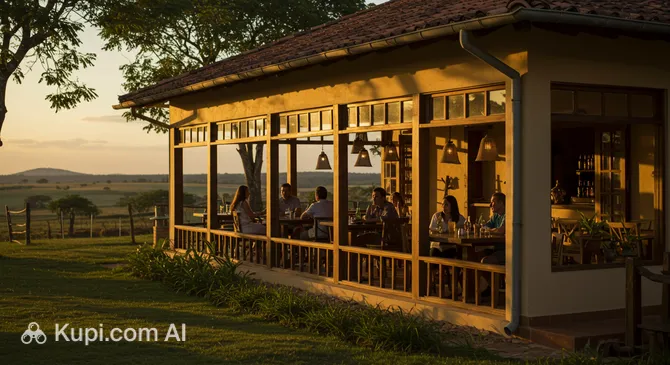
Ponta Grossa Plateau Restaurant. Source: Kupi.Binoculars

The dining landscape ranges from casual street food markets to welcoming family establishments. For a reliable taste of local hospitality, you might visit the Ponta Grossa Plateau Restaurant, which offers a variety of dishes in a comfortable setting suitable for families. Alternatively, those seeking a cozy, home-style meal often appreciate the vibe at Grandma's House Gastronomy, where the focus is on flavorful, generous portions that make you feel right at home.

Travel Tips

Planning a trip to Ponta Grossa is an exciting prospect, and having a few insider tips at your disposal can make your journey through the Campos Gerais region much smoother. Here is some essential advice to help you navigate the city and its stunning natural surroundings with confidence.

  1. Clothing and Gear: The weather in the region can be quite variable. If visiting in summer (December to March), expect warm days but frequent showers, so a raincoat or umbrella is essential. Winters (June to August) can be surprisingly cold, often requiring a warm jacket. Since the main attractions involve nature trails, bring sturdy, comfortable hiking shoes.
  2. Transportation: While the city has a public bus system, it can be complex for first-time visitors. Ride-hailing apps like Uber and 99 are widely available and affordable for getting around the urban area. However, to visit the distant natural parks like Vila Velha or Buraco do Padre, renting a car is the most practical option for flexibility.
  3. Finances: The local currency is the Brazilian Real (BRL). Credit and debit cards are accepted almost everywhere, including most restaurants and attractions. It is still wise to carry a small amount of cash for minor expenses or in case of connectivity issues at remote park entrances. Tipping 10% is customary in restaurants and is usually included in the bill.
  4. Health and Safety: Ponta Grossa is generally safer than Brazil's huge metropolises, but you should still exercise standard caution. Avoid displaying expensive cameras or phones in busy public squares. Pharmacies are abundant, and major chains usually have branches open late. For medical emergencies, the public ambulance service number is 192.
  5. Communication: The official language is Portuguese. English is not widely spoken by the general public, though staff at major hotels may speak it. It is highly recommended to download an offline translation app and learn a few basic phrases like "Bom dia" (Good morning) and "Obrigado" (Thank you) to interact with the friendly locals.
  6. Local Etiquette: Brazilians are warm and informal. A handshake is the standard greeting for strangers, while a kiss on the cheek is common among friends or in social settings. It is considered polite to greet shop assistants or bus drivers when you enter their space.
  7. What to Avoid: Do not drink tap water, even if it is treated; sticking to bottled or filtered water is the safest choice for tourists to avoid stomach upset. Additionally, avoid walking through empty parks or dimly lit streets late at night.
  8. Shopping Hours: Be aware that street shops in the city center typically close on Saturday afternoons and remain closed on Sundays. If you need to shop on a Sunday, head to the Palladium Shopping Center, where stores and the food court remain open.

By keeping these practical details in mind, you will be well-prepared to fully enjoy the unique charm and adventure that Ponta Grossa has to offer. We hope you have a wonderful time exploring the breathtaking landscapes and experiencing the warm hospitality of the Paraná highlands!

Entertainment & Nightlife

As a bustling university hub, Ponta Grossa boasts a nightlife scene that is both energetic and diverse, catering to students, locals, and visitors alike. The city comes alive after sunset, offering everything from laid-back pubs and themed gastro-bars to lively clubs where the music plays until dawn. The atmosphere is generally welcoming and unpretentious, reflecting the warm hospitality of the Paraná region.

The heart of the action is often found in the Centro (Downtown) area and the neighborhoods of Jardim Carvalho and Estrela. These districts are dotted with venues ranging from rock bars to sophisticated lounges. While there isn't one single "party street," major avenues like Rua Balduíno Taques and Avenida Bonifácio Vilela serve as main arteries connecting various hotspots, making it easy to hop between venues using a short taxi ride.

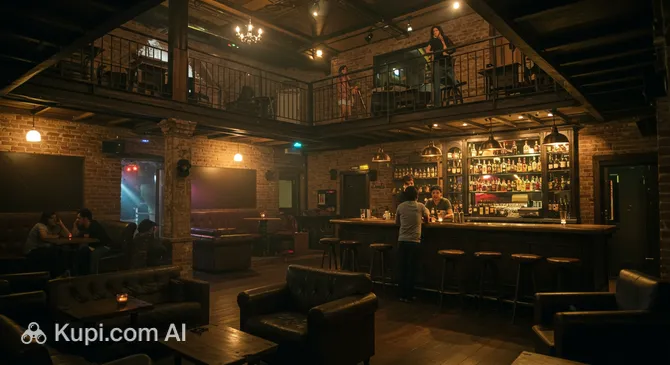
For those seeking a vibrant, youthful atmosphere, the República University Bar is a standout choice. True to its name, it attracts a spirited crowd, largely composed of university students looking to unwind. The venue is known for its casual vibe, pool tables, and cold beer, making it an excellent spot to socialize and experience the local student culture firsthand.

República University Bar. Source: Kupi.Binoculars

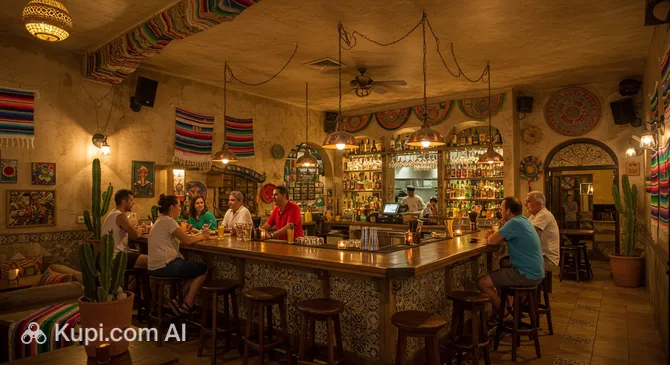
If you prefer a more thematic experience that combines dining with drinks, Montecito Mexican Bar & Restaurant offers a cozy and colorful setting. Located in the Jardim Carvalho district, this venue is famous for its authentic Tex-Mex cuisine and extensive drink menu, featuring refreshing margaritas and micheladas. With its comfortable indoor seating and inviting outdoor deck, it is perfect for starting your evening with a hearty meal before transitioning into night drinks.

Montecito Mexican Bar & Restaurant. Source: Kupi.Binoculars

Music lovers, particularly fans of heavier genres, will find their home at Capivara's Rock Bar. This venue is a staple of the local alternative scene, frequently hosting live bands and offering a gritty, authentic pub atmosphere. It is the ideal place to enjoy a draft beer while listening to classic rock and interacting with the local alternative crowd.

Practical Nightlife Tips:

  • Timing: Bars typically start filling up around 8:00 PM, while clubs and music venues get busy after 11:00 PM. Most places stay open until at least 2:00 AM on weekends.
  • Prices: Nightlife in Ponta Grossa is reasonably priced. Expect to pay a cover charge (entrada) ranging from BRL 15 to BRL 40 at clubs with live music. Beers and cocktails are generally affordable compared to larger capitals.
  • Dress Code: The style is mostly casual. Jeans and a nice shirt are suitable for almost any venue, though some nightclubs might prefer a slightly smarter look.
  • Safety & Transport: The city is relatively safe, but it is advisable to avoid walking alone in quiet areas late at night. The best way to get around is by using ride-sharing apps like Uber or 99, which are reliable and widely available.

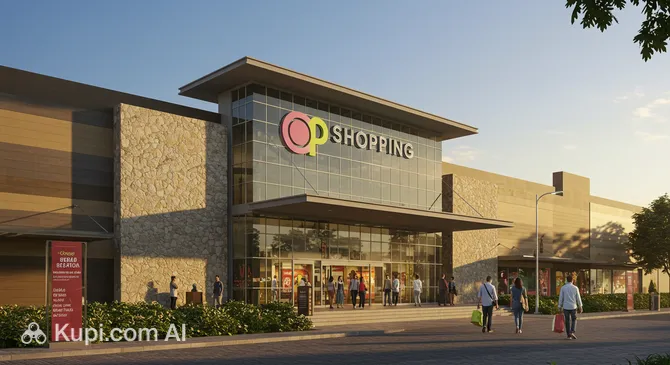
During the day, entertainment in Ponta Grossa shifts towards cultural and leisure activities. Visitors can explore local shopping hubs like Pop Shopping for a relaxed afternoon of browsing. The city also features several theaters and cultural centers that occasionally host plays and exhibitions, providing a nice contrast to the energetic nightlife.

Parks & Museums

Ponta Grossa is a city where natural wonders and historical heritage coexist beautifully. For tourists, this means the opportunity to explore ancient geological formations in the morning and dive into the region's rich cultural past in the afternoon. The city serves as the gateway to the Campos Gerais region, offering green spaces that are not just parks, but true geological sanctuaries.

The crown jewel of the region's natural attractions is undoubtedly Vila Velha State Park (Parque Estadual de Vila Velha). Located just a short drive from the city center, this park is famous for its "Arenitos"—sandstone formations sculpted by nature over millions of years into shapes resembling a camel, a sphinx, and the iconic "Taça" (Goblet). Beyond the stone sculptures, the park features the "Furnas" (massive crater-like sinkholes filled with water) and the Golden Lake (Lagoa Dourada), which reflects the sunset in spectacular fashion. It is a well-structured eco-tourism site with paved trails and guided tours.

Another breathtaking natural site is the Buraco do Padre. Ideally suited for nature lovers, this park features a unique geological formation: a massive "furnas" (cave/sinkhole) with a 30-meter waterfall cascading inside it. A wooden walkway allows visitors to walk right into the heart of the cave to witness the waterfall up close. The park has recently added a glass viewing platform for those seeking a thrill, offering a panoramic view of the lush landscape surrounding the cave.

On the cultural side, the city preserves its history through several interesting institutions. The Campos Gerais Museum is a key stop for history buffs. Housed in a historic building, it holds a vast collection of photographs, documents, and objects that tell the story of the region's colonization, the tropeiro (muleteer) era, and daily life in the 19th and 20th centuries. It provides excellent context for understanding why Ponta Grossa became such a vital hub in southern Brazil.

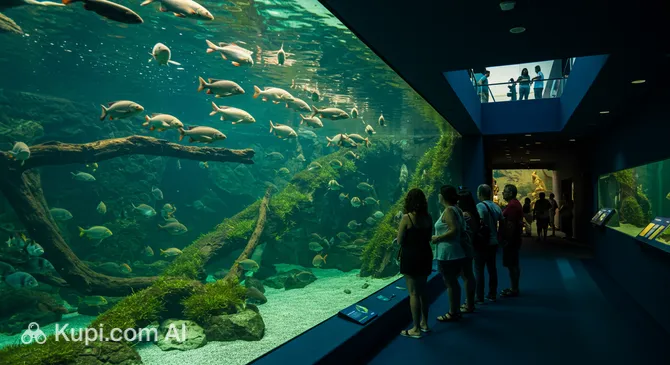
For a different kind of educational experience, especially if traveling with family, the Ponta Grossa Aquarium is a delightful venue. Located within the Environmental Park complex in the city center, it showcases a variety of freshwater and marine species. It serves as an important center for environmental education, allowing visitors to learn about the aquatic biodiversity of the local river basins as well as exotic species from around the world.

Ponta Grossa Aquarium. Source: Kupi.Binoculars

Architecture enthusiasts should not miss the Vila Hilda Mansion. This stunning two-story mansion, built in 1926 with French architectural influence, currently houses the Municipal Secretary of Culture. Its intricate facade and well-preserved interiors make it one of the most beautiful heritage buildings in the city, standing as a testament to the wealth and style of the early 20th century in Paraná.

For an authentic insider experience, consider visiting the Mariquinha Waterfall (Cachoeira da Mariquinha). Located about 30 km from the center on a dirt road, it is less commercial than the major parks but offers a pristine sandy beach and a perfect spot for a refreshing swim in nature, surrounded by native vegetation.

Getting Around

The public transport system in Ponta Grossa relies almost exclusively on a comprehensive bus network managed by a single concessionaire, Viação Campos Gerais (VCG). There is no metro or tram service in the city. The bus system is structured around a concept of "integration terminals" located in key districts, such as the Central Terminal (Terminal Central), Nova Rússia, Oficinas, and Uvaranas. This design allows passengers to travel from the outskirts to the center and switch buses within the terminals without having to pay a second fare, provided they do not exit the turnstiles.

Regarding payment, the system primarily uses an electronic ticketing card. While locals use a rechargeable card, tourists can typically pay with cash at the ticket booths located at the entrance of the terminals. If boarding a bus directly from a street stop, cash is often accepted by the conductor or driver, though carrying small change is highly recommended to facilitate the transaction. The fare is affordable, generally costing a few units of the local currency, making it a budget-friendly way to move around the urban area.

For navigation, visitors are advised to use mobile mapping apps or the local transport operator's official app to check routes and schedules in real-time. Bus operations usually run from the early morning, around 5:30 AM, until shortly after midnight. However, frequency decreases significantly on Sundays and holidays, so it is wise to plan ahead if you are traveling on these days. Be aware that buses can be quite crowded during peak rush hours (early morning and late afternoon), so traveling mid-day is often more comfortable.

While buses are efficient for the city center, they are not always the best option for reaching the distant natural attractions like Vila Velha State Park or Buraco do Padre. For these specific trips, renting a car is the most practical choice, offering the flexibility to explore at your own pace. Alternatively, ride-hailing apps like Uber and 99 are extremely popular, reliable, and relatively inexpensive in the city. Traditional taxis are also available, mostly found at designated stands near the main squares and the bus station.

Accommodation

Finding the perfect place to stay in Ponta Grossa is relatively easy, as the city offers a well-developed hospitality infrastructure that caters to both business travelers and tourists. The accommodation landscape primarily consists of reliable mid-range hotels, budget-friendly chains, and functional apartment rentals. While you may not find ultra-luxury 5-star resorts, the available options are known for being comfortable, clean, and offering excellent value for money.

For most visitors, the best area to stay is the Centro (Downtown). staying here puts you within walking distance of essential services, dining spots, and landmarks like the Cathedral. It is the most convenient choice if you are relying on public transport or ride-hailing apps to get around. Alternatively, the neighborhoods of Oficinas and Estrela offer a slightly quieter, more residential atmosphere while still being very close to the central action and nightlife.

Travelers who are driving and plan to focus their trip on the natural parks, such as Vila Velha, might prefer hotels located near the major highways (such as the BR-376). These locations provide quick access to the road network, allowing you to bypass city traffic when heading out to the waterfalls and geological formations, although they are further from the city's evening entertainment.

Booking Tips: It is generally recommended to book your accommodation in advance, especially if you plan to visit during major local events. The Münchenfest (National Dark Beer Festival), typically held in November or December, draws large crowds, causing hotels to fill up quickly. The same applies to major holidays, as the city is a popular regional destination for eco-tourism.

In terms of pricing, Ponta Grossa is quite affordable compared to Brazil's major capitals. You can find comfortable double rooms in well-rated hotels for a moderate price, and budget options are plentiful. Most establishments are listed on major international booking platforms, making it easy to secure your reservation online, though calling directly can sometimes yield better rates for longer stays.

Nearby Cities

Beyond the city limits, the region offers compelling reasons to extend your stay. Travelers interested in history and culture should consider visiting Castro, located just a short drive away. This town is celebrated for its strong Dutch heritage, best experienced at the Castrolanda Cultural Center, which features traditional architecture and one of the largest windmills in the world. Another fascinating destination is Prudentópolis, often called "Little Ukraine" due to its immigrant roots. It is famous for its beautiful wooden churches and serves as a gateway to some of the most spectacular waterfalls in the state.

For those looking to explore the surroundings, Ponta Grossa serves as an excellent base for day trips to several interesting nearby locations:

City Population Distance (km)
Campo Largo 112,377 74
Almirante Tamandare 103,204 90
Castro 67,084 36
Irati 56,207 65
Prudentópolis 48,792 84

These nearby destinations offer a glimpse into the diverse culture and landscapes of the region.

Shopping & Souvenirs

Shopping in Ponta Grossa offers a mix of modern convenience and traditional street commerce, reflecting its role as the economic hub of the Campos Gerais region. While the city is not primarily known as a luxury fashion destination, it provides a comprehensive retail experience where visitors can find everything from international brands to local handicrafts. Whether you are looking for practical travel supplies, clothing, or regional specialties, the city's diverse commercial landscape caters to a wide range of needs and budgets.

The heart of the city's street trade is located in the downtown area, specifically along the Calçadão da Rua Coronel Cláudio. This bustling pedestrian street is lined with a multitude of shops selling apparel, footwear, electronics, and accessories at competitive prices. Adjacent to it, Avenida Vicente Machado serves as another major commercial artery, hosting banks, pharmacies, and a variety of service-oriented businesses. Walking through these streets offers a lively glimpse into the daily life of the locals and is the best place to find bargain deals.

For a more structured and climate-controlled environment, the city features excellent shopping malls. The most prominent is the Palladium Shopping Center, a modern complex that stands as the premier retail destination in the region. It houses a vast selection of anchor stores, a cinema, and a large food court, making it a favorite spot for families. Another popular option is Pop Shopping, which offers a more compact and accessible mix of stores, ideal for quick purchases and finding popular local fashion trends.

Pop Shopping. Source: Kupi.Binoculars

Visitors interested in local flavor should explore the city's markets and fairs. The "Feira do Produtor" (Farmers' Market) is a traditional event held in different locations throughout the week, where local farmers sell fresh fruits, vegetables, cheeses, and homemade sweets. The "Feirinha" located at the Parque Ambiental is also a great spot to browse for artisanal goods and street food, particularly on weekends, offering a more authentic and community-focused shopping experience.

When it comes to souvenirs, Ponta Grossa has unique items that reflect its cultural heritage. Given the city's strong brewing tradition and German influence, local craft beers make for excellent gifts. Additionally, you can find handicrafts related to the region's icons, such as miniature replicas of the Vila Velha sandstone formations or items celebrating the "tropeiro" history. Artisanal foods, including jams, honey, and colonial cheeses produced in the surrounding rural colonies, are also highly recommended to take home.

Store opening hours in Ponta Grossa generally follow the standard Brazilian schedule. Street shops are typically open from 9:00 AM to 6:00 PM on weekdays and from 9:00 AM to 1:00 PM on Saturdays, remaining closed on Sundays. Shopping malls, however, operate daily, usually from 10:00 AM to 10:00 PM (with reduced hours on Sundays). Credit and debit cards are widely accepted across the city, even in smaller stalls, though carrying some cash is advisable for small purchases at street fairs.

Tourists should be aware that Brazil does not operate a Value Added Tax (VAT) refund system for international visitors. The price displayed on the tag is the final price you pay, inclusive of all taxes. Therefore, there are no tax-free forms to fill out or customs refunds to process upon departure.

Reached the end of the page?

That means the route is fully explored