Support

Pato Branco

About

Welcome to Pato Branco, a vibrant and progressive city located in the southwestern region of the state of Paraná. Known for its high quality of life and strong focus on innovation, this municipality is a shining example of development in Brazil. With a population of approximately 79,000 residents, the city balances the welcoming charm of a close-knit community with the infrastructure and amenities of a modern urban center.
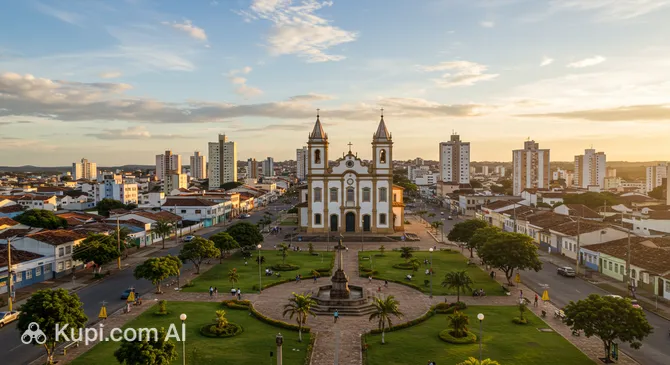
Pato Branco. Source: Kupi.Binoculars

The city is widely recognized as a regional hub for technology and education, often referred to as the "Capital of the Southwest." Visitors interested in the history of Pato Branco will discover a fascinating journey of growth, influenced heavily by Italian and other immigrant cultures that have shaped its unique identity. The local atmosphere is friendly and safe, making it an excellent destination for families and travelers seeking a relaxed yet engaging environment.

Pato Branco offers several attractions that highlight its cultural and natural beauty. The Parque do Alvorecer is a favorite among locals and tourists alike, providing a lush green space perfect for walking, jogging, or simply enjoying nature. For culture enthusiasts, the Teatro Municipal Naura Rigon serves as a prominent landmark, hosting a variety of artistic performances and events. Additionally, the city is famous for its spectacular Christmas parade, which lights up the streets and draws visitors from all over the region.

Whether you are visiting for business or leisure, Pato Branco invites you to experience its clean streets, thriving culinary scene, and warm hospitality. It is a delightful stop that showcases the prosperous and forward-thinking spirit of southern Brazil.

Weather Overview

Pato Branco experiences a subtropical climate characterized by distinct seasons, making it a year-round destination with varied atmospheric conditions. To help you pack efficiently for your trip, it is recommended to check the specific forecast for the weather in Pato Branco before you travel.

The summer months, spanning from December to March, are typically warm and humid. January is often the warmest time of the year, with average temperatures around 23.3°C and daily highs reaching up to 27.6°C. However, this season also brings the most rainfall, with January seeing approximately 19 wet days, so having rain gear handy is essential.

In contrast, the winter season from June to August offers cooler and drier conditions. July is generally the coldest month, where average minimum temperatures can drop to 10.2°C, while daytime highs remain pleasant at around 20.6°C. Rainfall is significantly less frequent during the winter, with July and August averaging only 7 wet days each. Overall, you can expect warm summers with frequent rain and cool, drier winters.

Interesting Facts

Beyond its well-known parks and cultural venues, Pato Branco holds several intriguing stories and distinctions that surprise many visitors. From pop culture fame to curious historical origins, the city has a unique character that goes deeper than its modern facade.

  • A Pop Culture Icon: The city gained nationwide fame in Brazil thanks to a beloved character named Bozena from the popular sitcom Toma Lá, Dá Cá. She would frequently tell hilarious and surreal stories about her hometown, always starting with the catchphrase "In Pato Branco...", which turned the municipality into a household name across the country.

  • The Legend of the White Duck: The literal translation of the city's name is "White Duck," and it stems from a tale involving early surveyors. According to local lore, pioneers exploring the area spotted a wild white duck swimming in a river—a rare sight for the region. They named the river Rio Pato Branco, and the settlement that grew nearby adopted the name.

  • A Hub of Innovation: Despite its relatively small size, Pato Branco is a giant in the field of technology and education. It has one of the highest concentrations of masters and doctors per capita in the state and is frequently ranked among the smartest cities in the nation, hosting a thriving technological park that rivals those in much larger metropolises.

How to Get There

Reaching Pato Branco involves a journey through the scenic landscapes of the state of Paraná. While the city is well-connected by road, visitors planning their trip often look for the most convenient transport hubs nearby. You can find more details about all ways to reach the city in our dedicated guide.

For those arriving by air, the most practical options are located in neighboring cities. The closest facility is Chapeco Airport (XAP), situated approximately 100 km away in Chapecó. The drive from there typically takes between 1.5 and 2 hours. Another common choice is Cascavel Airport (CAC), which is about 160 km from Pato Branco. Ground transfer from Cascavel generally takes around 2.5 hours.

Travelers seeking more extensive flight connections often prefer Cataratas International Airport (IGU). Although it is located roughly 195 km away in Foz do Iguaçu, it serves as a major regional gateway. The journey by road from this hub is approximately 3.5 hours.

Below is a summary of the main airports serving the region:

Airport Name City Passenger Traffic Km from City
Cataratas International Airport Foz do Iguaçu Large 195.1
Cataratas del Iguazu International Airport Puerto Iguazu Large 188.7
Chapeco Airport Chapecó Medium 100.3
Cascavel Airport Cascavel Medium 159.7
Passo Fundo Airport Passo Fundo Small 225.8

Main Attractions

There is a delightful variety of places to visit in Pato Branco that cater to nature lovers, history enthusiasts, and those simply looking to relax. While the city is a modern hub of technology, it has preserved green spaces and historical landmarks that offer a glimpse into its rich cultural identity. Here are some of the main attractions you should include in your itinerary.

One of the most iconic symbols of the city is the Igreja Matriz São Pedro Apóstolo. Located right in the center, this imposing church is renowned for its beautiful architecture and plays a central role in the local community's faith and traditions. It stands adjacent to the city's main square, making it an easy and rewarding stop during a downtown stroll. The interior is equally impressive, offering a peaceful atmosphere for reflection and admiration of its artistic details.

For a refreshing escape into nature, the Parque do Alvorecer is the perfect destination. This expansive park covers over 100 hectares and is a sanctuary of native vegetation, including the majestic Araucaria trees typical of Paraná. Visitors can enjoy well-maintained walking trails, cycling paths, and a large lake that reflects the serene surroundings. It is an excellent spot for families, joggers, and anyone wishing to disconnect from the urban bustle and breathe fresh air.

The heart of the city beats at Praça Presidente Vargas. This central square is more than just a meeting point; it is the "living room" of Pato Branco where many cultural events and community gatherings take place. The square is beautifully landscaped and features a fountain that lights up at night, creating a charming ambiance. It is also the focal point for the city's famous Christmas decorations, which draw visitors from all over the region during the holiday season.

Those interested in the region's roots should visit the Museu Histórico José Zanella. This institution is dedicated to preserving the memory and heritage of Pato Branco and the southwest of Paraná. Through its collection of photographs, documents, and artifacts, the museum tells the story of the pioneers and the diverse immigrant groups that helped build the city. It provides a fascinating educational experience that adds depth to your understanding of the local culture.

Another excellent option for leisure and sports is Largo da Liberdade. This modern complex is a favorite among residents for outdoor activities, featuring sports courts, a walking track, and exercise equipment. It represents the city's commitment to quality of life and is a great place to mingle with locals and enjoy a sunny afternoon.

Local Cuisine

The culinary scene in Pato Branco is a delicious reflection of its cultural heritage, blending traditional Southern Brazilian flavors with strong Italian influences. Gastronomy here is taken seriously, with meals often serving as a central part of social gatherings and family life. Visitors can expect hearty, comforting portions and a warm, welcoming atmosphere in restaurants across the city.

One of the absolute must-try experiences is the traditional Churrasco. As in most of the state of Paraná, barbecue is more than just a dish; it is a ritual. Local steakhouses, known as churrascarias, serve high-quality cuts of meat, with Costela Fogo de Chão (ground fire ribs) being a particular favorite at large events. The meat is typically seasoned simply with coarse salt to highlight its natural flavor and slow-cooked to perfection.

Due to the significant Italian immigration in the region, dishes like Polenta with Galeto are staples on local tables. The polenta is often served creamy or fried, accompanied by small pieces of roasted chicken (galeto) and spaghetti with homemade sauce. Another side dish you might encounter is radicci (a type of chicory) served with bacon, which provides a fresh, slightly bitter contrast to the rich main courses.

A unique regional ingredient that tourists should look for, especially during the winter months, is the Pinhão. These are the edible seeds of the Araucaria pine tree, a symbol of Paraná. Locals eat them boiled as a snack or incorporate them into dishes like Entrevero, a hearty stew made with pinhão, meats, and vegetables. It offers a distinct, nutty flavor that defines the taste of the local countryside.

When it comes to drinks, the local culture is heavily defined by Chimarrão. This hot infusion of yerba mate is drunk from a gourd through a metal straw and is a symbol of hospitality and friendship in Southern Brazil. While it is mostly a social custom enjoyed in parks or homes, you will see locals carrying their thermos flasks everywhere. For something alcoholic, try the locally produced artisanal wines or a classic Caipirinha made with fresh limes and cachaça.

Dining out in Pato Branco caters to various styles. For lunch, the "buffet by kilo" restaurants are extremely popular, allowing you to sample a wide variety of salads, meats, and hot dishes. In the evenings, the city comes alive with pizzerias, burger joints, and cafes where friends gather. The local bakeries, or padarias, are also excellent stops for a quick bite, offering savory snacks like coxinha and fresh coffee.

Travel Tips

To ensure your visit to Pato Branco is as smooth and enjoyable as possible, we have compiled a list of essential practical advice. These tips will help you navigate the local customs, manage your logistics, and experience the city with the confidence of a seasoned traveler.

  1. Clothing and Gear: The weather in Pato Branco varies significantly by season. If you visit in summer (December to March), bring light, breathable clothing and a raincoat or umbrella, as showers are frequent. For winter trips (June to August), pack a warm jacket and layers, as temperatures can drop considerably. Don't forget a universal travel adapter; Brazil uses Type N sockets, and the voltage in Paraná is typically 127V (though some appliances may need 220V, so always check).
  2. Transportation: The city is relatively compact, and while there is a public bus system, many tourists find ride-hailing apps like Uber or 99 to be the most convenient and affordable way to get around. If you plan to explore the surrounding countryside or neighboring towns, renting a car is highly recommended for flexibility.
  3. Finances: The official currency is the Brazilian Real (BRL). Credit and debit cards are widely accepted, even in smaller establishments. However, it is wise to carry some cash for small purchases or tips. ATMs are readily available at banks and supermarkets. Tipping around 10% is customary in restaurants and is often included in the bill as a service charge.
  4. Health and Safety: Pato Branco is considered one of the safer cities in the region, but standard precautions apply; avoid walking alone in unlit areas late at night and keep valuables secure. Pharmacies are abundant, and you will easily find 24-hour options in the city center for minor health needs.
  5. Communication: The primary language is Portuguese. While Pato Branco is a technology hub, English proficiency among the general population may be limited. Downloading a translation app and learning a few basic phrases like "Bom dia" (Good morning) and "Obrigado" (Thank you) will be very helpful. Free Wi-Fi is often available in hotels, cafes, and some public squares.
  6. Local Etiquette: Brazilians are generally warm and informal. Greetings often involve a handshake or a kiss on the cheek (usually one in Paraná) for women. If you are invited to share a Chimarrão (the local mate tea), accept it as a sign of friendship; drink the entire contents of the gourd before passing it back to the server.
  7. What to Avoid: Avoid drinking tap water unless it is filtered; sticking to bottled or mineral water is the safest choice for tourists. Also, avoid relying on Spanish to communicate; while the languages are similar, locals appreciate it much more when you try to speak Portuguese rather than assuming Spanish will suffice.
  8. Shopping Hours: Be aware that unlike in major metropolises, smaller shops and businesses in Pato Branco may close for a lunch break, typically between 12:00 PM and 1:30 PM. Plan your shopping errands for the morning or mid-afternoon to avoid finding closed doors.

Armed with these practical tips, you are ready to explore everything Pato Branco has to offer without any hassles. Embrace the local rhythm, enjoy the warm hospitality of the "Capital of the Southwest," and have a fantastic trip!

Entertainment & Nightlife

When the sun sets in Pato Branco, the city reveals a lively and welcoming side that reflects its status as a university and technology hub. The nightlife here is vibrant yet relaxed, driven largely by a young student population and locals looking to unwind. While it may not have the frenetic pace of a metropolis, the "Capital of the Southwest" offers a high-quality selection of entertainment options, ranging from laid-back gastropubs to energetic spots for live music.

The downtown area, particularly around the main avenues and the central square, is where most of the evening action takes place. For those looking to mingle with a friendly crowd, Janela Bar is a popular choice, known for its casual street-side vibe and great selection of drinks. If you prefer an activity-based night out, Garage Snooker Bar offers a classic pub atmosphere where you can enjoy cold beer and a game of pool with friends. Another excellent spot is Meat'n Beer Mechanics, a trendy venue that combines craft beers with hearty food, perfect for starting the night.

The atmosphere in Pato Branco's nightlife is generally informal and inclusive. There is no need for strict dress codes; smart-casual attire is suitable for almost every venue. Bars and pubs typically start filling up around 8:00 PM, with the energy peaking closer to midnight on weekends. Prices are reasonable compared to larger Brazilian cities, allowing visitors to enjoy a fun night out without breaking the bank.

Safety is one of Pato Branco's strong points, and the main nightlife districts are well-lit and secure for walking. However, for convenience and peace of mind after a few drinks, it is advisable to use transport apps like Uber or 99, which operate efficiently in the city. Taxis are also available but are less commonly hailed on the street compared to calling for a ride via an app.

For daytime entertainment, the city offers a more cultural and relaxed pace. Beyond the parks, visitors can explore the local history at the museums or catch a movie at the city's cinemas. The cultural calendar is often busy with plays and exhibitions at the municipal theater, providing plenty of options for those who prefer their entertainment while the sun is still shining.

Parks & Museums

While Pato Branco is celebrated for its technological advancements, the city also takes great pride in preserving its natural environment and cultural roots. Visitors will find a refreshing balance here, where well-maintained green spaces offer a retreat from urban life, and dedicated cultural venues keep the stories of the region's pioneers alive.

The crown jewel of the city's environmental efforts is the Parque Estadual Vitório Piassa, often referred to by locals as Parque do Alvorecer. Spanning over 100 hectares, this protected area is a sanctuary for the majestic Araucaria trees, the symbol of Paraná. It is an ideal spot for nature lovers, offering paved trails that wind through the native forest, allowing for peaceful walks or bike rides accompanied by the sounds of local birdlife. The park also features large lakes and modern amenities, making it a comfortable place for families to spend an entire afternoon immersed in nature.

For a more active experience, Largo da Liberdade stands out as a modern urban park designed for health and recreation. Unlike traditional gardens, this complex focuses on movement and community interaction. It is equipped with sports courts, a walking track, and leisure areas that are bustling with energy from early morning until late evening. It is a fantastic place to observe the local lifestyle, where residents of all ages gather to exercise and socialize in a safe, open-air environment.

Those seeking a quieter, neighborhood atmosphere might enjoy a visit to Parque Ambiental Cecília Cardoso. Although smaller than the main state park, it offers a charming setting with a lake and green areas perfect for a quick respite. It is a lovely example of how the city integrates nature into its residential zones, providing a serene backdrop for a morning jog or a contemplative break.

Immersing yourself in the local culture is best done at the Museu Histórico José Zanella. Situated within the Parque de Exposições complex, this museum serves as the guardian of Pato Branco's collective memory. The exhibits focus heavily on the daily lives of the early immigrants, displaying rustic tools, household artifacts, and photographs that paint a vivid picture of the challenges and triumphs of the pioneers who settled in the southwest of Paraná.

Art enthusiasts should not miss the Casa do Artesão. This venue acts as a gallery and shop for local creativity, showcasing the work of regional craftsmen. Here, you can find unique handmade items ranging from embroidery and woodwork to decorative pieces that reflect the local identity. It is an excellent stop for finding authentic souvenirs while supporting the local artistic community.

Insider Tip: For a unique contrast between nature and technology, visit Praça Presidente Vargas in the evening. While it is a green square, it famously features a "Technological Tree" that offers free Wi-Fi and charging points, perfectly encapsulating Pato Branco's motto of being a smart city with a human touch.

Getting Around

Public transport in Pato Branco is streamlined and efficient, primarily relying on a network of urban buses that connect the residential neighborhoods with the commercial center and educational institutions. As a medium-sized municipality, the city does not have a metro or tram system; instead, the bus fleet serves as the main mode of mass transit for the local population. The vehicles are generally well-maintained, and the routes are designed to converge at the central areas, making it relatively easy for visitors to navigate between major points of interest.

The payment system for the buses is designed to be accessible. While regular commuters use a rechargeable electronic smart card, visitors can typically pay the fare in cash directly to the conductor or driver upon boarding. The fare is affordable, costing approximately 4.00 to 5.00 BRL per ride. If you plan to stay for a longer period, you might consider acquiring a transport card at the central office of the operating company, but for short-term tourist visits, paying with small change is the most practical option.

The heart of the public transport network is the Terminal Urbano (Urban Terminal), located in the city center. This is the main hub where most lines meet, allowing passengers to transfer between different routes. Buses generally operate from early morning, around 6:00 AM, until approximately 11:00 PM or midnight. On weekends and holidays, the frequency of the service is reduced, so it is advisable to check the schedules in advance if you are traveling on those days.

For tourists who prefer more flexibility and comfort, ride-hailing apps are a very popular alternative in Pato Branco. Services like Uber and 99 operate extensively throughout the city, offering quick pickups and competitive prices, often comparable to or just slightly higher than bus fares for short distances. Traditional taxis are also available and can be found at designated stands, particularly near the main square and the bus station, though they are generally more expensive than the app-based options.

Given the city's reputation as a technology hub, you may find that digital tools are well-integrated into the transport experience. It is recommended to use navigation apps on your smartphone to check bus routes and arrival times in real-time. Additionally, the city center is quite compact and pedestrian-friendly, so walking is often a pleasant and viable way to explore the downtown shops, cafes, and the central square without needing any vehicle at all.

Accommodation

Finding a place to stay in Pato Branco is a straightforward experience, with options that cater primarily to business travelers, visiting academics, and families. The city offers a reliable selection of accommodation, ranging from modern mid-range hotels with business amenities to smaller, budget-friendly inns (known locally as pousadas). While the city is not a destination for ultra-luxury resorts, visitors can expect clean, comfortable, and well-equipped rooms that reflect the high quality of life in the region.

The most convenient area for tourists to base themselves is undoubtedly the City Center (Centro). Staying in the downtown core places you within easy walking distance of the main landmarks, such as the Praça Presidente Vargas and the Igreja Matriz. This area is also the hub of the city’s gastronomy and commerce, meaning you will have immediate access to restaurants, cafes, banks, and shops without needing to travel far. For those arriving by car, many central hotels offer parking facilities, which is a significant plus.

Booking Tips: Pato Branco is a busy regional hub for technology and education, hosting frequent conferences and university events. Consequently, hotels can reach high occupancy levels during major trade fairs or the popular Christmas season. It is highly recommended to book your accommodation in advance if your trip coincides with these times. In terms of cost, the city is generally very affordable compared to state capitals, offering excellent value for money. Most establishments are listed on major online booking platforms, making it easy to secure your reservation from abroad.

Nearby Cities

For those looking to explore the surroundings, Pato Branco serves as an excellent base for day trips to several interesting nearby locations:

One of the most convenient options is Francisco Beltrão, located just a short drive away. As a neighboring regional hub, it offers a blend of urban amenities and sights, including the impressive Torre da Concatedral, which provides panoramic views of the city. Visitors can also enjoy a relaxing stroll in the Parque Alvorada, a well-maintained green area perfect for families.

Another intriguing destination is Dois Vizinhos, often referred to as the "Capital of Chicken" due to its significant poultry industry. Beyond its economic importance, the town features the beautiful Lago Dourado, a scenic lake that provides a peaceful setting for outdoor activities. It is a great spot to witness the agricultural heartbeat of Southwest Paraná.

For those willing to cross the state border into Santa Catarina, Xanxerê offers a different cultural flavor. Known as the "Capital of Corn," it is home to natural attractions such as the S. Manella Waterfall. It is an interesting stop for travelers wishing to experience the transition between the two southern states and enjoy some local nature.

City Population Distance (km)
Francisco Beltrao 78943 42
Xanxerê 44128 76
Dois Vizinhos 41038 66
Laranjeiras do Sul 30777 95
Xaxim 25713 82

These nearby destinations offer a glimpse into the diverse culture and landscapes of the region.

Shopping & Souvenirs

As a regional hub for the southwest of Paraná, Pato Branco offers a surprising and diverse shopping scene that attracts visitors from neighboring towns. The city combines the charm of traditional street commerce with modern retail options, making it a convenient destination for finding everything from fashion and electronics to unique local handicrafts. Whether you are looking for high-quality clothing, furniture, or regional delicacies, the city provides a pleasant and safe environment for browsing.

The heartbeat of the city's commercial activity is located in the Centro (Downtown). The most prominent thoroughfare is Avenida Tupi, which stretches across the city and is lined with a vast array of shops, car dealerships, and service centers. For a more pedestrian-friendly experience, the streets surrounding Praça Presidente Vargas, such as Rua Guarani and Rua Tapajós, are packed with boutiques, shoe stores, and variety shops. This area is bustling during the day and offers a great mix of well-known Brazilian franchises and family-owned businesses.

While Pato Branco does not have massive shopping complexes comparable to state capitals, it features several shopping galleries and centers that offer convenience and comfort. These smaller malls provide a curated selection of stores, food courts, and entertainment options, serving as popular meeting points for the local youth and families, especially on weekends or rainy days.

For a taste of local culture and authentic flavors, the Feira do Produtor (Producer's Fair) is a must-visit. Held on specific days of the week, this market showcases the agricultural strength of the region. Here, tourists can purchase fresh fruits, vegetables, and "colonial" products—a term used in southern Brazil for artisanal goods produced on small farms, such as cheeses, salamis, honey, and homemade jams. It is an excellent place to engage with local farmers and try fresh, high-quality ingredients.

When searching for souvenirs, the best stop is the Casa do Artesão. This space is dedicated to local artisans and offers a variety of handmade items that reflect the identity of Paraná. You can find beautiful embroidery, crochet work, and wooden crafts. Additionally, since the region has a strong tradition of drinking chimarrão (mate tea), purchasing a high-quality cuia (gourd) and bomba (metal straw) makes for a practical and culturally significant memento. Locally produced wines and artisanal chocolates are also popular gifts to take home.

Shopping hours in Pato Branco generally follow the standard Brazilian commercial schedule. Street shops typically open from 8:30 AM to 6:00 PM on weekdays, often with a lunch break around noon in smaller establishments. On Saturdays, shops usually stay open until 12:00 PM, though many extend their hours until the late afternoon on the first two Saturdays of the month. Payment is hassle-free, with credit and debit cards being widely accepted even in small stalls, although carrying some cash is always useful for small purchases at markets.

Reached the end of the page?

That means the route is fully explored