Support

Cascavel

About

Cascavel is a dynamic and well-planned city located in the western region of the state of Paraná, Brazil. Often referred to as the "Capital of the West," it is known for its wide avenues, organized urban layout, and significant role as a strategic hub for agriculture and commerce in the region. The city offers a blend of modern infrastructure and a welcoming atmosphere, making it an interesting stop for travelers exploring the interior of the country.

With a population of approximately 286,000 residents, the city has grown rapidly into a bustling economic center. Despite its modern appearance, the history of Cascavel is deeply rooted in the expansion of the western frontier, evolving from a resting point for travelers into a thriving municipality. Its climate is generally subtropical, offering distinct seasons that add to the charm of its outdoor spaces.
Cascavel. Source: Kupi.Binoculars

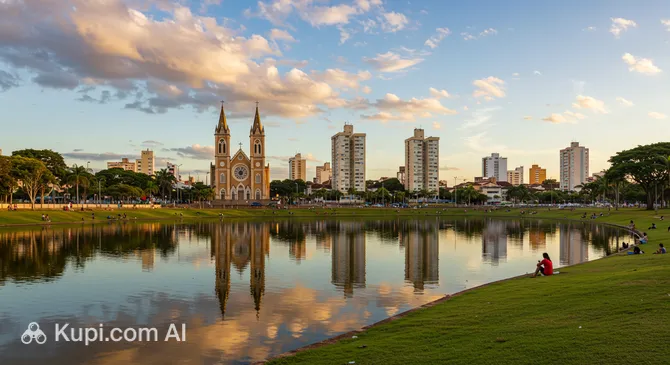
Visitors will find several unique attractions that highlight the local culture and nature. The Municipal Lake (Lago Municipal) is a favorite spot for both locals and tourists, serving as an ecological sanctuary where it is common to see capybaras and native birds in their natural habitat. Another architectural landmark is the Cathedral of Our Lady of Aparecida, which features a distinctive fan-shaped design intended to symbolize a hand blessing the city.

Whether you are passing through on business or looking to discover the hidden gems of Paraná, Cascavel provides a pleasant and engaging experience. Its mix of urban convenience and green spaces makes it a delightful destination to explore.
Weather Overview

The city experiences a subtropical climate characterized by distinct seasons, offering warm summers and mild, generally drier winters. Understanding the typical weather patterns can help you pack appropriately, as conditions vary noticeably throughout the year.

Summer, spanning from December to February, is the warmest period, with average temperatures hovering around 24°C and daily highs reaching approximately 28.5°C. This season is also the wettest, particularly in January, which can see precipitation on up to 20 days of the month. For a more detailed forecast and historical data, you can consult the guide to the weather in Cascavel.

Conversely, the winter months of June through August bring cooler air and more stable conditions. July is typically the coldest month, with average temperatures dropping to 17.4°C and lows dipping to around 12.5°C. Rainfall decreases significantly during this time, with July seeing as few as 5 wet days, making it a pleasant time for outdoor exploration.

Interesting Facts

Beyond the main attractions and its reputation as an agricultural powerhouse, Cascavel holds many fascinating secrets and unique characteristics.
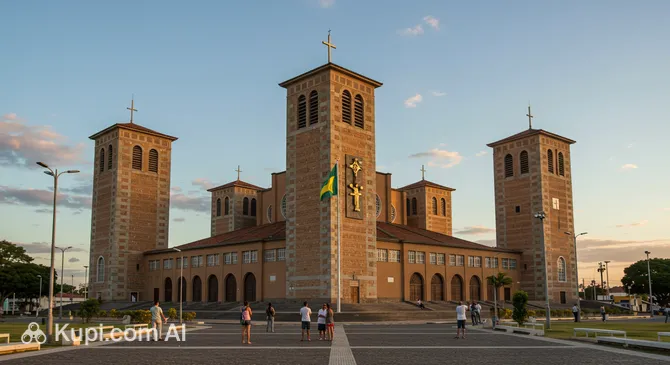
Metropolitan Cathedral of Our Lady of Aparecida. Source: Kupi.Binoculars
  • The city's name translates literally to "Rattlesnake" in Portuguese. Local legend suggests that early settlers chose this moniker after discovering a large nest of rattlesnakes in the area where the city was founded, giving the modern metropolis a surprisingly wild origin story.

  • The Metropolitan Cathedral of Our Lady of Aparecida is an architectural marvel featuring a suspended roof supported by 18 massive concrete cables. This daring engineering design eliminates the need for internal columns, creating a vast, unobstructed interior space that is rare for religious buildings of its size.

  • Cascavel is home to one of the widest urban thoroughfares in Brazil, Avenida Brasil. Originally designed with a width of 70 meters, this grand avenue was planned decades ago to accommodate future growth, featuring spacious flowerbeds and pedestrian areas that run through the heart of the city.

  • Motorsport enthusiasts might know the city for the Autódromo Internacional Zilmar Beux, which features the famous "Curva do Bacião." This high-speed corner is widely considered one of the most challenging and feared turns in Brazilian stock car racing, demanding immense skill from drivers.

How to Get There

Reaching this dynamic city in western Paraná is quite convenient, with air travel being the most time-efficient method for visitors coming from distant locations. For travelers seeking a complete overview of all transportation options, including road routes and bus connections, you can read more about how to get to Cascavel.

The most direct entry point is Cascavel Airport (IATA: CAC), which is conveniently located just 5.5 km from the city center. As a regional hub, it handles a moderate flow of passengers and offers connections to major Brazilian cities. The short distance to the downtown area means a taxi or ride-share trip typically takes around 30 minutes, making it an extremely practical choice for business and leisure travelers alike.

Alternatively, visitors can fly into Cataratas International Airport (IATA: IGU), located in the city of Foz do Iguaçu, approximately 124 km away. This is a larger facility with more frequent international and domestic connections. From Foz do Iguaçu, the journey to Cascavel by road takes about 3.5 hours, which can be done via rental car or intercity bus services.

For clarity, here is a summary of the main airports serving the region:

Airport Name City Passenger Traffic Km from City
Cataratas International Airport Foz do Iguaçu High 123.9
Cataratas del Iguazu International Airport Puerto Iguazu High 132.4
Regional de Maringá Maringa Medium 221.1
Cascavel Airport Cascavel Medium 5.5
Alejo Garcia Airport Ciudad del Este Small 148.2

While there are no passenger railway services directly linking Cascavel to other major cities for tourists, the region is well-connected by a robust network of highways. Long-distance buses are a very popular and affordable way to travel in Brazil, with the city's bus terminal (Rodoviária) serving as a busy hub for routes arriving from Curitiba, Foz do Iguaçu, and neighboring states.

Main Attractions

Cascavel offers a variety of interesting sites that reflect its growth, culture, and religious heritage. From architectural marvels to lively public spaces, the city provides several noteworthy stops for visitors exploring the region.

One of the most significant landmarks is the Metropolitan Cathedral of Our Lady of Aparecida. This religious structure is famous for its unique fan-shaped architecture, designed to symbolize a hand bestowing a blessing upon the city. Its interior is equally impressive, featuring beautiful stained glass windows and a vast, open nave supported by a complex cable system, making it a must-see for architecture enthusiasts and photographers alike.

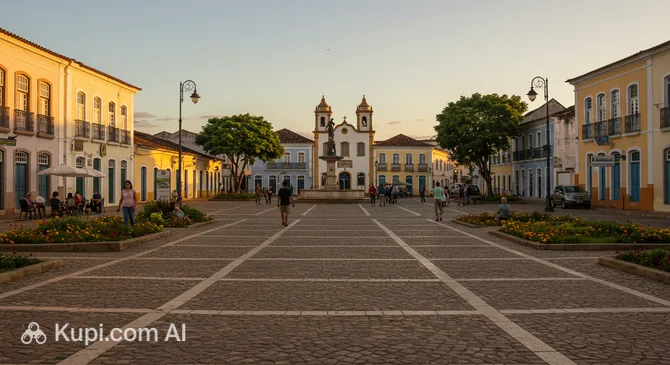
For those seeking a relaxing outdoor experience, Parigot de Souza Square is a popular destination. Located in the Country neighborhood, this spacious green area is distinguished by its large acoustic shell, which frequently hosts concerts and cultural events. Visitors can enjoy a peaceful walk among native Araucaria trees or simply unwind on the benches, observing the local rhythm of life.

Parigot de Souza Square. Source: Kupi.Binoculars

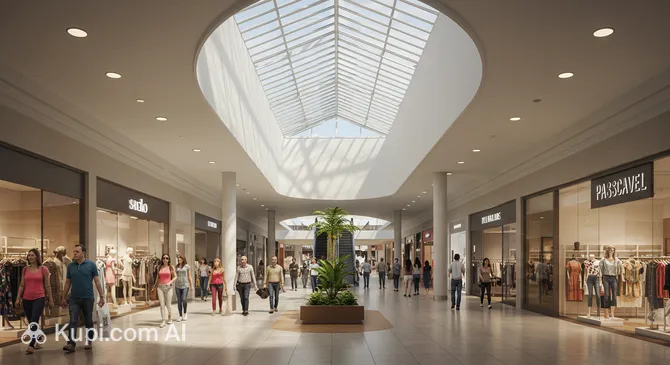
Travelers looking for modern amenities and leisure can visit Central Park Shopping. Situated in the heart of the city, this mall is easily recognizable by its distinctive "twin towers" design. It serves as a convenient hub for shopping, offering a wide range of stores, a food court, and entertainment options, providing a comfortable break from sightseeing.

Central Park Shopping. Source: Kupi.Binoculars

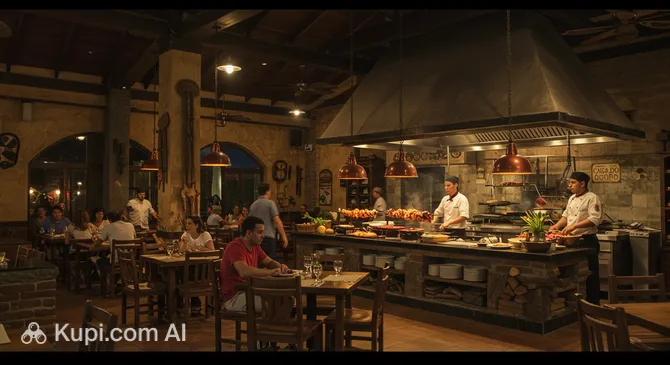
Families traveling with children will find a fun dining experience at the Mundo Animal Themed Diner. This restaurant stands out for its immersive jungle theme, complete with decor and occasional shows that delight younger visitors. It is an excellent choice for a casual meal in an entertaining atmosphere that captures the imagination of kids and adults alike.

Mundo Animal Themed Diner. Source: Kupi.Binoculars

Local Cuisine

The culinary scene in Cascavel is a proud reflection of Southern Brazilian culture, with a heavy emphasis on hearty meats and communal dining. The city is famous for its barbecue tradition, and no visit is complete without experiencing a traditional churrascaria (steakhouse). Here, the "rodízio" style of service prevails, where waiters continuously bring skewers of various cuts of meat to your table, ensuring a feast for carnivores.

The absolute highlight of the local gastronomy is the Costela Fogo de Chão (Ground Fire Ribs). This preparation involves roasting large beef ribs on skewers stuck vertically into the ground around a wood fire. The meat cooks slowly for several hours until it becomes incredibly tender and flavorful. This dish is so significant to the city that it is the centerpiece of the annual National Costela Fogo de Chão Festival held on Labor Day, an event that has garnered international recognition for the massive quantity of ribs prepared simultaneously.

Casa do João. Source: Kupi.Binoculars

For a taste of local hospitality and a diverse menu, visitors can head to Casa do João. It is a well-regarded establishment where tourists can enjoy a comfortable meal in a welcoming setting. Beyond red meat, the region also utilizes freshwater fish, particularly tilapia, which is often served fried or in stews, reflecting the strong agricultural and aquacultural influence of western Paraná.

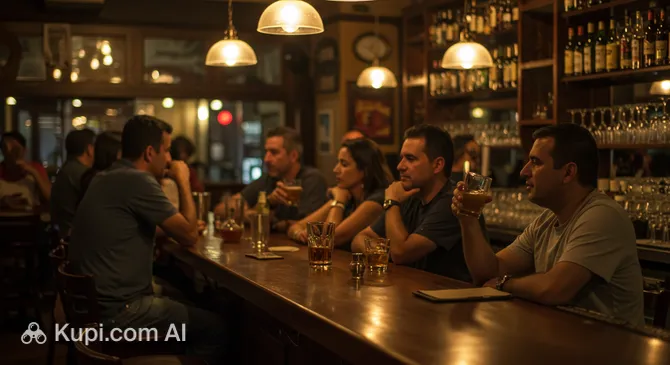
When it comes to beverages, the warm climate makes Tereré a local favorite. Similar to the hot "chimarrão" found elsewhere in the south, Tereré is an infusion of yerba mate served ice-cold, often refreshed with water, mint, or fruit juices. It is the perfect social drink for hot afternoons. In the evenings, the city offers various pubs and bars for entertainment. A popular spot to enjoy a drink and a lively atmosphere is Hooligans Bar and Restaurant, which provides a great mix of food, beverages, and music.

Hooligans Bar and Restaurant. Source: Kupi.Binoculars

Those looking for quick bites or familiar options will find plenty of variety in the city's commercial centers. The São Paulo Shopping Mall offers a convenient food court with choices ranging from fast food to local snacks, making it easy to grab a meal while exploring the city's retail offerings.

Travel Tips

Welcome to Cascavel! To ensure your visit to the "Capital of the West" is as smooth and enjoyable as possible, we have compiled a set of essential guidelines. These practical insights will help you navigate the city with the confidence of a local, allowing you to focus on exploring its unique culture and attractions.

  1. Clothing and Gear: Since the weather in Cascavel can be quite variable depending on the season, layering is key. In summer (December to February), light, breathable fabrics are essential for the heat, while winter (June to August) requires a warm jacket or coat, as temperatures can drop significantly in the evenings. Don't forget comfortable walking shoes, especially if you plan to stroll around the Municipal Lake or the city's large squares.

  2. Transportation: The most convenient way for tourists to get around is by using ride-hailing apps like Uber or 99, which are reliable and affordable here. While the city has a comprehensive public bus system centered around major terminals, navigating routes without knowing Portuguese can be challenging. Car rentals are also a great option if you plan to explore the surrounding western Paraná region.

  3. Finances: The official currency is the Brazilian Real (BRL). Credit and debit cards are widely accepted at hotels, restaurants, and shops, so you won't need to carry large amounts of cash. However, it is wise to keep some small bills for street vendors or smaller establishments. Tipping is generally 10%, which is usually included in the restaurant bill as a service charge.

  4. Health and Safety: Cascavel is considered one of the safer cities in the region, but standard travel precautions apply; avoid walking alone in unlit areas or empty parks late at night. Pharmacies are abundant, with major chains like Nissei or Raia often open late or 24/7. For emergencies, dial 192 for an ambulance or 190 for the police.

  5. Communication: The primary language is Portuguese, and English is not widely spoken outside of major hotels and business centers. It is highly recommended to download a translation app like Google Translate for daily interactions. While Wi-Fi is available in most cafes and hotels, buying a local SIM card (from providers like Vivo, TIM, or Claro) will make navigation and communication much easier.

  6. Local Etiquette: Brazilians are warm and informal. It is common to greet people with a handshake or, in more casual settings, a kiss on the cheek (usually one in this region). A "thumbs up" gesture is a universal sign of approval or agreement here. When entering shops or elevators, a polite "Bom dia" (Good morning) or "Boa tarde" (Good afternoon) is always appreciated.

  7. What to Avoid: Avoid drinking tap water directly, as your system may not be used to the local mineral content; sticking to bottled water is the safest choice to prevent stomach issues. Additionally, avoid flashing expensive jewelry or electronics in busy public markets or bus terminals to stay low-profile.

  8. Local Insight: Embrace the local custom of drinking Tereré (cold yerba mate tea). You will often see locals sitting in circles at parks, especially on weekends, sharing this refreshing drink. It is a social ritual, and showing interest in it is a great way to break the ice and make friends with residents.

By keeping these tips in mind, you are all set to experience the best of Cascavel. Whether you are here for the famous barbecue, the modern architecture, or the friendly atmosphere, a little preparation will go a long way in making your trip unforgettable.

Entertainment & Nightlife

Cascavel may be known for its agricultural roots, but when the sun goes down, the city reveals a lively and welcoming side. Thanks to a large university population and a thriving local economy, the nightlife scene is vibrant, offering everything from energetic dance floors to laid-back pubs. The atmosphere is generally casual and friendly, making it easy for visitors to mingle with locals and enjoy the authentic spirit of western Paraná.

The heart of the action is concentrated in the downtown area (Centro), particularly along Rua Paraná and the streets branching off the main avenue, Avenida Brasil. This district is bustling on weekends, with people hopping between bars and eateries. While the region is famous for "Sertanejo" (Brazilian country music), which dominates many nightclubs, there is a growing variety of venues catering to rock, pop, and electronic music enthusiasts.

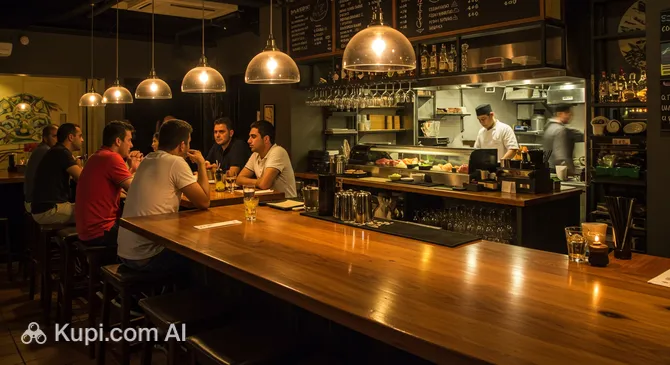
For a sophisticated evening combining great food and drinks, Ogami Sushi Bar & Grill is a standout choice. This venue bridges the gap between a high-end restaurant and a trendy bar, serving expertly crafted cocktails alongside Japanese cuisine. It is an ideal spot to start the night in a modern, stylish setting before heading out to livelier locations.

Ogami Sushi Bar & Grill. Source: Kupi.Binoculars

If you prefer a more traditional pub atmosphere, Hooligans Bar and Restaurant remains a local favorite. Known for its extensive beer selection and rock 'n' roll vibe, it offers a refreshing alternative to the dominant country music scene. It is a great place to enjoy live bands, grab a cold draught beer, and experience the city's alternative culture.

Regarding practicalities, nightlife in Cascavel typically kicks off around 9:00 PM, with clubs filling up later, around midnight. The dress code is mostly casual, though some nightclubs may expect smart-casual attire. Prices are generally affordable compared to larger Brazilian capitals. For transportation, it is highly recommended to use ride-sharing apps like Uber or 99 rather than walking long distances at night, even though the main entertainment districts are considered relatively safe.

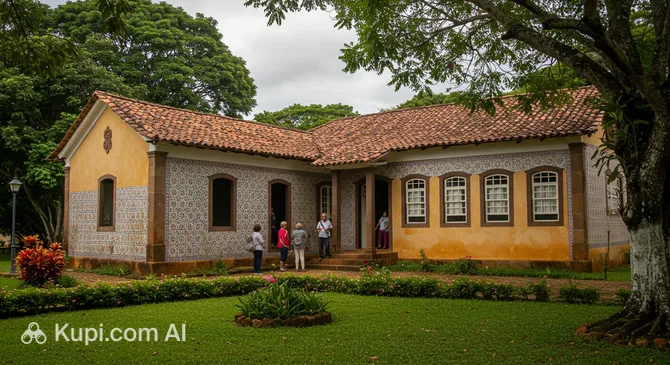
For those looking for cultural entertainment during the day, the city offers interesting options beyond the parks. The Dom Guilherme Museum is a significant cultural repository, preserving the history and heritage of the region. A visit here provides a quiet and educational contrast to the energetic nightlife, allowing tourists to appreciate the local identity and past.

Dom Guilherme Museum. Source: Kupi.Binoculars

Parks & Museums

Cascavel prides itself on being a city that harmoniously blends urban development with nature and memory. For tourists, this means easy access to expansive green spaces that serve as sanctuaries for local wildlife, as well as cultural institutions that preserve the fascinating, and often rugged, history of western Paraná's colonization.

The crown jewel of the city's natural areas is the Paulo Gorski Ecological Park, which encompasses the famous Municipal Lake. This vast area is more than just a scenic spot; it is a vital conservation unit protecting a remnant of the Atlantic Forest. Visitors can enjoy a well-maintained walking and cycling path that circles the lake, offering a peaceful retreat from the city center. It is one of the best places in the region to observe capybaras roaming freely, along with a variety of waterfowl, making it a favorite location for nature photography and sunset picnics.

Located within the same ecological complex is the Cascavel Municipal Zoo. Unlike many traditional zoos, this facility focuses heavily on the conservation and rehabilitation of Brazilian fauna. It is home to diverse species, including jaguars, monkeys, and exotic birds, many of which are native to the region. The zoo provides an educational experience for families, offering a chance to learn about the biodiversity of the Iguaçu River basin in a setting that prioritizes animal welfare and environmental education.

In terms of cultural heritage, the city offers insightful venues that narrate its transformation from a frontier outpost to a modern metropolis. The Dom Guilherme Museum is a key institution dedicated to preserving the religious and social history of the area. Named after the first bishop of Cascavel, the museum houses a significant collection of sacred art, photographs, and documents that trace the development of the local community through the lens of the church's influence.

Another important cultural stop is the Celso Formighieri Sperança Historical Museum, located in the Gilberto Mayer Cultural Center. This museum offers a deep dive into the cycles of economic development in Cascavel, from the early days of timber and yerba mate extraction to the current agricultural boom. The exhibits feature tools, clothing, and artifacts from the early settlers, providing a tangible connection to the pioneers who built the city.

For a truly local experience, visit the park areas in the late afternoon. This is when the residents of Cascavel gather to exercise and socialize, often sharing chimarrão or tereré, creating a lively and welcoming atmosphere that perfectly captures the spirit of the city.

Getting Around

Public transportation in Cascavel relies entirely on a comprehensive bus network, which serves as the primary mode of mobility for residents and visitors alike. There is no metro, tram, or train system within the urban area. The bus service is well-organized and structured around a system of "Integrated Terminals" (Terminais de Integração) located in strategic districts—East, West, Southwest, and Northeast—connecting to a central station downtown. This layout allows passengers to transfer between different lines within the terminals without paying a second fare, making travel across the city efficient and cost-effective.

The payment system is modernized, primarily using an electronic ticketing card known as the Vale Sim. While it is possible to pay with cash directly to the conductor or driver upon boarding, using the card is often faster and more convenient. For tourists planning to stay for a longer period or use the bus frequently, acquiring a card at one of the main terminals or the central sales office is recommended. The fare is affordable, generally costing a few units of the local currency, and is standard across all municipal lines.

For visitors, navigating the system is relatively straightforward, but a few practical tips can ensure a smoother experience. Buses are typically entered through the front door, where you validate your card or pay cash, and exited through the rear doors. Operating hours generally run from the early morning, around 5:30 AM, until shortly after midnight. It is advisable to use navigation apps like Google Maps or Moovit, which are well-integrated with the local schedules, to plan your routes, as bus stops may not always display detailed timetables.

If you prefer more direct and comfortable transportation, alternatives are widely available. Ride-hailing apps such as Uber and 99 are extremely popular in the city, offering safe and reasonably priced rides without the language barrier issues that might arise with public transit. Traditional taxis are also easy to find at designated stands, particularly near the bus station, the airport, and major hotels; they run on a meter, ensuring transparent pricing.

While the city does not have historic transport features like cable cars, the efficiency of its integrated bus terminals is a point of local pride. The system is designed to handle the flow of the city's growing population effectively. However, for a tourist with limited time or specific destinations, combining bus travel with ride-sharing apps usually offers the best balance of economy and convenience.

Accommodation

Accommodation in Cascavel caters primarily to business travelers and attendees of agricultural events, resulting in a hospitality sector that prioritizes efficiency, comfort, and practicality. The city offers a solid range of options, from budget-friendly hostels and functional economy hotels to more upscale establishments offering business centers and leisure amenities. While you won't find ultra-luxury resorts, the standard of service in the mid-range category is generally high, ensuring a pleasant stay for leisure tourists as well.

For most visitors, the best area to stay is the City Center (Centro). This district is the heartbeat of Cascavel, centered around the long and bustling Avenida Brasil. Staying here places you within walking distance of major conveniences, including shopping centers, banks, and a variety of dining options. It is also where you will find the highest concentration of hotels, making it easy to access transportation to attractions like the Metropolitan Cathedral or the Municipal Lake.

Another strategic location is near the Bus Terminal (Rodoviária), particularly for those using Cascavel as a transit point to Foz do Iguaçu or Curitiba. This area offers simple, cost-effective lodging designed for short stays. Conversely, travelers seeking a quieter atmosphere might look for accommodations slightly removed from the main avenues, closer to the Country neighborhood, which offers a more residential feel while still being accessible.

Booking Tips: It is crucial to check the local events calendar before planning your trip. Cascavel hosts major agricultural fairs, such as the massive Show Rural Coopavel, which typically takes place in February. During these events, the city's hotel capacity is stretched to its limit, and rooms are often booked out months in advance at premium rates. For travel outside these peak business periods, booking a few weeks ahead is usually sufficient.

Price Range and Booking: Generally, accommodation prices in Cascavel are very reasonable compared to Brazil's major tourist capitals. Budget options are plentiful, and even the top-tier hotels in the city remain accessible to most travelers. Major international booking platforms work well here, but many local hotels also accept direct bookings via WhatsApp or their websites, sometimes offering better rates.

Nearby Cities

For those looking to explore the surroundings, Cascavel serves as an excellent base for day trips to several interesting nearby locations. The region of Western Paraná is rich in agricultural heritage and cultural diversity, offering travelers a chance to see a different side of Brazil just a short drive away.

One of the most accessible destinations is Toledo, located less than an hour's drive from Cascavel. Often considered a sister city due to its proximity and economic strength, Toledo is celebrated for its high quality of life and green spaces. A highlight for visitors is the Diva Paim Barth Ecological Park, which features a large lake and an aquarium, making it a perfect spot for a relaxing family afternoon. The city is also known for its gastronomy, particularly the annual Pig on the Spit Festival (Festa do Porco no Rolete).

Another fascinating stop is Marechal Cândido Rondon, which offers a distinct cultural experience. Heavily influenced by German immigrants, the town showcases this heritage through its architecture, cuisine, and local traditions. Walking through the city, you will notice alpine-style buildings and can enjoy authentic German pastries. It is a charming destination for those interested in the European roots that helped shape this part of the country.

City Population Distance (km)
Toledo 119,313 37
Capanema 66,759 86
Marechal Candido Rondon 46,819 73
Medianeira 41,817 72
Dois Vizinhos 41,038 98

These nearby destinations offer a glimpse into the diverse culture and landscapes of the region, providing worthwhile excursions for anyone wishing to extend their stay in Western Paraná.

Shopping & Souvenirs

Shopping in Cascavel reflects its status as a regional commercial hub, offering a practical mix of modern convenience and local charm. While it may not be a global fashion capital, the city provides a robust retail scene where visitors can find everything from high-street brands to regional handicrafts. As the economic center of Western Paraná, it attracts shoppers from neighboring towns, ensuring a lively atmosphere and a wide variety of goods, particularly in the sectors of clothing, footwear, and agricultural products.

The city's retail heartbeat is undoubtedly Avenida Brasil. This expansive avenue, which runs through the center of town, is lined with a diverse array of shops, boutiques, and department stores. Walking along its wide sidewalks, tourists can explore local fashion retailers, electronics shops, and variety stores. It is the perfect place to experience the daily bustle of the city and find everyday items or Brazilian fashion brands at reasonable prices.

For a more concentrated shopping experience, the city features several malls that offer comfort and variety. The São Paulo Shopping Mall is a well-known destination for locals and visitors alike. It provides a convenient selection of retail stores and services, making it a good stop for those looking to browse casually or pick up travel essentials. Another key location is the Central Park Shopping, which is easily accessible and offers a mix of shops and entertainment options, serving as a popular meeting point in the city center.

São Paulo Shopping Mall. Source: Kupi.Binoculars

To get a taste of local culture, visitors should look out for the Feira do Pequeno Produtor (Small Producer's Fair), often held near the cathedral or in designated public squares on specific days. These markets are excellent for finding fresh local produce, homemade cheeses, salamis, and artisanal crafts. It is an authentic way to engage with the community and discover the agricultural richness of the region.

When looking for souvenirs, consider items that reflect the "gaucho" and agricultural heritage of the area. Leather goods, such as belts, wallets, and boots, are often of high quality and well-priced. Additionally, accessories for drinking Tereré or Chimarrão—such as the "cuia" (gourd) and "bomba" (metal straw)—make for distinctive and culturally significant gifts. Local handicrafts made from wood or fabric are also widely available at street fairs.

Store hours in Cascavel typically run from 9:00 AM to 6:00 PM on weekdays, with shorter hours on Saturdays, usually closing around 1:00 PM. Shopping malls generally stay open later, often until 10:00 PM, including Saturdays. Payment is very convenient, with credit and debit cards being almost universally accepted, even for small amounts. However, carrying some cash is advisable for street markets or smaller stalls.

Tourists should be aware that Brazil does not operate a VAT refund or tax-free shopping system for international visitors similar to those found in Europe. The price you see on the tag is the final price you pay, inclusive of all local taxes.

Reached the end of the page?

That means the route is fully explored