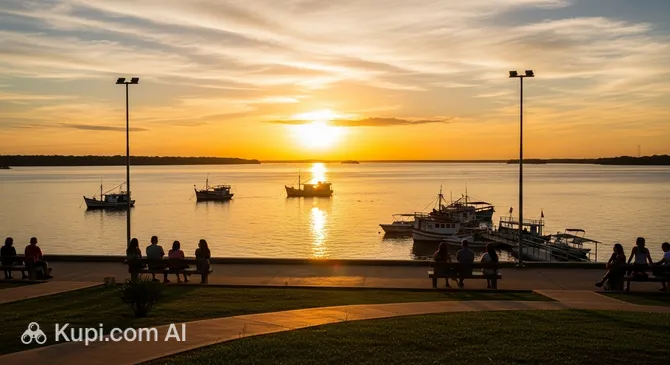
The cultural and natural landscape of Guaira is deeply intertwined with the Paraná River, offering visitors a mix of lush ecological sanctuaries and poignant historical reminders. While the city is small, its green spaces provide a refreshing escape into the local biodiversity, and its cultural venues work tirelessly to preserve the memory of the region's unique history, particularly the era of the submerged waterfalls.
Ilha Grande National Park is the premier destination for nature lovers in the region. Although it is a federal conservation unit that spans several municipalities, Guaira serves as a key gateway to this ecological jewel. The park is an archipelago situated in the middle of the Paraná River, characterized by a complex system of islands, lagoons, and marshes. It is a haven for biodiversity, hosting species such as marsh deer, broad-snouted caimans, and a vast array of birdlife. For tourists, boat trips around the islands offer a chance to witness untouched subtropical nature and enjoy the tranquility of the river away from the city center.
Within the urban area, the city's relationship with nature is best experienced along the Riverfront and Squares. While the Centro Náutico is the main recreational hub, the smaller squares and tree-lined avenues provide peaceful spots for relaxation. Praça Duque de Caxias is a central gathering point where locals enjoy the shade of large trees, making it a pleasant stop for a break while exploring the city. These green pockets are essential for cooling off during the hot summer afternoons and offer a glimpse into the laid-back lifestyle of the residents.
In terms of cultural heritage, the Museu Sete Quedas stands as the city's most significant institution. It functions not just as a display of artifacts, but as a guardian of the community's collective memory regarding the "Seven Falls." While its collection of taxidermy and archaeological finds is impressive, its true value lies in its role as a cultural anchor, educating new generations about the geographical transformation that defined the city. It is a place of reflection on how human intervention reshapes nature and history.
Complementing the museum is the Cine Teatro Sete Quedas, which serves as the primary venue for performing arts in the city. This space hosts a variety of events, from theatrical plays and dance performances to film screenings and community assemblies. For visitors interested in the living culture of the city, checking the schedule at the theater can provide an opportunity to see local artistic expressions and mingle with the community in a creative setting.
For historical exploration, a trip to the district of Porto Mendes is highly recommended. Located about 25 km from the city center, this area was historically crucial as the terminus of the railway that bypassed the waterfalls. Today, it features the Parque de Lazer de Porto Mendes, a recreational park that combines history with leisure. Visitors can see remnants of the old port infrastructure and memorials dedicated to the region's past. It is also a popular spot for camping and fishing, offering a blend of historical sightseeing and outdoor recreation.
Another site of interest is the Cruzeiro, a religious monument often found in Brazilian cities but holding specific local significance here as a marker of faith and tradition. These landmarks, along with the distinct architecture of the early 20th-century buildings related to the Mate Laranjeira company, paint a picture of a frontier town that grew into a strategic hub.
For an authentic experience, try to arrange a sunset boat tour that specifically navigates near the Saraiva Island (Ilha Saraiva). While less famous than the national park, this area often harbors large flocks of birds returning to their nests at dusk. It is a magical, quiet spectacle that few tourists get to see, offering a perfect moment of connection with the river's natural rhythm.