Support

Ponta Porã

About

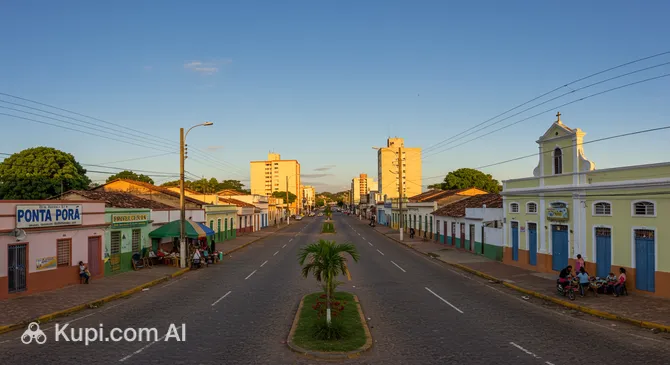
Ponta Porã is a captivating city located in the state of Mato Grosso do Sul, in the southwestern region of Brazil. It is widely known for its unique geographical position right on the border with Paraguay, forming a conurbation with the city of Pedro Juan Caballero. Unlike many international borders marked by rivers or fences, the division here is a "dry border," often just a simple avenue, allowing for a seamless flow of people and culture between the two nations.

Ponta Porã. Source: Kupi.Binoculars

With a population of approximately 88,000 residents, the city serves as an important commercial and cultural hub in the region. The history of Ponta Porã is deeply rooted in the cycle of erva-mate (yerba mate) production, which drove the area's initial economic growth. This heritage is still visible today in the city's architecture and traditions, creating a distinct atmosphere that blends Brazilian vibrancy with Paraguayan customs.

Travelers are often drawn to the International Line, a symbol of the peaceful coexistence between the two countries and a prime spot for shopping tourism. Visitors can easily cross the street to explore shops and markets on the Paraguayan side. Another highlight is the Erva Mate Museum, which offers a glimpse into the past, while the local culinary scene invites you to try traditional delights like chipa and the refreshing drink known as tereré.

Whether you are looking for great shopping opportunities or want to experience a truly multicultural environment, Ponta Porã offers a welcoming and interesting destination for your next trip.

Weather Overview

Ponta Porã experiences a climate characterized by distinct seasonal variations, offering warm summers and milder winters. To help you pack appropriately for your trip, it is useful to review the detailed weather in Ponta Porã.

The summer months, spanning from December to March, are typically warm and humid. Average temperatures during this period stay around 26.0°C, with daytime highs often reaching 30.5°C. This is also the wettest time of the year; January, for instance, sees about 19 wet days, so carrying an umbrella is advisable.

Conversely, the winter season from June to August brings cooler and drier conditions. July is generally the coolest month, with an average temperature of 19.5°C and lows dropping to roughly 14.4°C. Precipitation decreases significantly during these months, with July experiencing only about 4 wet days.

Overall, you can expect warm summers with frequent rainfall and mild, dry winters that are comfortable for sightseeing.

Interesting Facts

Beyond its famous dry border, Ponta Porã holds historical secrets and cultural curiosities that surprise many visitors. The city's past as a strategic administrative center and its unique cultural fusion offer fascinating stories for those willing to look deeper.

  • A Former Capital: Ponta Porã was not always just a municipality; from 1943 to 1946, it served as the capital of the Federal Territory of Ponta Porã. This distinct political entity was created by the Brazilian government to strategically manage and develop the border region, giving the city a prestigious status during that era.
  • The Legend of the Castelinho: One of the city's most iconic buildings, the "Castelinho" (Little Castle), served as the government headquarters for the Federal Territory and later as a prison. It is surrounded by the urban legend of the "Lady of the Castelinho," a ghostly figure said to haunt the site, which has become a popular piece of local folklore among residents.
  • Indigenous Name: The city's name has deep roots in the Guarani language, translating roughly to "Beautiful Point" or "Beautiful Tip." It is believed to refer to a specific geographical feature or a prominent patch of forest that served as a landmark for early travelers and indigenous inhabitants.
  • A Unique Dialect: The integration with neighboring Paraguay is so seamless that it has influenced the way people speak. It is common to hear locals conversing in "Guaraportunhol," a fluid linguistic mix that blends Portuguese, Spanish, and Guarani, perfectly reflecting the region's triple cultural heritage.

How to Get There

Reaching Ponta Porã typically involves a combination of air travel and a scenic road trip through the state of Mato Grosso do Sul. While the city is a key border hub, it does not receive major commercial flights directly. Most visitors fly into regional hubs and complete their journey by bus, rental car, or taxi. You can find detailed information on all available transport options in our guide on how to get to Ponta Porã.

The closest commercial aviation facility is Dourados Airport (DOU), located in the city of Dourados. It is situated approximately 90.5 km from Ponta Porã. This regional airport is a convenient entry point for those looking to minimize ground travel time. The drive from Dourados to the border city generally takes approximately 2 hours by taxi or transfer services.

For more frequent connections and international access, travelers often choose Campo Grande International Airport (CGR) in the state capital, Campo Grande. Although it is further away, located about 254 km from Ponta Porã, it serves as the major gateway to the region with a large volume of annual passengers. The journey from Campo Grande is longer, taking around 4.5 to 5 hours by road, but the airport offers a wider variety of flight schedules and amenities.

For clarity, here is a summary of the main airports:

Airport Name City Passenger Traffic Km from City
Campo Grande International Airport Campo Grande Large 253.8
Bonito Airport Bonito Small 161.5
Dourados Airport Dourados Small 90.5

Main Attractions

Exploring Ponta Porã is a unique experience that blends historical heritage, green spaces, and the vibrant atmosphere of a border city. Visitors can enjoy a variety of sights ranging from cultural monuments to inviting leisure spots that reflect the local lifestyle.

One of the city's most emblematic public spaces is the Parque dos Ervais. This modern park is a favorite among locals and tourists alike, offering a vast green area perfect for outdoor activities. With walking paths, sports courts, and a scenic lake, it serves as a central hub for relaxation and community events. The park's design pays homage to the region's yerba mate history, making it not just a recreational spot but also a cultural landmark.

For those interested in the region's past, the Museu da Erva Mate (Yerba Mate Museum) is a must-visit. Housed in a historic building, the museum preserves the legacy of the yerba mate cycle, which was the driving force behind the city's economic development. The collection includes tools, photographs, and documents that tell the story of the "erva-mate" barons and the workers who shaped the identity of the border region.

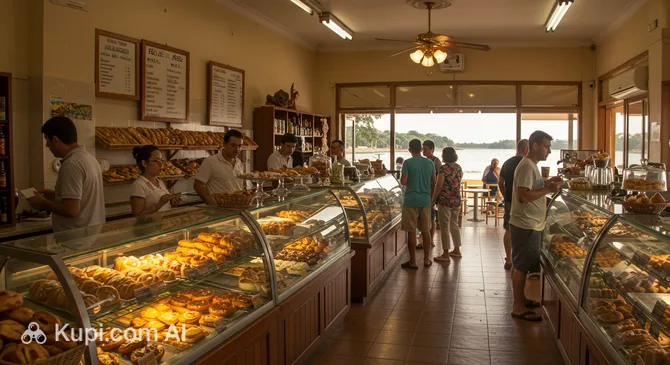
Pão de Mel. Source: Kupi.Binoculars

When it comes to local flavors, Pão de Mel is a celebrated stop for visitors. This establishment is more than just a place to eat; it is a reference point in the city for high-quality confectionery and snacks. Tourists often stop here to enjoy delicious pastries and savory treats in a welcoming environment, making it a perfect break during a day of sightseeing.

Finally, you cannot miss the Monumento das Cuias, located on the International Line that separates Brazil and Paraguay. This large sculpture features two traditional gourds (cuias) used for drinking tereré and chimarrão, symbolizing the shared culture and friendship between the two nations. It is a popular spot for photos and stands as a testament to the seamless integration of the twin cities.

Local Cuisine

The culinary scene in Ponta Porã is a delicious reflection of its dual heritage, offering a unique fusion of Brazilian flavors and Paraguayan traditions. Due to the seamless "dry border," the local palate is heavily influenced by Guarani culture, creating a gastronomic experience that is distinct from other parts of the state.

One dish you simply must try is Sopa Paraguaya. Despite its name, which translates to "Paraguayan Soup," it is actually a savory, spongy corn cake made with corn flour, cheese, eggs, and onions. It is often served as a side dish for lunch or dinner. Another staple snack is Chipa, a baked cheese roll made from manioc starch. While similar to the famous Brazilian pão de queijo, the chipa has a denser texture and a distinct flavor profile, often shaped like a horseshoe and sold by street vendors throughout the city.

When it comes to beverages, Tereré is the undisputed symbol of the region. This cold infusion of yerba mate is more than just a drink; it is a daily social ritual. Locals consume it from a guampa (a horn or cup) through a metal straw called a bomba, often adding refreshing herbs like mint or lemon to the ice-cold water. It is the perfect way to beat the heat and connect with the local lifestyle.

For dining out, the city offers a mix of casual street food stalls near the International Line and comfortable sit-down establishments. If you are looking for a place to enjoy high-quality savory snacks or sweet treats, Pão de Mel is a popular choice among residents and visitors alike. Whether you are craving a hearty barbecue or a quick bite of traditional border food, Ponta Porã's eateries provide a welcoming atmosphere to savor these cross-cultural delights.

Travel Tips

Welcome to Ponta Porã! Visiting this unique "dry border" destination offers a fascinating mix of cultures, but navigating a city that blends into another country requires a bit of insider knowledge. To help you make the most of your trip and enjoy the seamless transition between Brazil and Paraguay, here are some practical tips to keep in mind.

  1. Clothing and Gear: Since the weather can vary significantly, packing layers is key. For the hot and humid summer months (December to March), bring light, breathable fabrics like cotton or linen, along with a hat and sunscreen. If you visit during winter (June to August), evenings can get surprisingly chilly, so a warm jacket or sweater is essential. Comfortable walking shoes are a must, especially if you plan to explore the shopping districts along the International Line on foot.
  2. Transportation: The city does not have a metro or tram system. The most common way to get around is by moto-taxi (motorcycle taxi), which is fast and affordable for short distances. Regular taxis and ride-hailing apps are also available, though availability might fluctuate depending on the time of day. If you rent a car, be very careful about parking near the border line and ensure your rental agreement allows you to cross into Paraguay if you intend to drive there, although walking across is much simpler.
  3. Finances: The official currency is the Brazilian Real (BRL). However, due to the proximity to Pedro Juan Caballero, many merchants accept US Dollars and Paraguayan Guaraní. Credit and debit cards are widely accepted in established shops and restaurants, but it is highly recommended to carry cash for small purchases, street food, or local transport. Currency exchange houses (casas de câmbio) are plentiful near the border if you need to swap currencies.
  4. Health and Safety: Ponta Porã is generally safe for tourists, but standard precautions apply. Avoid walking alone in poorly lit areas at night and keep an eye on your belongings in crowded shopping areas. Pharmacies are easy to find, with some major chains operating until late or 24/7. It is also advisable to carry insect repellent, as mosquitoes can be common in the region, particularly during the warmer, wetter months.
  5. Communication: The primary language is Portuguese, but you will hear a lot of Spanish and Portunhol (a mix of the two) due to the border location. English is not widely spoken outside of major hotels or high-end tourist services, so learning a few basic phrases in Portuguese or Spanish will be very helpful. You can easily buy a local SIM card from major carriers like Vivo, Claro, or TIM at newsstands or pharmacies to stay connected.
  6. Local Etiquette: The locals are known for their hospitality. A common social ritual is sharing tereré (cold yerba mate tea). If you are invited to join a circle, accept it as a gesture of friendship. Remember not to touch or move the metal straw (bomba) with your hands; just drink and pass the cup back to the server. Greetings often involve a handshake or a kiss on the cheek, reflecting the warm Latino culture.
  7. What to Avoid: Do not attempt to cross the border carrying goods that exceed legal customs limits or prohibited items; fiscal checkpoints on the roads leaving the city are strict. Also, avoid taking photographs of federal police or security personnel at the border posts without permission, as this can be seen as suspicious behavior.
  8. Shopping Hours: If you plan to cross the street to shop in Paraguay, keep in mind that the commercial rhythm is different. Most shops on the Paraguayan side open early (around 7:00 or 8:00 AM) and close by late afternoon (around 4:00 or 5:00 PM). Plan your shopping spree for the morning to ensure everything is open.

By keeping these tips in mind, you will be well-prepared to navigate the vibrant streets of Ponta Porã. Embrace the multicultural atmosphere, enjoy the local flavors, and have a safe and memorable journey at the heart of the frontier!

Entertainment & Nightlife

The nightlife in Ponta Porã is a vibrant reflection of its unique border culture, offering a mix of Brazilian hospitality and international flair. Unlike the high-energy club scenes found in metropolitan capitals, the evening entertainment here revolves around lively social gatherings, gastronomy, and the distinct experience of being steps away from a neighboring country. The atmosphere is generally relaxed and informal, with a strong focus on live music, particularly sertanejo (Brazilian country music), which sets the rhythm for many nights out.

The heart of the city's nightlife beats along Avenida Brasil and the areas adjacent to the International Line. This central district is where locals and tourists converge to enjoy cold draft beer (chopp) and hearty meals. On weekends, the streets come alive with people hopping between bars and restaurants. The dress code is typically casual; jeans and comfortable shirts are the norm, making it easy for visitors to blend in with the local crowd.

For a pleasant start to your evening, Pão de Mel is a popular destination. While it is famous for its confectionery during the day, in the evening, it serves as a cozy spot to enjoy savory snacks and relax in a welcoming environment. It is an excellent example of the city's venue style—places that are versatile, family-friendly, and focused on quality food and conversation.

Another major aspect of entertainment for visitors staying in Ponta Porã is the proximity to Pedro Juan Caballero across the street. While gambling is prohibited in Brazil, many tourists take advantage of the "dry border" to visit the casinos located just meters away on the Paraguayan side. These venues often feature gaming tables, slot machines, and their own bars, providing a glitzy contrast to the more laid-back Brazilian bars. If you choose to explore this option, it is as simple as crossing the avenue.

Practical advice for a night out includes starting your evening around 8:00 PM, when the air cools down and the venues begin to fill up. Prices in Ponta Porã are generally affordable compared to larger Brazilian cities. For transportation, it is safest and most convenient to use local taxis or ride-hailing apps rather than walking long distances late at night, especially away from the well-lit central avenues. While the main tourist areas are safe, staying vigilant with your belongings is always recommended.

Regarding daytime entertainment, the city offers a slower pace perfect for cultural exploration. Beyond the shopping tourism that dominates the border, you can visit local theaters or spend a peaceful afternoon at the parks. The previously mentioned Parque dos Ervais is a prime spot for daytime leisure, hosting occasional cultural events and offering a green escape before the evening festivities begin.

Parks & Museums

Ponta Porã offers a fascinating array of green spaces and historical institutions that go beyond its well-known shopping districts. While the city is famous for its bustling border energy, it also preserves quiet corners of nature and deep historical roots that tell the story of its strategic importance in Brazil.

For those seeking a serene escape, the Horto Florestal stands out as a premier destination. Located in the northern sector of the city, this expansive green area functions as more than just a recreational park; it is an active seedling nursery maintained by the municipality. This unique feature allows it to play a crucial role in local environmental preservation, often distributing young trees to residents to encourage urban afforestation. The park is a favorite among locals for its shaded walking tracks and jogging paths, offering a cool retreat from the heat. Recent improvements, including the installation of hydration stations that dispense chilled water, make it an ideal spot for a refreshing morning run or a leisurely afternoon walk amidst native vegetation.

History enthusiasts will find a treasure trove of information at the 11º Regimento de Cavalaria Mecanizado (11th Mechanized Cavalry Regiment), historically known as the Marechal Dutra Regiment. This military institution is not only a guardian of the border but also a custodian of local memory. Its museum houses a significant collection of artifacts, uniforms, and documents, with a special focus on the Brazilian Expeditionary Force's participation in the Italian campaign during World War II. Adjacent to this military complex lies the iconic Castelinho (Little Castle). This architectural landmark, which once served as the headquarters for the government of the Federal Territory of Ponta Porã, stands as a silent witness to the era when the city held the status of a capital. Its imposing structure and historical weight make it a compelling stop for anyone interested in the political evolution of the region.

While the Parque dos Ervais and the Museu da Erva Mate are often the first stops for visitors wanting to understand the city's yerba mate heritage and social life, the Horto Florestal and the military museums offer a complementary perspective. Together, these sites provide a well-rounded experience, showcasing the city's dedication to both its natural environment and its rich, patriotic history.

Getting Around

Navigating Ponta Porã is relatively straightforward due to its manageable size and the layout of its streets. The city does not possess a metro, tram, or train system. Instead, the public transport network relies entirely on a bus system that connects the residential neighborhoods to the central commercial district and the border area. While the network covers most major areas, frequencies can vary, with buses running more often during peak business hours on weekdays.

For the bus system, the payment method is traditional and simple for visitors. While local residents may use electronic transport cards, tourists are generally expected to pay in cash directly to the driver or a conductor upon boarding. The fare is affordable, and it is highly recommended to carry small bills and coins, as getting change for large banknotes can sometimes be difficult. There are no zone-based prices; a single flat rate typically covers a one-way journey within the municipal limits.

A highly popular and distinct alternative in this region is the moto-taxi service. You will see designated stands throughout the city where drivers, usually wearing numbered reflective vests, wait for passengers. This is often the fastest and most economical way to get around, especially for solo travelers. If you choose this option, ensure the driver provides you with a helmet, which is mandatory by law. It is a culturally immersive way to travel like a local, zipping through traffic to reach your destination quickly.

Standard taxis and ride-sharing apps are also available, though the fleet for apps may be smaller than in larger metropolitan centers. Taxis can be found at specific ranks, particularly near the bus station and the central avenues. If you prefer more autonomy, walking is a viable and pleasant option for exploring the city center and the International Line, where many attractions and shops are concentrated within a short distance of each other.

Public transport generally operates from the early morning, around 6:00 AM, until the early evening. Service reduces significantly after 7:00 PM and on Sundays, so it is wise to plan your return trip in advance or rely on taxis for late-night travel. Bus stops are marked, but in some residential areas, hailing a bus by signaling to the driver is common practice.

Accommodation

Accommodation in Ponta Porã is designed to cater primarily to the flow of tourists visiting for shopping and business. The city offers a practical selection of lodging options, ranging from economical hostels and modest guesthouses (often called pousadas) to comfortable mid-range hotels. While you will not typically find ultra-luxury resorts, the hospitality standards are generally high, with a focus on cleanliness, convenience, and a hearty breakfast to start the day.

The most popular area to stay is undoubtedly the City Center, particularly along or near Avenida Brasil. Staying in this zone places you right on the International Line, allowing you to walk across to Pedro Juan Caballero in Paraguay for shopping without the need for a vehicle. This convenience is highly prized by visitors whose main goal is to explore the commercial districts of both nations. For those seeking a quieter night's sleep away from the bustle of the border, there are several charming options located just a few blocks inland in the residential neighborhoods.

Since the local economy is heavily driven by shopping tourism, many hotels are equipped with amenities specifically for this type of traveler. It is common to find establishments offering spacious secure parking—essential if you are traveling by car with purchases—and flexible check-in times. The atmosphere in these hotels is often family-friendly and business-oriented, providing a safe and functional base for your cross-border adventures.

Booking Tip: Ponta Porã can get quite busy during Brazilian national holidays and specific sales events, such as "Black Friday" promotions in the border shops. During these peak times, accommodation fills up quickly. It is highly recommended to book your room at least a few weeks in advance to secure a spot near the center.

Regarding costs, the city is generally very affordable compared to major Brazilian tourist destinations. You can expect budget to mid-range prices for most rooms. While major online booking platforms are widely used and are the most convenient way to secure a reservation, some smaller, family-run establishments may still operate via direct phone or messaging apps. However, for international travelers, sticking to known booking sites is the easiest way to guarantee your stay.

Nearby Cities

For those looking to explore the surroundings, Ponta Porã serves as an excellent base for day trips to several interesting nearby locations:

Located approximately 101 km away, Dourados is the second-largest city in the state and a major regional hub. Known for its reddish soil and vibrant university atmosphere, it offers visitors a variety of urban amenities, including shopping centers and well-maintained green spaces like the Parque dos Ipês. It is a great destination for those seeking services, cultural events, or dining options that complement the border experience.

Another interesting option is Maracaju, situated about 116 km from Ponta Porã. This town is famous throughout Brazil for its culinary heritage, specifically the "Linguiça de Maracaju." This traditional sausage is so culturally significant that it has its own annual festival. A visit here offers a delicious insight into the gastronomic traditions and the cowboy culture of Mato Grosso do Sul.

City Population Distance (km)
Dourados 182747 101
Naviraí 52367 167
Aquidauana 47323 230
Maracaju 44042 116
Sidrolandia 42132 194

These nearby destinations offer a glimpse into the diverse culture and landscapes of the region.

Shopping & Souvenirs

General Overview: Shopping is the primary engine of tourism in Ponta Porã, attracting visitors from all over Brazil who are eager to take advantage of the unique "dry border" condition. The city forms a seamless commercial hub with its Paraguayan neighbor, Pedro Juan Caballero, creating a vast open-air shopping complex. While the Paraguayan side is famous for imported electronics, perfumes, and beverages at competitive prices, Ponta Porã itself offers a growing number of duty-free shops ("lojas francas") and local businesses that specialize in regional products, fashion, and artisanal goods.

Main Shopping Areas: The heartbeat of the shopping scene is the International Line (Linha Internacional), which separates Brazil from Paraguay. On the Brazilian side, Avenida Brasil runs parallel to the border and is lined with a variety of shops, pharmacies, and service centers. This area allows pedestrians to freely cross back and forth between the two countries, browsing store windows that display everything from high-end gadgets to budget-friendly clothing. It is a bustling, energetic district where the cultures and economies of both nations merge.

Shopping Malls: While Ponta Porã is characterized more by street trade and galleries, it serves as the gateway to massive shopping complexes located just meters across the border. Visitors typically base themselves in Ponta Porã to visit giants like Shopping China and Planet Outlet on the Paraguayan side, which are department store-style malls offering thousands of imported brands. Within Ponta Porã, the trend of "Lojas Francas" is rising, offering tourists the chance to buy imported goods tax-free directly on Brazilian soil in comfortable, air-conditioned environments.

Markets: For a more traditional experience, the street stalls scattered along the border line function as a sprawling market. Here, vendors sell a mix of electronics accessories, winter clothing, blankets, and toys. While there isn't a singular "Grand Market" building in the traditional sense, the entire border strip feels like a vibrant bazaar. It is the perfect place to haggle for small items and soak in the chaotic yet friendly atmosphere of the frontier.

Souvenirs: If you are looking for authentic local keepsakes, the region is famous for items related to the tereré culture. You can find beautifully crafted guampas (drinking horns) made from cattle horn or wood, often leather-wrapped or personalized, along with high-quality metal bombas (straws). Leather goods, such as belts and wallets, are also widely available and of excellent quality. For a sweet souvenir, pay a visit to Pão de Mel. Their honey breads and confectionery boxes are beloved by locals and make for delicious gifts to bring back home.

Opening Hours and Payment: The commercial rhythm here starts early. Most shops open around 8:00 AM and close by 5:00 PM or 6:00 PM on weekdays. On Saturdays, many stores close in the early afternoon, and Sundays are generally very quiet with most places closed. Regarding payment, the region is incredibly flexible. You can pay with Brazilian Reais (BRL), US Dollars, or Paraguayan Guaranies almost everywhere. Credit and debit cards are widely accepted, but carrying some cash is useful for small street vendors.

Tax-Free Information: Tourists shopping in the region should be aware of the customs exemption quota (cota). Currently, travelers entering Brazil by land are entitled to a tax-exemption limit (usually $500 USD per person) for foreign goods brought into the country. Purchases made within the Brazilian "Lojas Francas" (duty-free shops in Ponta Porã) may have a separate allowance, allowing you to maximize your shopping experience without worrying about unexpected customs fees, provided you stay within the legal limits.
Reached the end of the page?

That means the route is fully explored