Support

Umuarama

About

Welcome to Umuarama, a vibrant and welcoming city located in the northwestern region of the state of Paraná, Brazil. Widely known as the "Capital of Friendship" (Capital da Amizade), this destination is celebrated for the hospitality of its residents and its pleasant urban atmosphere. With a population of approximately 100,000 people, it serves as an important regional hub while maintaining a charming and accessible community feel.

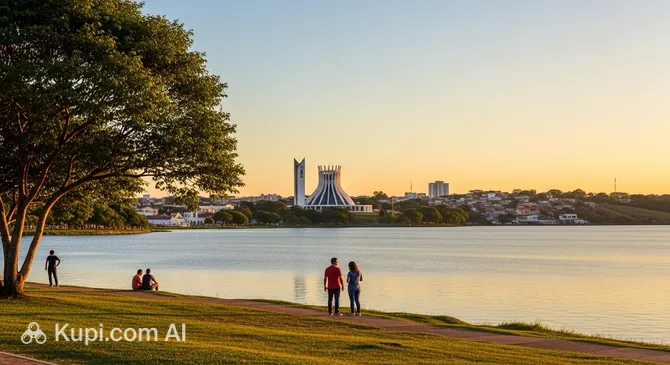
Umuarama. Source: Kupi.Binoculars

The city's name is of Tupi-Guarani origin, often interpreted to mean "sunny place high up" or a meeting place for friends, perfectly reflecting the local spirit. Visitors interested in how this planned municipality grew from a colonization project into a modern urban center can delve into the history of Umuarama to understand its rapid development and cultural roots. The city is characterized by its wide avenues and careful urban planning, which make exploring the area a comfortable experience.

One of the most unique attractions in Umuarama is a replica of the Eiffel Tower, a distinct landmark that often surprises travelers and serves as a symbol of the region's connection to the wider world. For those seeking nature and relaxation, the Bosque Uirapuru offers a lush green sanctuary within the city, featuring native vegetation and peaceful walking trails. Whether you are visiting for business or leisure, Umuarama invites you to enjoy its friendly climate and discover the warmth of the interior of Paraná.

Weather Overview

Umuarama typically enjoys a warm climate with distinct seasonal variations, making it a pleasant destination year-round. The city experiences its highest temperatures during the summer months, particularly from December to February. During this time, average temperatures hover around 26°C, with daily maximums often reaching 30.7°C. This period is also characterized by frequent precipitation, with January seeing up to 19 wet days, so visitors should be prepared for regular showers.

As the year progresses towards winter, the weather becomes noticeably cooler and drier. From June to August, average temperatures drop to approximately 19.5°C, with nighttime lows dipping to around 14.4°C in July. Rainfall decreases significantly during this season, with July recording as few as 4 wet days, offering clear skies for outdoor activities. For a more comprehensive breakdown of seasonal trends and forecasts, you can check the detailed report on the weather in Umuarama.

Overall, visitors can expect warm summers with occasional rain and mild, drier winters, providing a comfortable atmosphere for exploring the "Capital of Friendship."

Interesting Facts

Beyond the well-known title of "Capital of Friendship," Umuarama holds several fascinating details that tell the story of its unique origins and culture. From its carefully designed streets to architectural curiosities, there is much more to this city than meets the eye.

  • A Name with a Story: While the word "Umuarama" has indigenous roots, local history suggests that the name was actually chosen because the city's founders were staying at a hotel named Umuarama in Campos do Jordão. They admired the name so much that they decided to bestow it upon the new settlement.

  • Home of the Xetá: The region is historically significant as the last territory of the Xetá indigenous people. The city preserves this heritage through the Bosque dos Xetá, a dedicated woodland area that protects native flora and serves as a reminder of the area's original inhabitants.

  • Distinctive Architecture: The Catedral do Divino Espírito Santo is a standout landmark, known for its unconventional fan-shaped structure. This modern architectural design is intended to symbolize the Holy Spirit, setting it apart from traditional religious buildings in the region.

  • A Planned Garden City: Unlike many towns that expanded organically, Umuarama was a meticulously planned project by the Companhia Melhoramentos Norte do Paraná. Its urban layout features wide avenues and abundant green spaces, inspired by the "Garden City" concept to ensure a high quality of life for residents.

How to Get There

Reaching Umuarama typically involves a combination of air and road travel, as the city is nestled in the interior of Paraná. To help you plan your journey effectively, you can find more details about how to get to Umuarama via various transport methods. Although the city is served by the local Orlando de Carvalho Airport, commercial flight schedules can be limited. As a result, many travelers choose to fly into larger regional airports situated within a reasonable driving distance to ensure more flexible connections.

The most convenient gateway for many visitors is Regional de Maringá (IATA: MGF), located in the city of Maringá, approximately 136 km from Umuarama. This airport handles a significant volume of domestic traffic and serves as a key connection point. The journey from the airport to Umuarama by taxi or rental car usually takes around 2 hours and 30 minutes. Another viable option is Cascavel Airport (IATA: CAC), which is about 138 km away. Travelers arriving here can expect a similar transfer time by road.

For clarity, here is a summary of the main airports nearby:

Airport Name City Passenger Traffic Km from City
Cataratas International Airport Foz do Iguaçu Large 235.3
Regional de Maringá Maringa Medium 136.0
Londrina Airport Londrina Medium 227.8
Cascavel Airport Cascavel Medium 138.4
Dourados Airport Dourados Small 239.3

Umuarama is not currently served by passenger rail services, so trains are not a viable option for reaching the city directly. Visitors typically rely on the state's extensive highway network. Intercity buses are a popular and reliable alternative, connecting Umuarama's bus terminal with major cities across Paraná and neighboring states.

Main Attractions

One of the most popular recreational spots in the city is Lago Aratimbó. This scenic lake serves as a primary gathering place for locals and visitors alike, offering a refreshing escape with its expansive green areas and calm waters. It is an excellent location for outdoor activities, featuring walking paths, sports courts, and playgrounds for children. On weekends, the area comes alive with families enjoying picnics and the vibrant atmosphere, making it a perfect spot to experience the local lifestyle and watch a beautiful sunset.

A truly unexpected sight in the interior of Paraná is the Réplica da Torre Eiffel. Standing majestically near the PR-323 highway, this structure is a faithful 1:10 scale reproduction of the famous Parisian monument. Built by a local entrepreneur, the tower reaches approximately 32 meters in height and has become one of Umuarama's most iconic postcards. It offers a unique backdrop for photographs and is a testament to the city's creativity and spirit.

For those who appreciate modern religious architecture, the Catedral do Divino Espírito Santo is a must-visit landmark. Unlike traditional church designs, this cathedral features a distinctive fan-shaped structure intended to symbolize the Holy Spirit. Its grandeur and contemporary lines make it an architectural gem in the region. Inside, visitors can admire beautiful stained glass windows and a serene atmosphere that invites reflection and peace.

Nature lovers should not miss Bosque Uirapuru, a preserved woodland area located right in the heart of the city. This ecological reserve offers a lush sanctuary filled with native trees and wildlife, providing a cool and shady retreat from the urban heat. Well-maintained trails allow visitors to take pleasant walks while listening to the sounds of birds, making it an ideal destination for those seeking tranquility and a direct connection with the region's natural environment.

Local Cuisine

The culinary scene in Umuarama is a delightful reflection of the diverse cultural influences that shaped the state of Paraná, blending traditional southern Brazilian flavors with the hearty tastes of the interior. As an agricultural hub, the city prides itself on fresh, locally sourced ingredients. Visitors will find that dining here is as much about the warm, social atmosphere as it is about the food, with meals often serving as a time for friends and family to gather in the "Capital of Friendship."

Meat lovers will feel right at home, as the region has a strong tradition of churrasco (barbecue). The highlight is often the Costela ao Fogo de Chão (ribs roasted over a ground fire), a method that cooks the meat slowly for hours until it is incredibly tender. This dish is a staple at Sunday family lunches and community events. Additionally, due to a significant Japanese community in the region, dishes like yakisoba and sukiyaki have become surprisingly integrated into the local palate, often found at street fairs and specialized restaurants.

When it comes to beverages, the hot climate of northwestern Paraná makes tereré the undisputed favorite. This cold infusion of yerba mate is similar to the hot chimarrão found further south but is prepared with ice water and often flavored with lemon or mint. You will frequently see locals carrying their thermoses and enjoying tereré in parks or on sidewalks. For a non-alcoholic treat at the markets, nothing beats a glass of freshly pressed caldo de cana (sugarcane juice).

To truly experience the local food culture, a visit to the street markets, known as feiras livres, is essential. The Feira do Produtor is a bustling spot where tourists can mingle with residents. Here, the classic combination of a crispy, deep-fried pastel—stuffed with fillings like ground meat, cheese, or hearts of palm—paired with sugarcane juice is a mandatory gastronomic ritual. These markets also offer an abundance of fresh tropical fruits, artisanal cheeses, and homemade sweets that showcase the richness of the local soil.

Travel Tips

Visiting the "Capital of Friendship" is a delightful experience, but a little preparation goes a long way in ensuring a smooth trip. Here are some practical tips to help you navigate Umuarama comfortably and enjoy the local hospitality to the fullest.

  1. Dress for the Weather. Since Umuarama experiences hot summers, particularly from December to February, pack lightweight, breathable fabrics like cotton or linen to stay cool. However, if you are visiting during the winter months (June to August), evenings can get chilly, so bringing a light jacket or a warm sweater is essential.
  2. Getting Around. The city is relatively compact, and while there is a local bus system, it may be confusing for first-time visitors. The most convenient way to travel is by using ride-hailing apps like Uber or 99, which are reliable and affordable here. Renting a car is also a great option if you plan to explore the surrounding rural areas at your own pace.
  3. Currency and Cash. The local currency is the Brazilian Real (BRL). While credit and debit cards are widely accepted in most restaurants, hotels, and shops, it is advisable to carry some cash. You will need small bills for street vendors, the local feiras (markets), or smaller establishments that might not accept cards.
  4. Health and Safety. Umuarama is generally a safe city, but it is always wise to take standard precautions, such as avoiding unlit areas late at night and keeping an eye on your belongings. Pharmacies are plentiful throughout the city, and major chains often stay open late or operate 24 hours a day for any medical necessities.
  5. Language Essentials. Portuguese is the primary language, and English is not widely spoken outside of specialized tourism or business circles. It is highly recommended to download an offline translation app and learn a few basic phrases like "Bom dia" (Good morning) and "Obrigado" (Thank you), which will be warmly received by the locals.
  6. Local Etiquette. True to its nickname, the people of Umuarama are very friendly and hospitable. It is common to greet people with a handshake or, once you know them better, a hug or a kiss on the cheek. When entering a shop or boarding a bus, a simple greeting to the staff or driver is considered polite and respectful.
  7. What to Avoid. Avoid drinking tap water directly; it is safer to stick to bottled or filtered water to prevent any stomach issues. Additionally, try not to lose your patience if service is slower than what you might be used to in big cities; the pace of life here is more relaxed, so take a deep breath and go with the flow.
  8. Sunday Schedules. Be aware that on Sundays, most retail shops and businesses in the city center are closed. This is the traditional day for families to gather, so the streets may be quieter. However, the shopping mall, restaurants, and recreational spots like Lago Aratimbó remain open and become the main hubs of activity.

By keeping these practical tips in mind, you will be well-prepared to experience the best of Umuarama without any hassles. Relax, soak in the warm atmosphere, and enjoy the genuine friendship and unique culture this welcoming city has to offer.

Entertainment & Nightlife

As the sun sets over the "Capital of Friendship," Umuarama transforms into a lively hub of social activity. The city's nightlife is less about frenetic nightclubs and more about the warm, inviting culture of botecos (traditional bars) and choperias (draft beer houses). This is where the true spirit of the city shines, with locals gathering around outdoor tables to enjoy cold drinks, hearty snacks, and conversation that lasts well into the night. The atmosphere is generally casual and relaxed, reflecting the friendly nature of the residents.

The heart of the action can largely be found along the city's main thoroughfares. Avenida Paraná and Avenida Presidente Castelo Branco serve as the primary corridors for evening entertainment. These avenues are lined with a variety of establishments, from laid-back pubs to energetic venues featuring live music. On weekends, these streets bustle with activity as groups of friends move from one spot to another, enjoying the warm evening breeze and the vibrant urban energy.

For those looking to experience the local scene, Kaskata Choperia is a well-known establishment often frequented by locals for its chilled draft beer and generous portions of appetizers. It offers a classic Brazilian social experience perfect for groups. Another popular option is Cervejaria Divino Malte, which caters to those with a taste for craft beers and a slightly more modern pub vibe. If you are in the mood for live music, particularly the region's beloved sertanejo (Brazilian country music) or samba, keep an eye out for venues like Seu Jorge Boteco, where the energy is always high.

Practicalities for a night out in Umuarama are straightforward. The dress code is typically informal; due to the warm climate, smart-casual attire such as jeans and t-shirts is perfectly acceptable almost everywhere. Most bars and restaurants start filling up around 8:00 PM and stay lively until around 1:00 AM or 2:00 AM. Prices are generally affordable compared to larger capitals, making it easy to enjoy a full night of food and drinks without breaking the bank.

When it comes to safety, Umuarama is considered relatively safe for a city of its size, especially in the busy central districts. However, standard travel precautions apply. It is advisable to stick to well-lit, populated areas and avoid walking alone on empty streets late at night. For transportation, ride-hailing apps like Uber and 99 are widely available and offer a secure and convenient way to get back to your accommodation after a night out.

Beyond the nightlife, Umuarama offers cultural entertainment during the day that is worth exploring. The Centro Cultural Vera Schubert is the city's primary venue for the arts, hosting theatrical performances, dance shows, and musical concerts throughout the year. It serves as a focal point for the local artistic community and is a great place to check for any scheduled events during your visit.

Parks & Museums

Umuarama takes pride in its title as a "Garden City," offering a delightful array of well-maintained green spaces that complement its urban planning. For tourists, the city provides a refreshing mix of nature preservation and cultural venues that celebrate the region's unique history and artistic spirit.

A significant highlight for nature lovers and history enthusiasts is the Bosque dos Xetá, also affectionately known by locals as the Bosque do Índio. This expansive area covers approximately 180,000 square meters of native forest right in the city center. It serves not only as a green lung for the municipality but also as a poignant tribute to the Xetá indigenous people, the original inhabitants of the region. Visitors can explore paved trails that wind through the dense vegetation, offering a cool retreat and a chance to observe local flora. The park also features a memorial dedicated to the Xetá culture, making it a place of both recreation and reflection.

Another essential spot for experiencing local life is Praça Miguel Rossafa. Unlike the dense woodlands of the bosques, this square acts as a vibrant social hub where the community gathers to relax and stay active. It is equipped with playgrounds for children, exercise stations, and ample space for walking or jogging. In the late afternoons and evenings, the square comes alive with families and groups of friends enjoying the open air, making it an excellent location for tourists to people-watch and immerse themselves in the friendly atmosphere of Umuarama.

For a dose of culture, the Centro Cultural Vera Schubert is the city's primary artistic venue. This facility is the beating heart of Umuarama's arts scene, housing a large theater, the Municipal Library, and exhibition spaces. It frequently hosts art galleries featuring local painters, historical exhibitions about the colonization of Paraná, and various musical and theatrical performances. A visit here offers travelers a deeper understanding of the regional identity and access to the creative works of local talents.

While there isn't a dedicated standalone history museum, the cultural center often fills this role with temporary rotating exhibits. Additionally, the city's public spaces often integrate history with leisure, such as the monuments found in the recently revitalized Praça Santos Dumont, which stands as a symbol of the city's progress and modernity.

For an authentic insider experience, seek out Praça do Japão. This smaller, charming square pays homage to the significant Japanese community in the region and offers a more tranquil setting for a quiet break. It is a lovely spot to sit with a book or simply enjoy a moment of peace away from the busier avenues.

Getting Around

The public transport system in Umuarama is primarily based on a network of buses that connects the city center with various neighborhoods and districts. There is no metro, tram, or train service for intra-city travel. The system is operated by a local concessionaire, Viação Umuarama, which manages the fleet and the routes. The central hub for these services is the Urban Bus Terminal (Terminal Urbano), located in the heart of the city, where most lines converge and allow passengers to transfer between different routes.

For payment, the system uses a dual approach that is convenient for both residents and visitors. Locals typically use a rechargeable transport card, which can be loaded at the company's office or at the terminal. However, for tourists or short-term visitors, paying in cash is a straightforward option. You can pay the fare directly to the driver or conductor upon boarding. The price of a standard ticket is approximately 4.00 BRL, though it is always wise to carry small change, as drivers may not have change for large bills.

If you plan to use the bus, it is important to know that operations generally run from early morning, around 6:00 AM, until late evening. However, the frequency of buses decreases significantly on weekends, especially on Sundays and holidays. A practical tip for tourists is to check the schedules in advance at the Urban Terminal or use navigation apps that may display route information. Boarding usually takes place at the front of the bus, where you pay or tap your card, and you exit through the rear doors.

For those who prefer more direct and flexible transportation, ride-sharing apps like Uber and 99 are active in Umuarama and are very popular. They offer a comfortable alternative to buses, particularly for reaching locations not well-served by public routes or for traveling late at night when bus services are limited. Traditional taxis are also available, with main stands located near the bus station (Rodoviária) and major squares, providing reliable service around the clock.

While the city does not feature specialized tourist transport like cable cars or historical trains, the compact nature of the downtown area makes walking a viable and pleasant option for exploring local shops and nearby attractions. The terrain is relatively flat in the center, allowing visitors to easily navigate between the main avenues and the central squares on foot.

Accommodation

Accommodation in Umuarama is primarily designed to serve business travelers and regional visitors, reflecting the city's role as a commercial hub in northwestern Paraná. Visitors will not typically find sprawling luxury resorts or all-inclusive vacation complexes here. Instead, the hospitality scene is dominated by functional and comfortable mid-range hotels, often geared towards professionals, alongside a selection of budget-friendly inns (pousadas) and economy hotels that offer good value for money.

For the most convenient stay, it is highly recommended to look for accommodation in the City Center (Centro). Staying in this area places you within walking distance of the main commercial avenues, such as Avenida Paraná, as well as a variety of restaurants, banks, and the urban bus terminal. Being in the center allows for easy access to the city's nightlife and social spots without the need for long commutes. There are also a few reputable options located near the highway entrances (PR-323), which are suitable for travelers passing through by car who prefer quick access to the road network.

Since Umuarama is a significant regional center for commerce and services, hotels can fill up quickly during the week with business travelers. Conversely, weekends may offer more availability. However, if you plan to visit during major local events, such as the Expo Umuarama (an agricultural fair usually held in March) or during university entrance exam periods, it is essential to book well in advance, as the city's capacity is limited and rooms sell out fast.

In terms of pricing, accommodation in Umuarama is generally affordable compared to larger state capitals. Most properties fall into the budget to mid-range price brackets. While major hotels are listed on international booking platforms, some smaller, family-run establishments may still rely on direct bookings via phone or messaging apps like WhatsApp. Checking prices online is a good start, but contacting the hotel directly can sometimes yield better rates or clarify availability.

Nearby Cities

For those looking to explore the surroundings, Umuarama serves as an excellent base for day trips to several interesting nearby locations.

One of the most popular destinations in the vicinity is Cianorte. Known throughout Brazil as the "Capital of Clothing" (Capital do Vestuário), it is a major hub for fashion tourism, attracting visitors looking for high-quality apparel at wholesale prices along the famous "Fashion Highway." Beyond shopping, Cianorte is remarkable for its environmental planning; it boasts the Cinturão Verde (Green Belt), a massive urban forest reserve that encircles the city, offering trails and a refreshing escape into nature.

Another nearby option is Goioerê, a smaller town that offers a peaceful glimpse into the agricultural heart of Paraná. It is home to the Parque Ecológico, a pleasant spot for a leisurely walk and contact with local flora and fauna. For those interested in regional industry curiosities, Loanda is known as the "Capital of Faucets" due to its large concentration of sanitary ware manufacturers, though it also serves as a gateway for those heading towards the recreational areas along the Paraná River.

City Population Distance (km)
Cianorte 69,958 73
Ipora 31,274 48
Goioerê 28,808 55
Palotina 28,683 79
Loanda 21,201 94

These nearby destinations offer a glimpse into the diverse culture and landscapes of the region, ranging from bustling shopping districts to quiet green retreats.

Shopping & Souvenirs

As a regional commercial hub for northwestern Paraná, Umuarama offers a diverse and lively shopping scene that caters to both residents and visitors from neighboring towns. The city blends the charm of traditional street commerce with the convenience of modern retail facilities. Whether you are looking for fashion, electronics, or local artisanal products, the "Capital of Friendship" provides a welcoming environment where shopping often comes with a side of local hospitality.

The heartbeat of the city's retail activity is undoubtedly Avenida Paraná. This bustling thoroughfare runs through the center of Umuarama and is lined with a wide array of shops. Here, tourists can find everything from popular Brazilian department stores and clothing boutiques to shoe shops and pharmacies. Walking along this avenue gives you a real feel for the local daily life, and the wide sidewalks make it a pleasant experience to browse the storefronts. Nearby, Avenida Presidente Castelo Branco also features numerous commercial establishments, extending the shopping district further.

For a more modern and climate-controlled experience, Shopping Palladium Umuarama is the city's premier destination. Located conveniently within the urban area, this mall hosts a variety of national and international brands, a cinema complex, and a large food court. It is the go-to spot for those seeking the latest fashion trends, entertainment, or simply a cool place to relax and shop away from the heat of the day.

To experience the authentic local flavor, a visit to the street markets, or feiras livres, is essential. The most famous is the Feira do Produtor, which typically takes place on specific weekdays and Sundays. While primarily known for fresh produce and delicious street food like pastéis, these markets often feature stalls selling local handicrafts. It is an excellent place to find handmade items that reflect the region's culture, interact with local producers, and enjoy the vibrant community atmosphere.

When searching for souvenirs, consider items that reflect the region's strong agricultural roots and the local lifestyle. Since tereré (cold yerba mate tea) is a daily staple here, buying a traditional kit—consisting of a guampa (cup made from horn or wood) and a bomba (metal straw)—makes for a unique and practical memento. Additionally, due to the area's farming heritage, leather goods such as belts, wallets, and boots are often of high quality and widely available. Locally made sweets and artisanal cheeses found at the markets are also great gifts to bring back home.

Standard shopping hours in Umuarama are generally from 9:00 AM to 6:00 PM on weekdays, and from 9:00 AM to 1:00 PM on Saturdays. Most street shops are closed on Sundays, although some larger supermarkets and pharmacies may remain open. In contrast, Shopping Palladium Umuarama usually operates from 10:00 AM to 10:00 PM Monday through Saturday, with reduced hours for stores on Sundays (often opening in the afternoon), though the food court and leisure areas open earlier.

Payment methods are modern and convenient throughout the city. Credit and debit cards are widely accepted in almost all establishments, including the shopping mall and most high-street stores. Contactless payment is also becoming standard. However, if you plan to visit the feiras or buy from smaller street vendors, it is advisable to carry some cash (Brazilian Reais), as some smaller merchants may not accept cards or might prefer cash for small transactions.

Tax-free shopping or VAT refunds are generally not available for international tourists in Brazil for standard retail purchases. The price displayed on the tag is the final price you pay, inclusive of all taxes.
Reached the end of the page?

That means the route is fully explored