Support

Guarapuava

About

Welcome to Guarapuava, a charming and historically significant city located in the central region of the state of Paraná. Situated on a high plateau, this destination offers a refreshing contrast to the tropical heat often associated with Brazil. With a population of approximately 167,000 residents, it combines the amenities of a growing urban center with the tranquility of a town deeply connected to its natural surroundings and cultural roots.

The city is renowned for its mild to cold climate, occasionally even seeing snow in winter, which adds a unique cozy atmosphere to the region. Visitors eager to understand the local heritage can delve into the fascinating history of Guarapuava, which was founded in the early 19th century and served as a crucial point for expeditions exploring the south. The local culture is a vibrant mosaic, heavily influenced by Portuguese, indigenous, and later, European immigrants, particularly Ukrainians and Germans.

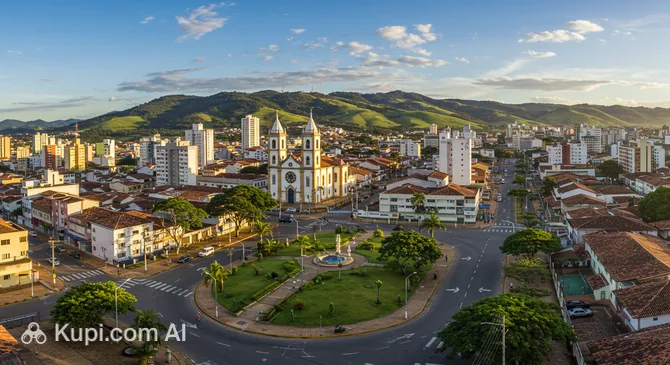
Guarapuava. Source: Kupi.Binoculars

Nature enthusiasts will find plenty to admire here. The city is famous for its beautiful parks, such as the serene Lagoa das Lágrimas (Lake of Tears), a perfect spot for a leisurely afternoon walk. For those seeking more dramatic landscapes, the region is home to the spectacular Salto São Francisco, one of the tallest waterfalls in the southern part of the country, offering breathtaking views and hiking opportunities within the Serra da Esperança.

Whether you are drawn by the promise of stunning natural scenery, the allure of local festivals, or the desire to experience a different side of the country, Guarapuava welcomes you with open arms. It is an ideal stop for travelers looking to explore the hidden gems of Paraná's interior.

Weather Overview

Travelers planning a visit should note that the weather in Guarapuava is characterized by distinct seasonal variations, offering a temperate climate that differs from the tropical heat found in many other parts of the country. Due to its location on a high plateau, the city experiences generally mild temperatures year-round, making it a comfortable destination for exploration.

The summer months, spanning from December to March, are the warmest, with average temperatures hovering around 20°C to 21°C and daily highs reaching approximately 25°C. However, this period is also the wettest, particularly in January, which can experience up to 24 wet days. If you visit during this time, it is advisable to pack an umbrella or raincoat to handle the frequent showers.

In contrast, the winter season from June to August brings noticeably cooler air. Average temperatures drop to around 14°C to 15°C, with nighttime lows frequently falling below 10°C. July is typically the driest month of the year, with only about 6 wet days, providing crisp and clear days for sightseeing. Expect warm summers with frequent rainfall and cool, drier winters.

Interesting Facts

Beyond the main attractions, Guarapuava holds many fascinating secrets that reveal its unique character within the state of Paraná. From ancient indigenous legends to its surprising status in the brewing world, the city offers plenty of curiosity-sparking details for the inquisitive traveler.

  • The Capital of Barley and Malt: You might be surprised to learn that this city is officially recognized as the "National Capital of Barley and Malt." Guarapuava is responsible for a significant portion of the malt production in Brazil, supplying some of the country's largest breweries. The region's cool climate is perfect for growing high-quality barley, a tradition deeply rooted in the local agricultural community.

  • The Legend of the Lake of Tears: The serene Lagoa das Lágrimas owes its name to a poignant local legend. It is said that the lake was formed by the tears of a young indigenous woman who wept uncontrollably after her fiancé, a brave warrior, died in battle. Local folklore adds a magical twist: if you place your left hand in the water during a full moon and make a wish, it is believed to come true.

  • A Wolf's Name: The name "Guarapuava" has Tupi-Guarani origins and is often interpreted as "Wolf Valley" or "Sound of the Maned Wolf." This pays homage to the Lobo-guará (Maned Wolf), a majestic canid native to the region's grasslands, symbolizing the wild beauty that the early settlers encountered.

  • Snow in the Tropics: While most people associate the country with tropical beaches, Guarapuava is one of the few cities where you might witness snow. Due to its high altitude and location on the plateau, the city has recorded several historical snowfalls, transforming its parks and streets into a rare winter wonderland that attracts visitors from all over the region.

  • A Piece of Europe in Entre Rios: Just a short drive from the city center lies the district of Entre Rios, home to the largest colony of Danube Swabians (German-speaking immigrants) in the world. Settled in the 1950s, this community has preserved its language, architecture, and cuisine so well that walking through its streets feels like stepping into a European village.

How to Get There

Reaching this destination typically involves a scenic journey through the state of Paraná, as the city is nestled in the central highlands. For those planning their itinerary, you can read more about how to get to Guarapuava to find the route that best suits your needs. Since the city is located inland, most visitors choose to fly into one of the larger regional hubs and complete the trip by road.

The city of Guarapuava does not have a major international airport, but you can fly into Afonso Pena International Airport (CWB) in the city of Sao Jose dos Pinhais, which is about 230 km from Guarapuava. This is the busiest airport in the region and offers the widest range of flight connections. The transfer from the airport to the city via the BR-277 highway typically takes around 3 to 4 hours by car or bus. Alternatively, Cascavel Airport (CAC) in Cascavel is located approximately 210 km away, offering another convenient entry point for domestic travelers. You might also consider Londrina Airport (LDB) in Londrina, which is roughly 230 km north of the city.

For clarity, here is a summary of the main airports:

Airport Name City Passenger Traffic Km from City
Afonso Pena International Airport Sao Jose dos Pinhais High 230.4
Regional de Maringá Maringa Medium 219.2
Londrina Airport Londrina Medium 230.1
Chapeco Airport Chapecó Medium 227.3
Cascavel Airport Cascavel Medium 210.0

Regarding rail travel, there are currently no regular passenger train services operating directly to Guarapuava for tourists. The railway lines in the region are primarily used for cargo transport. Therefore, the most practical way to reach the city is by road. Guarapuava is well-connected by the BR-277 highway, which links it to the state capital, Curitiba, and to Foz do Iguaçu. Comfortable long-distance buses run frequently from major cities in Paraná, offering a reliable and affordable alternative to driving.

Main Attractions

One of the most spectacular sights in the region is the Salto São Francisco. Located approximately 50 kilometers from the city center in the Serra da Esperança, this majestic waterfall plunges 196 meters, making it the highest in the southern region of Brazil. Visitors can admire the falls from a well-maintained observation deck that offers panoramic views of the canyon and the lush Atlantic Forest surrounding it. The site is part of a preservation area, providing a perfect setting for hiking and connecting with nature in its purest form.

For a relaxing day within the city limits, Parque do Lago is the undisputed favorite among locals and tourists alike. This sprawling urban park is famous for its jogging tracks, sports courts, and serene lake, but it truly shines during the winter months when the cherry blossom trees (Sakura) are in full bloom. The pink petals create a stunning contrast against the green landscape, offering a picturesque backdrop that feels almost magical. It is an ideal spot for a family picnic, a morning run, or simply watching the sunset.

A short drive from the main city lies the unique district of Entre Rios, a place that transports visitors straight to Europe. Founded by Danube Swabian immigrants in the 1950s, this community is divided into five colonies that have meticulously preserved their traditions, language, and architecture. Tourists flock here to enjoy authentic German cuisine, visit the local history museum, and learn about the region's status as a powerhouse in barley and malt production.

History enthusiasts should not miss the Museu Municipal Visconde de Guarapuava. Housed in a colonial-style building that dates back to the 19th century—once the residence of the Viscount of Guarapuava himself—the museum offers a fascinating glimpse into the city's past. The collection includes period furniture, photographs, and artifacts that tell the story of the region's colonization, the tropeiro (cattle drover) culture, and the indigenous peoples who originally inhabited the land.

Another architectural gem is the Catedral Nossa Senhora de Belém. Situated in the heart of the city, this historic church is not only a place of worship but also a landmark of Guarapuava's religious heritage. Its construction began in the early 19th century, and it stands today as a testament to the faith and determination of the early settlers. The cathedral's classic design and the peaceful square in front of it make it a must-visit stop on any walking tour of the downtown area.

Local Cuisine

The culinary scene in Guarapuava is a delightful reflection of its multicultural heritage and its location on the cool, high plateau of Paraná. The local gastronomy offers a warming blend of traditional southern Brazilian flavors and distinct European influences, particularly from the German and Ukrainian communities. Visitors can expect hearty, comfort-food dishes designed to ward off the chill of the region's winters, making dining here a cozy and memorable experience.

One ingredient that defines the region is the pinhão, the edible seed of the Araucaria pine tree, which dominates the local landscape. During the winter months, pinhão is ubiquitous, served simply boiled or roasted as a snack, or incorporated into more complex dishes. A must-try is the entrevero, a robust stew made with pinhão, bacon, sausage, and various cuts of meat, often seasoned with green peppers and onions. It is a staple of the tropeiro (cattle drover) tradition and perfectly encapsulates the rustic flavor of the countryside.

For a taste of the Old World, a visit to the district of Entre Rios is essential. Here, the cuisine of the Danube Swabians takes center stage. You can savor authentic German dishes such as Eisbein (pork knuckle), sauerkraut, and handmade Spätzle noodles. The bakeries in this area are also famous for their delicious apple strudels and hearty rye breads. In the city center, the "Café Colonial" is a popular dining concept, offering an all-you-can-eat spread of cakes, breads, jams, cheeses, and cold cuts, usually served in the late afternoon.

Given Guarapuava's title as the "National Capital of Barley and Malt," it is no surprise that beer culture is thriving. The city is a hub for craft beer enthusiasts, with several local microbreweries producing high-quality lagers and ales that take advantage of the locally grown malt. For a non-alcoholic alternative, the local beverage of choice is chimarrão. This hot, caffeine-rich tea made from yerba mate is a symbol of southern hospitality and is commonly shared among friends in parks and public squares.

Dining out in Guarapuava ranges from traditional churrascarias (steakhouses), where skewers of prime meat are served continuously to your table, to cozy bistros emphasizing local ingredients. The food culture here is deeply social, often revolving around long, leisurely meals with family and friends. Whether you are enjoying a barbecue on a Sunday or sipping a locally brewed stout on a crisp evening, the flavors of Guarapuava offer a genuine taste of southern Brazil.

Travel Tips

Preparing for a trip to Guarapuava requires a slightly different approach than the typical Brazilian vacation, given its unique climate and geography. To help you make the most of your stay in this culturally rich and surprisingly cool highland city, we have compiled a list of essential practical advice for a smooth journey.

  1. Clothing and Gear: Unlike the tropical image of the country, Guarapuava can get quite cold, especially during the winter months (June to August) when frost is common. Pack layers, including a warm coat and sweaters. If you plan to visit waterfalls like Salto São Francisco, bring sturdy, comfortable hiking shoes and insect repellent.

  2. Transportation: The city center is navigable by ride-hailing apps like Uber and 99, or local taxis. However, to fully explore the region—including the distant waterfalls and the Entre Rios district—renting a car is highly recommended. Public buses exist but may not offer the flexibility needed for sightseeing in rural areas.

  3. Finances: The local currency is the Brazilian Real (BRL). Credit and debit cards are widely accepted in most shops, restaurants, and hotels. However, it is advisable to carry some cash for small purchases, tips, or entrance fees to natural attractions that might not have reliable internet for card machines.

  4. Health and Safety: Guarapuava is considered a safe city by national standards, but standard travel precautions apply; keep an eye on your belongings in public spaces. Pharmacies are plentiful in the downtown area, with some operating 24 hours. For emergencies, the city has well-equipped hospitals and urgent care centers.

  5. Communication: Portuguese is the official language. While you might hear German spoken in the Entre Rios district due to its immigrant roots, English is not widely spoken outside of major hotels. It is very useful to have a translation app downloaded or to learn a few basic phrases like "Obrigado" (Thank you) and "Por favor" (Please).

  6. Local Etiquette: People in Paraná are generally polite and reserved but friendly. A handshake is a standard greeting. If you are invited to share chimarrão (the local hot mate tea), accept it as a gesture of hospitality. Drink the contents of the gourd until it "snores" (makes a noise at the end) before handing it back, and never touch the metal straw (bomba) with your hands.

  7. What to Avoid: Do not underestimate the weather changes; a sunny morning can turn into a chilly, rainy afternoon, so avoid leaving your hotel without a jacket or umbrella. Also, avoid swimming in waterfalls or lakes in unsupervised areas, as the water can be deep and the currents strong.

  8. Culinary Tip: Don't leave without trying the local craft beers. As the "Capital of Barley and Malt," the city takes pride in its brewing culture. Ask locals for recommendations on the best microbreweries or pubs to taste chope (draft beer) made with locally grown ingredients.

With these practical tips in mind, you are well-equipped to navigate the city and enjoy its distinct southern charm. Whether you are hiking through the Araucaria forests or enjoying a hearty meal in a colonial café, Guarapuava promises a memorable and comfortable experience.

Entertainment & Nightlife

Based on the vibrant culture and university atmosphere of the region, Guarapuava offers a nightlife scene that is welcoming, safe, and distinctively cozy. Unlike the high-energy beach clubs found on the coast, the evening entertainment here is shaped by the city's cool climate and its status as the "Capital of Barley and Malt." You will find a variety of warm pubs, lively gastrobars, and venues where craft beer and good conversation take center stage.

The nightlife is primarily concentrated in the downtown area (Centro), particularly along the streets surrounding the Lagoa das Lágrimas and the main thoroughfare, Rua XV de Novembro. This area is perfect for bar-hopping, as many establishments are within walking distance of each other. For a completely different experience, a trip to the district of Entre Rios is highly recommended. Here, the atmosphere shifts to a European style, with traditional German breweries and halls that offer a unique cultural immersion alongside your drinks.

For those seeking a lively night out with music and dancing, London Pub is a local favorite. Known for its energetic vibe, it frequently hosts rock bands, themed parties, and DJ sets, drawing a mix of students and young professionals. If you prefer a more relaxed evening focused on tasting the region's famous brews, Donau Bier in the Entre Rios district is an essential stop. This brewery and restaurant offers an authentic setting to sample award-winning local beers paired with traditional German appetizers, reflecting the true spirit of the colony.

When planning your night, keep in mind that the local crowd tends to dress in "smart casual" attire, especially given the cooler temperatures. Bars usually start buzzing around 8:00 PM, while nightclubs and music venues pick up steam after 11:00 PM. Prices in Guarapuava are generally reasonable and lower than in major capitals. For transportation, while the city center is safe for short walks in the early evening, it is advisable to use ride-hailing apps or call a taxi for late-night returns or when traveling to and from Entre Rios.

Daytime entertainment in the city also offers pleasant diversions. The Teatro Municipal de Guarapuava is the cultural heart of the city, regularly staging plays, concerts, and dance performances. For a more modern leisure experience, the Shopping Cidade dos Lagos provides a comprehensive entertainment complex with movie theaters, a food court, and various shops, making it a popular destination for families and groups of friends looking to relax before the evening festivities begin.

Parks & Museums

Guarapuava stands out as a destination where history and nature coexist harmoniously, offering visitors a rich selection of well-maintained green spaces and cultural institutions. The city is known for its dedication to environmental preservation and its deep respect for the diverse immigrant communities that have shaped its identity, making it a fascinating place for both outdoor enthusiasts and history buffs.

For those looking to immerse themselves in the region's native flora, the Parque Natural Municipal das Araucárias is an essential stop. As the name suggests, this park is dedicated to the preservation of the Araucaria pine, the symbol of the state of Paraná. It covers a vast area of native forest and features an environmental education center, a museum of natural sciences, and tranquil walking trails. It is a perfect location to breathe fresh air and observe the majestic trees that define the local landscape.

Another significant green area is the Parque Recreativo do Jordão, located in a valley where the Jordão and Bananas rivers meet. This park serves as a major leisure hub for the community, offering a more rugged and expansive natural setting compared to the urban gardens. With its waterfalls, barbecue facilities, and open fields, it is a popular spot for weekend picnics and offers a scenic backdrop of the rolling hills surrounding the city.

When it comes to culture, the Museu Histórico de Entre Rios is a standout institution that offers a deep dive into the specific heritage of the Danube Swabian immigrants. Located in the nearby district of Entre Rios, this museum houses a vast collection of photographs, documents, traditional costumes, and household items that narrate the journey of the settlers who arrived in the 1950s. It provides a poignant look at how this community transformed the region's agriculture and preserved their European traditions.

Within the city itself, the Museu de Ciências Naturais (Natural Sciences Museum), often linked with the local university (Unicentro), is a fascinating venue for those interested in biodiversity. The museum boasts an impressive collection of entomology (insects), taxidermy, and geological samples found in the region. It is an educational experience that highlights the rich ecological variety of Paraná's central plateau.

In terms of historical architecture, the Santuário de Schoenstatt is a site of serenity and beauty. While primarily a religious destination, its carefully manicured gardens and the charming chapel—a replica of the original shrine in Germany—make it a peaceful retreat for reflection and admiration of religious architecture. The site is often quiet and offers a lovely atmosphere for a contemplative pause during your tour of the city.

For an authentic local experience, try visiting the Jardim Botânico de Guarapuava (Botanical Garden) if it is open during your stay. Although newer and less crowded than the main parks, it offers specialized gardens, such as a collection of medicinal plants and sensory gardens, providing a quiet escape that many tourists overlook.

Getting Around

The public transport system in Guarapuava is primarily based on a comprehensive bus network that connects the city center to the outlying neighborhoods and districts. There is no metro, tram, or train service for urban commuting. For most tourists, the bus system is a reliable and affordable way to get around, although ride-hailing apps have become increasingly popular for their convenience and speed.

The municipal bus service is operated mainly by the company Pérola do Oeste. The fleet is modern and covers the entire urban area, including key tourist spots like the Lagoa das Lágrimas and the Unicentro university campus. Buses are easily identifiable, and the destination is displayed on an electronic sign at the front of the vehicle. Most routes pass through the central integration terminal, the Estação da Fonte, which serves as the main hub for transfers.

Regarding payment, the city utilizes an electronic ticketing system known as the Guará Card. While this card offers a discounted fare for residents, it requires registration with a Brazilian tax ID (CPF), which may be difficult for short-term visitors to obtain. Fortunately, cash is still widely accepted on board. You can pay the conductor or driver directly upon entering the bus. Note that paying with cash typically incurs a slightly higher fare than using the card, so it is helpful to carry small bills and coins to make the transaction smoother.

For navigation, the best tool for tourists is the Moovit app, which is widely used in the city. It provides real-time updates on bus schedules, route maps, and arrival times, helping you avoid long waits at bus stops. Google Maps also works reasonably well for planning general routes. Buses generally operate from early morning (around 6:00 AM) until nearly midnight, with reduced frequency on weekends and holidays.

If you prefer more comfort or direct transport, ride-hailing apps like Uber and 99 are extremely popular and operate efficiently throughout Guarapuava. They are often the best choice for reaching more distant attractions, such as the Salto São Francisco, where public transport is scarce or non-existent. Prices are generally very reasonable compared to larger Brazilian cities.

Traditional taxis are also available and can be found at designated stands (pontos de táxi) near major squares, the bus station, and the hospital. They are a safe alternative if you do not have mobile data to use an app. While the city is bike-friendly with some dedicated lanes, there is no large-scale public bike-sharing system currently in operation, so renting a bike would typically require finding a private shop.

A practical tip for using the buses: in Brazil, passengers usually board through the front door and exit through the back. If you are paying with cash, you will pass through a turnstile where the conductor sits. Be sure to signal the driver with a wave when you are at the bus stop, as buses will not stop unless hailed.

Accommodation

Where to Stay:

Finding the perfect place to stay in Guarapuava is a straightforward and pleasant experience, as the city offers a well-structured hospitality sector designed to cater to business travelers, tourists, and those passing through the central region of Paraná. The accommodation landscape ranges from modern mid-range hotels and efficient budget options to charming, family-run inns that reflect the local culture. While you will not find ultra-luxury international resort chains, the available options are renowned for their cleanliness, comfort, and the warm hospitality typical of southern Brazil.

For most visitors, the most convenient area to stay is the City Center (Centro). Staying here places you within walking distance of key attractions like the Lagoa das Lágrimas and the Cathedral, as well as a wide variety of restaurants, shops, and banks. The downtown area is safe and walkable, making it an excellent base for exploring the urban highlights. Hotels in this area often cater to professionals and offer reliable amenities such as Wi-Fi, parking, and hearty breakfasts featuring local pastries.

If you are seeking a more distinctive cultural experience, consider looking for accommodation in or near the district of Entre Rios, located about 20 minutes from the city center. This area is the heart of the Danube Swabian community and offers a different atmosphere, often resembling a European village. Staying here allows for easier access to the local breweries and the immigrant museum, and the surroundings are generally quieter and more pastoral than the bustling city center.

A crucial tip for booking accommodation in Guarapuava is to check for heating or air conditioning with a hot cycle, especially if you are visiting during the winter months (June to August). Nighttime temperatures can drop significantly, sometimes nearing freezing, so ensuring your room is equipped to handle the cold is essential for a comfortable night's sleep. Additionally, while the city is rarely overcrowded, it is wise to book in advance if your trip coincides with major agricultural fairs or university events.

In terms of cost, Guarapuava is a budget-friendly destination compared to major capitals like Curitiba or São Paulo. Most hotels fall into the budget to mid-range price categories, offering excellent value for money. Booking can easily be done through major online travel platforms, although some smaller, family-owned guesthouses may prefer direct contact via phone or messaging apps. Regardless of where you choose to stay, you can expect a welcoming environment that serves as a cozy refuge from the cool highland weather.

Nearby Cities

For those looking to explore the surroundings, Guarapuava serves as an excellent base for day trips to several interesting nearby locations.

One of the most fascinating destinations in the region is Prudentópolis, located just about an hour's drive away. Often referred to as the "Ukrainian Brazil," this town is famous for its massive wooden churches built in the Byzantine style and its deep connection to Eastern European traditions. Nature lovers also flock here to explore the "Land of Giant Waterfalls," which boasts dozens of majestic falls, including the impressive Salto São João, making it a perfect spot for both cultural immersion and outdoor adventure.

Another worthwhile stop is the city of Irati. Known for its peaceful atmosphere and the towering statue of Nossa Senhora das Graças—one of the largest of its kind in the world—it offers a serene environment for visitors. The city also features beautiful parks like the Parque Aquático, which is ideal for a relaxing afternoon walk. Its proximity makes it an easy and rewarding destination for a quick getaway from Guarapuava.

Further south lie the "Twin Cities" of União da Vitória and Porto União. These two towns sit right on the border between the states of Paraná and Santa Catarina, separated only by a historic railway track. Visitors can literally stand with one foot in each state at the boundary line. The region is also part of the Vale do Iguaçu, offering scenic river views and a glimpse into the history of the Contestado War and the local steam train heritage.

City Population Distance (km)
Irati 56207 82
Uniao da Vitoria 52735 100
Prudentópolis 48792 53
Porto União 33493 101
Laranjeiras do Sul 30777 96

These nearby destinations offer a glimpse into the diverse culture and landscapes of the region, ranging from impressive waterfalls to unique historical borders.

Shopping & Souvenirs

Shopping in Guarapuava offers a pleasant mix of traditional street commerce and modern retail facilities, reflecting the practical needs of its residents and the unique culture of the region. While the city is not primarily known as a shopping destination, it provides a well-rounded experience where visitors can find everything from high-street fashion and winter gear to distinct local handicrafts. The commercial atmosphere is relaxed and welcoming, allowing for leisurely browsing without the chaotic crowds of larger capitals.

The heart of the city's retail activity is centered along Rua XV de Novembro and its surrounding streets in the downtown area. This historic thoroughfare serves as the main open-air shopping district, lined with a diverse array of stores selling clothing, footwear, electronics, and household goods. Walking down this avenue offers a glimpse into the daily life of the locals and is the best place to find reasonably priced items, pharmacies, and essential services.

For a more contemporary shopping experience, Shopping Cidade dos Lagos is the city's premier mall. Located in a growing neighborhood, this modern complex features national retail chains, a large food court, and entertainment options, making it a favorite spot for families and those seeking a climate-controlled environment. In the city center, the smaller Shopping Maria Antonia offers a convenient selection of boutiques and services for quick stops while exploring the downtown attractions.

To truly connect with the local culture, visitors should explore the Feira do Produtor Rural (Rural Producer's Fair). Held on specific days in various locations, including the city center, these markets are where local farmers sell fresh produce, artisanal cheeses, salamis, and homemade baked goods. It is an excellent opportunity to purchase "colonial" products—traditional rural foods made with recipes passed down through generations of immigrants.

When searching for unique souvenirs, the city's reputation as the "Capital of Barley and Malt" provides great inspiration. Local craft beers and brewing accessories are top choices for gifts. Additionally, a visit to the district of Entre Rios may yield beautiful handicrafts inspired by Danube Swabian traditions, such as embroidery and decorative items. Given the region's abundance of Araucaria trees, products made from pinhão (pine nuts), such as preserves or artisan liqueurs, also make for distinctive and tasty mementos. Since the weather can be quite chilly, you will also find high-quality winter clothing, including wool sweaters and scarves, readily available.

Standard opening hours for street shops are generally Monday through Friday from 9:00 AM to 6:00 PM, and Saturdays from 9:00 AM to 1:00 PM, with most closing on Sundays. Shopping malls operate on a broader schedule, typically open from 10:00 AM to 10:00 PM on weekdays and Saturdays. On Sundays, mall shops usually open later, often from 2:00 PM to 8:00 PM, although food courts may open earlier. Credit and debit cards are widely accepted in almost all establishments, but it is advisable to carry some cash (Brazilian Reals) for small purchases at street fairs or independent stalls.

Regarding tax refunds, tourists should note that Brazil does not currently offer a VAT refund system for international visitors for general purchases made within cities. The price displayed on items is the final price. Tax-free shopping is generally limited to specific duty-free areas at international airports or border crossings, so do not expect to claim taxes back on goods bought in Guarapuava.
Reached the end of the page?

That means the route is fully explored