Support

Correia Pinto

About

Nestled in the picturesque landscapes of Santa Catarina, Correia Pinto is a welcoming municipality in southern Brazil. Known for its serene atmosphere and strategic location within the Planalto Serrano region, this town offers a glimpse into the authentic lifestyle of the Brazilian interior. With a population of approximately 12,500 residents, it provides a peaceful retreat away from the bustle of major metropolises, allowing visitors to connect with the local community and nature.
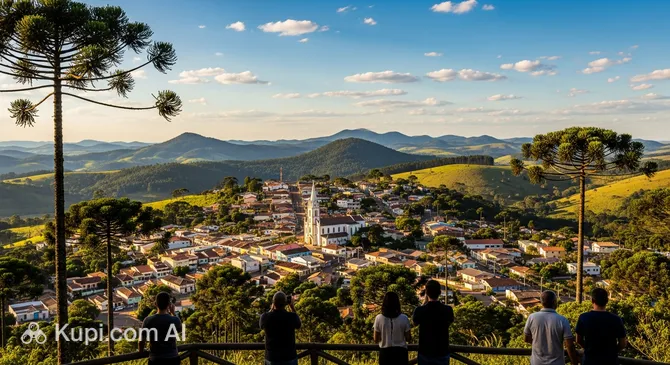
Correia Pinto. Source: Kupi.Binoculars

The region is characterized by its rolling hills and the presence of the Canoas River, which adds to the scenic beauty of the area. While the town is modest in size, it plays a significant role as a gateway to the mountain region, hosting the Regional Airport of Planalto Serrano. This facility makes Correia Pinto an important hub for travelers exploring the stunning natural attractions and colder climates for which this part of the state is famous.

Cultural traditions are strong here, reflecting the area's gaucho heritage. Those interested in how the town developed from a resting point for drovers into a modern municipality should delve into the history of Correia Pinto. The city celebrates its roots with local festivities, such as the Festa do Peão Laçador, which honors the traditional cowboy culture with music, gastronomy, and rodeos.

Whether you are using it as a starting point for a mountain adventure or stopping by to experience genuine hospitality, Correia Pinto is a charming destination. Its blend of rural tranquility, cultural pride, and accessibility makes it a noteworthy stop on any journey through Santa Catarina.

Weather Overview

Correia Pinto features a temperate climate with distinct seasonal variations, offering warm summers and cool winters. The warmest period occurs in January, where the average temperature is 21.4°C, though highs can reach 25.6°C. This is also the wettest time of year, with January experiencing frequent precipitation across approximately 20 rainy days.

Conversely, the winter season brings a chill to the air, particularly in July, which sees average temperatures of 12.7°C and minimums around 7.9°C. Rainfall becomes less frequent during these colder months, dropping to approximately 8 wet days in July and August. To ensure you are prepared for these conditions, it is advisable to check the weather in Correia Pinto before your journey. Overall, visitors can expect warm, humid summers and cold, drier winters.

Interesting Facts

Beyond its scenic landscapes and industrial strength, Correia Pinto holds fascinating stories that weave together prophecy, history, and modern importance.

  • The Monk's Prophecy: Local legend speaks of the wandering monk João Maria, a mysterious figure who traversed the region in the 19th century. He reportedly prophesied that a "black carpet" would one day cut through the land, a vision locals believe was fulfilled decades later with the construction of the asphalted BR-116 highway that now connects the city to the rest of the country.

  • Capital of Paper: Despite its modest size, the city is an industrial giant often referred to as the "Capital of Paper" in the mountain region. It hosts major production facilities, including a large Klabin plant, making it a pivotal player in Brazil's pulp and paper sector and significantly shaping the local economy.

  • Gateway to the Highlands: Correia Pinto serves as a surprising logistical hub for the entire Santa Catarina mountain region (Serra Catarinense). It is home to the Regional Airport of Planalto Serrano, a facility that serves a much wider area than the municipality itself, acting as a crucial link for flights to and from the state's interior.

  • Land of the Lassoing Cowboy: The city is proudly known as the "Terra do Peão Laçador" (Land of the Lassoing Cowboy). This title is celebrated annually during the Festa do Peão Laçador, a festival that honors the region's deep-rooted tropeiro (drover) history with traditional rodeos, music, and gaucho cuisine.

How to Get There

Reaching the scenic landscapes of the Santa Catarina highlands requires a bit of planning, as the municipality is tucked away in the interior of the state. Although the city is home to the Regional Airport of Planalto Serrano, which serves the local mountain region, travelers coming from further afield often utilize major transport hubs in neighboring cities and complete the trip by road. For a comprehensive guide on routes and transport modes, you can read more about how to get to Correia Pinto.

For widespread international and domestic connections, most travelers fly into Hercilio Luz International Airport (FLN) in Florianopolis. This is the state's primary gateway, located approximately 179 km from the destination. From the capital, the transfer by taxi or rental car generally takes around 4 hours and 50 minutes, offering a scenic drive up the mountain range.

Another viable option is to arrive at Navegantes Airport (NVT) in the coastal city of Navegantes, which is about 187 km away. This facility is a significant hub for the region and serves as a common entry point for tourists. For those seeking a slightly closer alternative, Humberto Bortoluzzi airport in Jaguaruna is roughly 175 km away, though it typically handles less traffic than the larger coastal airports.

For clarity, here is a summary of the main airports in the vicinity:

Airport Name City Passenger Traffic Km from City
Hercilio Luz International Airport Florianopolis Large 179.0
Navegantes Airport Navegantes Large 186.9
Hugo Cantergiani Regional Airport Caxias do Sul Medium 195.5
Passo Fundo Airport Passo Fundo Medium 206.5
Humberto Bortoluzzi Jaguaruna Small 175.5

As there are no major passenger railway services connecting directly to the city, the final leg of your journey from any of these airports will likely involve renting a car or taking an intercity bus. The road network in Santa Catarina is well-developed, making the drive an enjoyable part of the travel experience.

Main Attractions

Correia Pinto may be a small municipality, but it offers a delightful mix of cultural heritage and natural beauty for those who take the time to explore it. From the roar of the rodeo to the whisper of waterfalls, the city's attractions reflect the authentic spirit of the Santa Catarina highlands.

One of the most significant locations in the city is the Parque de Exposições Lindolfo Burk. This expansive park is the beating heart of the region's gaucho traditions and serves as the main venue for major events, including the famous Festa do Peão Laçador. Visitors interested in local culture will find this space fascinating, especially during festivities when it comes alive with traditional music, rodeos, and the best of southern Brazilian gastronomy. It is a place where the community gathers to celebrate their roots and hospitality.

For nature enthusiasts and adventure seekers, the Cascata do Cerro Pelado is a must-visit destination. This stunning waterfall features a drop of approximately 30 meters and is surrounded by a towering rock face that reaches nearly 100 meters in height. It is not only a scenic spot for photography and picnics but also a popular location for rappelling, attracting sportsmen looking for an adrenaline rush amidst the lush vegetation of the region.

In the city center, the Praça Domingos Alves Rodrigues stands out as a charming urban retreat. Located at the intersection of major avenues, this square is a favorite meeting point for locals and a peaceful spot for tourists to take a break. With its well-maintained playgrounds, game tables, and modern lighting, it offers a glimpse into the everyday life of the residents and provides a safe, relaxing environment for families.

Another landmark worthy of attention is the Igreja Matriz Nossa Senhora dos Campos. As the main religious edifice in Correia Pinto, it holds great spiritual and architectural value for the community. The church is dedicated to the patron saint of the fields, reflecting the city's strong connection to agriculture and rural life. Its serene ambiance makes it a perfect stop for those appreciating religious architecture and a moment of quiet reflection.

Local Cuisine

The gastronomy of Correia Pinto is deeply rooted in the traditions of the Serra Catarinense and the gaucho culture. The cold climate of the region invites visitors to indulge in hearty, warming dishes that are rich in flavor and history. One of the most iconic ingredients here is the pinhão (pine nut), harvested from the majestic Araucaria trees. It serves as the base for several local specialties, such as entrevero, a robust stew made with pinhão and various meats like sausage, bacon, and beef, and paçoca de pinhão, a delicious mixture of ground meat and crushed pine nuts.

Meat lovers will feel right at home, as the city shares the southern Brazilian passion for churrasco. Traditional steakhouses serve high-quality cuts roasted over charcoal, often seasoned simply with coarse salt to highlight the natural flavors. Another staple born from the region's drover history is arroz de carreteiro (wagoner's rice), a savory dish prepared with leftovers of barbecue or dried meat, cooked together with rice in iron pots, offering a taste of the rustic life of the old cowboys.

When it comes to beverages, the local culture is synonymous with chimarrão. This hot herbal tea, made from yerba mate and sipped through a metal straw, is not just a drink but a symbol of hospitality and friendship shared among locals. For those seeking something to warm the spirit during the chilly winter evenings, quentão (a mulled wine or cachaça drink with spices) is a popular choice, especially during local festivities. The surrounding region is also gaining recognition for its altitude wines, which pair perfectly with the heavy winter cuisine.

The dining scene in Correia Pinto is characterized by its simplicity and warmth. You will generally find family-run restaurants and churrascarias that offer generous portions and genuine service rather than high-end luxury dining. A great way to experience the authentic food culture is by attending events like the Festa do Peão Laçador, where food stalls overflow with traditional snacks and meals, allowing tourists to eat exactly like the locals do in a vibrant, festive atmosphere.

Travel Tips

Visiting Correia Pinto offers a unique opportunity to experience the authentic lifestyle of the Santa Catarina highlands, but a trip to the interior requires some specific preparations. To ensure your journey to this charming "Land of the Lassoing Cowboy" is smooth and enjoyable, here are some essential practical tips to keep in mind.

  1. Clothing and Gear: The climate in the Serra Catarinense can be surprising. If you visit during winter (June to August), bring heavy coats, scarves, and gloves, as temperatures often drop near freezing. For summer, light, breathable clothing is suitable, but always carry a light jacket for cooler evenings. Comfortable walking shoes are a must if you plan to visit the Cascata do Cerro Pelado. Also, bring a universal power adapter; the local voltage is typically 220V, unlike some other Brazilian states.

  2. Transportation: Public transport within the city is limited to local buses which may not run frequently to tourist spots. The best way to get around and explore the surrounding region is by renting a car. Ride-hailing apps like Uber might have very limited or no availability in a town of this size, so having your own vehicle gives you the freedom to travel between the city center and natural attractions.

  3. Finances: The official currency is the Brazilian Real (BRL). While major supermarkets and gas stations accept credit and debit cards, many smaller family-owned shops and rural vendors may only accept cash. It is advisable to withdraw money at ATMs in the city center (Centro) upon arrival to ensure you have small change for snacks or local handicrafts.

  4. Health and Safety: Correia Pinto is generally a safe and peaceful town, but standard travel precautions apply—do not leave valuables unattended in your car. Pharmacies are available in the city center, though they may not be open 24/7; check for the one on "plantão" (duty) if you need help late at night. For medical emergencies, dial 192 for an ambulance or visit the local hospital.

  5. Communication: The primary language is Portuguese, and English is not widely spoken outside of major tourist infrastructure. It is highly recommended to download an offline translation app and offline maps before you arrive. Learning a few basic phrases like "Bom dia" (Good morning) and "Obrigado" (Thank you) will go a long way in connecting with the friendly locals.

  6. Local Etiquette: The people of the highlands are known for their hospitality. When entering a shop or meeting someone, a polite greeting is expected. Handshakes are common, and friends may greet with a kiss on the cheek. If you are invited to share a chimarrão (mate tea), accept it if you can, as it is a gesture of friendship; remember not to touch the metal straw (bomba) with your hands.

  7. What to Avoid: Avoid relying solely on last-minute plans for transport or dining on Sundays, as many establishments may close early or not open at all. Additionally, do not be impatient with the pace of service; life here moves slower than in big cities like São Paulo or Rio, so relax and enjoy the tranquility.

  8. Connectivity Tip: Mobile signal can be spotty in rural areas outside the main urban perimeter. If you are venturing out to waterfalls or remote pousadas (inns), let someone know your itinerary beforehand, as you might find yourself without internet access for parts of the day.

By keeping these practicalities in mind, you will be well-equipped to navigate the local customs and logistics of Correia Pinto. Embracing the slower pace and preparing for the distinct climate will allow you to fully appreciate the warmth and beauty of this highland gem.

Entertainment & Nightlife

Nightlife in Correia Pinto reflects the town's welcoming and peaceful nature. Unlike the bustling club scenes of large metropolitan areas, the evening entertainment here is centered around socializing, gastronomy, and music in a relaxed environment. The nightlife is primarily concentrated in the Centro (Downtown) district, where locals gather to unwind after a day of work, enjoying good food and conversation in a safe and friendly atmosphere.

The main hubs for evening activity are Avenida Tancredo Neves and Avenida Duque de Caxias. These central avenues host a variety of establishments ranging from casual snack bars (lanchonetes) to cozy pizzerias and pubs. The vibe is distinctly casual, with no strict dress codes; jeans and a comfortable shirt are perfect for a night out. On weekends, you might find venues playing live music, often focusing on sertanejo (Brazilian country music) or acoustic pop, which adds a lively soundtrack to the town's evenings.

For those looking to experience the local scene, Vitta Lanches e Bistrô is a popular choice. Known for its "pub" style atmosphere, it offers a great selection of drinks and is famous for its delicious pasteis (fried pastries), making it a favorite spot for friends to meet up. Another excellent option is Bistrô DiLisi, which serves gourmet burgers and often hosts events, providing a modern and vibrant setting for dinner. If you prefer a traditional sit-down meal, Restaurante e Pizzaria Paraíso is a staple in the city, offering hearty pizzas and dishes that are perfect for families or groups looking for a substantial evening meal.

When planning your night out, keep in mind that the pace of life here is slower. Most venues are busiest between 8:00 PM and 11:00 PM. Prices are generally very affordable compared to larger cities, with a nice meal and drinks costing significantly less than the state average. For transportation, it is highly recommended to have a car, as taxi services can be limited late at night and ride-hailing apps may not always have drivers available. The city center is well-lit and considered safe for walking during the early evening, but having a vehicle ensures you can return to your accommodation comfortably.

While the nights are laid-back, daytime entertainment in Correia Pinto focuses on the outdoors and community spaces. Visitors can enjoy pleasant walks in local squares or explore the region's natural beauty. For a touch of culture, the town's events at the Parque de Exposições often spill over into the day, offering rodeos and fairs that celebrate the local gaucho heritage.

Parks & Museums

Correia Pinto offers a refreshing selection of outdoor spaces that blend urban comfort with the raw beauty of the Santa Catarina highlands. While the city does not boast extensive indoor museum collections, its parks and natural sites provide ample opportunities for leisure, recreation, and a deep dive into the local environment.

The Parque de Exposições Lindolfo Burk is the primary recreational hub for the municipality. Spanning a vast area, this multi-purpose facility functions as more than just an event venue; it is a sprawling green space where the community connects with its roots. The grounds are designed to accommodate large crowds and outdoor activities, featuring open fields and infrastructure that supports camping and equestrian sports. It is the definitive spot to experience the scale of the local gaucho culture, serving as a living exhibition of the region's traditions during major festivals.

For a more relaxed urban experience, Praça Domingos Alves Rodrigues offers a peaceful sanctuary in the center of town. This revitalized square is designed for daily leisure, featuring paved walkways, comfortable seating, and shaded areas provided by mature trees. It is an excellent location for families, offering playground equipment for children and a safe, well-lit environment for evening strolls. Visitors can enjoy a quiet moment here, observing the slow-paced rhythm of local life amidst well-tended gardens.

Nature serves as the city's most impressive gallery at the Cascata do Cerro Pelado. This natural park area invites visitors to engage in active recreation amidst stunning geological formations. The site features a dramatic 30-meter waterfall and a towering rock face, creating a rugged playground for adventure enthusiasts. Whether you are interested in rappelling down the cliffs or simply enjoying a hike through the lush vegetation, this location offers a revitalizing escape into the wild landscapes that define the interior of Brazil.

Getting Around

Navigating the compact city of Correia Pinto is a straightforward affair, reflecting its peaceful, small-town atmosphere. Unlike major metropolitan hubs, the city does not have a complex network of subways, trams, or trains. Instead, the public transport system relies entirely on a modest fleet of municipal buses that connect the residential neighborhoods with the central commercial district and the industrial areas. For most visitors, the system is simple to understand, though frequencies can be lower than what one might expect in larger urban centers.

The payment system for local buses is traditional and user-friendly for tourists. There is no need to purchase complicated travel cards or download specific apps for short stays. Fares are typically paid directly to the driver or a conductor upon boarding. It is essential to carry cash in the local currency, preferably in small bills or coins, as card readers are not universally available on all vehicles. The price for a single journey is affordable, generally aligning with standard municipal rates found throughout the state.

For those planning to use the bus, practical advice includes checking the schedules at the main bus station or asking locals, as digital maps may not always reflect real-time updates for smaller municipalities. Operating hours are generally concentrated around peak commuting times—early morning, lunch, and early evening—to accommodate workers and students. Service is often reduced on weekends and public holidays, so it is wise to have a backup plan if you are traveling during these times.

Given the limited frequency of public transit, alternatives often prove more convenient for visitors. Taxis are a popular and reliable choice, usually found at designated stands (known as pontos de táxi) near the main squares or the bus terminal. While ride-sharing apps exist in the region, availability can be sporadic in a town of this size, making traditional taxis a safer bet for time-sensitive trips. For those wishing to explore the surrounding waterfalls and natural attractions at their own pace, renting a car remains the most recommended option.

The city center itself is quite walkable, allowing tourists to easily visit local shops, the main church, and public squares on foot. There are no historic cable cars or funiculars here; the charm of local transport lies in its simplicity and the scenic drives through the rolling highlands. Whether you choose to walk, hail a taxi, or catch a local bus, getting around is generally stress-free and offers a chance to engage with the friendly local community.

Accommodation

Accommodation in Correia Pinto reflects the town's modest size and its role as a transit hub and regional gateway. Visitors will not find sprawling luxury resorts or international hotel chains here. Instead, the hospitality scene is characterized by small, family-run establishments, functional roadside hotels, and cozy inns known locally as pousadas. These options offer a warm, personal touch, ensuring a comfortable stay that aligns with the simple, welcoming nature of the Santa Catarina interior.

There are two primary areas where tourists typically choose to stay. The City Center (Centro) is the best option for those who want to be within walking distance of local restaurants, the main church, and public squares. Staying here allows you to experience the daily rhythm of the town and easily access services like banks and pharmacies. Alternatively, because the municipality is bisected by the major BR-116 highway, there are several hotels located along or near this route. These are particularly convenient for travelers passing through the region or those arriving late by car who prefer easy access without navigating the inner city streets.

Booking Tip: While finding a room is generally easy throughout most of the year, the town fills up quickly during local events, especially during the Festa do Peão Laçador. If you plan to visit during this popular rodeo festival, it is highly recommended to book your accommodation several weeks in advance to secure a spot.

In terms of cost, Correia Pinto is a very affordable destination. The price range typically falls into the budget to mid-range category. Most establishments offer excellent value for money, often including a hearty breakfast with local delicacies in the daily rate. While some of the larger hotels appear on major online booking platforms, many smaller pousadas still rely on direct bookings via phone or messaging apps. It is also wise to check if your chosen accommodation accepts credit cards, as some smaller venues may prefer cash.

Nearby Cities

For those looking to explore the surroundings, Correia Pinto serves as an excellent base for day trips to several interesting nearby locations:

Just a short drive away, Curitibanos offers a rich historical experience for visitors. Known as the "Guardian of the Contestado," the city houses museums and monuments dedicated to the significant Contestado War, providing deep insight into the region's past. Additionally, it is celebrated as the national capital of garlic, with local festivals and cuisine that reflect its strong agricultural roots.

For a taste of European charm and agritourism, Fraiburgo is a delightful destination often referred to as the "Land of the Apple." The town is famous for its vast orchards where visitors can pick their own fruit during the harvest season. Its architecture and the peaceful René Frey Forest offer a scenic backdrop for a relaxing day trip, immersing travelers in a unique blend of nature and culture.

Another excellent option is Rio do Sul, the main urban hub of the Upper Itajaí Valley. Located at the confluence of several rivers, this city combines natural beauty with a vibrant cultural scene heavily influenced by German immigrants. From adventure sports in its surrounding hills to exploring its well-preserved colonial heritage, it provides a diverse array of activities for tourists.

City Population Distance (km)
Cacador 70,762 109
Rio do Sul 61,198 82
Videira 47,188 102
Curitibanos 37,748 39
Fraiburgo 35,942 84

These nearby destinations offer a glimpse into the diverse culture and landscapes of the region.

Shopping & Souvenirs

Shopping in Correia Pinto offers a quiet and authentic experience, far removed from the frenetic pace of large commercial centers. The city’s retail scene is characterized by small, family-owned businesses and local boutiques rather than international chains or sprawling complexes. Visitors can expect to find a welcoming atmosphere where shop owners often know their customers by name, providing a glimpse into the friendly community life of the Santa Catarina highlands.

The commercial heartbeat of the municipality is located in the Centro (City Center), specifically along the main thoroughfares such as Avenida Tancredo Neves and Avenida Duque de Caxias. These streets are lined with a variety of essential stores, including clothing boutiques, shoe shops, pharmacies, and supermarkets. It is here that tourists can find everything needed for their stay, from winter apparel suitable for the region's chilly climate to general daily necessities.

Travelers should note that Correia Pinto does not possess large shopping malls or department stores. The retail landscape is traditional and street-based. For those seeking a more extensive shopping spree with cinema complexes and major branded franchises, the nearby city of Lages, located approximately 30 kilometers away, serves as the regional commercial hub. In Correia Pinto, the focus is on convenience and local commerce.

For a taste of local flavor, the city's street markets and fairs are the place to be. While there is no permanent grand municipal market, weekly fairs often take place where local producers sell fresh fruits, vegetables, and homemade goods. These spots are excellent for purchasing regional delicacies like pinhão (pine nuts), honey, and artisanal cheeses produced in the surrounding rural areas.

When looking for keepsakes to take home, the best options reflect the city's identity as the "Land of the Lassoing Cowboy." Traditional gaucho handicrafts are highly recommended, such as leather goods, ponchos, and wool clothing designed to withstand the mountain cold. Additionally, items related to the culture of chimarrão—such as handcrafted cuias (gourds) and bombas (metal straws)—make for authentic and functional souvenirs that represent the hospitality of southern Brazil.

Store hours in the city generally follow the standard Brazilian commercial schedule. Most shops open around 8:30 AM or 9:00 AM and close at 6:00 PM on weekdays, often with a pause for lunch between 12:00 PM and 1:30 PM. On Saturdays, commerce typically operates only until 12:00 PM or 1:00 PM, and most stores remain closed on Sundays. Regarding payment, major credit and debit cards are widely accepted in established shops and supermarkets, though it is advisable to carry cash (Brazilian Reals) when visiting smaller vendors or street fairs.

Tourists should be aware that Correia Pinto does not offer a tax-free refund system for international visitors. The tax refund schemes in Brazil are generally limited to specific authorized stores in major international travel hubs, and such facilities are not available in this smaller municipality.

Reached the end of the page?

That means the route is fully explored