Support

Canoas

About

Welcome to Canoas, a bustling urban center located in the southern state of Rio Grande do Sul. As one of the most populous cities in the region, it offers a dynamic blend of industrial progress and lively local culture. Situated within the metropolitan area of Porto Alegre, this city serves as a convenient and interesting gateway for travelers exploring the diverse landscapes of Brazil.

The city is geographically characterized by its relatively flat terrain and is home to a population of over 320,000 residents. It buzzes with activity, partly due to its status as a university hub and an industrial powerhouse. The climate here is typical of the southern region, featuring warm summers and cool winters, making it a year-round destination for those who enjoy distinct seasons.
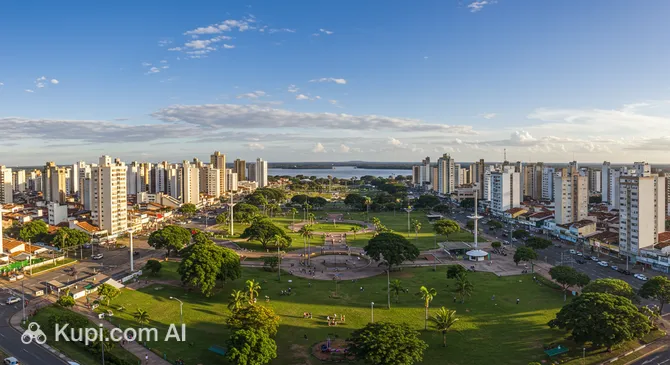
Canoas. Source: Kupi.Binoculars

Aviation plays a central role in the identity of the city. One cannot speak about this place without mentioning the famous Praça do Avião (Airplane Square), which features a real aircraft monument and serves as a proud symbol of the municipality. For those interested in the past, the history of Canoas is deeply intertwined with the development of the Brazilian Air Force and the railway expansion that originally connected the region.

Nature lovers will appreciate Parque Getúlio Vargas, locally known as Capão do Corvo. It is a sprawling park perfect for leisurely walks, picnics, and outdoor sports, providing a refreshing escape from the city streets. Whether you are passing through on business or leisure, Canoas offers a welcoming atmosphere and a unique glimpse into the lifestyle of southern Brazil.

Weather Overview

The climate in Canoas is subtropical, characterized by distinct seasons that offer a variety of atmospheric conditions for visitors. Summers are generally warm and humid, particularly in January and February, when average temperatures hover around 25°C and daytime highs frequently reach 30°C. This period also tends to be the wettest, with January seeing about 15 rainy days, so packing light, breathable clothing and an umbrella is advisable.

In contrast, the winter months bring a noticeable drop in temperature. From June to August, the weather becomes much cooler, with average temperatures dipping to around 15°C and minimums falling close to 10°C in July. For a more comprehensive breakdown of what to expect during your visit, you can consult the detailed guide to the weather in Canoas. Overall, travelers can expect warm summers with frequent showers and cool winters that remain relatively mild compared to colder climates.

Interesting Facts

Beyond the main attractions, Canoas holds many fascinating secrets and historical curiosities that define its unique character. Here are some intriguing facts about this dynamic southern Brazilian city:

  • The city's name, which translates to "Canoes," has a literal and practical origin dating back to 1874. During the construction of the railway connecting Porto Alegre to São Leopoldo, workers carved large troughs out of Timbaúva tree trunks to hold water; these troughs resembled small boats, leading the site to be called "Capão das Canoas."

  • Canoas is deeply connected to aviation history and is often referred to as the "Land of the Airplane." The monument in the city's central square features a Gloster Meteor, a British aircraft that was the first jet plane used by the Brazilian Air Force, symbolizing the municipality's strategic military importance.

  • The Canoas Municipal Zoo stands out because it prioritizes animal welfare over mere exhibition. Located within the Getúlio Vargas Park, it functions primarily as a rehabilitation center for injured native wildlife, treating birds and mammals with the goal of releasing them back into nature whenever possible.

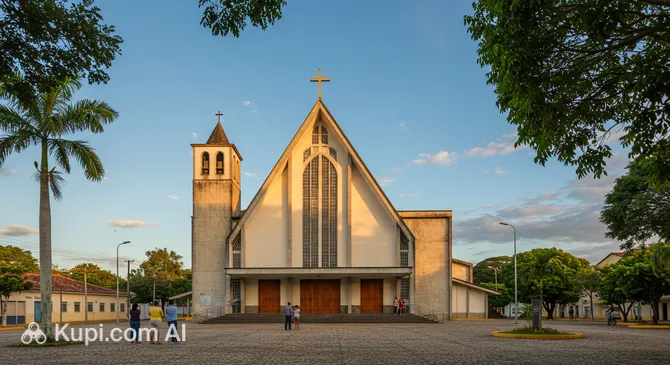
  • One of the city's architectural gems is the Saint Aloysius Gonzaga Parish. This church is not only a place of worship but also a historical landmark that features beautiful artistic details, reflecting the cultural heritage of the local community.

Saint Aloysius Gonzaga Parish. Source: Kupi.Binoculars

How to Get There

Reaching Canoas is quite convenient due to its proximity to major transportation hubs in southern Brazil. Whether you are arriving from international destinations or other parts of the country, the city is well-connected by road and air. For a comprehensive guide on all available transport options, you can read more about how to get to Canoas.

The city of Canoas does not have its own airport, but travelers can easily fly into Salgado Filho International Airport (IATA: POA), which is located in the neighboring city of Porto Alegre. This is the primary gateway to the region and is situated just 9.7 km away from Canoas. Due to this short distance, a taxi or transfer ride typically takes only about 35 minutes, making it an extremely practical option. As a major hub with significant passenger traffic, it receives flights from numerous domestic and international locations.

Another alternative is Hugo Cantergiani Regional Airport (IATA: CXJ), located in Caxias do Sul. Although it is further away—approximately 78.8 km from Canoas—it serves as a viable option for those exploring the Serra Gaúcha region before heading to the metropolitan area. The journey by road from this airport takes roughly 2 hours and 20 minutes. While it handles a moderate volume of passengers compared to the capital's airport, it remains a key entry point for the state.

For clarity, here is a summary of the main airports in the vicinity:

Airport Name City Passenger Traffic Km from City
Salgado Filho International Airport Porto Alegre Large 9.7
Hugo Cantergiani Regional Airport Caxias do Sul Medium 78.8
Passo Fundo Airport Passo Fundo Medium 215.3
Pelotas Airport Pelotas Small 228.6
Humberto Bortoluzzi Jaguaruna Small 247.3

Main Attractions

While the city is known for its aviation history and green spaces, it also boasts modern entertainment hubs that draw visitors from across the region. One of the premier destinations is ParkShopping. This is far more than just a place to shop; it is a comprehensive leisure complex that features a permanent ice-skating rink, a vast selection of retail stores, and a modern cinema. Its expansive food court and family-friendly atmosphere make it a favorite spot for both locals and tourists looking to spend a comfortable day indoors.

ParkShopping. Source: Kupi.Binoculars

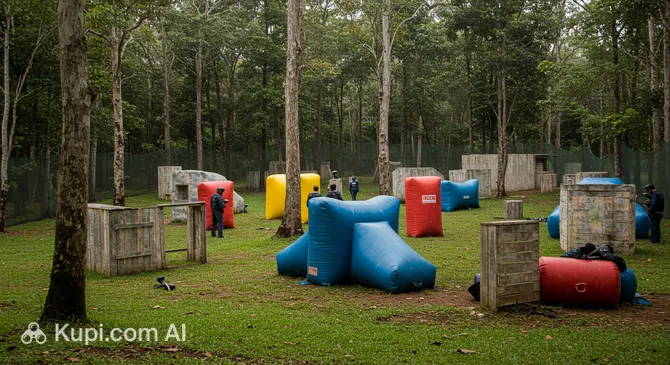
For those seeking an adrenaline rush and outdoor activity, Arena Paintball Wood offers an exciting experience. Situated in a setting that simulates combat scenarios, this attraction allows groups to engage in strategic games and team-building exercises. It is an excellent choice for friends or families who want to take a break from traditional sightseeing and enjoy some energetic competition in a safe and well-managed environment.

Arena Paintball Wood. Source: Kupi.Binoculars

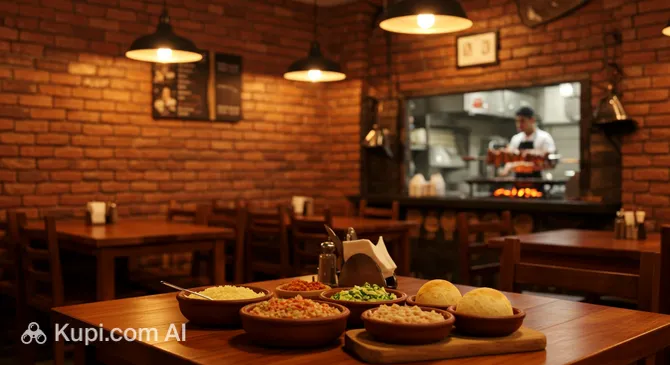
The city's culinary scene also provides unique experiences, such as the Mini Burger Rodízio. This restaurant is famous for its "all-you-can-eat" service style, offering a delightful variety of miniature burgers with diverse and creative toppings. It is a fun dining option for travelers who want to taste multiple flavors in one sitting, reflecting the generous and social dining culture typical of southern Brazil.

Mini Burger Rodízio. Source: Kupi.Binoculars

To cap off the evening, visitors can check out the Buteco Comedy Bar. This venue combines the relaxed vibe of a traditional Brazilian bar with live entertainment, frequently hosting stand-up comedy performances. It provides a great opportunity to mingle with locals, enjoy refreshing drinks, and experience the humorous side of the city's nightlife.

Local Cuisine

The culinary soul of Canoas is deeply rooted in the traditions of Rio Grande do Sul, making it a fantastic destination for meat lovers. The absolute highlight of the local cuisine is the traditional churrasco (barbecue). Visitors should not miss the experience of dining at a churrascaria, where the service is typically "espeto corrido" or rodízio—an all-you-can-eat style where waiters continuously bring skewers of succulent cuts like picanha (rump cap) and costela (ribs) directly to your table.

For a more casual and iconic meal, you must try the Xis Gaúcho. This is not your average burger; it is a massive, pressed sandwich typically larger than a dinner plate, stuffed with ingredients like steak, chicken, fried eggs, corn, peas, and plenty of cheese and mayonnaise. It is the ultimate local comfort food. Another popular snack is the pastel, a crispy, deep-fried pastry filled with meat, cheese, or hearts of palm. You can sample these savory treats at spots like Pastel and Soup Bar Canoas, which is perfect for a quick and authentic bite.

When it comes to drinks, the cultural symbol of the region is Chimarrão. This hot, bitter tea made from yerba mate is drunk from a gourd through a metal straw and represents friendship and hospitality. On the alcoholic side, the state is Brazil's premier wine-producing region, so ordering a local Cabernet Sauvignon or sparkling wine is highly recommended. The city also has a growing appreciation for craft beers to accompany its hearty dishes.

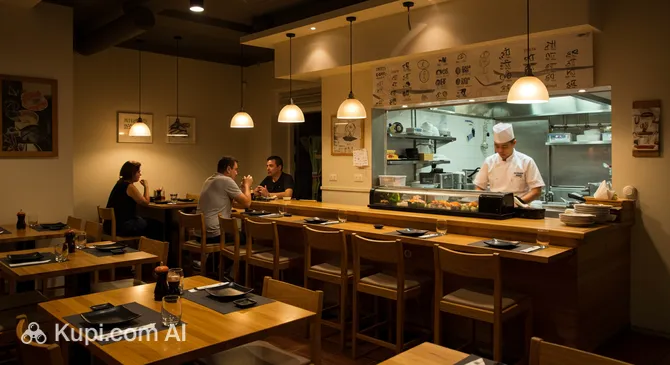
Kampeki Sushi. Source: Kupi.Binoculars

The dining scene in Canoas is diverse, offering more than just regional staples. The city embraces international flavors, with a particularly strong affinity for Japanese cuisine, which is a favorite among Brazilians. Restaurants like Kampeki Sushi provide a fresh alternative to the heavy meat dishes, serving elaborate sushi boats and sashimi. Whether you are looking for a high-end dinner or a bustling street food stall, the city's food culture is welcoming and generous.

Travel Tips

To ensure your visit to Canoas is as smooth and enjoyable as possible, we have compiled a set of practical guidelines to help you navigate the city like a pro. Whether you are here for business or leisure, keeping these tips in mind will help you settle in quickly and make the most of your stay in this welcoming southern Brazilian hub.

  1. Clothing and Gear: Since the weather in Rio Grande do Sul varies significantly by season, checking the forecast is essential. For the hot and humid summers (December to March), pack light, breathable fabrics and comfortable walking shoes. If you visit during winter (June to August), bring a warm jacket and layers, as temperatures can drop noticeably, especially at night. Brazil uses type N power sockets (three-pin), but type C (two-pin) often fits; bringing a universal adapter is highly recommended.
  2. Transportation: The most efficient way to travel between Canoas and the neighboring capital, Porto Alegre, is via the Trensurb (surface metro train), which is fast and affordable. Within the city itself, ride-hailing apps like Uber and 99 are widely available, safe, and often more convenient than navigating local bus routes. Renting a car is a good option if you plan to explore the wider Serra Gaúcha region, but for city limits, apps and trains are sufficient.
  3. Finances: The local currency is the Brazilian Real (BRL). Credit and debit cards are accepted almost everywhere, including small kiosks and restaurants. However, it is wise to carry a small amount of cash for minor expenses. ATMs are easy to find in shopping malls and supermarkets. Tipping is generally not mandatory, but a 10% service charge is usually added to restaurant bills, which is customary to pay.
  4. Health and Safety: Canoas is a busy urban center, so standard safety precautions apply. Avoid walking alone in poorly lit or deserted areas at night, and keep expensive electronics or jewelry out of sight. Pharmacies are abundant, with major chains like Panvel and São João often having 24-hour branches. For medical emergencies, the public ambulance service number is 192, but travel insurance with private hospital coverage is strongly advised for faster service.
  5. Communication: The official language is Portuguese. While staff at major hotels and the airport may speak English, it is not widely spoken by the general public. Downloading a translation app or learning basic phrases like "Bom dia" (Good morning) and "Obrigado" (Thank you) will be very helpful. WhatsApp is the primary tool for communication in Brazil; most businesses use it for reservations and customer service.
  6. Local Etiquette: People in Rio Grande do Sul, known as Gaúchos, are generally warm and polite. Greetings often involve a firm handshake or a kiss on the cheek (usually among women or between a man and a woman). If you are invited to share a Chimarrão (the local mate tea), remember the golden rule: never touch the metal straw (bomba) with your hands, as it is considered unhygienic and rude.
  7. What to Avoid: Do not drink tap water; always opt for bottled or filtered water to avoid stomach issues. Additionally, avoid making comparisons between Portuguese and Spanish; while they sound similar, locals take pride in their language and identity, and assuming they are the same can be seen as insensitive.
  8. Shopping Hours: If you plan to do some shopping, note that street stores typically close around 6:00 PM or 7:00 PM on weekdays and early on Saturdays. However, large centers like ParkShopping remain open until 10:00 PM from Monday to Saturday and operate with reduced hours on Sundays, making them the best bet for evening activities.

By keeping these practical tips in mind, you will be well-prepared to experience the best of Canoas without any hassles. Enjoy the hospitality of the Gaúchos, savor the local flavors, and have a safe and memorable journey!

Entertainment & Nightlife

The entertainment landscape in Canoas is a lively reflection of its urban character, offering a mix of traditional leisure and modern social experiences. As a bustling city in the metropolitan region, it provides diverse options for residents and visitors alike, ranging from convenient shopping spots to energetic nightlife venues.

For those who enjoy retail therapy in a more central setting, the city offers accessible commercial hubs beyond the large malls. A prime example is the Center 15 Gallery. Located in the heart of the downtown area, this gallery is a staple of local daily life, featuring a variety of shops, services, and quick dining options. It provides a convenient and authentic glimpse into the commercial rhythm of the city.

When the sun sets, the city's nightlife comes alive, fueled in part by its vibrant university population. The streets are dotted with bars and pubs that offer the perfect setting for a "happy hour" with friends. The comedy scene has also gained traction, with specific venues dedicated to stand-up performances offering a fun and relaxed atmosphere for an evening out.

Additionally, the city's public spaces often serve as stages for cultural events. Squares and parks frequently host community gatherings, music performances, and open-air fairs, allowing visitors to engage with the friendly local community and enjoy the pleasant southern Brazilian climate.

Parks & Museums

Parks and Museums:

Although Canoas is primarily known as an industrial and university hub, the city offers several refreshing green spaces and cultural venues where visitors can unwind and explore local history. The municipality has made significant efforts to preserve its natural areas and heritage sites, providing a pleasant balance to the urban environment.

The most popular green refuge in the city is Parque Getúlio Vargas, affectionately known by locals as Capão do Corvo. This extensive park serves as the city's "green lung," featuring walking trails, sports courts, and picnic areas shaded by native trees. Within this park lies the Canoas Municipal Zoo. Unlike traditional zoos, this facility focuses on environmental education and the rehabilitation of wild animals, housing dozens of native species in a setting that prioritizes their well-being.

Another significant outdoor space is the Parque Municipal Eduardo Gomes, often referred to as "Parcão." It is a vast area that frequently hosts large-scale community events, such as the local Book Fair and traditional Gaúcho rodeos. On regular days, it is a favorite spot for families to fly kites, cycle, or simply enjoy the open lawns. For a more urban experience, the Praça do Avião (Airplane Square) acts as an open-air monument, celebrating the city's deep ties to aviation with its preserved military aircraft on display.

In terms of culture and history, the Villa Mimosa is a must-visit architectural gem. This beautifully restored historic house serves as a cultural center, hosting art exhibitions, workshops, and musical performances. It provides a fascinating glimpse into the region's past and is a hub for local artistic expression. Architecture enthusiasts should also admire the Saint Aloysius Gonzaga Parish, a striking church that stands as a testament to the city's religious and artistic heritage.

For an authentic local experience, visit one of these parks on a Sunday afternoon. You will find many residents participating in the ritual of drinking chimarrão (mate tea) in circles of friends. It is a perfect opportunity to observe the relaxed Gaúcho lifestyle up close.

Getting Around

The public transport backbone of Canoas is the Trensurb, a surface metro system that seamlessly connects the city to the neighboring state capital, Porto Alegre, and other municipalities in the metropolitan area like Novo Hamburgo and São Leopoldo. For tourists, this is the most efficient way to travel, as it avoids the heavy highway traffic associated with the main federal road. The city is served by several stations, including Niterói, Fátima, Canoas, Mathias Velho, São Luís, and Petrobrás, making it easy to access different neighborhoods along the main axis of the city.

For destinations not within walking distance of the train stations, the city relies on a comprehensive bus network. Municipal lines, primarily operated by local companies, cover the interior of the neighborhoods and connect them to the Trensurb terminals. There are also intermunicipal buses that travel to surrounding towns. While the bus system is extensive, routes can be complex for first-time visitors, so using a navigation app to track routes and stops is highly recommended to ensure you board the correct line.

Paying for transport is relatively straightforward. The most common payment method for frequent commuters is the TEU Card (Bilhete Metropolitano), an integrated electronic card accepted on both the metro and bus lines. However, for short-term visitors, paying in cash is still a widely accepted option on buses, where you pay the conductor or driver directly upon boarding. For the Trensurb, you can purchase single-trip tickets at station counters or self-service machines to pass through the electronic turnstiles. Fares are affordable, typically costing around 5 BRL per ride, though prices are subject to periodic adjustments.

If you prefer more comfort or need to travel late at night, ride-sharing apps like Uber and 99 are extremely popular and widely available in the city. They offer a safe, reliable, and reasonably priced alternative to public transit, especially for "last-mile" trips from train stations to your final destination. Traditional taxis are also available, usually found at designated stands near major squares, shopping centers, and hospital entrances, but apps generally provide more transparent pricing for tourists.

Regarding operating hours, the Trensurb typically runs from approximately 5:00 AM to 11:20 PM, while bus schedules vary, with significantly reduced frequency on Sundays and late at night. It is advisable to buy your return train ticket in advance if you plan to travel during peak hours to avoid long lines at the counters. As with any busy urban transport system, keep an eye on your belongings and avoid displaying valuable items, particularly during rush hour when trains and buses can become quite crowded.

Accommodation

Where to Stay:

Accommodation in Canoas is primarily designed to serve business travelers and visitors looking for a strategic base within the metropolitan area of Porto Alegre. The city offers a solid selection of functional and comfortable options, ranging from economical hostels and budget-friendly guesthouses to modern mid-range hotels. While you will not find sprawling luxury resorts here, the available establishments are generally well-equipped, offering essential amenities like Wi-Fi, breakfast, and parking.

When choosing where to stay, location is a key factor. The City Center (Centro) is the most convenient area for those who rely on public transport. Staying here places you within walking distance of the Trensurb metro stations, allowing for quick and cheap access to the state capital. It also offers immediate access to local shops, pharmacies, and banks. Alternatively, the Marechal Rondon neighborhood, located near the large ParkShopping complex, is a more modern area that appeals to travelers who prefer being close to entertainment, cinemas, and a wider variety of dining options.

Another popular zone for accommodation is along the BR-116 highway, which cuts through the city. Hotels located along this axis are particularly convenient for travelers with cars or those passing through on road trips, as they offer easy entry and exit routes to surrounding cities. These establishments often provide larger parking facilities and are geared towards short stays.

Booking Tips: Since Canoas is a hub for business and industry, hotels can fill up quickly during the week. It is also important to check the calendar for major events in the region, such as the Expointer fair in the neighboring city of Esteio, which draws massive crowds and often results in fully booked hotels across the entire metropolitan area. Booking your room a few weeks in advance is highly recommended during these peak times.

In terms of cost, staying in Canoas is often more affordable than in Porto Alegre, making it a budget-conscious choice for exploring the region. Prices typically fall into the budget to mid-range categories. Reservations can easily be made through major international online booking platforms, which is the most reliable way to secure current rates, though contacting smaller guesthouses directly can sometimes yield good deals.

Nearby Cities

For those looking to explore the surroundings, Canoas serves as an excellent base for day trips to several interesting nearby locations:

Porto Alegre: Situated just a short drive away, the state capital is a must-visit for its vibrant cultural scene and historical architecture. Visitors can explore the bustling Public Market, stroll along the revitalized Guaíba Lake waterfront to watch the famous sunset, or visit world-class museums like the Iberê Camargo Foundation.

Novo Hamburgo: Known as the "National Capital of Shoes," this city offers a unique glimpse into the region's German heritage and industrial history. It is a great destination for shopping, particularly for footwear and leather goods, and features the fascinating National Footwear Museum which chronicles the evolution of the industry.

São Leopoldo: Recognized as the cradle of German colonization in Brazil, this city is rich in history and tradition. It is home to the Unisinos university and several historical buildings that date back to the arrival of the first immigrants, making it an educational and culturally enriching stop for history enthusiasts.

City Population Distance (km)
Porto Alegre 1,484,941 14
Gravataí 255,660 19
Viamao 239,384 24
Novo Hamburgo 238,940 25
Sao Leopoldo 214,087 17

These nearby destinations offer a glimpse into the diverse culture and landscapes of the region.

Shopping & Souvenirs

Shopping:

Shopping in Canoas offers a mix of modern convenience and traditional street commerce, reflecting its status as a major economic hub in the metropolitan region. The city caters to a wide range of tastes and budgets, from large, climate-controlled malls featuring international brands to bustling downtown streets lined with local retailers. Whether you are looking for fashion, electronics, or regional specialties, the city provides a comprehensive retail experience without the overwhelming crowds often found in the state capital.

The heart of the city's street commerce is located in the Centro (Downtown) district. The busiest areas are concentrated around Rua 15 de Janeiro and Rua Tiradentes, as well as the pedestrian-friendly zones near the train station. Here, visitors can find a multitude of shops selling clothing, shoes, accessories, and household goods at competitive prices. It is a vibrant area where locals do their daily shopping, offering an authentic glimpse into the city's commercial life.

For a more upscale and comfortable experience, the city boasts impressive shopping centers. The largest and most popular is ParkShopping, a massive complex that attracts visitors from all over the region. It features a wide array of high-end stores, department stores, and entertainment options. Another key location is the traditional Canoas Shopping, which has served the community for decades and offers a cozy atmosphere with a good selection of retail outlets and a food court. Smaller commercial hubs like Center 15 Gallery in the downtown area also provide convenient stops for quick purchases and services.

While Canoas does not have a famous central tourist market, it does host local Feiras Livres (open-air markets) in various neighborhoods throughout the week. These markets are excellent for buying fresh local produce, artisanal cheeses, and baked goods. They offer a great opportunity to taste the flavors of Rio Grande do Sul directly from producers.

When it comes to souvenirs, visitors should look for items that represent the Gaúcho culture. The most iconic gift is a Chimarrão kit, which includes a cuia (gourd) and a bomba (metal straw), essential for drinking the local mate tea. Leather goods, such as belts, wallets, and boots, are also of high quality in this region. Additionally, since football is a religion here, a jersey from one of the major local teams—Grêmio or Internacional—makes for a popular and spirited keepsake.

Opening hours in Canoas follow the standard Brazilian pattern. Street shops typically open from 9:00 AM to 6:30 PM on weekdays and until early afternoon on Saturdays, remaining closed on Sundays. Shopping malls, however, operate from 10:00 AM to 10:00 PM from Monday to Saturday, with stores opening later on Sundays (usually from 2:00 PM to 8:00 PM). Payment methods are very tourist-friendly; credit and debit cards are accepted almost everywhere, even for small amounts, though carrying some cash is useful for street vendors. Tourists should note that Brazil does not have a straightforward tax-free refund system for general retail purchases.

Reached the end of the page?

That means the route is fully explored