Support

Vacaria

About

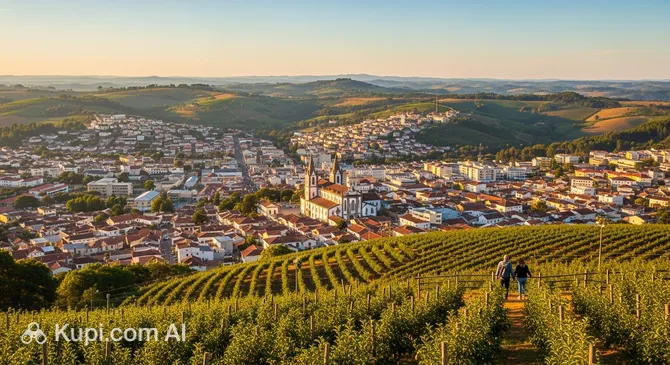
Vacaria is a prominent destination in the state of Rio Grande do Sul, offering a unique blend of cultural tradition and natural beauty. Situated in the southern highlands of Brazil, the city is famous for its high altitude and distinctively cold climate, often recording some of the lowest temperatures in the country during winter. With a population of approximately 61,000 residents, it serves as a major gateway to the stunning region known as the Campos de Cima da Serra.

Vacaria. Source: Kupi.Binoculars

Culturally, the city is renowned as the host of the Rodeio Crioulo Internacional, one of the largest traditionalist events in Latin America, which celebrates the authentic gaucho way of life. For those wishing to learn more about how this settlement evolved from an old resting place for cattle drovers into a thriving cultural hub, the history of Vacaria offers fascinating insights into its heritage and development.

Beyond its traditions, Vacaria is widely recognized as the national capital of the apple, with vast orchards that paint the landscape and drive the local economy. Visitors can also admire the architectural beauty of the Cathedral of Our Lady of Olives (Catedral Nossa Senhora da Oliveira), an imposing stone structure that stands as a key landmark. Whether you are looking to experience the vibrant energy of a rodeo or simply enjoy the crisp mountain air and local cuisine, Vacaria invites you to discover its many charms.

Weather Overview

The climate in this highland city is characterized by distinct seasonal changes, influenced significantly by its elevation. Visitors planning a trip should check the detailed weather in Vacaria to pack appropriately, as temperatures can vary noticeably throughout the year. Generally, the region experiences a temperate climate with mild summers and cool, crisp winters.

During the warmest months, particularly from December to March, average temperatures hover around 20°C to 21°C, with daytime highs reaching up to 26.1°C in January. These summer months also tend to see a higher frequency of precipitation, with January recording up to 19 wet days. In contrast, the winter season from June to August brings cooler weather, where average temperatures drop to approximately 13°C and nightly lows can fall to 8.0°C in July. August typically sees the fewest rainy days, making it a drier period compared to the start of the year.

Interesting Facts

Beyond the famous rodeos and vast orchards, Vacaria holds intriguing secrets that reveal its unique place in the history and culture of the region.

  • A Name Rooted in History: The city's name translates roughly to "cattle herd" or "place of cows," originating from the historic Vaquería de los Pinares. This was a massive cattle reserve established by Jesuits in the 17th century to supply the reductions (missions), leaving a legacy of ranching that defines the region to this day.

  • A Touch of Modernism: Architecture enthusiasts might be surprised to find a work by the legendary architect Oscar Niemeyer in the city. The Casa do Povo (House of the People) stands as a rare example of his modernist style in the interior of Rio Grande do Sul, contrasting sharply with the traditional colonial and stone structures nearby.

  • Pioneering Cheese Production: Vacaria is home to the first facility in Latin America dedicated to producing Grana Padano-style cheese. The region's specific microclimate and high quality of milk allowed for the creation of Gran Formaggio, a premium aged cheese that rivals its Italian counterparts.

  • Snow in the Tropics: While Brazil is globally known for its tropical beaches, Vacaria challenges this stereotype. It is one of the few Brazilian cities where snow is a recorded phenomenon, occasionally covering the landscape in white during the harshest winters.

How to Get There

Reaching this highland destination involves a scenic journey through the state of Rio Grande do Sul. While there are no direct commercial flights to the town itself, visitors can easily fly into nearby cities and complete the trip by road. For detailed planning, you can read more about how to get to Vacaria, including specific routes and transport advice.

The city of Vacaria does not have its own airport, but you can fly into Hugo Cantergiani Regional Airport (IATA: CXJ) in the city of Caxias do Sul, which is about 80.6 km from Vacaria. This is the most convenient option for domestic travelers, with the subsequent drive taking approximately 2 hours and 20 minutes by taxi or bus. It serves as a key regional hub, facilitating access to the mountainous areas.

For those arriving from further afield or internationally, the Salgado Filho International Airport (IATA: POA) in Porto Alegre is the primary gateway. Located roughly 167 km away, the transfer to Vacaria takes about 4.5 hours. As a large airport with significant annual passenger traffic, it offers the widest range of flight connections and services.

For clarity, here is a summary of the main airports:

Airport Name City Passenger Traffic Km from City
Salgado Filho International Airport Porto Alegre Large 166.8
Chapeco Airport Chapecó Medium 227.4
Hugo Cantergiani Regional Airport Caxias do Sul Medium 80.6
Passo Fundo Airport Passo Fundo Medium 139.2
Humberto Bortoluzzi Jaguaruna Small 184.4

Main Attractions

Vacaria offers a compelling mix of historical landmarks and cultural spaces that reflect its identity as the gateway to the Rio Grande do Sul highlands. While the city is famous for its rodeos and apple orchards, its architectural and recreational sites provide year-round interest for visitors exploring the region.

One of the most iconic sights in the city is the Catedral Nossa Senhora da Oliveira. This imposing structure is distinct from many other Brazilian churches due to its construction using dark basalt stones, which gives it a resemblance to a medieval fortress. Built in the early 20th century, it stands as a symbol of faith and perseverance. Tourists are drawn here not only for religious reasons but to admire the unique stonework and the peaceful interior, making it a perfect spot for photography and quiet reflection.

For those interested in the gaucho traditions that define this part of the country, the Parque Nicanor Kramer da Luz is an essential stop. This expansive park is the permanent home of the famous Rodeio Crioulo Internacional, but it remains a vibrant space even outside of event dates. It offers a vast green area for leisure, walking, and contact with nature. Exploring the park gives visitors a sense of the scale of the local events and the importance of rural culture to the community.

Architecture enthusiasts will find a surprising gem in the Casa do Povo. Designed by the renowned architect Oscar Niemeyer, this cultural center stands out with its modernist lines and concrete curves, contrasting sharply with the traditional aesthetics of the region. It serves as a venue for various cultural events and exhibitions. Visiting this site offers a rare opportunity to see a work by one of the world's most famous architects located in the interior of the state.

To delve deeper into the local heritage, the Museu Municipal de Vacaria is a worthy destination. Located in a historical building, the museum houses a collection of artifacts, photographs, and documents that narrate the history of the city and the "Campos de Cima da Serra" region. It provides fascinating insights into the lives of the early settlers, the indigenous populations, and the development of the cattle and apple industries that drive the local economy today.

Local Cuisine

The local cuisine of Vacaria is a hearty celebration of the traditional Gaucho culture, perfectly adapted to the region's distinctively chilly highland climate. Rooted deeply in a history of cattle ranching and agriculture, the culinary scene is dominated by high-quality meats and rustic, flavorful dishes designed to provide warmth and energy. For visitors, dining here offers an authentic taste of the Brazilian countryside, far removed from the tropical flavors found in the north.

Unsurprisingly, the undisputed king of the table is the traditional churrasco (barbecue). In Vacaria, this is treated as a ritual rather than just a meal, reflecting the city's status as a hub for rodeos and rural traditions. The highlight is often the costela (beef ribs), which are seasoned simply with coarse salt and slow-roasted over charcoal or a ground fire for hours until the meat falls off the bone. Tourists will find excellent churrascarias (steakhouses) throughout the city, where the service is generous and the atmosphere is family-oriented.

Beyond beef, the region's native Araucaria trees provide a unique local ingredient: the pinhão (pine nut). Harvested during the colder months, these nuts are a staple in local kitchens. A must-try dish is the entrevero, a robust stew made by sautéing pine nuts with bacon, sausage, and various cuts of meat and vegetables. Another popular variation is paçoca de pinhão, a savory mixture of ground meat and crushed pine nuts, offering a distinct nutty flavor that defines the gastronomy of the Serra Gaúcha.

Vacaria is also celebrated for its exceptional local produce, particularly apples and cheese. As a major apple-producing hub, the fruit features prominently in desserts, such as warm apple pies and artisanal jams. Cheese enthusiasts should look for the locally produced Gran Formaggio, a hard, aged cheese similar to Grana Padano. It is a source of local pride and pairs perfectly with the red wines produced in the broader Rio Grande do Sul region.

No culinary experience in Vacaria is complete without trying chimarrão. This hot, non-alcoholic infusion of yerba mate is sipped through a metal straw from a gourd and serves as the ultimate symbol of Gaucho hospitality. You will often see locals carrying their thermos flasks and gourds in public squares and parks. For those seeking alcoholic beverages, the proximity to Brazil's main wine region ensures a good selection of domestic wines, alongside a growing scene of local craft beers.

Travel Tips

Visiting Vacaria offers a distinct experience compared to the tropical image often associated with the country, thanks to its chilly climate and strong traditions. To help you make the most of your trip to this charming hub in the "Campos de Cima da Serra," here are some practical tips to ensure a smooth and enjoyable journey.

  1. Pack for the Cold: Unlike most of Brazil, Vacaria can get extremely cold, especially during the winter months (June to August) when temperatures often drop near or below freezing. Bring a heavy coat, scarf, and gloves. Even in summer, evenings can be cool, so a light jacket is always recommended. If you plan to visit the apple orchards or the rodeo park, comfortable, closed-toe walking shoes are a must.

  2. Transportation Choices: Public transportation within the city is limited to local buses, which may not be convenient for tourists. The best way to explore Vacaria and its surrounding natural attractions is by renting a car. This gives you the freedom to visit the orchards and waterfalls at your own pace. Ride-hailing apps are available but can have longer wait times than in major metropolitan areas.

  3. Managing Finances: The local currency is the Brazilian Real (BRL). While major supermarkets, hotels, and restaurants accept credit and debit cards, smaller vendors—especially those selling local crafts or produce on the roadside—often prefer cash. It is advisable to withdraw some cash from ATMs in the city center to have on hand for small purchases and tips.

  4. Health and Safety: Vacaria is generally a safe and peaceful city, but it is always wise to keep an eye on your belongings in crowded places. Pharmacies are widely available downtown, with some major chains operating until late or offering 24-hour services. For any medical emergencies, the public ambulance service number is 192.

  5. Communication Barrier: Portuguese is the primary language, and English is not widely spoken outside of high-end hotels or tourist agencies. It is highly recommended to download an offline translation app and learn a few basic phrases like "bom dia" (good morning) and "obrigado/a" (thank you). Free Wi-Fi is often available in hotels and cafes, but buying a local SIM card is reliable for staying connected.

  6. Local Etiquette: The people of Rio Grande do Sul, known as Gaúchos, are very hospitable and proud of their culture. When greeting, a firm handshake or a kiss on the cheek (usually one or two) is common. If you are invited to share a chimarrão (the local mate tea), remember that it is a communal drink; accept it with your right hand and drink the entire contents before passing it back to the server.

  7. What to Avoid: Never touch or move the metal straw (bomba) of the chimarrão with your hands, as this is considered rude and ruins the preparation. Additionally, avoid assuming the weather will be hot just because you are in South America; underestimating the local cold can lead to a very uncomfortable trip.

  8. Seasonal Insight: If you are visiting between February and April, you are in prime apple-harvesting season. Look for roadside stalls selling fresh apples and artisanal products like juices and jams. These are often cheaper and fresher than what you will find in supermarkets, and buying them supports local producers directly.

By keeping these practicalities in mind, you will be well-prepared to embrace the unique culture and crisp mountain air of Vacaria. Whether you are there for the rodeo or the relaxation, a little preparation goes a long way in ensuring a memorable adventure in the Brazilian highlands.

Entertainment & Nightlife

Nightlife in Vacaria reflects the city’s welcoming and traditional spirit, offering a relaxed alternative to the high-energy clubbing scenes of larger metropolises. Instead of thumping nightclubs, the evening entertainment here centers around cozy happy hours, lively pub-style gatherings, and culinary experiences that highlight the region's rich Gaucho heritage. The atmosphere is generally laid-back and friendly, where locals gather to share stories over craft beers, local wines, or a warm meal.

The heart of the action is found in the Centro (Downtown) district, particularly around the main avenues and squares near the Cathedral. This area is safe for evening strolls and hosts a variety of establishments ranging from modern cafes to traditional bars. Visitors should be mindful that, due to the colder climate, venues are often enclosed and cozy rather than open-air. A popular choice for a sophisticated yet casual evening is Quiero Café. While it serves as a coffee house by day, it transforms at night into a vibrant spot for cocktails, wine, and delicious finger foods, attracting a diverse crowd of young professionals and families.

For those seeking a more authentic local "boteco" experience, Cantinho Bar is a well-known establishment where you can enjoy a cold beer and traditional Brazilian bar snacks. It offers a no-frills, authentic atmosphere that is perfect for mingling with residents. Another key aspect of Vacaria’s nightlife is the tradition of jantares dançantes (dinner dances), often held at event centers or steakhouses like Churrascaria R.Sousa, especially on weekends. These events frequently feature live traditionalist music, allowing visitors to witness the local passion for the vanerão dance style.

Practical advice for a night out includes dressing warmly, as temperatures drop significantly after sunset, even in warmer months. The dress code is typically casual to smart-casual; comfort is key. Most bars and restaurants close relatively early compared to big cities, often around midnight or 1:00 AM, so it is best to start your evening early. For getting around, while the city center is walkable, using local taxi services or ride-hailing apps is recommended for returning to your accommodation late at night, ensuring both comfort and safety.

During the daytime, entertainment in Vacaria shifts towards cultural and outdoor activities. The Casa do Povo, designed by Oscar Niemeyer, is a cultural beacon hosting art exhibitions and events that are perfect for an afternoon visit. Nature lovers and families can spend their day at the Parque Nicanor Kramer da Luz, the massive venue for the international rodeo, which serves as a vast recreational space when events are not taking place. Additionally, the city’s location makes it ideal for day trips to nearby wineries like Vinícola Campestre, offering a delightful way to spend the hours before the evening sets in.

Parks & Museums

Vacaria offers a compelling mix of open-air spaces and cultural institutions that celebrate its identity as the "Gate of the Rio Grande." The city's parks are not just green lungs but stages for massive traditionalist events, while its museums and historical sites provide a deep dive into the region's origins as a resting place for ancient cattle drovers.

Parque Nicanor Kramer da Luz is the most iconic green space in the city, renowned internationally as the home of the Rodeio Crioulo Internacional. Spanning approximately 75 hectares, this vast park serves as a sanctuary for Gaucho culture. While it comes alive with thousands of visitors during the rodeo, during the rest of the year, it remains a significant recreational area where visitors can appreciate the scale of the event infrastructure and enjoy the open "Campos de Cima da Serra" landscape. It creates a unique atmosphere that blends nature with the rustic tradition of the countryside.

For nature lovers willing to venture a bit further from the city center, the Parque das Cachoeiras (often referred to as Vera Tormenta) is a hidden gem. Located about 24 kilometers from downtown, this private park offers a pristine escape featuring three distinct waterfalls and natural pools formed by the Quebra Dente River. It is an excellent spot for camping, hiking, and, in the summer months, swimming in the refreshing waters of the "lajeados" (stone riverbeds). The park provides a rustic contact with the native Araucaria forest and the rugged terrain of the highlands.

In terms of culture, the Museu Municipal de Vacaria is the primary custodian of the local history. The museum houses a collection of around 600 items that narrate the daily life of the region's early inhabitants, from indigenous tribes to the first European settlers. Key exhibits include a stone marker from 1692 indicating the old Spanish-Portuguese borders and various tools used in traditional cattle ranching and domestic life. It offers a fascinating look at how the harsh climate and geography shaped the resilience of the local population.

The building that houses the museum is an attraction in itself: the Casa do Povo (House of the People). Designed by the world-famous architect Oscar Niemeyer, it is the only work by the modernist master in the interior of Rio Grande do Sul. Its striking concrete curves and circular windows stand in bold contrast to the traditional stone and wood architecture typical of the region. Art enthusiasts visit not just for the exhibitions inside, but to admire this unexpected piece of architectural history in the middle of the gaucho highlands.

A visit to Vacaria would be incomplete without seeing the Fazenda do Socorro. One of the oldest farms in the state, dating back to the 18th century, it stands as a living museum of the "tropeiro" era. The main house and its chapel have been preserved to reflect the lifestyle of the wealthy ranchers who developed the region. Guided tours allow visitors to step back in time, exploring the authentic furniture, the old stone walls, and the history of the cattle drives that once connected southern Brazil to the markets in the north.

For a quick cultural fix within the city center, the Catedral Nossa Senhora da Oliveira is a must-see architectural landmark. Built entirely from basalt stone (pedra moura), its dark, fortress-like exterior shelters a peaceful interior with beautiful stained glass. It dominates the main square, Praça General Daltro Filho, which serves as a pleasant spot for a late afternoon walk among the locals.

Insider Tip: If you are visiting the Fazenda do Socorro, try to schedule your visit in advance to ensure a guided tour by the owners or local historians. They often share captivating oral histories and legends about the property that you won't find in any guidebook, making the experience deeply personal and atmospheric.

Getting Around

The public transport system in Vacaria is straightforward and modest, designed primarily to serve the daily commuting needs of its residents rather than complex tourist itineraries. Given the city's population size, there are no metro lines, trams, or trains. The network relies entirely on a fleet of municipal buses that connect the residential neighborhoods on the outskirts with the commercial center. For visitors, the system is easy to navigate as most routes converge in the downtown area, typically near the main square and the Cathedral.

Operating hours for the buses generally cover the period from early morning, around 6:00 AM, until the evening, with services tapering off around 10:00 PM or 11:00 PM. During weekdays, the frequency is reliable, with buses running at regular intervals. However, tourists should be mindful that on weekends, and especially on Sundays and holidays, the schedule is significantly reduced. It is advisable to check the timetables in advance if you plan to travel during these times, as wait times can be longer.

Payment for bus rides is simple and traditional. While there is an electronic card system used by locals and students, visitors are not expected to acquire one for short stays. The standard method is to pay in cash directly to the bus conductor or driver upon boarding. The fare is affordable, and it is highly recommended to carry small bills and coins. Drivers often have limited change, so paying with large banknotes can be inconvenient and cause delays. Once the fare is paid, you pass through a turnstile to access the seating area.

For those preferring more comfort and flexibility, alternatives such as taxis and ride-sharing apps are widely available. Traditional taxis can be found at designated stands, known as "pontos," located at strategic points like the bus terminal, the hospital, and central plazas. Ride-hailing apps like Uber and 99 also operate in the city, offering the convenience of upfront pricing and cashless transactions. However, keep in mind that the number of available drivers may be lower than in large capitals, so allow a few extra minutes for pickup.

Since many of the city's main attractions are located within a compact downtown area, walking is often the most pleasant and efficient option for sightseeing. However, for visiting the surrounding apple orchards, wineries, or natural parks located on the outskirts, public transport is not a viable option. In these cases, renting a car is the most practical advice, providing the freedom to explore the beautiful highland landscapes at your own pace without being constrained by limited bus routes.

Accommodation

Accommodation in Vacaria is characterized by its functional and welcoming nature, primarily catering to business travelers, road trippers, and visitors attending regional events. The city does not feature ultra-luxury resorts or sprawling five-star complexes. Instead, tourists will find a reliable selection of mid-range hotels, budget-friendly options, and cozy, family-run pousadas (inns). Many establishments pride themselves on traditional Gaucho hospitality, often serving generous breakfasts that include local cakes, breads, and cheeses produced in the region.

When choosing where to stay, location depends largely on your mode of transport and itinerary. The Centro (Downtown) is the most popular area for tourists who want to explore the city on foot. Staying here places you within walking distance of the Cathedral of Our Lady of Olives, as well as various restaurants and shops. Alternatively, for those passing through on a road trip to the Serras, there are several convenient hotels located along the BR-116 and BR-285 highways. These options typically offer easy access and ample parking, making them ideal for a quick stopover without the need to navigate city traffic.

While specific amenities vary, most reputable hotels in the city are well-equipped to handle the local climate. Given Vacaria's reputation for having some of the coldest temperatures in Brazil, it is standard for accommodations to provide robust heating systems, thermal blankets, and hot showers. Some of the more established hotels also offer on-site restaurants, which can be very convenient during the chilly winter evenings when you might not want to venture out for dinner.

Booking Tip: The demand for accommodation spikes dramatically during the Rodeio Crioulo Internacional, which is one of the largest events of its kind in Latin America. If your visit coincides with this festival (typically held in February), it is essential to book your room several months in advance. During this period, the city reaches full capacity, and travelers without reservations may find themselves having to stay in neighboring towns.

In terms of pricing, Vacaria is generally an affordable destination. Most options fall into the budget to mid-range categories, offering good value for money compared to the more tourist-heavy towns in the Serra Gaúcha like Gramado. Booking can usually be done through major online travel platforms for the larger hotels, though some smaller pousadas may still prefer direct contact via phone or messaging apps to confirm reservations.

Nearby Cities

For those looking to explore the surroundings, Vacaria serves as an excellent base for day trips to several interesting nearby locations:

City Population Distance (km)
Caxias do Sul 435,564 78
Bento Goncalves 121,803 93
Farroupilha 73,061 89
Canela 39,229 96
Garibaldi 35,440 101

Just a short drive away, Caxias do Sul stands as the second-largest city in the state and a major cultural hub of the Italian immigration region. Visitors can explore the replica of the original settlement at the Festa da Uva pavilions or visit the historic São Pelegrino Church, famous for its impressive frescoes. It offers a bustling urban contrast to the quieter pace of the highlands.

Further south lies Bento Goncalves, widely celebrated as the wine capital of Brazil. This charming town is the gateway to the Vale dos Vinhedos, where tourists can tour world-class wineries, taste award-winning labels, and enjoy authentic Italian gastronomy. The city is also the starting point for the nostalgic Maria Fumaça steam train ride, a favorite attraction for families.

For nature enthusiasts, Canela offers breathtaking landscapes and iconic architecture. Known for the majestic Stone Cathedral (Catedral de Pedra) and the spectacular Caracol Park with its cascading waterfall, it is a picturesque destination that perfectly complements a trip to the region. These nearby destinations offer a glimpse into the diverse culture and landscapes of the Serra Gaúcha.

Shopping & Souvenirs

Shopping in Vacaria offers a distinct experience that reflects the city's identity as a hub of rural tradition and agriculture. Unlike the bustling commercial centers of larger Brazilian metropolises, the retail scene here is more intimate and focused on local authenticity. Visitors will not find sprawling luxury complexes, but rather a charming selection of stores that cater to the practical needs of the residents and the cultural interests of tourists. The shopping opportunities are excellent for those seeking high-quality regional products, particularly those related to the cold climate and the gaucho way of life.

The primary commercial activity is concentrated in the Centro (Downtown) district. The main thoroughfares, such as Avenida Moreira Paz and Rua Júlio de Castilhos, serve as the city's open-air shopping malls. Strolling along these streets, tourists can find a variety of shops selling winter clothing, footwear, and general goods. This area is bustling during the day, with locals running errands and browsing the window displays that often feature heavy wool coats and leather boots, essential items for the region's chilly winters.

Travelers looking for large, modern shopping malls might be disappointed, as Vacaria does not have major shopping centers comparable to those in capital cities. Instead, the city features smaller galerias (shopping arcades) and commercial centers that house a mix of boutiques, service providers, and snack bars. These compact spaces offer a convenient way to shop for clothes or gifts indoors, providing shelter from the wind and cold that can characterize the weather in the highlands.

For a taste of local flavor, the markets and roadside stalls are the true highlights of the shopping scene. Given Vacaria's title as the "National Capital of the Apple," buying fruit directly from producers is a must. During the harvest season, you will find numerous stands and frutarias scattered around the city and along the highway entrances, offering crates of fresh, crisp apples at very competitive prices. These spots often sell other artisanal delights, such as homemade jams, pure apple juice, and locally harvested honey.

When it comes to souvenirs, the best items to bring back are those that embody the spirit of Rio Grande do Sul. Gaucho handicrafts are extremely popular, including high-quality leather goods like belts, wallets, and the traditional boots known as botas. Visitors should also look for mate accessories; beautifully crafted cuias (gourds) and silver or stainless steel bombachas (straws) make for unique and functional gifts. Additionally, the region's cold weather supports a thriving production of wool products, such as ponchos and scarves, which are both stylish and practical.

Food lovers should not leave without purchasing the local cheese. Vacaria is home to the production of Gran Formaggio, the first Grana Padano-type cheese produced in Latin America. This hard, aged cheese is a source of local pride and rivals Italian imports in quality. It can be found in specialized emporiums and larger supermarkets throughout the city, often sold in wedges perfect for transport. Pairing this cheese with a bottle of wine from the nearby Serra Gaúcha region creates a perfect culinary souvenir.

Store opening hours in Vacaria typically follow the traditional Brazilian commercial schedule. Most shops open around 8:30 AM or 9:00 AM and close at 6:00 PM or 6:30 PM on weekdays. It is common for smaller, family-run businesses to close for a lunch break between noon and 1:30 PM, although larger chain stores usually remain open. On Saturdays, commerce generally operates only in the morning, closing around 12:00 PM or 1:00 PM, and most shops are closed on Sundays.

Regarding payment, credit and debit cards are widely accepted in almost all established shops, restaurants, and supermarkets. International brands like Visa and Mastercard work without issues. However, if you plan to buy apples from a roadside stall or handicrafts from a small market vendor, it is advisable to carry some cash (Brazilian Reals), as these smaller merchants may not always have card machines. Tax-free shopping for tourists is not a standard practice in Brazil outside of duty-free zones in airports, so visitors should not expect VAT refunds on their purchases in the city.
Reached the end of the page?

That means the route is fully explored