Support

Passo Fundo

About

Passo Fundo is a dynamic and culturally rich city located in the northern region of the state of Rio Grande do Sul. Often referred to as the "Capital of the Middle Plateau," it serves as a major hub for health, education, and commerce in southern Brazil. The city combines the hustle and bustle of a developing urban center with the welcoming hospitality typical of the gaúcho culture.

With a population of approximately 205,000 residents, Passo Fundo sits at a high altitude, which gives it a distinct climate with well-defined seasons, including brisk winters. Travelers interested in how this settlement evolved from a resting point for cattle drovers into a modern metropolis can explore the fascinating history of Passo Fundo, which is deeply intertwined with the development of the region.

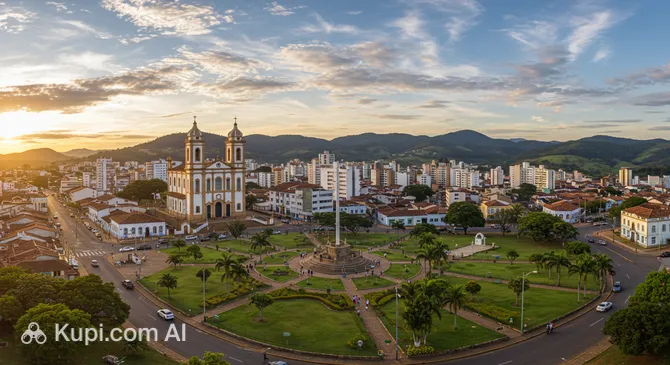
Passo Fundo. Source: Kupi.Binoculars

One of the city's most unique claims to fame is its title as the National Capital of Literature. It hosts the renowned Jornadas Literárias, a massive literary festival that transforms the city into a vibrant meeting point for authors and readers. Beyond its intellectual spirit, visitors can enjoy green spaces like the revitalized Parque da Gare, a favorite spot for locals to relax, or admire the architecture of the Cathedral of Nossa Senhora Aparecida.

Whether you are passing through to experience its celebrated cultural events or to enjoy its parks and local cuisine, Passo Fundo offers an engaging and pleasant atmosphere for every traveler. It is a destination that perfectly balances its historical roots with a forward-looking energy.

Weather Overview

Passo Fundo experiences distinct seasonal changes, offering visitors different atmospheric conditions depending on the time of year. In general, travelers can expect warm summers with frequent rainfall and significantly cooler winters that call for warmer clothing. The city's location in the south of Brazil contributes to this varied climate pattern.

During the summer months from December to February, the days are pleasant and warm, with average temperatures hovering around 23°C and highs often reaching nearly 28°C. This period is also characterized by higher humidity and frequent precipitation, particularly in January, which sees about 17 wet days. To help plan your activities around the rain, it is helpful to consult the current weather in Passo Fundo before your arrival.

In contrast, the winter season from June through August brings a crisp chill to the air. Average temperatures drop to between 14°C and 15°C, with July nights often cooling down to around 10°C. While winter is generally drier than summer, with fewer rainy days, the lower temperatures make it the perfect time to enjoy the city's indoor attractions and cozy local venues.

Interesting Facts

Beyond the well-known literary festivals, Passo Fundo holds several fascinating details that surprise many visitors. The city's identity is shaped by unique historical origins and cultural icons that go far beyond the standard tourist trail.

  • A Musical Landmark: The city is immortalized in Brazilian folk culture through the famous song "Gaúcho de Passo Fundo" by the legendary artist Teixeirinha. This musical homage helped cement the city's fame across the nation, and a prominent statue of the singer holding a traditional chimarrão gourd stands in the city as a tribute to this enduring bond.

  • The "Deep Ford": The name Passo Fundo literally translates to "Deep Ford" or "Deep Step." It dates back to the 19th century and refers to a specific river crossing used by tropeiros (muleteers). This particular spot on the river was notably deeper than others, making it a challenging and memorable landmark on the vital trade routes connecting the south to the center of Brazil.

  • A Medical Powerhouse: Despite its size, Passo Fundo is a giant in the healthcare sector, serving a floating population of over a million people from the surrounding region. The city is renowned for having one of the highest concentrations of medical professionals and hospital beds per capita in the state, earning it a reputation as a major health capital.

How to Get There

Reaching Passo Fundo is convenient due to its well-connected location in southern Brazil, with options ranging from direct regional flights to scenic drives from larger hubs. Visitors can easily choose the route that best fits their itinerary. For a complete overview of all available transport methods, you can read more about how to get to Passo Fundo.

The most direct way to arrive is via the Passo Fundo Airport (PFB), also known as Lauro Kortz Airport. Located just 8.5 km from the city center, it is the primary local hub. A taxi or ride-share from the terminal to the downtown area typically takes about 20 minutes. While it is a smaller regional airport, it handles a steady volume of traffic, connecting the city to key destinations within the country.

For international travelers or those seeking more flight connections, the Salgado Filho International Airport (POA) in Porto Alegre is the major alternative. Although it is situated approximately 227 km away, it serves millions of passengers annually and offers a wide range of services. The journey from Porto Alegre to Passo Fundo by bus or rental car generally takes between 3 to 4 hours. Another viable option is Chapeco Airport (XAP) in the neighboring city of Chapecó, located about 127 km away, which can be reached in approximately 2 hours by road.

For clarity, here is a summary of the main airports:

Airport Name City Passenger Traffic Km from City
Salgado Filho International Airport Porto Alegre Very High 226.7
Chapeco Airport Chapecó Medium 127.3
Hugo Cantergiani Regional Airport Caxias do Sul Medium 158.1
Passo Fundo Airport Passo Fundo Medium 8.5
Sepe Tiaraju Santo Angelo Low 172.8

Main Attractions

Passo Fundo offers a delightful mix of cultural heritage, religious architecture, and revitalized green spaces that reflect its status as a regional capital. Visitors will find that the city's main sights are easily accessible and provide a deep dive into the local "gaúcho" identity and history.

Catedral Nossa Senhora Aparecida is the city's most prominent religious landmark and a must-visit for architecture enthusiasts. Standing majestically in the city center, this cathedral is known for its imposing facade and beautiful stained glass windows that cast colorful light into the sanctuary. It serves as a peaceful retreat from the urban bustle and is a central gathering point for the local community during major religious celebrations.

For those who enjoy outdoor activities, Parque da Gare is the perfect destination. Once an old railway station area, it has been transformed into a modern urban park that beautifully blends history with leisure. The park features a scenic lake, walking and cycling paths, an amphitheater, and a skate park. It is also home to a farmers' market on weekends, making it a lively spot to experience the local lifestyle and taste regional produce.

Culture seekers should explore the Museu Histórico Regional (Regional Historical Museum). Located within the Espaço Cultural Roseli Doleski Pretto, this institution plays a crucial role in preserving the collective memory of Passo Fundo and the surrounding region. The museum houses a diverse collection of artifacts, photographs, and documents that tell the story of the city's development, from its early days as a tropeiro route to its current status as a medical and educational hub.

Another significant site is Praça Teixeirinha, a square dedicated to the legendary folk singer who put Passo Fundo on the musical map. The square features a life-sized statue of the artist, which is a popular photo opportunity for tourists. It serves as a tribute to traditional gaúcho music and culture, offering visitors a tangible connection to the artistic soul of Rio Grande do Sul.

Local Cuisine

The culinary scene in Passo Fundo is a proud reflection of the wider gaúcho tradition, where food is synonymous with hospitality and gathering. The undisputed star of the local table is churrasco, the Brazilian barbecue. Here, meat is treated with reverence, typically seasoned only with coarse salt and slow-roasted over charcoal embers to preserve its natural flavors. Visitors should not miss the experience of a traditional churrascaria, particularly those serving rodízio style, where waiters bring an endless succession of succulent cuts, such as picanha (rump cover) and costela (ribs), directly to your table.

Beyond barbecue, the region's diverse immigrant heritage, particularly Italian and German, has left a delicious mark on the menu. You will frequently find galeto al primo canto, a dish of small, roasted young chickens marinated in herbs and wine, often served alongside mounds of spaghetti, polenta, and radicchio salad. Another hearty staple is arroz de carreteiro, a flavorful rice dish originally prepared by wagoners, cooked with leftovers of dried meat, onions, and spices, offering a true taste of the rustic countryside history.

When it comes to drinks, the local culture is defined by chimarrão. This hot, caffeine-rich tea made from erva-mate is sipped through a metal straw from a gourd and is more than just a beverage; it is a symbol of friendship and community. You will see locals drinking it in parks and squares at all hours. For something stronger, the region's proximity to the Serra Gaúcha wine region means that excellent local wines and sparkling wines are widely available and pair perfectly with the heavy meat dishes.

The food culture in Passo Fundo is vibrant and social. Weekends are often dedicated to long family lunches, but for tourists, the city offers a mix of sophisticated steakhouses and casual eateries. The downtown area is bustling with cafes and bakeries where you can try cuca, a German-style crumb cake that is perfect for an afternoon snack. Whether dining in a high-end restaurant or grabbing a snack at a local market, the food here is served with generous portions and a warm welcome.

Travel Tips

Visiting Passo Fundo offers a unique glimpse into the heart of the "Gaúcho" culture, but like any destination with distinct seasons and customs, a little preparation goes a long way. To help you navigate the city with ease and confidence, here are some practical tips designed to make your stay as smooth as possible.

  1. Clothing and Gear: The climate here varies significantly, so packing depends entirely on your travel dates. If you visit during the winter (June to August), bring a heavy coat, scarf, and boots, as temperatures can drop near freezing due to the city's altitude. In contrast, summers are warm and humid, requiring light, breathable fabrics. Comfortable walking shoes are a must for exploring places like Parque da Gare, and if you plan to visit religious sites like the Cathedral, modest attire (covering shoulders and knees) is respectful.

  2. Transportation: The city has a functional bus network, but for tourists, ride-hailing apps like Uber and 99 are the most convenient and safe ways to get around. They are widely available and relatively inexpensive. Renting a car is not strictly necessary for the city center, but it gives you the freedom to explore the surrounding Rio Grande do Sul countryside if you have extra time.

  3. Finances: The official currency is the Brazilian Real (BRL). Credit and debit cards (Visa and Mastercard) are accepted almost everywhere, from restaurants to small shops. However, it is wise to carry some cash for small purchases or street vendors. ATMs are available at bank branches and supermarkets, but check with your bank about international fees. Tipping is customary in restaurants, where a 10% service charge is usually added to the bill automatically.

  4. Health and Safety: Passo Fundo is a major medical hub, so quality healthcare is readily available. Pharmacies like Panvel and São João are plentiful, with many open 24/7 for minor ailments. While the city is generally safer than larger Brazilian capitals, you should still exercise standard precautions: avoid walking alone in poorly lit areas at night and keep your valuables discreet. The emergency number for the police is 190.

  5. Communication: Portuguese is the language of daily life. While you might find English speakers in hotels or among the large university student population, it is not widely spoken in general commerce. Downloading a translation app and learning a few basic phrases like "Bom dia" (Good morning) and "Obrigado/a" (Thank you) will be greatly appreciated by locals. Wi-Fi is common in cafes and hotels, but buying a local SIM card at a newsstand or pharmacy is recommended for reliable connectivity.

  6. Local Etiquette: People in this region are known for their hospitality. Greetings often involve a firm handshake or, in more informal settings, kisses on the cheek (usually two in this state). When entering a shop or elevator, it is polite to greet others. If you are invited to a local's home, bringing a small gift or dessert is a nice gesture.

  7. What to Avoid: Do not touch the metal straw (bomba) of the chimarrão with your hands if you are sharing a drink with locals. This is considered unhygienic and rude. Additionally, avoid flashing expensive electronics or large amounts of cash in public spaces to stay low-profile.

  8. Additional Tip: Keep an eye on store hours. Unlike some major metropolises, many shops in Passo Fundo close on Saturday afternoons and remain closed on Sundays. Plan your shopping and errands for weekdays or Saturday mornings to avoid finding closed doors.

By keeping these practicalities in mind, you can focus less on logistics and more on enjoying the warm hospitality and vibrant culture of Passo Fundo. Whether you are here for the literature, the food, or business, these small adjustments will help you blend in and enjoy the city like a true local.

Entertainment & Nightlife

Passo Fundo boasts a surprisingly vibrant nightlife scene, largely fueled by its status as a major university hub. The presence of thousands of students gives the city a youthful energy that comes alive after the sun sets. From laid-back craft breweries to pulsating electronic music clubs, the city offers diverse options for night owls looking to unwind or dance until dawn.

The heart of the evening action is often found along Avenida Brasil and its intersecting streets, such as Rua Morom and Rua Independência. This central corridor is lined with bars, pubs, and restaurants that serve as meeting points for locals. Another popular area is the vicinity of Parque da Gare, where people gather in the early evening to enjoy the open air before heading to indoor venues. The atmosphere in these districts is generally welcoming and casual, though some of the higher-end clubs may enforce a smart-casual dress code.

For those seeking specific recommendations, Beehive Club is a standout venue. It is widely recognized in southern Brazil for its electronic music scene, frequently hosting national and international DJs. If you prefer a more relaxed environment focused on quality beverages, Cervejaria Farrapos is an excellent choice. As a pioneer in the local craft beer movement, it offers a variety of artisanal brews in a setting that celebrates the region's brewing culture. For a mix of gastronomy and drinks, the Gare Estação Gastronômica is a vibrant complex located near the old railway station, offering multiple dining and bar options in a lively, communal atmosphere.

Practical advice for a night out includes timing your arrival correctly. Bars typically start filling up around 20:00 or 21:00, while nightclubs generally do not get busy until after midnight. Prices are reasonable compared to larger capitals like Porto Alegre. For transportation, it is highly recommended to use ride-sharing apps like Uber or 99, which are reliable and safe. While the main nightlife districts are well-lit and populated, it is best to avoid walking long distances alone late at night; sticking to groups or taking a car door-to-door is the safest bet.

During the day, entertainment in Passo Fundo shifts towards cultural and leisure activities. Visitors can catch a movie or enjoy some retail therapy at Bella Città Shopping or Passo Fundo Shopping, both of which feature modern cinemas and food courts. For a more traditional experience, the city's theaters occasionally host plays and musical performances, complementing the museums and parks that define the city's daytime character.

Parks & Museums

While the popular Parque da Gare and the Museu Histórico Regional often take the spotlight in travel guides, Passo Fundo possesses a deeper layer of cultural and natural attractions. Beyond these central hubs, the city offers several other significant spaces dedicated to environmental preservation and the arts, providing a quieter and more intimate look at local life.

For a true immersion in nature without leaving the urban perimeter, the Parque Ambiental Banhado da Vergueiro is an ecological gem. Unlike a traditional recreational park, this area serves as a protected sanctuary for native vegetation and water sources. Visitors can explore the site via a network of suspended wooden walkways that wind through the forest canopy and wetlands. It is a peaceful retreat ideal for observing local flora and bird species, offering a stark, refreshing contrast to the concrete of the city center.

Art enthusiasts looking to expand their itinerary should visit the Museu de Artes Visuais Ruth Schneider (MAVRS). Although it is located in the same cultural complex as the historical museum, it deserves its own specific attention. The museum is dedicated to preserving and promoting visual arts in southern Brazil, boasting a dynamic collection that includes paintings, engravings, and sculptures. It is a pivotal space for understanding the region's modern artistic movements and frequently hosts temporary exhibitions by talented local artists.

A short distance from the downtown area, the University of Passo Fundo (UPF) Campus functions as one of the city's largest informal leisure areas. With its vast lawns and tree-lined avenues, it is a favorite weekend destination for locals who come to walk, cycle, or share chimarrão in the shade. Within this academic village lies the Museu Zoobotânico Augusto Ruschi, a fascinating stop for families and nature lovers. This institution combines a natural history museum with a zoological garden, featuring educational displays of taxidermied animals alongside habitats for live species, highlighting the rich biodiversity of the Rio Grande do Sul plateau.

Getting Around

The public transport system in Passo Fundo relies primarily on a comprehensive network of urban buses that connect the city center to the surrounding neighborhoods and university campuses. As there is no metro or tram service in the city, buses are the backbone of daily commuting for locals and visitors alike. The fleet is modern and efficient, with lines covering all major points of interest, including the popular Parque da Gare and the University of Passo Fundo (UPF).

For payment, the city utilizes an electronic ticketing system known as Bilhetagem Eletrônica. While it is possible to pay the fare in cash directly to the conductor or driver upon boarding, using the electronic card is faster and more convenient for frequent travel. The main operator, Coleurb, manages the ticketing system. For tourists planning a longer stay, acquiring a card can simplify the process, though paying with cash is perfectly acceptable for sporadic trips. Fares are affordable, generally hovering around a standard fixed rate for all municipal lines.

To navigate the bus network with ease, it is highly recommended to download the Moovit app, which provides real-time updates, route maps, and schedules specific to Passo Fundo. Most buses are boarded through the front door, where you pay or tap your card, and exited through the rear. Service hours typically run from early morning, around 6:00 AM, until shortly before midnight. If you need to purchase credits or a card, you can visit the central service points, such as the one on Rua Morom in the downtown area.

A standout feature for eco-conscious travelers is the Passo Fundo Vai de Bici program, a shared bicycle system that encourages sustainable mobility. This service allows users to rent bicycles for free for up to two hours, making it an excellent way to explore the city's parks and flat central avenues. To use it, you must register via the dedicated app or website and pay a nominal activation fee. Stations are strategically located across the city, including near major squares and educational institutions.

For those who prefer more direct or private transport, ride-sharing apps like Uber and 99 are widely available and operate 24/7, offering a safe and often inexpensive alternative to traditional taxis. Regular taxi ranks are also easy to find near the bus station (Rodoviária) and major hotels. This mix of buses, shared bikes, and on-demand cars ensures that getting around Passo Fundo is straightforward, regardless of your budget or schedule.

Accommodation

Passo Fundo offers a straightforward selection of accommodation designed primarily to serve its steady flow of business travelers, students, and medical tourists. The hospitality landscape is dominated by functional mid-range hotels and cost-effective inns, rather than expansive luxury resorts. Visitors will find a variety of reliable establishments that prioritize comfort, cleanliness, and convenient amenities like Wi-Fi and breakfast, ensuring a pleasant stay without the high price tags found in major coastal destinations in Brazil.

For the most convenient experience, staying in the Centro (City Center) is highly recommended. This area places you within walking distance of the main commercial artery, Avenida Brasil, as well as key attractions like the Cathedral and the bustling nightlife district. Being in the center also provides easy access to public transport and a wide array of dining options. Alternatively, those visiting for academic or medical purposes might prefer the neighborhoods closer to the University of Passo Fundo or the major hospitals, though these areas are quieter in the evenings.

The cost of accommodation in Passo Fundo is generally quite reasonable, making it a budget-friendly destination for most travelers. Prices typically fall into the budget to mid-range categories. While walk-ins are possible at some smaller establishments, using major online booking platforms is the most efficient way to secure a room and compare rates. Direct booking by phone or through hotel websites is also common and can sometimes yield better deals.

A helpful tip for prospective visitors is to check the local events calendar before booking. Since Passo Fundo is a regional capital for events, hotel availability can tighten significantly during major occasions such as the famous Jornadas Literárias (Literary Days) or large medical conferences. During these peak times, it is advisable to reserve your accommodation at least a few weeks in advance to ensure you find a place that suits your preferences and budget.

Nearby Cities

For those looking to explore the surroundings, Passo Fundo serves as an excellent base for day trips to several interesting nearby locations. The region of the Middle Plateau in Rio Grande do Sul is dotted with towns that offer unique cultural experiences, from gemstone shopping to gastronomic tours.

One of the most popular nearby destinations is Marau, located just a short drive south of Passo Fundo. This town is deeply influenced by Italian immigration and is famous for its "Rota das Salamarias" (Salami Route). It is an ideal spot for food lovers to sample artisanal cured meats, cheeses, and wines in a charming, small-town setting. The proximity makes it perfect for a relaxed afternoon trip.

Another fascinating option is Soledade, widely known as the "Capital of Precious Stones." Visitors flock here to admire and purchase amethyst, agate, and other crystals. The city hosts an annual international jewelry fair, but even on regular days, the local shops and the gemstone park offer a dazzling array of mineral treasures that define the local economy and identity.

For those interested in urban planning and history, Erechim offers a different experience. Known as the "Capital of Friendship," it is noted for its planned layout with streets radiating from a central square, reminiscent of cities like Paris or Washington, D.C. It is a cultural hub with lovely parks and a strong community spirit, reflecting the diverse heritage of its Polish, Italian, and German settlers.

City Population Distance (km)
Erechim 106,633 71
Carazinho 62,265 38
Marau 44,858 29
Palmeira das Missoes 33,131 97
Soledade 30,044 64

These nearby destinations offer a glimpse into the diverse culture and landscapes of the region, allowing travelers to experience the rich tapestry of Rio Grande do Sul beyond the city limits.

Shopping & Souvenirs

Shopping in Passo Fundo offers a diverse experience that reflects its status as a regional commercial hub. As the main city in the northern part of Rio Grande do Sul, it attracts visitors from neighboring towns looking for everything from high-street fashion to traditional local goods. The city blends modern retail environments with bustling street commerce, providing ample opportunities to find unique items, particularly those related to the rich gaúcho culture.

The heartbeat of the city's retail scene is undoubtedly Avenida Brasil. This extensive avenue runs through the center of Passo Fundo and is lined with a wide variety of shops, ranging from popular Brazilian clothing chains to small independent boutiques. Adjacent to it, Rua Morom is another key commercial artery where pedestrians can find shoe stores, electronics, and budget-friendly variety shops. Walking these streets offers a lively glimpse into the daily life of the locals.

For a more concentrated and climate-controlled shopping experience, the city boasts two major centers. Bella Città Shopping is conveniently located right in the downtown area, making it easily accessible for tourists staying in central hotels. It features a good mix of fashion brands, a food court, and a cinema. On the other hand, the newer and larger Passo Fundo Shopping, located a bit further from the center, offers a broader selection of national and international brands, a large supermarket, and extensive entertainment facilities, serving as a modern lifestyle destination.

Travelers interested in local flavors and artisanal products should look for the Feira do Produtor (Farmers' Market). These markets are held in various locations, including the pavilions at Parque da Gare on specific days. Here, visitors can purchase fresh regional produce, colonial cheeses, salamis, and homemade baked goods like cucas (crumb cakes). It is an excellent place to interact with local producers and taste the authentic ingredients of the region.

When it comes to souvenirs, the best items to bring back are those that represent the state's identity. A top choice is a cuia (gourd) and bomba (metal straw), the essential tools for drinking chimarrão. You can find these in various designs, from simple natural gourds to elaborately carved silver ones. Leather goods, such as boots, belts, and wallets, are also of high quality and widely available. Additionally, due to the cold winters, purchasing locally made wool ponchos or scarves is both a practical and traditional keepsake.

Store opening hours in Passo Fundo generally follow standard Brazilian business practices. Street shops typically open from 9:00 AM to 6:00 PM on weekdays and until noon or 5:00 PM on Saturdays, with most closing on Sundays. Shopping malls operate longer hours, usually from 10:00 AM to 10:00 PM from Monday to Saturday, with food courts and leisure areas open on Sundays, though retail stores may have reduced hours in the afternoon.

Payment methods are very tourist-friendly. Credit and debit cards (Visa and Mastercard) are accepted in almost all establishments, including small kiosks. Cash is useful for very small purchases or at some market stalls. Regarding taxes, tourists should note that Brazil does not typically offer a Value Added Tax (VAT) refund system for international visitors on general goods, so the price displayed on the tag is the final price you pay.
Reached the end of the page?

That means the route is fully explored