Support

Santa Maria

About

Welcome to Santa Maria, a vibrant city often affectionately known as the "Heart of Rio Grande do Sul" due to its central location within the state. Situated in the southern region of Brazil, this bustling urban hub serves as a crucial cultural and educational center, drawing visitors with its lively atmosphere and welcoming spirit.
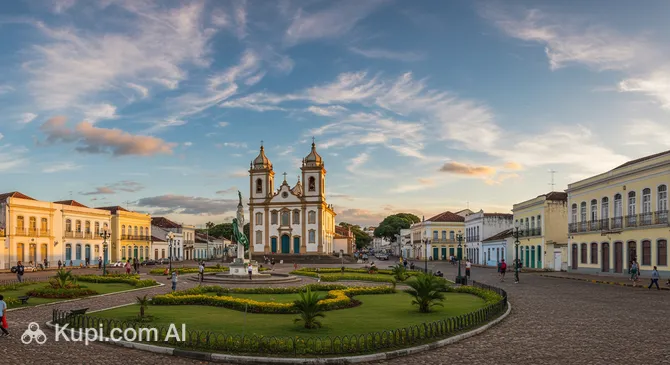
Santa Maria. Source: Kupi.Binoculars

With a population of approximately 243,000 residents, Santa Maria balances the amenities of a large city with the charm of a close-knit community. The city is renowned for being a major university town, hosting the Federal University of Santa Maria, which infuses the streets with youthful energy and academic prestige. The local climate is typically subtropical, offering distinct seasons that transform the lush landscapes surrounding the urban area.

Travelers interested in the past can delve into the captivating history of Santa Maria, which is intricately linked to the development of the railway system and a strong military tradition. Beyond its historical roots, the city is globally famous for its paleontological sites. It sits on Triassic geological layers that have yielded some of the world's oldest dinosaur fossils, making it a fascinating destination for science enthusiasts.

Among the top attractions, the majestic Basilica of Our Lady of Medianeira stands out as a significant pilgrimage site and an architectural gem. Whether you are exploring its rich fossil heritage or enjoying the local gaucho culture, Santa Maria offers a memorable experience for every traveler. We invite you to discover the unique warmth and heritage of this central Brazilian city.
Weather Overview

Understanding the local climate is essential for planning a comfortable trip to this region of Rio Grande do Sul. The weather in Santa Maria is generally subtropical, characterized by warm summers and mild to cool winters. The city experiences distinct seasonal changes, so packing layers is often a good strategy regardless of when you visit.

Summer, particularly January, is typically the warmest time of the year, with average temperatures hovering around 25.1°C and daily highs reaching up to 30.1°C. Although the total precipitation volume is recorded as low, travelers should be prepared for frequent damp conditions, as January can have up to 13 wet days. In contrast, the winter months bring cooler air; July is generally the coldest month, with average temperatures dropping to 14.4°C and nighttime lows dipping to 9.8°C.

The transitional seasons of spring and autumn offer pleasant, moderate weather, though rainfall remains a consistent factor throughout the year with 9 to 13 wet days per month. Overall, you can expect warm summers with occasional rain and cool winters where a jacket is definitely required.

Interesting Facts

Beyond the main attractions and its reputation as a university town, Santa Maria holds many fascinating secrets that surprise even seasoned travelers. From ancient prehistoric discoveries to unique local distinctions, the city offers layers of history and culture waiting to be explored.
  • Santa Maria is widely recognized in the scientific community as the "Cradle of Dinosaurs." The region's red soil yielded the discovery of Staurikosaurus pricei, one of the first dinosaurs found in Brazil and one of the oldest in the world, dating back to the Triassic period.

  • The city holds a significant place in Brazilian educational history. The Federal University of Santa Maria was the very first federal university established in the interior of the country, outside of a state capital, marking a major shift in decentralizing higher education.

  • Due to its strategic location, Santa Maria has the second-largest concentration of military personnel in Brazil, trailing only Rio de Janeiro. This strong military presence has earned it the nickname "City of Soldiers" and deeply influences the local economy.

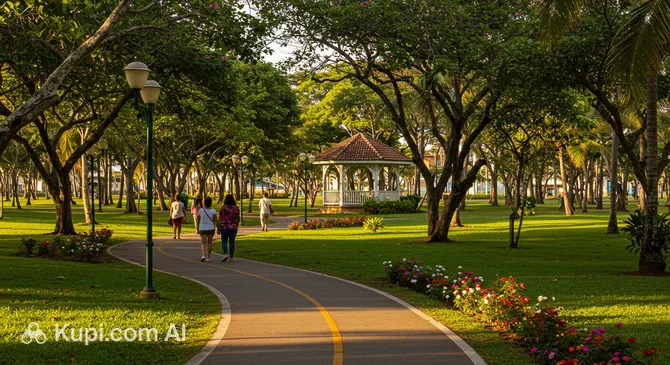
  • Locals often gather at Itaimbé Park, a well-known urban landmark that serves a unique geographical purpose. The park acts as a green corridor that physically divides the central district, offering a scenic space for leisure and large cultural events.

Itaimbé Park. Source: Kupi.Binoculars

How to Get There

Reaching this central hub in Rio Grande do Sul requires a bit of planning, as it serves as a connector for the interior region. While the city is accessible by road, most visitors arriving from afar will likely land at one of the major airports in neighboring cities and complete their journey by bus or car. You can check the detailed guide on how to get to Santa Maria for specific routes and transport options.

The most significant gateway for international and domestic travelers is the Salgado Filho International Airport (IATA: POA), located in the state capital, Porto Alegre. Although it is not in Santa Maria itself, this major hub handles a large volume of passengers and offers the widest range of flight connections. It is situated approximately 255 km away. The ground transfer from Porto Alegre to Santa Maria typically takes around 6 hours and 45 minutes by taxi or bus, offering a scenic drive through the state's countryside.

For those looking for regional alternatives, you might consider flying into Passo Fundo Airport (IATA: PFB) in the city of Passo Fundo, which is about 215 km from Santa Maria. The travel time from there is roughly 5 hours and 45 minutes. Another option is the Sepe Tiaraju airport (IATA: GEL) in Santo Angelo. It is the closest of the regional options listed, located about 160 km away, with a transfer time of approximately 4 hours and 20 minutes.

For clarity, here is a summary of the main airports serving the region:

Airport Name City Passenger Traffic Km from City
Salgado Filho International Airport Porto Alegre Large 255.5
Hugo Cantergiani Regional Airport Caxias do Sul Medium 258.5
Passo Fundo Airport Passo Fundo Medium 214.7
Pelotas Airport Pelotas Small 265.1
Sepe Tiaraju Santo Angelo Small 160.3

Main Attractions

Santa Maria offers a diverse mix of leisure, shopping, and social experiences that reflect the city's vibrant character. From expansive green spaces to bustling commercial centers, visitors have several excellent options to explore local life and unwind.

One of the most beloved spots in the city is Itaimbé Park. This extensive green area is much more than just a park; it is a central gathering place for the community. Visitors can enjoy leisurely walks along its paths, relax in the shade of trees, or attend various cultural events often held in its open spaces. Its location makes it a convenient escape from the urban rush without leaving the city center.

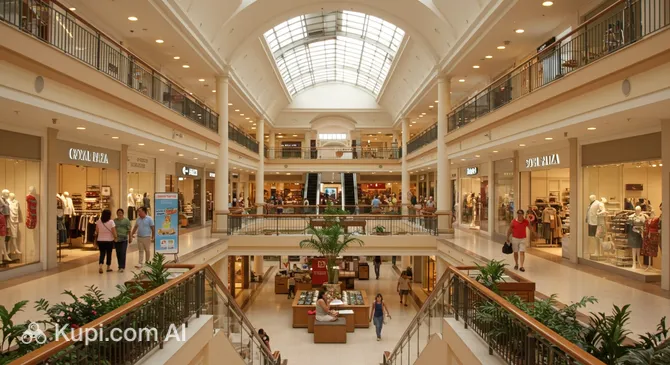
For a modern shopping and entertainment experience, Royal Plaza Shopping is a top destination. This mall offers a wide variety of retail stores, a food court with diverse dining options, and a cinema, making it a perfect spot for families or travelers looking to spend a comfortable afternoon, especially on rainy days.

Royal Plaza Shopping. Source: Kupi.Binoculars

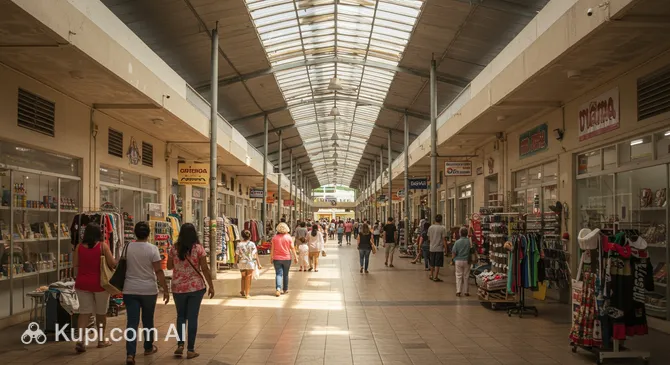
Those seeking a more bustling and trade-focused atmosphere should visit Independência Shopping (Camelódromo). This popular commercial center is known for its wide array of goods, ranging from electronics to clothing. It provides a lively environment where tourists can find great deals and observe the daily commerce of the city.

Independência Shopping (Camelódromo). Source: Kupi.Binoculars

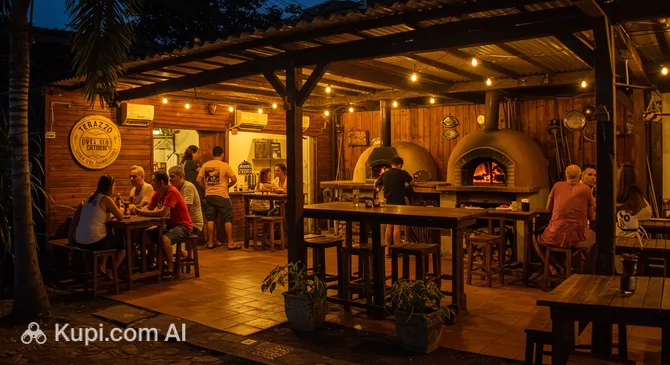
To experience the local nightlife and social scene, Terazzo Restobar is a fantastic choice. Combining the relaxed vibe of a bar with a curated menu, it is an ideal place to unwind after a day of sightseeing. The establishment is popular among locals for its inviting atmosphere and is a great spot to enjoy a drink while soaking in the energy of Santa Maria.

Terazzo Restobar. Source: Kupi.Binoculars

Local Cuisine

The culinary scene in Santa Maria is deeply rooted in the traditions of Rio Grande do Sul, offering visitors a hearty taste of authentic Gaucho culture. Meat lovers will feel right at home here, as the city is famous for its churrasco (barbecue). This isn't just a meal; it is a ritual where various cuts of meat are slow-roasted over charcoal and served in "churrascarias" (steakhouses) throughout the city, often accompanied by fresh salads, polenta, and manioc.

For a more casual but equally iconic dining experience, you must try the famous Xis. Santa Maria is renowned across the state for this massive, pressed cheeseburger-style sandwich. Unlike a standard burger, the "Xis" is typically served in a large bun around the size of a dinner plate, filled with ingredients like steak, chicken, corn, peas, egg, and cheese, then pressed until crispy. It is the ultimate local comfort food and a staple of the city's street food culture.

No gastronomic tour of the region is complete without mentioning chimarrão, a hot, caffeine-rich tea made from yerba mate. You will often see locals carrying a thermos and a gourd (cuia) in parks and public squares, sharing this bitter yet refreshing drink in a circle of friends. On the alcoholic side, the region is close to Brazil's main wine-producing valleys, so local wines are widely available, alongside refreshing cold beers that are perfect for the warm summer evenings.

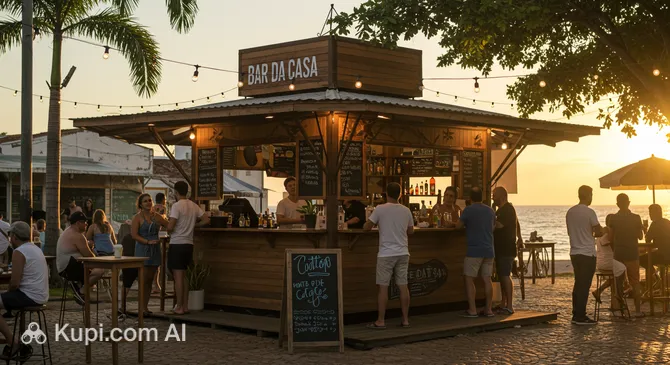
The city's status as a university hub infuses the dining scene with a youthful and vibrant energy. Pizzerias, snack bars, and pubs are plentiful, catering to students and tourists alike. For those looking to experience the local bar culture, Bar Da Casa is a welcoming spot to enjoy a drink and soak up the friendly atmosphere that defines Santa Maria's nightlife.

Bar Da Casa. Source: Kupi.Binoculars

Travel Tips

Planning a trip to Santa Maria? This guide covers the essentials to help you navigate the "Heart of Rio Grande do Sul" with ease. From packing the right gear to understanding local customs, these practical tips will ensure your visit is as enjoyable and stress-free as possible.

  1. Pack for the Season: The climate here varies significantly. If you are visiting in summer (December to March), bring light, breathable clothing and sun protection, as it gets quite hot and humid. Conversely, winters (June to August) can be damp and chilly, so a warm jacket and layers are essential. Comfortable walking shoes are recommended for exploring the city center and parks.

  2. Getting Around: Public transport is available via the municipal bus system (SIM), which covers most of the city. However, for tourists, ride-hailing apps like Uber and 99 are often the most convenient, safe, and affordable options. If you plan to visit the distant paleontological sites or neighboring towns, renting a car provides the best flexibility.

  3. Money Matters: The local currency is the Brazilian Real (BRL). Credit and debit cards are widely accepted in hotels, restaurants, and shops. It is still advisable to carry some cash for small vendors or street snacks. In restaurants, a 10% service charge is typically added to the bill, so additional tipping is optional but appreciated for exceptional service.

  4. Health and Safety: Santa Maria is generally safer than Brazil's larger metropolises, but standard travel precautions apply. Keep your valuables secure and avoid walking alone in unlit areas late at night. Pharmacies are abundant, with major chains like Panvel often open late or 24 hours to assist with minor health needs.

  5. Communication: Portuguese is the official language. While Santa Maria is a university town, English is not widely spoken outside of academic circles and high-end hotels. Downloading a translation app and learning basic phrases like "Bom dia" (Good morning) and "Obrigado" (Thank you) will be very helpful. Buying a local SIM card is recommended for reliable internet access.

  6. Local Etiquette: People in this region, known as Gauchos, are warm and hospitable. Greetings typically involve a firm handshake or, among women and close friends, a kiss on the cheek. It is polite to greet people when entering elevators or small shops. If invited to share a "chimarrão" (local tea), accept it; it is a gesture of friendship.

  7. What to Avoid: Do not drink tap water; stick to bottled or filtered water to avoid stomach issues. Culturally, be careful with hand gestures—the "OK" sign made with the thumb and index finger is considered extremely offensive in Brazil and should be avoided.

  8. Sunday Schedules: Be aware that Sunday is a quiet day in Santa Maria. Most shops and supermarkets in the city center are closed or have very limited hours. It is the perfect day to join the locals at the parks or visit a shopping mall, where the food courts and cinemas remain open.

With these tips in hand, you are fully prepared to experience the unique charm and hospitality of Santa Maria. Whether you are exploring its rich history or enjoying the local cuisine, a little preparation will go a long way in making your trip memorable.

Entertainment & Nightlife

Entertainment and Nightlife:

Santa Maria boasts a spirited nightlife scene, largely fueled by its status as a major university hub. The presence of thousands of students infuses the city with a youthful energy, ensuring that the evenings are just as vibrant as the days. The nightlife here is diverse, ranging from laid-back pubs and gastrobars to energetic nightclubs, catering to both the academic crowd and visitors seeking a memorable night out.

The city center, particularly around the "Calçadão" (pedestrian mall) and the main avenues like Avenida Presidente Vargas, is where much of the action takes place. For those looking to start the evening with excellent food and drinks in a refined atmosphere, Terazzo Restobar is a popular destination. It offers a perfect blend of dining and socializing, making it ideal for a relaxed start to the night. Later on, the crowd often shifts to livelier venues. Bar Da Casa is a local favorite known for its eclectic music, friendly vibe, and diverse drink menu, capturing the essence of the city's social culture.

The atmosphere in Santa Maria is generally casual and welcoming. There is rarely a strict dress code for bars and pubs; jeans and a nice top are standard for almost any venue. While happy hours often start around 6:00 PM, the real nightlife kicks off later, with bars filling up around 10:00 PM and clubs peaking after midnight. Prices are relatively affordable compared to larger Brazilian capitals, thanks to the student-driven economy.

For daytime and early evening cultural entertainment, the city offers several enriching options. The majestic Theatro Treze de Maio is a cultural landmark located on the main square, frequently hosting plays, concerts, and dance performances. Museums and shopping centers, such as the Royal Plaza Shopping, also provide ample leisure activities before the sun goes down.

Safety is an important consideration for night owls. While the main entertainment districts are generally safe and populated, it is advisable to avoid walking alone in quiet or poorly lit areas late at night. The most reliable way to get around after dark is by using ride-hailing apps like Uber or 99, or by calling a registered radio taxi. This ensures a secure and convenient return to your accommodation after enjoying the vibrant nights of Santa Maria.

Parks & Museums

Santa Maria offers a fascinating blend of academic vibrancy and historical preservation, evident in its diverse collection of green spaces and cultural institutions. As a university city with a rich railway heritage, the destination invites travelers to explore everything from ancient fossil records to tranquil botanical gardens.

For those seeking fresh air and relaxation, Itaimbé Park is the city's most prominent outdoor venue. Serving as a "green lung" in the heart of the urban area, it features walking paths, sports courts, and ample space for community gatherings. Another significant natural retreat is the Jardim Botânico da UFSM (UFSM Botanical Garden). Located on the university campus, this 13-hectare sanctuary is dedicated to the conservation of native flora from Rio Grande do Sul, offering a peaceful environment for educational walks and connecting with nature.

The city's museums provide a deep dive into its unique identity. The Museu Educativo Gama D'Eça is a highlight for science and history enthusiasts. Housed in a beautiful building dating back to 1913 on Rua do Acampamento, it is famous for its paleontological collection, which includes fossils of the Staurikosaurus pricei, one of the oldest dinosaurs ever discovered. For art lovers, the Museu de Arte de Santa Maria (MASM) showcases a diverse collection of visual arts, emphasizing the works of local and regional artists, often reflecting the city's cultural evolution.

History buffs should not miss the Vila Belga, a historic district that functions as an open-air architectural landmark. Built in the early 20th century to house railway employees, this neighborhood features over 80 charming houses with European influences. It stands as a testament to the city's "golden age" of rail transport and remains one of the most photogenic spots in town.

For an authentic local experience, try to visit Vila Belga on the first or third Sunday of the month. The streets come alive with the "Brique da Vila Belga," a lively street market where artisans, musicians, and food vendors gather, offering a perfect opportunity to mingle with residents and buy unique handmade souvenirs.

Getting Around

The public transport system in Santa Maria is primarily based on a comprehensive network of municipal buses, which serves as the main mode of commuting for locals and students. There is no metro, tram, or train service for passenger transport within the city. The bus system is managed by the Integrated Municipal System (SIM) and connects the city center to various residential neighborhoods and the bustling university campus. For tourists, the buses are a reliable and affordable way to navigate the city, especially if you are heading to the main commercial districts or the Federal University.

Payment for bus fares has been modernized to prioritize electronic ticketing, though cash is still accepted on board in many cases. The standard fare is paid using the SIM card, a rechargeable smart card used by residents. For visitors planning a short stay, paying with cash directly to the conductor or driver is often the most practical option. The fare is affordable, typically costing around 5 BRL per ride. It is advisable to carry small change, as drivers may not have change for large bills.

For those who prefer more comfort or direct routes, alternatives to public buses are widely available and popular. Ride-hailing apps like Uber and 99 operate extensively throughout Santa Maria, offering a safe and often inexpensive way to get around, particularly at night or when carrying luggage. Traditional taxis are also easy to find at designated stands near the bus station, hospitals, and major squares. They use a taximeter, and while slightly more expensive than apps, they provide a reliable service with knowledgeable local drivers.

A specific feature of Santa Maria's transport network is the high frequency of lines heading to the "Camobi" neighborhood and the Federal University (UFSM). Since the city is a major educational hub, the "Universidade" bus lines are the busiest and most frequent, often running late into the evening to accommodate students. If you are visiting the botanical garden or the planetarium on campus, these blue or green-labeled buses are your best connection.

Practical advice for using the system includes checking operating hours carefully. Buses typically run from 6:00 AM to midnight, but the frequency drops significantly on weekends and holidays. On Sundays, service is reduced, so planning your return trip in advance is wise. To find routes and real-time schedules, you can use general navigation apps like Moovit or download the local Urmob or Buzee apps, which are specifically designed to track bus lines in the city. Always signal clearly to the driver when you are at a bus stop, as buses do not stop automatically unless hailed.

Accommodation

Finding a place to stay in Santa Maria is generally a straightforward experience, reflecting the city's role as an educational and regional service hub. The accommodation landscape is dominated by mid-range business hotels and functional family-run establishments. Since the city is not a traditional luxury resort destination, you will not find many five-star resorts; instead, the focus is on comfort, practicality, and warm Gaucho hospitality. There is also a good selection of budget-friendly hostels and "pousadas" (guesthouses), catering largely to the transient student population and visiting professionals.

When choosing where to stay, location is the most critical factor. The City Center (Centro) is the most convenient area for the majority of tourists. Staying here places you within walking distance of the main pedestrian mall (Calçadão), historical buildings, and a wide array of restaurants and shops. It is also where the main transport links are located, making it easy to navigate the region. For those visiting specifically for academic purposes or events at the Federal University, the Camobi neighborhood is the best alternative. Located about 10 kilometers from the center, Camobi is practically a city within a city, offering its own hotel infrastructure closer to the campus and the airport.

Accommodation prices in Santa Maria are typically quite reasonable compared to the state capital or coastal tourist towns. Travelers can expect budget to mid-range pricing for most standard rooms. While walk-ins are possible, booking in advance is highly recommended, especially during specific times of the year. The city fills up quickly during major university events, such as entrance exams (vestibular) and graduation ceremonies, as well as during the massive Romaria da Medianeira pilgrimage in November. Most establishments are listed on major international booking platforms, ensuring a secure and easy reservation process.

Nearby Cities

For those looking to explore the surroundings, Santa Maria serves as an excellent base for day trips to several interesting nearby locations:

One of the most notable destinations is Cachoeira do Sul, often referred to as the "National Capital of Rice." Beyond its agricultural importance, the city boasts impressive historical architecture, including the iconic Château d'Eau and the Ponte de Pedra, offering visitors a look into the region's prosperous past. It is an ideal spot for those interested in colonial heritage and scenic river views.

Another fascinating option is São Gabriel, a city deeply rooted in the history of Rio Grande do Sul. Known as the "Land of the Marshals," it was the stage for significant historical battles and is a custodian of authentic Gaucho traditions. The city offers museums and monuments that narrate the turbulent and rich history of the borderlands, making it a compelling visit for history enthusiasts.

Travelers may also enjoy a trip to Cruz Alta, the birthplace of the celebrated Brazilian writer Érico Veríssimo. The city preserves the house where he was born, now a museum dedicated to his life and work. With its well-preserved old mansions and cultural atmosphere, Cruz Alta provides a charming setting for a cultural day trip.

City Population Distance (km)
Cachoeira do Sul 85,712 95
Cruz Alta 62,821 117
Sao Gabriel 60,425 88
Santiago 50,635 118
Rosário do Sul 39,314 125

These nearby destinations offer a glimpse into the diverse culture and landscapes of the region.

Shopping & Souvenirs

Shopping in Santa Maria offers a convenient mix of modern retail centers and lively street commerce, catering to both everyday needs and those looking for special local souvenirs. The city serves as a commercial hub for the central region of Rio Grande do Sul, meaning visitors can find everything from major national brands to unique regional handicrafts.

For a comfortable and comprehensive retail experience, the city's malls are the primary destinations. Royal Plaza Shopping is a well-established favorite located close to the city center. It features a solid selection of fashion stores, a cinema, and a food court, making it a perfect stop for a relaxing afternoon or a break from sightseeing. Another key spot for those hunting for bargains is Independência Shopping (Camelódromo). This bustling commercial center is packed with small stalls offering electronics, accessories, and imported goods at competitive prices, providing a more fast-paced and trade-focused atmosphere.

For a more traditional vibe, take a walk down the Calçadão Salvador Isaia. This pedestrian-only street in the heart of downtown is lined with department stores, boutiques, and cafes. It represents the pulse of the city's daily life and is a great place to window shop while observing the local routine. The surrounding streets in the Centro district are also filled with shops selling clothing, shoes, and household items.

Visitors looking to take a piece of Gaucho culture home should explore shops specializing in traditional items. The region is famous for its high-quality leather goods, such as boots and belts, as well as warm wool ponchos ideal for the winter months. You will also find many places selling chimarrão kits, including the "cuia" (gourd) and "bomba" (metal straw). These iconic items are central to the local lifestyle and make for authentic, meaningful gifts that capture the spirit of Santa Maria.

Reached the end of the page?

That means the route is fully explored