Support

Pelotas

About

Pelotas is a captivating destination located in the southern state of Rio Grande do Sul, often affectionately known as the "Princess of the South." Situated near the Lagoa dos Patos, the largest lagoon in South America, this city serves as a significant cultural and economic hub in Brazil. With a population of over 320,000 inhabitants, Pelotas offers a unique blend of urban energy and a relaxed, welcoming atmosphere that reflects the hospitality of the Gaúcho culture.

The city boasts a distinguished past, having flourished in the 19th century due to the production of charque (dried meat). This economic boom funded the construction of grand neoclassical mansions and public buildings that still adorn the city center today. Visitors can delve deeper into this affluent era by exploring the history of Pelotas, which is beautifully preserved in its architecture and local museums.
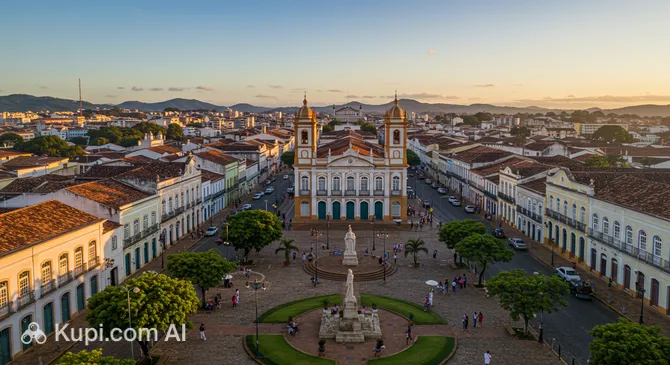
Pelotas. Source: Kupi.Binoculars

Beyond its historical buildings, Pelotas is famous for its exquisite confectionery tradition. The city is renowned as the "National Capital of Sweets," and its traditional desserts are recognized as part of the country's intangible cultural heritage. Travelers flock to the city to taste these treats, especially during the annual Fenadoce festival. Other must-see attractions include the historic Public Market, which remains a vibrant meeting place, and the imposing Guarany Theatre.

Whether you are strolling through the charming streets of the historic center or enjoying the breeze near the Laranjal beaches, Pelotas promises a memorable experience. It is a perfect destination for those who appreciate rich history, stunning architecture, and, of course, world-class sweets.
Weather Overview

Pelotas experiences distinct seasons, offering a variety of atmospheric conditions for travelers. The summer months, particularly from December to February, are generally warm with average temperatures hovering around 23°C to 25°C, while daytime highs often reach nearly 29°C in January. This is a lively time to visit, although travelers should be prepared for frequent showers, as January typically sees about 14 wet days.

In contrast, the winter season from June to August brings cooler air to the region, distinguishing it from the tropical climates found further north. During this period, average temperatures dip to between 13°C and 15°C, with nighttime lows occasionally falling below 10°C in July. For a more detailed breakdown of what to expect during your specific travel dates, you can check the weather in Pelotas. Rainfall remains fairly consistent throughout the year, generally featuring between 9 and 14 wet days per month, so packing layers and a raincoat is advisable regardless of the season.

Interesting Facts

Beyond the main attractions, Pelotas holds many fascinating secrets that reveal the depth of its aristocratic past and cultural quirks. Digging deeper into the city's history uncovers specific details about its traditions and architecture that often escape the casual visitor.
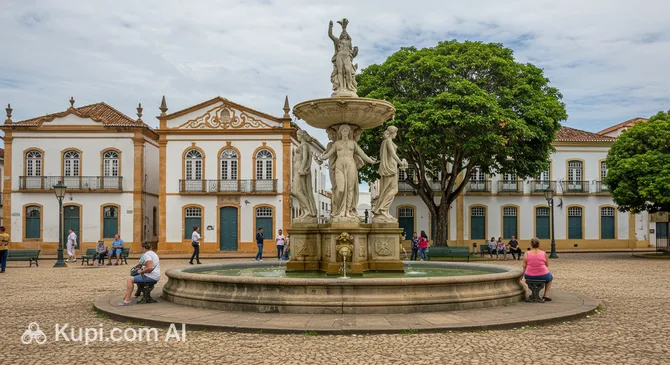
Fountain of the Three Graces. Source: Kupi.Binoculars
  • The city's famous confectionery tradition has a practical and surprising origin rooted in the 19th-century charque (dried meat) industry. Wealthy families and convents used vast amounts of egg whites to starch clothes and clarify wine, resulting in a surplus of egg yolks that were creatively transformed into the golden, egg-based Pelotas Sweets known today.

  • Pelotas possesses a remarkable collection of cast-iron architecture imported directly from France during the Victorian era. A standout example is the Fountain of the Three Graces, installed in 1873, which features intricate industrial art that symbolizes the city's desire to emulate European modernity.

  • The Baroness Museum is set within a park that offers more than just history; it preserves one of the few remaining 19th-century romantic gardens in Brazil. The grounds, known as the Solar da Baronesa, were meticulously designed to mimic English landscaping trends, complete with artificial caves, lakes, and exotic plant species.

  • The city hosts one of the most intense football rivalries in the state, known as the "Bra-Pel" derby. The clash between the local teams, Grêmio Esportivo Brasil and Esporte Clube Pelotas, is so culturally significant that it transcends mere sport, dividing the city into passionate factions whenever a match takes place.

How to Get There

Reaching this southern destination is relatively straightforward, with options ranging from direct regional flights to scenic drives from the state capital. For a detailed breakdown of routes and tips, you can read more about how to get to Pelotas. The city is well-connected by road and air, making it accessible for both domestic and international travelers exploring Rio Grande do Sul.

The most direct entry point is Pelotas Airport (PET), which is conveniently situated just 5.7 km from the city center. This is a regional facility with an annual passenger traffic of approximately 100,000 people, offering a quick and easy arrival experience. The commute from the terminal to downtown hotels is short, typically taking about 20 to 30 minutes by taxi or car.

Alternatively, many visitors choose to fly into Salgado Filho International Airport (POA). It is important to note that this airport is not in Pelotas but in the city of Porto Alegre, which is about 226 km away. As a major hub handling over 7 million passengers annually, this facility offers a much wider variety of flight connections. From there, travelers can rent a car or take a comfortable intercity bus to Pelotas, a journey that generally takes around 3 to 4 hours.

For clarity, here is a summary of the main airports:

Airport Name City Passenger Traffic Km from City
Salgado Filho International Airport Porto Alegre Large 225.9
Pelotas Airport Pelotas Small 5.7

Regarding rail transport, Pelotas does not currently have an active passenger railway station connecting it to other major cities. The primary mode of ground transportation is the road network. Tourists arriving from other parts of Brazil usually rely on the efficient long-distance bus system or private vehicles to reach the city.

Main Attractions

Pelotas is a city that wears its history on its sleeve, offering visitors a chance to step back in time through its well-preserved architecture and public spaces. The city center is a veritable open-air museum, where the wealth of the 19th-century dried meat barons is reflected in the grand facades and meticulously designed urban planning.

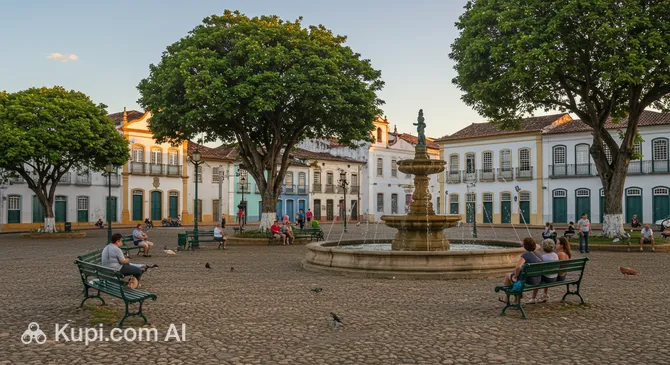
A perfect starting point for any tour is the Coronel Pedro Osório Square. This expansive central plaza serves as the heart of the city and is surrounded by some of Pelotas' most significant historical buildings. It is a favorite spot for locals to gather, drink chimarrão, and enjoy the shade of ancient trees. The square is not just a park but a historical landmark that anchors the architectural ensemble of the city.

Coronel Pedro Osório Square. Source: Kupi.Binoculars

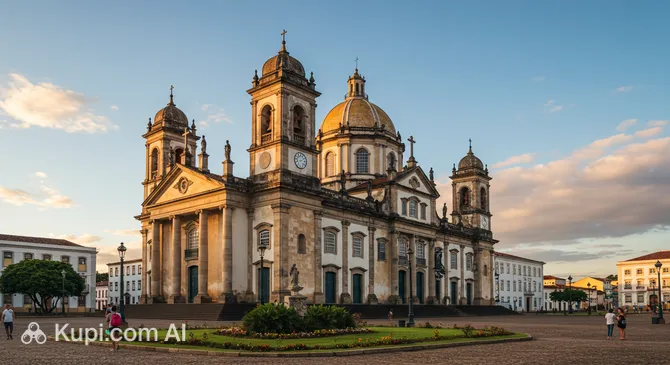
Just a short walk from the main square, you will find the Metropolitan Cathedral of Saint Francis of Paola. This religious edifice is a masterpiece of art and faith, renowned for its breathtaking interior. The cathedral is particularly famous for housing frescoes painted by the celebrated Italian artist Aldo Locatelli, which adorn the walls and ceiling, making it a must-visit for art lovers and spiritual seekers alike.

Metropolitan Cathedral of Saint Francis of Paola. Source: Kupi.Binoculars

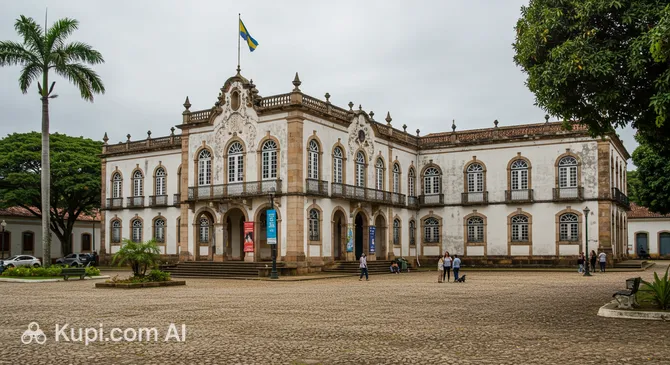
To truly understand the aristocratic lifestyle that shaped the region, a visit to the Baroness Museum is essential. Housed in a magnificent manor from 1863, the museum displays a rich collection of furniture, clothing, and personal artifacts that belonged to the grand families of the era. Walking through its rooms offers an intimate glimpse into the domestic life and opulence of the "Charque Cycle" aristocracy.

Baroness Museum. Source: Kupi.Binoculars

Another exquisite example of the city's European influence is the Fountain of the Nereids. Like its counterpart, the Fountain of the Three Graces, this structure is a piece of imported French ironwork that highlights the city's desire for modernization in the late 19th century. Located in a charming public space, it features mythological figures and serves as a beautiful backdrop for photographs.

Local Cuisine

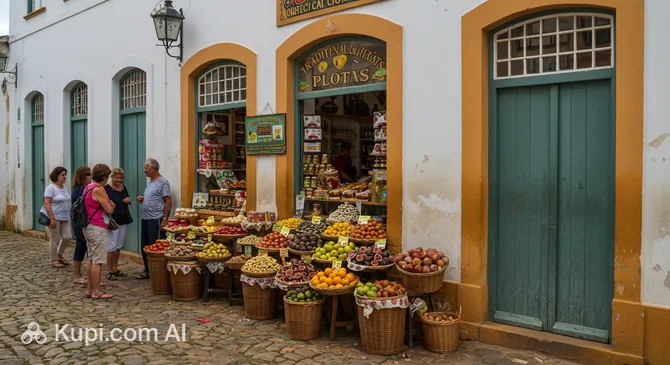
The culinary identity of this southern Brazilian city is inextricably linked to its prestigious title as the "National Capital of Sweets." The local confectionery tradition is so significant that it has been recognized as part of Brazil's intangible cultural heritage. Visitors cannot leave without trying the famous Pelotas Sweets, which are deeply rooted in Portuguese egg-based recipes. Delicacies such as quindim (a glossy yellow custard), fios de ovos (egg threads), and camafeu (walnut fondant) are displayed like jewels in specialized shops throughout the city.

Pelotas Sweets. Source: Kupi.Binoculars

While sugar takes center stage, the savory side of the local diet is equally robust, reflecting the strong Gaúcho heritage of Rio Grande do Sul. The star of the table is undoubtedly churrasco, the traditional barbecue featuring high-quality cuts of meat grilled over an open flame. Another staple is arroz de carreteiro, a hearty dish made with rice and charque (dried salted meat), which honors the region's history as a major producer of dried meat in the 19th century.

When it comes to beverages, the most iconic drink is chimarrão, a hot, caffeine-rich infusion of yerba mate herbs. It is traditionally shared among friends and family in a hollow gourd with a metal straw, serving as a symbol of hospitality and social bonding. For those seeking evening refreshments, the city also offers a growing selection of local craft beers and wines, benefiting from the state's renowned viticulture.

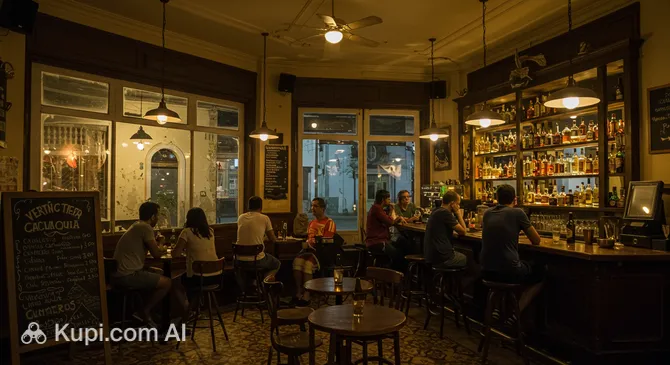
The dining scene in Pelotas offers a mix of traditional steakhouses and vibrant modern establishments. For a casual meal with a contemporary twist, Los Chapas Burger House is a popular spot among locals for high-quality burgers. If you are looking for a lively atmosphere to enjoy drinks and appetizers, Madre Mia! provides a spirited setting to experience the city's nightlife and social culture.

Madre Mia!. Source: Kupi.Binoculars

Travel Tips

Welcome to Pelotas! To ensure your visit to this charming southern city is as smooth and enjoyable as possible, we have compiled a set of essential guidelines. Whether you are here to explore the grand 19th-century architecture or to indulge in the famous local sweets, these practical tips will help you navigate the city with confidence and ease.

  1. Clothing and Gear: Packing for Pelotas depends heavily on when you visit. The city has distinct seasons; summers (December to March) are hot and humid, requiring light, breathable fabrics, while winters (June to September) can be surprisingly cold and damp, so a warm coat and layers are essential. Since the historic center features many charming but uneven cobblestone streets, bring comfortable walking shoes to explore without discomfort.
  2. Transportation: The most convenient way to get around the city is by using ride-hailing apps like Uber or 99, which are widely available, safe, and affordable. Public buses cover most areas, but routes can be confusing for non-locals. If you plan to visit the Laranjal beaches or neighboring towns, renting a car provides the best flexibility.
  3. Finances: The local currency is the Brazilian Real (BRL). Credit and debit cards are accepted almost everywhere, including most restaurants and shops. However, it is wise to carry some cash for small purchases at street markets or for public transport. Tipping is customary in restaurants, where a 10% service charge is usually added to the bill.
  4. Health and Safety: Pelotas is generally safer than Brazil's larger metropolitan areas, but standard precautions apply. Avoid walking alone in poorly lit areas at night and keep valuables discreet. Pharmacies are plentiful, with major chains like Panvel or São João often having 24-hour branches. For emergencies, the public ambulance service number is 192, though having travel insurance for private care is highly recommended.
  5. Communication: The official language is Portuguese, and English is not widely spoken outside of major hotels and tourist agencies. It is helpful to learn a few basic phrases like "Bom dia" (Good morning) and "Obrigado" (Thank you). To stay connected, you can easily purchase a prepaid SIM card from carriers like Vivo, TIM, or Claro at local newsstands or pharmacies with your passport.
  6. Local Etiquette: The people of Rio Grande do Sul, known as Gaúchos, are hospitable and polite. Greetings often involve a firm handshake or a kiss on the cheek for women. If you are invited to share a chimarrão (the local mate tea), accept it as a gesture of friendship. Drink it all before passing it back, and never touch the metal straw (bomba) with your hands.
  7. What to Avoid: Do not stir the chimarrão or complain about its temperature; this is considered extremely rude in local culture. Additionally, be mindful of the intense local football rivalry between the Brasil and Pelotas teams; avoid wearing jerseys of rival teams in the wrong neighborhoods to prevent unwanted attention.
  8. Sweet Tip: When buying the famous traditional sweets, look for the "Selo de Autenticidade" (Seal of Authenticity). This certification guarantees that the treats, such as Quindim or Camafeu, were made according to the traditional recipes protected as national cultural heritage.

By keeping these tips in mind, you will be well-prepared to experience the best of Pelotas. Embrace the local culture, taste the exquisite confectionery, and enjoy the unique blend of history and hospitality that makes this city a standout destination in Brazil.

Entertainment & Nightlife

As a vibrant university city, Pelotas offers a spirited nightlife scene that caters to a diverse crowd, ranging from students to locals seeking a relaxed evening out. The city's energy shifts noticeably after sunset, particularly from Thursday to Saturday, when the streets near the universities and the historic center fill with music and conversation. The atmosphere is generally casual and welcoming, reflecting the friendly nature of the Gaúcho culture, where jeans and a nice top are suitable for almost any venue.

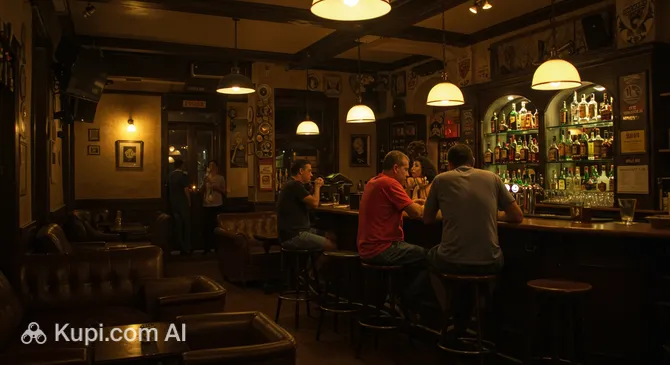
For those who enjoy a classic pub environment with a wide selection of drinks, Johnnie Jack is a standout choice. This establishment is well-regarded for its variety of craft beers and thematic decor, often featuring rock and pop music that sets a lively yet comfortable tone for socializing. It is an excellent place to start the night or to spend a few hours catching up with friends in a setting that feels both local and cosmopolitan.

Johnnie Jack. Source: Kupi.Binoculars

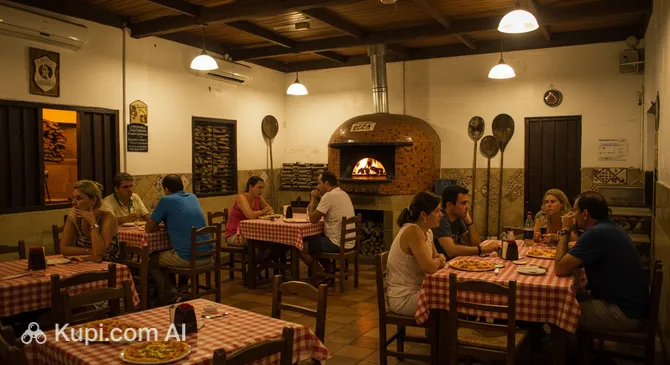
Dining late is also part of the evening entertainment culture here. Visitors looking for a hearty meal to fuel their night can head to Premium Pizzeria. Known for its extensive menu and inviting ambiance, it is a popular spot for families and groups of friends to gather before heading out to bars or clubs. The venue typically stays busy well into the evening, offering a taste of the local social life centered around good food.

Premium Pizzeria. Source: Kupi.Binoculars

The nightlife hubs are often concentrated around Rua Gonçalves Chaves and the surrounding blocks in the city center, where you can find a cluster of bars and dance clubs. The "Porto" area, near the old port and universities, has also emerged as a cultural hotspot, often hosting alternative parties and outdoor events. When navigating the city at night, it is advisable to use ride-sharing apps or call a taxi rather than walking long distances, especially in quieter neighborhoods. Prices are generally affordable compared to larger Brazilian capitals, making a night out in Pelotas quite budget-friendly.

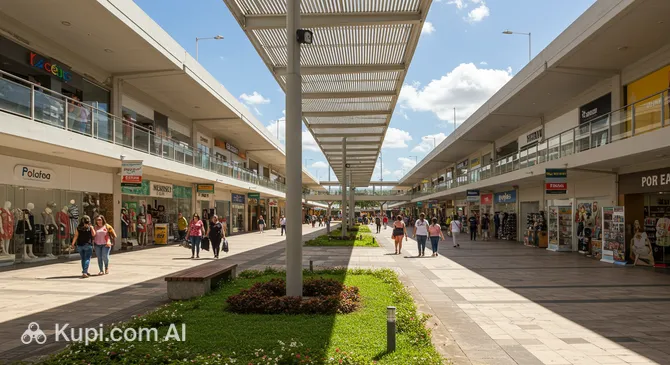
For daytime entertainment or a more low-key evening, the city offers modern leisure facilities. The Pelotas Shopping Mall is a major center for recreation, housing a cinema complex, a food court, and various retail stores. It serves as a safe and convenient option for families or travelers looking to relax, watch a movie, or enjoy indoor activities away from the elements.

Pelotas Shopping Mall. Source: Kupi.Binoculars

Beyond the malls and bars, daytime visitors can enjoy the city's cultural offerings, such as the Guarany Theatre, which occasionally hosts plays and concerts. The blend of historical sightseeing during the day and the lively, youth-driven energy at night ensures that there is always something to do in this charming southern city.

Parks & Museums

Pelotas offers a variety of cultural institutions and green spaces that allow visitors to deepen their understanding of the region's heritage while enjoying the outdoors. Beyond the well-known historic mansions, the city is home to the Museu do Charque, located on the banks of the São Gonçalo Channel. This museum is essential for understanding the economic foundation of Pelotas, as it is set in an old salt-curing plant and details the history of the dried meat industry that brought immense wealth to the area in the 19th century.

For art enthusiasts, the Leopoldo Gotuzzo Art Museum (MALG) is a cultural highlight. Affiliated with the Federal University of Pelotas, this institution preserves and exhibits the works of the renowned local painter Leopoldo Gotuzzo, alongside various temporary exhibitions of contemporary art. It serves as a vibrant center for the visual arts, offering a distinct cultural experience from the historical narrative of the city's aristocracy.

Nature lovers will find a peaceful retreat at the Parque da Baronesa, the expansive grounds surrounding the Baroness Museum. Covering approximately seven hectares, this park is one of the city's most beloved green areas. It features elements of a 19th-century romantic garden, including winding paths, native vegetation, and ornamental lakes, making it a perfect spot for leisurely walks, picnics, and escaping the urban bustle.

Another key destination for outdoor recreation is the Laranjal neighborhood, situated on the shores of the Lagoa dos Patos. While technically a beach district, its long boardwalk and sandy shores function as the city's largest open-air park. It is the preferred gathering spot for locals to drink chimarrão, exercise, or simply watch the sunset over the lagoon, offering a refreshing breeze and a relaxed atmosphere.

Getting Around

The public transport system in Pelotas relies primarily on an extensive network of urban buses, as the city does not have a metro or tram system. The bus fleet connects the city center to various neighborhoods, universities, and the popular Laranjal beach district. The system is managed by a consortium known as CTCP (Consórcio do Transporte Coletivo de Pelotas), which ensures that vehicles are generally standardized and recognizable. For most tourists, the central hub for catching a bus is the Terminal Urbano, located near the city center, where lines from different regions converge.

Regarding payment, the system uses an electronic ticketing card called the PraTi card. While local residents use rechargeable versions, visitors can typically pay with cash directly on board. When paying with cash, you hand the money to the conductor (cobrador) seated near the turnstile. The fare is approximately 5.00 BRL per ride. It is highly advisable to carry small bills and coins, as conductors may not have change for large denominations. Some buses may accept debit cards, but cash remains the most reliable option for short-term visitors without a travel card.

For a smooth experience, tourists should be aware of a few practical details. Buses in Pelotas generally operate from around 6:00 AM until midnight, with reduced frequency on weekends and holidays. To catch a bus at a street stop, you must signal the driver by raising your hand; otherwise, they may not stop. Boarding takes place through the front door, and you exit through the rear. If you are unsure about your stop, it is helpful to have your destination written down or shown on a map app to ask the conductor for assistance.

If you prefer more comfort or are traveling late at night, ride-hailing apps are a very popular and affordable alternative in Pelotas. Services like Uber and 99 are widely available, offer upfront pricing, and overcome the language barrier since you input your destination digitally. Traditional taxis are also available, particularly at designated stands near the bus terminal, shopping malls, and the airport, running on a taximeter system.

Pelotas is known for its flat terrain, making it conducive to cycling, especially in leisure areas like the Laranjal beachfront which features dedicated bike paths. While there isn't a massive public bike-sharing scheme comparable to major capitals, bike rentals can be found near the beach during the summer season. Walking is also a viable option for exploring the historic center, as many major attractions are clustered around the main square.

Accommodation

Finding accommodation in Pelotas is a generally hassle-free experience, with a selection that suits various budgets and travel styles. The city offers a mix of practical business hotels, charming local inns known as pousadas, and economical hostels. While travelers may not find ultra-luxury international resorts here, the local hospitality is renowned for being warm and welcoming, deeply rooted in the traditional Gaúcho culture. Most establishments provide comfortable and clean facilities, serving as a pleasant base for exploring the southern region of Brazil.

For visitors who prioritize convenience and want to be close to the main attractions, the Historic Center is the ideal location. Staying near the central plaza allows for easy walking access to major landmarks, museums, and the celebrated traditional confectionery shops. This district immerses guests in the city's rich architectural heritage, surrounded by 19th-century buildings. There are several reliable mid-range hotels situated along major avenues like Avenida Bento Gonçalves, offering modern amenities and quick access to transport links.

Alternatively, travelers looking for a more scenic and relaxed environment might prefer the Laranjal district. Situated on the banks of the Lagoa dos Patos, this area is approximately 15 minutes by car from the downtown core. It becomes particularly vibrant during the summer months when the freshwater beaches attract locals and tourists alike. Accommodation in this area often consists of vacation rentals, guesthouses, and smaller hotels with a resort-like atmosphere, though staying here usually requires renting a car or using ride-sharing apps to reach the historical sites in the city center.

It is important to note that while room availability is generally good throughout the year, the city sees a significant spike in visitors during the annual Fenadoce (National Sweet Fair). This major event typically takes place between late May and June, drawing crowds from all over the country. During this period, hotels can fill up weeks in advance, and prices may increase slightly. Therefore, if your trip coincides with this festival, securing your reservation well ahead of time is highly recommended.

In terms of affordability, Pelotas offers excellent value for money, especially when compared to major Brazilian tourist hubs like Rio de Janeiro or São Paulo. Visitors can expect reasonable rates for both budget-friendly options and more comfortable suites suitable for families or business travelers. Reservations can be easily managed through major international online booking platforms, although some smaller, family-run guesthouses may also welcome direct inquiries via phone or social media channels.

Nearby Cities

For those looking to explore the surroundings, Pelotas serves as an excellent base for day trips to several interesting nearby locations. The region offers a mix of coastal landscapes, historical towns, and rural charm, allowing visitors to experience the broader culture of Rio Grande do Sul.

One of the most popular destinations is Rio Grande, located just a short drive south. As the oldest city in the state, it boasts a rich maritime history and serves as a major port hub. Visitors can explore its colonial architecture and museums, but the main attraction is undoubtedly Cassino Beach. Often cited as the longest uninterrupted sandy beach in the world, it is a unique spot where cars are allowed to drive along the hard-packed sand, offering a distinct seaside experience.

Another delightful option is São Lourenço do Sul, situated on the western shore of the Lagoa dos Patos. This town is renowned for its strong German heritage, which is visible in its architecture and local cuisine. It offers a more tranquil atmosphere compared to the ocean coast, with calm freshwater beaches that are perfect for swimming and relaxing. It is an ideal spot for those seeking a peaceful retreat and a taste of the local colonial history.

City Population Distance (km)
Rio Grande 197228 37
Bagé 116794 175
Camaquã 62764 114
Cangucu 53259 53
Sao Lourenco do Sul 43111 56

These nearby destinations offer a glimpse into the diverse culture and landscapes of the region, ranging from bustling port cities to serene lagoon retreats.

Shopping & Souvenirs

Shopping in Pelotas offers a delightful mix of modern convenience and historical charm. The city provides a range of options, from bustling pedestrian streets lined with traditional shops to contemporary shopping centers. While it may not be a massive fashion capital, visitors will find everything they need, along with unique local products that reflect the rich culture of Rio Grande do Sul.

The heart of the city's retail activity is the "Calçadão," a pedestrian-friendly zone located primarily along Rua Andrade Neves in the historic center. This vibrant area is perfect for a leisurely walk, allowing tourists to browse through clothing stores, shoe shops, and local boutiques while admiring the surrounding historic architecture. It is a lively spot where locals gather, offering a genuine glimpse into the daily life of the city.

For those seeking a more modern and comprehensive shopping experience, the Pelotas Shopping Mall is the premier destination. Located on Avenida Ferreira Viana, this large complex features a wide variety of national retail brands, a cinema, and a diverse food court, making it an excellent choice for families or those looking for familiar conveniences.

Another notable spot is the Pop Center Pelotas, a popular commercial hub known for its vast array of affordable goods. It is a bustling market-style center where visitors can find electronics, clothing, accessories, and crafts at competitive prices. It is a great place to hunt for bargains and experience a different side of the local commerce.

Pop Center Pelotas. Source: Kupi.Binoculars

No shopping trip to Pelotas is complete without visiting the historic Central Market (Mercado Central). Housed in a beautiful 19th-century building, this market is not just a place to buy goods but a cultural landmark. Here, you can find artisanal crafts, leather goods, and regional food products. It is the perfect setting to purchase high-quality items that represent the Gaúcho tradition.

When it comes to souvenirs, the city's most famous export is undoubtedly the traditional Pelotas Sweets. Bringing home a box of doces finos like quindim or camafeu is a must for any visitor. Additionally, items related to the chimarrão culture, such as handcrafted gourds (cuias) and metal straws (bombas), make for authentic and lasting keepsakes. Leather products, including belts and boots, are also widely available and renowned for their quality.

Store opening hours in Pelotas generally follow the standard Brazilian schedule. Street shops typically open from 9:00 AM to 7:00 PM on weekdays and until 1:00 PM on Saturdays, while shopping malls operate from 10:00 AM to 10:00 PM daily, including Sundays. Credit and debit cards are widely accepted throughout the city, but it is advisable to carry some cash for smaller vendors or stalls in the popular markets. Tourists should note that Brazil does not typically offer a VAT refund or tax-free system for international visitors.

Reached the end of the page?

That means the route is fully explored