Support

Porto Alegre

About

Welcome to Porto Alegre, a vibrant metropolis that serves as the capital of the state of Rio Grande do Sul. As one of the most important cultural and economic centers in southern Brazil, this city offers a unique blend of Brazilian passion and European influence, creating an atmosphere that is both cosmopolitan and welcoming.

Situated along the eastern bank of the majestic Guaíba Lake, the city is renowned for its diverse geography and distinct seasons. With a population of approximately 1.5 million residents, it feels bustling yet manageable. The city's layout embraces nature, boasting numerous parks and tree-lined streets that contribute to its reputation as one of the greenest cities in the country.

The history of Porto Alegre is deeply rooted in the traditions of the Gaúchos, the local cowboys of the pampas. This heritage is celebrated in daily life, from the traditional chimarrão (mate tea) shared in public squares to the rich culinary scene featuring world-class steakhouses known as churrascarias.
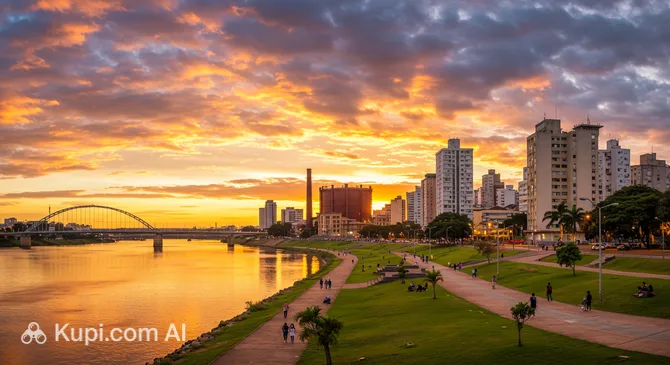
Porto Alegre. Source: Kupi.Binoculars

Visitors are often drawn to the historic Public Market, a lively hub where local flavors, spices, and crafts abound. Another highlight is the sprawling Farroupilha Park, locally known as Redenção, which is perfect for a leisurely weekend stroll or browsing antique fairs. For a truly unforgettable experience, watching the sunset over the Guaíba is a must-do activity that captures the soul of the city.

Whether you are exploring its neoclassical architecture or enjoying its vibrant nightlife, Porto Alegre welcomes travelers with open arms. It is a destination that promises authentic experiences and a warm atmosphere, making it an excellent stop on your South American journey.
Weather Overview

The climate in this southern Brazilian city is defined by four distinct seasons, a feature that sets it apart from many of the country's tropical regions. When planning your trip, it is helpful to understand the weather in Porto Alegre, as conditions can shift noticeably from the heat of summer to the crispness of winter.

Summer, which runs from December to March, brings warm temperatures and humidity. January is typically the hottest month, with an average temperature of 25.9°C and highs often reaching 30.4°C. Precipitation is quite frequent during this time, with January recording around 14 wet days, so travelers should be prepared for regular showers amidst the sunshine.

As the year progresses into winter (June to August), the city cools down significantly. July is usually the coldest month, with average temperatures dropping to 14.9°C and nighttime lows dipping to 10.5°C. While the air is cooler, rain remains a factor, with about 9 to 10 wet days per month during the winter season.

Expect warm summers with frequent rain intervals and cool, mild winters that call for extra layers.

Interesting Facts

Beyond the main attractions, Porto Alegre holds many fascinating secrets and cultural nuances that often surprise visitors. From internationally acclaimed green spaces to architectural curiosities steeped in local folklore, the city offers a layer of depth that goes well beyond the typical guidebook highlights.
  • The city is home to Rua Gonçalo de Carvalho, a street so densely lined with towering Tipuana trees that it forms a natural "green tunnel." It was the first urban street in Latin America to be declared a historical, cultural, and ecological heritage site, famously described by biologists as the "most beautiful street in the world."

  • The Mario Quintana House of Culture is housed in the former Hotel Majestic, where the renowned Brazilian poet Mario Quintana lived for many years. Visitors can still see his room, number 217, which has been preserved exactly as he left it, offering an intimate glimpse into his life and work.

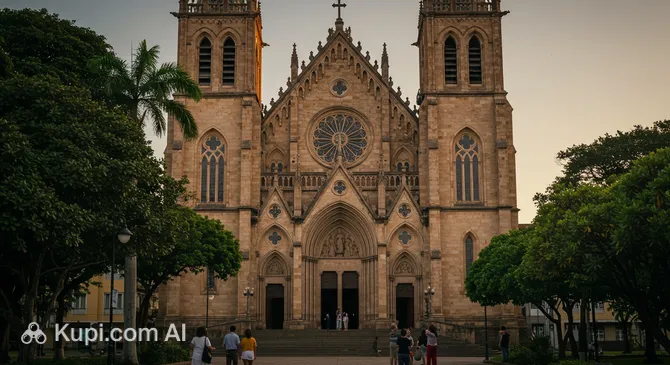
  • A lingering urban legend surrounds the Our Lady of Sorrows Basilica, the oldest church in the city. Folklore suggests that a curse delayed its completion for over a century, and the towers were only finished after the abolition of slavery, adding a layer of mystery to its majestic facade.

  • Porto Alegre hosts the oldest continuous open-air book fair in the Americas. Every year, the Porto Alegre Book Fair transforms the city center into a massive literary festival, a tradition that has been celebrated by locals and authors alike since 1955.

Our Lady of Sorrows Basilica. Source: Kupi.Binoculars

How to Get There

Reaching the capital of Rio Grande do Sul is relatively straightforward, with air travel being the most convenient method for international and distant domestic visitors. For detailed information on all transport options, you can read more about how to get to Porto Alegre to plan your journey effectively.

The primary gateway to the city is Salgado Filho International Airport (IATA: POA). It is conveniently located within Porto Alegre itself, just 5.9 km from the city center. As a major transport hub, it handles a large volume of passenger traffic annually. A trip from the terminal to downtown by taxi or car usually takes approximately 30 minutes, making it the most efficient arrival point.

Another option for travelers is Hugo Cantergiani Regional Airport (IATA: CXJ). However, it is important to note that this airport is not in Porto Alegre but in the city of Caxias do Sul, situated about 93 km away. The transfer from there to Porto Alegre requires a longer journey by road, estimated to take around 2 hours and 40 minutes.

For clarity, here is a summary of the main airports:

Airport Name City Passenger Traffic Km from City
Salgado Filho International Airport Porto Alegre Large 5.9
Hugo Cantergiani Regional Airport Caxias do Sul Medium 93.1
Passo Fundo Airport Passo Fundo Small 226.5
Humberto Bortoluzzi Jaguaruna Small 257.3
Pelotas Airport Pelotas Small 214.9

Regarding rail travel, Porto Alegre is not currently served by long-distance passenger trains. Visitors arriving by land typically do so via the extensive long-distance bus network that connects the city to other major destinations in Brazil and neighboring countries. The main bus terminal, Rodoviária de Porto Alegre, is centrally located and well-integrated with the local transport system.

Main Attractions

Porto Alegre is a city where urban life meets nature and history, offering a variety of sites that cater to different interests. From revitalized riverside promenades to architectural landmarks, the city's main attractions provide a deep dive into the local culture and lifestyle. Exploring these highlights is the best way to understand the unique spirit of the capital of Rio Grande do Sul.

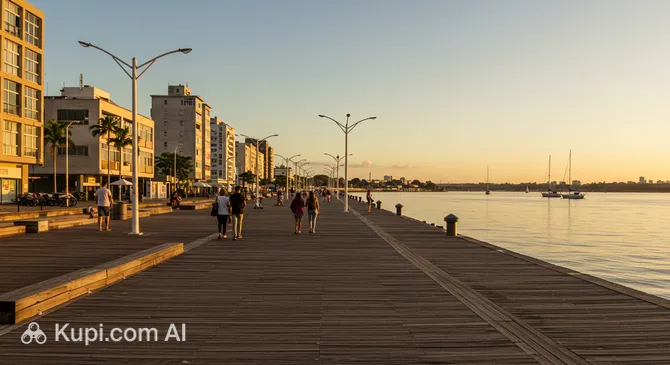
One of the most popular destinations for both locals and tourists is the Guaíba Waterfront. Recently revitalized, this scenic promenade stretches along the lake and serves as the city's premier leisure spot. It is famous for offering the best view of Porto Alegre’s renowned sunset. Visitors can enjoy walking paths, bike lanes, and lively areas to sit and relax, making it a perfect place to unwind after a day of sightseeing.

Guaíba Waterfront. Source: Kupi.Binoculars

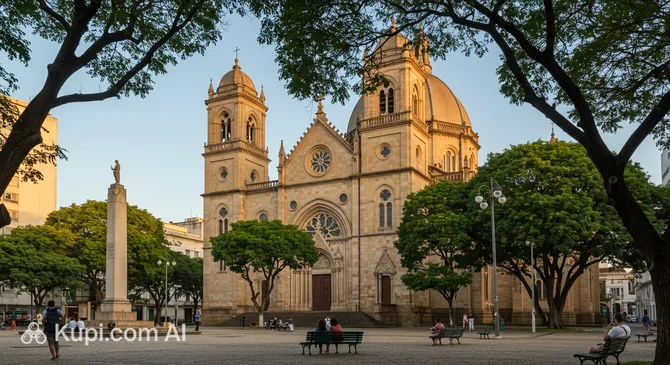
In the heart of the historic center, the Metropolitan Cathedral of Porto Alegre stands as an imposing symbol of faith and architecture. The cathedral is known for its massive dome, which is one of the largest in the world, and its beautiful Renaissance-style facade. Inside, the stunning mosaics and stained glass windows create a serene atmosphere, attracting admirers of religious art and history.

Metropolitan Cathedral of Porto Alegre. Source: Kupi.Binoculars

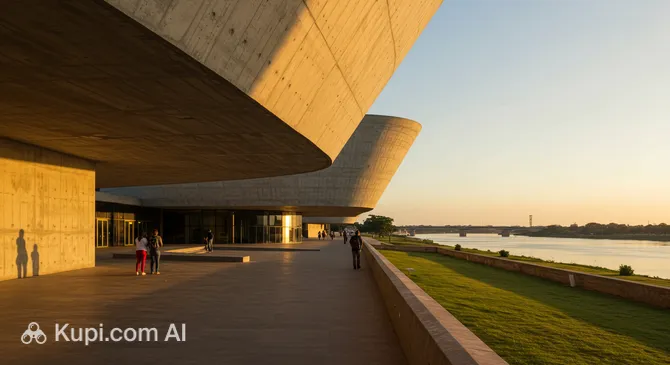
For art enthusiasts and architecture lovers, the Iberê Foundation is an unmissable stop. Designed by the celebrated Portuguese architect Álvaro Siza, the building itself is a masterpiece of modern white concrete that contrasts striking with the surrounding landscape. Inside, it houses contemporary art exhibitions and works by the painter Iberê Camargo, all while offering panoramic views of the Guaíba Lake from its walkways.

Iberê Foundation. Source: Kupi.Binoculars

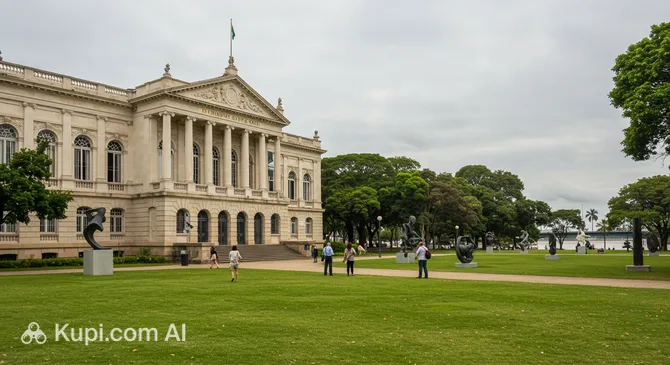
Another cultural gem located in the bustling Praça da Alfândega is the Rio Grande do Sul Museum of Art (MARGS). Housed in a majestic neoclassical building from the early 20th century, the museum features an extensive collection of works by artists from the region and across Brazil. It is a vital institution for understanding the artistic heritage of the state and often hosts significant temporary exhibitions.

Rio Grande do Sul Museum of Art. Source: Kupi.Binoculars

Local Cuisine

The culinary scene in Porto Alegre is a reflection of its strong Gaúcho heritage, where food is more than just sustenance—it is a social ritual. The undisputed king of the local table is churrasco, the traditional Brazilian barbecue. In this city, meat is taken very seriously, typically seasoned only with coarse salt and roasted over charcoal. Visitors must experience a churrascaria serving espeto corrido (all-you-can-eat style), where waiters continuously bring skewers of succulent cuts, such as picanha (rump cap) and costela (ribs), directly to your plate.

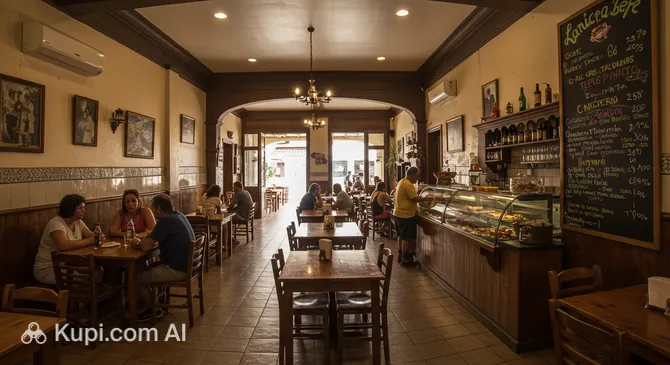
For a more informal but equally iconic meal, you cannot leave without trying the Xis (pronounced "cheese"). This is not your average burger; it is a massive pressed sandwich, often the size of a dinner plate, filled with ingredients like steak, chicken, heart, egg, cheese, and mayonnaise. A legendary spot to try this local favorite is Lancheria do Parque, a historic eatery famous for its bustling atmosphere and freshly blended fruit juices.

Lancheria do Parque. Source: Kupi.Binoculars

Beyond the heavy plates, the local drinking culture is vibrant and distinct. The most symbolic beverage is chimarrão, a hot, bitter mate tea served in a gourd with a metal straw. While it is mostly a communal daytime tradition shared in parks, the city also boasts a thriving nightlife. The region is the heart of Brazil's wine production, so ordering a glass of local Merlot or sparkling wine is highly recommended. Additionally, the craft beer scene has exploded, with numerous microbreweries offering high-quality local ales.

Dining in Porto Alegre ranges from sophisticated international restaurants like Coco Bambu, known for its vast seafood dishes, to vibrant street markets. The Historic Public Market is a focal point for food lovers, offering everything from exotic spices to traditional pastries. Whether you are sitting down for a long Sunday barbecue or grabbing a quick bite after a walk, the flavors of Porto Alegre are hearty, generous, and unforgettable.

Travel Tips

Traveling to Porto Alegre is an exciting adventure, but having a few local insights can make your journey much smoother and more enjoyable. To help you navigate the "Capital of the Gaúchos" with confidence, we have compiled a list of essential practical tips for your stay.

  1. Clothing and Gear: The weather here varies significantly by season. If visiting in summer (December to March), pack light, breathable clothing for the heat and humidity. However, unlike most of Brazil, Porto Alegre gets quite cold in winter (June to August), so bring a warm coat, scarf, and boots. Comfortable walking shoes are a must for exploring the hilly streets and large parks.

  2. Transportation: Ride-hailing apps like Uber and 99 are the most convenient and safe way for tourists to get around the city, often being very affordable. Public buses are available and cover the whole city, but routes can be confusing for non-locals. The Trensurb (metro) is useful primarily for connecting the city center to the airport and the northern metropolitan region.

  3. Finances: The local currency is the Brazilian Real (BRL). Credit and debit cards are widely accepted, even by small street vendors. However, it is wise to carry a small amount of cash for minor expenses. ATMs are easily found in banks and shopping malls. Tipping is standard at restaurants, where a 10% service charge is usually included in the bill.

  4. Health and Safety: Major pharmacy chains like Panvel and São João are ubiquitous, with many locations open 24/7. Regarding safety, exercise standard urban precautions: avoid walking alone in the Historic Center (Centro Histórico) after dark and keep valuables out of sight. Stay in well-lit, populated areas, especially at night.

  5. Communication: The official language is Portuguese. English is not widely spoken outside of major hotels and business areas, so learning a few basic phrases like bom dia (good morning) and obrigado (thank you) goes a long way. Buying a local SIM card (from carriers like Vivo, Claro, or TIM) at a shopping mall is highly recommended for map navigation and translation apps.

  6. Local Etiquette: Gaúchos are generally warm and hospitable. Greetings often involve a handshake or a kiss on the cheek (usually two in this region). If you are invited to share a chimarrão (mate tea), accept it as a gesture of friendship. Drink the tea until the gourd makes a slurping sound, then pass it back to the person who served you.

  7. What to Avoid: Never touch the silver straw (bomba) of the chimarrão with your hands or try to stir the herbs; this is considered extremely rude and ruins the preparation. Also, avoid using your mobile phone carelessly on busy street corners to prevent snatching.

  8. Sunday Tradition: If your trip includes a Sunday, do not miss the Brique da Redenção. It is a massive open-air craft and antique market held at Farroupilha Park. It is the perfect place to mingle with locals, buy souvenirs, and experience the true Sunday vibe of the city.

By keeping these tips in mind, you will be well-prepared to embrace the unique culture and rhythm of Porto Alegre. Enjoy the hospitality of the south, explore the green parks, and have a safe and memorable trip!

Entertainment & Nightlife

Entertainment and Nightlife:

Porto Alegre boasts a spirited nightlife scene that caters to a wide variety of tastes, from bohemian street parties to upscale lounges. The city comes alive after dark, offering everything from traditional samba clubs to rock venues and lively pubs. The nightlife geography is distinct, with two main districts drawing the biggest crowds: Cidade Baixa and Moinhos de Vento.

Cidade Baixa is the bohemian heart of the city, popular among students, artists, and young professionals. The atmosphere here is relaxed and eclectic, with many people gathering on the streets around Rua General Lima e Silva and Rua da República. In contrast, Moinhos de Vento offers a more sophisticated experience. centered around Rua Padre Chagas, this area is known for its trendy bars, elegant restaurants, and a well-dressed crowd looking for premium cocktails and conversation.

For those seeking live music and a classic club atmosphere, Sgt Peppers is a legendary venue in the city. Known for its energetic cover bands and tribute nights, particularly focusing on rock and pop classics, it is a staple of the local entertainment scene. It is a great place to dance and enjoy a high-energy environment in a safe setting.

Sgt Peppers. Source: Kupi.Binoculars

If you prefer a night that combines dining with entertainment, Guacamole Mexican Kitchen offers a festive experience. With its vibrant decor, mariachi performances, and extensive menu of tequilas and margaritas, it is an ideal spot for starting the night with a group of friends before heading out to other venues.

Nightlife in Porto Alegre typically starts late. Bars begin to fill up around 9:00 PM or 10:00 PM, while nightclubs often do not peak until well after midnight. Dress codes vary by district; Cidade Baixa is very casual, while Moinhos de Vento generally requires "smart casual" attire. Prices are reasonable compared to Rio or São Paulo, but expect to pay a cover charge (entrada) or a minimum consumption fee (consumação) at many clubs.

Regarding safety, it is highly recommended to use ride-hailing apps like Uber or 99 to get around at night. While the main nightlife districts are bustling and generally safe due to the crowds, walking between neighborhoods or in deserted streets of the downtown area (Centro) should be avoided. Always keep an eye on your belongings in crowded bars.

Beyond the nightlife, the city offers diverse daytime entertainment options. Families traveling with children can visit BarraCadabra, a charming amusement park designed for younger visitors. For culture enthusiasts, the historic Arena Theater hosts various performing arts productions, providing a glimpse into the city's rich artistic tradition.

Parks & Museums

Porto Alegre is widely recognized as one of the greenest cities in Brazil, offering a refreshing balance between urban development and natural spaces. The city’s commitment to preserving its environment is evident in its numerous parks, which serve as the communal backyards for locals to relax, exercise, and socialize.

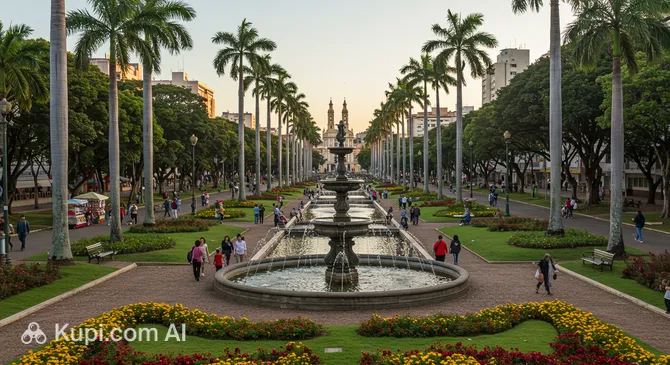
The most famous green area is undoubtedly Farroupilha Park, locally known as Redenção. Located near the city center, it is a vibrant meeting point that truly comes alive on weekends. Visitors can rent paddle boats on the lake, explore the Japanese garden, or wander through the Brique da Redenção, a massive open-air market held every Sunday featuring antiques and handicrafts.

Farroupilha Park. Source: Kupi.Binoculars

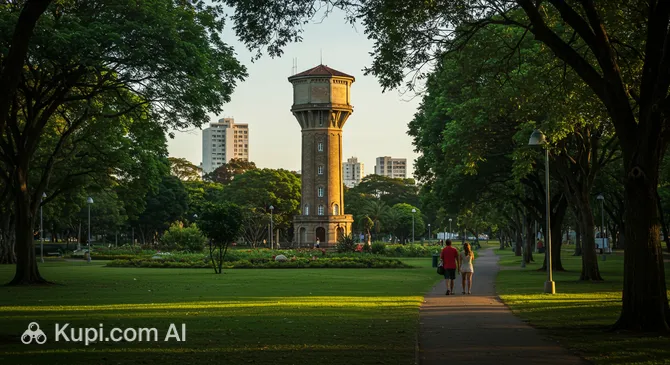
For a more upscale and tranquil atmosphere, Moinhos de Vento Park (Parcão) is a favorite among residents. Named after the Azorean windmills that once stood in the area, the park features a replica windmill that serves as a library. Its well-maintained jogging paths, turtle-filled lake, and expansive lawns make it the perfect spot for a late afternoon chimarrão.

Nature enthusiasts should not miss the Porto Alegre Botanical Garden. This scientific and leisure space is home to a vast collection of native flora, offering a quiet escape with picnic areas and educational trails that showcase the biodiversity of Rio Grande do Sul.

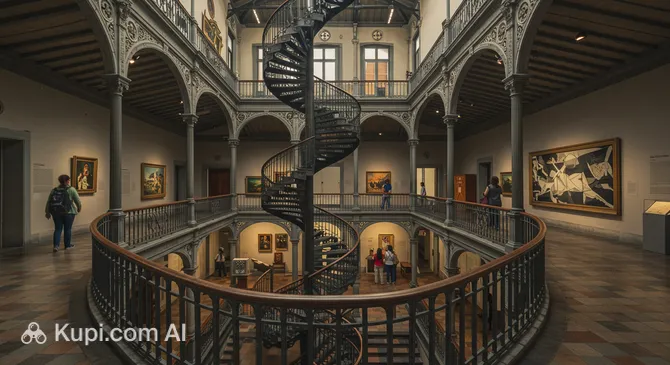
Beyond its parks, the city boasts a rich cultural landscape. The Mario Quintana House of Culture is an architectural and artistic landmark. Housed in the majestic pink building of the former Hotel Majestic, it honors one of Brazil's greatest poets. The center features cinemas, music collections, and a rooftop garden that offers one of the best views of the city center.

Mario Quintana House of Culture. Source: Kupi.Binoculars

History buffs will appreciate the Military Museum of the Southern Military Command. Located in a historic building, it presents a comprehensive collection of uniforms, weapons, and armored vehicles, tracing the military history of the region. Another significant institution is the Santa Casa Cultural and Historical Center, which preserves the memory of one of the state's oldest hospital complexes through fascinating medical and historical exhibits.

Getting Around

Navigating Porto Alegre is relatively easy thanks to its comprehensive public transport network, which is primarily composed of buses and a surface metro system. The city's transport is managed by the EPTC (Public Transport and Circulation Company), ensuring a fairly integrated experience for travelers. The most common way to get around is by bus, with an extensive web of routes covering the entire city, from the historic center to the outer neighborhoods.

A unique feature of the city's transport system is the Lotação service. These are smaller, red or blue minibuses that supplement the regular bus lines. They are slightly more expensive than standard buses but offer a higher level of comfort, including air conditioning and a rule that forbids standing passengers. Unlike regular buses, which have fixed stops, Lotação minibuses can stop anywhere along their route to pick up or drop off passengers, making them a convenient "in-between" option involving the speed of a taxi and the route structure of a bus.

For traveling longer distances, especially to the northern metropolitan area or the airport, the Trensurb (metro) is the most efficient choice. It is a surface train system rather than an underground subway. A highlight for visitors arriving by air is the Aeromóvel, an automated people mover powered by air propulsion technology. It connects the airport terminals directly to the Trensurb station, offering a quick and futuristic ride that is often a novelty for tourists.

Regarding payment, the local integrated transport card is called the TRI card. While locals use this rechargeable smart card for seamless transfers, tourists can usually pay with cash on board regular buses (paying the conductor) and at ticket counters in metro stations. However, carrying small change is highly recommended, as large bills may be difficult to break. Bus fares are generally affordable, typically costing around 5 BRL, with Lotação fares being roughly 50% higher.

Another scenic and practical transport option is the Catamaran. This ferry service crosses the Guaíba Lake, connecting Porto Alegre to the neighboring city of Guaíba. The terminal is centrally located near the Public Market. It offers a fast and pleasant journey with beautiful views of the city skyline, functioning as both a commuter route and a tourist attraction.

If you prefer more direct transport, ride-hailing apps like Uber and 99 are extremely popular, safe, and often very competitively priced compared to traditional taxis. They are particularly useful at night or when visiting areas not well-served by the metro. For short distances, the city also offers a bike-sharing system called Bike POA, with stations located throughout the central and riverside districts, perfect for a sunny day along the waterfront.

Public transport generally operates from early morning (around 5:00 AM) until midnight. Some bus lines have limited "owl" services (Madrugadão) overnight, but for safety and convenience, tourists are advised to use ride-sharing apps or taxis during late hours. Always validate your ticket or tap your card upon entry, and when using buses, enter through the front door and exit through the rear.

Accommodation

Finding the perfect place to stay in Porto Alegre is a seamless part of the travel experience, as the city offers a diverse array of accommodation options to suit every preference and budget. Whether you are a backpacker looking for a social atmosphere, a business traveler needing convenience, or a tourist seeking luxury, the capital of Rio Grande do Sul has a well-developed hospitality infrastructure ranging from economical hostels to sophisticated high-end hotels.

The choice of where to stay largely depends on the type of experience you wish to have. The most popular area for tourists seeking refinement and comfort is the Moinhos de Vento neighborhood. Often compared to upscale districts in major global cities, it is home to many of the city's best hotels, boutiques, and restaurants. Staying here puts you within walking distance of the charming Moinhos de Vento Park (Parcão), a favorite spot for locals to exercise and relax.

Moinhos de Vento Park (Parcão). Source: Kupi.Binoculars

For those who prefer a more bohemian vibe and budget-friendly rates, the Cidade Baixa district is the ideal choice. This area is the hub of the city's nightlife and is packed with hostels and guesthouses. It is perfect for younger travelers who want to be close to bars, cultural centers, and the vibrant street life that defines Porto Alegre after dark. Meanwhile, the Historic Center (Centro Histórico) offers excellent convenience for those interested in museums and architecture, providing easy access to public transport and major cultural landmarks.

Regarding costs, the city is generally affordable compared to other major Brazilian capitals like Rio de Janeiro or São Paulo. Budget accommodation in hostels can be found at very reasonable rates, while mid-range hotels offer great value with standard amenities like breakfast and Wi-Fi included. Luxury options are available primarily in the affluent neighborhoods and near the airport, catering to those who desire premium services and facilities.

Booking Tip: While it is usually easy to find a room, it is highly recommended to book your accommodation in advance if you plan to visit during major events, such as the annual Porto Alegre Book Fair in November or during big football matches involving the local teams, Grêmio and Internacional. Online booking platforms are widely used and are the most efficient way to secure the best deals.

Nearby Cities

For those looking to explore the surroundings, Porto Alegre serves as an excellent base for day trips to several interesting nearby locations.

One of the most culturally rich destinations nearby is Novo Hamburgo. Known as the "National Capital of Shoes," it marks the beginning of the scenic Rota Romântica. Visitors can explore the historical district of Hamburgo Velho, which preserves the architectural legacy of the region's German immigrants, or visit the National Footwear Museum to understand the industry that shaped the local economy.

Another historically significant stop is São Leopoldo, often cited as the cradle of German colonization in Brazil. Located just a short drive from the capital, it offers a glimpse into the past with its colonial buildings and the Museu Histórico Visconde de São Leopoldo. It is a fascinating spot for history buffs interested in the 19th-century European settlement of southern Brazil.

For those who prefer nature over history, Viamão is a perfect choice. It is home to the stunning Itapuã State Park, a conservation unit where the Guaíba Lake meets the Lagoa dos Patos. The park features beautiful beaches, hiking trails, and a lighthouse, offering a peaceful retreat from the urban bustle of the metropolis.

City Population Distance (km)
Canoas 323,827 14
Gravataí 255,660 23
Viamão 239,384 18
Novo Hamburgo 238,940 40
São Leopoldo 214,087 31

These nearby destinations offer a glimpse into the diverse culture and landscapes of the region.

Shopping & Souvenirs

Shopping in Porto Alegre offers a mix of modern convenience and traditional charm, reflecting the city's role as a major commercial hub in southern Brazil. Visitors can explore everything from sophisticated malls with international brands to historic markets filled with local produce and handicrafts.

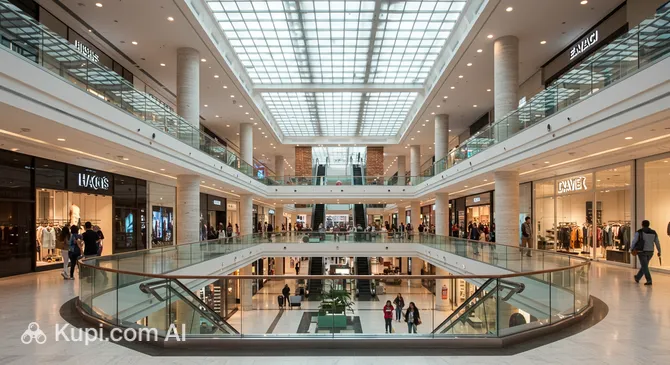
A key location for those looking for a comprehensive retail experience is the Iguatemi Shopping Mall Porto Alegre. As a long-standing establishment in the city, it features a broad selection of fashion stores, electronics, and services. The mall also hosts a variety of restaurants and a cinema, making it a popular leisure destination for locals and tourists alike.

Iguatemi Shopping Mall Porto Alegre. Source: Kupi.Binoculars

To discover the flavors and crafts of the region, a visit to the Public Market (Mercado Público) is recommended. Located in the historic center, this vibrant hall is the go-to place for buying erva-mate, the essential ingredient for the local tea, as well as traditional accessories like cuias (gourds) and bombas (straws). The market is also known for its selection of regional wines and dairy products.

For authentic souvenirs, the Brique da Redenção is a highlight. Held on Sundays along the edge of Farroupilha Park, this open-air fair showcases the work of local artisans. It is an excellent opportunity to purchase leather goods, such as boots and bags, or woolen ponchos, which are typical of the Gaúcho culture and well-suited for the city's cooler winters.

Reached the end of the page?

That means the route is fully explored