Support

Jaguaruna

About

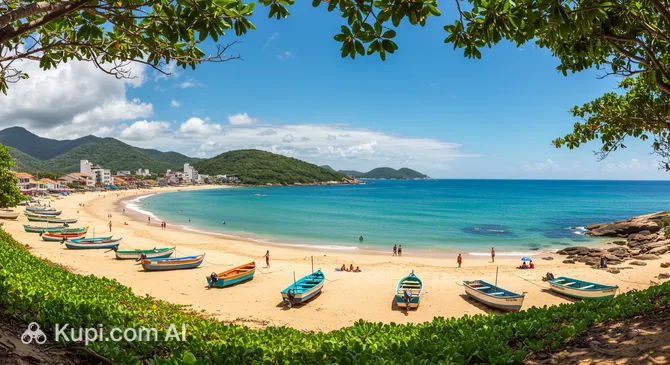
Jaguaruna is a captivating destination located in the state of Santa Catarina, offering a unique blend of coastal beauty and tranquil rural charm. Situated in southern Brazil, this municipality is a haven for nature enthusiasts and those seeking an escape from the bustle of major metropolises. With a population of approximately 17,000 residents, the city maintains a welcoming atmosphere where visitors can experience the authentic lifestyle of the region.

Jaguaruna. Source: Kupi.Binoculars

The geography of the area is defined by its impressive collection of freshwater lagoons and vast stretches of sandy coastline. While enjoying the scenic views, travelers often discover the history of Jaguaruna, which is reflected in its name—derived from Tupi-Guarani words meaning "Black Jaguar"—and its cultural heritage influenced by Azorean settlers. The climate is generally mild, making it pleasant for outdoor activities throughout much of the year.

Tourism in Jaguaruna is largely driven by its remarkable natural attractions. The city is famous for the Parcel da Jaguaruna, a legendary surf spot known for generating some of the largest waves in the country, attracting surfers from far and wide. For those who prefer calmer waters, the region boasts dozens of lagoons, such as the Lagoa do Arroio Corrente, which are perfect for swimming, fishing, and family picnics. Additionally, the towering sand dunes offer excellent opportunities for sandboarding and photography.

Whether you are chasing adrenaline on the waves or looking for a peaceful spot to watch the sunset over the dunes, Jaguaruna provides a memorable travel experience. It is a must-visit destination for anyone exploring the diverse landscapes of the Santa Catarina coast.

Weather Overview

The climate in Jaguaruna is generally pleasant, characterized by distinct seasonal variations that influence the best time to visit. For those planning a trip and needing specific forecasts, checking the weather in Jaguaruna is highly recommended to ensure you pack appropriately. Overall, visitors can expect warm summers with frequent rainfall and cooler, drier winters.

The summer months, particularly from December to March, are the warmest, with average temperatures ranging between 23.2°C and 24.4°C. January is typically the hottest month, where daily highs can reach 28.0°C. However, this season is also the wettest; travelers should be prepared for rain, as January can see up to 21 wet days.

In contrast, the winter period from June to August brings cooler air and clearer skies. Average temperatures dip to around 15.9°C in July, with nighttime lows falling to approximately 11.8°C. This is the driest time of the year, with August experiencing only about 7 wet days, making it an excellent season for outdoor exploration without the frequent interruptions of summer showers.

Interesting Facts

Beyond the main attractions, Jaguaruna holds many fascinating secrets that offer a deeper look into its history and geography.

  • The City of 53 Lagoons: While many regions boast water features, Jaguaruna is officially nicknamed the "City of the Lagoons" because it contains an impressive count of 53 freshwater lakes. This hydrological density is rare and provides a vast network of waters beyond the popular Lagoa do Arroio Corrente.

  • A Prehistoric Monument: The region is home to the Sambaqui Garopaba do Sul, one of the largest shell middens (archaeological mounds) in the world. Rising significantly above the flat landscape, this ancient site offers evidence of human settlement dating back thousands of years, far predating modern history.

  • The Shipwreck Graveyard: The same geological formation that creates the massive waves at Parcel da Jaguaruna has a darker history. The submerged rocks extend kilometers offshore and have claimed numerous vessels over the centuries, earning the area a reputation as a treacherous "cemetery of ships" in local maritime lore.

  • The Chuveirão Phenomenon: One of the city's most beloved and unusual landmarks is the "Chuveirão" (Big Shower). It is an open-air, gravity-fed communal shower powered by the outflow of a lagoon, which has become an iconic meeting point and a unique symbol of local beach culture.

How to Get There

Reaching this coastal destination is quite convenient, with options ranging from a local regional airport to larger international hubs situated in neighboring cities. For a detailed overview of all transport methods, including driving directions and bus routes, you can read more about how to get to Jaguaruna. Most travelers choose to fly into one of the nearby airports and complete the journey by road, enjoying the scenic landscapes of Santa Catarina along the way.

The most direct way to arrive is via the Humberto Bortoluzzi (IATA: JJG), which is located directly in Jaguaruna, just 7.1 km from the city center. Although it is a smaller airport with fewer daily connections, it offers the ultimate convenience, with a taxi ride to the center taking only a few minutes. For those coming from further afield or requiring more flight options, the Hercilio Luz International Airport (IATA: FLN) is a popular alternative. It is located in the city of Florianopolis, approximately 116 km from Jaguaruna. As a larger hub, it handles significantly more passengers, and the transfer usually involves a drive of roughly 2 hours.

Another viable option for international travelers is the Salgado Filho International Airport (IATA: POA), situated in Porto Alegre. This major airport is about 258 km away from Jaguaruna. While the distance is greater, requiring a road trip of approximately 3 to 4 hours, it offers extensive connectivity to various global destinations.

For clarity, here is a summary of the main airports:

Airport Name City Passenger Traffic Km from City
Salgado Filho International Airport Porto Alegre Large 258.2
Hercilio Luz International Airport Florianopolis Large 115.6
Navegantes Airport Navegantes Medium 196.4
Hugo Cantergiani Regional Airport Caxias do Sul Small 220.3
Humberto Bortoluzzi Jaguaruna Small 7.1

Main Attractions

Jaguaruna is a destination where nature takes center stage, offering a diverse mix of freshwater lagoons, archaeological wonders, and world-class surf spots. Visitors will find that the city's main sights cater to both adrenaline seekers and those looking for a relaxing day by the water.

One of the most iconic symbols of the city is the Chuveirão. Located in the popular Balneário Arroio Corrente, this unique open-air shower is powered entirely by gravity, channeling water from the nearby lagoon. It serves as a beloved meeting point for locals and tourists alike, offering a refreshing break from the summer heat. Visitors often flock here not just to cool off, but to capture photos of this distinct local landmark that perfectly represents the region's connection to its water resources.

For those who prefer calm waters and family-friendly environments, the Lagoa do Arroio Corrente is a must-visit. It is the most famous of the city's 53 lagoons and acts as the heart of local tourism during the warmer months. The lagoon features clear, tranquil waters that are ideal for swimming, kayaking, and stand-up paddleboarding. The surrounding area is well-equipped with camping sites and kiosks, making it a comfortable spot to spend an entire day relaxing with nature.

Adventure enthusiasts often head to the Parcel da Jaguaruna, a legendary spot that has earned the city international recognition in the surfing community. Located a few kilometers offshore, this submerged rock formation creates massive waves that can reach impressive heights, often compared to famous big-wave spots in Hawaii. While tackling the waves is reserved for professional tow-in surfers, the lore surrounding the "Jaguaruna Giant" attracts many visitors curious about the local surf culture and the maritime history of the area.

History and archaeology buffs will find the Sambaqui Garopaba do Sul fascinating. This massive shell midden is one of the largest in the world, standing as a testament to the prehistoric inhabitants of the Brazilian coast. Rising significantly above the flat terrain, it offers not only a window into the ancient past but also a panoramic view of the surrounding landscape. It is an intriguing site for those who wish to understand the deep human history of Santa Catarina beyond its modern beaches.

Local Cuisine

The local cuisine of Jaguaruna is a delightful reflection of its coastal geography and Azorean heritage, offering a culinary experience deeply rooted in the sea and the lagoons. Seafood lovers will find themselves in paradise here, as the menus are dominated by the freshest catches of the day. The simplicity of the preparation is key, allowing the natural flavors of the high-quality ingredients to shine through, typically accompanied by generous portions and warm hospitality.

One of the most iconic dishes to try is Tainha (mullet), which holds a special place in the region's culture, especially during the winter fishing season. It is often served roasted or grilled, seasoned with local herbs, and is a staple at family gatherings and local restaurants. Another must-try is the traditional Pirão, a savory mush made from cassava flour mixed with a rich fish broth. It serves as the perfect comfort food side dish, complementing the texture of fried fish or shrimp stews.

Given the abundance of freshwater lagoons, such as the Lagoa do Arroio Corrente, freshwater delicacies also feature on the menu. Shrimp is widely available and prepared in various ways, from crispy breaded versions served as appetizers to hearty stews known as moquecas. For a quick snack, visitors often enjoy freshly caught crab or local pastries filled with seafood, widely available at beachside stalls.

To wash down these savory meals, the quintessential Brazilian Caipirinha is the drink of choice. Made with cachaça, sugar, ice, and lime, it pairs perfectly with a sunny day by the water. For a non-alcoholic option, fresh sugarcane juice (caldo de cana) is incredibly popular and refreshing. Additionally, the state of Santa Catarina has a booming craft beer scene, so visitors can often find excellent local brews to enjoy with their meals.

The food culture in Jaguaruna is relaxed and informal, mirroring the laid-back lifestyle of its residents. Tourists and locals alike flock to the quiosques (kiosks) scattered along the beaches and lagoon shores. These open-air spots offer the best setting to enjoy a meal with a view, where the sound of the waves provides the background music. Whether you are dining in a rustic seafood restaurant or grabbing a bite at a casual beach bar, the emphasis is always on fresh ingredients and communal enjoyment.

Travel Tips

Planning a trip to Jaguaruna offers the chance to explore one of the most scenic coastal areas in Brazil, but a little preparation goes a long way. To help you make the most of your visit to the "City of Lagoons," here are some practical tips to ensure a smooth and enjoyable experience.

  1. Clothing and Gear: Since the weather varies, pack according to the season. In summer (December to March), bring lightweight clothing, swimwear, and a raincoat for occasional showers. For winter visits, a warm jacket is necessary as evenings can get chilly. Don't forget strong sunscreen, sunglasses, and a hat, as the sun reflection on the sand dunes can be intense.
  2. Transportation: While the city has its own airport, public transport within the municipality can be limited for reaching specific lagoons and beaches. The best way to explore is by renting a car, which gives you the freedom to visit the famous Chuveirão and distant coastal spots at your own pace. Ride-hailing apps may work in the center but can be unreliable in remote areas.
  3. Finances: The local currency is the Brazilian Real (BRL). While credit and debit cards are widely accepted in supermarkets and restaurants, it is wise to carry cash for small purchases at beach kiosks or rural vendors. ATMs are available in the city center, but it is better to withdraw money before heading to more isolated lagoons.
  4. Health and Safety: Jaguaruna is generally safe, but standard precautions apply. Pharmacies are mostly located in the town center, so bring a basic first-aid kit if you plan to camp or spend long days near the dunes. Always drink bottled or filtered water to avoid stomach issues, and use insect repellent when near the lagoons.
  5. Communication: The main language is Portuguese, and English proficiency among locals may be limited outside the tourism sector. It is highly recommended to download a translation app and offline maps before you arrive. A local SIM card (from providers like Vivo or TIM) is useful for navigation, as Wi-Fi is not always available at the beaches.
  6. Local Etiquette: Brazilians are warm and friendly; a handshake or a "thumbs up" is a common and polite greeting. When visiting the lagoons, observe where locals are swimming, as they know the safe spots. It is polite to greet shopkeepers and waitstaff with a simple "Bom dia" (Good morning) or "Boa tarde" (Good afternoon).
  7. What to Avoid: Do not underestimate the ocean currents. The region is known for big waves (especially near the Parcel), so avoid swimming in unsupervised areas or where red flags are displayed. Also, avoid driving regular cars on the sand dunes; vehicles frequently get stuck, and this should only be done with a 4x4 and specific local knowledge.
  8. Local Tip: If you want to experience the famous Chuveirão (open-air shower) without the crowds, try to visit on a weekday morning. It is a favorite spot for families on weekends, and arriving early ensures you get the best photos and a refreshing dip without the wait.

By keeping these practical tips in mind, you will be well-equipped to navigate the charming streets and natural wonders of Jaguaruna. Embrace the laid-back rhythm of this coastal gem, and you are sure to have an unforgettable adventure in Santa Catarina.

Entertainment & Nightlife

Nightlife in Jaguaruna is defined by its laid-back coastal atmosphere, shifting significantly with the seasons. Unlike the pulsating club scenes of larger metropolitan areas, the evening entertainment here revolves around the "balneários" (beach districts), where the vibe is casual, welcoming, and centered on enjoying good company by the sea. During the peak summer months (December to March), the city comes alive with tourists, and the beachfront establishments extend their hours, offering live music, cold drinks, and a festive environment.

The main hub for evening activities is Balneário Arroio Corrente. This district is the heartbeat of Jaguaruna's tourism and hosts the highest concentration of visitors after sunset. The streets here fill with families and groups of friends walking along the shore or settling into open-air venues. Another key area is Balneário Camacho, which tends to attract a crowd looking for a mix of surf culture and rustic charm. In these areas, the dress code is almost exclusively casual—flip-flops and shorts are the norm, even at night.

For those seeking a lively spot to enjoy a drink and perhaps some dancing, Kaiobana's Surf Bar in the Camacho district is a local favorite. Known for its energetic atmosphere, it often features live music ranging from Brazilian rock to sertanejo, making it a popular meeting point for the younger crowd. In Arroio Corrente, Restaurante Maré Alta is a staple for those who want to combine late-night dining with social drinks. During the summer season, it frequently stays open until 2:00 AM, serving lively groups looking for seafood snacks and cold beer.

Visitors preferring a more relaxed setting might enjoy Nativos Bar, also located in Arroio Corrente. It captures the essence of a traditional beach bar, offering a perfect spot to unwind with a caipirinha while listening to the sound of the ocean. The venues in Jaguaruna typically do not charge high entry fees, and prices for food and drink are generally reasonable compared to larger cities like Florianópolis.

Safety and transportation require some planning. While the balneários are generally safe for walking in the main illuminated areas, the streets can become very dark as you move away from the center. Public transport and ride-hailing services (like Uber) can be scarce or non-existent late at night, especially in the more remote beach areas. It is highly advisable to have a designated driver or arrange transportation in advance if you plan to stay out late. Always carry some cash, as smaller kiosks or beach vendors may not accept cards, although most established bars do.

Before the sun sets and the music starts, Jaguaruna offers plenty of daytime entertainment centered around nature. The city is famous for its massive sand dunes, which are perfect for sandboarding, and its 53 freshwater lagoons that offer a peaceful retreat for swimming and fishing. Whether you spend your day sliding down dunes or your night toasting by the beach, the city provides a refreshing escape from the ordinary.

Parks & Museums

In Jaguaruna, the concept of a "park" extends far beyond manicured gardens and paved walkways. Here, the most significant recreational spaces are vast, open-air landscapes shaped by wind and water. The city's approach to leisure and culture is deeply intertwined with its geography, offering visitors a chance to explore natural playgrounds and archaeological wonders that stand under the open sky.

Natural Parks and Green Spaces

The Dunas de Jaguaruna serve as the region's most spectacular natural park. Stretching for kilometers along the coast, these immense sand dunes offer a landscape that feels almost otherworldly. They function as a dynamic recreational area where visitors flock for the thrill of sandboarding or simply to witness breathtaking panoramic views of the ocean. It is a place where nature remains untamed, providing a perfect setting for sunset walks and photography enthusiasts looking to capture the shifting shadows of the sands.

For a more relaxed environment, the area surrounding the Lagoa do Arroio Corrente acts as the city's primary social hub. While it is a natural lagoon, its grassy banks serve the purpose of a municipal park. Families gather here for picnics, while the calm, warm waters invite swimmers and kayakers. The surrounding vegetation provides shaded spots essential for escaping the midday sun, making it a peaceful alternative to the windy beachfronts.

Open-Air Museums and History

Jaguaruna offers a unique historical experience where the land itself tells the story. Instead of traditional indoor galleries, the primary point of historical interest is the Sambaqui Garopaba do Sul. Often described as an open-air museum of prehistory, this site is one of the largest shell middens (archaeological mounds) in the world, rising over 30 meters high. It serves as a monumental record of the "Sambaqui Man," the prehistoric people who inhabited this coast thousands of years ago.

Visiting the Sambaqui offers a fascinating glimpse into ancient human history that predates modern civilization in Brazil. It attracts researchers and curious travelers alike, standing as a testament to the region's deep roots. This protected site allows visitors to appreciate the scale of indigenous settlement in Santa Catarina and provides a commanding view of the surrounding coastal plains, blending archaeological discovery with scenic beauty.

Getting Around

Public transport in Jaguaruna is relatively modest, reflecting the municipality's small population and layout. There is no metro, tram, or train service for daily commuting. The primary mode of public transportation is the bus system, which connects the city center to the various beach districts (balneários) and neighboring towns. These buses are essential for locals but can be infrequent, especially outside of the peak summer season.

The bus network is generally divided into municipal lines, which run between the downtown area and popular spots like Balneário Arroio Corrente or Camacho, and intermunicipal lines that connect to larger nearby cities such as Tubarão and Criciúma. During the summer months (December to March), the frequency of buses running to the beaches increases significantly to accommodate the influx of tourists. However, during the rest of the year, schedules may be reduced, with fewer trips available per day.

regarding payment, the system is quite traditional. Cash is the standard method for paying fares on local buses. Passengers typically pay the driver or a conductor upon boarding. It is highly advisable to carry small bills and coins, as breaking large notes can sometimes be difficult. There are currently no complex digital travel cards or integrated passes for short-term visitors, making the process straightforward but requiring you to have physical currency on hand.

For tourists, navigating the bus schedules requires a bit of planning. Schedules are often posted at the main bus station (Rodoviária) in the city center or can be found on the websites of regional transport companies. A practical tip is to confirm the return times immediately upon arrival at your destination, as the last bus back from the beaches can leave relatively early in the evening. Bus stops in more remote areas may not always be clearly marked, so asking locals for the exact location of the "ponto de ônibus" is helpful.

Taxis and ride-hailing apps offer an alternative to buses. Traditional taxis are available and can usually be found at designated stands in the city center or near the airport. Ride-hailing apps do operate in the region, but availability can be inconsistent, particularly in the more isolated coastal areas or late at night. If you plan to rely on these services, be prepared for potential wait times.

Given the spread-out nature of the attractions—from the city center to the distant sand dunes and lagoons—renting a car is often considered the most practical option for visitors. This provides the freedom to explore the "City of Lagoons" at your own pace without being tied to the limited public transport timetable. For shorter distances within the beach villages themselves, walking or renting a bicycle are pleasant ways to get around and enjoy the coastal scenery.

Accommodation

Finding accommodation in Jaguaruna is less about choosing between large international hotel chains and more about finding a cozy spot that feels like home. The city’s lodging landscape is dominated by family-run inns (known locally as pousadas), vacation rentals, and camping sites that cater to nature lovers. Visitors will generally find a range of options from budget-friendly hostels and campsites to comfortable mid-range inns, but true luxury resorts are not a feature of this laid-back coastal municipality.

When choosing where to stay, location is the most important factor. The majority of tourists flock to the Balneário Arroio Corrente area. Staying here places you within walking distance of the city’s most famous lagoon, the iconic Chuveirão open-air shower, and the ocean beaches. It is the liveliest part of town during the summer, offering easy access to restaurants and nightlife. Alternatively, Balneário Camacho is a great choice for surfers and anglers looking for a more rustic vibe near the channel and the lighthouse. For those traveling on business or needing quick access to the airport, the City Center (Centro) offers practical hotels, though it is located a few kilometers inland from the main leisure attractions.

Because Jaguaruna is a seasonal destination, booking in advance is crucial if you plan to visit during the peak summer months, particularly from late December through Carnival in February. During this period, the population swells significantly, and the best *pousadas* and vacation homes are often reserved months ahead. In the off-season, however, it is much easier to find availability upon arrival.

In terms of cost, Jaguaruna is generally an affordable destination compared to more famous neighbors like Florianópolis. Prices typically fall into the budget to mid-range categories. While some establishments are listed on major international booking platforms, many local vacation rentals and smaller inns still operate through direct contact or local real estate agencies. It is often worth checking specifically for "aluguel de temporada" (seasonal rentals) if you are traveling with a family or a large group, as renting a fully equipped house can offer excellent value and privacy.

Nearby Cities

For those looking to explore the surroundings, Jaguaruna serves as an excellent base for day trips to several interesting nearby locations:

City Population Distance (km)
Criciuma 211369 34
Tubarao 97235 16
Ararangua 61310 57
Içara 57247 29
Laguna 46122 29

Located just a short drive away, Laguna is a destination rich in history and natural beauty. It is celebrated as the birthplace of Anita Garibaldi, a heroine of two worlds, and features a charming historic center filled with colonial architecture. A unique spectacle here is the cooperative fishing at Molhes da Barra, where wild dolphins assist fishermen by herding fish into their nets. Visitors can also explore the Santa Marta Lighthouse, which offers sweeping views of the coastline.

Tubarao offers a different kind of attraction for those interested in heritage and relaxation. The city is home to the Willy Zumblick Railway Museum, one of the most significant in Latin America, preserving the history of steam trains with well-maintained locomotives. Additionally, the region is known for its thermal waters, providing a perfect opportunity to unwind at local spas such as the Termas da Guarda.

For a mix of urban parks and industrial history, Criciuma is a fascinating stop. Known as the Brazilian capital of coal, it offers the unique experience of visiting a model mine, where tourists can descend underground to learn about the mining process. The city also boasts the Parque das Nações, a large green space featuring a replica of an old steam train and plenty of areas for leisure and sports.

These nearby destinations offer a glimpse into the diverse culture and landscapes of the region.

Shopping & Souvenirs

Shopping in Jaguaruna is a low-key and relaxed experience, reflecting the municipality's small-town atmosphere and coastal lifestyle. Unlike large metropolitan centers filled with luxury boutiques, the shopping scene here focuses on practicality, local crafts, and beachside essentials. Visitors will find that the city caters primarily to daily needs and the seasonal influx of tourists, offering a selection of friendly, family-owned businesses rather than international chains.

The primary commercial hub is located in the City Center (Centro), particularly along and around Avenida Duque de Caxias. This main thoroughfare is lined with a variety of stores, including clothing boutiques, pharmacies, hardware stores, and supermarkets. It is the best place to stock up on supplies or find general apparel. During the summer season, the focus shifts to the coastal districts, specifically Balneário Arroio Corrente. Here, the streets near the beach fill with small shops selling swimwear, surf gear, flip-flops, and summer accessories, catering specifically to vacationers looking to enjoy the sun and sea.

Travelers looking for a comprehensive shopping mall experience will need to travel a short distance outside the city limits. Jaguaruna itself does not house large shopping centers. However, the neighboring city of Tubarão is just a 15 to 20-minute drive away and is home to Farol Shopping. This large regional mall offers a cinema, a food court, and a wide range of national retail brands, making it the go-to destination for residents and tourists wanting a full day of retail therapy.

For a more authentic local experience, the markets and specialty food stores are the true highlights of Jaguaruna. Given the city's reputation as a fishing hub, the local fish markets (peixarias) are excellent places to shop. Visitors can purchase incredibly fresh seafood, including the region's famous shrimp and mullet (tainha), often at prices much lower than in larger cities. Additionally, weekly farmers' markets in the center offer fresh produce, homemade cheeses, and artisanal baked goods, providing a taste of the rural culture that surrounds the lagoons.

When searching for souvenirs, the best items to bring back are those that represent the local culture and geography. Handicrafts made from sea shells are common and make for charming, affordable keepsakes. Due to the strong surf culture at the Parcel da Jaguaruna, surf shops often sell locally branded t-shirts and gear that appeal to wave enthusiasts. Food items also make great gifts; look for artisanal manioc flour (farinha de mandioca) produced in the region's historical mills, or bottles of locally produced honey and cachaça.

Store opening hours in Jaguaruna generally follow standard Brazilian business practices. Most street shops in the center are open from 9:00 AM to 6:00 PM on weekdays, and from 9:00 AM to 12:00 PM on Saturdays, closing on Sundays. Supermarkets tend to stay open later, often until 8:00 PM or 9:00 PM. During the peak summer season (December to March), shops in the beach districts (balneários) often extend their hours into the evening and may open on weekends to accommodate tourists.

Payment methods are modern and convenient. The vast majority of establishments, including supermarkets, restaurants, and most small shops, accept credit and debit cards (Visa and Mastercard are the most common). The Brazilian instant payment system, PIX, is also widely used. However, it is advisable to carry some cash (Brazilian Reals) when visiting smaller beach kiosks, craft stalls, or buying fresh seafood directly from fishermen, as they may not always have card machines.

Regarding tax-free shopping, tourists should be aware that Brazil does not have a widely accessible VAT refund system for international visitors in smaller towns like Jaguaruna. Tax-free shopping is generally not applicable here, and the price displayed on the tag is the final price you will pay.
Reached the end of the page?

That means the route is fully explored