Support

Mafra

About

Welcome to Mafra, a charming municipality situated on the northern plateau of Santa Catarina. Known for its welcoming community and strategic location, this city serves as a significant gateway between states in southern Brazil. Sitting on the banks of the Negro River, Mafra shares a unique border with the city of Rio Negro in Paraná, creating a cohesive urban area that blends the cultures and rhythms of two distinct regions.

The city boasts a distinct climate characterized by well-defined seasons, including cooler winters that add to its cozy atmosphere. With a population of approximately 53,000 residents, Mafra offers the tranquility of a smaller town while providing the amenities of a growing urban center. Visitors delving into the history of Mafra will discover a rich tapestry woven by German and Polish immigrants, whose traditions still influence the local cuisine, architecture, and festivals today.
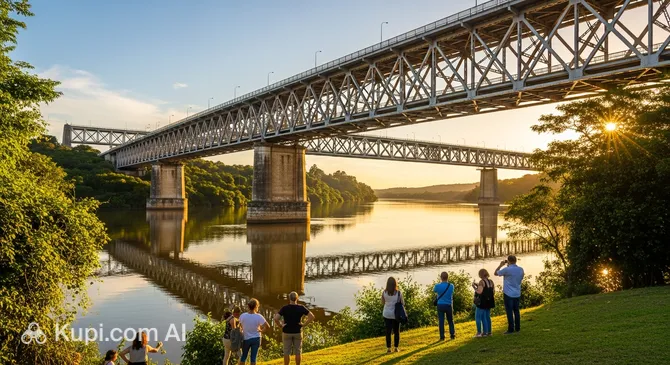
Mafra. Source: Kupi.Binoculars

Travelers will find several intriguing points of interest within the city. The iconic Dr. Diniz Assis Henning Bridge, locally known as the "Metal Bridge," is a historical landmark that elegantly spans the river, symbolizing the connection between the two states. For those interested in science and prehistory, the Museu da Terra e da Vida (Museum of Earth and Life) is a must-visit, showcasing an impressive collection of fossils found in the region, which is considered a significant paleontological site.

Whether you are exploring the peaceful squares, admiring the local religious architecture, or simply enjoying the hospitality of its people, Mafra provides a delightful stop on any journey through the south. We invite you to experience the unique heritage and scenic beauty that make this city a special destination.

Weather Overview

Mafra features a temperate climate with well-defined seasons, making it a destination that changes character throughout the year. Visitors can generally expect warm, humid summers and cool, drier winters. To help you pack appropriately for your specific travel dates, it is helpful to review the detailed report on weather in Mafra before you go.

The summer season, spanning from December to March, brings the warmest temperatures and the most frequent rainfall. January is typically the warmest month, with an average temperature of 22.1°C and highs reaching 26.1°C. This period is also the wettest, with January seeing up to 22 wet days, so carrying rain gear is advisable if you plan to visit early in the year.

In contrast, the winter months of June through August offer a crisp and cooler atmosphere. July is usually the coldest month, with average temperatures dipping to 14.4°C and nighttime lows around 9.5°C. This season is significantly drier; for instance, July records only about 6 wet days, providing stable weather for exploring the outdoors.

Interesting Facts

Beyond the scenic views and historical buildings, Mafra holds several fascinating stories that define its unique identity. Here are a few intriguing details about this Santa Catarina municipality that often surprise visitors:

  • Born from a Legal Victory: The city was named in honor of Manoel da Silva Mafra, also known as Conselheiro Mafra. He was the lawyer who successfully defended Santa Catarina's claim to this territory during a long-standing border dispute with the neighboring state of Paraná, resulting in the city's official creation in 1917.

  • Proof of Continental Drift: The region is geologically famous for its sedimentary rocks, which contain fossils of the Mesosaurus. The discovery of this prehistoric reptile here—and its matching presence in southern Africa—is cited by scientists as key evidence that South America and Africa were once joined as the supercontinent Gondwana.

  • The "Riomafra" Connection: Although Mafra and the city of Rio Negro are in different states (Santa Catarina and Paraná, respectively), they are so closely linked socially and economically that locals often refer to the conurbation as "Riomafra." Historically, they were part of the same settlement until the state borders were redrawn.

  • A Railway Legacy: For decades, Mafra served as a vital railway hub in southern Brazil. The presence of the railroad heavily influenced its early growth and urban layout, turning a small settlement into a strategic commercial point between the plateau and the coast.

How to Get There

Reaching this destination is straightforward thanks to its proximity to several major transport hubs in southern Brazil. While the city itself does not host a commercial airport, visitors can fly into neighboring cities and complete the journey by road. For a complete guide on the best routes and transport options, you can read more about how to get to Mafra on our detailed page.

The most convenient gateway for most travelers is Afonso Pena International Airport (CWB), located in Sao Jose dos Pinhais. It is situated approximately 91 km from Mafra. As a major facility with high passenger traffic, it offers a wide range of flight connections. The drive from the airport to Mafra typically takes around 2 hours and 40 minutes by taxi or rental car. Another viable option is Joinville-Lauro Carneiro de Loyola Airport (JOI) in Joinville, roughly 102 km away. Traveling from this regional airport to the city center takes approximately 3 hours by road.

For clarity, here is a summary of the main airports serving the region:

Airport Name City Passenger Traffic Km from City
Afonso Pena International Airport Sao Jose dos Pinhais Large 91.0
Joinville-Lauro Carneiro de Loyola Airport Joinville Medium 102.0
Navegantes Airport Navegantes Large 143.3
Hercilio Luz International Airport Florianopolis Large 212.6
Humberto Bortoluzzi Jaguaruna Small 293.2

Main Attractions

Mafra offers a delightful mix of cultural heritage, paleontological treasures, and historical landmarks that reflect its development along the Negro River. The city's attractions provide a deeper look into the lives of its early European settlers and the prehistoric past of the region, making it a fascinating destination for curious travelers.

One of the most significant stops is the Museu da Terra e da Vida (Museum of Earth and Life), located within the Universidade do Contestado campus. This institution is a true gem for science enthusiasts, housing an extensive collection of fossils, including the famous Mesosaurus tenuidens. The museum offers an educational journey through geological time, displaying evidence of the region's ancient environment and its connection to the supercontinent Gondwana. It is an excellent place for families and anyone interested in understanding the prehistoric origins of the South American continent.

A symbol of the city and its neighbor Rio Negro is the Dr. Diniz Assis Henning Bridge, often referred to as the "Metal Bridge." Built in the late 19th century with materials imported from Belgium, this imposing structure spans the Negro River and serves as a historical monument to the engineering of that era. Walking across the bridge offers visitors picturesque views of the river and the chance to physically stand on the border between the states of Santa Catarina and Paraná, connecting the twin cities of the "Riomafra" complex.

To experience the city's railway heritage, visitors should head to the Praça do Ferroviário Miguel Bielecki. This square is a tribute to the railroad workers who played a crucial role in Mafra's economic growth. The centerpiece of the square is a beautifully preserved Maria Fumaça (steam locomotive), known as the "104." It stands as a nostalgic reminder of the golden age of rail travel in Brazil and provides a perfect backdrop for memorable photographs, surrounded by well-kept gardens and leisure areas.

In the heart of the city stands the Igreja Matriz São José, a key religious and architectural landmark. This church is not only a place of worship but also a gathering point for the community, reflecting the strong faith and traditions of the local population. Its architecture features beautiful stained glass windows and a serene interior, offering a peaceful retreat from the bustling city streets. The surrounding square is often used for local events and is a great spot to observe the daily life of Mafra's residents.

Local Cuisine

The culinary scene in Mafra is a delicious reflection of its multicultural heritage, blending traditional Southern Brazilian flavors with strong German and Polish influences. The region's cuisine is known for being hearty and comforting, particularly suited to the city's cooler climate. Central to the local gastronomy is the pinhão (pine nut), harvested from the Araucaria trees that dot the landscape, which finds its way into many savory and sweet recipes during the harvest season.

One dish that visitors simply must try is the Entrevero. This regional specialty is a robust stew prepared with pinhão, various cuts of meat, sausages, bacon, and vegetables, often seasoned with fresh herbs. It is a staple of the Santa Catarina plateau and offers a warming experience during the winter months. Additionally, due to the significant Polish community, you can easily find authentic pierogi—dumplings filled with potato, cheese, or meat—served in local households and traditional restaurants.

For those with a sweet tooth, the German influence shines through in the form of Cuca, a crumb-topped cake that comes in various flavors like banana, grape, or dulce de leche. It is best enjoyed as part of a Café Colonial, a lavish colonial-style breakfast or afternoon tea that features a vast spread of breads, jams, cheeses, cakes, and cold cuts. This communal dining style is a hallmark of the region's hospitality and is a popular way for tourists to sample a wide variety of local treats in one sitting.

When it comes to drinks, the most traditional beverage is Chimarrão, a hot mate tea served in a gourd and shared among friends and family. It is a symbol of friendship and local culture. In the evenings, visitors can explore the growing local craft beer scene or enjoy wines produced in the broader Santa Catarina region. Dining in Mafra is generally a casual and family-oriented affair, ranging from cozy bakeries and cafés to lively steakhouses serving traditional Brazilian barbecue.

Travel Tips

Planning a trip to Mafra is an exciting opportunity to explore the unique culture of the Santa Catarina plateau, and a few practical preparations will ensure your visit is smooth and enjoyable. To help you make the most of your time in this friendly "Riomafra" region, we have compiled a list of essential travel advice.

  1. Clothing and Gear: Since the city experiences well-defined seasons, your packing list should depend on when you visit. For summer (December to March), bring light, breathable clothing and a raincoat, as showers are common. If you are traveling in winter (June to August), be prepared for cold temperatures; pack warm layers, a heavy coat, and scarves. Comfortable walking shoes are a must for exploring the city center and crossing the historical bridges on foot.
  2. Transportation: The city center is relatively compact and can easily be explored by walking. For longer distances, local taxis are reliable, and ride-hailing apps like Uber or 99 are generally available, though wait times may be longer than in major capitals. If you plan to visit the rural surroundings or neighboring towns, renting a car is highly recommended for flexibility.
  3. Finances: The official currency is the Brazilian Real (BRL). Credit and debit cards are widely accepted in hotels, restaurants, and supermarkets. However, it is wise to carry some cash for small purchases at local bakeries, street markets, or newsstands. ATMs are available throughout the city, usually within bank branches or large grocery stores. A standard tip in restaurants is 10%, which is often included in the bill.
  4. Health and Safety: Mafra is generally a safe and peaceful city, but it is always prudent to practice standard safety measures, such as keeping an eye on your belongings in public spaces. Pharmacies (farmácias) are easy to find in the downtown area, with some operating late hours. For medical emergencies, the public ambulance service can be reached by dialing 192.
  5. Communication: Portuguese is the primary language spoken. While staff at larger hotels may speak some English, it is not widely spoken by the general public. It is highly useful to learn a few basic phrases like "Bom dia" (Good morning) and "Obrigado" (Thank you), and to have a translation app downloaded on your phone. SIM cards can be purchased at local pharmacies or newsstands to ensure you have data access.
  6. Local Etiquette: The locals are known for their hospitality and politeness. When entering shops or greeting people, a friendly "Olá" or "Tudo bem?" goes a long way. In social situations, handshakes are common, and friends often greet each other with a kiss on the cheek. It is polite to wait to be seated in restaurants, though in more casual settings, you may choose your own table.
  7. What to Avoid: Avoid assuming that everyone speaks Spanish; while the languages are similar, locals prefer you try to speak Portuguese or use English rather than defaulting to Spanish. Additionally, avoid walking alone in poorly lit or deserted areas late at night, just as a general precaution.
  8. Border Experience: Take advantage of the unique geography by walking across the Dr. Diniz Assis Henning Bridge. It is a rare opportunity where you can walk from the state of Santa Catarina to the state of Paraná (into the city of Rio Negro) in just a few minutes, experiencing two distinct administrative regions in one short stroll.

By keeping these tips in mind, you will be well-equipped to navigate the charming streets of Mafra with confidence and ease. We hope you have a fantastic journey filled with warm encounters and memorable discoveries in this beautiful part of southern Brazil.

Entertainment & Nightlife

Entertainment in Mafra offers a pleasant mix of lively social gatherings and relaxed evenings, reflecting the friendly spirit of the "Riomafra" region. While it may not have the frenetic pace of a large metropolis, the city provides a welcoming nightlife scene centered around cozy pubs, traditional bars, and venues where locals gather to unwind after a long week. The atmosphere is generally casual and inclusive, making it easy for visitors to strike up a conversation and feel part of the community.

The heart of the action is undoubtedly in the Centro (Downtown) district. Here, main thoroughfares such as Rua Felipe Schmidt serve as the commercial spine of the city, transitioning into hubs of activity as the sun sets. Another key area for evening plans is Rua Marechal Floriano Peixoto, where locals often head to find a variety of dining and entertainment options. On weekends, these streets come alive with young people and families enjoying happy hours that often extend into the night. The vibe is laid-back, with a dress code that is smart-casual; jeans and a nice shirt are perfectly acceptable for almost any venue in town.

For those looking to experience the local bar scene, the region has a growing appreciation for craft beers, often showcasing the German heritage of the Santa Catarina plateau. Visitors can enjoy high-quality local brews in a relaxed pub setting. Since the cities are so closely integrated, it is also very common for residents to cross the bridge into the neighboring city of Rio Negro to expand their nightlife options. Exploring the venues on the other side of the river allows travelers to experience the full breadth of the "Riomafra" social scene without limiting themselves to one municipality.

Practicality is key when enjoying a night out here. Prices in Mafra are generally affordable compared to larger Brazilian capitals. Most bars do not charge an entrance fee, though some music venues might have a small cover charge (couvert artístico). For transportation, while the city center is walkable, it is advisable to use ride-sharing apps or call a local taxi if you are moving between districts or returning to your hotel late at night. The city is safe, but sticking to well-lit, populated streets is always a wise travel practice.

Before the sun goes down, the city offers cultural entertainment that is well worth exploring. The region shares a strong cultural bond with its neighbor, Rio Negro, and residents often cross the river to enjoy shared facilities, such as the historic Cineplus Emacite. This restored cinema and theater is a regional landmark known for its impressive architecture and acoustics. Spending a late afternoon enjoying a film or a cultural presentation is a perfect way to transition from a day of sightseeing to a relaxing evening in the twin cities.

Parks & Museums

Exploring the leisure spaces of Mafra reveals a city that values both its natural environment and its artistic heritage. From shaded public squares perfect for relaxation to cultural centers that preserve local craftsmanship, the municipality offers a variety of inviting spots for visitors traveling through southern Brazil. Whether you are looking for a quiet place to read or a deep dive into regional history, the city's parks and museums provide a welcoming atmosphere.

For a traditional outdoor experience, Praça Hercílio Luz stands out as a charming gathering point in the heart of the city. Surrounded by ancient trees that offer generous shade, this square features a classic bandstand and a peaceful ambience that attracts families and friends. It is an ideal location to sit and observe the daily rhythm of the town, offering a picturesque setting that complements the nearby river views.

To connect with the artistic soul of the region, a visit to the Casa da Cultura is highly recommended. This venue is the guardian of a unique local tradition: the "Módulos do Contestado." These intricate miniatures, crafted entirely from corn straw, depict scenes from the historic Contestado War and daily rural life. The center not only displays these delicate works of art but also hosts various exhibitions that showcase the creative identity of the community.

Just across the river, the Parque Ecoturístico Municipal São Luís de Tolosa offers an immersive nature experience that is deeply integrated into the life of Mafra's residents. Located in the neighboring city of Rio Negro, the park is set within the grounds of a historic former seminary, often described as castle-like in appearance. Visitors can explore kilometers of trails through preserved native forest, making it a premier destination for hiking, birdwatching, and escaping the urban bustle.

In addition to these highlights, the city offers other notable spaces for recreation and learning. The Praça do Ferroviário Miguel Bielecki serves as a vibrant recreational hub, featuring sports courts and playgrounds alongside its historical railway monuments. Meanwhile, the Museu da Terra e da Vida remains a key stop for science enthusiasts, offering a scientific perspective on the region's geological past without requiring a lengthy visit.

Getting Around

The public transport system in Mafra is straightforward and primarily relies on a network of urban buses. Given the city's modest size, there is no metro, tram, or trolleybus service. The bus lines are designed to connect the residential neighborhoods with the downtown area and essential services. A unique feature of the local transport is its integration with the neighboring city of Rio Negro. Many routes cross the bridges over the river, allowing passengers to travel seamlessly between the two municipalities, which function as a single urban hub for daily commuters.

For tourists and short-term visitors, the payment system is simple and traditional. While local residents often use electronic travel cards for their daily commutes, cash is widely accepted on board. You pay the fare directly to the conductor or the driver upon entering the bus. It is highly recommended to carry small bills and coins, as breaking large banknotes can sometimes be difficult. The fare prices are affordable and consistent with the average rates found in similar-sized cities in the region.

Navigating the bus system requires a few practical tips. Bus stops are distributed throughout the city, but they may not always have detailed schedules posted. It is advisable to ask locals for the nearest stop or check with your accommodation for route information. When you see your bus approaching, you must wave or raise your hand to signal the driver to stop; otherwise, they may continue past the station. Operations typically run from early morning, around 6:00 AM, until late evening, with reduced frequency on weekends and holidays.

For those seeking more comfort or traveling with luggage, alternatives to public buses are readily available. Taxis can be found at designated stands, particularly near the main squares and the bus terminal. Additionally, ride-sharing apps like Uber and 99 operate in the city. These apps are often the most convenient option for visitors, offering upfront pricing and the ability to pay via credit card through the app, which eliminates the need for carrying cash.

Walking is also a viable and pleasant option for exploring the central district. Many of the main shops, restaurants, and historical sights are located within a walkable distance of each other. While you might see a historic steam locomotive in the city, known as the "Maria Fumaça," it is important to note that this is purely a tourist attraction and a historical monument, not a mode of public transport for getting around the city.

Accommodation

Accommodation in Mafra is characterized by its welcoming and unpretentious nature, reflecting the hospitality of the Santa Catarina plateau. Visitors will not typically find sprawling luxury resorts here; instead, the city offers a selection of reliable mid-range hotels, budget-friendly business accommodations, and family-run inns known as pousadas. These options provide comfortable bases for exploring the "Riomafra" region, ensuring a restful stay whether you are visiting for business or leisure.

The most convenient area for tourists to stay is undoubtedly the Centro (Downtown). Choosing a hotel in this district places you within walking distance of the main commercial streets, restaurants, and banks. Staying in the city center also offers the unique advantage of being close to the Negro River and the famous bridges. From here, you can easily walk across to the neighboring city of Rio Negro in Paraná, effectively giving you access to the amenities and dining options of two cities during a single stay.

Regarding costs, Mafra is generally an affordable destination compared to major coastal tourist hubs or state capitals. The price range for accommodation typically spans from budget to moderate, making it easy to find a place that fits a modest travel fund. While the larger hotels are listed on major international booking platforms, some smaller, traditional guesthouses may still prefer direct bookings via phone or messaging apps.

Booking Tip: Although availability is usually good throughout the year, it is advisable to book your room in advance if you plan to visit during local festivities or the peak winter months (June and July). During these times, the city attracts more visitors seeking the cold weather and traditional events, which can lead to higher occupancy rates in the most central hotels.

Nearby Cities

The strategic location of Mafra on the border between Santa Catarina and Paraná makes it an excellent starting point for exploring the surrounding region. Travelers can easily reach several fascinating destinations that offer a mix of industrial development, cultural heritage, and natural landscapes. Whether you are interested in the German traditions of the mountain range or the bustling activity of the metropolitan areas near Curitiba, there are worthwhile stops just a short drive away.

Below is a list of cities located within a close radius, along with their distances and population estimates, to help you plan your itinerary:

City Name Population Distance (km)
Sao Bento do Sul 74,801 45
Campo Alegre 57,548 55
Sao Cristovao 86,979 56
Araucaria 119,123 71
Campo Largo 112,377 78

Among the highlights in the vicinity is Sao Bento do Sul, located approximately 45 km from the city. This destination is renowned for its strong European heritage, visible in its charming architecture and local festivals, as well as its robust furniture industry. Nearby, Campo Alegre offers a more tranquil atmosphere, known as the "Capital of Sheep" and celebrated for its beautiful araucaria forests and waterfalls, making it a perfect spot for nature lovers.

Heading north into the state of Paraná, visitors can reach Araucaria and Campo Largo. These cities are part of the Greater Curitiba metropolitan area and serve as significant economic hubs. Campo Largo, in particular, is famous as the "Capital of Ceramics," attracting visitors interested in purchasing high-quality porcelain and stoneware directly from the factories.

Shopping & Souvenirs

Shopping in Mafra offers a relaxed and authentic experience, far removed from the frantic pace of large commercial hubs. Instead of massive complexes, the city relies on a charming network of street-side retail, family-owned businesses, and local fairs that highlight the region's agricultural and artistic strengths. Visitors will find that commerce here is driven by the community, with a strong focus on traditional service and locally made products, often reflecting the German and Polish heritage of the population.

The primary destination for retail therapy is the downtown area, particularly along Rua Felipe Schmidt. This bustling thoroughfare serves as the commercial heart of the city, lined with clothing boutiques, shoe stores, pharmacies, and variety shops. It is the perfect place to take a leisurely stroll, observe local daily life, and find everyday essentials. Another key artery is Rua Marechal Floriano Peixoto, which complements the main street with additional dining and service options, creating a convenient and walkable open-air shopping district.

Travelers expecting sprawling shopping malls with international luxury brands will not find them within the city limits. Mafra's retail landscape is characterized by smaller galleries and arcades rather than large shopping centers. For a full-scale mall experience, residents and visitors typically travel to the larger neighboring cities of Curitiba or Joinville. However, the local shops are well-stocked and offer a personalized welcome that is hard to find in bigger metropolitan areas.

For a taste of local flavor, the Feira Permanente do Produtor (Permanent Producer's Fair) is an unmissable stop. Located at Praça do Expedicionário, this market is a showcase of the region's agricultural bounty. Here, you can purchase fresh produce directly from local farmers, including homemade cheeses, salamis, jams, and the region's famous honey. It is an excellent spot to pick up edible souvenirs or ingredients for a picnic, offering high-quality goods at fair prices in a friendly, community-focused setting.

When it comes to souvenirs, the most distinctive items to bring back are the corn straw crafts (artesanato em palha de milho). This delicate art form is a cultural hallmark of Mafra, often depicting scenes from rural life or the historical Contestado War. In addition to these unique pieces, visitors often purchase food items such as pinhão (pine nuts) during the winter season, artisanal cookies, and locally produced honey, which are all deeply rooted in the traditions of the Santa Catarina plateau.

Store hours in Mafra generally follow the standard Brazilian schedule. Most shops open from 9:00 AM to 6:00 PM on weekdays, often with a lunch break, though larger stores may stay open through midday. On Saturdays, commerce typically operates from 9:00 AM to 1:00 PM, while most retail businesses remain closed on Sundays. Payment is convenient, with credit and debit cards being widely accepted even in smaller establishments. The instant payment system PIX is also extremely popular, though carrying some cash is advisable for small purchases at street fairs.

Tax-free shopping and VAT refunds are generally not available for tourists in Brazil, and this applies to Mafra as well. The prices displayed on goods are final and include all applicable taxes. Visitors should plan their budget accordingly, knowing that the price on the tag is the price they will pay at the register.

Reached the end of the page?

That means the route is fully explored