Support

Joinville

About

Welcome to Joinville, a vibrant metropolis that stands as the largest city in the state of Santa Catarina. Often referred to as the "Manchester of Santa Catarina" due to its strong industrial background, the city offers much more than just economic power; it is a cultural hub teeming with life and heritage. As you explore this fascinating destination in Brazil, you will encounter a unique atmosphere where urban dynamism meets lush Atlantic Forest landscapes, providing a scenic backdrop for your travels.

The city is renowned for its distinct European influence, a legacy of the German, Swiss, and Norwegian immigrants who settled here in the 19th century. This rich cultural tapestry is evident in the charming half-timbered architecture, the local cuisine, and the carefully preserved traditions. To understand how these diverse influences shaped the region, delving into the history of Joinville is highly recommended for any visitor interested in the past. The city is also affectionately known as the "City of Princes," a nod to its origins involving the Prince of Joinville and the Brazilian imperial family.
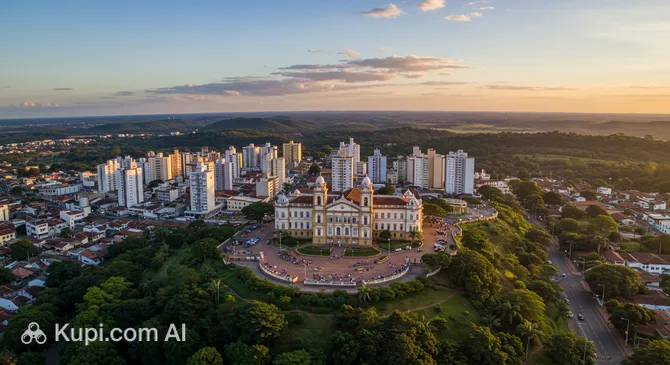
Joinville. Source: Kupi.Binoculars

Beyond its historical roots, Joinville is famous for two major passions: flowers and dance. It holds the title of the "City of Flowers," celebrated annually with a colorful festival that showcases the region's botanical beauty, particularly its orchids. Furthermore, it is globally recognized as the host of the Joinville Dance Festival, considered the largest dance festival in the world by the Guinness Book of Records. Visitors should not miss the chance to visit the National Museum of Immigration and Colonization or simply stroll through the city's well-kept gardens.

With a population of over 500,000 residents, Joinville offers all the amenities of a modern city while maintaining a welcoming and hospitable spirit. Whether you are attending a world-class cultural event or exploring the serene rural pathways nearby, Joinville invites you to experience a side of Brazil that is both surprisingly European and authentically Brazilian.
Weather Overview

Understanding the local climate is essential for packing the right gear, so be sure to check the detailed forecast for the weather in Joinville before you arrive. The city generally experiences a humid subtropical climate, characterized by distinct seasonal changes that influence the best times for outdoor activities.

During the summer months from December to March, the city is at its warmest and wettest. Average temperatures hover around 24°C, with daytime highs reaching approximately 27.8°C in January. This season is marked by frequent rainfall, with January seeing up to 26 wet days, making an umbrella or raincoat an indispensable travel companion for your visits.

In contrast, the winter season from June to August offers cooler and drier conditions. July is typically the coldest month, with average temperatures dropping to around 16.8°C and nighttime lows dipping to 12.8°C. Rainfall decreases significantly during this period, with July experiencing the fewest rainy days, averaging about 9 wet days per month.

Expect warm, humid summers with frequent rain and milder, drier winters.

Interesting Facts

Beyond the main attractions and industrial prowess, Joinville holds many fascinating secrets and historical quirks that surprise even seasoned travelers. From royal connections to unique cultural institutions, the city's backstory adds a layer of depth to every visit.

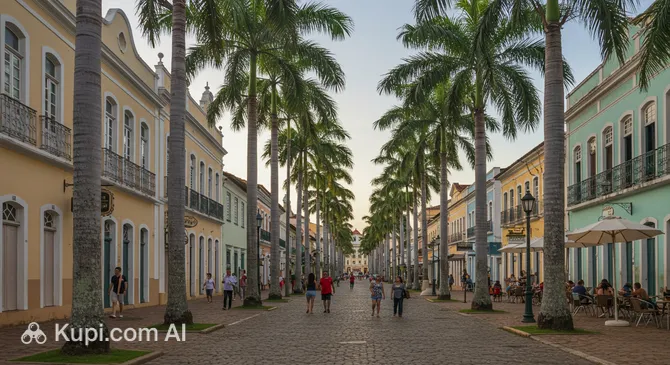
Palm Tree Street. Source: Kupi.Binoculars
  • Joinville is home to the only branch of the prestigious Bolshoi Ballet School outside of Russia. This elite institution trains hundreds of students and is housed within the complex of the Cau Hansen Events Center, cementing the city's reputation as a global dance capital.

  • The land that became Joinville was originally a wedding gift, or dowry, given to François d’Orléans, the Prince of Joinville, upon his marriage to the Brazilian Princess Francisca in 1843. Despite the city being named after him, the Prince never actually set foot on these lands.

  • The region is an archaeological treasure trove featuring numerous sambaquis, or prehistoric shell mounds, left by ancient inhabitants thousands of years ago. The Sambaqui Archaeological Museum of Joinville is dedicated to preserving and explaining these fascinating man-made formations.

  • One of the city's most photographed spots, Palm Tree Street (Rua das Palmeiras), features majestic imperial palms that were planted in 1873. Legend has it that the seeds were brought specifically to create a grand entrance for the royal family's local administration house.

How to Get There

Reaching this vibrant city in Santa Catarina is quite convenient, with options ranging from a local airport to major international hubs nearby. Whether you are arriving from within Brazil or from abroad, you can find all ways to reach the city and choose the one that best fits your itinerary.

The most direct way to arrive is by flying into the Joinville-Lauro Carneiro de Loyola Airport (IATA: JOI). Located just 10.1 km from the city center, this regional airport offers the quickest access to your final destination. A taxi or ride-share from here typically takes around 20 minutes. While it is a smaller facility, it serves as a key entry point for domestic travelers and those connecting from larger Brazilian cities.

For more flight options, many visitors choose to fly into Navegantes Airport (IATA: NVT), located in the city of Navegantes. It is approximately 66.7 km away from Joinville. The journey by road from Navegantes usually takes about 1 hour. Another significant alternative is the Afonso Pena International Airport (IATA: CWB) in Sao Jose dos Pinhais, near Curitiba. This is a large hub with extensive connections, situated about 92.1 km from Joinville, with a transfer time of approximately 1.5 hours.

For clarity, here is a summary of the main airports:

Airport Name City Passenger Traffic Km from City
Afonso Pena International AirportSao Jose dos PinhaisLarge92.1
Hercilio Luz International AirportFlorianopolisLarge153.8
Navegantes AirportNavegantesMedium66.7
Joinville-Lauro Carneiro de Loyola AirportJoinvilleSmall10.1
Humberto BortoluzziJaguarunaSmall263.7

While air travel is the primary method for long-distance arrivals, the region is also well-connected by road. If you are landing at one of the airports in neighboring cities, you can easily take an intercity bus or rent a car to complete your journey to Joinville, enjoying the scenic landscapes of Santa Catarina along the way.

Main Attractions

Joinville is a destination where history, culture, and nature converge, offering visitors a diverse range of experiences. From exploring the legacy of European immigrants to immersing oneself in the lush Atlantic Forest, the city's main sights cater to all interests. Below are some of the top places to include in your itinerary.

One of the most significant historical landmarks is the National Museum of Immigration and Colonization. Housed in the majestic "Palace of the Princes," which was built in 1870, this museum offers a deep dive into the lives of the early settlers. Visitors can explore a vast collection of furniture, tools, and documents that narrate the story of the German, Swiss, and Norwegian immigrants who shaped the region. The beautiful palm-lined driveway leading to the museum is an attraction in itself, providing a perfect photo opportunity.

National Museum of Immigration and Colonization. Source: Kupi.Binoculars

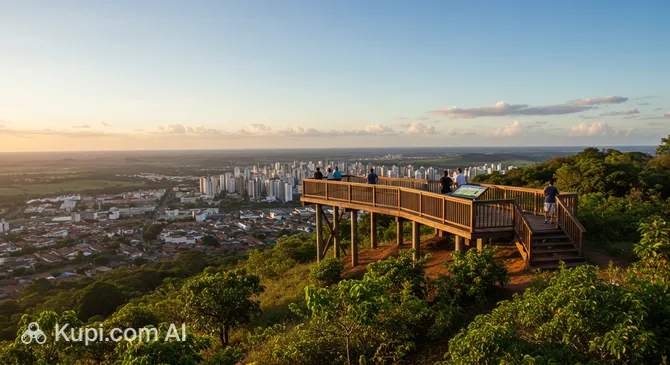
For those seeking breathtaking panoramic views, the Joinville Lookout (Mirante do Morro da Boa Vista) is a must-visit. Rising 250 meters above the city, the observation deck offers a stunning 360-degree perspective of Joinville and the majestic Babitonga Bay. The site is surrounded by native forest, and the ascent can be made via a paved path that is popular among walkers and cyclists, or by a local bus service. It is an ideal spot to appreciate the vastness of the city against the backdrop of green hills.

Joinville Lookout. Source: Kupi.Binoculars

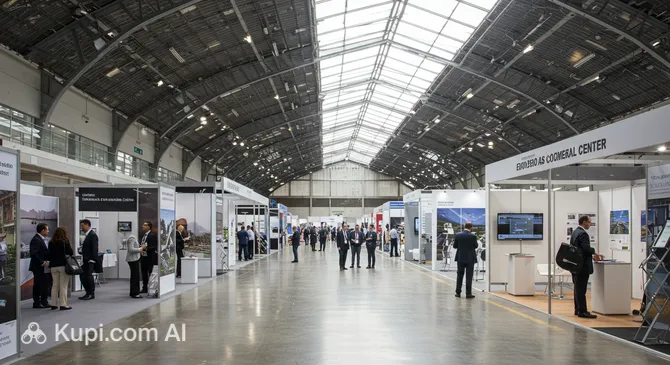
Another favorite for families and leisure seekers is the Expoville Tourist and Commercial Center. Located at the entrance of the city, this expansive park is famous for its large pórtico (gateway) built in half-timbered style. Inside, visitors find a sprawling green area with lakes, pedal boats, and plenty of space for picnics. It often hosts fairs and cultural events, making it a lively hub of activity where tourists can relax and enjoy the outdoors.

Expoville Tourist and Commercial Center. Source: Kupi.Binoculars

Nature lovers should also make time for the Joinville Zoo and Botanical Gardens. Located within the Morro da Boa Vista complex, near the Lookout, this attraction allows you to connect with the local flora and fauna. The park serves as a sanctuary for various animal species and features walking trails that wind through the vegetation. It is a peaceful retreat from the urban center and a great educational stop to learn about the biodiversity of Santa Catarina.

Local Cuisine

The culinary scene in Joinville is a delicious reflection of its heritage, offering a unique fusion of traditional German recipes and Brazilian ingredients. Visitors will find that the local gastronomy is hearty and flavorful, with a strong emphasis on meats, savory pastries, and artisanal sweets. One of the city's most celebrated culinary traditions is the Café Colonial, a lavish afternoon meal that features a vast buffet of cakes, breads, jams, cheeses, and cold cuts, perfect for those with a healthy appetite.

When it comes to main courses, the star of the show is undoubtedly Marreco Recheado (stuffed duck). This signature dish is typically served with red cabbage, apple puree, and spätzle, bringing a taste of the Old World to Santa Catarina. Another favorite is Eisbein (pork knuckle), often enjoyed in traditional taverns. For a lighter or sweeter treat, you must try Cuca, a German-style crumb cake made with fruits like banana or grapes, which has become a symbol of the region's hospitality.

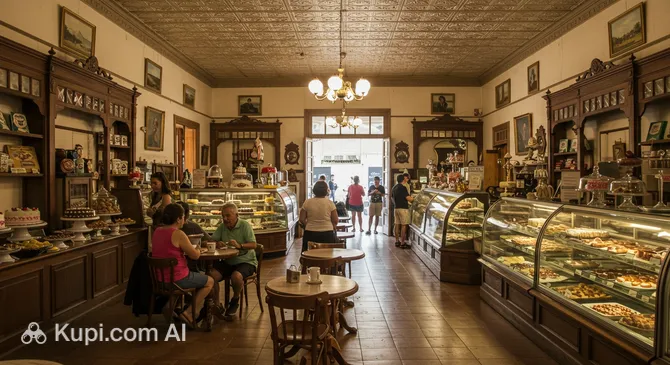
For those looking to experience the local cafe culture, Café Retrô Confectionery is a charming spot to sample these traditional sweets and enjoy a relaxing break. The city also boasts a vibrant "Gastronomic Route" along Visconde de Taunay Street, where many of the best dining establishments are clustered.

Café Retrô Confectionery. Source: Kupi.Binoculars

The beverage culture in Joinville is equally impressive, with a strong focus on craft beers. The region is part of Brazil's beer valley, so ordering a locally brewed chope (draft beer) is highly recommended. For evening entertainment and dining, places like the Didge Steakhouse Pub offer a lively atmosphere where you can enjoy good food and drinks. Alternatively, if you are in the mood for Mexican flavors with a Brazilian twist, Guacamole is a popular choice among locals and tourists alike.

Beyond the specialized restaurants, visitors can find excellent dining options in modern centers like the Mueller Shopping Mall, which offers a variety of choices ranging from fast food to sit-down meals. Whether you are indulging in a full colonial breakfast or grabbing a slice of pizza at Vicenza Pizzeria and Restaurant, eating in Joinville is a cultural experience that connects you to the city's multicultural roots.

Travel Tips

Planning a trip to the "City of Flowers" is an exciting prospect, and a few insider insights can make your experience even more enjoyable. To help you navigate local customs and logistics with ease, here are some practical tips designed to ensure your visit to Joinville is smooth and memorable.

  1. Clothing and Gear: The local climate is humid, and the city is famous for its sudden showers, often jokingly referred to by locals as the "Joinville rain." A sturdy umbrella or a raincoat is an absolute must-have item in your day pack, regardless of the season. Since you will likely be visiting parks and museums, pack comfortable walking shoes. Also, note that the voltage in Joinville is 220V, so bring a universal adapter if your devices are 110V.

  2. Transportation: While the city does not have a metro system, it boasts an efficient and integrated bus network that connects the main districts to the central terminal. However, for tourists, ride-hailing apps like Uber and 99 are often the most convenient and affordable way to get around. If you plan to explore the surrounding beaches or mountains of Santa Catarina, renting a car is highly recommended for flexibility.

  3. Finances: The official currency is the Brazilian Real (BRL). Credit and debit cards are widely accepted in hotels, restaurants, and even small shops. However, it is wise to carry some cash for small street vendors or local fairs. ATMs are readily available at banks and supermarkets. Tipping is generally standard at restaurants, where a 10% service charge is usually included in the bill.

  4. Health and Safety: Joinville is considered one of the safer major cities in Brazil, but standard urban precautions still apply; keep your belongings secure and avoid poorly lit areas at night. Pharmacies (farmácias) are abundant, and major chains like Raia or Panvel often have extended hours. In case of a medical emergency, dial 192 for an ambulance or 190 for the police.

  5. Communication: The primary language is Portuguese. While the city has strong German roots, do not expect everyone to speak German or English outside of major tourist hubs and high-end hotels. Learning a few basic phrases like "Bom dia" (Good morning) and "Obrigado" (Thank you) goes a long way. WhatsApp is the preferred method of communication for businesses and locals, so having a data plan is very useful.

  6. Local Etiquette: The people of Joinville are known for being polite and slightly more reserved than in other parts of Brazil, reflecting the city's European heritage. Greetings often involve a handshake or a kiss on the cheek. Punctuality is appreciated here more than in other Brazilian regions, so try to be on time for tours or appointments.

  7. What to Avoid: Do not assume that locals speak Spanish; while similar to Portuguese, speaking Spanish to Brazilians can sometimes be seen as dismissive of their own language. Also, avoid drinking tap water directly; although the city's water treatment is good, it is safer for tourists to stick to filtered or bottled water to prevent any stomach issues.

  8. Additional Tip: If you are visiting in July, be aware that the city transforms for the Joinville Dance Festival. The streets, hotels, and restaurants become very busy. If your trip coincides with this world-famous event, book your accommodation months in advance to secure a spot and enjoy the electric atmosphere.

Armed with these practical tips, you are all set to explore the charming streets and rich culture of Joinville without a hitch. Embrace the local rhythm, enjoy the lush green landscapes, and have a fantastic journey through this unique corner of southern Brazil!

Entertainment & Nightlife

As the sun sets over the "City of Princes," Joinville transitions from a bustling industrial hub into a lively destination for evening entertainment. While it may not have the frenetic pace of Brazil's coastal capitals, the city offers a sophisticated and diverse nightlife scene that caters to locals and visitors alike. The atmosphere here is generally welcoming and safe, with a focus on good music, excellent food, and social gatherings in well-defined districts.

The heartbeat of the city's nightlife is undoubtedly the Via Gastronômica (Gastronomic Route), located along Rua Visconde de Taunay. This vibrant street is lined with high-end bars, themed pubs, and restaurants, making it the perfect place to start your night. The crowd here is typically a mix of young professionals and students, and the dress code leans towards smart-casual. It is a safe area to walk around in the evening, buzzing with energy until the early hours of the morning.

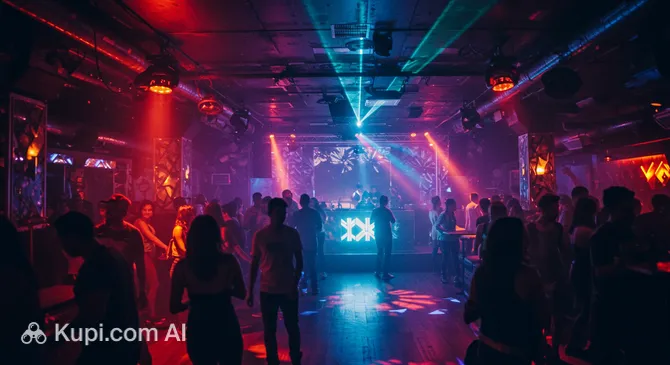
For those looking to dance the night away, TYPE Joinville is a standout venue. Known for its modern lighting and sound systems, this club frequently hosts DJs spinning electronic and pop music, drawing a spirited crowd ready to party. It is one of the premier spots in the city for a high-energy clubbing experience, usually opening its doors late and staying active well into the night.

TYPE Joinville. Source: Kupi.Binoculars

If you prefer a rock-and-roll vibe combined with hearty food, the Didge Steakhouse Pub is an excellent choice. Inspired by Australian culture, this venue offers live band performances, a wide selection of beers, and a lively atmosphere that makes it a favorite among locals. For a slightly more relaxed setting that bridges the gap between a café and a night spot, Quiero Café offers a cozy environment where you can enjoy cocktails and conversation without the intensity of a nightclub.

When planning your night out, keep in mind that bars typically fill up around 8:00 PM, while nightclubs like TYPE get busy after 11:00 PM. Average prices for drinks and cover charges are reasonable compared to larger Brazilian cities. For transportation, it is highly recommended to use ride-sharing apps like Uber or 99, which are reliable and safe ways to get back to your hotel. While the main nightlife districts are secure, it is always wise to avoid walking alone in unlit areas late at night.

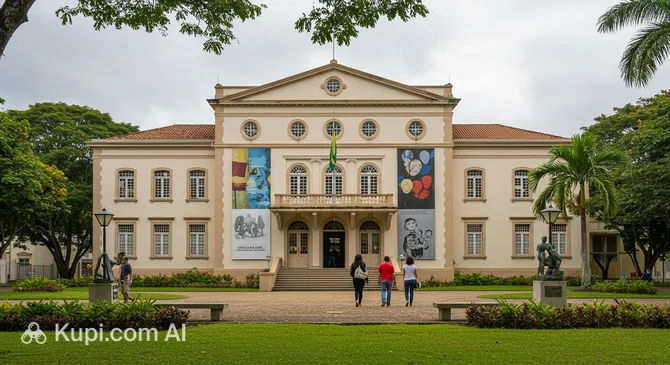
Before the evening festivities begin, Joinville offers plenty of cultural enrichment during the day. Art enthusiasts should visit the Joinville Museum of Art, which hosts impressive collections of local and regional works. Another cultural gem is the Juarez Machado International Institute, dedicated to the work of the famous artist and serving as a vibrant center for exhibitions and cultural events.

Joinville Museum of Art. Source: Kupi.Binoculars

Parks & Museums

Joinville seamlessly blends its industrial heritage with a surprising abundance of green spaces and rich cultural institutions. For tourists, this means the opportunity to transition from a hike through the Atlantic Forest to a tour of a world-class art gallery within minutes. The city's commitment to preserving its history and environment is evident in its well-maintained public squares, ecological reserves, and specialized museums.

For those who enjoy outdoor activities and nature, the Boa Vista Hill Trail is an excellent choice. While many visit the hill for its famous lookout, taking the trail offers a more immersive experience with the local flora and fauna. The path winds through dense vegetation, providing a refreshing escape from the urban heat and offering glimpses of monkeys and exotic birds along the way. It is a favorite spot for locals seeking exercise and tranquility in the heart of the city.

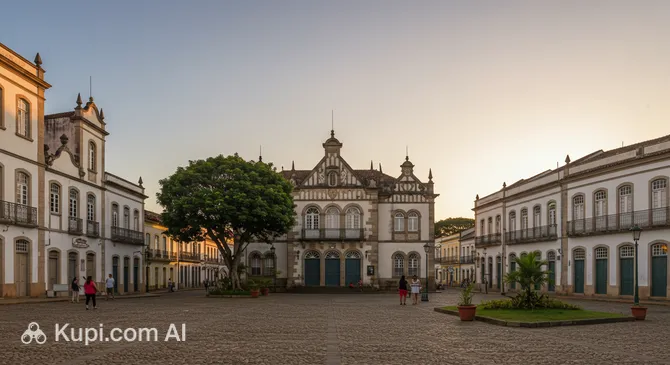
In the city center, Tiradentes Square serves as a historical and social landmark. This charming public space is not just a patch of green but a gathering point surrounded by important buildings. It is an ideal place to sit and observe the daily life of Joinville's residents, shaded by mature trees. The square often hosts small events and is a convenient starting point for a walking tour of the downtown area.

Tiradentes Square. Source: Kupi.Binoculars

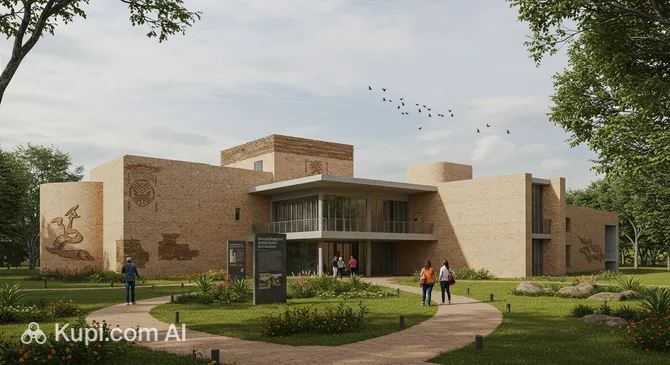
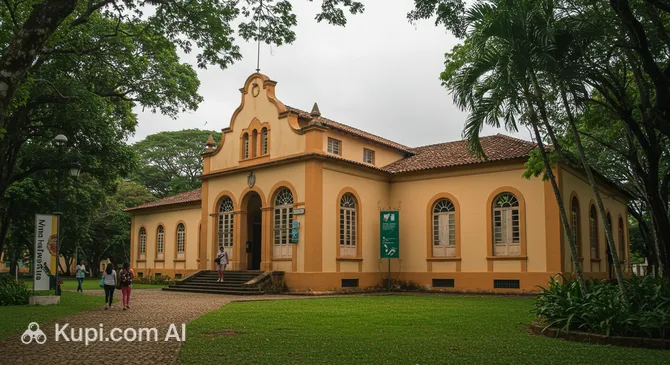
When it comes to culture, Joinville offers unique institutions that go beyond the typical art gallery. The Sambaqui Archaeological Museum of Joinville is a fascinating stop for history buffs. It is dedicated to the sambaquis—ancient shell mounds created by prehistoric inhabitants of the Brazilian coast thousands of years ago. The museum houses a vast collection of artifacts, including tools and skeletal remains, providing a rare insight into the lives of these early hunter-gatherers.

Sambaqui Archaeological Museum of Joinville. Source: Kupi.Binoculars

Art lovers should not miss the Juarez Machado International Institute. Founded by and dedicated to the renowned local artist Juarez Machado, this cultural center is a masterpiece in itself. It features exhibition halls, a library, and a beautiful garden, all designed to promote creativity and the arts. The institute regularly hosts temporary exhibitions from international artists as well as permanent collections of Machado's whimsical and provocative works.

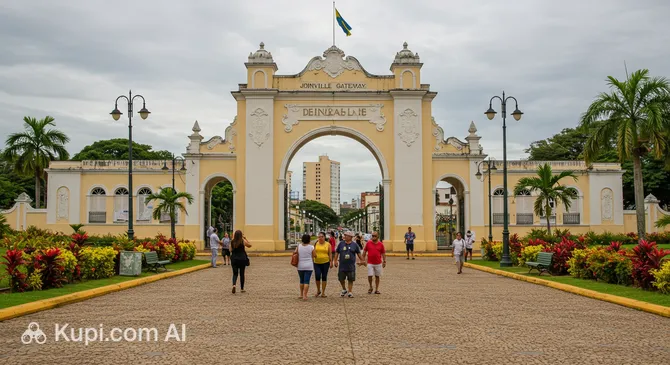
Architectural enthusiasts will appreciate the Sacred Heart of Jesus Sanctuary. This striking church is known for its unique modern architecture and the peaceful atmosphere of its grounds. Another iconic structure is the Joinville Gateway (Pórtico de Joinville), located at the city's entrance. Built in the traditional half-timbered style, it welcomes visitors with a nod to the city's German roots and serves as a classic photo opportunity.

For a truly authentic experience, try exploring the rural tourism route known as Estrada Bonita. Located just outside the main urban area, this scenic road is lined with family-run farms where you can buy homemade jams, cookies, and cachaça directly from the producers.

Getting Around

Public transport in Joinville is primarily composed of an extensive bus network, as the city does not have a metro or tram system. The service is managed through the Integrated Transport System (SIT), which is operated by two main companies, Transtusa and Gidion. This system is designed to connect different neighborhoods efficiently, utilizing a network of terminals that allow passengers to transfer between lines without paying an additional fare, provided they remain within the terminal boundaries.

The core of the network consists of the Central Terminal, located downtown, and several neighborhood terminals such as Norte, Sul, and Tupy. Buses are generally color-coded or clearly marked with their destination and line number. "Troncal" lines connect the terminals to each other, while "Alimentadora" lines connect the terminals to residential neighborhoods. Understanding this structure is key to navigating the city, as most long-distance journeys will involve taking a bus to a terminal and transferring to a connecting line.

Regarding payment, the most convenient option for tourists is to purchase a ticket known as the Bilhete Embarque. While residents typically use the rechargeable "Cartão Ideal" smart card, visitors can buy single-use tickets at ticket counters located within the terminals. It is also possible to pay with cash directly to the driver or conductor on board, but this is often slightly more expensive than purchasing the ticket in advance. Prices are affordable, typically hovering around a few Reais per trip.

For planning your route, relying on digital tools is highly recommended. Apps like Moovit are widely used and provide real-time information on bus schedules, routes, and arrival times. The buses generally operate from early morning, around 5:00 AM, until shortly after midnight. On weekends and holidays, the frequency of service may decrease, so it is wise to check the schedule beforehand if you plan to travel late at night.

If you prefer more direct or private transportation, ride-sharing apps like Uber and 99 are extremely popular and reliable in Joinville. They offer a safe and often very cost-effective alternative to traditional taxis, especially for groups or for travel during hours when bus service is limited. Standard taxis are also available and can be found at designated stands near major landmarks and the airport, operating with a meter system.

A unique feature of Joinville is its historical reputation as the "City of Bicycles." Although urbanization has increased car traffic, the bicycle remains a beloved mode of transport for many locals. The city has a relatively flat terrain and an increasing number of cycle lanes (ciclovias). Renting a bike can be a pleasant way to explore the city center and nearby parks, allowing you to experience the local lifestyle firsthand.

Accommodation

Where to Stay:

Finding the perfect place to stay in Joinville is relatively easy, as the city is well-equipped to host visitors ranging from business travelers to vacationing families. The accommodation landscape is diverse, offering everything from economical hostels and budget-friendly chains to sophisticated mid-range hotels and upscale accommodations. Because Joinville is a major industrial hub, many hotels focus on comfort and efficiency, ensuring high standards of service and amenities like reliable Wi-Fi and breakfast buffets.

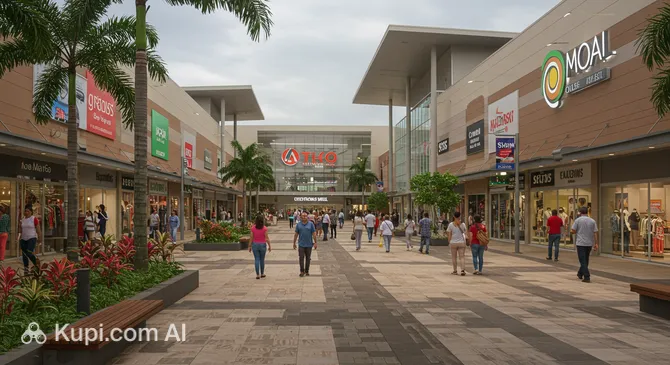
For most tourists, the best area to stay is the City Center (Centro). Staying here places you within walking distance of the city's main historical attractions, such as the famous Palm Tree Street and various museums. The downtown area is also the commercial heart of the city, teeming with shops and dining options. It is home to the Mueller Shopping Mall, a convenient landmark for travelers who want easy access to food courts, services, and retail stores right on their doorstep.

Mueller Shopping Mall. Source: Kupi.Binoculars

Another popular district is Atiradores, often considered one of the most charming neighborhoods in Joinville. This area is ideal for those who want to be close to the vibrant nightlife and the "Via Gastronômica," where many of the city's best restaurants and bars are located. It offers a slightly more residential and leafy atmosphere while still being very accessible. For visitors attending conferences or fairs, looking for accommodation near the Expoville Tourist and Commercial Center at the city's entrance is a practical choice, offering quick access to the highway and the event venue.

Booking Tips and Prices: Generally, hotel prices in Joinville are reasonable compared to Brazil's major tourist capitals like Rio de Janeiro or São Paulo. You can often find excellent value for money, especially on weekends when business travel slows down. Booking can be easily done through major online platforms or directly with the establishments.

However, there is one critical exception: the Joinville Dance Festival in July. During this period, the city receives thousands of dancers and tourists from all over the world. Occupancy rates hit 100%, and prices can soar. If you plan to visit during the festival, it is imperative to book your accommodation several months in advance to secure a room.

Whether you prefer the convenience of a modern hotel chain in the center or the coziness of a smaller inn in a quiet neighborhood, Joinville provides a welcoming base for your exploration of Santa Catarina.

Nearby Cities

For those looking to explore the surroundings, Joinville serves as an excellent base for day trips to several interesting nearby locations:

One of the most popular choices is Sao Francisco do Sul, located on the coast just a short drive away. As the third-oldest city in Brazil, it boasts a beautifully preserved historic center filled with colonial architecture and the unique National Museum of the Sea. Beyond its history, the city is famous for its inviting beaches, such as Enseada and Prainha, making it a perfect spot for both culture and relaxation.

Heading up into the mountains, Sao Bento do Sul offers a refreshing change of scenery with its cooler climate and European charm. The city is known for its strong German heritage, which is reflected in its architecture and cuisine, as well as its production of fine crystals. The drive there via the Serra Dona Francisca provides breathtaking views of the Atlantic Forest.

Another noteworthy destination is Jaragua do Sul, a dynamic city that blends industrial prowess with natural beauty. It is home to the stunning Malwee Park, a vast green area with lakes and trails that is ideal for families and nature lovers. The city also hosts a variety of cultural events and offers a glimpse into the thriving economic life of the region.

City Population Distance (km)
Jaragua do Sul 143123 31
Sao Bento do Sul 74801 54
Campo Alegre 57548 44
Sao Francisco do Sul 53746 22
Guaramirim 35172 24

These nearby destinations offer a glimpse into the diverse culture and landscapes of the region.

Shopping & Souvenirs

Shopping in Joinville offers a delightful mix of modern convenience and traditional charm, reflecting the city's status as an industrial powerhouse with strong cultural roots. As a major hub for the textile industry in Santa Catarina, the city is an excellent place to purchase high-quality clothing, knitwear, and fabrics at competitive prices. Beyond apparel, visitors can explore a variety of bustling commercial districts, modern malls, and artisanal fairs that showcase the region's creativity.

The heart of the city's retail scene is located in the downtown area, particularly along Rua do Príncipe. This famous street is an open-air shopping destination lined with department stores, boutiques, and shoe shops. It is a lively place to walk around, soak in the local atmosphere, and find everything from everyday essentials to fashion items. The surrounding streets, such as Rua das Palmeiras, also offer various smaller shops and services, making the city center a convenient one-stop location for tourists.

For a more climate-controlled experience, the Mueller Shopping Mall is the premier destination. Located right in the city center, it features a wide range of national and international brands, a food court, and a cinema. It is a favorite meeting point for locals and provides a comfortable environment for shopping, especially on rainy days. Another significant commercial hub is the Garten Shopping, located in the northern part of the city, which offers upscale brands and extensive leisure facilities.

If you are looking for authentic local goods and souvenirs, the Expoville Tourist and Commercial Center is a must-visit. Situated at the entrance of the city near the iconic Joinville Gateway, this complex houses a variety of shops selling handicrafts, regional products, and souvenirs. It is the perfect place to find items that represent the city's German heritage, such as embroidery, porcelain, and decorative objects.

Joinville Gateway. Source: Kupi.Binoculars

Another vibrant spot for shopping and gastronomy is the Joinville Public Market (Mercado Público Municipal). While primarily known for its fresh produce and lively bars, it also features stalls selling local crafts and specialty foods. It is an excellent location to purchase goods like artisanal cheeses, salamis, and the famous local cachaça. The market's historic architecture and spirited ambiance make every visit a cultural experience.

When it comes to souvenirs, visitors often take home locally produced textiles, which are renowned for their quality. Additionally, given the region's strong brewing tradition, bottles of craft beer from local microbreweries make for popular gifts. Chocolates and traditional German-style cookies are also widely available and highly appreciated by those with a sweet tooth.

Standard shopping hours in Joinville are generally from 9:00 AM to 6:00 PM or 7:00 PM on weekdays, and until 1:00 PM on Saturdays. Most street shops are closed on Sundays, but shopping malls like Mueller and Expoville remain open, typically from 10:00 AM to 10:00 PM (with reduced hours on Sundays). Credit and debit cards are widely accepted throughout the city, but carrying a small amount of cash is advisable for smaller market stalls. Please note that tax-free shopping refunds are not standard in Brazilian city stores for international tourists.

Reached the end of the page?

That means the route is fully explored