Support

Curitibanos

About

Nestled in the central plateau of the state of Santa Catarina, Curitibanos is a city that proudly bears the title of the "Heart of the State" due to its strategic geographic location. This inviting destination offers travelers a distinct perspective on Brazil, characterized by its cooler highland climate and a strong connection to rural traditions. Unlike the tropical coast, the weather here can be crisp, offering a cozy atmosphere that is unique to this high-altitude region.
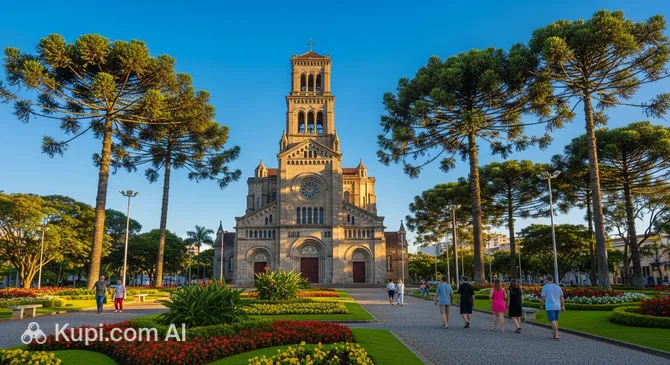
Curitibanos. Source: Kupi.Binoculars

The city is home to a population of approximately 38,000 residents, creating a community that feels both vibrant and intimate. Its location serves as a crossroads for travelers moving through the southern part of the country, making it a natural hub for commerce and culture. The surrounding landscapes are marked by araucaria pine forests and rolling fields, providing a scenic backdrop for outdoor activities.

Cultural heritage is a cornerstone of the local identity. The area was historically a crucial stopover for the legendary tropeiros (cattle drovers) who transported goods across the continent. To truly appreciate the deep roots of this community, delving into the history of Curitibanos is highly recommended, as it reveals fascinating stories of the settlement period and the significant Contestado War that shaped the region.

Visitors will find several interesting spots to explore. The Museu Histórico Antônio Granemann de Souza is a key attraction, housing a collection of photographs, documents, and objects that preserve the memory of the city's ancestors. Another highlight is the Parque Pouso do Tropeiro, a large venue that hosts the famous Expocentro festival and stands as a tribute to the drover culture that founded the city.

Whether you are exploring the highlands of Santa Catarina or seeking a quiet retreat rich in historical context, Curitibanos welcomes you with open arms. It is a perfect destination to experience authentic southern hospitality and discover a different side of Brazilian life.

Weather Overview

The climate in this region is influenced by its altitude, resulting in distinct seasonal changes that differ from the tropical heat often associated with the country. Generally, visitors can expect warm summers with frequent rainfall and cool, drier winters. The average temperatures remain relatively mild throughout the year, making outdoor exploration pleasant during most seasons.

Summer, spanning from December to February, brings the warmest days, with January seeing average highs of 25.7°C. However, this is also the wettest period; January alone can experience up to 20 wet days, so packing a raincoat is advisable. In contrast, the winter months of June through August are significantly cooler. July is typically the coldest month, with average lows dipping to 8.3°C and daytime highs reaching around 18.1°C. Rainfall decreases during this time, with August seeing as few as 7 wet days.

Spring and autumn offer moderate transition periods. September and October see temperatures rising back into the high teens and low twenties, while April and May mark the cooling trend with fewer rainy days than the summer peak. To help you pack appropriately for your specific travel dates, we recommend checking the detailed weather in Curitibanos before your trip.

Interesting Facts

Beyond the main attractions, Curitibanos holds many fascinating secrets and historical tales that define its character. While often visited for its strategic location, the city possesses a rich tapestry of legends and geographical curiosities that surprise many visitors.

  • The Heart of the State: Curitibanos is not just centrally located metaphorically; it is the literal geodesic center of the state of Santa Catarina. A specific monument in the city marks this geographic midpoint, solidifying its nickname as the "Heart of the State."

  • Anita Garibaldi’s Daring Escape: The city was the stage for one of the most dramatic moments in the life of the revolutionary heroine Anita Garibaldi. During the Battle of Curitibanos in 1840, she was captured by Imperial troops. According to local history, she managed a spectacular escape on horseback while pregnant, fleeing to reunite with her husband, Giuseppe Garibaldi.

  • Origin of the Name: The name "Curitibanos" translates to "People from Curitiba." It originated because the area served as a crucial resting point, or pouso, for drovers and travelers coming from the city of Curitiba in the neighboring state, eventually becoming known as the "Camp of the Curitibanos."

  • A Historic Battleground: The city houses a site known as the Capão da Mortandade (Grove of Slaughter). This location is historically linked to the Ragamuffin War (Revolução Farroupilha) and the Battle of Curitibanos in 1840, rather than the later Contestado War. It serves as a solemn reminder of the fierce combat that took place between Imperial forces and the Republican rebels.

  • Snow in Brazil: Despite the country's tropical reputation, Curitibanos is one of the few cities where snow can occasionally be seen. Its high altitude on the plateau allows for freezing temperatures, sometimes turning the landscape white during the coldest winter waves.

How to Get There

Reaching this destination in the highlands of Santa Catarina requires a bit of planning, as the city is primarily accessible via road connections from major regional hubs. For a comprehensive guide on the best routes and transport methods, you can read more about how to get to Curitibanos to ensure a smooth journey.

The city of Curitibanos does not have its own commercial airport. Most visitors choose to fly into Navegantes Airport (NVT) in the city of Navegantes, which is the closest option at approximately 196 km away. The ground transfer from there typically takes around 5 hours by taxi or rental car. Alternatively, travelers often use Hercilio Luz International Airport (FLN) in Florianopolis. Located about 204 km from Curitibanos, this larger hub offers more flight connections, with a subsequent road journey taking roughly 5 hours and 30 minutes.

For clarity, here is a summary of the main airports in the region:

Airport Name City Passenger Traffic Km from City
Hercilio Luz International Airport Florianopolis Large 204.3
Navegantes Airport Navegantes Medium 196.2
Chapeco Airport Chapecó Medium 207.0
Joinville-Lauro Carneiro de Loyola Airport Joinville Medium 212.8
Passo Fundo Airport Passo Fundo Small 202.3

Curitibanos is not currently served by a passenger railway station. The most common way to arrive is by road, utilizing the extensive network of buses that connect the city to other parts of Santa Catarina and neighboring states. Visitors driving to the city typically use the BR-470 highway, which is the main arterial road providing access to the region.

Main Attractions

Exploring Curitibanos allows visitors to discover a variety of landmarks that define the local landscape beyond its historical timeline. The city's attractions provide a mix of spiritual architecture, green leisure areas, and monuments that stand as silent witnesses to the region's identity.

A primary architectural highlight is the Igreja Matriz Imaculada Conceição (Parish Church of the Immaculate Conception). Often the center of religious life in the city, this church impresses with its dignified structure and artistic details. Visitors are encouraged to step inside to admire the stained glass and the serene atmosphere, which offers a quiet respite from the bustling streets outside.

The city is also dotted with inviting public squares that serve as community hubs. Praça da República is a central gathering point featuring well-kept gardens perfect for a relaxing afternoon. For a different setting, travelers can visit Praça do Centenário, another charming space that locals frequent. These squares are ideal for observing the daily rhythm of the city and enjoying the cool highland climate.

While often cited for its festivals, the Parque Pouso do Tropeiro is worth a visit simply for its open spaces and monuments. The park features the iconic Monumento ao Tropeiro, a statue that visually captures the essence of the cattle drovers. Even without the crowds of the Expocentro, the park provides a scenic backdrop for walking and photography, highlighting the rustic charm of the Santa Catarina plateau.

For a touch of nature intertwined with memory, the Capão da Mortandade offers a unique setting. Distinct from a typical museum, this site is characterized by a preserved grove of trees and a simple cross. It is a place of solitude where the natural beauty of the vegetation invites visitors to reflect, offering a peaceful experience that contrasts with the dynamic energy of the city center.

Local Cuisine

The culinary scene in Curitibanos is deeply rooted in the traditions of the tropeiros (cattle drovers) and the region's distinct highland climate. Because of the colder weather, especially in winter, the local diet centers on hearty, caloric meals designed to provide warmth and energy. The food here is a reflection of the "Gaúcho" culture that permeates the south of Brazil, characterized by rustic preparation methods and an abundance of meat.

The undisputed star of the local gastronomy is the pinhão, the edible seed of the Araucaria pine tree which dominates the landscape. Harvested in the autumn and winter, it finds its way into numerous savory and sweet recipes. A must-try dish is the Entrevero, a flavorful stew made with pinhão mixed with various meats such as bacon, sausage, pork, and beef, often sautéed with peppers and onions. Another regional favorite is Paçoca de Pinhão, a dense and savory mixture of ground pine nuts and beef, traditionally pounded together to create a filling meal.

Meat lovers will feel right at home with the strong barbecue culture. Churrasco is not just a meal but a social event, featuring high-quality cuts of beef grilled over charcoal. Reflecting the drover heritage, Arroz de Carreteiro (Wagoner's Rice) is another staple found in many local restaurants. Originally prepared by travelers using dried meat (*charque*) and rice in a single iron pot, it remains a beloved comfort food that embodies the history of the settlement.

When it comes to drinks, the most iconic beverage is Chimarrão. This hot infusion of yerba mate is sipped through a metal straw (*bomba*) from a gourd (*cuia*). It is a daily ritual for locals, serving as a symbol of hospitality and friendship, as well as a way to stay warm during chilly days. For evening dining, visitors can also enjoy wines produced in the high-altitude vineyards of Santa Catarina, which are gaining international recognition for their quality.

Dining in Curitibanos is generally a casual and welcoming affair. You will not find many high-end luxury bistros; instead, the city offers cozy family-run restaurants and churrascarias (steakhouses) where the focus is on generous portions and flavor. The atmosphere is typically rustic and friendly, inviting tourists to take their time and enjoy the authentic tastes of the mountain plateau.

Travel Tips

Welcome to Curitibanos, a charming destination in the Santa Catarina highlands that offers a unique blend of history and nature. To ensure your visit to the "Heart of the State" is as smooth and enjoyable as possible, we have compiled a list of essential practical tips tailored to the local lifestyle and climate.

  1. Pack for All Seasons: Unlike the tropical image of Brazil, Curitibanos experiences distinct seasons with significantly colder weather. If you are visiting in winter (June to August), bring a heavy coat, gloves, and scarves, as temperatures can drop near freezing. For summer, light clothing is fine, but always carry a waterproof jacket or umbrella, as sudden rain showers are common. Comfortable walking shoes are a must for exploring parks like Parque Pouso do Tropeiro.

  2. Getting Around: Public transportation within the city is limited to local bus lines which may not frequent all tourist spots conveniently. The best way to explore the city and its surrounding natural landscapes is by renting a car. Taxis are available, and ride-hailing apps may function but with less frequency than in major capitals, so having your own vehicle provides the most freedom.

  3. Currency and Payments: The official currency is the Brazilian Real (BRL). While credit and debit cards are widely accepted in hotels, restaurants, and supermarkets, it is wise to carry some cash for small purchases at local fairs or street vendors. ATMs are available in the city center, but international travelers should notify their banks beforehand to avoid blocked transactions.

  4. Health and Safety: Curitibanos is generally a safe and peaceful city compared to Brazil's larger metropolises. However, standard precautions should still be taken; avoid leaving valuables visible in parked cars and stay in well-lit areas at night. Pharmacies are readily available in the downtown area, and for medical emergencies, the public health service (SAMU) can be reached by dialing 192.

  5. Language Barrier: The primary language is Portuguese, and English proficiency among locals may be limited outside of major hotels. It is highly recommended to download a translation app and learn a few basic phrases like "Bom dia" (Good morning) and "Obrigado" (Thank you). Buying a local SIM card from a newsstand or specialized shop is advisable to stay connected and use maps.

  6. Local Etiquette: The people of Santa Catarina are known for their hospitality. Greetings often involve a handshake or a kiss on the cheek for women. If you are invited to share a Chimarrão (the local mate tea), accept it as a sign of friendship. It is communal, so drink the entire contents of the gourd before passing it back to the person who served you.

  7. What to Avoid: Do not assume the weather will be hot just because you are in Brazil; underestimating the highland cold can ruin your trip. Additionally, avoid refusing hospitality bluntly; if you do not wish to try the local food or drink, decline politely with a smile to avoid causing offense.

  8. Seasonal Delight: If you visit between April and July, take advantage of the Pinhão harvest. This edible pine nut is a local staple and is sold fresh at roadside stands and markets. Trying it boiled or in a local dish like Entrevero is an authentic culinary experience you shouldn't miss.

By keeping these practical tips in mind, you will be well-prepared to embrace the rustic charm and cool climate of Curitibanos. Enjoy the warm hospitality of the locals and have a memorable journey through the historic trails of the region!

Entertainment & Nightlife

The nightlife in Curitibanos reflects the city's friendly and hospitable spirit. While it does not boast the frenetic pace of a large metropolis, the city offers a cozy and inviting evening scene centered around socializing, good music, and hearty food. The entertainment landscape here is dominated by lively pubs, gastro-bars, and restaurants where locals gather to unwind after work or celebrate on weekends.

Most of the evening activity is concentrated in the Centro (Downtown) district and along the main avenues such as Avenida Cel. Vidal Ramos. This area is walkable and safe, buzzing with energy on Friday and Saturday nights. For those looking for more intense late-night entertainment, some larger venues and clubs can be found on the outskirts near the BR-470 highway, offering a space for dancing and live performances.

For a taste of the local social scene, Alemãozinho Pub is a standout choice. Known for its welcoming service and cozy atmosphere, it is a favorite spot to enjoy cold beer and snacks until late. If you are in the mood for music and dancing, Dlirios Night Club is the go-to venue, often hosting parties and events that run into the early morning hours. For a more relaxed evening, the Cine Lumine in the city center offers the latest movie releases in a comfortable setting, perfect for families or couples.

The atmosphere in Curitibanos is distinctly casual. There is rarely a strict dress code; jeans and a nice shirt are perfectly acceptable for almost any venue. Prices are generally affordable compared to larger coastal cities. The best time to experience the nightlife is undoubtedly Friday and Saturday evenings. While the city is safe for walking in the central districts, it is advisable to use a taxi or a ride-sharing app if you are staying further out or visiting venues near the highway late at night.

Beyond the night, Curitibanos offers enriching daytime entertainment that connects visitors with its roots. You can spend your afternoon exploring the Museu Histórico Antônio Granemann de Souza to learn about the region's past or enjoy a peaceful walk in the Parque Pouso do Tropeiro, which celebrates the city's cattle-drover heritage.

Parks & Museums

Curitibanos offers visitors a compelling mix of well-maintained green spaces and cultural institutions that safeguard the region's rich heritage. The city's parks provide a breath of fresh air and a connection to nature, while its museums serve as custodians of the fascinating stories involving the tropeiros and the historic battles that shaped the Santa Catarina plateau.

Parque Pouso do Tropeiro is the most significant outdoor venue in the city and a tribute to its founding history. Spanning a vast area, this park is not only the stage for major events like the Expocentro but also a year-round recreational space for residents and tourists. Its main feature is the imposing Monumento ao Tropeiro, a statue that honors the cattle drovers who once camped here. The park offers ample space for walking, jogging, and enjoying the outdoors, making it an excellent spot for families to experience the local lifestyle.

For a more urban nature experience, Praça da República serves as the green heart of the city center. Located near the main church, this square is beautifully landscaped with flower beds and mature trees that offer shade during the warmer months. It is a favorite gathering spot for locals to socialize, read a book, or simply watch the world go by. The square's central location makes it a perfect resting point while exploring the downtown shops and cafes.

Delving into the cultural side, the Museu Histórico Antônio Granemann de Souza is an essential stop for history enthusiasts. Housed in a building that is historically significant in its own right, the museum preserves a comprehensive collection of artifacts, photographs, and documents. The exhibits primarily focus on the colonization of the region, the daily lives of early settlers, and the pivotal events of the Contestado War. It provides a deep narrative context that helps visitors understand the unique identity of the local people.

Another site of profound historical importance is the Capão da Mortandade. While not a traditional museum with glass cases, this preserved grove functions as an open-air monument and a sacred historical landmark. It marks the site of a fierce battle during the Ragamuffin War in 1840. A simple cross and the surrounding native vegetation create a solemn atmosphere, inviting visitors to reflect on the turbulent past of the southern Brazilian highlands.

For an authentic local experience, try visiting the public squares in the late afternoon. This is when the city comes alive with families and friends sharing chimarrão (mate tea) on the benches. It is a perfect opportunity to observe the community spirit of Curitibanos and perhaps strike up a conversation with the friendly residents about their city's legends.

Getting Around

Navigating Curitibanos is relatively straightforward due to the city's compact size and organized urban layout. While the central district is easily explorable on foot, visitors planning to venture to the outskirts or the surrounding countryside will find motorized transport more convenient.

Walking and Cycling
The downtown area, particularly around the main squares and the commercial avenues, is pedestrian-friendly. Many of the key historical sites, shops, and restaurants are located within walking distance of each other. The terrain in the center is generally manageable, making a leisurely stroll a pleasant way to soak in the local atmosphere.

Public Transportation
The city operates a local bus system that connects the center with various residential neighborhoods. While this service is reliable for daily commuters, the frequency of buses may be lower than travelers are used to in larger cities. Routes typically converge at the central terminal, and schedules are geared more towards working hours. For tourists, buses are a viable option for simple point-to-point travel but may be less efficient for sightseeing.

Taxis and Ride-Sharing
Taxis are a common mode of transport and can be found at designated stands known as pontos de táxi, strategically located near the bus station, hospitals, and major plazas. Ride-sharing apps are also present in Curitibanos; however, the fleet of drivers is smaller than in major capitals. It is advisable to plan your rides in advance, especially during late hours or weekends, as wait times can vary.

Car Rental
Given the scenic nature of the Santa Catarina highlands and the dispersed location of some attractions like the Parque Pouso do Tropeiro, renting a car is often the best choice for visitors. Having a vehicle provides the flexibility to explore the region's pine forests and rural roads at your own pace. Street parking is generally available, though it is wise to check for any paid parking zones in the busiest commercial streets.

Accommodation

Accommodation in Curitibanos is characterized by its practicality and warm hospitality, reflecting the city’s role as a regional hub and a stopover for travelers. Visitors will primarily find mid-range hotels and functional business accommodations rather than luxury resorts or extensive vacation rentals. The options are generally comfortable and clean, catering well to those passing through the Santa Catarina highlands or visiting for business and local events.

When choosing where to stay, location is a key factor. The most popular area is the Centro (Downtown), where guests are within walking distance of restaurants, shops, and main landmarks like the Praça da República. Staying here offers the convenience of easy access to local services and the city's social life. Alternatively, there are several hotels located near the BR-470 highway. These are particularly convenient for travelers on a road trip who prefer a quick stopover without navigating the city center traffic.

The price range for lodging in the city is typically budget to mid-range, making it an affordable destination for most tourists. While major online booking platforms list some of the larger hotels, many smaller establishments and family-run pousadas may still rely on direct bookings via phone or email. It is often worth checking directly with the property to secure the best rates or to find availability if online aggregators show no rooms.

A crucial tip for travelers is to book well in advance if your visit coincides with the Expocentro festival or the peak winter months. During these times, the city attracts a large influx of visitors, and accommodation capacity can fill up quickly. Outside of these busy periods, finding a room is generally straightforward, but securing your reservation early ensures a smoother travel experience in this welcoming highland city.

Nearby Cities

For those looking to explore the surroundings, Curitibanos serves as an excellent base for day trips to several interesting nearby locations. The region is dotted with towns that celebrate their European heritage, agriculture, and unique local traditions, making for memorable short excursions. One of the most popular destinations is Fraiburgo, widely known as the "Land of the Apple." Located less than an hour away, it attracts visitors with its vast orchards where you can often pick your own fruit during the harvest season. The town offers a charming atmosphere with apple-themed delicacies and beautiful landscapes. Another worthwhile stop is Videira, celebrated as the "Capital of the Grape and Wine" in Santa Catarina. Rich in Italian culture, it offers opportunities to visit local wineries, taste regional vintages, and explore the Museum of Wine. For those interested in history and agriculture, Campos Novos is known as the "Granary of Santa Catarina" and features historical sites related to the Contestado War.
City Population Distance (km)
Cacador 70,762 70
Rio do Sul 61,198 93
Videira 47,188 66
Fraiburgo 35,942 46
Campos Novos 32,824 65
These nearby destinations offer a glimpse into the diverse culture and landscapes of the region.

Shopping & Souvenirs

Shopping in Curitibanos is a relaxed affair that mirrors the city's peaceful lifestyle. While you will not find sprawling luxury complexes or international designer outlets, the city provides a pleasant variety of local boutiques, family-owned stores, and essential services. The retail scene is strongly connected to the region's agricultural roots and its cold climate, offering high-quality winter apparel and regional food products that are difficult to find elsewhere.

The commercial heartbeat of the city is located in the Centro (Downtown). The most prominent thoroughfare is Avenida Salomão Carneiro de Almeida, where visitors can find everything from clothing stores and pharmacies to appliance shops and banks. Walking along this avenue and the intersecting Avenida Cel. Vidal Ramos offers a comprehensive view of the local trade, with plenty of window-shopping opportunities in a pedestrian-friendly environment.

Travelers should note that Curitibanos does not host large metropolitan-style shopping malls. Instead, the retail experience is characterized by smaller shopping galleries and arcades within the city center. These galleries typically house a mix of independent shops, snack bars, and service providers, offering a convenient stop for quick purchases without the crowds of major commercial centers.

For a taste of local flavor, the Feira do Produtor (Producer’s Market) is a highlight. Usually held on specific days of the week, this market is where local farmers sell fresh fruits, vegetables, cheeses, and homemade goods. It is an excellent place to find high-quality garlic—a crop for which the city is nationally famous—as well as honey, artisanal salamis, and jams produced in the surrounding countryside.

When looking for souvenirs, consider items that reflect the "Tropeiro" heritage and the highland climate. Woolen clothing, ponchos, and leather goods are popular and practical choices given the chilly winters. During the harvest season (autumn/winter), pinhão (pine nuts) make for a delicious edible souvenir. Additionally, handicrafts made from pine knots or local wood are unique to this region and serve as charming reminders of the Santa Catarina plateau.

Stores generally operate from Monday to Friday, opening around 8:30 AM or 9:00 AM and closing at 6:00 PM, often with a lunch break in smaller establishments. On Saturdays, shops typically close early, around 12:00 PM or 1:00 PM, while Sundays are quiet with most retail businesses closed. Credit and debit cards are widely accepted throughout the city, though carrying some cash (Brazilian Reals) is advisable for small purchases at markets or street stalls.

Visitors should be aware that Brazil does not typically operate a Value Added Tax (VAT) refund system for international tourists. The price displayed on items is the final cost, so there is no tax-free shopping paperwork to process at the airport upon departure.

Reached the end of the page?

That means the route is fully explored