Support

Navegantes

About

Welcome to Navegantes, a vibrant coastal city located in the state of Santa Catarina. Serving as a significant gateway to the southern region of Brazil, this dynamic destination balances the energy of a bustling port hub with the relaxed atmosphere of a seaside town. With a population of approximately 60,000 residents, it offers a welcoming environment that feels both lively and intimate, making it an excellent stop for travelers exploring the Atlantic coast.

The city has a deep connection to the ocean, which is reflected in its culture, economy, and daily life. Exploring the history of Navegantes reveals its evolution from a humble fishing settlement to a city home to one of the country's most important ports. This maritime heritage is celebrated passionately by the locals, particularly during the annual festival honoring Nossa Senhora dos Navegantes, the patron saint of seafarers.
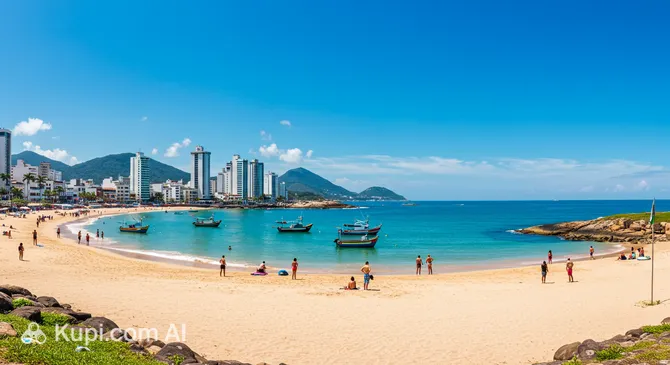
Navegantes. Source: Kupi.com Binoculars

Visitors are often drawn to the city's extensive coastline, featuring broad sandy beaches that are perfect for surfing, walking, and sunbathing. Beyond the beach, Navegantes is strategically important due to its international airport, which serves as a primary entry point for tourists heading to the famous Beto Carrero World theme park in neighboring Penha or the bustling resort city of Balneário Camboriú. A unique local experience is taking the ferry across the Itajaí-Açu River, offering scenic views of the water and the impressive ships docking at the port.

Whether you are arriving for a beach holiday, a business trip, or simply passing through on your way to other Santa Catarina gems, Navegantes invites you to enjoy its hospitality and scenic beauty. It is a destination that promises authentic experiences and serves as the perfect launchpad for your Brazilian adventure.
Weather Overview

Navegantes enjoys a pleasant subtropical climate, characterized by distinct seasons that offer different experiences for travelers. The city's location on the coast means that the ocean heavily influences the temperature, keeping extremes at bay and providing a generally comfortable atmosphere throughout the year.

The summer months, particularly from December to March, are the warmest time to visit, with average temperatures hovering around 25.0°C and daily highs reaching up to 27.5°C in January. However, this warmth comes with higher humidity and rainfall; January is typically the wettest month, seeing approximately 23 days with some precipitation. In contrast, the winter season from June to August is much milder and drier. During July, the average temperature drops to about 16.8°C, with lows around 14.0°C and significantly fewer rainy days, often as low as 8 per month.

For those looking to plan outdoor activities or beach days, checking the detailed weather in Navegantes is highly recommended. Generally, you can expect warm summers with frequent rain showers and mild, drier winters that are ideal for exploring the city without the intense heat.

Interesting Facts

Beyond the main attractions, Navegantes holds many fascinating secrets and unique features that define its character. From its pioneering maritime infrastructure to its bustling river life, there is much more to this coastal city than meets the eye.

  • Navegantes is home to Portonave, which holds the distinction of being the first private port terminal in Brazil. Since commencing operations in 2007, it has grown into one of the most efficient and modern container terminals in the country, playing a crucial role in international trade while operating right next to the city center.

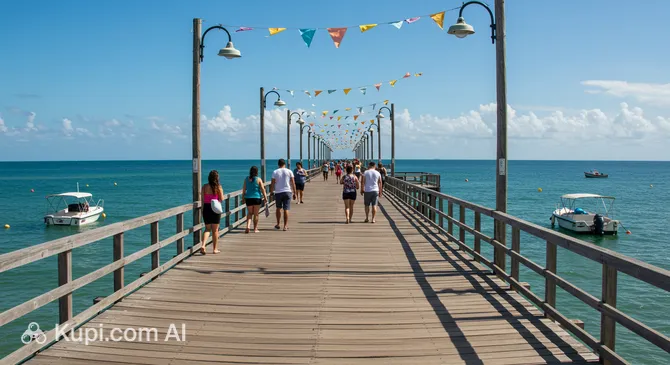
  • The city offers a front-row seat to massive maritime traffic. From the local breakwater, visitors can watch gigantic cargo ships and cruise liners entering the Itajaí-Açu River channel, passing close to the famous Itajaí Pier on the opposite bank, creating a spectacular contrast between the calm beach and industrial might.

  • Unlike many destinations where the airport is located far on the outskirts, the Navegantes International Airport is situated just a few blocks from the ocean. This unique proximity allows travelers to go from the baggage claim to the sandy shores in a matter of minutes and offers passengers stunning aerial views of the coastline during landing.

Itajaí Pier. Source: Kupi.Binoculars

How to Get There

Planning a trip to this coastal gem is quite convenient, as the city is well-connected to the rest of Brazil. Whether you are arriving for a beach holiday or a business visit, you can easily find a route that suits your schedule. For a complete overview of all transport options and detailed travel advice, you can read more about how to get to Navegantes.

The most direct and popular way to arrive is via the Navegantes Airport (IATA: NVT), which is located conveniently within the city limits, just 1.8 km from the center. This facility is a key international airport for the region, handling a significant volume of travelers heading to the Santa Catarina coast. Because it is situated so close to the downtown area and the beaches, the transfer is incredibly quick; a taxi or ride-share typically takes just a few minutes to reach most local hotels.

If you cannot fly directly into Navegantes, a great alternative is the Hercilio Luz International Airport (IATA: FLN) in the city of Florianopolis, located approximately 86.1 km away. As a larger hub with high passenger traffic, it often offers more flight connections. The journey from Florianopolis to Navegantes by taxi or shuttle generally takes around 2 hours and 30 minutes, depending on traffic conditions on the coastal highway. Another viable option is the Joinville-Lauro Carneiro de Loyola Airport (IATA: JOI) in Joinville, about 75.7 km to the north. Travel time from there is roughly 2 hours and 15 minutes.

For clarity, here is a summary of the main airports:

Airport Name City Passenger Traffic Km from City
Afonso Pena International Airport Sao Jose dos Pinhais High 160.1
Hercilio Luz International Airport Florianopolis High 86.1
Navegantes Airport Navegantes Medium 1.8
Joinville-Lauro Carneiro de Loyola Airport Joinville Low 75.7
Humberto Bortoluzzi Jaguaruna Low 201.3

Main Attractions

Navegantes offers a delightful mix of natural beauty, maritime culture, and seaside relaxation. While the city is often recognized for its bustling port and airport, it boasts several captivating spots that make it a worthy destination for tourists. From expansive sandy shores to fascinating vantage points for ship spotting, the local attractions cater to those seeking both tranquility and unique experiences.

One of the city's most beloved assets is Praia de Navegantes (Navegantes Beach). Stretching for nearly 12 kilometers, this vast coastline is renowned for its clean waters, broad boardwalk, and preserved restinga vegetation. It is a versatile destination where visitors can enjoy sunbathing, long seaside walks, or exhilarating sports like surfing and kite surfing. The beachfront is also lined with kiosks and restaurants, making it the perfect place to spend a day soaking up the local atmosphere.

For those fascinated by maritime engineering and the grandeur of ocean travel, the Itajaí Pier is a must-see. Although technically associated with the neighboring city across the river, it is intrinsically linked to the landscape of Navegantes. Visitors can easily reach the area via a short and scenic ferry ride or simply admire the massive breakwater structures from the Navegantes side. It serves as an exceptional observation point to watch gigantic cargo ships and cruise liners maneuvering into the harbor, a spectacle that highlights the region's economic importance.

Another significant landmark is the Molhe de Navegantes (Navegantes Breakwater). Located on the northern bank of the Itajaí-Açu River mouth, this structure extends into the ocean and offers one of the best views in the city. It is a popular spot for fishing enthusiasts and walkers who want to feel surrounded by the sea. At the end of the breakwater stands a lighthouse, guiding vessels safely into port and providing a picturesque backdrop for photos, especially during sunrise or sunset.

Culturally, the Santuário Nossa Senhora dos Navegantes holds a special place in the hearts of locals. This sanctuary is not only a place of worship but also the center of the city's most important event, the Festival of Our Lady of Navegantes. With its beautiful architecture and serene ambiance, the church stands as a tribute to the city's deep connection with the sea and the sailors who have shaped its history.

Local Cuisine

The culinary scene in Navegantes is a delightful reflection of its coastal geography and Azorean cultural heritage. As a city deeply connected to the ocean, fresh seafood is the undisputed star of local menus. Visitors can expect to find an abundance of high-quality fish and shellfish, often caught daily by the local fishing community and served in restaurants and kiosks that line the beachfront.

Among the main dishes worth trying, Tainha (mullet) holds a special place in the region's gastronomy, particularly during the winter season when it is celebrated with festivals. It is typically grilled or baked and served with pirão, a thick and savory mush made from manioc flour and fish broth, which is a staple side dish in Santa Catarina. Another local favorite is the sequência de camarão (shrimp sequence), a generous feast featuring shrimp prepared in multiple ways—steamed, breaded, fried, and stewed—offering a true taste of the Atlantic.

To accompany these rich flavors, the classic Brazilian Caipirinha is a popular choice, made with lime, sugar, and cachaça. For beer enthusiasts, the state of Santa Catarina has a strong brewing tradition, so you will easily find excellent chopp (draft beer) and local craft beers. For a non-alcoholic refresher, especially on hot beach days, fresh sugarcane juice, known as caldo de cana, is widely available and incredibly refreshing.

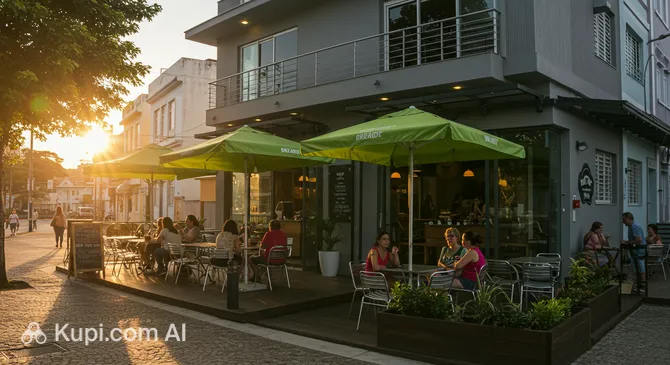
Breads Bakery and Candy Vila. Source: Kupi.Binoculars

The dining atmosphere in Navegantes is generally relaxed and informal, catering to families and beachgoers. While seafood is the highlight, the city also offers diverse options for snacks and casual dining. For those with a sweet tooth or looking for a morning coffee, Breads Bakery and Candy Vila is a charming spot to enjoy fresh pastries and local treats. Alternatively, if you are craving a hearty burger or a laid-back evening drink, Villa Gourmet Burger & Snack Bar offers a modern and cozy environment to unwind after a day of exploration.

Travel Tips

To ensure your visit to Navegantes is as relaxing and enjoyable as the ocean breeze, we have compiled a list of essential travel advice. Whether you are here for the pristine beaches or using the city as a base to explore the Santa Catarina coast, these practical tips will help you navigate the local lifestyle with ease.

  1. Clothing and Gear: Since Navegantes has a subtropical climate, pack according to the season. For summer (December to March), bring light, breathable fabrics, swimwear, and a high-quality sunscreen, as the sun can be intense. If you visit during winter (June to August), the evenings can get chilly, so a light jacket or sweater is necessary. Comfortable walking shoes are a must for exploring the long beachfront boardwalk.
  2. Transportation: The city does not have a metro system, but getting around is easy. Ride-hailing apps like Uber and 99 are widely available, reliable, and often cheaper than traditional taxis. If you plan to visit neighboring attractions like Beto Carrero World, renting a car gives you great flexibility. Don't miss the ferry-boat that connects Navegantes to Itajaí; it is a fast, cheap, and scenic way for pedestrians and cars to cross the river.
  3. Finances: The local currency is the Brazilian Real (BRL). Credit and debit cards are accepted almost everywhere, including most restaurants, hotels, and supermarkets. However, it is wise to carry some cash for small purchases from beach vendors or for the ferry crossing. Tipping is customary in restaurants, where a 10% service charge is usually included in the bill.
  4. Health and Safety: Navegantes is generally safer than Brazil's larger metropolises, but standard precautions apply. Avoid walking on deserted sections of the beach late at night and keep an eye on your belongings in crowded areas. Pharmacies are plentiful and easy to find; look for chains like "Farmácia Preço Popular" or "Droga Raia." For emergencies, public health units (UPA) are available 24/7.
  5. Communication: The official language is Portuguese. While staff at the airport and major hotels may speak English, it is not widely spoken in local shops or smaller restaurants. It is highly recommended to download a translation app or learn a few basic phrases like "Obrigado" (Thank you) and "Bom dia" (Good morning). Purchasing a local SIM card (from providers like Vivo, TIM, or Claro) is easy at pharmacies or newsstands with your passport.
  6. Local Etiquette: Brazilians are warm and informal. Greetings often involve a handshake or a kiss on the cheek (in Santa Catarina, one or two kisses are common). It is polite to say hello when entering a shop or elevator. Beachwear is perfectly acceptable near the sand, but it is considered polite to wear a shirt or cover-up when entering supermarkets or restaurants away from the beach.
  7. What to Avoid: Do not drink tap water; always opt for filtered or bottled mineral water to avoid stomach issues. Also, avoid flashing expensive jewelry or large amounts of cash in public, even though the city is relatively tranquil.
  8. Local Insight: Use the ferry crossing as an inexpensive sightseeing tour. The short trip across the Itajaí-Açu River offers fantastic close-up views of the massive ships docked at the port and drops you right near the historic Public Market in Itajaí, making for a perfect afternoon excursion without needing a car.

With these tips in mind, you are ready to fully embrace the laid-back rhythm and welcoming spirit of Navegantes. We hope your stay is filled with sunny days, delicious seafood, and unforgettable memories by the sea.

Entertainment & Nightlife

The nightlife in Navegantes reflects the city's overall character: relaxed, welcoming, and deeply connected to the sea. Unlike the high-energy clubbing scenes found in neighboring Balneário Camboriú, the evening entertainment here is more about unwinding with good company, enjoying the ocean breeze, and savoring local flavors. The atmosphere is generally laid-back, making it an ideal destination for families, couples, and travelers seeking a peaceful yet enjoyable night out.

The heart of the city's evening activity is undoubtedly the waterfront, specifically along Avenida Prefeito Cirino Adolfo Cabral. As the sun sets, this long avenue comes alive with locals and tourists walking, cycling, or gathering at the various beach kiosks and bars that line the shore. These venues often feature live music, ranging from Brazilian MPB (Popular Brazilian Music) to acoustic rock, creating a pleasant backdrop for a night by the ocean. The dress code is almost universally casual; shorts and flip-flops are the norm, even in the evening.

For those looking for a specific spot to enjoy a drink and a bite to eat, Villa Gourmet Burger & Snack Bar is a popular choice. It offers a cozy environment where you can enjoy a cold beer or a cocktail alongside hearty snacks, making it a great place to start your evening. While the city is not known for large nightclubs, the friendly service and vibrant chatter in places like this create a warm and inviting social scene.

Villa Gourmet Burger & Snack Bar. Source: Kupi.Binoculars

Another excellent option for an evening activity is a visit to the Itajaí Pier area. Although the pier itself is a major daytime attraction, at night, the illuminated breakwater and the lights of the ships entering the harbor offer a completely different and romantic perspective. It is a safe and scenic spot for a night walk, allowing you to admire the coastal skyline reflecting off the water.

Regarding safety and logistics, the main beachfront areas are generally safe for walking during the evening, especially where there is a concentration of open businesses. However, as with any travel destination, it is advisable to stay in well-lit areas and avoid deserted stretches of the beach late at night. For transportation, ride-sharing apps like Uber and 99 are the most convenient and affordable way to get around between venues or back to your hotel. Prices for food and drinks in Navegantes are typically more reasonable than in the larger resort cities nearby.

While the focus here is on relaxation, daytime entertainment in Navegantes also has its charm. The city offers pleasant public squares and parks for leisurely afternoons. For those seeking more cultural activities like museums or large theaters, a quick ferry ride across the river to Itajaí opens up additional possibilities, allowing visitors to enjoy the best of both worlds: the tranquility of Navegantes and the cultural buzz of its neighbor.

Parks & Museums

While Navegantes is primarily known for its bustling port and sandy coastline, the city also offers serene green spaces and cultural venues that celebrate its local heritage. Visitors looking to explore beyond the beach will find opportunities to connect with nature in the rural outskirts and discover the deep-rooted traditions that define this maritime community.

For nature enthusiasts and adventure seekers, Morro da Pedra (Stone Hill) is the city's premier natural attraction. Located in the rural district of Escalvados, this hill rises over 300 meters above sea level, offering panoramic views of Navegantes and the neighboring coastal cities. It is a fantastic spot for hiking, with trails winding through remnants of the Atlantic Forest, and it also serves as a popular launch point for hang gliding and paragliding. Those who prefer a more urban green space can visit Praça dos Emancipadores. This central square acts as a community hub, featuring monuments that honor the city's history, sports facilities, and plenty of open space for leisurely strolls or attending local outdoor events.

The cultural heart of the city is closely tied to its religious devotion and relationship with the sea. The Memorial Nossa Senhora dos Navegantes is a key cultural site dedicated to the patron saint of seafarers. Attached to the sanctuary—which features a unique boat-shaped architecture—this memorial houses a collection of photographs, documents, and sacred objects that tell the story of the city's century-old faith and the annual festival that brings the community together. It provides a quiet and reflective atmosphere for understanding the spiritual foundation of the local people.

Although it is technically an infrastructure landmark, the Itajaí Pier functions as an open-air gallery of maritime history. From the Navegantes side of the river, or by taking the ferry across, visitors can witness the daily ballet of massive cargo ships and fishing trawlers. This "living museum" of navigation offers a unique perspective on the economic power of the region and is a favorite spot for photographers and shipspotters alike.

For a taste of authentic local culture, try to visit the Agropescarte fair, often held at Praça dos Emancipadores. This market connects tourists directly with local farmers and artisans, offering fresh produce, traditional crafts, and homemade delicacies that you won't find in standard souvenir shops.

Getting Around

Navigating Navegantes is straightforward and relatively stress-free, thanks to the city's compact size and simple layout. Unlike larger metropolises, there is no metro, tram, or train system here. Public transportation relies entirely on a network of municipal buses and the unique ferry service that connects the city to its neighbor across the river. For most tourists, getting around involves a mix of buses, ride-sharing apps, and walking, especially along the scenic beachfront.

The municipal bus system is the primary form of public transit for locals. Operated by a local concessionaire, these buses cover the main avenues and connect residential neighborhoods with the downtown area and the ferry terminal. While the network is functional, frequencies can be lower than what you might expect in big capitals, particularly on weekends and holidays. The destination is usually displayed on the front of the vehicle, and the central terminal is a good reference point for finding your route.

Regarding payment, simplicity is key for short-term visitors. While local residents may use electronic transport cards, tourists are advised to pay with cash directly on the bus. You will typically pay a conductor or the driver upon boarding. It is highly recommended to carry small bills and coins, as breaking large banknotes can sometimes be difficult. Fares are affordable, generally costing a few Reais per ride.

A distinctive feature of the local transport network is the Ferry Boat crossing the Itajaí-Açu River. This service operates 24 hours a day and is a vital link between Navegantes and the city of Itajaí. It carries both pedestrians and vehicles, offering a quick and scenic alternative to driving the long way around via the highway bridge. For pedestrians, the crossing is extremely cheap and tickets are purchased at booths at the terminal entrance. It is efficient, frequent, and offers a great view of the port activity.

For convenience and speed, ride-sharing apps like Uber and 99 are widely used and very popular. They are often the best option for tourists carrying luggage or those wanting to reach specific attractions without navigating bus schedules. Traditional taxis are also available, typically found at designated stands (pontos de táxi) near the airport, the ferry terminal, and major squares. They run on a meter, but ride-sharing apps generally offer more predictable pricing.

Finally, Navegantes is a very flat city, making it excellent for alternative transport. The long beachfront features a dedicated cycle path (ciclovia) that stretches for kilometers, perfect for renting a bike and exploring at your own pace. Walking is also a viable option for getting around the downtown area and the boardwalk, where many restaurants and shops are concentrated.

Accommodation

Accommodation in Navegantes is practical, diverse, and generally more affordable than in the famous neighboring resort cities. The city caters to two main types of visitors: transit travelers using the international airport and families seeking a relaxing beach holiday. Consequently, the options range from efficient business hotels to charming seaside guesthouses (pousadas) and an abundance of vacation rentals.

For those visiting for business or catching an early flight, the Centro (Downtown) area is the most convenient place to stay. This region is located close to the Navegantes International Airport and the ferry terminal to Itajaí. Here, you will find modern mid-range hotels that offer essential amenities like shuttle services and breakfast, ensuring a stress-free stopover. Staying in the city center also places you within walking distance of local shops, banks, and the main commercial streets.

If your goal is leisure and enjoying the ocean, the Gravatá neighborhood is a favorite among tourists. Located at the northern end of the city, this area has a vibrant summer atmosphere and offers a wide selection of vacation apartments and cozy inns. It is particularly popular with families due to its well-structured beachfront, complete with boardwalks, restaurants, and bars. Another excellent option for beach lovers is the Meia Praia district, which offers a quieter, more residential vibe, perfect for those looking to disconnect and relax by the sea.

Booking Tips: Since Navegantes is a coastal destination in Santa Catarina, demand spikes significantly during the summer season (December through March) and during the Navegantes Our Lady festival in February. It is highly recommended to book your accommodation several months in advance if you plan to visit during these peak times. For the rest of the year, availability is generally good, and last-minute bookings are often possible.

The price range in Navegantes is typically budget to mid-range, offering great value for money compared to Balneário Camboriú or Florianópolis. Most hotels and established inns are listed on major online booking platforms, making it easy to compare prices and read reviews. However, for vacation rentals in neighborhoods like Gravatá, many locals also list properties on specific vacation rental sites, where you can often find spacious homes suitable for larger groups.

Nearby Cities

One of the major advantages of staying in Navegantes is its strategic position on the Santa Catarina coast, serving as a perfect launchpad to explore the region. The city is surrounded by diverse destinations that range from bustling urban centers and famous beach resorts to cultural hubs rich in European heritage. Visitors can easily access these neighboring towns for day trips, enjoying a variety of experiences within a short distance.

Below is a list of nearby cities, their distances, and population data, helping you plan your itinerary effectively:

City Name Distance (km) Population
Itajai 2 183,373
Balneário Camboriú 12 124,557
Camboriu 14 62,361
Brusque 34 137,689
Blumenau 41 361,855

Closest to Navegantes is Itajaí, situated just across the Itajaí-Açu River. It is practically a sister city, accessible via a quick ferry ride or a short drive. Known for its important port and historic public market, it offers a blend of maritime tradition and modern gastronomy, making it an essential stop for seafood lovers and history enthusiasts.

For those looking for vibrant nightlife and stunning skylines, Balneário Camboriú is the place to be. Often referred to as the "Brazilian Dubai," this city features high-rise buildings along the beachfront, upscale dining, and the popular Unipraias Park. It is a hub of entertainment and energy, contrasting with the more relaxed vibe of its inland neighbor, Camboriu, which is known for its rural tourism and green landscapes.

Traveling a bit further inland, you will find Blumenau, a city famous worldwide for its strong German heritage and for hosting the second-largest Oktoberfest in the world. The architecture, cuisine, and local breweries provide a unique cultural immersion. Similarly, Brusque is a key destination for shoppers, renowned as a major textile center where visitors can find high-quality clothing and fabrics at excellent prices.

Shopping & Souvenirs

Shopping:

Shopping in Navegantes is a relaxed and authentic experience, reflecting the city's laid-back coastal atmosphere. Unlike the large luxury retail hubs found in neighboring cities, the commercial scene here focuses on local businesses, street-side shops, and practical conveniences. Visitors will find a good selection of beachwear, casual clothing, and daily necessities, alongside specialized stores selling fishing gear and local handicrafts.

The main commercial activity is concentrated in the Centro (Downtown) district, particularly along Avenida João Sacavém and the streets surrounding the ferry terminal. This bustling area is the heart of the city's trade, where you can find banks, pharmacies, supermarkets, and a variety of clothing boutiques. It is an excellent place to pick up essentials or browse for affordable apparel. Another key area is the Gravatá neighborhood, which caters more to tourists with shops selling swimwear, beach accessories, and summer souvenirs.

While Navegantes itself does not host large-scale shopping malls with cinemas and international franchises, it offers smaller commercial galleries and shopping centers that serve the local community. For travelers seeking a full retail experience with major brands and entertainment facilities, the best option is to take the short ferry ride across the river to Itajaí, where the Itajaí Shopping mall is conveniently located near the port area. Alternatively, the glamorous malls of Balneário Camboriú are just a short drive away.

A highlight of the local shopping scene is the Mercado do Peixe (Fish Market). Given the city's strong fishing heritage, this is the best place to buy the freshest seafood in the region, including shrimp, crab, and a variety of fish caught daily. For those interested in local culture and artisanal products, the Feira Agropescarte is a must-visit. Often held in public squares, this market features stalls selling homemade breads, jams, honey, and handmade crafts produced by local families, offering a direct connection to the community's traditions.

When it comes to souvenirs, the best items to bring back are those that represent the city's maritime identity. Look for handcrafted items made from seashells, decorative boats, and religious articles related to Nossa Senhora dos Navegantes. Locally produced foods, such as artisanal cachaça or preserved seafood, also make for unique and tasty gifts.

Store hours in Navegantes typically follow the standard Brazilian commercial schedule. Most street shops open from 9:00 AM to 6:00 PM on weekdays and from 9:00 AM to 1:00 PM on Saturdays, with most closing on Sundays. Supermarkets and shops in the summer resort areas of Gravatá may stay open later and operate on weekends during the high season. Credit and debit cards are widely accepted throughout the city, but it is always useful to carry some cash for small purchases at street markets or beach kiosks.

Regarding tax refunds, Brazil does not have a widely accessible tax-free shopping system for international tourists comparable to those in Europe. Therefore, the price you see on the tag is generally the final price. However, the cost of living and shopping in Navegantes is often more affordable than in the larger tourist hotspots nearby, offering good value for money on local goods.

Reached the end of the page?

That means the route is fully explored