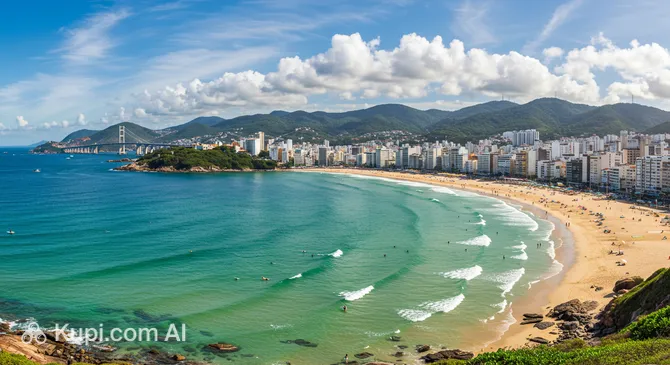
Florianopolis, often referred to as the Magic Island ("Ilha da Magia"), is the vibrant capital of the state of Santa Catarina in southern Brazil. Uniquely situated mostly on Santa Catarina Island, with a small portion on the mainland, this city offers a perfect blend of bustling urban life and breathtaking natural beauty. It is a place where modern infrastructure meets lush Atlantic rainforests and crystal-clear waters.
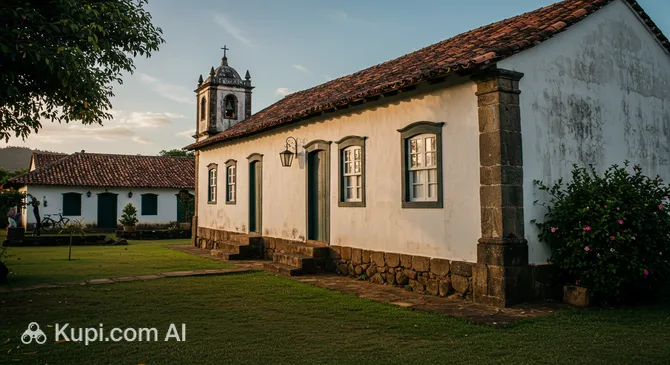
Home to approximately 477,798 residents, the city boasts a high quality of life and a welcoming atmosphere. Beyond its modern amenities and scenic views, visitors can explore the fascinating history of Florianopolis through its preserved colonial architecture, historic fortresses, and traditional fishing villages that still maintain their old-world charm.
Florianopolis. Illustration.
Source: Kupi.com AI
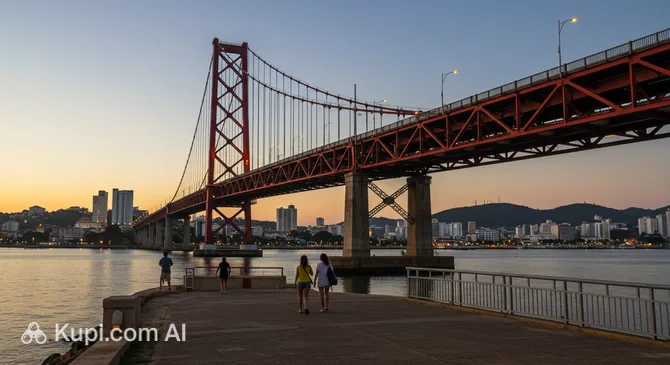
Travelers are drawn to the city's incredible diversity of landscapes, featuring over 40 pristine beaches ranging from the surfer-friendly waves of Joaquina Beach to the calm, family-friendly waters of the north. The iconic Hercílio Luz Bridge stands as a majestic symbol of the city, connecting the island to the continent and offering spectacular views, especially when illuminated at night.
Whether you are looking for outdoor adventures around the scenic Lagoa da Conceição or simply want to relax by the sea and enjoy the local seafood, Florianopolis promises an unforgettable experience. It is a destination that truly captures the heart of every visitor, inviting you to discover its many wonders.
Weather Overview
Florianopolis enjoys a pleasant subtropical climate with distinct seasonal variations, making it a year-round destination for travelers. To help you plan your activities, from beach days to hiking, it is helpful to consult the detailed guide on the weather in Florianopolis before your trip.
The summer months, spanning from December to March, are generally warm and humid. January is typically the warmest month, with average temperatures around 24.6°C and highs reaching up to 27.8°C. However, summer also brings the most rainfall; January alone sees approximately 23 wet days, so visitors should be prepared for frequent showers amidst the sunny spells.
Winter, from June to August, offers a different experience with cooler and significantly drier conditions. July is usually the coolest month, with average temperatures dipping to 16.4°C and lows around 12.7°C. This season is ideal for those who prefer mild weather, as it features the lowest precipitation, with July recording only about 7 wet days. Generally, you can expect warm, rainy summers and mild, drier winters.
Average monthly temperature
Average monthly precipitation
Interesting Facts
Beyond the popular surf spots and sandy shores, Florianopolis holds a collection of fascinating secrets and local legends that deepen its charm. From mystical folklore to unique culinary achievements, the city offers curious travelers much more than just a beach holiday.
The city is widely known as the "Island of Magic" (Ilha da Magia), a nickname that refers not only to its stunning landscapes but also to its rich folklore. Local legends, heavily influenced by Azorean settlers, claim that witches once inhabited the large boulders scattered along the beaches, particularly around the Itaguaçu area.
According to a popular urban legend, the massive Centennial Fig Tree located in the city center has the power to grant wishes. It is said that visitors who circle the tree several times will either find true love, attract wealth, or ensure their return to the island, depending on the direction they walk.
Florianopolis is the undisputed oyster capital of Brazil, responsible for producing the vast majority of the country's farmed oysters. The historic district of Ribeirão da Ilha is the epicenter of this industry, where visitors can taste fresh mollusks harvested just meters from their tables.
The iconic Hercílio Luz Bridge is an engineering marvel that was the first land link to the island. Interestingly, this steel suspension bridge was closed to traffic for nearly three decades due to safety concerns before being fully restored and reopened as a celebrated historical monument.
Hercílio Luz Bridge. Illustration.
Source: Kupi.com AI
Traveler photos:
How to Get There
Reaching this island capital is relatively straightforward, offering travelers a mix of direct flights and scenic road routes. Whether you are arriving from within Brazil or from abroad, you can find detailed logistics and travel tips in our guide on how to get to Florianopolis.
The primary gateway to the city is Hercilio Luz International Airport (FLN). Located directly in Florianopolis, this modern facility handles a significant volume of domestic and international flights, making it the most convenient option for most visitors. It sits just 7.7 km from the city center, and a taxi or ride-share journey typically takes around 30 minutes, depending on traffic.
An alternative option for travelers is Navegantes Airport (NVT), situated in the neighboring city of Navegantes. While it is approximately 80 km away from Florianopolis, it often serves as a strategic landing point when flights to the island are fully booked or more expensive. The transfer by road from Navegantes takes about 2 hours and 20 minutes.
For those flying into the region via major hubs, Afonso Pena International Airport (CWB) in Sao Jose dos Pinhais is another large facility, though it is located roughly 237 km away. Travel from there requires a longer bus or car journey, taking approximately 6 hours.
For clarity, here is a summary of the main airports serving the region:
Florianopolis does not currently have a passenger railway station connecting it to other major Brazilian cities. The most common alternative to flying is the long-distance bus network, which is extensive and comfortable in Brazil. Buses arrive at the Rita Maria Bus Terminal, located centrally near the bridge entrance to the island.
Main Attractions
Florianopolis offers a diverse array of attractions that go far beyond its famous beaches. From historic landmarks in the city center to scenic viewpoints and lush green spaces, the city provides a rich cultural and visual experience for every type of traveler. Exploring the downtown area reveals the colonial heritage of the island, while the surrounding hills offer breathtaking perspectives of the landscape.
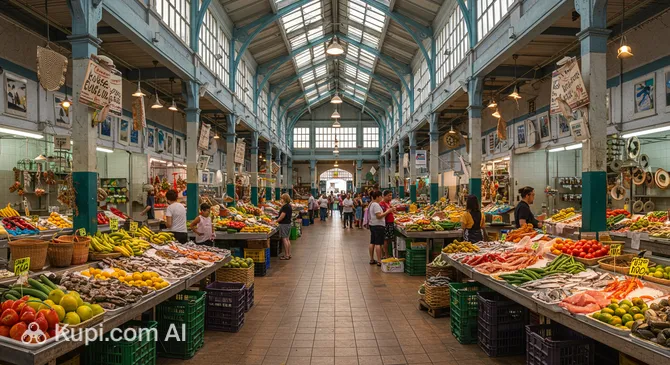
One of the most vibrant spots in the city is the Florianopolis Public Market. Located in the historic center, this bustling hub is housed in a distinct yellow building that dates back to the 19th century. It is the perfect place to immerse yourself in local culture, browse stalls selling traditional handicrafts, and, most importantly, sample fresh seafood and local snacks at the lively bars and restaurants within.
Florianopolis Public Market. Illustration.
Source: Kupi.com AI
Traveler photos:
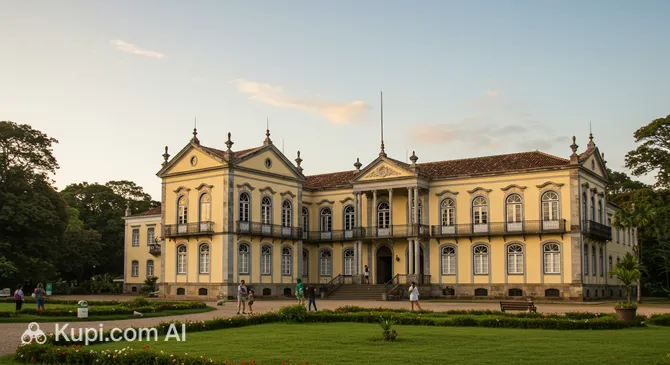
For history enthusiasts, the Cruz e Sousa Palace is an unmissable architectural gem. This pink colonial mansion, which once served as the magnificent government palace, now houses the Historical Museum of Santa Catarina. Inside, visitors can admire the preserved 19th-century interiors, intricate parquet floors, and period furniture, offering a glimpse into the region's political and social past.
Cruz e Sousa Palace. Illustration.
Source: Kupi.com AI
Traveler photos:
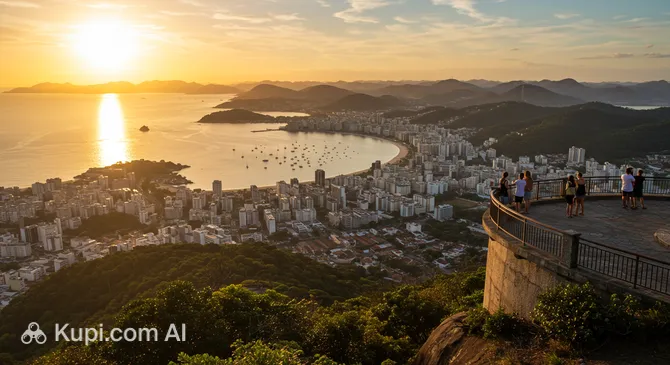
To appreciate the island's geography from above, a visit to the Morro da Cruz Viewpoint is highly recommended. Situated at one of the highest points easily accessible by car or a short hike, this lookout provides a spectacular panoramic view of the two bays, the bridges connecting the island to the mainland, and the sprawling urban area below. It is particularly magical at sunset when the city lights begin to twinkle.
Morro da Cruz Viewpoint. Illustration.
Source: Kupi.com AI
Traveler photos:
Nature lovers looking for a tranquil escape within the city limits should explore the Florianópolis Botanical Garden. This green oasis is dedicated to preserving and showcasing the native flora of the Atlantic Forest. It offers pleasant walking paths, educational exhibits, and a peaceful environment for a picnic or a leisurely stroll away from the busy city streets.
Local Cuisine
Local Cuisine:
The culinary scene in Florianopolis is deeply rooted in its Azorean heritage and its privileged location along the Atlantic coast. As an island city, it is a paradise for seafood lovers, offering some of the freshest ingredients in Brazil. The local gastronomy is characterized by abundant fish, shrimp, and mollusks, prepared with traditional seasonings like garlic, onion, pepper, and fresh herbs, creating flavors that are both rustic and refined.
Florianopolis is famously known as the oyster capital of Brazil, producing the vast majority of the country's supply. A visit here is not complete without tasting fresh oysters, which can be enjoyed raw with a squeeze of lime, steamed (ao bafo), or au gratin. The historic district of Ribeirão da Ilha is the traditional hub for oyster farming. Here, restaurants like Rancho Açoriano offer an authentic dining experience right by the water, serving these delicacies alongside other classic Azorean dishes.
Rancho Açoriano. Illustration.
Source: Kupi.com AI
Traveler photos:
Another signature culinary experience on the island is the "Sequência de Camarão" (Shrimp Sequence). This is a popular feast where shrimp is served in multiple ways in a single meal—steamed, breaded, fried with garlic and oil, and in creamy sauces. It is a hearty and social way to dine, perfect for sharing. For those looking for a wide variety of seafood options in a modern setting, Coco Bambu is a well-known establishment that serves generous portions of shrimp and fish dishes.
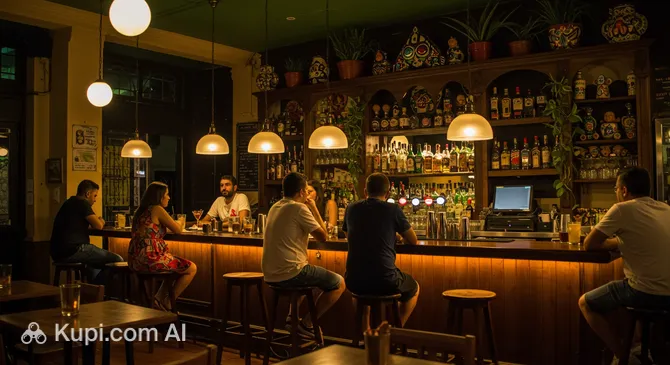
Seasonal fish also play a major role in the local diet, with the Tainha (Mullet) being the most celebrated, especially during the winter months. It is typically served grilled or fried, often accompanied by pirão, a thick manioc flour mush made with fish broth. For a quick snack or a casual drink, the local bar culture is vibrant. You can visit traditional spots like Bar do Ori to enjoy cold beer and classic appetizers such as fried fish or crab cakes (casquinha de siri).
To accompany these meals, the national cocktail, the Caipirinha, is a standard choice, made with cachaça, sugar, lime, and ice. However, Florianopolis also has a booming craft beer scene, with many local microbreweries producing excellent IPAs and lagers. Whether you are dining in the gastronomic hub of Lagoa da Conceição or enjoying a sunset meal in Santo Antônio de Lisboa, the combination of fresh flavors and scenic views makes eating in Florianopolis a memorable event.
Travel Tips
Welcome to Florianopolis! While the "Magic Island" is a paradise of beaches and nature, a little preparation goes a long way in ensuring your trip is smooth and enjoyable. Here are some essential practical tips to help you navigate the city like a local and make the most of your Brazilian adventure.
Clothing and Gear: If you are visiting during the summer (December to March), pack light, breathable fabrics, swimwear, and a hat; the heat and humidity can be intense. However, for a winter trip (June to August), bring a sweater or light jacket, as temperatures can drop to 12°C in the evenings. Don't forget comfortable walking shoes for the trails and cobblestone streets. Note that the voltage in Florianopolis is 220V (unlike many other Brazilian cities which are 110V), so check your devices and bring a universal adapter (Type N) if needed.
Transportation: The island is large, and distances between beaches can be significant. While the public bus system (SIM) is extensive and affordable, it can be slow. For convenience, ride-hailing apps like Uber and 99 are widely used and reliable. Renting a car is the best option for freedom, but be aware that traffic can be heavy on the main roads during peak season.
Finances: The local currency is the Brazilian Real (BRL). Credit and debit cards are accepted almost everywhere, including by beach vendors selling snacks. However, it is smart to carry some cash for small purchases, tolls, or in remote areas where the signal might be weak. Tipping is generally not mandatory as a 10% service charge is usually included in restaurant bills, but rounding up is appreciated for exceptional service.
Health and Safety: Florianopolis is one of the safest capitals in Brazil, but standard travel precautions apply: keep an eye on your belongings on the beach and avoid unlit areas at night. Pharmacies are abundant and easily accessible. A critical health tip is to avoid drinking tap water; always opt for bottled or filtered water to prevent stomach issues. Also, the sun is very strong in southern Brazil, so apply high-SPF sunscreen regularly.
Communication: Portuguese is the official language. While staff in high-end hotels may speak English, it is not widely spoken by the general public. Locals are very helpful, but having a translation app on your phone is a lifesaver. Most communication, including restaurant reservations and tour bookings, happens via WhatsApp, so getting a local SIM card or an eSIM with data is highly recommended.
Local Etiquette: Brazilians are warm and friendly; greetings often involve a handshake or a kiss on the cheek, even among new acquaintances. When entering a shop or elevator, a polite "Bom dia" (Good morning) or "Boa tarde" (Good afternoon) is expected. On the beach, swimwear is the norm, but unlike in parts of Europe, topless sunbathing is generally not practiced on public beaches.
What to Avoid: Do not flush toilet paper down the toilet. The plumbing systems in Brazil are generally not designed for it, and you will find a small bin next to the toilet for this purpose. Additionally, avoid relying on a tight schedule if you are crossing the island by car during rush hour; always leave a buffer time for unexpected delays.
Traffic Insight: A crucial tip for summer visitors is to manage your beach times around the traffic. The roads leading to the popular North Island beaches (like Canasvieiras and Jurerê) can become gridlocked by mid-morning. The local "hack" is to head to the beach early (before 9:00 AM) or wait until the late afternoon to avoid spending hours in the car.
Armed with these practical tips, you are all set to explore the wonders of Florianopolis with confidence. Whether you are navigating the historic center or finding the perfect spot on the sand, these insights will help you focus on what really matters: enjoying the unique vibe and stunning scenery of this Brazilian gem.
Entertainment & Nightlife
Florianopolis comes alive after the sun sets, offering a nightlife scene as diverse as its beaches. The city caters to all tastes, from laid-back bohemian pubs to high-end electronic music clubs. The atmosphere varies significantly depending on the neighborhood, allowing visitors to choose between a relaxed evening by the lagoon or a glamorous night out in the city's upscale districts.
The beating heart of the island's nightlife is Lagoa da Conceição. This district is famous for its eclectic mix of bars, live music venues, and restaurants. The vibe here is generally casual and friendly, with crowds spilling out onto the sidewalks during warm evenings. It is the perfect place to enjoy live samba, rock, or reggae while sipping on a craft beer. For a more sophisticated and trendy experience, the bustling Jurerê Internacional neighborhood in the north is the go-to destination. Known for its luxurious beach clubs and open-air parties, this area attracts a stylish crowd and often hosts international DJs, particularly during the summer season.
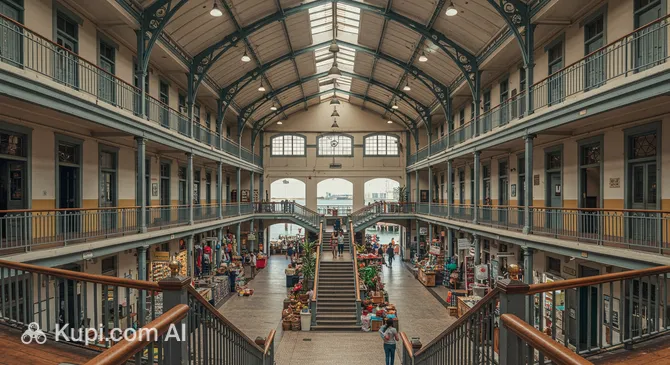
For those who prefer an evening that combines gastronomy, history, and leisure, the downtown area offers excellent options. A standout venue is Armazém Rita Maria. Located in a beautifully restored historic warehouse complex, this cultural and gastronomic hub is ideal for a relaxed night out. Visitors can explore various culinary stalls, enjoy drinks in a charming setting, and soak in the architectural heritage of the city.
Armazém Rita Maria. Illustration.
Source: Kupi.com AI
Traveler photos:
If you are looking for a lively and colorful atmosphere, Guacamole Mexican Kitchen is a popular choice among locals and tourists alike. Known for its festive decor and mariachi performances, it offers a fun environment to enjoy cocktails and dinner before heading out to a club. It captures the vibrant spirit of the city's dining scene, where food and entertainment often go hand in hand.
Guacamole Mexican Kitchen. Illustration.
Source: Kupi.com AI
Traveler photos:
Practical advice is essential for navigating the night. In Florianopolis, the nightlife starts late; bars typically fill up around 10:00 PM, and nightclubs often don't get going until well after midnight. Dress codes vary: shorts and flip-flops are acceptable in most bars in Lagoa, but Jurerê requires a "dress to impress" approach. For safety and convenience, it is highly recommended to use ride-sharing apps like Uber to get around at night, as parking can be difficult and drinking and driving laws are strictly enforced with zero tolerance.
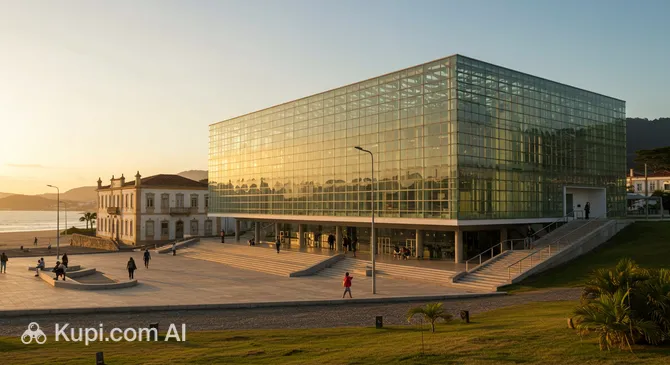
While the nights are energetic, the city also offers plenty of daytime entertainment beyond the beach. Culture enthusiasts should visit the Integrated Cultural Center (CIC), which hosts art exhibitions, theater performances, and cinema screenings. Additionally, the Florianópolis Museum provides an interactive and modern way to learn about the city's history, making it a perfect activity for a rainy afternoon or a break from the sun.
Integrated Cultural Center. Illustration.
Source: Kupi.com AI
Traveler photos:
Parks & Museums
While Florianopolis is famous for its coastline, the city also boasts excellent urban parks and museums that offer a glimpse into its history and biodiversity. These spaces provide a refreshing alternative to the beach, perfect for a leisurely afternoon walk or a dive into the local culture.
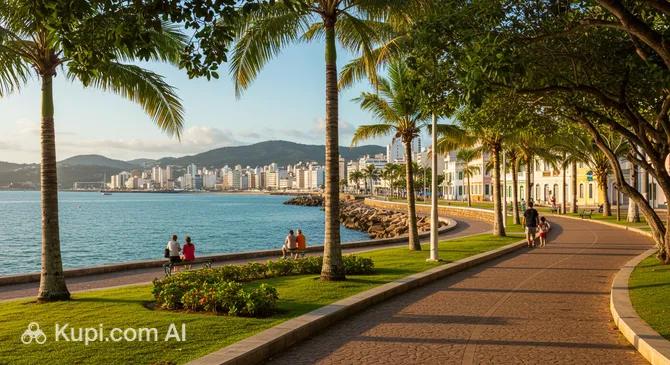
On the mainland side of the city, Coqueiros Park is a beloved recreational spot for families and fitness enthusiasts. Situated right by the water, it offers cycling paths, sports courts, and playgrounds, all set against a backdrop of panoramic views of the island's skyline. It is an ideal location to watch the sun go down over the bay while enjoying a refreshing coconut water.
Coqueiros Park. Illustration.
Source: Kupi.com AI
Traveler photos:
For those seeking a dense, green retreat, the Corrego Grande Municipal Park, often called the Horto Florestal, serves as a lush sanctuary within the urban environment. This park features native Atlantic Forest vegetation, walking trails, and a small lake. It is a quiet haven where visitors can observe local flora and fauna, making it a favorite spot for nature lovers looking to escape the city noise without traveling far.
Another significant green space is Luz Park, located strategically near the entrance of the Hercílio Luz Bridge on the island side. This park is not only a great vantage point for admiring the iconic bridge but also a historical site, as it was once the city's cemetery. Today, it is a peaceful area with large trees and open lawns, often hosting cultural events and fairs.
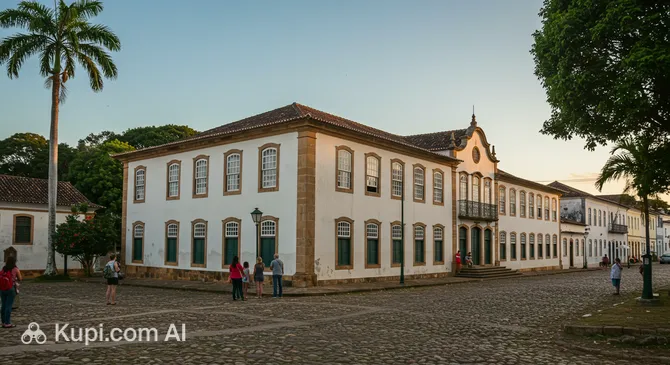
In terms of cultural heritage, the Museum of the School of Santa Catarina (MESC) is a fascinating stop in the historic center. Housed in a beautifully preserved building that was once a prestigious educational institution, the museum explores the history of education in the state. Its exhibitions feature antique school furniture, documents, and photographs, offering a nostalgic journey through time.
Museum of the School of Santa Catarina. Illustration.
Source: Kupi.com AI
Traveler photos:
Just a short walk away lies the Customs Square (Largo da Alfândega), a recently revitalized public space that breathes life into the downtown area. Historically the point where goods entered the island, today it is a vibrant meeting place featuring handicraft markets and cultural performances. The square's modern design integrates seamlessly with the surrounding colonial architecture, making it a perfect spot to rest and people-watch after visiting the nearby Public Market.
Getting Around
Public transport in Florianopolis relies almost entirely on an extensive bus network known as the Integrated Mobility System (SIM). Unlike some major metropolises, the city does not have a metro or tram system. Instead, the bus fleet connects the island's north, south, and east regions to the mainland and the city center. The system is organized around several integration terminals, with the TICEN (Central Integration Terminal) being the primary hub located downtown near the Public Market.
Travelers will encounter two main types of buses. The conventional buses are the standard option; they are affordable and cover the entire city, though they can be crowded during peak hours. For a more comfortable journey, the Executive lines, affectionately known by locals as "Amarelinhos" due to their yellow color, offer air conditioning, reclining seats, and luggage space. These buses are more expensive than the standard ones and do not allow standing passengers, making them a direct and pleasant way to reach popular beaches like Canasvieiras or Jurerê.
To pay for fares, the most convenient option for visitors is the Passe Rápido Turista. This rechargeable card can be purchased at the TICEN terminal and allows for seamless transfers between different conventional bus lines within the terminals without paying a second fare. While cash is accepted on board most standard buses (paid to a conductor), using the card is often slightly cheaper and much faster. The executive "Amarelinhos" also accept cash and cards.
Navigating the system can be tricky for first-time visitors due to the number of lines and terminals. It is highly recommended to download the official app, Floripa no Ponto, or use widely available navigation apps like Google Maps or Moovit to check schedules and routes in real-time. Buses generally run from the early morning until around midnight, with limited "Madrugadão" night owl services operating on main routes during the wee hours.
For those seeking alternatives to buses, ride-sharing apps like Uber and 99 are extremely popular, safe, and often competitively priced, especially for shorter distances or when traveling in a group. Traditional taxis are also available, particularly at the airport and official stands. Additionally, in the central and coastal areas, bike rentals are a great way to explore the scenic cycle paths, such as the one along Beira-Mar Norte.
A unique feature of the city's transport network is the boat service connecting the Lagoa da Conceição terminal to the remote community of Costa da Lagoa. Since this area is not accessible by car, the small boats serve as the primary means of transport for residents and a delightful excursion for tourists, offering scenic views of the lagoon and stops at traditional waterfront restaurants.
Accommodation
Where to Stay:
Florianopolis offers a diverse range of accommodation options suited to every budget and travel style. From lively youth hostels and cozy pousadas (guesthouses) to luxurious beachfront resorts and modern city hotels, visitors can easily find the perfect base for their island adventure. Vacation rentals and serviced apartments are also widely available, providing a home-away-from-home experience that is particularly popular among families and groups staying for longer periods.
Choosing the right neighborhood is key to maximizing your experience, as traffic can be heavy during peak times. The North Island, including areas like Jurerê Internacional and Canasvieiras, is ideal for those seeking upscale amenities, calm waters, and a vibrant nightlife scene. This area is home to many high-end resorts and family-friendly hotels. In contrast, the East Island, particularly around Lagoa da Conceição and Barra da Lagoa, attracts backpackers, surfers, and nature lovers with its bohemian atmosphere and abundance of hostels and inns.
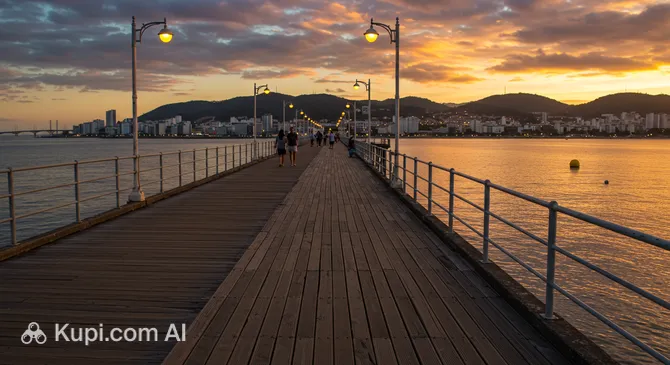
For business travelers or those relying on public transport, the City Center (Centro) is the most convenient location. Staying here places you close to historical sites and the main bus terminal. The famous Beira-Mar Norte avenue, located just a short distance from the center, is lined with sophisticated hotels offering stunning ocean views. It is a fantastic area for a morning run or an evening stroll near the Beira-Mar Norte Pier, which serves as a scenic landmark for the district.
Beira-Mar Norte Pier. Illustration.
Source: Kupi.com AI
Traveler photos:
Travelers looking for a quieter, more rustic experience often prefer the South Island, such as the Campeche area. Here, the accommodation tends to be smaller and more intimate, surrounded by nature and pristine beaches. Regardless of where you choose to stay, booking is typically done through major online platforms or directly with the establishments.
Prices fluctuate significantly depending on the season. During the summer months (December to March), and especially around New Year's Eve (Réveillon) and Carnival, rates for all types of accommodation can skyrocket. Therefore, a crucial tip for anyone planning a trip during these peak periods is to book well in advance—often several months ahead—to secure the best options and avoid exorbitant prices.
Nearby Cities
For those looking to explore the surroundings, Florianopolis serves as an excellent base for day trips to several interesting nearby locations. The region of Santa Catarina is rich in diversity, offering everything from bustling modern metropolises to serene nature retreats just a short drive away.
One of the most popular destinations is Balneário Camboriú, often referred to as the "Brazilian Dubai" due to its impressive skyline of skyscrapers lining the coast. It is famous for its vibrant nightlife, the Unipraias Park with its scenic cable cars, and a lively urban beach atmosphere. For nature lovers, the municipality of Palhoça offers a completely different vibe. It is home to the stunning Guarda do Embaú, a beach renowned for its surfing conditions and the beautiful river crossing required to reach the sands, as well as the lush trails of the Serra do Tabuleiro State Park.
These nearby destinations offer a glimpse into the diverse culture and landscapes of the region.
Shopping & Souvenirs
Shopping in Florianopolis offers a delightful mix of modern convenience and traditional charm, catering to those seeking high-end fashion as well as authentic local crafts. The city provides a varied retail experience, ranging from sophisticated malls in the downtown area to bustling street markets rich in culture and history.
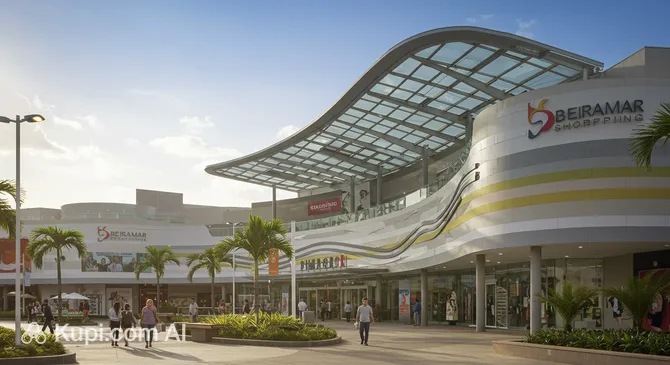
For a premium shopping experience, Beiramar Shopping is the most traditional and upscale destination in the city center. Located close to the waterfront, it features a wide selection of designer stores, a modern cinema, and a food court with excellent dining options. It is a favorite meeting point for locals and a great place to find top Brazilian fashion brands.
Beiramar Shopping. Illustration.
Source: Kupi.com AI
Traveler photos:
Another interesting spot that blends retail with heritage is Armazém Rita Maria. Housed in renovated 19th-century warehouses near the bridge, this complex offers a curated selection of boutiques, flower shops, and gastronomy. It provides a more relaxed and cultural atmosphere compared to large commercial centers, perfect for a leisurely afternoon of browsing.
To take a piece of Santa Catarina home, exploring the traditional markets is a must. The historic Florianopolis Public Market is the ideal place to buy regional delicacies such as artisanal cachaça, spicy peppers, and local sweets. Just nearby, the Customs Square (Largo da Alfândega) hosts fairs where artisans sell the famous Renda de Bilro (bobbin lace), a delicate textile tradition inherited from Azorean settlers, as well as clay pottery and woodwork.
Beyond the center, the neighborhood of Lagoa da Conceição offers a different vibe. Its streets are lined with surf shops, independent boutiques, and art galleries, reflecting the area's bohemian and beach-loving spirit. It is the perfect spot to find casual beachwear, handmade jewelry, and unique decor items that capture the essence of the island.