Support

Uniao da Vitoria

About

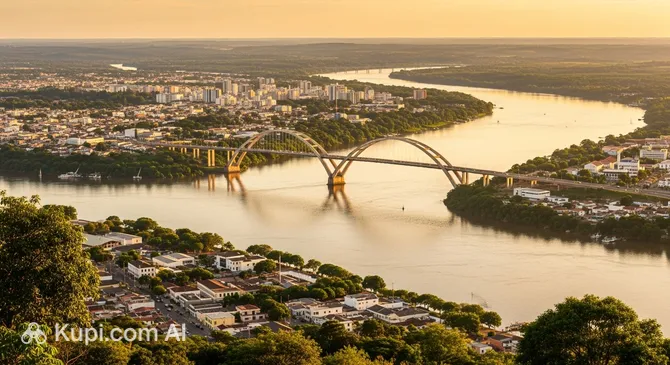
Welcome to União da Vitória, a captivating destination located in the southern state of Paraná. Known for its welcoming atmosphere and scenic beauty, this city offers a delightful glimpse into the diverse culture of Brazil. Situated on the banks of the majestic Iguaçu River, it provides a tranquil escape for travelers seeking both relaxation and adventure.

Uniao da Vitoria. Source: Kupi.Binoculars

One of the most fascinating geographical features of the city is its status as a "twin city" to Porto União, which lies just across the border in the state of Santa Catarina. With a population of approximately 52,000 residents, the city combines the amenities of an urban center with the charm of a close-knit community. The region enjoys a subtropical climate, characterized by lush green landscapes that are perfect for outdoor activities.

The cultural roots of the area are deep and varied. Delving into the history of União da Vitória allows visitors to understand the influence of European immigrants and the significant role the railway played in the region's development. This rich heritage is reflected in the local architecture and the enduring traditions maintained by the friendly locals.

For sightseeing, the Morro do Cristo is a must-visit landmark. At the summit stands an impressive statue of Christ, which offers breathtaking panoramic views of the twin cities and the winding river below. Nature enthusiasts will also appreciate the abundance of waterfalls in the surrounding area, often explored through local eco-tourism circuits. Whether you are admiring the vistas from above or enjoying a peaceful walk by the river, União da Vitória invites you to discover its unique hidden gems.

Weather Overview

União da Vitória experiences a distinct subtropical climate, offering travelers different atmospheric conditions depending on the season. The summer months, spanning from December to March, are generally the warmest, with average temperatures hovering around 21°C and daily highs reaching approximately 26°C. This period is also characterized by frequent precipitation; January, for instance, typically records about 22 wet days, so carrying rain gear is recommended for summer visits.

In contrast, the winter season from June to August brings cooler and drier weather to the region. During this time, average temperatures drop to around 14°C, with nighttime lows occasionally dipping to 8.5°C in July. Rainfall becomes significantly less frequent, with July seeing as few as 6 wet days. Overall, you can expect warm, humid summers and cool, drier winters. To help you pack efficiently for your specific travel dates, it is helpful to review the detailed weather in Uniao da Vitoria before your trip.

Interesting Facts

To help you get better acquainted with this unique destination, here are some key facts and interesting details about União da Vitória:

  • Interstate Neighbors: The city forms a unique urban area with Porto União, located in the state of Santa Catarina. The boundary between these "twin cities" is famously marked by a railway line and the Iguaçu River, allowing visitors to cross between two states just by crossing a street or a bridge.
  • Religious Landmark: One of the city's most prominent symbols is the statue of the Sacred Heart of Jesus atop Morro do Cristo. Inaugurated in 1968, it stands as a guardian over the city and is a popular spot for both pilgrims and tourists seeking panoramic views.
  • River History: Before highways dominated transport, the Iguaçu River was the region's main highway. The city has a rich history of steam navigation, which was vital for transporting timber and yerba mate in the early 20th century.
  • European Influence: The local culture in this part of Brazil is heavily influenced by European immigration. You will find strong traces of Ukrainian, Polish, German, and Italian heritage in the local cuisine, architecture, and festivals.
  • Natural Surroundings: Beyond the urban center, the municipality is dotted with numerous waterfalls, earning the region a reputation as a hidden gem for eco-tourism enthusiasts who enjoy hiking and nature photography.

How to Get There

Reaching this destination usually involves a combination of air and ground travel, as the city itself does not host a commercial airport. Visitors typically fly into one of the major hubs in the region and complete the journey by road. To help you plan your route, you can find more about how to get to Uniao da Vitoria on our detailed page.

The most prominent option for most travelers is Afonso Pena International Airport (IATA: CWB). Located in the city of Sao Jose dos Pinhais, near the state capital Curitiba, it is a large facility offering numerous domestic and international connections. Although it is not in Uniao da Vitoria, it serves as a primary gateway, situated approximately 206 km away. The subsequent journey by taxi or bus typically takes approximately 3 to 4 hours.

Alternatively, you might consider Chapeco Airport (IATA: XAP), located in Chapecó. This regional airport is geographically closer, at a distance of about 186 km from Uniao da Vitoria. While it handles less traffic than the international hub near Curitiba, it is a viable entry point. The transfer time from here is generally around 3 to 4 hours by road.

For clarity, here is a summary of the main airports:

Airport Name City Passenger Traffic Km from City
Afonso Pena International Airport Sao Jose dos Pinhais High 206.5
Navegantes Airport Navegantes Medium 253.2
Chapeco Airport Chapecó Medium 185.8
Joinville-Lauro Carneiro de Loyola Airport Joinville Medium 228.7
Passo Fundo Airport Passo Fundo Small 255.0

Main Attractions

União da Vitória offers a delightful mix of cultural heritage and natural beauty, making it a rewarding destination for travelers exploring the south of Brazil. From historic landmarks that tell the story of the region's development to breathtaking viewpoints, the city provides a variety of experiences for visitors.

Morro do Cristo is undoubtedly the most celebrated attraction in the city. Dominating the skyline, this hill is crowned by a magnificent statue of the Sacred Heart of Jesus, which is one of the largest of its kind in the country. Visitors can reach the summit by climbing a long staircase, a journey that is often seen as a pilgrimage by locals. Once at the top, you are rewarded with a spectacular panoramic view of the "Twin Cities" of União da Vitória and Porto União, as well as the winding curves of the Iguaçu River. It is the perfect spot for photography, especially during sunset.

Another essential stop is the Estação União (Union Station). This historic railway station is a symbol of the unique bond between the two neighboring cities and states. Located exactly on the border between Paraná and Santa Catarina, the building is a beautiful example of early 20th-century architecture. Today, it serves as a cultural center and a reminder of the railway's pivotal role in the region's history. Walking along the tracks and standing with one foot in each state is a popular activity for tourists.

For those who appreciate religious architecture, the Catedral Sagrado Coração de Jesus is a must-visit. Located in the heart of the city, this cathedral is known for its imposing structure and serene interior. It serves as the main seat of the local diocese and stands as a testament to the deep faith of the community. The square in front of the cathedral is also a pleasant place to relax and observe the daily life of the city's residents.

Nature lovers should explore the region's abundance of waterfalls, with the Cachoeira do Rio dos Pardos being a standout highlight. Tucked away in the lush countryside, this waterfall offers a refreshing escape into nature. The site is ideal for eco-tourism, allowing visitors to enjoy the soothing sounds of cascading water and the vibrant greenery of the Atlantic Forest. It is a fantastic location for a picnic or a peaceful afternoon hike.

Local Cuisine

The culinary scene in União da Vitória is a delicious reflection of its multicultural heritage, heavily influenced by the waves of European immigrants who settled in the region. The local gastronomy is a hearty blend of Brazilian traditions with strong German, Polish, Ukrainian, and Italian accents. Visitors can expect comfort food that is rich in flavor, generous in portion size, and often prepared with recipes passed down through generations.

One of the most iconic dishes you must try is the Pão no Bafo (Steamed Bun). Considered a cultural heritage of the city and its neighbor Porto União, this dish consists of soft dough buns steamed on top of a savory stew, typically made with pork or beef and cabbage. It is a unique regional specialty that perfectly encapsulates the adaptability of immigrant cuisine in southern Brazil. Another staple is Pierogi, a direct legacy of the Ukrainian and Polish communities. These boiled dumplings, often filled with ricotta and potato and topped with a creamy sauce or bacon, are widely available and deeply loved by locals.

As with much of southern Brazil, meat plays a central role in the diet here. The traditional Churrasco (barbecue) is a weekend ritual, with restaurants and homes alike firing up the grills. In this region, the Costela Fogo de Chão (ground ribs roasted over an open fire) is particularly celebrated for its tender, smoky flavor. It is often served with cassava, mayonnaise potato salad, and farofa, making for a robust and satisfying meal.

When it comes to beverages, the local culture is synonymous with Chimarrão. This hot, herbal tea made from yerba mate is not just a drink but a social symbol of hospitality and friendship. You will often see locals carrying their thermos and gourd (cuia) to parks or plazas. For something stronger, the region produces excellent artisanal wines and craft beers, taking advantage of the favorable climate and the brewing traditions brought by German settlers.

The dining experience in União da Vitória often revolves around the concept of the Café Colonial. This lavish meal, typically served in the late afternoon, is a buffet-style spread featuring an endless variety of homemade breads, cakes, jams, cheeses, cold cuts, and pies. It is the perfect way to sample the sweet and savory treats of the region in one sitting. Whether you are dining in a rustic family-run restaurant or a cozy bakery, the atmosphere is consistently warm and welcoming.

Travel Tips

To ensure your visit to União da Vitória is as smooth and enjoyable as possible, we have compiled a list of essential practical advice. From navigating the unique "twin city" layout to understanding local customs, these tips will help you travel with confidence and ease.

  1. Clothing and Gear: Since the region has a subtropical climate, packing layers is the best strategy. For summer visits (December to March), bring light, breathable fabrics and a raincoat or umbrella, as showers are frequent. If you are traveling in winter (June to August), be prepared for chilly evenings with a warm jacket and sweaters. Comfortable walking shoes are a must for exploring the Morro do Cristo and local waterfalls. Don't forget a universal power adapter; Brazil typically uses Type N sockets, and the standard voltage here is usually 110V or 220V depending on the specific building, so check before plugging in devices.
  2. Transportation: The city center is relatively compact and walkable, especially the area bordering Porto União. However, to reach the waterfalls or outlying attractions like the Rota das Cachoeiras, renting a car is highly recommended for flexibility. Ride-hailing apps like Uber or 99 are generally available for shorter trips within the urban area, but availability may vary late at night compared to larger capitals.
  3. Finances: The official currency is the Brazilian Real (BRL). Credit and debit cards are widely accepted in hotels, restaurants, and supermarkets. However, it is wise to carry some cash for small purchases, street food vendors, or entrance fees to some natural parks. ATMs are easily found in the city center. Tipping is customary in restaurants, where a 10% service charge is usually added to the bill automatically.
  4. Health and Safety: União da Vitória is generally safer than Brazil's major metropolitan areas, but it is still important to practice standard safety precautions. Avoid walking alone in poorly lit areas at night and keep valuables discreet. Pharmacies ("Farmácias") are plentiful for basic needs. For medical emergencies, dial 192 for an ambulance or 190 for the police. If you plan to hike near the river or waterfalls, carrying insect repellent is advisable.
  5. Communication: The primary language is Portuguese. While staff at major hotels may speak English, it is not widely spoken in general shops or by the older population. Learning a few basic phrases like "Bom dia" (Good morning) and "Obrigado/a" (Thank you) will be greatly appreciated by locals. Buying a local SIM card (from providers like Vivo, TIM, or Claro) is recommended for navigation and translation apps; WhatsApp is the main communication tool used by businesses in Brazil.
  6. Local Etiquette: The people of Paraná are known for being polite and reserved but very hospitable once acquainted. Greetings often involve a firm handshake or, among women and close friends, a kiss on the cheek. If you are invited to share a chimarrão (the local mate tea), remember the golden rule: never touch the metal straw (bomba) with your hands to adjust it, and drink the entire contents of the gourd before passing it back to the server.
  7. What to Avoid: Do not drink tap water; always opt for bottled or filtered water to avoid stomach issues. Additionally, avoid assuming that everyone speaks Spanish; while the languages are similar, locals prefer you try to speak Portuguese or use English rather than defaulting immediately to Spanish, which can sometimes be perceived as dismissive of their unique language.
  8. Border Curiosity: Take advantage of the unique geography! You can literally stand with one foot in the state of Paraná and the other in Santa Catarina at the Estação União. It is a fun photo opportunity that perfectly captures the essence of this "twin city" destination without needing any special travel documents to cross the state line.

Armed with these practical tips, you are ready to fully immerse yourself in the culture and beauty of União da Vitória. We hope your journey through this charming southern Brazilian city is filled with memorable moments and warm local encounters.

Entertainment & Nightlife

The nightlife in União da Vitória reflects the city's friendly and university-influenced atmosphere. While it may not have the frantic pace of a metropolis, the "Twin Cities" (União da Vitória and its neighbor Porto União) offer a lively selection of spots where locals gather to unwind. The scene is characterized by a mix of traditional pubs, gastropubs, and event venues that often host live music ranging from Brazilian country (sertanejo) to rock and electronic beats.

The heart of the evening entertainment is largely concentrated in the Centro (City Center) and the districts bordering the river. The area around Praça Coronel Amazonas is a good starting point, where you can find relaxed bars and eateries perfect for a warm evening. Another key area for larger events and late-night parties is the São Bernardo district, which hosts some of the city's main entertainment halls. The vibe here is generally casual; you will rarely need formal attire, as jeans and a nice shirt are suitable for almost any venue in town.

For those looking to experience the local clubbing and show scene, Wooden Hall is a well-known reference. Located in the São Bernardo district, it is a major venue for concerts, parties, and large gatherings, often attracting popular regional bands and a younger crowd. If you prefer a more laid-back pub atmosphere with good food and drinks, Choperia 310 in the city center is a favorite. It offers a "GastroPub" experience with a variety of draft beers and sushi, making it a great spot for socializing. Additionally, visitors should not miss the chance to visit Distilaria Doble W. Famous for producing Steinhaeger (a German-style spirit), it is a cultural landmark where you can taste and purchase local beverages, celebrating the region's strong European heritage.

Beyond the bars, the city offers interesting daytime and cultural entertainment. The Cine Teatro Luz is a historic architectural gem that has been restored to host films and theatrical performances, serving as a beacon of culture for the municipality. For history buffs, the Museu Histórico Aniz Domingos provides a deep dive into the local narratives and traditions. These venues offer a quieter but equally engaging alternative to the bustling nightlife.

When planning your night out, keep in mind that the action typically starts later in the week, with Friday and Saturday being the busiest nights. Prices in União da Vitória are generally very affordable compared to larger Brazilian capitals. For transportation, ride-sharing apps and local taxis are available and are the safest way to get around after dark. While the city is relatively safe, it is always wise to stick to well-lit main streets and avoid walking alone in remote areas late at night.

Parks & Museums

União da Vitória is a destination where nature and history intertwine seamlessly, offering visitors a chance to explore lush green spaces and rich cultural narratives in one trip. The city’s dedication to preserving its heritage is evident in its well-maintained public squares and historical institutions, while the surrounding landscape provides a refreshing escape into the outdoors.

For those seeking tranquility and a connection with nature, the Parque Histórico Iguassu is a standout attraction. This unique park is not just a green space but an open-air museum that recreates the region's colonization era. Visitors can stroll through a reconstructed village featuring varied architectural styles, enjoy a boat ride on the large reservoir, or simply relax by the water. It is an excellent spot for families, offering a blend of educational experiences and leisure activities in a scenic setting.

Another central hub for relaxation is the Praça Coronel Amazonas. Located in the heart of the city, this historic square is surrounded by majestic trees and important buildings, including the cathedral. It serves as a peaceful retreat where locals gather to drink chimarrão and socialize. The square is beautifully landscaped and often hosts local craft fairs, making it a perfect place to observe the daily rhythm of the city while enjoying the shade.

Delving into the cultural side, the Estação União (Union Station) is the city’s most iconic historical site. Situated exactly on the border between the states of Paraná and Santa Catarina, this railway station is a monument to the "Twin Cities" and the railway's golden age. The building itself is an architectural gem, and inside, visitors can find exhibitions and artifacts that tell the story of the steam trains that once drove the local economy. Standing on the tracks that divide the two states is a memorable experience for any tourist.

To gain a deeper understanding of the local heritage, a visit to the Museu Histórico Aniz Domingos is highly recommended. Housed in a building that dates back to the early 20th century, this museum preserves a vast collection of photographs, documents, and objects that chronicle the lives of the European immigrants who settled in the region. The exhibits offer fascinating insights into the timber and yerba mate cycles, providing context to the unique cultural identity of União da Vitória.

For an authentic insider experience, consider exploring the Rota das Cachoeiras (Route of Waterfalls) just outside the urban center. While not a single park, this collection of natural sites offers some of the best hiking and photography opportunities in the area. A visit to these hidden cascades reveals the raw beauty of the Atlantic Forest that surrounds the city, a favorite weekend activity for nature-loving residents.

Getting Around

The public transport system in União da Vitória is primarily based on a network of **buses** that serves both the city and its neighbor, **Porto União**. Due to the unique "twin city" geography, the transport lines are integrated, allowing passengers to travel seamlessly between the state of Paraná and Santa Catarina. There is no metro or tram system; buses are the standard mode of commuting for locals, connecting residential neighborhoods with the commercial center and key educational institutions.

For payment, **cash** is the most convenient option for short-term visitors. You can pay the fare directly to the conductor or driver upon boarding. While there is an electronic ticketing card system used by residents and students for daily commuting, obtaining one is generally not necessary for a tourist staying only a few days. The fare is affordable, typically costing a few Brazilian Reais per ride. It is advisable to carry small change, as breaking large banknotes on the bus can sometimes be difficult.

Buses generally operate from early morning, around 6:00 AM, until shortly before midnight. On weekends and holidays, the frequency of service may decrease, so it is wise to check schedules in advance if you plan to travel during these times. Stops are usually marked, but in residential areas, you may need to signal the driver to stop. Since the city center is relatively compact, many visitors find that walking is the most efficient way to explore the main attractions, shops, and restaurants.

For those seeking more flexibility or comfort, ride-sharing apps like **Uber** and **99** are active in the region and offer a convenient alternative to public buses. These services are popular and generally safe, providing reliable transport at reasonable rates, especially for evening outings or trips to specific waterfalls outside the urban perimeter. Traditional taxis are also available and can be found at designated stands near main squares, the bus terminal, and the hospital.

A special feature of the local transport history is the **Maria Fumaça** (Steam Train). While it does not serve as a modern commuter option, it is a significant cultural attraction. Operated largely for tourism on specific dates, this historic train offers nostalgic rides that celebrate the region's railway heritage. Departing from the iconic **Estação União**, the train ride provides a unique perspective of the landscape and is a memorable experience for transport enthusiasts visiting the city.

Accommodation

Accommodation in União da Vitória is characterized by its hospitality and practicality, catering primarily to visitors exploring the region's culture or traveling for business. The city does not typically feature large luxury resorts; instead, the hospitality landscape is dominated by comfortable mid-range hotels and charming, family-run inns known as pousadas. These establishments often offer a cozy, home-like atmosphere that reflects the welcoming nature of the local community. For budget-conscious travelers, there are also economical options that provide basic amenities and a clean place to rest.

The most convenient area to stay is undoubtedly the City Center (Centro). Choosing a hotel in this district places you within walking distance of the main attractions, such as the Estação União and the cathedral, as well as a variety of restaurants and shops. Staying in the center also offers the unique advantage of being just steps away from the border with Porto União. This allows tourists to easily explore the highlights of both the state of Paraná and Santa Catarina without the need for extensive commuting.

Regarding costs, travelers will find that accommodation prices in União da Vitória are generally very reasonable compared to larger Brazilian capitals like Curitiba. Most hotels fall into the budget to mid-range categories. While many establishments are listed on major online booking platforms, some smaller, traditional inns may offer better rates or availability if contacted directly. It is common for breakfast to be included in the daily rate, often featuring fresh local breads and cakes that highlight the region's colonial culinary traditions.

Booking Tip: While finding a room is usually straightforward, it is advisable to book in advance if you plan to visit during local holidays or regional festivals, when the city receives an influx of visitors. Additionally, checking if your chosen hotel offers parking is recommended if you are traveling by car, as street parking in the central area can sometimes be busy during business hours.

Nearby Cities

Nearby Cities:

União da Vitória is strategically located on the border between the states of Paraná and Santa Catarina, making it an excellent starting point for exploring the diverse attractions of Southern Brazil. The region is dotted with charming towns that offer a mix of cultural heritage, natural beauty, and historical significance. Whether you are interested in the colonial history of the "Contestado" region or looking for larger urban centers with more amenities, several interesting destinations are just a short drive away.

To help you plan your itinerary, here is a list of cities located within a convenient distance:

City Distance (km) Population
Guarapuava 100 167,328
Irati 94 56,207
Sao Cristovao 72 86,979
Canoinhas 69 52,765
Cacador 62 70,762

One of the most notable nearby destinations is Guarapuava. Located approximately 100 km away in the state of Paraná, it is a major regional hub known for its cold climate and rich history. The city is famous for the beautiful Parque do Lago and the impressive Salto São Francisco, one of the highest waterfalls in the region. It offers a perfect blend of outdoor adventure and urban comfort, making it a popular day-trip option for those staying in União da Vitória.

On the Santa Catarina side, Caçador and Canoinhas are significant stops. Caçador, about 62 km away, is an industrial center with a strong connection to the timber industry and the Contestado War history, featuring museums that preserve this important local narrative. Similarly, Canoinhas offers a glimpse into the yerba mate cycle that shaped the economy of the entire border region. Visiting these towns provides a deeper understanding of the cultural and historical ties that bind these two southern states together.

For travelers interested in diverse cultural influences, Irati is another worthwhile visit. Known for its strong Polish and Ukrainian heritage, the city features the colossal statue of Nossa Senhora das Graças, one of the largest of its kind in the world. The drive through the rolling hills of Paraná to reach these destinations is scenic and enjoyable, allowing you to fully appreciate the lush landscapes of the Brazilian south.

Shopping & Souvenirs

Shopping in União da Vitória offers a relaxed and authentic experience, far removed from the frantic pace of major metropolitan hubs. The commercial scene here is characterized by a blend of traditional street retail and small, welcoming family businesses. Visitors will not find massive luxury complexes, but rather a charming selection of shops that cater to everyday needs and showcase the region's rich cultural heritage. The city is particularly known for its "colonial" products, reflecting the strong European influence, as well as high-quality textiles and furniture produced in the surrounding area.

The heartbeat of the city's commerce is undoubtedly Avenida Manoel Ribas. This central avenue stretches through the downtown area and serves as the primary open-air shopping district. Here, tourists can stroll along wide sidewalks lined with a variety of clothing boutiques, shoe stores, pharmacies, and electronics shops. The avenue is also the main connector to the neighboring city of Porto União, creating a seamless commercial zone where you can walk between two states while browsing for goods. It is a lively area during the day, perfect for window shopping and observing the local lifestyle.

While the city focuses more on street-side retail than enclosed malls, a major highlight for modern shopping is the Havan department store. A prominent fixture in the "Twin Cities" area, this large retailer serves as a key commercial hub for residents and visitors alike. It offers a vast array of products ranging from fashion and electronics to home decor, providing a comprehensive "one-stop" shopping experience. If you are looking for entertainment options often associated with shopping centers, such as a modern cinema, you can find the Cine Gracher located just across the border in Porto União, or admire the historic Cine Teatro Luz in União da Vitória itself.

To truly taste the local flavor, you should visit the local street markets, known as feiras. The Feira do Produtor is a highlight, typically held on specific days of the week such as Wednesdays and Saturdays. This is where regional farmers sell fresh produce, but the real treasures for tourists are the homemade goods. You can find artisanal cheeses, salamis, honey, and the famous "pão caseiro" (homemade bread), all prepared with traditional recipes passed down by Ukrainian, Polish, and German immigrants. It is an excellent place to buy edible souvenirs or ingredients for a picnic.

When searching for the perfect souvenir to take home, focus on items that represent the local culture. Handicrafts made from wood and wicker are common, paying homage to the region's timber history. However, the most iconic gifts are related to the consumption of chimarrão (mate tea). You can find beautifully crafted cuias (gourds) and bombas (metal straws) in many local shops. Additionally, the region is famous for its artisanal beverages; a bottle of locally produced wine or Steinhaeger (a German spirit) makes for a sophisticated and authentic gift.

Store hours in União da Vitória follow the standard Brazilian commercial schedule. Street shops generally open from 9:00 AM to 6:00 PM on weekdays, with some smaller establishments closing for a lunch break around noon. On Saturdays, shops typically operate from 9:00 AM to 1:00 PM, although larger stores like Havan and supermarkets stay open later and often operate on Sundays as well. Regarding payment, credit and debit cards are widely accepted, even in smaller kiosks. However, carrying some cash (Brazilian Reais) is advisable for small purchases at street markets or for buying snacks from vendors.

Tourists should be aware that Brazil does not operate a Value Added Tax (VAT) refund system for international visitors similar to those found in Europe. The price you see on the tag is the final price you pay. While "Tax-Free" shopping is not available, the cost of living in União da Vitória is generally lower than in the country's major tourist cities, meaning you can often find high-quality local goods, especially leather and knitwear, at very attractive prices without the need for tax rebates.
Reached the end of the page?

That means the route is fully explored