Support

Carazinho

About

Carazinho is a charming municipality located in the northern plateau of the state of Rio Grande do Sul. Often referred to as the "Capital of Hospitality," this city offers a warm and inviting atmosphere for travelers exploring the diverse landscapes of Brazil. With a population of approximately 62,000 residents, it serves as an important regional hub that perfectly blends urban convenience with the relaxed pace of a traditional southern town.

Carazinho. Source: Kupi.Binoculars

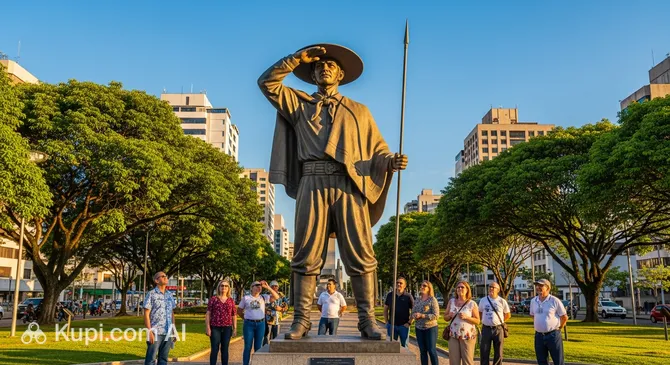
The city's origins are deeply rooted in the traditions of the tropeiros, the cattle herders who once traversed this region, shaping its cultural identity. You can delve deeper into the fascinating history of Carazinho by visiting the Museu Olívio Otto, which houses a comprehensive collection of artifacts and documents preserving the local memory. Another iconic landmark is the Monumento ao Bombeador, a statue that stands as a proud symbol of the city's heritage, representing the legendary figure who provided water to passing herdsmen.

Beyond its historical significance, Carazinho is known for its pleasant green spaces and community spirit. Visitors can admire the beautiful architecture of the Igreja Matriz Nosso Senhor Bom Jesus or enjoy a leisurely stroll through the city's well-maintained squares. Whether you are passing through on a road trip across the south or planning a dedicated visit, Carazinho invites you to experience its unique mix of rich tradition and genuine hospitality.

Weather Overview

The climate in this region is marked by distinct seasons, offering visitors a variety of experiences throughout the year. For a detailed forecast before you pack, be sure to check the current weather in Carazinho. Generally, the city enjoys warm summers and cool winters, with rainfall distributed throughout the year but peaking in frequency during the warmer months.

From December to February, summer brings warmth with average high temperatures peaking around 28°C. January is typically the dampest month, featuring about 17 days with some precipitation, so carrying an umbrella is a good idea. As the year progresses into winter, particularly in June and July, the weather cools down significantly. Average lows dip to around 10°C, and the days are drier, with August seeing only about 7 wet days.

Transitional seasons like April and October offer mild conditions, with average temperatures ranging between 15°C and 25°C. Overall, you can expect warm summers with occasional rain and cooler, drier winters, making the city accessible and enjoyable year-round.

Interesting Facts

Beyond its reputation as a welcoming stopover, Carazinho holds fascinating historical layers and cultural landmarks that often surprise visitors. From being the cradle of influential political figures to harboring ancient Jesuit roots, the city's backstory is as rich as its community spirit.
  • The Legend of the Bombeador: The city's most iconic symbol is the O Bombeador monument, created by the renowned sculptor Vasco Prado. The statue depicts a gaúcho shielding his eyes to peer into the horizon. The term comes from the *tropeiros* (cattle herders) who would "bombear"—a local expression for scouting or spying—to find water sources or stray cattle, honoring the region's history as a vital resting point on old trade routes.

  • Birthplace of a Political Unique: Carazinho is the hometown of Leonel Brizola, a giant in the history of Brazil. He holds a distinction unmatched in the country's political records: he is the only politician ever elected by the popular vote to serve as governor of two different states (Rio Grande do Sul and Rio de Janeiro).

  • Ancient Jesuit Roots: Long before the modern city was established in the 20th century, this territory was part of the Jesuit Reduction of Santa Teresa in the early 1600s. Although these early missions were eventually destroyed by bandeirantes (expeditions), this deep historical footprint connects the land to the centuries-old narrative of the Missões region.

  • A Strategic Crossroads: While widely celebrated as the "Capital of Hospitality," the city is also officially recognized as a "Capital of Logistics." This dual identity stems from its geographic importance at the junction of major highways like the BR-285 and BR-386, a location that has naturally made it a hub for trade and travelers for generations.

How to Get There

Reaching this welcoming destination in Rio Grande do Sul is quite straightforward, primarily involving air travel to a nearby hub followed by a scenic road trip. For a detailed breakdown of routes and transportation providers, you can read more about how to get to Carazinho to help plan your itinerary.

The city of Carazinho does not have its own airport, but it is well-served by regional terminals in neighboring cities. The most convenient option for many travelers is Passo Fundo Airport (IATA: PFB), located in the city of Passo Fundo, just 47 km away. It is a regional hub that connects the area to major centers. A taxi or shuttle ride from there typically takes around 45 minutes to 1 hour.

For international travelers or those looking for more extensive flight connections, the Salgado Filho International Airport (IATA: POA) in Porto Alegre is the main gateway to the state. Situated approximately 246 km from Carazinho, this large airport offers numerous daily flights. The subsequent journey by bus or rental car typically takes approximately 3.5 to 5 hours, depending on traffic and the mode of transport chosen.

For clarity, here is a summary of the main airports serving the region:

Airport Name City Passenger Traffic Km from City
Salgado Filho International Airport Porto Alegre Very High 246.0
Chapeco Airport Chapecó Medium 129.4
Hugo Cantergiani Regional Airport Caxias do Sul Medium 186.3
Passo Fundo Airport Passo Fundo Medium 46.6
Sepe Tiaraju Santo Angelo Small 134.8

Regarding rail transport, there are currently no regular passenger train services directly to Carazinho. The city is, however, a significant logistics hub situated at the intersection of major highways like the BR-285 and BR-386. Consequently, most visitors arrive by road, utilizing the extensive network of comfortable intercity buses or private vehicles to reach the city center.

Main Attractions

Carazinho may be a small regional hub, but it holds a surprising array of cultural and natural treasures that reflect the spirit of Rio Grande do Sul. The city's attractions offer a journey through its gaúcho roots, historical legacy, and green spaces, making it a delightful stop for anyone exploring the south of Brazil.

Museu Olívio Otto is an essential stop for history buffs and curious travelers alike. This institution is one of the most important museums in the region, housing a vast collection of over 20,000 items. The exhibits are diverse, ranging from historical artifacts and documents that tell the story of the city's development to a fascinating natural science section. The museum originated from the private collection of Olívio Otto, a local citizen who began preserving items in memory of his son, and has since grown into a comprehensive guardian of the local heritage.

Another defining landmark is the Monumento ao Bombeador, often considered the official symbol of Carazinho. Located at the Praça das Bandeiras, this striking statue was created by the renowned sculptor Vasco Prado. It depicts a traditional gaúcho shielding his eyes to scan the horizon—an act known locally as "bombear." This figure pays homage to the tropeiros (cattle herders) of the past who used this region as a strategic lookout point to find water and stray cattle, perfectly encapsulating the city's historical identity as a crossroads of hospitality.

For those who prefer outdoor activities, the Parque Municipal João Alberto Xavier da Cruz offers a refreshing escape into nature. Covering over 200 hectares, this park is a sanctuary for the native Atlantic Forest and features a significant population of Araucaria trees, the iconic pine of southern Brazil. It is a popular spot for locals and visitors to enjoy walking trails, observe local wildlife, and relax in a peaceful environment just a short distance from the urban center.

Finally, the city is famous for its equestrian tradition, best experienced at the Jockey Club Carazinhense. This venue is renowned across South America for its "cancha reta" (straight track) horse racing. If you are lucky enough to visit during a race event, you will witness the intense passion the community has for horses and turf sports, a cultural trait deeply embedded in the lifestyle of Rio Grande do Sul.

Local Cuisine

The culinary scene in Carazinho is a delicious reflection of its location in Rio Grande do Sul, blending traditional Gaúcho flavors with strong German and Italian immigrant influences. Visitors will find that food here is more than just sustenance; it is a social event, often centered around large gatherings and hearty portions that showcase the region's agricultural abundance.

At the heart of the local diet is the celebrated churrasco. As in the rest of the state, barbecue here is serious business, typically prepared on skewers over charcoal embers. You can visit a traditional churrascaria to experience the espeto corrido (all-you-can-eat) service, featuring prime cuts like picanha (rump cap) and costela (ribs). This carnivorous feast is almost always accompanied by manioc flour (farofa), potato salad, and fried polenta, creating a quintessential taste of Brazil's south.

Reflecting the city's origins as a resting point for cattle herders, Arroz de Carreteiro remains a beloved staple. This "wagoner's rice" is a savory dish made by simmering rice with charque (dried salted beef), onions, garlic, and herbs. It is a hearty, rustic meal that was originally designed to sustain travelers on long journeys and continues to be a comfort food favorite in local homes and restaurants.

The European influence is particularly evident in the region's baking and cafe culture. Do not miss the chance to try Cuca, a German-style crumb cake often filled with fruits like bananas, grapes, or dulce de leche. It pairs perfectly with the local signature drink, chimarrão. You will often see locals carrying a thermos and a gourd (cuia) filled with this hot, bitter mate tea, which is traditionally shared among friends as a symbol of hospitality and friendship.

Travel Tips

Visiting Carazinho is a delightful experience, thanks to its reputation as the "Capital of Hospitality," but a little preparation goes a long way in ensuring your trip is smooth and enjoyable. To help you navigate the local customs and logistics of this friendly city in Rio Grande do Sul, here are some essential practical tips for your journey.

  1. Clothing and Gear: Since the weather varies significantly by season, packing layers is essential. In summer (December to February), bring light, breathable fabrics and an umbrella for occasional heavy rains. If you visit in winter (June to August), you will need a warm jacket and sweaters as temperatures can drop to around 10°C. Also, note that the standard voltage in Carazinho is 220V, so bring a universal adapter (Type N is the standard, but Type C often works) to charge your devices safely.

  2. Transportation: The city center is compact enough to explore on foot, but for longer distances, ride-hailing apps like Uber and 99 are available and convenient. Public buses exist but may have limited schedules compared to larger capitals. If you plan to explore the surrounding region or the nearby countryside, renting a car is highly recommended, as Carazinho is a logistics hub with excellent highway connections.

  3. Finances: The local currency is the Brazilian Real (BRL). Credit and debit cards are widely accepted in hotels, restaurants, and supermarkets. However, it is wise to carry some cash for small purchases at newsstands or local fairs. ATMs are easily found at bank branches and some gas stations. Tipping is generally optional, but a 10% service charge is often included in restaurant bills.

  4. Health and Safety: Carazinho is generally safer than Brazil's large metropolitan areas, but you should still practice standard precautions: avoid walking in poorly lit areas late at night and keep valuables secure. Pharmacies, such as the popular chains São João and Panvel, are plentiful; some operate 24/7 or have extended hours. For emergencies, dial 192 for an ambulance or 190 for the police.

  5. Communication: Portuguese is the primary language, and English is not widely spoken outside of major hotels. Learning a few basic phrases like "Bom dia" (Good morning) and "Obrigado" (Thank you) will be greatly appreciated. WhatsApp is the main communication tool for businesses and locals, so having a SIM card with data is crucial; you can buy one at pharmacies or kiosks with your passport.

  6. Local Etiquette: The people of Rio Grande do Sul are warm and welcoming. Greetings often involve a firm handshake or a kiss on the cheek for women. If you are invited to share a chimarrão (the local mate tea), remember the golden rule: never touch the metal straw (bomba) with your hands to adjust it, and drink the entire contents of the gourd before passing it back to the server.

  7. What to Avoid: Do not refuse an offer of food or drink too abruptly, as hospitality is a core value here; a polite excuse is better. Additionally, avoid comparing the local gaúcho culture negatively to other regions; locals are extremely proud of their heritage and traditions.

  8. Midday Break: Be aware that unlike in major 24-hour cities, many smaller shops and local businesses in Carazinho may close for a lunch break, typically between 12:00 PM and 1:30 PM. Plan your shopping or errands accordingly to avoid finding closed doors during this time.

By keeping these practical points in mind, you will be well-equipped to relax and immerse yourself in the authentic charm of Carazinho. Whether you are sipping chimarrão with new friends or exploring the city's landmarks, you are sure to feel right at home in this welcoming corner of Brazil.

Entertainment & Nightlife

To experience the nightlife in Carazinho is to understand why it is called the "Capital of Hospitality." The evening atmosphere here is less about frantic clubbing and more about warm, social gatherings, live music, and excellent gastronomy. The city comes alive on weekends, particularly on Friday and Saturday nights, when locals head out to unwind after a week of work. The vibe is generally casual and welcoming, with a mix of university students and families filling the tables of pubs and restaurants.

The heart of the action is undoubtedly found along the Avenida Flores da Cunha. This major thoroughfare cuts through the city and hosts the highest concentration of bars, eateries, and entertainment venues. A walk or short drive down this avenue will present you with various options, ranging from laid-back snack bars serving traditional xis burgers to more sophisticated gastropubs. It is the perfect starting point for anyone looking to discover the local scene without needing a complicated itinerary.

For those seeking a complete entertainment experience, the Bier Site is the city's premier destination. This large events complex is a local landmark and houses the popular Bier Pub, which is famous for its lively atmosphere. Here, you can enjoy locally brewed craft beer and chopp (draft beer) while listening to live bands that often play sertanejo (Brazilian country music), pop rock, or pagode. It is the go-to spot for dancing and meeting new people in a safe, energetic environment.

If you prefer a more intimate setting, the city offers several cozy establishments that focus on artisanal drinks and conversation. These venues are known for their curated selection of beverages and relaxed ambiance, attracting a crowd that enjoys a quieter night out. Whether you are looking for a stylish lounge to enjoy cocktails or a spot to sample local craft beers, these smaller bars provide a great alternative to the larger clubs and are perfect for starting your evening.

Practical advice for enjoying Carazinho at night includes planning your timing. Bars typically start filling up around 8:00 PM, while venues with dance floors or live shows might not peak until after 11:00 PM. The dress code is relaxed; a "smart casual" look works well almost anywhere. Prices are generally moderate compared to larger cities in Brazil, offering good value for food and drinks.

Regarding safety, Carazinho is tranquil compared to major metropolitan centers, but standard precautions apply. The central areas and Avenida Flores da Cunha are well-lit and populated, making them generally safe for walking in the early evening. However, as the night deepens, it is advisable to use a taxi or a ride-sharing app to return to your accommodation rather than walking long distances alone.

Before the sun sets, you can enjoy the city's daytime offerings to round out your trip. If you haven't yet explored the local culture, a visit to the local history museum provides a fascinating look at the region's heritage, while the municipal park offers a peaceful green retreat. These daytime activities are the perfect way to relax before diving into the friendly and spirited nightlife of this welcoming southern city.

Parks & Museums

Carazinho offers a delightful blend of preserved natural beauty and rich historical narratives, making it a rewarding destination for those who appreciate both outdoor leisure and cultural exploration. The city takes pride in its well-maintained green spaces, which provide a breath of fresh air amidst the urban landscape, while its museums and historical sites stand as custodians of the region's gaúcho identity and development.

For nature lovers, the Parque Municipal João Alberto Xavier da Cruz is the undisputed highlight. Spanning a vast area of native vegetation, this park is a sanctuary for the Atlantic Forest biome and is particularly notable for its majestic Araucaria trees, the symbol of southern Brazil. It serves as the city's green lung, offering winding trails for walking and running, as well as quiet spots for picnics. It is an excellent place to observe local bird species and escape the city noise without traveling far from the center.

In the heart of the city lies Praça Albino Hillebrand, a central square that functions as the community's living room. Recently revitalized, this urban park is more than just a thoroughfare; it is a social hub featuring beautiful landscaping, a modern fountain, and ample seating. It is the perfect venue for a relaxing afternoon, where you can watch the world go by and witness the local tradition of families gathering to drink chimarrão in the shade.

When it comes to culture and history, the Museu Olívio Otto is the premier institution in Carazinho. Housed in a historical building, this museum holds an impressive collection of over 20,000 pieces. The exhibits are eclectic and comprehensive, covering everything from zoology and numismatics to the tools and clothing of the early settlers. It provides a deep dive into the daily life of the past centuries and the tropeiro culture that founded the city, making it a must-visit for history enthusiasts.

Another significant cultural landmark is the Gare da Viação Férrea (Old Railway Station). While not a traditional museum in the sense of enclosed exhibits, the station itself is a monument to the city's logistical history. The architecture evokes the era when rail was the lifeline of the region. The area around the station often hosts cultural events and serves as a poignant reminder of Carazinho's growth as a strategic crossroads in Rio Grande do Sul.

For a truly authentic experience, try to visit the Praça das Bandeiras near the "O Bombeador" monument during the late afternoon on a weekend. This is not just a sightseeing stop but a chance to immerse yourself in local life. You will find residents practicing the art of "bombear" (watching the movement) just like the statue, often accompanied by live music or local artisan fairs that pop up in the vicinity.

Getting Around

The public transport system in Carazinho is relatively simple and scaled to the size of the city. Unlike larger metropolitan areas in Brazil, there is no metro, tram, or train service for urban commuting. The primary mode of public transportation is the bus network, which connects the residential neighborhoods to the commercial center and major institutions. For most tourists, the system is easy to understand, though it operates at a more relaxed pace than in big capitals.

The urban bus service is operated by local companies, with Empresa Glória being the main provider. The buses are standard urban vehicles, typically identified by their white and colored livery. Most routes converge on or cross the city's main artery, Avenida Flores da Cunha. This central avenue serves as the primary corridor for transit, making it a convenient reference point for visitors trying to orient themselves. Bus stops are marked, often with shelters, but they may not always display detailed timetables, so asking locals for the next bus is a common practice.

Regarding payment, the system is quite traditional. While there are electronic card systems used by local students and workers, these are generally not practical for short-term visitors. For tourists, the best way to pay is with cash directly on board. You will typically pay a conductor (cobrador) or the driver as you enter through the front door. The fare is affordable, usually costing a few Reais. It is highly recommended to carry small bills and coins, as breaking large banknotes can be difficult for the bus staff.

For those seeking more comfort or flexibility, ride-sharing apps are a very popular alternative. Services like Uber and 99 operate within the city and offer a convenient way to get around without waiting for scheduled buses. They are particularly useful in the evenings or on Sundays when bus frequencies drop significantly. Traditional taxis are also available and can be found at designated stands (pontos de táxi) near the main squares, the bus station (Rodoviária), and the hospital. All official taxis use taximeters, ensuring a fair price for your ride.

If you prefer to drive, renting a car is a viable option and perhaps the most efficient way to explore the region, given Carazinho's status as a logistics hub. However, within the city center, specifically around the commercial district, parking can be competitive during business hours. A "Rotativo" (rotating parking) system may be in place in central zones, requiring you to purchase a ticket from monitors or authorized shops to park on the street for a limited time.

A practical tip for visitors is to be mindful of operating hours. Public buses generally run from early morning (around 6:00 AM) until late evening (around 10:00 PM or 11:00 PM). However, service is significantly reduced on Saturday afternoons and becomes quite sparse on Sundays and holidays. If you plan to stay out late enjoying the local nightlife, it is best to rely on ride-sharing apps or have a taxi number saved on your phone, as buses will likely not be running.

Finally, due to the city's topography and layout, the downtown area is quite walkable. Many of the main attractions, shops, and restaurants are located within a reasonable distance of each other along the central avenues. Walking is often the most pleasant way to experience the local atmosphere, allowing you to admire the architecture and stop at cafes, provided the weather is favorable.
Accommodation

Accommodation in Carazinho reflects its dual identity as a regional hub for logistics and a welcoming "Capital of Hospitality." The city primarily offers functional and comfortable lodging options designed to cater to business travelers, sales representatives, and families passing through on road trips. You will not find ultra-luxury resorts here; instead, the hospitality scene is dominated by reliable mid-range hotels, family-run inns (pousadas), and budget-friendly establishments that prioritize cleanliness and practicality.

When choosing where to stay, location is a key factor. The most convenient area for tourists is the City Center (Centro), particularly near the main thoroughfare, Avenida Flores da Cunha. staying here places you within walking distance of restaurants, banks, shops, and the nightlife spots mentioned earlier. Alternatively, for those merely stopping for a night while driving across the state, there are several hotels located along the highway margins (BR-285 and BR-386). These offer easy access and ample parking but are further removed from the city's social heart.

A crucial tip for booking accommodation in Carazinho involves the regional calendar. The city serves as a major support base for Expodireto Cotrijal, one of the largest agricultural fairs in Latin America, held in the neighboring town of Não-Me-Toque (usually in March). During this week, hotels in Carazinho are often fully booked months in advance, and prices can rise significantly. If your trip coincides with this event, securing your reservation as early as possible is mandatory.

In terms of cost, the city is generally very affordable compared to the state capital or major tourist destinations like Gramado. Prices typically fall into the budget to mid-range categories. While major online booking platforms are widely used by the larger hotels, many smaller, family-owned establishments still operate effectively via direct phone calls or WhatsApp. It is often worth contacting the hotel directly to check for the best rates or availability.

Nearby Cities

For those looking to explore the surroundings, Carazinho serves as an excellent base for day trips to several interesting nearby locations:

One of the most popular destinations is Passo Fundo, located less than an hour away. Known as the "Capital of the Middle Plateau," it offers a bustling urban atmosphere with excellent shopping centers, diverse dining options, and cultural landmarks like the Gare Park. It is also famous for its literary tradition, hosting major international literary festivals. For travelers interested in history and literature, Cruz Alta is another fascinating stop. As the birthplace of the celebrated writer Erico Verissimo, the city preserves a rich architectural heritage and houses a museum dedicated to his life and works.

Another noteworthy option is Marau, which is heavily influenced by Italian immigration. Visitors here can explore the "Rota das Salamarias," a culinary route showcasing the region's production of high-quality salami, wines, and other colonial products. Whether you are seeking urban entertainment, historical depth, or gastronomic delights, these neighboring towns provide a perfect complement to your stay in Carazinho.

City Population Distance (km)
Passo Fundo 204722 38
Erechim 106633 89
Cruz Alta 62821 88
Marau 44858 61
Panambi 44128 69

These nearby destinations offer a glimpse into the diverse culture and landscapes of the region.

Shopping & Souvenirs

Shopping in Carazinho offers a distinctively local experience, reflecting the city's role as a regional service hub rather than a destination for luxury retail. The commercial scene is functional and friendly, characterized by family-owned businesses and street-side shops rather than sprawling complexes. Visitors will find excellent opportunities to purchase regional goods, particularly items related to the gaúcho culture, as well as everyday necessities and fashion at moderate prices.

The heartbeat of the city's commerce is undoubtedly Avenida Flores da Cunha. This extensive avenue runs through the center of Carazinho and is lined with a wide variety of stores. Here, you can find everything from clothing boutiques and shoe stores to electronics shops and pharmacies. Exploring this avenue and the smaller streets branching off it allows you to experience the daily rhythm of the city, where shop owners often know their customers by name.

Unlike larger metropolitan areas, Carazinho does not feature massive shopping malls with international franchises. Instead, the city relies on smaller commercial galleries and arcades scattered throughout the downtown area. These galleries often house specialized services and smaller boutiques. For those seeking a large-scale shopping mall experience with cinema complexes and food courts, locals typically travel to the neighboring city of Passo Fundo, which is a short drive away.

For a taste of local flavor, the Feira do Produtor Rural (Farmers' Market) is a highlight. Held on specific mornings during the week, usually Wednesdays and Saturdays, this market is where local agriculturists sell fresh produce directly to the public. It is an excellent place to find artisanal cheeses, salamis, honey, and homemade baked goods like breads and cookies, offering a genuine sample of the region's colonial heritage.

When it comes to souvenirs, the best items to bring back are those that represent the spirit of Rio Grande do Sul. Mate tea accessories are the top choice; you can find beautifully crafted cuias (gourds) and silver or stainless steel bombas (straws) in many local shops. Leather goods, such as boots, belts, and wallets, are also of high quality in this region. Additionally, a Cuca (German-style crumb cake) from a local bakery makes for a delicious, albeit perishable, gift.

Store opening hours in Carazinho follow the traditional pattern of the Brazilian interior. Most shops open around 8:30 AM or 9:00 AM and close at 6:00 PM or 6:30 PM on weekdays. It is important to remember that many smaller businesses close for a lunch break, typically between 12:00 PM and 1:30 PM. On Saturdays, shops usually operate only in the morning, closing around 12:00 PM or 1:00 PM, and nearly all retail remains closed on Sundays.

Payment methods are modern and convenient. Credit and debit cards are widely accepted even in smaller establishments. However, carrying some cash in Brazil's currency (Reais) is advisable for small purchases at street stalls or the farmers' market. Regarding tax refunds, tourists should note that Brazil does not have a widely implemented tax-free shopping refund system for international visitors in smaller cities like Carazinho.

Reached the end of the page?

That means the route is fully explored