Support

Santo Angelo

About

Santo Angelo is a vibrant city located in the northwestern part of the state of Rio Grande do Sul, Brazil. Often referred to as the "Capital of the Missions," this city serves as a cultural and historical hub for the region. With a population of approximately 76,000 residents, it offers a welcoming atmosphere that blends a rich heritage with the conveniences of a modern urban center.

The history of Santo Angelo is fascinating, as it was the last of the famous "Seven Peoples of the Missions" established by Jesuit priests in the 18th century. This deep connection to the past is evident in the city's architecture and local traditions. The climate here is subtropical, characterized by warm summers and mild winters, making it a pleasant destination for travelers throughout the year.

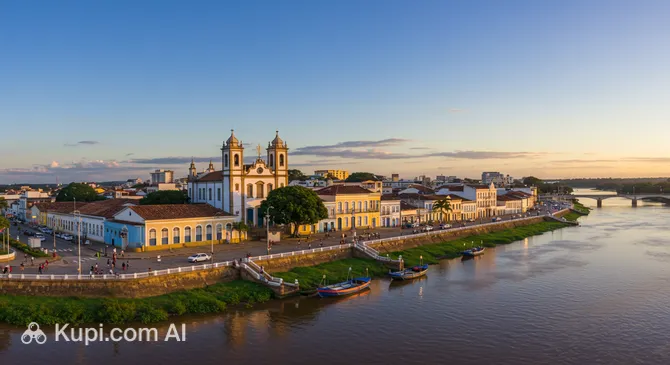
Santo Angelo. Source: Kupi.Binoculars

One of the city's most iconic landmarks is the Catedral Angelopolitana. This majestic structure is dedicated to the Guardian Angel and stands as a tribute to the original church of the Jesuit reduction, featuring sculptures of the patron saints of the Seven Peoples. Visitors are also drawn to the Municipal Museum Dr. José Olavo Machado, which houses artifacts that tell the story of the region's indigenous and colonial past.

Whether you are a history enthusiast or simply looking to explore the unique culture of southern Brazil, Santo Angelo promises a memorable experience. Its charming streets, significant monuments, and warm hospitality make it a must-visit stop on any journey through the Missions region.

Weather Overview

The climate in this region is subtropical, offering distinct experiences depending on when you choose to visit. To help you pack appropriately for your trip, it is helpful to review the current weather in Santo Angelo before your departure. Generally, the city enjoys warm temperatures for most of the year, with a cooler winter season.

During the summer months of December through February, the weather is quite warm. January is typically the hottest month, with an average temperature of 26.0°C and highs frequently reaching 30.8°C. This period is also characterized by frequent rainfall, with January seeing approximately 14 wet days, so carrying an umbrella is recommended.

In contrast, the winter season from June to August brings milder and drier conditions. July is usually the coolest month, with average temperatures dropping to 15.8°C and nighttime lows around 11.2°C. Rainfall is less frequent during this time, with August averaging only about 7 wet days, making it a good time for outdoor activities if you prefer cooler weather.

Expect warm summers with occasional rain and mild, drier winters. The transitional seasons of spring and autumn offer moderate temperatures, with October and November gradually warming up towards the summer peak.

Interesting Facts

Beyond the main attractions, Santo Angelo holds many fascinating secrets that reveal its unique role in the shaping of southern Brazil.
  • The city is historically significant as the birthplace of the Prestes Column (Coluna Prestes) movement in the 1920s. Captain Luís Carlos Prestes, who was an engineer stationed in the city, organized this famous revolutionary march here, an event that would go on to traverse thousands of kilometers across the country and heavily influence Brazilian politics.

  • Although the Catedral Angelopolitana is a modern structure, its design is not random; it was deliberately built as a stylized replica of the ancient church of São Miguel das Missões. This architectural choice serves as a symbolic bridge, allowing visitors to visualize the grandeur of the nearby UNESCO World Heritage ruins as they might have appeared centuries ago.

  • Santo Angelo hosts one of the largest events in the state, the Fenamilho (International Corn Festival). This massive gathering celebrates the region's agricultural strength and indigenous roots, attracting hundreds of thousands of visitors for business, gastronomy, and cultural performances, far exceeding the city's own population.

  • Unlike cities that developed continuously, Santo Angelo experienced a "resurrection." After the destruction of the Jesuit missions, the area remained largely abandoned and reclaimed by the forest for nearly a century. It was only in the late 1800s that the city was re-established by European immigrants, who built the modern urban center directly over the buried foundations of the ancient reduction.

How to Get There

Planning a trip to the Missões region requires some logistical preparation, but the journey is well worth the effort to see the historic heart of Rio Grande do Sul. For a detailed breakdown of all transport options, you can read more about how to get to Santo Angelo. The city is accessible primarily by road and regional flights, connecting it to larger hubs in Brazil.

The most direct way to arrive by air is via the local Sepe Tiaraju airport (GEL). Located just 9.5 km from the city center, this regional facility handles domestic connections, making it the most convenient entry point. A taxi ride from the terminal to the downtown area is quick, typically taking around 35 minutes. Although it is a small airport with limited passenger traffic, it provides essential links to major Brazilian cities.

Alternatively, travelers may choose to fly into Passo Fundo Airport (PFB), situated in the city of Passo Fundo. This airport is approximately 190 km away from Santo Angelo. While it requires a longer transfer, it serves as a viable option if direct flights to Santo Angelo are fully booked. The ground transfer from Passo Fundo can take approximately 5 hours by bus or taxi, offering a scenic drive through the state's interior.

For clarity, here is a summary of the main airports:

Airport Name City Passenger Traffic Km from City
Cataratas del Iguazu International Airport Puerto Iguazu Large 284.7
Chapeco Airport Chapecó Medium 204.6
Posadas Airport Posadas Medium 196.1
Passo Fundo Airport Passo Fundo Medium 190.4
Sepe Tiaraju Santo Angelo Small 9.5

While air travel is convenient, many visitors also arrive by long-distance bus, which is a very common and reliable mode of transport in Brazil. The city has a central bus station (Rodoviária) that receives regular services from the state capital, Porto Alegre, as well as other major cities in the region. This is often the most economical choice for those already traveling within Rio Grande do Sul.

Main Attractions

Exploring Santo Angelo provides a unique opportunity to connect with the deep historical roots of the Jesuit Missions in southern Brazil. The city serves as a living museum, where modern life coexists with the remnants of a fascinating past. Below are some of the most significant sites that capture the essence of this culturally rich destination.

The Catedral Angelopolitana is undoubtedly the centerpiece of the city's architectural heritage. Located in the heart of the historic center, this imposing structure was built in the 1920s to resemble the ancient church of São Miguel Arcanjo. Its façade is adorned with stone sculptures representing the patron saints of the Seven Peoples of the Missions, creating a powerful visual link to the 18th century. Inside, visitors can admire beautiful stained glass windows and a serene atmosphere that invites reflection.

Just a short walk from the cathedral, the Museu Municipal Dr. José Olavo Machado offers a deeper dive into the region's history. Housed in a preserved historic building, the museum displays a valuable collection of artifacts from the Jesuit-Guarani period, including indigenous ceramics, sacred art, and archaeological finds. It is an essential stop for anyone wishing to understand the social and cultural dynamics that shaped this part of Rio Grande do Sul.

For those interested in Brazil's political history, the Memorial Coluna Prestes is a site of great importance. Located in the city's old railway station, this cultural center documents the famous revolutionary movement of the 1920s led by Luís Carlos Prestes. The building itself is a beautifully preserved example of railway architecture, and the exhibitions provide context on how this local event influenced the entire nation. The site also features a railway museum, making it interesting for history buffs and train enthusiasts alike.

Surrounding the cathedral is the Praça Pinheiro Machado, a vibrant public square that functions as an open-air meeting point for locals and tourists. The square is not just a green space but a historical site in its own right, situated on the grounds of the original Jesuit reduction. Walking here allows visitors to trace the layout of the ancient settlement, with markers and monuments helping to visualize the scale of the mission that once stood on this very ground.

Local Cuisine

The culinary scene in Santo Angelo is deeply rooted in the traditions of Rio Grande do Sul, offering visitors an authentic taste of Gaúcho culture. The food here is hearty and flavorful, reflecting the region's history of cattle ranching and European immigration. For meat lovers, this city is a true paradise, where the preparation of food is often treated as a celebrated ritual rather than just a meal.

The undisputed star of the local table is Churrasco, the traditional Brazilian barbecue. Unlike in other parts of the world, the meat here is typically seasoned only with coarse salt and slow-roasted over wood embers to preserve its natural flavors. You should definitely try the costela (beef ribs), which is often cooked for hours until it is incredibly tender. Another regional classic to look out for is Arroz de Carreteiro, a rustic and savory rice dish made with charque (dried beef), onions, and spices, originally prepared by wagoners traveling across the state.

When it comes to drinks, the local culture is defined by Chimarrão. This hot, caffeine-rich infusion of yerba mate is more than just a beverage; it is a symbol of hospitality and friendship in southern Brazil. You will often see locals carrying a thermos and a cuia (gourd) to share the drink in parks or social gatherings. For something to enjoy with dinner, the region produces excellent wines, as Rio Grande do Sul is the heart of Brazil's viticulture, although a classic Caipirinha is always available for those seeking a stronger kick.

Dining out in Santo Angelo typically revolves around the churrascaria, a steakhouse where waiters serve a continuous rotation of various cuts of meat directly to your table. The atmosphere in these establishments is lively and family-oriented, perfect for a long, leisurely lunch. Beyond the barbecue joints, you can also find cozy cafes and bakeries serving "café colonial," a spread of cakes, breads, and cheeses that pays homage to the German and Italian immigrants who settled in the area.

Travel Tips

To ensure your visit to the "Capital of the Missions" is as enjoyable and smooth as possible, we have compiled a list of essential practical advice. These tips will help you navigate the local customs, logistics, and daily life in Santo Angelo with the confidence of a seasoned traveler.

  1. Clothing and Essentials: The weather in this region varies significantly by season. If you visit during the hot summer (December to February), pack lightweight, breathable fabrics and sun protection. For the winter months (June to August), you will definitely need a warm jacket and layers, as temperatures can drop noticeably, especially at night. Bring comfortable walking shoes for exploring the historic center. Note that the electrical voltage in Santo Angelo is 220V, and outlets typically fit the three-pin Type N standard, so a universal adapter is highly recommended.

  2. Getting Around: The city center is relatively compact and walkable, allowing you to easily visit the main cathedral and museums on foot. For longer distances, ride-hailing apps like Uber and 99 are active and offer a convenient, affordable way to travel. Regular taxis are also available at designated stands. If you plan to explore the wider Missions region and visit ruins in nearby towns, renting a car is the most flexible option.

  3. Financial Tips: The official currency is the Brazilian Real (BRL). While credit and debit cards are widely accepted in hotels, restaurants, and supermarkets, it is wise to carry some cash for small purchases, local markets, or tips. ATMs are easy to find in the city center. Tipping is generally standard practice; restaurants usually add a 10% service charge to the bill, which is customary to pay.

  4. Health and Safety: Santo Angelo is generally considered safer than Brazil's large metropolitan areas, but standard precautions should still be taken. Avoid walking alone in poorly lit areas late at night and keep an eye on your belongings in public spaces. Pharmacies are plentiful, with major chains like Panvel or São João often open late or 24/7 to assist with minor health needs.

  5. Communication: The primary language is Portuguese. Unlike in major tourist hubs like Rio or São Paulo, English is not widely spoken here. It is highly beneficial to learn a few basic phrases or have a translation app ready on your phone. You can easily purchase a local SIM card (from providers like Vivo, Claro, or TIM) at newsstands or pharmacies to stay connected with data maps and translation tools.

  6. Local Etiquette: The people of Rio Grande do Sul, known as Gaúchos, are famous for their hospitality. Greetings often involve a firm handshake or, among women or close friends, kisses on the cheek. If you are invited to share a chimarrão (the local mate tea), accept it as a sign of friendship. Drink the contents of the gourd until it "snores" (makes a noise at the bottom) before passing it back to the server.

  7. What to Avoid: When sharing chimarrão, never touch the silver straw (the bomba) with your hands to adjust it; this is considered extremely rude and unhygienic in local culture. Additionally, avoid comparing the local barbecue (churrasco) unfavorably to other styles; locals take immense pride in their culinary traditions.

  8. Commercial Hours: Be aware that many smaller shops and businesses in Santo Angelo may close for a lunch break, typically between 12:00 PM and 1:30 PM. Plan your shopping or errands for the morning or mid-afternoon to avoid finding closed doors.

By keeping these practical points in mind, you will be well-prepared to immerse yourself in the unique culture and history of Santo Angelo. Enjoy the warm hospitality of the Gaúcho people and have a wonderful journey through the heart of the Missions!

Entertainment & Nightlife

While Brazil is often associated with the high-energy festivities of its coastal metropolises, entertainment in Santo Angelo offers a more relaxed and community-oriented experience. The city's leisure scene reflects the warm hospitality of the Gaúcho culture, providing visitors with opportunities to socialize, enjoy local arts, and immerse themselves in the regional lifestyle.

The nightlife in Santo Angelo is centered around lively bars and pubs, many of which are located near the city center and the university areas. The local custom of "happy hour" is popular here, where friends gather after work to share cold beers and traditional snacks known as petiscos. Live music is a staple at many of these venues, with performances often featuring sertanejo (Brazilian country music) or traditional Gaúcho folk songs, creating an authentic and welcoming atmosphere.

For those interested in cultural performances, the Teatro Municipal Antônio Sepp is the city's primary venue for the performing arts. This theater regularly hosts plays, musical concerts, and dance performances, serving as a hub for local artistic expression. Movie enthusiasts can visit Cine Cisne, a historic cinema that has been part of the city's cultural landscape for decades, screening a mix of current blockbusters and national films.

Outdoor socializing is a significant part of entertainment in Santo Angelo, especially during the warmer evenings. The main squares, such as the area around the cathedral, often become gathering points where families and young people meet to chat and enjoy the open air. During major events like the Fenamilho, the city transforms into a vibrant festival ground, offering large-scale musical shows, gastronomy fairs, and amusement park rides that attract visitors from the entire region.

Parks & Museums

While Santo Angelo is celebrated for its rich Jesuit history, the city also offers refreshing green spaces that allow visitors to unwind and experience local daily life. Beyond the stone monuments, the parks and squares serve as the community's living rooms, providing a balanced itinerary of cultural discovery and outdoor relaxation.

The most vibrant gathering spot for residents is Praça Ricardo Leônidas Ribas, affectionately known as the "Praça do Brique." This square is the beating heart of the city's social scene, especially on weekends. It is widely recognized for hosting the traditional "Brique da Praça," a Sunday market where local artisans display leather goods, handicrafts, and regional foods. Under the shade of its trees, families and friends gather to drink chimarrão (mate tea), making it the perfect place for tourists to observe and participate in the authentic Gaúcho lifestyle.

For those seeking a more serene escape, the grounds of the Santuário de Schoenstatt offer a peaceful environment for contemplation. Although primarily a religious site, its meticulously landscaped gardens are a major draw for nature lovers. The combination of well-tended flowerbeds, lush greenery, and the unique architecture of the shrine creates a tranquil atmosphere, distinct from the bustling city center. It is an ideal spot for a quiet walk, meditation, or simply enjoying a moment of silence surrounded by nature.

Another significant green area is the Parque de Exposições Siegfried Ritter. Spanning a vast territory, this park is the city's premier venue for large-scale events, including the famous Fenamilho festival. While it is busiest during exhibitions, its sheer size and open spaces represent an important part of the city's outdoor infrastructure. The park showcases the region's agricultural strength and serves as a sprawling backdrop for community celebrations, reflecting the deep connection between the urban center and the rural landscape.

Visitors walking through the city streets will also notice Santo Angelo's unique urban forestry, often referred to as "Green Tunnels." Many avenues are lined with towering Tipuana trees that form natural archways, providing dense shade and cooling the streets during the subtropical summer. These tree-lined paths turn a simple walk between attractions into a pleasant nature experience, integrating greenery directly into the urban fabric.

Insider Tip: The best time to visit Praça Ricardo Leônidas Ribas is on Sunday morning between 9:00 AM and 12:00 PM. This is when the "Brique" is in full swing, offering live music and the chance to buy unique souvenirs directly from local artists.

Getting Around

Public transport in Santo Angelo is relatively simple and straightforward, relying primarily on a network of municipal buses. Unlike larger metropolitan areas in the country, there is no metro, tram, or train service within the city. For most tourists, the bus system is useful for reaching neighborhoods outside the central district, although the compact nature of the downtown area often makes other modes of transport more convenient.

The bus fleet covers the main residential areas, the university campus, and the city center. Buses are generally identified by their destination placards displayed on the front windshield. While the network is reliable during business hours on weekdays, the frequency of service drops significantly on weekends and holidays. It is important to check the schedules in advance if you plan to travel on a Sunday, as some lines may operate on a very limited timetable.

Regarding payment, the system is quite traditional. While local residents use electronic transport cards, visitors can easily pay the fare in cash directly on board. You enter through the front door and pay the conductor or the driver before passing through the turnstile. The fare is affordable, typically costing a few Reais per ride. It is highly recommended to carry small bills or coins, as changing large notes can be difficult for the bus staff.

For a more flexible alternative, ride-sharing apps are extremely popular and efficient in Santo Angelo. Services like Uber and 99 operate throughout the city, offering a safe and often very inexpensive way to get around, especially at night or when carrying luggage. Traditional taxis are also available and can be found at designated stands near the main squares, the bus station, and the hospital. Taxis use a meter (taxímetro), so there is no need to negotiate the price beforehand.

Given the city's layout, walking is often the best way to explore the historic center. The main attractions, such as the Catedral Angelopolitana and the museums, are located close to each other, allowing you to navigate between them easily on foot. Bike rentals are not a major part of the public transport infrastructure, so walking or hailing a car remain the primary choices for short-distance travel.

Accommodation

Santo Angelo offers a welcoming selection of accommodation options that cater primarily to cultural tourists and business travelers. While the city does not typically feature sprawling luxury resorts, visitors will find a reliable array of mid-range hotels, budget-friendly hostels, and comfortable family-run inns known as pousadas. The hospitality here is a reflection of the warm Gaúcho culture, ensuring a pleasant stay regardless of the property size.

The most convenient area for tourists to stay is undoubtedly the City Center (Centro). Choosing a hotel in this district places you within walking distance of the iconic Catedral Angelopolitana and the main museums, allowing for easy exploration of the historic sights on foot. Staying centrally also provides quick access to the city's best restaurants, cafes, and shops, making it the ideal base for those without a car.

For travelers on a tighter budget or those passing through, there are practical options located near the Bus Station (Rodoviária). These accommodations are often simpler but offer great convenience for those arriving late or departing early by bus. While this area is further from the main tourist attractions, local taxis and ride-sharing apps make the commute to the historic center quick and affordable.

Prices in Santo Angelo are generally quite reasonable compared to larger Brazilian cities, with most options falling into the budget to mid-range categories. Booking can typically be done through major online travel platforms, though some smaller establishments may prefer direct contact via phone or messaging apps. It is highly recommended to book your accommodation in advance if you plan to visit during major local events, such as the Fenamilho festival, when the city sees a significant influx of visitors and rooms can sell out quickly.

Nearby Cities

For those looking to explore the surroundings, Santo Angelo serves as an excellent base for day trips to several interesting nearby locations:

Ijuí, located just a short drive away, is widely known as the "Land of Diversified Cultures." The city prides itself on its multi-ethnic heritage, hosting descendants from over ten different nationalities. This diversity is celebrated through its vibrant festivals and varied gastronomy, making it a fascinating spot for cultural immersion.

Another notable destination is Santa Rosa, often referred to as the "National Cradle of Soy" due to its agricultural significance. Beyond its farming roots, the city is famous for being the birthplace of Xuxa Meneghel, a Brazilian media icon, and features a dedicated archway in her honor. It offers a lively atmosphere with pleasant public spaces and events celebrating its German colonization roots.

For those interested in continuing the historical journey of the Missions, Sao Luis Gonzaga is a compelling choice. Like Santo Angelo, it was one of the Seven Peoples of the Missions. Visitors can explore the Gruta Nossa Senhora de Lourdes and local museums that house archaeological artifacts, providing deeper insight into the region's Jesuit-Guarani past.

City Population Distance (km)
Ijuí 83764 35
Santa Rosa 73882 52
Cruz Alta 62821 75
Panambi 44128 75
Sao Luis Gonzaga 33293 69

These nearby destinations offer a glimpse into the diverse culture and landscapes of the region.

Shopping & Souvenirs

Shopping in Santo Angelo offers a delightful mix of modern convenience and traditional charm, reflecting the city's role as a regional hub in the Missões area. While you will not find the massive luxury malls typical of Brazil's largest metropolises, the city provides a genuine retail experience focused on local culture, craftsmanship, and friendly service. The shopping scene here is characterized by bustling street commerce, small galleries, and markets that highlight the region's unique Gaúcho and indigenous heritage.

Most of the retail activity is concentrated in the Downtown (Centro) area, particularly around the historic district. The streets surrounding the Catedral Angelopolitana and the main squares are lined with a variety of shops selling clothing, footwear, and electronics. Walking through these avenues, such as Rua Marquês do Herval and Rua Marechal Floriano, allows tourists to browse for goods while admiring the local architecture. This area serves as an open-air shopping district where locals run their daily errands, creating a lively atmosphere during business hours.

For a more concentrated shopping experience, Santo Angelo features smaller commercial centers and galleries rather than sprawling resort-style malls. One notable destination is the Centro Popular de Compras, a recently developed space designed to support local micro-entrepreneurs. Located centrally, it offers a variety of stalls selling affordable clothing, accessories, and electronics. Additionally, places like the Shopping das Fábricas provide a selection of apparel and goods directly from manufacturers, often at competitive prices.

The highlight of the local shopping scene is undoubtedly the Brique da Praça. Held every Sunday morning at Praça Ricardo Leônidas Ribas, this open-air market is a cultural institution in the city. It is the perfect place to find authentic handicrafts, artwork, and homemade foods. The market gathers artisans from across the region, making it an excellent spot to purchase unique items that you won't find in standard stores, all while enjoying live music and the company of local families.

When looking for souvenirs, the best items to bring back are those that represent the Gaúcho culture and the Jesuit-Guarani history. Mate gourds (cuias) and bombas (silver straws) are essential gifts, often beautifully carved or ornamented with silver. You can also find high-quality leather goods, such as belts and wallets, which are a specialty of Rio Grande do Sul. For a taste of the region, look for artisanal salamis, cheeses, and locally produced honey sold at the markets or specialty food stores.

Store opening hours in Santo Angelo typically follow the standard Brazilian commercial schedule. Most street shops are open from Monday to Friday, 9:00 AM to 6:00 PM, often closing for a lunch break between 12:00 PM and 1:30 PM. On Saturdays, shops usually operate from 9:00 AM to 12:00 PM, though some larger stores may stay open until late afternoon. The Brique da Praça operates specifically on Sunday mornings, usually wrapping up by 1:00 PM. Credit and debit cards are widely accepted, but it is advisable to carry some cash (Reais) for small purchases at street stalls or the Sunday market.

Travelers should note that Tax-Free shopping or VAT refunds are generally not available for tourists in Brazil. The price you see on the tag is the final price, inclusive of all taxes. Sales are final in most small shops, so it is always good practice to check the item carefully before purchasing.
Reached the end of the page?

That means the route is fully explored