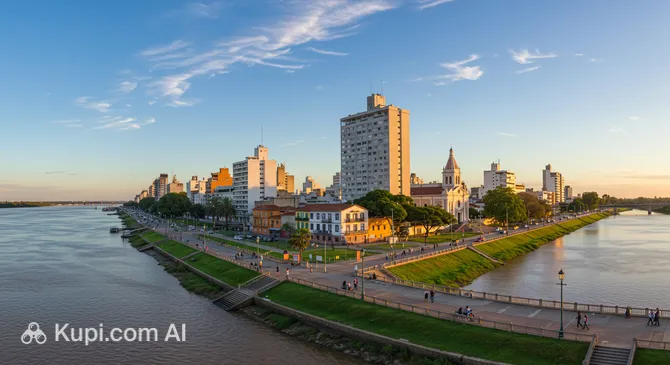
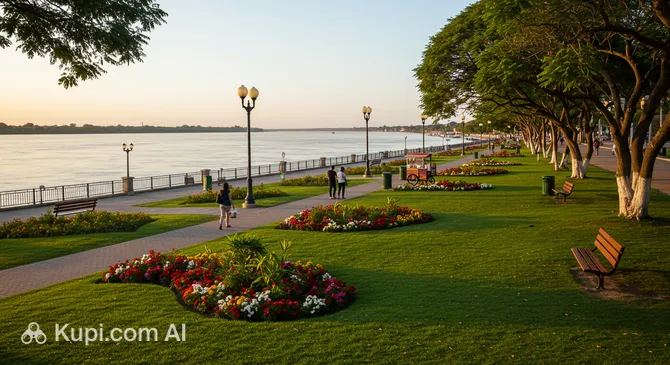
Posadas is the vibrant capital of the Misiones province in the northeastern region of Argentina. Situated on the southern bank of the majestic Paraná River, directly opposite the Paraguayan city of Encarnación, this city serves as a significant administrative, commercial, and cultural center. With a population of approximately 275,000 inhabitants, it offers a lively atmosphere characterized by its distinctive red soil and lush subtropical vegetation.
Posadas. Illustration.
Source: Kupi.com AI
The city acts as a strategic gateway for travelers exploring the famous Jesuit missions in the area. Those interested in the past will find the history of Posadas fascinating, as it evolved from a modest settlement into a modern urban hub while retaining its cultural heritage. The climate is generally warm and humid, making it a pleasant destination year-round for those who enjoy tropical weather.
One of the city's main attractions is the Costanera Monseñor Kemerer, a beautifully landscaped riverfront promenade that stretches for several kilometers. It is the perfect spot for walking, cycling, or enjoying a stunning sunset over the river. Visitors also frequently use the iconic San Roque González de Santa Cruz Bridge to cross into Paraguay for day trips. Whether you are passing through on your way to the Iguazú Falls or staying to explore the local culture, Posadas welcomes you with open arms and authentic hospitality.
Weather Overview
Posadas enjoys a subtropical climate, making it a generally warm destination throughout the year. For travelers wanting to pack the right gear, checking the detailed weather in Posadas is a good first step. The city experiences hot summers and mild winters, with humidity often playing a role in how the temperature feels.
During the summer months of December to February, temperatures are quite high. January is typically the warmest month, with an average temperature of 27.5°C and highs reaching up to 32.1°C. This season also brings frequent rainfall, with January seeing approximately 13 wet days, so carrying an umbrella or light rain jacket is consistent with local advice.
The winter season, spanning June through August, offers cooler and more comfortable conditions for outdoor exploration. In July, the average temperature dips to around 17.0°C, with nighttime lows reaching 12.7°C. While rain is still possible, with about 6 to 8 wet days per month, it is generally drier than the summer peak. Overall, you can expect hot, humid summers with regular showers and mild winters perfect for walking along the riverfront.
Average monthly temperature
Average monthly precipitation
Interesting Facts
Beyond the vibrant riverfront and bustling plazas, Posadas holds fascinating stories that shape its unique identity. Here are some intriguing facts that reveal the deeper character of this riverside capital:
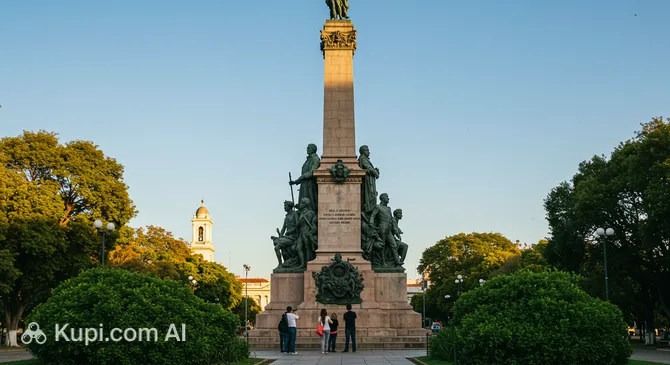
A Tribute to an Indigenous Hero: The city honors Andrés Guacurarí, the only indigenous governor in Argentine history, with the imposing Monument to Andresito Guacurarí. Standing over 15 meters tall on a man-made island, this stainless steel giant faces the river, symbolizing the defense of national sovereignty.
The City of Walls: Before it was named Posadas, the settlement was known as Trinchera de San José (Saint Joseph's Trench). This name originated from the defensive stone walls built around 1833 by Paraguayan forces to fortify the area, remnants of which played a crucial role in the city's early layout.
An International Commute: Posadas is linked to its sister city, Encarnación in Paraguay, by the San Roque González de Santa Cruz Bridge. Uniquely, this bridge also carries an international commuter train, allowing passengers to hop between two countries in just a few minutes across the Paraná River.
The Birthplace of the City: The neighborhood known as Bajada Vieja (Old Descent) is the historic heart where the city began. Once the main route for carts carrying goods to the port, it is now a bohemian area immortalized in local chamamé songs and folklore.
Monument to Andresito Guacurarí. Illustration.
Source: Kupi.com AI
Traveler photos:
How to Get There
Reaching this riverside city is relatively straightforward, with air travel being the most convenient option for those arriving from distant locations. For a comprehensive guide on all available travel options, you can read more about how to get to Posadas. The city is well-connected to the rest of Argentina, particularly Buenos Aires, making it an accessible destination for travelers exploring the northeastern region.
The most direct way to arrive is by flying into Posadas Airport (PSS), also known as Libertador General José de San Martín Airport. Located just 7.4 km from the city center, it serves as the primary gateway for the region. The airport handles a moderate volume of passengers and offers regular domestic flights. Once you land, reaching the downtown area is quick and easy; a taxi or transfer typically takes about 30 minutes depending on traffic.
Alternatively, some travelers may choose to fly into Cataratas del Iguazu International Airport (IGR), located in the city of Puerto Iguazu. Although it is approximately 229 km away from Posadas, this is a significant hub with higher passenger traffic, often used by tourists combining a trip to the famous Iguazú Falls with a visit to Posadas. The journey from Puerto Iguazu to Posadas by bus or car takes roughly 4 to 5 hours, offering a scenic route through the lush landscapes of the Misiones province.
For clarity, here is a summary of the main airports in the region:
Regarding rail transport, Posadas is not currently served by a long-distance passenger railway network connecting it to major Argentine hubs like Buenos Aires. While there is a short-distance international train crossing the bridge to Encarnación, Paraguay, it is used primarily for local commuting rather than long-haul travel. Therefore, most overland visitors arrive by long-distance buses, which are a very popular, comfortable, and reliable way to travel across Argentina. The city's bus terminal is a busy node receiving services from various parts of the country.
Main Attractions
Posadas is a city that seamlessly blends its rich history with modern leisure spaces, offering visitors a variety of interesting places to explore. From green urban oases to historical landmarks, the city provides ample opportunities to discover local culture and enjoy the natural beauty of the Paraná River region.
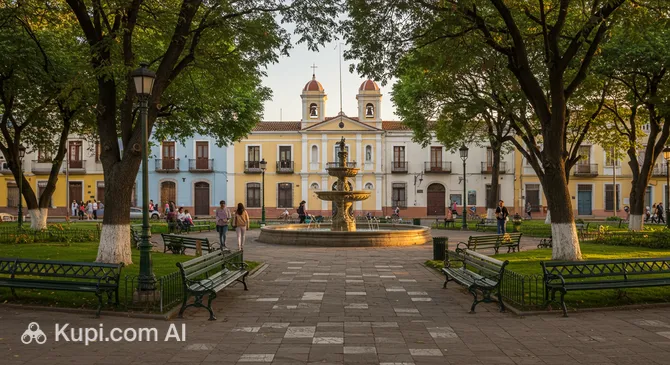
The heart of the city beats at the 9 de Julio Square. As the main plaza, it serves as a central meeting point for locals and a perfect starting place for tourists. Surrounded by important government buildings and the cathedral, the square is shaded by beautiful native trees, offering a cool retreat from the summer heat. It is an excellent spot to sit on a bench, observe daily life, and admire the statues and fountains that decorate the pathways.
9 de Julio Square. Illustration.
Source: Kupi.com AI
Traveler photos:
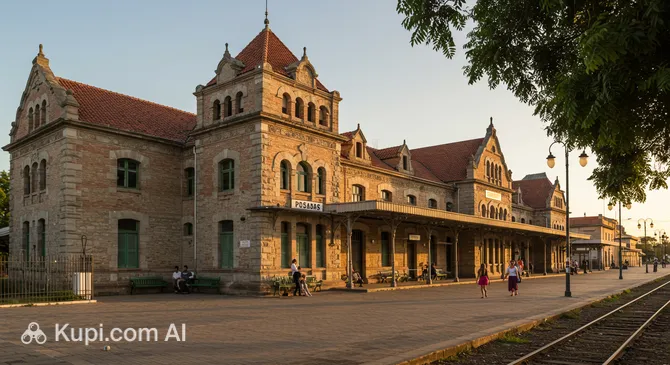
For those interested in the architectural and industrial heritage of the region, the Former Posadas Railway Station is a must-visit. This historical building has been preserved as a cultural landmark, showcasing the English style typical of railway constructions from the early 20th century. Today, it stands as a testament to the city's development and often hosts cultural activities, making it a fascinating stop for history buffs and photographers alike.
Former Posadas Railway Station. Illustration.
Source: Kupi.com AI
Traveler photos:
Nature lovers do not need to leave the city limits to find a slice of wilderness. The Arroyo Itá Urban Nature Reserve is a protected area located near the riverfront. It offers walking trails and birdwatching opportunities, allowing visitors to see local flora and fauna up close. This tranquil space is ideal for a peaceful walk, providing a stark contrast to the bustling city streets and highlighting the biodiversity of the Misiones province.
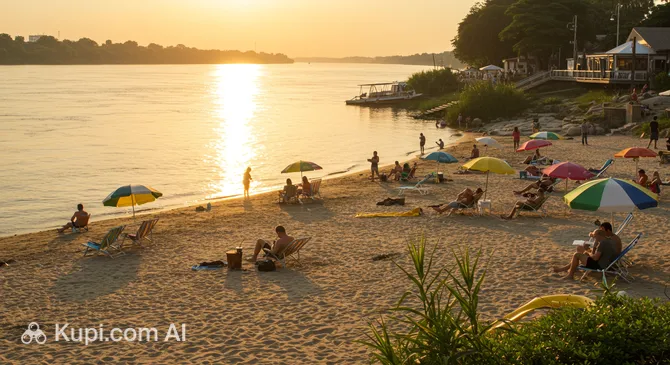
Finally, to experience the recreational side of the riverfront, head to El Brete Beach. Located along the Costanera, this sandy area is popular for sunbathing, drinking tereré (cold mate), and enjoying water sports like kayaking. It is a vibrant area where the community gathers, especially in the late afternoon to watch the sunset over the Paraná River, creating a lively and welcoming atmosphere for all visitors.
El Brete Beach. Illustration.
Source: Kupi.com AI
Traveler photos:
Local Cuisine
The culinary scene in Posadas is a vibrant reflection of the Misiones province, characterized by a fusion of indigenous Guaraní traditions, immigrant influences, and the abundance of the Paraná River. The local diet is rich in flavors and textures that are unique to this northeastern region of Argentina, offering a distinct gastronomic experience compared to the rest of the country.
River fish is undoubtedly the star of the local menu. Visitors should not miss the opportunity to taste fresh Surubí, Pacú, or Dorado. These fish are typically prepared grilled (a la parrilla) with lemon and spices, or cooked in rich sauces such as "chupín," a hearty fish stew. Another staple of the region is Chipá, a delicious cheese bread made from cassava starch. It is a ubiquitous snack, perfect for breakfast or an afternoon treat, and is best enjoyed warm from a local bakery or street vendor.
Side dishes in Posadas often replace the common potato with mandioca (cassava). You will find it served boiled or fried, accompanying main courses like grilled meats or fish. Another regional favorite is Sopa Paraguaya, which, despite its name (meaning "Paraguayan Soup"), is actually a solid, savory cornbread made with cheese, onions, and milk, reflecting the strong cultural ties with neighboring Paraguay.
When it comes to beverages, the culture revolves around Yerba Mate. While hot mate is popular, the subtropical heat of Posadas makes the cold version, known as Tereré, the daily essential. It consists of yerba mate infused with ice-cold water and often mixed with refreshing herbs like mint or citrus. Walking along the riverfront, you will see countless locals carrying their thermos flasks, sharing this refreshing drink as part of a social ritual.
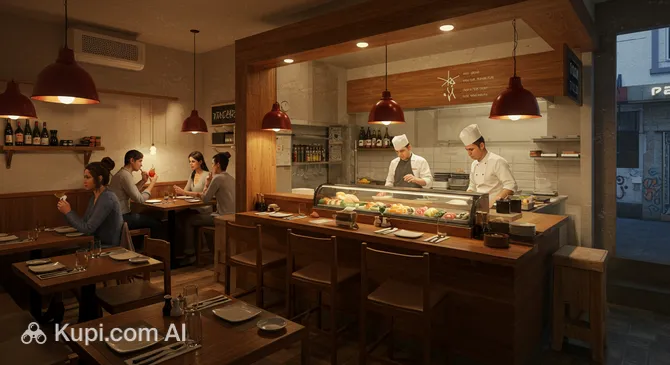
The city offers a diverse range of dining environments, from casual street food stalls along the Costanera to sophisticated restaurants. For those seeking a modern dining experience, Nomades Sushi Bar & Gourmet Restaurant provides an excellent option to enjoy high-quality cuisine in a pleasant atmosphere. If you prefer a relaxed spot for a coffee or a light snack after a day of sightseeing, Café Martínez is a well-known establishment where you can unwind and soak in the local vibe.
Nomades Sushi Bar & Gourmet Restaurant. Illustration.
Source: Kupi.com AI
Traveler photos:
Travel Tips
Welcome to Posadas! To ensure your visit to this beautiful riverside city is as enjoyable and stress-free as possible, we have compiled a list of essential practical advice. From navigating the subtropical climate to understanding local customs, these tips will help you travel like a pro and make the most of your stay in the capital of Misiones.
Clothing and Gear: Due to the hot and humid subtropical climate, pack lightweight, breathable clothing made of cotton or linen. Summers can be scorching, so a wide-brimmed hat, sunglasses, and high-SPF sunscreen are non-negotiable. Since sudden showers are common, bring a compact umbrella or a light rain jacket. Crucially, pack a strong insect repellent to protect against mosquitoes, which are prevalent in this lush region. For electronics, Argentina uses Type I and Type C plugs, so bring a universal adapter.
Transportation: The city has an extensive bus network (colectivos) that requires a SUBE card, which you can buy and top up at kiosks and lottery shops. For more comfort, taxis and remises (private cars booked by phone or at an agency) are widely available and relatively affordable; always agree on a price or ensure the meter is running. Ride-hailing apps are growing in popularity but may have varying availability compared to Buenos Aires.
Finances: The local currency is the Argentine Peso (ARS). While credit and debit cards are accepted in hotels, supermarkets, and larger restaurants, cash is king for smaller shops, street food, and taxis. It is advisable to exchange money at official exchange houses (casas de cambio) or withdraw from ATMs, though be aware of transaction fees. Tipping around 10% in restaurants is standard practice if the service was good.
Health and Safety: Posadas is generally safe, but standard precautions apply: avoid walking alone in poorly lit areas at night and keep valuables discreet. Pharmacies are easy to find, and those marked de turno remain open 24 hours on a rotating basis. Drink bottled water to avoid any stomach adjustments, and stay hydrated constantly due to the heat. If you need medical assistance, the public hospital and private clinics offer good care.
Communication: Spanish is the official language. While staff at high-end hotels may speak English, it is not widely spoken by the general public. Learning a few basic phrases like "hola" (hello), "gracias" (thank you), and "¿cuánto cuesta?" (how much?) will be greatly appreciated. Buying a local SIM card (Claro, Movistar, or Personal) is recommended for maps and translation apps, as Wi-Fi is mostly found in hotels and cafes.
Local Etiquette: The people of Misiones are warm and hospitable. It is common to greet friends and even new acquaintances with a single kiss on the right cheek. Respect the siesta time; many shops and businesses close between 1:00 PM and 5:00 PM to escape the afternoon heat, reopening in the evening. Don't be surprised if locals offer you mate or tereré; accepting is a sign of friendship, though it's okay to politely decline.
What to Avoid: Do not underestimate the sun; avoid strenuous outdoor activities during peak heat hours (noon to 4:00 PM). Also, avoid crossing the San Roque González de Santa Cruz Bridge to Paraguay during rush hours without planning, as the queues can be extremely long.
Border Crossing Tip: If you plan to visit the neighboring city of Encarnación in Paraguay for shopping or sightseeing, consider taking the international train that crosses the bridge. It is much faster than driving or taking a bus, saving you hours of waiting in traffic at the border control.
With these tips in hand, you are ready to explore the red streets and green landscapes of Posadas with confidence. Embrace the relaxed pace of life, enjoy the warmth of the locals, and have a fantastic trip!
Entertainment & Nightlife
As the sun sets over the Paraná River, Posadas transforms into a lively hub of activity, offering a vibrant nightlife scene that caters to diverse tastes. The city's energy shifts towards the riverfront, particularly along the Costanera Monseñor Kemerer. This extensive promenade is the epicenter of the evening action, lined with numerous bars, pubs, and gastropubs where locals gather to enjoy craft beer, cocktails, and music with a view of the water. The atmosphere here is generally relaxed yet festive, making it the perfect place to start the night.
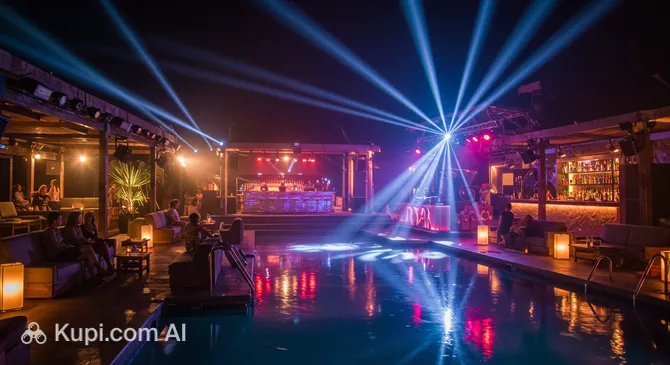
For those looking to dance until dawn, the city boasts several energetic nightclubs. THE ROX is a popular venue known for its modern ambiance and spirited crowds, often hosting themed parties and DJ sets that keep the energy high. It is a go-to spot for younger locals and visitors wanting to experience the pulse of the city's club scene. Another standout option is Ibar, which offers a stylish setting for nightlife enthusiasts. These clubs typically open their doors late, with the real party often starting well after midnight and continuing until the early morning hours.
THE ROX. Illustration.
Source: Kupi.com AI
Traveler photos:
When planning a night out, it is helpful to know that the dress code in Posadas is generally smart-casual. While some upscale clubs might prefer a neater look, most bars along the riverfront are quite laid-back. In terms of safety, the Costanera and the main downtown areas are considered safe for walking at night, especially when they are crowded. However, for moving between districts or returning to your accommodation late, it is advisable to use a radio taxi or a remís rather than hailing a cab on the street. Prices for drinks and cover charges are reasonable compared to larger capitals, making a night out here quite affordable.
Beyond the nightlife, Posadas offers engaging entertainment options during the day. Culture lovers should check out the Vicente Cidade Cultural Center, which frequently hosts theater performances, art exhibitions, and workshops in a repurposed historical building. For a more relaxed afternoon of browsing and entertainment, Posadas Plaza Shopping provides a modern mall experience with a variety of stores, a food court, and a cinema, serving as a convenient escape from the midday heat.
Parks & Museums
Posadas is a city that embraces the outdoors, with urban planning that seamlessly integrates the natural beauty of the Paraná River into daily life. The city boasts an impressive network of green spaces, promenades, and cultural venues, allowing visitors to explore the region's heritage while enjoying the warm subtropical climate.
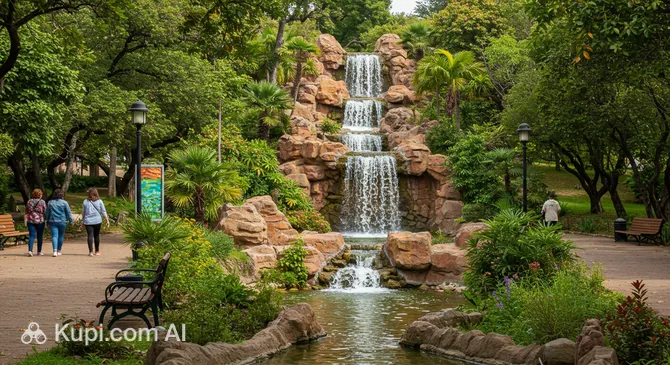
The crown jewel of the city's public spaces is the extensive riverfront promenade, known locally as the Costanera. Within this vast linear park, the Artificial Waterfall stands out as a picturesque landmark. This man-made cascade creates a refreshing atmosphere and blends perfectly with the surrounding landscaped gardens, making it a favorite spot for photographs and relaxation.
Artificial Waterfall. Illustration.
Source: Kupi.com AI
Traveler photos:
The riverfront is divided into various sections, each offering a unique perspective of the river and the city. The First Coastal Walkway is one of the original stretches, ideal for leisurely strolls close to the water's edge. Further along, the Fourth Coastal Walkway provides extended paths that are perfect for cycling, jogging, or rollerblading. These areas are lined with native trees and benches, serving as vital recreational lungs for the city.
For a more traditional park experience, the República del Paraguay Park is a historic gathering place located near the city center. This verdant space is not only a spot for relaxation but also a cultural hub; it frequently hosts an artisanal market where local craftsmen display their work. The park is also home to a natural amphitheater, often used for community events and festivals.
República del Paraguay Park. Illustration.
Source: Kupi.com AI
Traveler photos:
Beyond its parks, Posadas offers cultural spaces that celebrate the arts and history. The El Brete Amphitheater Plaza is a notable open-air venue that bridges the gap between a public square and a performance space, often hosting concerts and shows with the river as a backdrop. Visitors interested in history should also look out for the city's museums, such as the Museo Regional Aníbal Cambas, which preserves the rich legacy of the indigenous Guaraní culture and the Jesuit missions.
Getting Around
The public transport system in Posadas is efficient and well-organized, relying primarily on an extensive network of buses known locally as colectivos. The city operates under an Integrated Transport System (Sistema Integrado de Transporte), which connects various neighborhoods through central hubs. This modern setup features large transfer stations, such as the UNaM and Quaranta terminals, where passengers can switch between different bus lines without having to pay an additional fare, making travel across the city seamless and economical.
To use the bus system, you must have a SUBE card, the same rechargeable travel card used in the capital and other major cities. Cash is not accepted on board, so it is essential to purchase and top up your card at kioscos (convenience stores) or lottery agencies before you travel. The fare is very affordable, and you simply validate your card by tapping it on the reader located at the front of the bus upon entry. If you plan to use the transfer terminals, keep your card handy, as you may need to validate it again to enter the station platforms.
A unique feature of the transport landscape here is the International Train that connects Posadas with the neighboring city of Encarnación across the Paraná River. This short railway line runs across the San Roque González de Santa Cruz Bridge and is a fantastic time-saver for tourists wishing to visit the other side of the border. The journey takes only about 10 minutes, bypassing the often heavy vehicle traffic on the bridge. Tickets for this service are purchased at the train station near the riverfront, and immigration controls are handled at both ends.
For those who prefer more direct or private transportation, taxis and remises are widely available. Taxis are easily engaging on the street and are recognizable by their yellow and black color scheme. Remises are private cars that must be booked by phone or at a dedicated agency office; they are a very popular alternative among locals and often offer fixed prices for specific distances. While ride-hailing apps are present in the city, traditional taxis and remises remain the most reliable and regulated way to get around quickly.
Buses generally operate from around 5:00 AM until midnight, though frequencies decrease significantly late at night and on weekends. For tourists staying near the Costanera or the city center, many attractions are within walking distance. Additionally, the lengthy riverfront promenade is perfect for renting a bicycle, offering a scenic and active way to explore the coastline, although this is more for leisure than for practical commuting.
Accommodation
Finding a place to stay in Posadas is a straightforward experience, with options that cater to a variety of preferences and budgets. The city offers a solid range of accommodation, from comfortable mid-range hotels and modern apartment rentals to budget-friendly hostels. Since Posadas is a major administrative center and a gateway to the region, many establishments are designed to accommodate both business travelers and tourists, ensuring a standard of service that includes essential amenities like Wi-Fi and air conditioning—a must-have during the humid summer months.
When choosing a location, the downtown area (Centro) is often the most practical choice for first-time visitors. Staying here places you within walking distance of banks, supermarkets, and the main bus lines, making it easy to navigate the city without a car. This area is bustling during the day and provides quick access to historical sites and shopping districts. For those who prefer a more scenic and relaxed atmosphere, looking for accommodation near the Costanera (Riverfront) is highly recommended. This area offers beautiful views of the Paraná River, cooler breezes, and immediate access to the city's best restaurants, bars, and walking paths.
In terms of pricing, Posadas is generally affordable compared to Argentina's major tourist hubs. You can expect to find excellent value for money, with mid-range options being the most prevalent. While walk-ins are often possible, it is advisable to book in advance if you plan to visit during national holidays or major regional festivals, as the city can fill up quickly. Most accommodations are listed on major online booking platforms, allowing for easy price comparison and secure reservations before your arrival.
Nearby Cities
For those looking to explore the surroundings, Posadas serves as an excellent base for day trips to several interesting nearby locations. One of the most recommended destinations is Oberá, situated less than 100 kilometers away. Known as the "National Capital of Immigrants," this city is a cultural melting pot surrounded by rolling hills and lush vegetation, famous for its tea and yerba mate plantations. It offers visitors a chance to explore the Park of Nations, where the traditions and architecture of various immigrant communities are celebrated.
Another captivating option for a short trip is the visit to the Jesuit Missions, particularly the ruins of San Ignacio Miní. Although it is a historical site rather than a large city, this UNESCO World Heritage landmark is located roughly an hour's drive from Posadas and is an essential stop for any visitor. Walking through the well-preserved red sandstone walls gives travelers a profound insight into the 17th-century history of the region. For those willing to travel a bit further, the riverside city of Corrientes offers a beautiful colonial charm and a famous waterfront promenade along the Paraná River.
City
Population
Distance
Encarnacion
69 868
5 km
Garupa
28 814
10 km
Hohenau
5 306
40 km
Coronel Bogado
14 297
41 km
Bella Vista
16 852
49 km
These nearby destinations offer a glimpse into the diverse culture and landscapes of the region.
Shopping & Souvenirs
Shopping in Posadas offers a delightful mix of modern convenience and traditional charm, reflecting the city's role as a major commercial hub in the region. Visitors can explore everything from contemporary shopping centers to bustling local markets that showcase the cultural heritage of Misiones. Whether you are looking for fashion, electronics, or authentic regional handicrafts, the city provides a diverse range of options to satisfy every shopper.
The heart of the city's retail activity is concentrated in the downtown area, particularly around the 9 de Julio Square. The streets radiating from this central plaza are lined with boutiques, shoe stores, and clothing outlets. A highlight for pedestrians is Calle Bolívar, a lively walking street where you can stroll comfortably without traffic, browsing through shop windows and enjoying the energetic atmosphere of the city center.
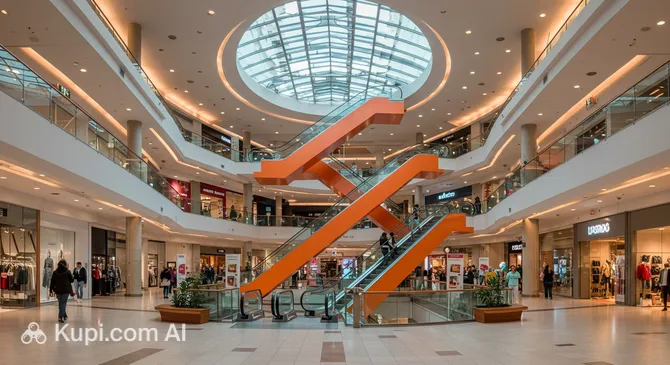
For a more structured shopping experience, the Posadas Plaza Shopping is the premier destination. Located right in the city center, this mall features a wide variety of national and international brands, offering everything from apparel to accessories. It is an excellent place to escape the afternoon heat, as it also houses a food court and a cinema, making it a complete entertainment complex for the whole family.
Posadas Plaza Shopping. Illustration.
Source: Kupi.com AI
Traveler photos:
To experience the local flavor, a visit to the Mercado Modelo, affectionately known by locals as "La Placita," is a must. Situated near the old port area, this labyrinthine market is famous for its eclectic array of goods, ranging from electronics and toys to clothing, often influenced by the trade with neighboring Paraguay. For those interested in regional crafts, the Paseo Bossetti often hosts artisans selling handmade jewelry, wood carvings, and leather goods, providing a more authentic glimpse into local creativity.
When looking for the perfect souvenir to bring home, items related to the region's tea culture are the top choice. Misiones is the land of Yerba Mate, so buying a high-quality package of local yerba, along with a handcrafted mate gourd and a metal straw (bombilla), is the quintessential gift. Additionally, you can find beautiful handicrafts made by the indigenous Guaraní communities, such as woven baskets and wood carvings, which make for unique and meaningful keepsakes.
Travelers should be mindful of the local schedule, as many smaller shops and street-side businesses observe the traditional siesta. Stores typically open around 8:00 AM or 9:00 AM, close between 12:30 PM and 4:30 PM, and then reopen until roughly 9:00 PM. However, shopping malls and large supermarkets usually remain open throughout the day. While credit and debit cards are widely accepted in malls and larger stores, carrying cash (Argentine Pesos) is essential for markets and smaller vendors.
Regarding taxes, Argentina offers a Tax-Free shopping refund system for foreign tourists on purchases of locally made products at participating stores. Look for the "Tax Free" signage in shop windows. If eligible, you can request a refund form upon purchase, which you will need to present at customs when leaving the country to reclaim a portion of the VAT.