Support

Corrientes

About

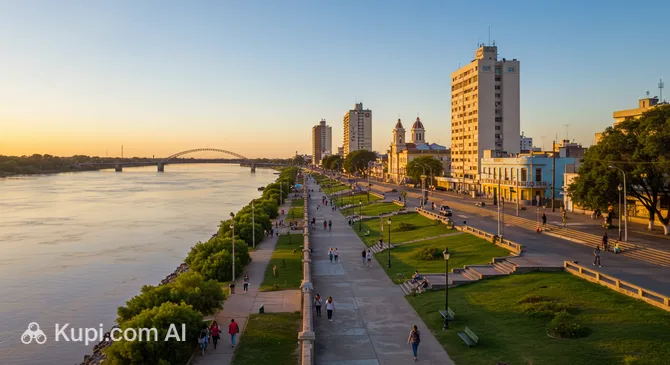
Welcome to Corrientes, a vibrant and historic city located in the northeastern region of Argentina. Serving as the capital of the province with the same name, this captivating destination is situated on the eastern shore of the majestic Paraná River, directly opposite the city of Resistencia. With a population of over 350,000 inhabitants, Corrientes offers a perfect blend of colonial charm, riverfront beauty, and a lively cultural atmosphere that draws visitors from all over the world.

One of the city's most defining features is its deep connection to the river and its architectural heritage. As one of the oldest cities in the country, founded in 1588, the streets are lined with buildings that tell the story of centuries past. Travelers interested in the past can explore the fascinating history of Corrientes by visiting its well-preserved historic center, where colonial structures stand alongside modern developments.
Corrientes. Source: Kupi.Binoculars

Corrientes is widely celebrated for its festive spirit and is famously known as the National Capital of Carnival within the country. During the summer months, the city comes alive with colorful parades, elaborate costumes, and rhythmic music that create an unforgettable experience. Additionally, the city is renowned as the cradle of Chamamé, a traditional genre of folk music and dance that has been recognized as part of the Intangible Cultural Heritage of Humanity.

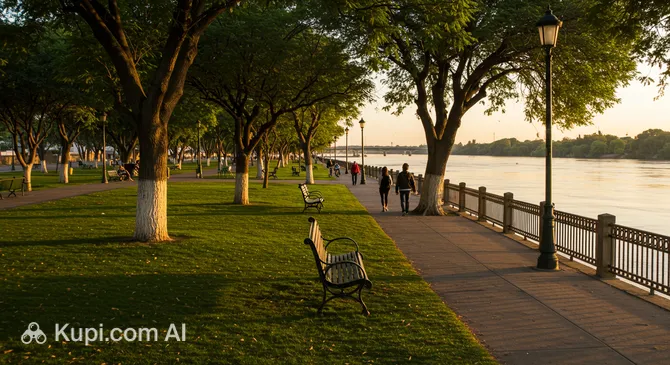
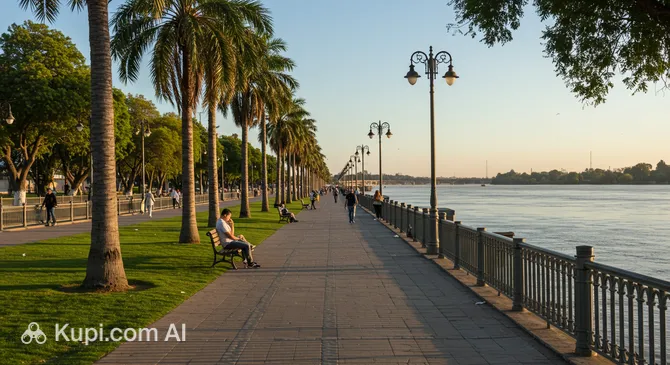
Nature lovers and those seeking relaxation will find the Costanera General San Martín to be a highlight of their visit. This scenic waterfront promenade offers stunning views of the Paraná River and the General Manuel Belgrano Bridge, making it an ideal spot for evening walks, enjoying local mate, or watching the sunset. Whether you are here for the vibrant festivals, the rich cultural heritage, or the serene river landscapes, Corrientes invites you to discover its unique warmth and hospitality.
Weather Overview

The climate in this region is generally subtropical, characterized by hot summers and mild winters. During the peak of summer in January, temperatures can climb significantly, with average highs reaching 33.1°C, creating a perfect atmosphere for enjoying the riverfront. In contrast, the winter months are comfortable rather than harsh; July is typically the coolest time of year, with an average temperature of 16.7°C and lows rarely dropping below 12°C.

Precipitation is distributed fairly evenly throughout the year, so it is wise to be prepared for occasional showers regardless of when you visit. You can generally expect between 4 and 10 wet days per month, with the transitional months of October and November seeing slightly more frequent rain activity. To help you pack the right gear for your trip, we recommend checking the detailed forecast and historical trends for the weather in Corrientes. Overall, the city offers a welcoming climate where outdoor exploration is possible year-round.

Interesting Facts

Beyond the main attractions and riverfront views, Corrientes holds many fascinating secrets that define its unique cultural identity. Digging a bit deeper into local history reveals a city rich in legends, artistic expression, and curious origins.
  • The city's full historical name, San Juan de Vera de las Siete Corrientes, refers to seven peculiar rock points jutting into the river. These formations create the strong water currents that gave the city its modern name, and you can still observe the swirling waters created by these geographical features while walking along the Costanera Corrientes.

  • Corrientes is widely known as the "City of Murals" (Ciudad de los Murales) due to a massive public art initiative. The city features over 70 large-scale murals on building facades and walls, effectively turning the streets into an open-air museum that depicts indigenous myths and historical events.

  • A famous local legend surrounds the Church of the Holy Cross, which houses a miraculous wooden cross from the 16th century. According to tradition, when native groups attempted to burn the cross during the city's founding era, the wood mysteriously refused to catch fire, an event now commemorated annually.

  • The region is deeply connected to its Guaraní roots and is often referred to by the indigenous name "Taragüí," which translates to "lizard." This enduring nickname and the area's pre-colonial heritage are proudly symbolized by the Monument to the Taragüí.

Church of the Holy Cross. Source: Kupi.Binoculars

How to Get There

Reaching this destination is convenient thanks to local air connections and major transport hubs nearby. For a comprehensive guide on planning your journey, you can read more about how to get to Corrientes.

The most direct way to arrive is via Camba Punta Airport (IATA: CNQ), located just 7.3 km from the city center. As the local airport serving Corrientes, it offers the quickest access to downtown, with a taxi or transfer taking approximately 30 minutes. While it is a smaller regional facility, it provides essential domestic links for travelers.

A very popular alternative is Resistencia Airport (IATA: RES), situated in the neighboring city of Resistencia. Although it is technically in another province, it is only 22.4 km away, just across the Paraná River. The travel time by car is roughly 55 minutes, making it a strategic option for visitors. For those arriving internationally, Silvio Pettirossi International Airport (IATA: ASU) in Asunción offers broader connections. However, please note that it is located about 280 km from Corrientes, requiring a significantly longer overland journey of several hours to reach the city.

For clarity, here is a summary of the main airports:

Airport Name City Passenger Traffic Km from City
Silvio Pettirossi International Airport Asunción High 279.5
Posadas Airport Posadas Medium 282.9
Resistencia Airport Resistencia Medium 22.4
Camba Punta Airport Corrientes Low 7.3
El Pucu Airport Formosa Low 151.6

Main Attractions

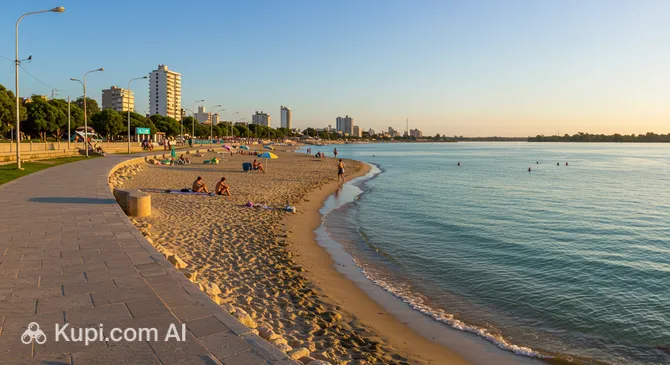
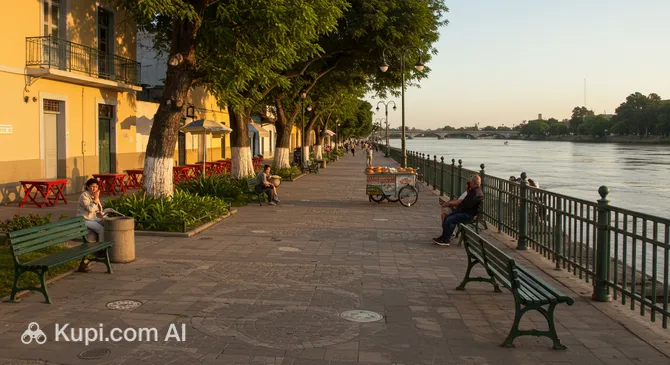
Corrientes is a city that lives facing the river, and nowhere is this more apparent than at the Costanera Corrientes. This extensive waterfront promenade is the heartbeat of the city, offering spectacular views of the Paraná River and the majestic General Manuel Belgrano Bridge. It is the favorite gathering spot for locals and visitors alike, perfect for an evening stroll, a morning run, or simply sitting to enjoy a traditional mate while watching the sunset reflect off the water.

Costanera Corrientes. Source: Kupi.Binoculars

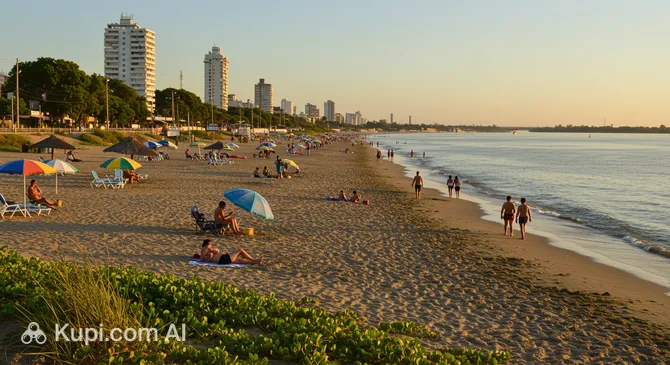
For those looking to enjoy the sun and sand, Arazaty Beach is a top destination, especially during the warm summer months. Located along the Costanera Sur, this broad stretch of sand is one of the finest river beaches in the region. It is well-equipped with amenities, including umbrellas and lifeguard services, making it a safe and relaxing environment for families to swim and cool off in the river.

Arazaty Beach. Source: Kupi.Binoculars

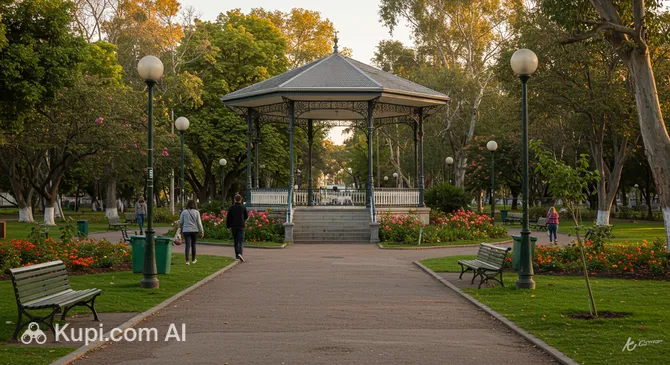
History and nature blend seamlessly at Mitre Park, a scenic green space located on the riverbank near the city center. The park is historically significant as the site of a battle during the War of the Triple Alliance and features a distinctive lighthouse. Today, it serves as a peaceful recreational area with lush trees, monuments, and playgrounds, offering a quiet escape with beautiful views of the river currents.

Mitre Park. Source: Kupi.Binoculars

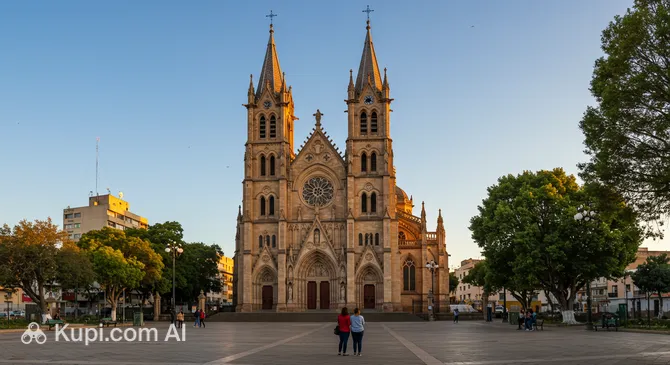
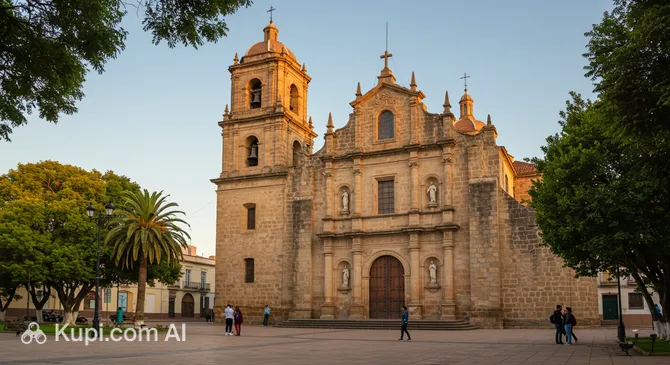
In the heart of the city stands the Cathedral of Our Lady of the Rosary, a magnificent example of the city's architectural and religious heritage. Built in the mid-19th century, this Italian Renaissance-style church dominates the plaza with its towering columns and bell towers. Inside, visitors can admire the serene atmosphere and the detailed craftsmanship that make it one of the most important religious landmarks in the province.

Cathedral of Our Lady of the Rosary. Source: Kupi.Binoculars

To dive deeper into the region's biodiversity, a visit to the Amado Bonpland Museum of Natural Sciences is highly recommended. Named after the famous French naturalist, the museum houses an extensive collection of flora and fauna native to the wetlands and the province. It provides a fascinating educational experience for travelers interested in understanding the unique ecosystems that surround the city.

Local Cuisine

The culinary landscape of Corrientes is deeply influenced by the Paraná River and its Guaraní heritage, creating a unique menu that seafood lovers will adore. The undisputed stars of local cuisine are river fish, particularly Surubí, Pacú, and the golden Dorado. These are often served grilled (a la parrilla) or in a rich tomato-based stew called chupín. Dining on fresh fish while overlooking the river is a quintessential experience here.

Beyond seafood, the region is famous for Chipá, a delightful cheese bread made with cassava flour. It is the perfect snack for any time of day and can be found fresh at local spots like Buenas Migas. Another traditional dish to try is Mbaipy, a creamy corn-based stew mixed with cheese and meat, which offers a comforting taste of the province's rural history.

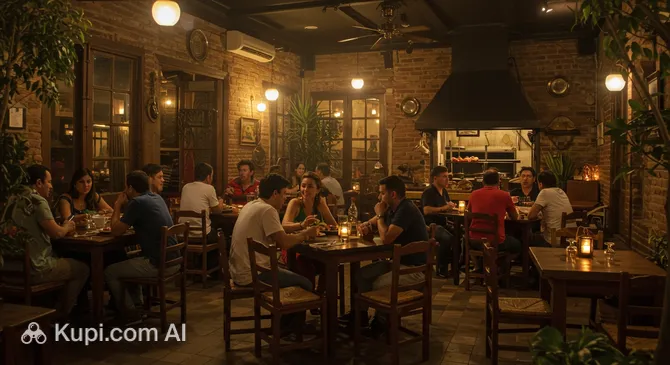
Castillo. Source: Kupi.Binoculars

No culinary tour of Corrientes is complete without mentioning the local beverages. While hot Mate is a daily ritual, the sweltering summer heat makes Tereré—cold mate often mixed with refreshing herbs or fruit juice—the drink of choice for staying cool. It is a social drink, often shared among friends in parks or along the Costanera.

For a memorable dining experience, the city offers a variety of restaurants and bars. You can enjoy a substantial meal at Castillo, which is known for its welcoming atmosphere. As the night progresses, the energy shifts to the city's pubs; Camba Beer Hall is a popular venue to sample craft beers and immerse yourself in the local nightlife scene.

Travel Tips

To ensure your visit to Corrientes is as smooth and enjoyable as possible, we have compiled a list of essential practical advice. From navigating the subtropical climate to understanding the local rhythm of life, these tips will help you travel like a pro and connect better with the city.

  1. Clothing and Gear: Given the subtropical climate, summers (December to March) are extremely hot and humid. Pack light, breathable fabrics like cotton or linen, a wide-brimmed hat, and plenty of high-SPF sunscreen. Since the city is located on the river, mosquitoes can be prevalent, so bringing a strong insect repellent is absolutely essential. For winter visits, layers and a light jacket are sufficient, as temperatures rarely drop to freezing.

  2. Transportation: The most convenient way to get around for tourists is often by remis (private taxis booked via phone or at an agency) or ride-hailing apps, which are generally safer and more comfortable than hailing cabs on the street. Public buses are available and cover the entire city; to use them, you will need a SUBE card, the same rechargeable travel card used in Buenos Aires and other major Argentine cities.

  3. Finances: The local currency is the Argentine Peso (ARS). While credit cards are accepted in hotels and larger restaurants, cash is king in Corrientes, especially for small kiosks, local markets, and public transport. It is advisable to carry small bills. ATMs are widely available in the city center, but they may run out of cash on weekends, so plan ahead. Tipping around 10% in restaurants is customary if the service was good.

  4. Health and Safety: Corrientes is generally a safe city for tourists, but standard precautions apply: avoid walking alone in poorly lit areas at night and keep valuables secure. Pharmacies are easy to find, and those marked "de turno" remain open 24 hours on a rotating basis. Due to the heat, staying hydrated is crucial; while tap water is treated, travelers often prefer bottled water to avoid any stomach adjustments.

  5. Communication: The official language is Spanish, and you will notice a distinct local accent often influenced by Guaraní. English is not widely spoken outside of high-end hotels and tour agencies, so downloading a translation app or learning basic phrases like "Hola" (Hello) and "Gracias" (Thank you) will be very helpful. SIM cards from major providers like Claro, Movistar, or Personal can be bought at many kiosks (kioscos) with your passport.

  6. Local Etiquette: The people of Corrientes are warm and hospitable. The standard greeting is a single kiss on the right cheek, even among men who are friends. Sharing a mate (hot herbal tea) or tereré (cold herbal tea) is a sign of friendship and trust; if offered, it is polite to accept a round to show appreciation for the gesture.

  7. What to Avoid: Do not expect shops to be open in the early afternoon. Corrientes strictly observes the siesta, meaning most businesses close from roughly 1:30 PM to 5:00 PM. Avoid planning shopping trips or administrative tasks during these hours; instead, do as the locals do and rest or head to the Costanera.

  8. Additional Tip: Embrace the "payé" spirit. Locals often say that Corrientes has payé, a Guaraní word implying a magical charm or spell that makes visitors want to return. To truly experience this, try to catch a live Chamamé music performance or visit a "peña" (folk music gathering) on a weekend evening—it is the soul of the city.

By keeping these practical tips in mind, you will be well-prepared to explore everything Corrientes has to offer, from its stunning river sunsets to its rich cultural heritage. Enjoy your stay in this captivating corner of the Argentine Litoral!

Entertainment & Nightlife

When the sun sets and the subtropical heat begins to fade, Corrientes transforms into a lively hub of activity. The city's nightlife is heavily influenced by the "siesta" culture, meaning the evening starts late and continues well into the early morning hours. For locals and visitors alike, the night usually begins with a late dinner around 10:00 PM, followed by drinks and dancing that can last until dawn, especially on weekends.

The epicenter of evening entertainment is undoubtedly the waterfront promenade. The Costanera is lined with numerous restobars, pubs, and open-air venues that offer stunning views of the moonlit Paraná River. This area attracts a diverse crowd, from families enjoying ice cream early in the evening to groups of friends seeking loud music and craft cocktails later at night. The atmosphere is relaxed yet energetic, with a dress code that is generally smart-casual.

For those seeking a mix of gaming and entertainment, the Costa Casino Cinemas is a popular destination located directly on the waterfront. It offers a comprehensive entertainment complex featuring slot machines, gaming tables, and modern movie theaters. It is an ideal spot for travelers looking to test their luck or catch the latest films in a comfortable, air-conditioned environment before heading out for a drink.

Costa Casino Cinemas. Source: Kupi.Binoculars

If you prefer an open-air cultural experience, Camba Cua Park is a must-visit spot, particularly on weekends. This historic neighborhood park often hosts artisan fairs, food trucks, and cultural events that run into the evening. It is deeply connected to the city's Afro-Argentine heritage and serves as a vibrant gathering place where you can experience the local community spirit under the stars.

Camba Cua Park. Source: Kupi.Binoculars

For a more modern shopping and leisure experience, the Centenario Shopping Mall offers a variety of evening activities. With its food court, cinema, and retail stores open until late, it provides a great alternative for families or those looking for a more laid-back night out away from the bustling riverfront crowds.

Centenario Shopping Mall. Source: Kupi.Binoculars

Practical Nightlife Tips:

  • Timing: Do not arrive at nightclubs before 2:00 AM, as they are usually empty until then. Bars are liveliest between 11:00 PM and 1:00 AM.
  • Safety: The Costanera and main avenues are generally safe for walking at night due to the high volume of people. However, it is advisable to avoid unlit side streets.
  • Transport: When returning to your accommodation, it is best to call a remis (private taxi) or use a ride-hailing app rather than flagging down a car on the street.
  • Prices: Nightlife in Corrientes is generally more affordable than in Buenos Aires, with reasonable prices for cover charges and drinks.

While the city is famous for its nights, daytime entertainment also offers plenty of options. Visitors can explore the city's rich history through its museums, attend a performance at the historic Vera Theater, or enjoy the river beaches. However, it is the electric energy of the Corrientes night, with its music and river breeze, that truly leaves a lasting impression.

Parks & Museums

Corrientes is a city that prides itself not only on its riverfront beauty but also on its dedication to preserving nature and culture. Beyond the bustling center, visitors will find serene green spaces perfect for relaxation, as well as institutions that safeguard the region's artistic and historical legacy. Whether you are looking to connect with nature or delve into the local identity, the city offers several rewarding stops.

For a refreshing escape outdoors, the Costanera Sur is a magnificent extension of the city's traditional waterfront. This modern promenade is spacious and beautifully landscaped, making it a favorite location for joggers, cyclists, and families. Unlike the older parts of the riverfront, this area feels more open and is often less crowded, providing a peaceful environment to enjoy the breeze from the Paraná River.

Costanera Sur. Source: Kupi.Binoculars

Just a short distance away, you can explore the Punta Tacurú Promenade. This scenic spot is built around one of the rocky formations that give the city its name. It offers a unique vantage point for photography and is a great place to observe the power of the river's currents up close. Nearby, Islas Malvinas II Beach serves as another excellent natural recreation area, particularly popular during the warmer months for its sandy shores and relaxed vibe.

Punta Tacurú Promenade. Source: Kupi.Binoculars

On the cultural front, Corrientes boasts several impressive venues. The Provincial Museum of Fine Arts "Dr. Juan R. Vidal" is a cornerstone of the local art scene. Housed in a striking historic building, it features a valuable collection of paintings and sculptures by renowned Argentine and regional artists. It is an ideal stop for art enthusiasts wishing to understand the aesthetic evolution of the province.

Another essential cultural stop is the Museum of Traditional Crafts (Museo de Artesanías Tradicionales). Located in a preserved colonial house, this museum is dedicated to the region's rich artisanal heritage. Visitors can admire intricate works in leather, silver, wood, and textiles, offering a deep dive into the skills passed down through generations of Correntino artisans.

For a perfect photo opportunity to commemorate your visit, make your way to the Corrientes Sign. Set against the backdrop of the river and the bridge, this colorful landmark is situated near the waterfront parks and serves as a cheerful welcome to all travelers.

Insider Tip: If you visit the Museum of Traditional Crafts, check if there are any live workshops scheduled. Local artisans often demonstrate their techniques on-site, providing a rare chance to see the creation of authentic "correntino" crafts firsthand.

Getting Around

Navigating Corrientes is relatively straightforward, as the city is compact and boasts a well-organized public transport network. The primary mode of transportation for locals and visitors alike is the urban bus system, locally known as "colectivos". There is no metro, tram, or trolleybus system in the city, so buses serve as the backbone of public mobility, covering the downtown area, the waterfront, and the surrounding neighborhoods efficiently.

For tourists, the most unique and useful feature of the local transport is the Chaco-Corrientes bus service. These white interprovincial buses connect Corrientes with the neighboring city of Resistencia, located just across the Paraná River. This service is frequent and particularly convenient for travelers arriving at the airport in Resistencia or those wishing to explore both cities during their stay. The journey offers scenic views as you cross the General Manuel Belgrano Bridge.

To use the bus system, you must have a SUBE card, the same rechargeable contactless smart card used in the capital and many other major cities in the region. Cash is not accepted on board. You can purchase and top up these cards at "kioscos" (convenience stores) or lottery shops marked with the SUBE logo. It is highly recommended to buy a card immediately upon arrival and keep it topped up, as finding an open charging point late at night can sometimes be a challenge.

Bus fares are generally very affordable. You validate your ride by tapping your card on the reader next to the driver upon entry. The buses typically operate from around 5:00 AM until midnight, though frequencies drop significantly after 10:00 PM and on weekends. For real-time updates on routes and arrival times, several mobile apps are available that track the local lines, which can be very helpful for planning your movements.

If you prefer a more direct and comfortable option, remises are extremely popular and often preferred over standard taxis. A remis is a private car that functions like a taxi but usually has fixed rates based on distance or zones. You can book them by phone or at specific agencies (remiserías) found throughout the city. While standard street-hailing taxis exist, remises are generally considered safer and more reliable for tourists. Ride-sharing apps are also present, but the local remis culture remains the dominant choice for private transport.

Finally, the city center and the famous Costanera are best explored on foot. The flat terrain makes walking pleasant, especially along the riverfront promenades. For those who enjoy cycling, bike rentals are becoming more common, particularly near the waterfront parks on weekends, offering a leisurely way to enjoy the river breeze and the city's scenic views.

Accommodation

Finding the right place to stay in Corrientes is relatively easy, as the city offers a welcoming mix of accommodation options suited to different travel styles and budgets. The hospitality sector here ranges from comfortable mid-range hotels and modern apartment rentals to budget-friendly hostels favored by backpackers. While you won't find an abundance of ultra-luxury international chains, the local hotels are known for their warm service and often feature amenities like swimming pools, which are a welcome relief during the hot summer months.

Location is key when choosing your base. The most sought-after area is undoubtedly along the Costanera (waterfront promenade). Staying here grants you sweeping views of the Paraná River and easy access to the city's best restaurants and nightlife. Alternatively, the Microcentro (downtown area) places you within walking distance of historical landmarks, the main pedestrian shopping street (Junín), and the central plaza. This area is convenient for those who want to be in the heart of the action and close to banks and administrative services.

Regarding costs, accommodation in Corrientes is generally affordable compared to larger tourist hubs like Buenos Aires. You can expect reasonable prices for standard double rooms, with slightly higher rates for properties with river views. Booking platforms are widely used, but for smaller family-run establishments or apartment rentals, direct contact via WhatsApp is often the best way to secure a reservation.

Important Booking Tip: If you plan to visit during the famous Carnival season (January and February) or during the National Chamamé Festival, it is absolutely essential to book your accommodation months in advance. During these peak events, the city reaches full capacity, and finding a last-minute room can be nearly impossible.

Nearby Cities

Corrientes is strategically positioned in the northeast of Argentina, serving as a convenient hub for exploring the wider Litoral region. Its location on the banks of the Paraná River places it within driving distance of several other provincial capitals and important towns. Visitors often take advantage of this connectivity to plan day trips or continue their journey through the subtropical landscapes of the country.

The most significant connection is with the capital of the neighboring Chaco province, which sits directly across the river. Connected by the General Manuel Belgrano Bridge, these two urban centers are so close that they share a metropolitan rhythm. Beyond the immediate vicinity, the road network leads to other historic and agricultural hubs that offer a glimpse into the diverse culture of the area.

Here are some of the cities located near Corrientes:

City Distance (km) Population
Resistencia 15 291,720
Formosa 156 234,000
Presidencia Roque Sáenz Peña 175 110,000
Goya 190 72,304
Reconquista 202 73,293

Shopping & Souvenirs

Shopping in Corrientes offers a delightful mix of modern convenience and traditional charm. While the city may not be a massive international retail hub, it provides a unique opportunity to discover authentic regional products, from high-quality leather goods to handcrafted souvenirs. The shopping experience here is relaxed and friendly, reflecting the laid-back pace of life in the Argentine Litoral.

The heartbeat of the city's commercial activity is undoubtedly Junín Street (Peatonal Junín). This bustling pedestrian thoroughfare runs through the center of the downtown area and is lined with a wide variety of shops. Here, visitors can find everything from fashion boutiques and shoe stores to electronics and bookstores. Walking along Junín is also a social experience, as locals gather here to shop, enjoy an ice cream, or simply people-watch in the afternoons.

For those seeking a more comprehensive shopping experience with air conditioning and entertainment options, the Centenario Shopping Mall is the premier destination. Located slightly away from the center, it features major national brands, a food court, and a cinema complex, making it a popular spot for families. In the heart of the city, you can also visit Galería Corrientes, a traditional arcade that houses smaller boutiques and specialty services.

Galería Corrientes. Source: Kupi.Binoculars

Travelers looking for authentic local flavor should explore the city's artisan markets. These fairs are often held on weekends in public spaces like Camba Cua Park or along the Costanera Corrientes. These open-air markets are the best places to buy direct from local creators. You can find handmade jewelry, woodwork, pottery, and regional food products like honey and preserves.

When it comes to souvenirs, Corrientes is famous for its craftsmanship. Top items to bring back include mate gourds and bombillas (metal straws), which are essential for the local tea ritual. Leather goods are also of exceptional quality and value here, ranging from belts and wallets to rustic bags. Additionally, look for textiles woven with traditional patterns or jars of "dulce de mamón" (preserved papaya), a sweet regional delicacy.

It is crucial to be aware of the local schedule. Corrientes strictly observes the siesta. Most street-side shops and businesses open around 8:30 AM, close between 12:30 PM and 1:00 PM, and do not reopen until 5:00 PM. They then remain open late, often until 9:00 PM or 10:00 PM. Shopping malls, however, typically stay open throughout the day without a break.

Regarding payment, major credit and debit cards are accepted in shopping malls, supermarkets, and larger stores. However, cash (Argentine Pesos) is essential for small purchases, taxis, and artisan markets. Foreign tourists may be eligible for a VAT (IVA) refund on locally made products purchased at participating stores that display the "Tax Free" signage, so be sure to ask for the necessary forms if you plan on making significant purchases.

Reached the end of the page?

That means the route is fully explored