Support

Formosa

About

Welcome to Formosa, a captivating city located in the northeastern region of Argentina, situated gracefully on the banks of the Paraguay River. As the capital of the Formosa Province, it serves as a significant cultural and commercial hub for the area, home to a population of approximately 234,000 residents. The city's name is believed to be derived from the archaic Spanish word fermosa, meaning "beautiful," which aptly describes the lush landscapes and scenic river bends that define its geography.

The city is characterized by a humid subtropical climate, resulting in abundant greenery and warm weather throughout most of the year. This environment fosters a relaxed and inviting atmosphere, where urban life moves at a gentle pace alongside nature. Travelers interested in the roots of this riverside community can delve into the history of Formosa to discover how it evolved from a remote outpost into the vibrant modern city it is today.
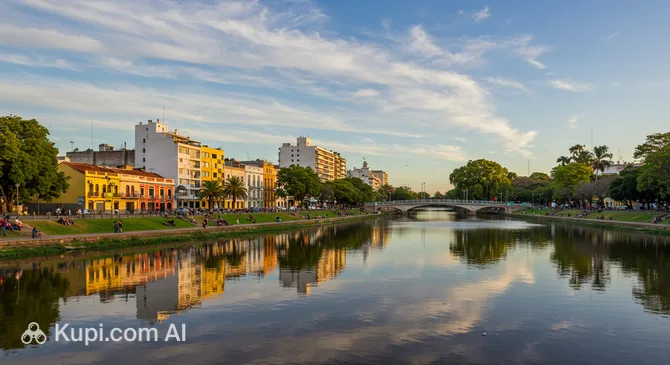
Formosa. Source: Kupi.Binoculars

Visitors will find plenty to explore, starting with the beloved Costanera. This picturesque riverfront promenade is the heart of social life in the city, offering stunning views of the river and a perfect setting for evening walks or cycling. For nature enthusiasts, the nearby Laguna Oca del Río Paraguay Biosphere Reserve is a must-visit, providing a sanctuary for local flora and fauna just minutes from the urban center. The city also boasts charming plazas and cultural spots, such as the Juan Pablo Duffard Regional Historical Museum, which preserves the local heritage.

Whether you are looking to immerse yourself in the unique ecosystem of the Gran Chaco region or simply enjoy a peaceful getaway by the water, Formosa offers a distinct and memorable experience. Its blend of natural beauty, warm hospitality, and tranquil river vistas makes it a delightful destination for any traveler venturing through the north of the country.

Weather Overview

The climate in this region is generally humid and subtropical, characterized by distinct seasonal changes. Before packing for your trip, it is helpful to check the current weather in Formosa to ensure you are prepared for the conditions. Summers, particularly from December to February, are hot, with January seeing average temperatures of 28.8°C and daily highs often reaching 33.6°C. This period is also characterized by more frequent rainfall, with precipitation occurring on about 11 days in January.

As the seasons shift towards winter, the weather becomes significantly milder and more comfortable for outdoor exploration. By July, the average temperature drops to around 18.0°C, with cooler nights seeing lows of 13.3°C. The winter months are generally drier, with July and August recording only about 5 wet days each. Overall, you can expect hot, humid summers with regular showers and mild, drier winters.

Interesting Facts

Beyond its scenic riverfront and lush landscapes, Formosa holds several fascinating secrets and historical curiosities that often go unnoticed by visitors. Here are some unique facts that reveal the city's intriguing past and geographical distinctiveness:

  • The "Twin" Connection: In a remarkable geographical coincidence, Formosa is the approximate antipode of Taiwan. Even more surprising is that Taiwan was historically known as "Formosa" (named by Portuguese sailors), meaning that two places on exact opposite sides of the globe once shared the same name, both translating to "Beautiful."

  • Born from a Diplomatic Loss: The city’s founding in 1879 was a direct result of an international arbitration by U.S. President Rutherford B. Hayes. After the War of the Triple Alliance, Hayes awarded the territory containing the original regional capital, Villa Occidental, to Paraguay (now renamed Villa Hayes). This forced the Argentine commander Luis Jorge Fontana to urgently establish a new capital on the southern bank of the river, giving birth to modern-day Formosa.

  • A Unique Urban Reserve: Formosa boasts the Laguna Oca del Río Paraguay, which holds the rare distinction of being an "urban" biosphere reserve recognized by UNESCO. Unlike most reserves located in remote areas, this protected wetland ecosystem is situated just minutes from the city center, allowing for an almost instant transition from urban life to wild nature.

  • The Legend of the "Beautiful Turn": The city's name dates back to the 16th century when Spanish sailors were searching for the mythical Sierra de la Plata (Silver Mountains). Upon navigating a particularly sharp and picturesque bend in the Paraguay River, they named it Vuelta Fermosa (Beautiful Turn). This poetic description eventually evolved into the name of the city and province.

How to Get There

Reaching this northern Argentine capital is relatively straightforward, with air travel being the most convenient option for covering long distances, supplemented by an extensive network of long-distance buses. Whether you are arriving from Buenos Aires or neighboring regions, you can find all ways to reach the city and plan the route that best suits your schedule.

The most direct way to arrive is by flying into El Pucu Airport (IATA: FMA), which is conveniently located within the city of Formosa itself, just 6 km from the center. It is a small regional hub, primarily handling domestic flights. The short trip from the terminal to the downtown area typically takes about 30 minutes by taxi or shuttle. Due to its proximity, this is the preferred choice for travelers wanting to land directly at their destination without additional ground transfers.

Alternatively, travelers can consider the Silvio Pettirossi International Airport (IATA: ASU), situated in Asunción, Paraguay. Although it is located in a different country, it is approximately 124 km away from Formosa. This airport serves as a major international gateway for the region. The journey from Asunción to Formosa involves crossing the international border, so travel times can vary, often taking around 3 to 4 hours depending on traffic and customs procedures. Another Argentine option is the Resistencia Airport (IATA: RES) in the city of Resistencia, located about 165 km to the south. The transfer from Resistencia by bus or car usually takes approximately 2.5 to 3 hours.

For clarity, here is a summary of the main airports:

Airport Name City Passenger Traffic Km from City
Silvio Pettirossi International AirportAsunciónLarge123.8
Posadas AirportPosadasMedium256.4
Resistencia AirportResistenciaMedium165.2
Camba Punta AirportCorrientesMedium151.3
El Pucu AirportFormosaSmall6.0

Currently, there are no passenger railway services connecting directly to Formosa. The rail network in this part of Argentina is not utilized for regular tourist transport. Visitors who prefer ground travel typically rely on the country's robust long-distance bus system (micros), which connects Formosa with major hubs like Buenos Aires, Resistencia, and Corrientes via paved national highways.

Main Attractions

One of the most emblematic sites in the city is the Costanera "Vuelta Fermosa". This beautifully landscaped riverfront promenade runs along the banks of the Paraguay River and offers the best vantage point for observing the waterway's famous curve. It is a favorite gathering spot for locals and visitors alike, perfect for a leisurely afternoon stroll, cycling, or enjoying a cup of mate while watching the sunset. In the evenings, the area often comes alive with a musical fountain show, making it a vibrant center of social life.

For those seeking a deeper connection with nature without leaving the urban area, the Reserva de Biosfera Laguna Oca del Río Paraguay is an essential stop. Just minutes from the city center, this UNESCO-recognized biosphere reserve protects a rich wetland ecosystem typical of the region. Visitors can explore trails surrounded by lush gallery forests, go birdwatching to spot local species, or relax at the designated river beach areas during the warmer months, experiencing the biodiversity of the humid Chaco firsthand.

In the heart of the city lies Plaza San Martín, which is much more than a typical town square. Known for its impressive size and abundant vegetation, it functions as a botanical garden of sorts, showcasing a variety of native trees such as lapachos and chivatos, as well as an artificial lake. It is a peaceful green lung where tourists can escape the midday heat under the shade of ancient trees, admire the statues, and observe the relaxed pace of local life.

To understand the region's heritage, a visit to the Museo Histórico Regional Juan Pablo Duffard is highly recommended. Housed in a charming colonial-style building that was once the governor's residence, the museum preserves a collection of artifacts, documents, and photographs that tell the story of Formosa's founding and development. The building itself is a National Historic Monument, offering a glimpse into the architectural style of the late 19th century and providing valuable context about the pioneers who settled in this frontier territory.

Finally, for a unique cultural experience, travelers should visit the Casa de la Artesanía. This center is dedicated to promoting and selling authentic crafts made by the indigenous communities of the province, including the Qom, Wichí, and Pilagá peoples. Here, you can admire and purchase intricate woven baskets, tapestries, and wood carvings, ensuring that your souvenir directly supports local artisans and helps sustain their traditional techniques.

Local Cuisine

The culinary landscape of Formosa is a delightful reflection of its geographical location, blending classic Argentine traditions with strong influences from neighboring Paraguay and the indigenous Guaraní culture. The star of the local table is undoubtedly river fish, harvested fresh from the Paraguay and Bermejo rivers. Visitors should not miss the opportunity to try surubí, pacú, or dorado, which are typically prepared on the grill (a la parrilla) with lemon and herbs, or cooked in a rich, savory stew known as chupín.

Due to its proximity to the border, the province shares many gastronomic staples with Paraguay that have become intrinsic to the local identity. A must-try is the sopa paraguaya, which, despite its name, is not a soup but a savory, spongy cornbread made with corn flour, cheese, eggs, and onions. Another popular snack found in bakeries and street stalls is the chipa, a small, baked cheese roll made from cassava starch that is best enjoyed warm. These hearty specialties are perfect examples of the region's comforting and rustic flavors.

For dessert, the region offers treats that highlight its tropical fruit production. A signature sweet is mamón en almíbar, which consists of papaya preserved in syrup, often served with a slice of soft cheese to create a perfect balance of sweet and savory. You might also find desserts made from locally grown pomelos (grapefruits) and mangoes, which thrive in the humid climate.

When it comes to drinks, the heat of the Formosan summer makes tereré the undisputed king of beverages. Unlike the traditional hot mate consumed elsewhere in Argentina, tereré is prepared with cold water or fruit juice and plenty of ice, often infused with refreshing medicinal herbs known as yuyos. It is more than just a drink; it is a social ritual seen in parks and plazas throughout the city.

The dining culture in Formosa is relaxed and unhurried. The most atmospheric place to enjoy a meal is along the Costanera riverfront, where numerous restaurants and restobars offer outdoor seating with views of the river. Here, locals gather late in the evening to enjoy grilled fish, live folk music, and the cooling river breeze, creating a welcoming environment for any traveler looking to taste the authentic spirit of the city.

Travel Tips

To ensure your visit to this charming riverside capital is as smooth and enjoyable as possible, we have compiled a set of essential guidelines tailored to the local lifestyle and environment. These practical tips will help you navigate everything from the subtropical climate to the city's unique daily rhythm.

  1. Clothing and Gear: Due to the humid subtropical climate, lightweight and breathable fabrics like cotton or linen are essential, especially if you are visiting in summer. Since the city is located on the riverbanks, carrying effective insect repellent is crucial to protect against mosquitoes, particularly during the evenings. Don't forget a hat and high-SPF sunscreen for the midday sun.
  2. Transportation: While there is a public bus system, the most convenient and reliable option for tourists is to use remises (private car services). They function like taxis but have fixed rates and are typically booked by phone or through your hotel reception, offering a safer and more comfortable alternative to hailing a cab on the street.
  3. Finances: The official currency is the Argentine Peso. While major hotels and restaurants accept credit cards, cash is king in Formosa, especially in smaller shops, kiosks, and for local transport. It is advisable to carry small bills, as change can sometimes be scarce. ATMs are available in the city center around Plaza San Martín.
  4. Health and Safety: Formosa is generally a peaceful city, but it is always wise to keep an eye on your belongings in crowded areas. For medical needs, there are several pharmacies (farmacias) in the downtown area; look for signs saying de turno for those open 24 hours. Staying hydrated is vital, and while tap water is treated, sticking to bottled water is recommended for short-term visitors.
  5. Communication: Spanish is the primary language, and English is not widely spoken outside of high-end establishments. Learning a few basic phrases or downloading an offline translation app will be very helpful. Free Wi-Fi is often available in public plazas and the Costanera area, but buying a local SIM card is best for reliable connectivity.
  6. Local Etiquette: The siesta is a cultural institution here. Between approximately 1:30 PM and 5:00 PM, most businesses close, and the streets empty out as locals rest during the hottest part of the day. It is polite to respect this quiet time and plan your shopping or banking for the morning or late afternoon.
  7. What to Avoid: Avoid planning strenuous outdoor activities between 12:00 PM and 4:00 PM, particularly in summer, as the heat and humidity can be overwhelming. Do not be impatient if service in restaurants is slower than you are used to; the local pace of life is relaxed and unhurried.
  8. Evening Routine: Embrace the local habit of going out late. The city truly comes alive after sunset, especially along the Costanera. This is the best time to enjoy dinner, take a walk, and mingle with locals who gather by the river to enjoy the cooler evening breeze.

By keeping these tips in mind, you will be well-prepared to embrace the warm hospitality and relaxed pace that define this northern destination. Enjoy your journey through Formosa and the authentic experiences it has to offer!

Entertainment & Nightlife

To experience the nightlife in Formosa is to embrace the city's relaxed, subtropical rhythm. Unlike the frenetic pace of larger capitals, evenings here are characterized by warm breezes, open-air socializing, and a strong connection to the river. The nightlife scene is less about massive nightclubs and more about late-night dining, live folk music, and gathering with friends in lively restobars.

The heart of the action is undoubtedly the Costanera "Vuelta Fermosa". As the sun sets, this riverfront promenade transforms into the city's social epicenter. It is bustling with activity, from families enjoying an evening walk to groups of young people heading to the various bars and food trucks scattered along the avenue. The atmosphere is casual and festive, often accompanied by the sounds of local music drifting from the venues. For a more urban vibe, the area around Avenida 25 de Mayo also hosts a selection of pubs and cafes that stay open well into the night, offering craft beer and classic Argentine cocktails.

For those seeking a classic entertainment experience, the Casino Neo Formosa is a primary destination. Located within the Howard Johnson Hotel complex, it offers a complete night out with a wide array of slot machines, gaming tables, and a sophisticated bar area. It is a popular spot not just for gaming, but also for its regular schedule of live shows and musical performances, making it a staple of the local nightlife circuit.

Culturally inclined travelers should check the schedule at the Teatro de la Ciudad. This venue is the cornerstone of the performing arts in Formosa, hosting everything from local theater productions and dance recitals to concerts by visiting artists. It provides a more refined evening option for those interested in the artistic expressions of the province.

Practical advice for a night out:

  • Timing: Like most of Argentina, the night starts late. Restaurants typically fill up after 10:00 PM, and bars usually get going around midnight.
  • Safety: The main nightlife areas like the Costanera and the city center are generally safe for walking, especially when crowded. However, for returning to your accommodation late at night, it is highly recommended to use a remis (private taxi) rather than walking alone on quiet streets. You can easily order one by phone or ask the venue staff to call one for you.
  • Dress Code: The style is predominantly smart-casual. Due to the heat, comfortable, breathable clothing is acceptable even in nicer venues, though swimwear is strictly for the pool or beach.

While the nights are vibrant, daytime entertainment in Formosa offers its own charms. Visitors can explore the city's history at the local museums or enjoy a movie at the cinemas, such as the Cine Italia, which screens modern releases. For a mix of shopping and leisure, the bustling markets near the port offer a glimpse into local commerce and are a great place to browse during the day before the evening festivities begin.

Parks & Museums

Formosa lives up to its reputation as a "Garden City" by offering specialized green spaces that go beyond the central squares. While the main Plaza San Martín serves as the city's botanical heart, families looking for recreation should head to the Paraíso de los Niños. This sprawling park complex is a favorite among locals, featuring a large artificial lake, extensive playgrounds, and winding pedestrian paths. It is a vibrant community hub designed for leisure, where children can play safely and adults can enjoy outdoor exercise or a relaxing afternoon by the water.

For a quieter and more immersive encounter with nature, the Paseo de las Aves is a delightful spot located near the riverfront. As its name implies, this "Bird Walk" is a sanctuary dedicated to the observation of local avian species. It offers a serene contrast to the bustling city center, providing a tranquil environment perfect for birdwatching, photography, or simply enjoying the sounds of the subtropical forest within the urban limits.

Cultural exploration in the city extends into its fascinating specialized museums. A standout attraction is the Museo Ferroviario Municipal, housed in the beautifully restored former railway station. Unlike the broader history covered in the regional historical museum, this venue focuses specifically on the pivotal role of the railway in Formosa's economic expansion. Visitors can explore the station's architecture and view an authentic steam locomotive, offering a nostalgic glimpse into the era when trains were the lifeline of the province.

Architectural landmarks also contribute to the city's cultural landscape. The Cathedral of Our Lady of Mount Carmel (Catedral Nuestra Señora del Carmen) is a key site, dominating the skyline with its pink facade and twin towers. Together with the city's parks and museums, these landmarks create a diverse itinerary that allows travelers to appreciate both the natural beauty and the historical depth of this provincial capital.

Getting Around

The public transport system in Formosa is primarily based on a network of urban buses, locally known as colectivos. These buses connect the downtown area with the various residential neighborhoods and key points of interest, such as the bus terminal and the riverfront. While the city does not have a metro, tram, or trolleybus system, the bus network is extensive enough to cover most areas a visitor would need to reach. The routes are generally numbered, and the destination is usually displayed on the front windshield, making it relatively easy to identify the correct line for your journey.

To pay for bus fares, you must use the SUBE card, which is the same magnetic travel card used in the capital and many other cities across the region. Cash is not accepted on board, so obtaining this card is the first step for anyone planning to use public transit. You can purchase and top up a SUBE card at various "kioscos" (convenience shops), lottery agencies, or designated service centers throughout the city. The fare is a flat rate, making it an affordable way to get around, though prices are subject to periodic adjustments.

For tourists, navigating the system is straightforward, but it helps to know a few local customs. Buses typically operate from early morning, around 5:00 AM, until approximately midnight. However, be aware that frequencies can drop significantly during the afternoon "siesta" hours (roughly 1:30 PM to 4:30 PM) and on weekends. You enter the bus through the front door and tap your card on the reader next to the driver. It is advisable to signal the driver with a wave when you see your bus approaching, as they may not stop at every designated halt if no one is waiting or signaling to get off.

A popular and often more convenient alternative to the bus is the use of remises. These act similarly to taxis but are distinct in that they typically do not roam the streets looking for passengers. Instead, they must be booked by phone or at a "remisería" base station. Remises are widely used by locals because they offer fixed or zone-based rates, which are often communicated upfront, providing a safe and reliable option for door-to-door transport. Traditional taxis are also available and can be hailed on the street or found at designated stands, particularly near the main plazas.

Given the city's flat terrain, getting around by bicycle is also a viable and pleasant option. Formosa has been developing its infrastructure to become more bike-friendly, including a municipal bike-sharing scheme known as "Formosa Tu Ciudad," which allows users to borrow bicycles for short periods to explore the urban area. Additionally, the compact nature of the city center means that many attractions, especially around the Costanera and the main square, are easily accessible on foot.

Accommodation

Accommodation in Formosa caters primarily to business travelers and visitors exploring the northeastern region, offering a range of options that prioritize comfort and functionality over extravagance. The city provides a selection of establishments ranging from straightforward budget hostels and apart-hotels to solid mid-range properties. While you will not find ultra-luxury mega-resorts here, the hospitality standards are generally high, with many hotels offering essential amenities such as air conditioning—a must in this subtropical climate—and swimming pools to help guests cool off during the warm afternoons.

For the most convenient stay, travelers are advised to look for lodging in the city center (Microcentro), particularly near Avenida 25 de Mayo and Plaza San Martín. Staying in this area places you within walking distance of the main commercial district, banking facilities, and a variety of dining options. Another appealing area is along the riverfront or near the Costanera, where you can enjoy scenic views of the Paraguay River and easy access to the city's most popular promenade for evening strolls.

Among the most prominent establishments in the city is the Howard Johnson Hotel And Casino Formosa. This hotel is often considered the top choice for visitors seeking a more upscale experience, featuring a casino, a spa, and modern facilities that stand out in the local market. Another well-regarded option is the Asterion Hotel, known for its comfortable accommodations and reliable service, making it a suitable base for both leisure and corporate guests.

When planning your trip, it is a good general rule to book your accommodation in advance, especially if you are visiting during major local events or national holidays when occupancy rates can spike. While Formosa is not a mass tourism destination, the limited number of high-quality rooms means the best options can fill up quickly.

In terms of cost, the price range is generally quite reasonable compared to larger Argentine cities like Buenos Aires. Most travelers will find the rates to be affordable, falling into the budget to mid-range categories. Booking can typically be done through major international online platforms for the larger hotels, but for smaller local inns or apart-hotels, contacting the establishment directly via WhatsApp or phone is often the most effective way to secure a reservation and check for current rates.

Nearby Cities

For those looking to explore the surroundings, Formosa serves as an excellent base for day trips to several interesting nearby locations:

One of the most culturally rich destinations within reach is Resistencia, the capital of the neighboring Chaco province. Known as the "City of Sculptures" (Ciudad de las Esculturas), it transforms urban space into an open-air museum with hundreds of statues and artworks displayed along its sidewalks and parks. It is a fantastic place for art lovers to wander and admire the creativity integrated into daily life.

Just a short distance from Resistencia across the General Belgrano Bridge lies Corrientes, one of the oldest cities in the northeast. Situated on the banks of the Paraná River, it is famous for its wide, sandy river beaches and its stunning waterfront promenade, the Costanera General San Martín. Corrientes offers a blend of colonial history and vibrant energy, particularly known for its carnival celebrations and chamamé music.

For a destination closer within the province, travelers might consider Pirané. Often referred to as the provincial capital of folklore, this town offers a more intimate look at the rural life and traditions of the region. It hosts significant cultural festivals and provides a gateway to the agricultural landscapes of the interior.

City Population Distance (km)
Corrientes 352646 156
Resistencia 291720 162
Posadas 275988 261
Presidencia Roque Sáenz Peña 110000 235
Pirane 64556 106

These nearby destinations offer a glimpse into the diverse culture and landscapes of the region.

Shopping & Souvenirs

Shopping in Formosa offers a relaxed and authentic experience that contrasts with the frantic pace of larger commercial capitals. While you will not find massive luxury shopping complexes here, the city provides a charming mix of modern retail stores and traditional markets. The shopping scene is deeply connected to the region's identity, making it an excellent place to find unique regional products, particularly those linked to the river and indigenous cultures, rather than just standard international brands.

The commercial heartbeat of the city is undoubtedly Avenida 25 de Mayo. This bustling avenue serves as the main open-air shopping district, lined with a wide variety of businesses ranging from fashion boutiques and shoe stores to electronics shops and pharmacies. Walking along this tree-lined street, especially in the evening when the temperatures drop, is a favorite pastime for locals. The intersecting streets, such as Calle Rivadavia and Calle España, also feature numerous smaller shops and galleries where visitors can find everyday items and clothing.

Unlike major metropolitan areas, Formosa does not have expansive shopping malls in the traditional sense. The retail culture is more focused on street-level stores and smaller commercial galleries (galerías) located within the downtown area. These arcades often house a collection of independent boutiques and service providers. For grocery shopping and general supplies, large supermarket chains and hypermarkets are available, serving as convenient one-stop shops for travelers needing to restock on essentials.

For a more colorful and traditional experience, the local markets are a must-visit. The Mercado del Puerto is a historic spot that offers a glimpse into the daily life of the city, selling everything from fresh produce to river fish and budget-friendly goods. Additionally, on weekends and holidays, the Costanera often hosts artisan fairs (ferias de artesanos). These open-air markets are vibrant gathering places where local creators display their handmade works, making them the perfect spot to hunt for unique gifts while enjoying the river breeze.

When it comes to souvenirs, Formosa is famous for its high-quality indigenous handicrafts. The province is home to Qom, Wichí, and Pilagá communities who are master artisans. Look for intricate tapestries and bags woven from chaguar fibers, beautiful baskets made from palm leaves, and sculptures carved from the fragrant palo santo wood. These items are not just souvenirs but cultural artifacts that support the local economy. You can find these authentic pieces at the artisan fairs or specialized centers like the Casa de la Artesanía.

Visitors should be mindful of the local schedule, which strictly follows the siesta tradition. Most shops open around 8:00 AM or 9:00 AM and close for a midday break between 12:30 PM and 4:30 PM or 5:00 PM. Business resumes in the late afternoon and continues until 9:00 PM or 10:00 PM. Regarding payment, while major stores and supermarkets on the main avenue accept credit and debit cards, cash is strongly preferred and often necessary for smaller shops, markets, and street vendors.

Regarding tax refunds, Argentina does have a Tax-Free Shopping system for foreign tourists on locally manufactured products. However, this is more commonly found in major tourist hubs. In Formosa, you should look for the "Tax Free" logo in store windows, but keep in mind that participating merchants may be limited compared to Buenos Aires. Always ask the shopkeeper beforehand if they offer the requisite forms for the VAT refund.

Reached the end of the page?

That means the route is fully explored