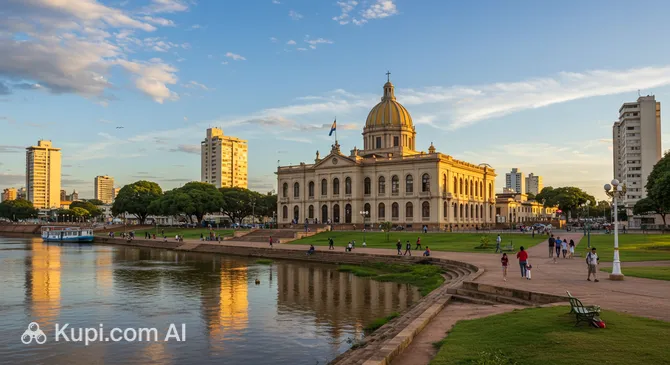
Asunción, the vibrant capital and largest city of Paraguay, is a destination where history and modernity blend seamlessly. Often referred to as the "Mother of Cities," it holds a significant place in South American heritage, having served as a colonial center from which many other cities in the region were founded. The city's atmosphere is characterized by its lush greenery, friendly locals, and a relaxed pace that distinguishes it from other bustling capitals.
Geographically, Asunción is beautifully situated on the left bank of the Paraguay River, which plays a vital role in the city's scenic landscape and economic life. Home to a population of approximately 524,000 people, the city enjoys a humid subtropical climate, resulting in warm temperatures and blooming gardens throughout much of the year.
Asunción. Illustration.
Source: Kupi.com AI
Delving into the history of Asunción reveals a fascinating timeline dating back to its foundation in 1537. This rich past is evident in the city's architecture, where colonial mansions stand alongside contemporary high-rises. Visitors can explore iconic landmarks such as the majestic Palacio de los López, which serves as the presidential office and is beautifully illuminated at night, or pay their respects at the Panteón Nacional de los Héroes, a mausoleum and architectural jewel in the city center.
Beyond its historical sites, the city offers the Costanera de Asunción, a picturesque riverside promenade perfect for a sunset walk or a morning jog. Whether you are captivated by its cultural treasures or simply enjoying the local cuisine and hospitality, Asunción invites you to discover the authentic heart of the country.
Weather Overview
Understanding the local climate is key to planning your visit, as the city experiences distinct seasonal changes. For a comprehensive breakdown of forecasts and seasonal trends, you can consult the detailed guide to the weather in Asunción. Generally, the capital enjoys a warm atmosphere year-round, though the heat can be quite intense during the height of summer.
The warmest months are typically January and February, where average temperatures hover around 28°C and daily highs frequently reach 33°C. Conversely, the winter period from June to August offers milder conditions, with average temperatures dipping to approximately 19°C and cooler nights around 14°C. Precipitation is present throughout the year but varies in frequency; October is often the wettest month with about 13 rainy days, while the winter months are significantly drier. Expect hot, humid summers with regular rainfall and mild, drier winters that are ideal for outdoor exploration.
Average monthly temperature
Average monthly precipitation
Interesting Facts
Beyond the main avenues and government buildings, Asunción preserves a collection of unique traditions and historical curiosities. From its social rituals to hidden neighborhoods, the city offers fascinating details that often escape the casual observer.
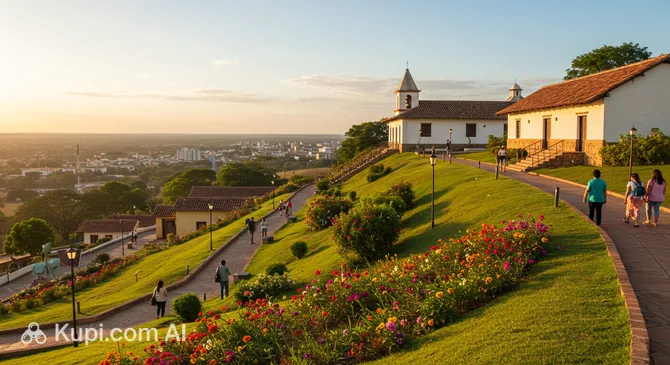
Hidden within the city grid lies San Jerónimo Hill, one of Asunción's oldest neighborhoods. Unlike the rest of the capital, this area feels like a colorful, detached village with narrow, winding alleyways and vibrant houses, offering a charming escape from the urban hustle.
Asunción is one of the few capitals where an ancient herbal tradition dominates the street scene. You will see locals everywhere carrying large thermos flasks for tereré, a cold yerba mate infusion. It is common to find "yuyeras" (herbalists) on street corners who crush fresh medicinal herbs into the water, a practice recognized by UNESCO as Intangible Cultural Heritage.
The city holds a surprising title in transportation history, as it was the starting point for one of South America's first railway lines. The majestic central station still stands as a museum, preserving the legacy of the steam trains that once connected the capital to the interior long before many other nations in the region adopted the technology.
Despite being a growing metropolis, the riverbanks near Costanera Beach serve as a vital ecological sanctuary. The Bay of Asunción is a designated Important Bird Area (IBA), acting as a crucial stopover for migratory birds travelling between hemispheres, making it a surprisingly excellent spot for urban birdwatching.
San Jerónimo Hill. Illustration.
Source: Kupi.com AI
Traveler photos:
How to Get There
Reaching the Paraguayan capital is a straightforward experience for travelers, with air travel being the most efficient method for international arrivals. For a detailed overview of all transport options and routes, you can read more about how to get to Asunción.
The primary entry point for most visitors is Silvio Pettirossi International Airport (ASU). Located just 6.3 km from the city center, it is the country's main aviation hub. The journey to downtown Asunción is quick, typically taking around 30 minutes by taxi or shuttle. As the busiest airport in Paraguay, it offers good connectivity and handles a steady flow of international passengers.
If you are traveling from neighboring Argentina or looking for regional alternatives, you might consider El Pucu Airport (FMA) in the city of Formosa. It is located approximately 123.8 km from Asunción. While closer than other Argentine options, the overland transfer still takes about 3.5 hours. Another option is Resistencia Airport (RES) in Resistencia, situated 283.7 km away. This is a significantly longer journey, requiring roughly 7.5 hours by road to reach the Paraguayan capital.
For clarity, here is a summary of the main airports:
Asunción does not currently have an active intercity passenger railway service, as the historic rail system is no longer in commercial operation for travel. The city's beautiful central station now serves primarily as a museum and cultural site. Visitors arriving by land generally utilize the extensive long-distance bus network, which connects the capital effectively with other regions of Paraguay and major cities in neighboring countries.
Main Attractions
Asunción is a city where history whispers from every corner, offering visitors a chance to walk through centuries of architectural and cultural evolution. The city center is compact and walkable, housing some of the most significant landmarks in the country. From grand government buildings to intimate colonial museums, the capital's attractions provide a deep dive into the Paraguayan soul.
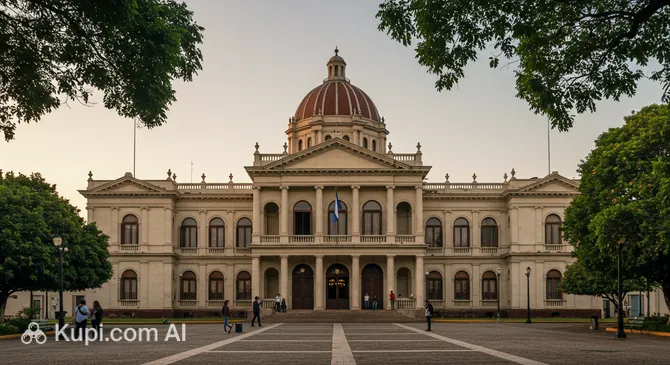
One of the most striking sights is the Palacio de López, the seat of the Paraguayan government and the official workplace of the President. With its neoclassical lines and imposing white facade, it is often considered one of the most beautiful buildings in South America. While tours of the interior are limited, the exterior view, especially when illuminated at night, is a must-see for any visitor. The palace grounds overlook the bay, making it a perfect spot for photography.
Palacio de López. Illustration.
Source: Kupi.com AI
Traveler photos:
A short walk away stands the National Pantheon of the Heroes, a majestic oratory that serves as the final resting place for many of the nation's historical figures. This architectural jewel, inspired by Les Invalides in Paris, is smaller in scale but immense in significance. It stands as a silent guardian of the city's history, and visitors can often witness the solemn changing of the guard ceremony outside its doors.
For those interested in the origins of the nation, the Casa de la Independencia Museum is an essential stop. This modest colonial house, built in 1772, is where the emancipation from Spanish rule was secretly plotted in 1811. Stepping inside transports you back to the 18th century, with rooms preserved in their original style, displaying period furniture, historical documents, and personal artifacts of the independence heroes.
Religious architecture also plays a central role in the city's skyline, best represented by the Metropolitan Cathedral of Our Lady of the Assumption. Located in the historic district, this cathedral is distinct for its stunning high altar, which is coated in silver. It is the mother church of the Catholic Archdiocese of Asunción and offers a peaceful retreat from the bustling streets outside.
Local Cuisine
The culinary landscape of Asunción is a delicious testament to the country's dual heritage, blending indigenous Guaraní ingredients with Spanish colonial influence. The local diet is hearty and relies heavily on fresh produce, particularly cassava (manioc) and corn, which form the base of many traditional recipes. For visitors, the most intriguing dish to try is undoubtedly Sopa Paraguaya. Despite its name, this is not a liquid soup but rather a savory, spongy corn cake made with cheese, onions, and milk, often served as a side dish at communal meals.
Meat plays a central role in the city's food culture, with the traditional asado (barbecue) being a weekend staple for many families. The beef in Paraguay is renowned for its quality, and you will find excellent steakhouses throughout the capital. Another favorite comfort food is Vori Vori, a thick chicken soup containing small balls of cornmeal and cheese. For a quick snack on the go, nothing beats a hot chipa, a bagel-shaped bread made from manioc starch and cheese, sold by street vendors on nearly every corner, especially in the mornings.
When it comes to beverages, the city runs on tereré, the cold version of yerba mate mixed with refreshing medicinal herbs and ice water. While you will see locals carrying their thermoses everywhere, you can also enjoy fresh fruit juices made from tropical fruits like mango, pineapple, and passion fruit. For something stronger, the local sugarcane spirit known as caña is popular, often aged in wood barrels or flavored with honey and citrus fruits.
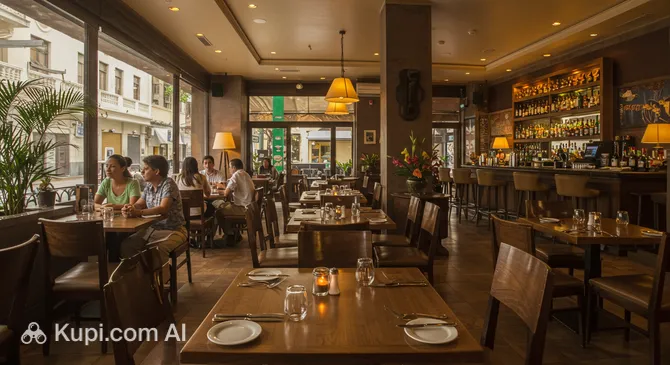
Bolsi. Illustration.
Source: Kupi.com AI
Traveler photos:
The dining scene in Asunción ranges from bustling food courts to historic counters that have served generations. A legendary spot to experience the local vibe is Bolsi, a historic diner that has been operating for decades. It is famous for its long counter where you can watch the chefs at work and enjoy a mix of traditional Paraguayan plates and international classics. Whether you are grabbing a quick empanada or sitting down for a full meal, the atmosphere is always welcoming.
For those with a sweet tooth or looking for a more European café experience, establishments like Georges Patissier offer exquisite pastries and desserts. Meanwhile, if you want to see where the locals shop for fresh ingredients and soak up the chaotic energy of daily commerce, a visit to Galería Bonanza near the market area provides a colorful insight into the raw products that define the city's flavors.
Travel Tips
Visiting Asunción is a delightful experience filled with warm hospitality and rich culture, but like any capital city, a little local knowledge goes a long way. To help you navigate the capital of Paraguay with confidence and ease, we have compiled a list of essential practical tips for your journey.
Dress for the Heat. Asunción has a humid subtropical climate, and summers (December to February) can be intensely hot. Pack lightweight, breathable fabrics like cotton or linen. A hat, sunglasses, and strong sunscreen are non-negotiable. Also, bring comfortable walking shoes, as sidewalks can be uneven. If you plan to visit religious sites like the Cathedral, remember to dress modestly, covering shoulders and knees.
Use Ride-Hailing Apps for Transport. While the city's colorful buses are an iconic sight, the public transport system can be confusing for first-time visitors due to a lack of clear maps and schedules. The most convenient and safe way to get around is by using ride-hailing apps like Uber or Bolt. They are widely available, affordable, and overcome the language barrier since you input your destination directly.
Cash is Essential. The local currency is the Paraguayan Guaraní (PYG). While credit cards are accepted in shopping malls, hotels, and upscale restaurants, cash is king in smaller shops, traditional markets, and for street vendors. It is advisable to carry small denominations. You can exchange money at casas de cambio (exchange houses) which often offer better rates than the airport. ATMs are plentiful throughout the city.
Prioritize Mosquito Protection. Due to the tropical climate, mosquitoes can be a nuisance and occasionally carry illnesses like dengue fever. Carry a good quality insect repellent and apply it daily, especially if you are enjoying outdoor areas like the Costanera or parks in the evening. Pharmacies are common and well-stocked if you need to buy local brands.
Language Basics. The official languages are Spanish and Guaraní. While staff at major hotels may speak English, it is not widely spoken by the general public. Learning a few basic phrases in Spanish will be incredibly helpful. Locals also appreciate it if you know a word or two of Guaraní, such as "Aguyje" (Thank you). Buying a local SIM card from providers like Tigo or Personal is easy and ensures you have data for translation apps.
Social Etiquette and Greetings. Locals are very friendly and polite. A common greeting, even among new acquaintances of the opposite sex, is a kiss on each cheek. When entering a shop or elevator, it is polite to say "Buenos días" or "Buenas tardes." The pace of life is more relaxed here, so be patient with service and embrace the tranquilo vibe.
Mind Your Surroundings. Asunción is generally safer than many other South American capitals, but petty theft can occur. Avoid flashing expensive jewelry or phones in crowded places like the bustling Mercado 4. Be cautious about walking alone at night in poorly lit areas, and specifically avoid wandering into the "Chacarita" neighborhood (located near the river behind the Government Palace) without a trusted local guide.
Respect the Siesta. The tradition of the mid-day rest is still alive here. Many smaller shops and businesses close for a few hours in the afternoon, typically between 12:00 PM and 3:00 PM, to avoid the peak heat. Plan your shopping or errands for the morning or late afternoon to avoid finding closed doors.
By keeping these tips in mind, you will be well-prepared to enjoy everything Asunción has to offer, from its historic colonial charm to its vibrant street life. Embrace the local rhythm, stay hydrated, and get ready for a memorable adventure in the heart of South America.
Entertainment & Nightlife
Asunción offers a vibrant entertainment scene that perfectly balances its colonial heritage with a modern, cosmopolitan spirit. The city comes alive after sunset, providing a variety of options ranging from energetic nightlife and diverse shopping experiences to enriching cultural activities. Whether you are looking to dance the night away or explore the local arts, the capital has something to suit every mood.
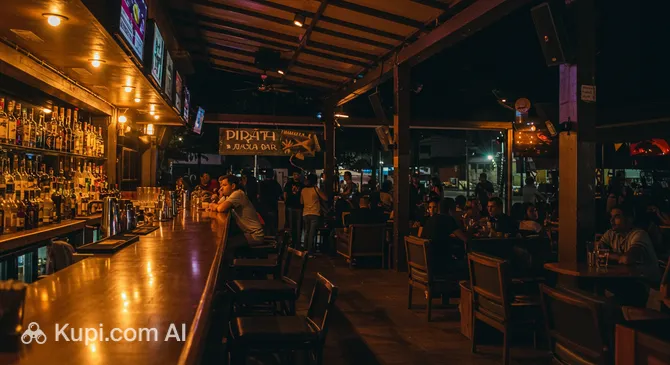
For those seeking a lively evening, the city's nightlife is buzzing with energy. Pirata Bar is a popular destination for locals and visitors alike, known for its themed parties and vibrant atmosphere that keeps the music going until late. If you prefer a more laid-back setting to enjoy a drink and conversation, Ragusa Italian Pizza offers a cozy environment with excellent food. Alternatively, La Alemana Deli Bar 2 provides a relaxed spot to unwind with friends over local snacks and beverages.
Pirata Bar. Illustration.
Source: Kupi.com AI
Traveler photos:
Shopping enthusiasts will find a mix of modern retail and traditional commerce. Bazzar is a great stop for those looking for a curated selection of goods, offering a comfortable shopping experience. For a more authentic and bustling atmosphere, Galería Bonanza immerses you in the heart of the local market culture. Located near the famous Mercado 4, it is the perfect place to find bargains and experience the daily rhythm of the city's trade.
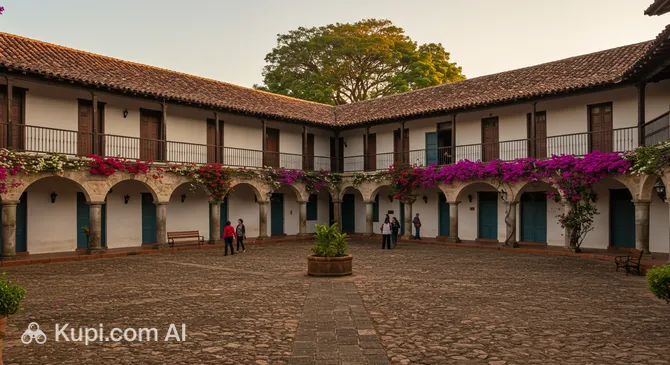
Cultural entertainment is a cornerstone of leisure in Asunción. The Manzana de la Rivera Cultural Center stands out as a premier hub for the arts. Located in a beautifully restored complex of colonial houses across from the Government Palace, it regularly hosts theater performances, concerts, and art exhibitions. Nearby, the Cultural Center of the Republic, housed in the historic former Cabildo building, offers fascinating museum displays that delve into Paraguay's rich history and musical heritage.
Manzana de la Rivera Cultural Center. Illustration.
Source: Kupi.com AI
Traveler photos:
For families or those interested in nature, the Discus Aquarium offers a delightful indoor activity. It provides a unique opportunity to observe a variety of aquatic species and learn about the region's river ecosystems, making it an educational and entertaining stop for visitors of all ages.
Parks & Museums
Asunción is a city that surprises visitors with its abundance of lush vegetation and deep appreciation for the arts. The Paraguayan capital seamlessly integrates green spaces into its urban layout, offering refreshing retreats from the subtropical heat, while its museums provide a captivating window into the nation's artistic soul and history.
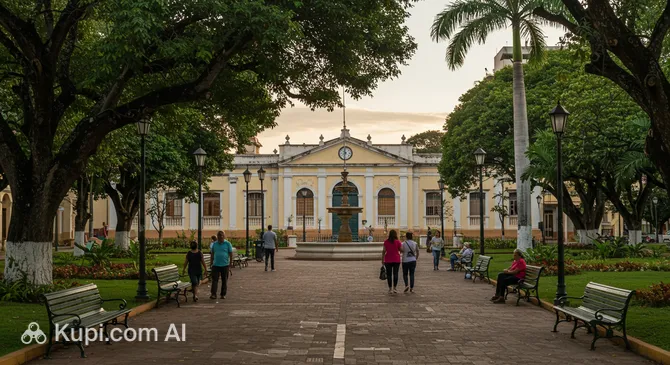
Among the city's most beloved green spaces is Plaza Uruguaya. This historic square is a true oasis in the heart of the downtown area, famous for its dense canopy of lapacho and tipa trees that provide welcome shade. It is a cultural hub where locals gather to browse through the charming used bookstalls that line the walkways. The plaza has a nostalgic atmosphere and is surrounded by significant architectural buildings, making it a perfect spot for a leisurely afternoon stroll.
Plaza Uruguaya. Illustration.
Source: Kupi.com AI
Traveler photos:
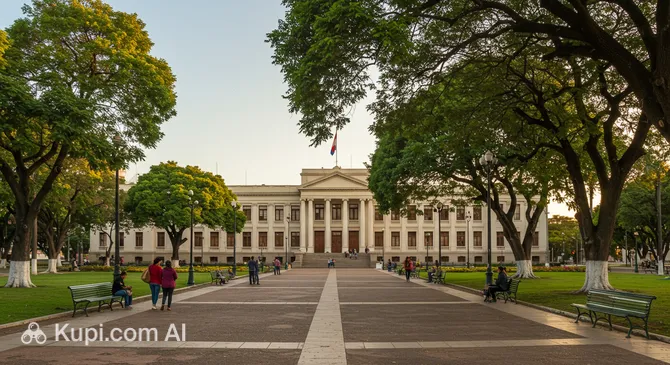
Another central landmark is Plaza de la Democracia. Located near the iconic Hotel Guaraní, this square serves as a major meeting point and venue for public events. While more urban in design with its stone surfaces and fountains, it remains a vital part of the city's social life. For those seeking a more expansive natural experience, the Jardín Botánico y Zoológico (Botanical Garden and Zoo) on the city's outskirts offers vast woodlands and trails, serving as the capital's primary "green lung."
Plaza de la Democracia. Illustration.
Source: Kupi.com AI
Traveler photos:
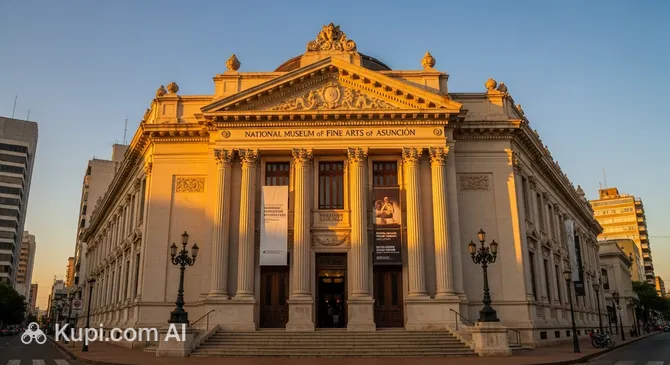
For art enthusiasts, the National Museum of Fine Arts of Asunción is an essential stop. This institution houses a significant collection of paintings and sculptures that trace the evolution of Paraguayan art, alongside works by foreign masters who influenced the local scene. It provides a quiet and sophisticated environment to appreciate the country's aesthetic heritage beyond its colonial architecture.
National Museum of Fine Arts of Asunción. Illustration.
Source: Kupi.com AI
Traveler photos:
While exploring the city's cultural offerings, visitors should also look for the Museo del Barro (Clay Museum). Although located slightly away from the center, it is widely regarded as one of the best museums in the country. It showcases an incredible collection of indigenous art, pre-Columbian ceramics, and contemporary works, offering a profound look at the diverse cultures that shape Paraguay's identity.
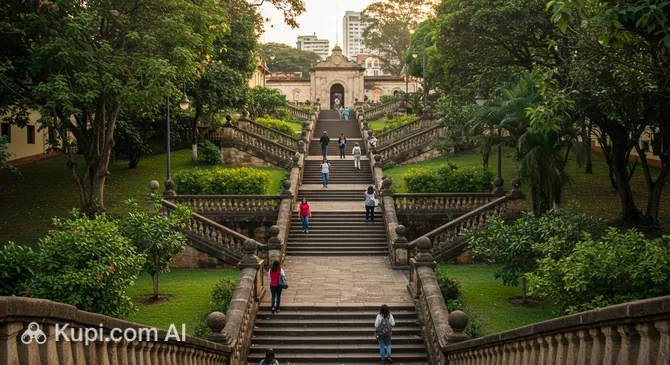
For a unique blend of history and urban scenery, the José de Antequera y Castro Staircase is a fascinating landmark. This monument honors a leader of the early comuneros rebellions and offers a distinct perspective of the city's topography. It is a lesser-known spot that provides a great photo opportunity and a moment of reflection on the city's colonial past.
José de Antequera y Castro Staircase. Illustration.
Source: Kupi.com AI
Traveler photos:
Getting Around
Public transportation in Asunción relies almost entirely on a vast network of buses, locally known as colectivos. These buses are the heartbeat of the city's transit system, connecting the downtown area with residential neighborhoods and the surrounding metropolitan districts. There is currently no operational metro, tram, or light rail system in the city, making the bus the primary option for mass transit. The fleet is a mix of older, colorful units and newer, air-conditioned vehicles, giving the streets a lively and sometimes chaotic character.
The bus service is divided into two main categories: convencional and diferencial. The convencional buses are the older models without air conditioning; they are cheaper but can be uncomfortable during the hot summer months. The diferencial buses are modern, air-conditioned units that offer a much more pleasant ride for a slightly higher fare. For a tourist unaccustomed to the heat, opting for the air-conditioned service is highly recommended.
Payment for bus rides has modernized significantly in recent years with the implementation of the Billetaje Electrónico (Electronic Ticketing) system. Cash is generally no longer accepted on board. To travel, you must purchase a rechargeable card, with the two main providers being Jaha and Más. These cards can be bought and topped up at supermarkets, pharmacies, and authorized payment points (such as "Aquí Pago" or "Pago Express") throughout the city. The cost of a trip is fixed regardless of distance, with the air-conditioned service costing approximately 3,400 PYG and the standard service around 2,300 PYG.
Navigating the bus system requires a bit of local know-how. Bus stops are not always clearly marked with signs or shelters, especially away from major avenues. To catch a bus, you must actively wave your hand to signal the driver to stop; otherwise, they will drive past. When you want to get off, press the bell button near the door well in advance. Operating hours generally run from around 5:00 AM to 10:00 PM or 11:00 PM. Be aware that frequency drops drastically after dark, and waiting for a bus late at night can be time-consuming and is generally not recommended for safety reasons.
For those seeking a more direct and comfortable alternative, taxis and ride-sharing apps are widely available. Yellow radio taxis can be found at designated stands (paradas) or hailed by phone, but they tend to be more expensive than other options. Ride-sharing platforms like Uber and Bolt are extremely popular, safe, and often cheaper than traditional taxis. They are particularly useful for tourists as they eliminate language barriers regarding directions and provide a fixed price upfront.
While there is no functional passenger railway today, the city does have a historical relationship with trains. The majestic Central Railway Station near Plaza Uruguaya stands as a museum rather than a transport hub. Visitors might occasionally see small boats crossing the Paraguay River to the town of Chaco-i, but these are used more for local commuting or specific excursions rather than general city transport. For most visitors, a combination of walking in the historic center and using ride-sharing apps for longer distances offers the most stress-free way to explore.
Accommodation
Accommodation:
Asunción offers a diverse array of accommodation options catering to every type of traveler, from backpackers seeking budget-friendly hostels to business travelers looking for luxury and comfort. The city's hospitality sector has grown significantly, blending traditional establishments with modern international chains. Visitors can expect to find a wide spectrum of choices, including well-equipped apartments for longer stays, charming boutique hotels, and grand resorts with extensive amenities.
When choosing where to stay, location is a key factor. The Historic Center (Centro Histórico) is the best choice for those who want to be within walking distance of the main museums, government buildings, and colonial architecture. Staying here immerses you in the city's past and daily hustle. In contrast, the neighborhoods of Villa Morra and Las Lomas (often referred to as the new corporate center) offer a more modern vibe. These areas are known for their upscale shopping malls, vibrant nightlife, and high-end restaurants, making them popular among those who prefer contemporary conveniences and a lively evening atmosphere.
Pricing in the capital is generally reasonable compared to other South American cities. Budget travelers can find comfortable hostel beds or simple guesthouses at very affordable rates. Mid-range hotels typically offer excellent value, often including breakfast and swimming pools, which are a welcome feature during the hot Paraguayan summers. Luxury accommodations provide world-class service and facilities at prices that are often lower than international averages.
For the best experience, it is advisable to book your accommodation in advance, especially if you plan to visit during major holidays or national festivals when demand peaks. Most properties are listed on major online booking platforms, allowing for easy comparison of prices and reviews. However, contacting smaller, family-run establishments directly can sometimes yield better rates or a more personalized service.
Nearby Cities
For those looking to explore the surroundings, Asunción serves as an excellent base for day trips to several interesting nearby locations.
One of the most culturally rich stops is Luque. Located just minutes from the international airport, this city is renowned as the center of Paraguayan craftsmanship. It is particularly famous for its exquisite gold and silver filigree jewelry, as well as being the premier location for the manufacturing of traditional harps and guitars. Visitors can explore local workshops or visit the impressive CONMEBOL museum for a touch of football history.
Another vibrant destination is San Lorenzo, often referred to as the "University City" because it hosts the main campus of the National University. The city is dominated by its spectacular neo-Gothic cathedral, which is a photographer's delight. San Lorenzo offers a bustling, energetic atmosphere that contrasts with the more relaxed pace of some other suburbs, providing a genuine look at daily life in the metropolitan area.
These nearby destinations offer a glimpse into the diverse culture and landscapes of the region.
Shopping & Souvenirs
Shopping in Asunción offers a delightful mix of traditional charm and modern convenience, making it a rewarding experience for any visitor. The city is known for its competitive prices on imported electronics, perfumes, and cosmetics, often drawing shoppers from neighboring countries. However, beyond the commercial goods, the capital is a treasure trove of artisanal craftsmanship, where you can find unique handmade items that reflect the rich cultural heritage of Paraguay.
For a walk through the city's commercial history, head to Calle Palma in the historic downtown area. This iconic street has long been the heart of retail in Asunción, lined with shops selling leather goods, electronics, and souvenirs. On weekends, the street often hosts fairs where artisans display their creations. Another key area is the Villa Morra neighborhood, which serves as the modern commercial district. Here, the streets are filled with upscale boutiques, international brand showrooms, and stylish cafes, offering a more contemporary shopping atmosphere.
The city boasts several large, modern shopping centers that rival those found in any major metropolis. These malls provide a cool escape from the heat and feature cinema complexes, food courts, and a wide range of international fashion brands. For a more curated and intimate shopping experience, you can visit Bazzar. This establishment offers a selection of goods that often appeals to those looking for quality and style in a comfortable setting.
Bazzar. Illustration.
Source: Kupi.com AI
Traveler photos:
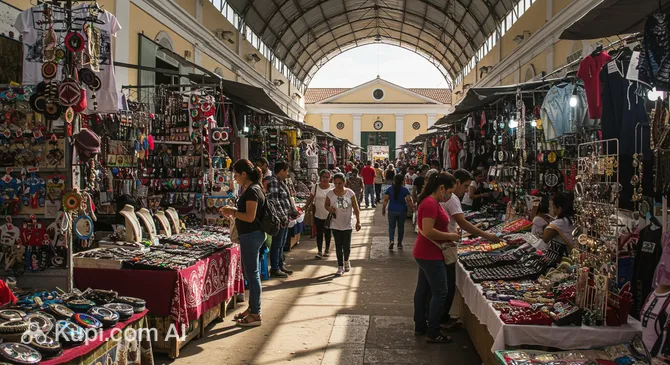
No shopping trip to Asunción is complete without experiencing its vibrant markets. The most famous is Mercado 4, a sprawling and bustling labyrinth of stalls that has been featured in international films. It is a place of sensory overload where you can buy anything from fresh produce and herbs to clothing and electronics at very low prices. Located within this energetic commercial hub is Galería Bonanza, a popular spot that bridges the gap between a traditional market and a structured shopping gallery, offering a wide variety of local products and daily essentials.
Galería Bonanza. Illustration.
Source: Kupi.com AI
Traveler photos:
When looking for souvenirs, the local handicrafts are the real stars. Look for Ao po'i, a delicate cotton embroidery that is used to make beautiful shirts and tablecloths, or Ñandutí, a colorful spiderweb-like lace that is unique to Paraguay. Leather goods are also of high quality and very affordable. Additionally, a traditional terere kit, consisting of a leather-wrapped thermos, a guampa (cup), and a bombilla (metal straw), makes for a perfect and practical memento of the local culture.
Store opening hours can vary depending on the type of establishment. Large shopping malls typically operate from 9:00 AM to 9:00 PM or later, seven days a week. However, smaller street shops and downtown businesses often follow the traditional split shift to accommodate the afternoon siesta. They usually open from 8:00 AM to 12:00 PM, close for a few hours, and reopen from 3:00 PM to 7:00 PM. Credit and debit cards are widely accepted in malls and established stores, but carrying cash (Guaraníes) is essential for markets and street vendors.
Regarding taxes, Paraguay is often considered a low-tax shopping destination compared to its neighbors, which is why prices for imported goods are generally very attractive. While there is a tax refund system for tourists in select stores, the primary draw remains the inherently low cost of products. Visitors should look for stores displaying "Tax Free" signage if they wish to inquire about specific refund procedures, but many find the sticker prices already offer significant savings.