Support

Ciudad del Este

About

Ciudad del Este is a vibrant and bustling metropolis that serves as the commercial heartbeat of the region. As the second-largest city in the country and the capital of the Alto Paraná department, it offers a unique atmosphere charged with energy, trade, and cultural diversity. Known primarily as a major shopping destination, the city attracts visitors from all over the world who come to explore its endless retail opportunities and experience its dynamic border life.

Geographically, the city holds a strategic position in eastern Paraguay, situated on the banks of the Paraná River. It forms part of the famous Triple Frontier, where the borders of Paraguay, Brazil, and Argentina meet. With a population of approximately 320,000 people, it is a densely populated urban center with a humid subtropical climate, characterized by warm summers and mild winters.
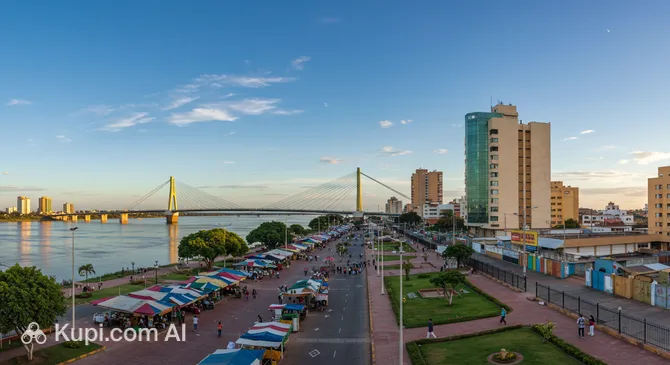
Ciudad del Este. Source: Kupi.Binoculars

Although it is a relatively young settlement founded in 1957, the history of Ciudad del Este is a fascinating tale of rapid expansion and economic growth. Originally established as a border outpost, it has quickly transformed into a cosmopolitan hub. The city is connected to the Brazilian city of Foz do Iguaçu by the iconic Friendship Bridge (Puente de la Amistad), which is a vital artery for daily commerce and tourism.

Beyond its reputation as a commercial paradise, the city is a gateway to impressive engineering and natural wonders. Just a short distance away lies the Itaipu Dam, one of the largest hydroelectric power plants in the world, which offers guided tours of its massive infrastructure. For nature enthusiasts, the nearby Saltos del Monday provide a breathtaking spectacle with their powerful waterfalls crashing down into the canyon, offering a serene contrast to the busy city center.

Whether you are looking for electronics and perfumes, interested in modern engineering, or seeking the beauty of Paraguayan nature, Ciudad del Este promises an unforgettable experience. It is a place where commerce meets culture, inviting travelers to discover a distinct and lively side of South America.

Weather Overview

The climate in this region is generally humid and subtropical, characterized by significant variations between seasons. Summers, running from December to March, are hot and often humid, with average temperatures ranging from 26°C to 27°C and daily highs consistently reaching around 31°C. This period also sees the highest frequency of rainfall, particularly in January, which typically records about 17 wet days.

Winter brings relief from the heat, offering milder and more comfortable weather from June through August. During these months, average temperatures cool down to approximately 18°C to 20°C, with nighttime lows dipping to around 14°C. While rain is still possible, it is less frequent, with July seeing only about 6 wet days on average.

For those planning their itinerary, it is helpful to consult the detailed guide on the weather in Ciudad del Este. Overall, visitors can expect hot summers with regular showers and mild, relatively drier winters, making it a year-round destination with the right preparation.

Interesting Facts

Beyond the busy streets and commercial hustle, Ciudad del Este holds several fascinating details that surprise many visitors. Here are some unique aspects of this dynamic border city:
  • A Cultural Melting Pot: The city is home to one of the most diverse populations in South America, featuring significant Lebanese, Taiwanese, and Korean communities. This multicultural influence is visible in the architecture, with landmarks like the Mosque of the East and various pagodas standing alongside local buildings, as well as in the wide array of authentic international cuisine available.

  • A History of Names: Founded in 1957, the settlement was originally called Puerto Flor de Lis and later renamed Puerto Presidente Stroessner in honor of the country's former dictator. It was only after the coup of 1989 that it received its current name, which simply translates to "City of the East," marking a symbolic break from the past.

  • Global Commercial Hub: Ciudad del Este is frequently cited as home to the third-largest free-trade zone in the world, following Hong Kong and Miami. This immense volume of trade has led to the development of massive retail complexes like Plaza City, which attract thousands of cross-border shoppers daily in search of tax-free electronics and goods.

  • The Moto-Taxi Phenomenon: Crossing the Friendship Bridge to Brazil can be a slow process due to heavy traffic, giving rise to a unique local transport solution. A vast fleet of motorcycle taxis operates on the bridge, weaving through cars to ferry passengers quickly between the two countries, creating a distinct and chaotic rhythm to the border crossing.

Plaza City. Source: Kupi.Binoculars

How to Get There

Reaching this bustling border hub is an adventure in itself, offering travelers multiple entry points across three different countries thanks to its location on the Triple Frontier. Whether you prefer landing directly in Paraguay or arriving via Brazil or Argentina, there are several convenient options. For a comprehensive overview of routes and tips, you can read more about how to get to Ciudad del Este in our detailed guide.

The city is served locally by Alejo Garcia Airport (AGT), which is located approximately 19 km from the center. While it is the closest option, handling primarily regional flights, the journey to the downtown area by taxi typically takes around 50 minutes. Many international visitors, however, choose to fly into Cataratas International Airport (IGU) in the neighboring city of Foz do Iguaçu, Brazil. Situated about 21 km away, this major hub offers wider connectivity. The drive takes roughly 50 minutes, though travelers must account for potential delays when crossing the border via the Friendship Bridge. Another significant alternative is Cataratas del Iguazu International Airport (IGR) in Puerto Iguazu, Argentina. Located 33 km away, a transfer from here takes approximately 70 minutes.

For clarity, here is a summary of the main airports:

Airport Name City Passenger Traffic Km from City
Cataratas International Airport Foz do Iguaçu Large 20.8
Cataratas del Iguazu International Airport Puerto Iguazu Large 32.6
Cascavel Airport Cascavel Medium 129.5
Posadas Airport Posadas Medium 246.4
Alejo Garcia Airport Ciudad del Este Small 18.7

Currently, there are no passenger railway services connecting directly to Ciudad del Este. The region relies heavily on road transport, with an extensive network of long-distance buses linking the city to Asunción and other major destinations in Paraguay, as well as to cities in Brazil and Argentina.

Main Attractions

While the region is globally famous for the nearby Itaipu Dam and the majestic Saltos del Monday, the urban center of Ciudad del Este offers its own set of highlights, particularly for those interested in the city's dynamic commercial and social life. Visitors exploring the downtown area can discover modern shopping complexes and vibrant dining spots that reflect the diverse energy of this border metropolis.

Plaza City is a standout destination in a city renowned for international trade. As a major shopping mall, it attracts thousands of visitors looking for everything from the latest electronics to fashion and cosmetics. The complex provides a comfortable, modern environment where tourists can hunt for tax-free bargains or simply escape the subtropical heat while browsing through a wide variety of high-quality goods.

Plaza City. Source: Kupi.Binoculars

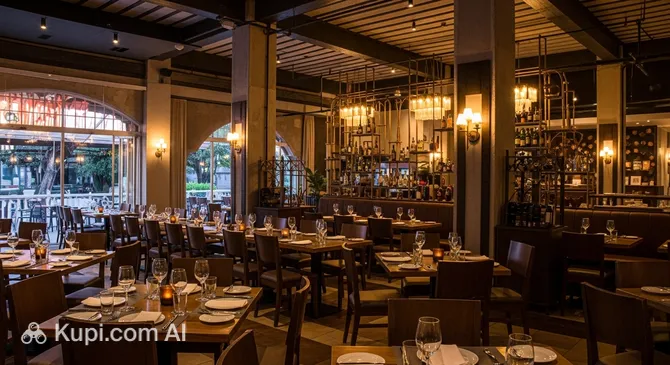
For a memorable culinary experience, Eleven Risto & Grill is a top choice among locals and travelers alike. This restaurant is celebrated for its elegant atmosphere and a menu that highlights excellent grilled meats and international cuisine. It offers a sophisticated setting to relax and enjoy a high-quality meal after a busy day of exploring the commercial streets.

Eleven Risto & Grill. Source: Kupi.Binoculars

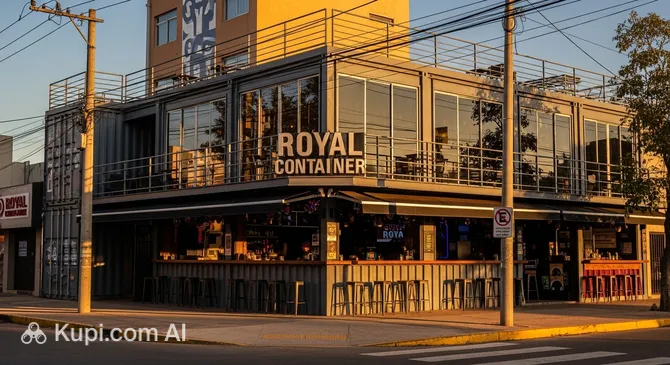
Those looking to experience the local nightlife should visit Royal Container. This unique bar is architecturally distinct, constructed from repurposed shipping containers that pay homage to the city's trade roots. It offers a lively and casual vibe, making it a popular spot to enjoy drinks, music, and the energetic social scene of Ciudad del Este.

Royal Container. Source: Kupi.Binoculars

Local Cuisine

The culinary landscape of Ciudad del Este is as diverse as its population, offering a fascinating mix of traditional Paraguayan flavors and international influences. Due to the city's status as a multicultural commercial hub, visitors can easily find authentic Lebanese, Chinese, and Korean cuisine alongside local staples. However, for the true taste of the region, one must explore the hearty and savory dishes that define the Paraguayan table.

A must-try dish is Sopa Paraguaya, which, despite its name, is not a liquid soup but a savory, spongy corn cake made with cheese, eggs, and milk. It is often served as a side dish to grilled meats, or Asado, which is a beloved staple in this border region shared with Brazil and Argentina. Another local favorite is Chipa Guasu, a cake similar to Sopa Paraguaya but made with fresh corn kernels, offering a sweeter and creamier texture. For a quick snack, Mbeju—a starch flatbread made from manioc flour and cheese—is perfect when paired with coffee.

When it comes to drinks, the undisputed king is Tereré. This cold infusion of yerba mate and refreshing herbs is more than just a beverage; it is a social ritual seen on every street corner. Locals carry thermos flasks filled with ice water to pour over the yerba throughout the day, especially during the hot summers. For something stronger, you might try Caña, a local spirit distilled from sugarcane and often flavored with honey or fruits.

The city's dining scene ranges from busy street food stalls selling empanadas to relaxed sit-down venues. Pizza is particularly popular among locals for family gatherings. A great example of this is Masarte Pizzeria, a spot known for its wide variety of toppings and welcoming environment, making it an excellent choice for a casual dinner after a day of shopping.

Masarte Pizzeria. Source: Kupi.Binoculars

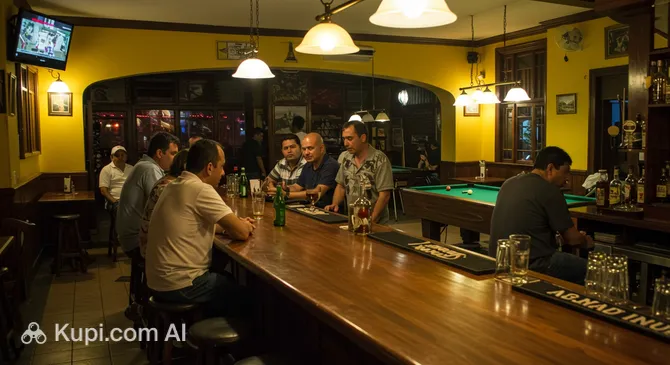
For those seeking a laid-back atmosphere to unwind with friends, the city offers numerous resto-bars that combine good food with a social vibe. Don Luis Resto Bar La Blanca is one such place where visitors can enjoy refreshing drinks and hearty meals in a comfortable setting, reflecting the friendly and unpretentious nature of Ciudad del Este's nightlife.

Don Luis Resto Bar La Blanca. Source: Kupi.Binoculars

Travel Tips

Ciudad del Este is a unique destination where commerce and culture collide, so a little preparation goes a long way to ensure a smooth trip. To help you navigate the bustling streets and make the most of your visit to this dynamic border hub, here are some essential practical tips.

  1. Clothing and Gear: Given the humid subtropical climate, pack lightweight, breathable clothing, especially if visiting during the hot summer months. Comfortable walking shoes are non-negotiable, as you will likely spend hours on your feet exploring the vast shopping districts. It is also wise to bring a universal power adapter, as the region typically uses Type C outlets with a voltage of 220V.

  2. Transportation: The city center is best explored on foot, but be prepared for crowded sidewalks. For longer distances or to cross the Friendship Bridge quickly, moto-taxis are a popular local solution to bypass heavy traffic. Regular taxis and ride-hailing apps are available but can be slower due to the congestion often found in the downtown area.

  3. Finances: While the official currency is the Paraguayan Guaraní (PYG), the US Dollar and Brazilian Real are widely accepted in most shops and restaurants in Paraguay's border zone. Credit cards are common in malls and larger establishments, but carrying cash is advisable for street vendors and small purchases to negotiate better prices.

  4. Health and Safety: As in any busy commercial center, keep a close eye on your belongings and avoid displaying expensive jewelry or electronics in crowded areas. Pharmacies are plentiful in the downtown area for basic needs. It is highly recommended to drink bottled water rather than tap water to avoid any stomach discomfort.

  5. Communication: Spanish is the primary language, but due to the proximity to Brazil, Portuguese is spoken and understood almost everywhere. English is less common outside of major hotels and high-end stores, so learning a few basic phrases in Spanish or Portuguese will be very helpful for daily interactions.

  6. Local Etiquette: Locals are generally warm and polite; a handshake and a friendly "Hola" or "Buen día" are standard greetings. If you are invited to share tereré (cold herbal tea) with locals, accept it graciously, as it is an important social ritual of friendship and hospitality in the region.

  7. What to Avoid: Do not assume that shops stay open late into the evening. Unlike many other cities, the commercial center of Ciudad del Este winds down early, with most stores closing their doors by 4:00 PM or 5:00 PM on weekdays and even earlier on Saturdays.

  8. Timing Your Visit: For the best shopping experience, start your day early in the morning, around 7:00 AM or 8:00 AM. This allows you to beat the intense midday heat and the largest crowds, giving you the opportunity to browse merchandise more comfortably before the streets become packed.

Armed with these practical tips, you are ready to dive into the energy of Ciudad del Este with confidence. Embrace the chaotic charm of the city, enjoy the world-class shopping, and soak up the unique multicultural atmosphere of the Triple Frontier.

Entertainment & Nightlife

When the sun sets over the Paraná River, the bustling commercial energy of Ciudad del Este shifts gears into a lively and diverse nightlife scene. While the famous downtown shopping district (Microcentro) tends to empty out rapidly after the shops close in the late afternoon, the city's entertainment flows into the residential neighborhoods and the areas surrounding the Lago de la República. Here, visitors can find a mix of sophisticated dining, open-air bars, and energetic clubs that reflect the city's multicultural spirit, often influenced by Brazilian and Latin American musical trends.

For those seeking a unique atmosphere, Royal Container is a standout venue. Constructed from repurposed shipping containers, this bar captures the industrial essence of the border city while serving up creative cocktails and a vibrant social environment. It is a popular gathering spot for locals and tourists alike who want to enjoy music and drinks in an unconventional setting. Another excellent option for a relaxed evening is Don Luis Resto Bar La Blanca, where the vibe is friendly and welcoming, perfect for unwinding with a cold beer and conversation after a long day of sightseeing.

Dining often merges with entertainment in Ciudad del Este, with many restaurants offering prolonged hours and a festive ambiance. Eleven Risto & Grill provides a more upscale experience, ideal for travelers looking to dress up slightly and enjoy a high-quality dinner before heading out to a bar. Alternatively, for a more casual night out with friends or family, Masarte Pizzeria offers a cozy environment to enjoy comfort food in the heart of the city.

Practicality and safety are key when navigating the nightlife here. The downtown shopping streets can become desolate and dark at night, so it is strongly advised to avoid walking in that area after commerce hours. Instead, stick to the well-lit avenues in the Boquerón area or near the lake. Taxis and ride-sharing apps are the safest and most convenient ways to get around at night. The dress code is generally casual to smart-casual; given the warm climate, light clothing is common, but patrons often dress neatly for clubs and upscale bars.

During the day, entertainment options extend beyond the famous shopping malls like Plaza City. Travelers can explore the city's history at the El Mensú Museum, housed in the city's first administrative building, or enjoy the green spaces around the Area 1 park. While the city is not known for large amusement parks, the blend of urban exploration, historical sites, and the proximity to natural wonders ensures there is always something to do before the nightlife begins.

Parks & Museums

While Ciudad del Este is globally recognized as a commercial powerhouse, the city also possesses a quieter, greener side that offers a welcome respite from the bustling shopping streets. Beyond the malls and markets, visitors can discover serene parks, interesting museums, and unique architectural landmarks that tell the story of the region's rapid development and rich cultural diversity.

Lago de la República is the city's most beloved urban oasis. Located centrally, this artificial lake is not only a vital water source for the surrounding area but also the primary recreational hub for locals. The park surrounding the water features well-maintained walking and jogging paths, an open-air amphitheater, and plenty of shaded areas perfect for a picnic. It is an excellent spot to observe local life, enjoy the fresh air, and watch the sunset reflect over the calm waters after a busy day of sightseeing.

For those willing to venture slightly further to connect with the region's lush biodiversity, the Tatí Yupí Biological Refuge is a must-visit. Part of the protected areas created by the Itaipu Dam, this reserve offers a stark contrast to the concrete city center. Visitors can explore trails through the Atlantic Forest, take horse-drawn carriage rides, or cycle along the paths. It serves as a sanctuary for native flora and fauna, providing a glimpse into the natural landscape that existed before the city's expansion.

The city's history and culture are best explored at the Museo El Mensú. Housed in the very first administrative building constructed in the city—a humble wooden structure that predates the skyscrapers—this museum preserves the collective memory of the early settlers. Its collection includes photographs, tools, and artifacts from the founding era of the late 1950s, offering a fascinating look at how a small border outpost transformed into a metropolis in just a few decades.

Another significant cultural venue is the Museo de la Tierra Guaraní, located near the Itaipu Dam complex. This museum provides a comprehensive journey through the history of Paraguay, from the ancient Guaraní inhabitants and the Jesuit missions to the modern era. The exhibits are scientifically curated, displaying archaeological finds and biological specimens that highlight the rich heritage and ecological importance of the Alto Paraná region.

Architecturally, the city boasts two distinct religious landmarks that reflect its diverse community. The Catedral San Blas is an iconic stone structure shaped like a large ship, symbolizing Noah's Ark. Its unique design and stained-glass windows make it one of the most photographed buildings in the city. Just a short distance away stands the Mosque of the East (Mezquita del Este), an imposing building with a magnificent dome and minarets. It serves the city's large Lebanese community and stands as a testament to the multicultural harmony that defines Ciudad del Este.

For a truly authentic experience, consider visiting the CIASI (Centro de Investigación de Animales Silvestres). Often missed by tourists focused solely on shopping, this center functions as a zoo and rehabilitation facility for animals displaced by urbanization or rescued from trafficking. It offers a rare opportunity to see jaguars, tapirs, and other native species up close while supporting conservation efforts.

Getting Around

Navigating Ciudad del Este is an experience that reflects the city's energetic and informal character. Unlike many major capitals, there is no metro, tram, or train system here. Instead, the public transport network relies heavily on a vast fleet of buses, supplemented by taxis, ride-sharing apps, and the region's famous motorcycle taxis. For tourists, understanding how these different options work is key to moving around efficiently.

The most common form of public transport is the bus, locally known as the colectivo. These vehicles connect the downtown Microcentro with the residential neighborhoods spreading out along the main highway. Destinations are typically displayed on placards in the front windshield, often referring to specific locations based on their distance from the bridge, such as "Km 4" or "Km 7." While they offer an authentic look at local life, they can be crowded and schedules are often flexible rather than fixed.

When it comes to payment, the system is straightforward but traditional. Cash is the standard method for local buses in this region. You must pay the driver directly upon boarding. The fares are very affordable, generally costing a few thousand Guaraníes. It is highly advisable to carry small bills or coins, as drivers may not always have change for large denominations. Unlike in some other parts of Paraguay where electronic cards are used, paper tickets are rarely issued here; payment simply grants you the right to ride.

For a more comfortable and direct alternative, ride-sharing apps like Uber and Bolt are widely available and popular. They are often the best choice for tourists as they offer fixed pricing and GPS tracking, which eliminates language barriers and the need to negotiate fares. Traditional taxis are also plentiful, easily recognized by their white color with orange details, and can be found at designated stands throughout the city center and near shopping malls.

A unique feature of transport in this border city is the moto-taxi. You will frequently see drivers wearing reflective vests offering rides, particularly near the commercial center and the border crossing. They are the fastest way to cut through the heavy traffic congestion often found near the Friendship Bridge. While efficient for short, urgent trips, they are best suited for adventurous travelers traveling alone who want to save time.

Practical advice for using public transport includes being proactive at bus stops. Stops are not always clearly marked with signs, so if you see a bus you want, you must wave your hand to signal the driver to stop. Additionally, be aware of operating hours; while buses run frequently during the day, service drops off sharply after sunset. If you plan to be out late, it is safer and more reliable to book a ride through an app or take a taxi.

Accommodation

Ciudad del Este offers a practical range of accommodation designed primarily to suit the needs of business travelers and cross-border shoppers. While it may not have the extensive resort infrastructure found in neighboring tourist hubs, visitors can find a solid selection of options ranging from budget-friendly hostels and simple family-run guesthouses to modern, mid-range hotels. There are also a few upscale establishments, often equipped with casinos, swimming pools, and conference centers, catering to those looking for more comfort and amenities.

The location of your stay largely depends on the purpose of your visit. For those focused strictly on maximizing their shopping time, staying in the Microcentro (Downtown) is the most convenient option. Hotels here place you within walking distance of the major malls and the Friendship Bridge, allowing you to drop off purchases throughout the day. However, travelers should note that this area is extremely chaotic during business hours and tends to become very quiet and deserted after the shops close in the late afternoon.

For a more relaxed and scenic experience, the neighborhoods surrounding Lago de la República are highly recommended. This area is greener, quieter, and generally considered safer for evening walks. It is home to a better variety of restaurants and bars, making it an ideal choice for visitors who want to enjoy the local nightlife and dining scene after a day of commerce. Additionally, larger hotels with ample parking and resort-style facilities are often found further out along the main highway (Route 7), known locally by kilometer markers (e.g., Km 4), offering a retreat from the downtown congestion.

Pricing in Ciudad del Este is generally competitive, often offering better value for money than similar options across the border in Brazil or Argentina. Budget travelers can find very affordable rates, while mid-range hotels provide excellent standards at reasonable prices. Regarding booking, it is advisable to reserve your room in advance, especially if you plan to visit during major commercial events like "Black Friday" or during national holidays, when the influx of shoppers can fill up the most desirable locations quickly. Most established hotels are listed on major online booking platforms, making the reservation process straightforward.

Nearby Cities

Ciudad del Este serves as a strategic base for exploring the Alto Paraná department and the eastern region of Paraguay. Several interesting towns and cities are located within a relatively short distance, offering travelers a chance to experience the country's diverse landscapes and smaller urban centers beyond the immediate border zone.

The closest neighbor is Presidente Franco, located just 7 kilometers south along the Paraná River. Practically merging with the metropolitan area of Ciudad del Este, this city is famous for being the home of the majestic Monday Falls (Saltos del Monday). It offers a quieter, greener alternative to the intense commercial bustle of the border capital while keeping visitors close to main amenities and historical sites like the Moisés Bertoni Museum.

Heading further inland, travelers can discover the agricultural heartland of the region. Towns like Katuete and Curuguaty are situated to the north and west, providing insight into the rural life and history of the country. For those traveling towards the capital or exploring central Paraguay, Coronel Oviedo serves as a major transportation hub. Meanwhile, Villarrica, located approximately 182 kilometers away, is a cultural gem known for its university atmosphere and colonial charm, making it a worthy destination for a deeper excursion.

Here is an overview of the nearby cities, their distances, and population sizes:

City Population Distance (km)
Presidente Franco 104,677 7
Katuete 62,319 139
Curuguaty 65,310 154
Coronel Oviedo 88,101 179
Villarrica 56,385 182

Shopping & Souvenirs

General Overview: Ciudad del Este is often described as a massive open-air shopping mall and serves as one of the largest free-trade zones in the world. It is a magnet for tourists, especially from neighboring Brazil and Argentina, who cross the border seeking bargains on imported goods. The city is globally renowned for its immense selection of consumer electronics, perfumes, cosmetics, and branded clothing, all available at highly competitive prices due to favorable commercial regulations.

Main Shopping Areas: The heart of the commercial activity is concentrated in the Microcentro, the downtown area located immediately after crossing the Friendship Bridge. The main arteries, such as Avenida San Blas and Avenida Monseñor Rodríguez, are lined with towering shopping complexes and hundreds of smaller galleries. This district is a high-energy maze where luxury boutiques stand side-by-side with street stalls, creating a unique, chaotic, and bustling atmosphere that defines the city.

Shopping Malls: For those who prefer a more organized and air-conditioned environment, the city offers several world-class shopping centers. Plaza City is a prominent destination, offering a wide array of products ranging from the latest technology to fashion items in a modern setting. Other well-known establishments in the area include Shopping Paris, known for its thematic decoration, and the iconic Monalisa, which is famous for its luxury departments and extensive beauty sections.

Markets: Beyond the polished malls, the streets themselves function as a vibrant market. The sidewalks are filled with "mesitas" (small stalls) selling inexpensive gadgets, toys, and clothing. For a more traditional Paraguayan market experience, travelers can visit the Mercado de Abasto. Located further from the center, this bustling market focuses on fresh produce, meats, and local food products, offering a glimpse into the daily life of residents away from the tourist track.

Souvenirs: While most visitors come for international brands, there are excellent local souvenirs to be found. A tereré kit, consisting of a leather-wrapped thermos and a guampa (cup), is the quintessential Paraguayan gift. Visitors should also look for traditional handicrafts such as ñandutí (spiderweb lace) and ao po'i (embroidered cotton clothing), as well as high-quality leather goods which are produced regionally.

Opening Hours and Payment: Shopping in Ciudad del Este requires an early start. Most stores open their doors between 6:30 AM and 7:00 AM to maximize the day. However, they also close quite early, typically winding down by 4:00 PM on weekdays and even earlier, around 1:00 PM, on Saturdays. Sundays are generally quiet with most shops closed. Regarding payment, the US Dollar is the preferred currency for high-value items like electronics. The Brazilian Real and Paraguayan Guaraní are also widely accepted. Credit cards are common in malls, though some smaller shops may offer better discounts for cash payments.

Tax-Free Information: The city operates as a special customs area, which is the primary driver of its shopping tourism. Prices for imported goods are significantly lower than in neighboring countries due to low import duties. While there is no formal "tax refund" counter system for tourists similar to Europe, the sticker prices in the shops are effectively duty-free or low-tax for international visitors, making it a haven for bargain hunters.

Reached the end of the page?

That means the route is fully explored