Support

Cianorte

About

Cianorte is a vibrant and strategically planned city located in the state of Paraná, famously known as the "Capital of Clothing." This dynamic destination in Brazil stands out for its unique combination of industrial strength and environmental preservation. Designed with a "Garden City" concept, it offers wide avenues and a high quality of life, making it a pleasant stop for travelers exploring the southern region of the country.

Geographically, the city is renowned for its lush surroundings, most notably the Cinturão Verde (Green Belt). This impressive urban forest encircles the city, protecting its water sources and providing a refreshing microclimate for the approximately 70,000 residents. The abundance of trees and green spaces creates a serene atmosphere that contrasts beautifully with the bustling activity of its commercial sectors.
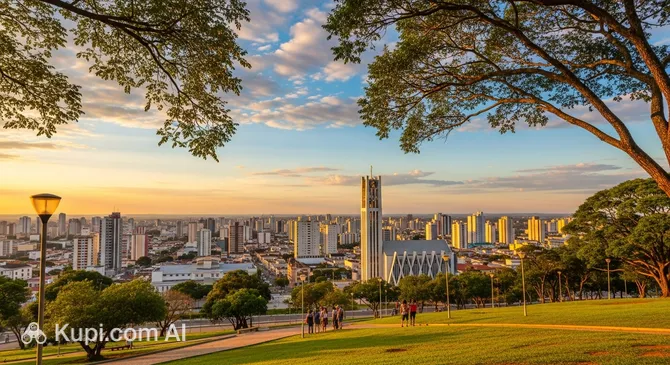
Cianorte. Source: Kupi.Binoculars

The history of Cianorte is relatively young, dating back to the mid-20th century when it was founded by a land development company. Originally driven by coffee production, the city successfully reinvented itself into a national textile hub. Today, visitors can explore this heritage by visiting the numerous wholesale malls along the Rodovia da Moda, which attract fashion buyers from all over the continent.

Beyond shopping, the city offers delightful attractions for nature lovers and sightseers. The trails within the Cinturão Verde allow for peaceful walks amidst native vegetation, while the Igreja Matriz Nossa Senhora de Fátima serves as a spiritual and architectural landmark in the city center. Whether you are hunting for the latest fashion trends or seeking a quiet retreat in nature, Cianorte invites you to discover its charm and hospitality.

Weather Overview

Understanding the local climate is key to enjoying your visit to this region of Paraná. Generally, you can expect warm, humid summers with frequent showers and milder, drier winters. For a more detailed forecast to help plan your daily itinerary, be sure to consult the guide on the weather in Cianorte.

The summer months, spanning from December to March, are typically the warmest, with average maximum temperatures reaching up to 30.4°C. This period also experiences the highest rainfall; for instance, January sees approximately 20 wet days. In contrast, the winter season from June to August offers cooler and more stable conditions. During July, the average temperature drops to around 19.4°C with lows of 14.0°C, and precipitation becomes scarce with only about 4 wet days, making it a comfortable time for outdoor exploration.

Interesting Facts

Beyond its reputation as a bustling fashion hub, Cianorte holds a history of resilience and unique urban planning that surprises many visitors. From its curious name to a climate event that changed its destiny forever, the city offers fascinating stories for those who look closer.

  • A Corporate Acronym: The name "Cianorte" is actually a portmanteau derived from the company that founded the city in 1953. It combines "Cia" (short for Companhia or Company) and "Norte" (North), representing the Companhia Melhoramentos Norte do Paraná, which was responsible for colonizing this region of the state.

  • The "Black Frost" Catalyst: While now known for clothing, the city was originally a powerhouse of coffee production. Its destiny shifted dramatically in 1975 due to the "Black Frost" (Geada Negra), a devastating weather event that destroyed the coffee plantations. This catastrophe forced the local economy to reinvent itself, leading directly to the industrial boom that transformed it into the "Capital of Clothing."

  • A Monument to Fashion: The city's entrance features a unique and thematic portal that immediately signals its economic identity. The structure is designed to resemble a giant open zipper, accompanied by a needle and thread, serving as a playful and iconic welcome to buyers and tourists entering the fashion capital.

  • British Urban Inspiration: The city's organized layout was meticulously designed by the urban planner Jorge Macedo Vieira. He drew direct inspiration from the "Garden City" concept created by the British urbanist Ebenezer Howard, which explains the thoughtful integration of the urban area with the surrounding forest belt that remains a hallmark of the city today.

How to Get There

Reaching this destination is relatively straightforward, usually involving a flight to a regional hub followed by a scenic drive. For a complete breakdown of all transport options, including driving directions and bus connections, you can read more about how to get to Cianorte.

The city of Cianorte does not have its own commercial airport, but it is well-served by Regional de Maringá (IATA: MGF), located in the neighboring city of Maringá. This is the most convenient entry point, situated approximately 63.5 km from Cianorte. The transfer by taxi or rental car is quite quick, typically taking about 1 hour, making it a manageable final leg of the journey. This airport handles a medium volume of passengers and offers frequent connections to major national hubs.

Another viable alternative is Londrina Airport (IATA: LDB), located in Londrina, about 155 km away. While the distance is greater, resulting in a travel time of roughly 2 to 2.5 hours by road, it provides additional flight options for travelers. For those planning a broader itinerary that includes the famous falls, the large Cataratas International Airport (IATA: IGU) in Foz do Iguaçu is another possibility, though it requires a much longer drive of around 287 km to reach Cianorte.

For clarity, here is a summary of the main airports:

Airport Name City Passenger Traffic Km from City
Regional de Maringá Maringa Medium 63.5
Londrina Airport Londrina Medium 155.0
Cascavel Airport Cascavel Medium 174.3
A. De Barros Airport Presidente Prudente Small 204.0
Cataratas International Airport Foz do Iguaçu Large 287.0

Regarding rail transport, Cianorte is not currently served by passenger trains. The railway infrastructure in this part of Brazil is primarily dedicated to freight logistics. Therefore, visitors should plan to rely on the extensive network of intercity buses or private vehicles to navigate between cities in Paraná.

Main Attractions

While Cianorte is widely celebrated as a business destination for its thriving textile industry, the city offers a surprising array of leisure options, particularly for nature enthusiasts. The urban planning, inspired by the "Garden City" concept, integrates green spaces seamlessly into the daily life of residents and visitors. Exploring these attractions provides a refreshing balance to the bustling shopping districts.

Cinturão Verde (Green Belt) is undoubtedly the city's most significant natural landmark. This immense forest reserve encircles the urban area, serving as a protective barrier against erosion and a sanctuary for local biodiversity. For tourists, the highlight is the network of walking trails that weave through the native Atlantic Forest. These paths allow visitors to walk or cycle while enjoying the tranquility of nature, making it an excellent spot for birdwatching without leaving the city limits.

In the heart of the city stands the Santuário Eucarístico Diocesano (Diocesan Eucharistic Shrine), also known as the Church of Nossa Senhora de Fátima. This religious site is not only a center of faith but also an architectural reference point in Cianorte. Visitors are often drawn to its peaceful atmosphere and the beautiful stained glass windows that adorn the structure. It serves as a quiet retreat for contemplation amidst the city's active commercial center.

For those looking to relax in a well-structured outdoor environment, Parque do Manduí (also known as Bosque do Manduí) is a favorite local gathering spot. The park features walking paths, sports courts, and playgrounds, making it an ideal destination for families. It is a perfect example of the city's commitment to quality of life, offering a safe and green space for picnics, jogging, or simply unwinding in the late afternoon.

Given the city's fame as the "Capital of Clothing," the Rodovia da Moda (Fashion Highway) functions as a unique tourist attraction in its own right. This stretch along the PR-323 highway is lined with numerous wholesale shopping malls and factory outlets. While primarily a business hub, it attracts thousands of visitors who come to browse the latest collections. Even for non-buyers, the sheer scale of the fashion infrastructure here is an impressive sight to behold.

Local Cuisine

The culinary scene in Cianorte is a delightful reflection of the broader gastronomy of Paraná and Southern Brazil, characterized by hearty portions and a strong emphasis on meats and agricultural produce. Visitors will find a food culture that values tradition, family gatherings, and ingredients sourced from the fertile lands surrounding the city. Whether you are looking for a substantial feast or a quick snack, the local options are sure to satisfy.

One cannot visit this region without experiencing a traditional Churrasco (Brazilian barbecue). The city is home to several excellent churrascarias where succulent cuts of beef, pork, and chicken are served directly from the skewer in the "rodízio" style. Another local favorite, often celebrated at community events and festivals, is Frango Desossado e Recheado (Boneless Stuffed Chicken). This preparation highlights the region's strong poultry industry and is a staple at Sunday family lunches. Additionally, dishes featuring corn and cassava are common and delicious accompaniments found on most tables.

Given the warmer climate of northwestern Paraná, the most popular local beverage is Tereré. Unlike the hot Chimarrão consumed in the colder southern parts of the state, Tereré is an infusion of yerba mate prepared with ice-cold water, often flavored with lemon or mint. It is more than just a drink; it is a social ritual seen in parks and on porches throughout the city. For something more spirited, a classic Caipirinha made with cachaça is always a refreshing choice to pair with a savory meal.

Dining in Cianorte ranges from casual street food to comfortable family restaurants. For a quick and authentic bite, visitors should head to the local markets or street stalls to try a fried Pastel paired with fresh sugarcane juice (caldo de cana). In the evenings, the city center comes alive with diners enjoying pizzerias and snack bars (lanchonetes) that serve the popular "X-Salada" burgers and other savory treats, offering a warm and welcoming atmosphere for tourists.

Travel Tips

Planning a trip to Cianorte is an exciting opportunity to explore a unique blend of industrial energy and natural beauty. To help you make the most of your visit to the "Capital of Clothing," here is a set of practical tips designed to ensure a smooth and enjoyable experience in this welcoming city in Paraná.

  1. Clothing and Gear: Since Cianorte experiences warm and humid summers, pack lightweight, breathable fabrics like cotton or linen to stay cool. If you are visiting during the winter months (June to August), bring a jacket or sweater, as evenings can get surprisingly chilly with temperatures dropping below 15°C. Don't forget a pair of sturdy, comfortable walking shoes if you plan to explore the trails of the Cinturão Verde urban forest.

  2. Transportation: The city does not have a metro system, so getting around is best done by car or taxi. Ride-hailing apps like Uber and 99 are generally available and offer a convenient way to navigate the city. If you plan to visit the numerous wholesale malls located along the highways or explore the surrounding region, renting a car is highly recommended for flexibility.

  3. Finances: The local currency is the Brazilian Real (BRL). Credit and debit cards are widely accepted in hotels, restaurants, and the major fashion malls. However, it is wise to carry some cash for small purchases at street stalls or local markets. ATMs are easily found at bank branches and supermarkets throughout the city center.

  4. Health and Safety: Cianorte is generally considered safe compared to larger metropolitan areas, but it is always prudent to keep an eye on your belongings in crowded places. Pharmacies are plentiful, with major chains often staying open late. For any medical emergencies, the city has public health units (UPAs) and private hospitals available to assist tourists.

  5. Communication: The primary language is Portuguese, and English is not widely spoken outside of high-end business environments or major hotels. It is very helpful to learn a few basic phrases like "Obrigado" (Thank you) and "Por favor" (Please). Downloading a translation app or having an offline dictionary on your phone can be a lifesaver for daily interactions.

  6. Local Etiquette: Brazilians are known for their warmth, and people in Paraná are no exception. A handshake is the standard greeting for strangers, while a friendly hug or a kiss on the cheek is common among acquaintances. When entering a shop or elevator, a simple "Bom dia" (Good morning) or "Boa tarde" (Good afternoon) is considered polite and is well-received by locals.

  7. What to Avoid: Avoid drinking tap water directly, as your system may not be used to the local mineral content; sticking to bottled or filtered water is the safest choice. Additionally, try not to walk alone in the forest trails of the Cinturão Verde after dark, as these areas are best enjoyed during daylight hours for safety and visibility.

  8. Shopping Tip: As a fashion hub, Cianorte is famous for its "Atacado" (wholesale) malls. If you are a regular tourist looking to buy clothes for yourself, be aware that some of these centers sell exclusively to registered retailers with a tax ID (CNPJ). However, many have specific days or sections open for "Varejo" (retail) sales, so it is worth asking at the information desk or checking their websites beforehand.

With these tips in hand, you are well-prepared to navigate the streets of Cianorte with confidence. Whether you are hunting for the latest fashion trends or enjoying a peaceful walk in the green belt, the city's organized charm and friendly atmosphere are sure to make your stay memorable.

Entertainment & Nightlife

The nightlife in Cianorte reflects the city's friendly and welcoming spirit, offering a relaxed yet lively atmosphere perfect for unwinding after a day of business or sightseeing. While it may not have the frenetic pace of a major metropolis, the city boasts a solid selection of bars, pubs, and entertainment venues where locals and visitors mingle. The evening scene is primarily centered around the downtown area (Centro) and major thoroughfares like Avenida Santa Catarina, where you can find music, cold drinks, and good conversation flowing late into the night.

For those looking to experience the local bar culture, Beer House is a standout option. Known for its extensive operating hours and vibrant crowd, it is a go-to spot for enjoying a cold draft beer (chopp) and live music, often featuring the popular sertanejo style. Another favorite among residents is Japa's Bar, which combines a casual pub environment with excellent service, making it an ideal place to start the evening with appetizers and cocktails before heading out to other venues.

If you are in the mood for dancing or a more energetic club atmosphere, Deck 44 offers a dynamic setting with events that range from electronic music to live bands. The crowd in Cianorte is generally casual and unpretentious, so there is rarely a strict dress code; smart-casual attire is perfectly suitable for almost any venue in town. Friday and Saturday nights are naturally the busiest, with the action typically picking up after 10:00 PM.

Regarding safety and logistics, Cianorte is considered quite safe for nightlife, but standard precautions should still be taken. It is advisable to use taxis or ride-sharing apps like Uber or 99 when moving between venues late at night, rather than walking long distances in quieter residential neighborhoods. Prices are generally affordable compared to larger Brazilian cities, allowing for an enjoyable night out without breaking the bank.

Beyond the nocturnal excitement, the city offers interesting cultural experiences during the day. Visitors can check out the Casa da Cultura, a cultural center housed in a charming old train station that hosts art exhibitions and preserves the memory of the region. Whether you are exploring historical sites by day or toasting with new friends by night, Cianorte provides a warm and engaging experience for every traveler.

Parks & Museums

Cianorte’s design as a "Garden City" ensures that nature and urban life coexist harmoniously, offering visitors a refreshing array of green spaces interwoven with the city's cultural heritage. From ancient trees protected within the urban perimeter to historical buildings that recount the transition from coffee plantations to the fashion industry, the city provides a diverse itinerary for those looking to explore beyond the shopping districts.

The crown jewel of the city's natural attractions is the Parque Cinturão Verde (Green Belt Park), a massive urban forest that encircles the town. Within this reserve, the Trilha das Perobas stands out as a must-visit for nature enthusiasts. This trail takes hikers through a preserved section of the Atlantic Forest, where you can marvel at centuries-old Peroba trees, some estimated to be over 400 years old. The path is also a haven for biodiversity, offering chances to spot native wildlife such as coatis and various bird species in their natural habitat.

For a more relaxed outdoor experience closer to the city center, Parque do Manduí offers a perfect setting for families and leisure seekers. This well-maintained park features walking paths, sports courts, and playgrounds, serving as a popular community hub for picnics and late-afternoon strolls. Just a short drive from the urban core, the Cachoeira do Vidigal (Vidigal Waterfall) provides a scenic escape. Located in a former quarry, this waterfall creates a picturesque lagoon that is a favorite spot for locals to cool off and enjoy the tranquility of the countryside.

Cultural exploration in Cianorte is deeply rooted in its history of colonization and resilience. The Casa da Memória is a key institution for understanding the city's past. Housed in the building of the Antiga Igreja Matriz (Old Mother Church), this museum preserves photographs, documents, and artifacts that tell the story of the city's pioneers and the dramatic shift from a coffee-based economy to an industrial hub. The building itself is a historical landmark, offering a glimpse into the religious and social life of the early settlers.

Another significant cultural venue is the Casa da Cultura, which occupies the restored Old Train Station. This space serves as the artistic heart of the city, hosting art exhibitions, workshops, and theatrical performances. The preservation of the railway station pays homage to the era when trains were the lifeline of Northern Paraná, connecting the young city to the rest of the country. Today, it stands as a vibrant center where local artists display their work, bridging the gap between historical heritage and contemporary expression.

For a truly authentic experience, try to schedule a guided visit to the Trilha das Perobas. While the trail is beautiful on its own, local guides often share fascinating insights about the medicinal plants found in the forest and the specific history of the "Green Belt" preservation efforts, adding a layer of depth to the hike that casual visitors might miss.

Getting Around

Navigating Cianorte is a pleasant experience, largely due to its meticulous urban planning. Designed with the "Garden City" concept in mind, the city features wide, well-paved avenues and a logical grid layout that minimizes traffic congestion. This organization makes getting around efficient, whether you are visiting for business along the fashion highways or exploring the natural attractions within the urban perimeter.

For those focused on the textile industry, renting a car is the most highly recommended option. The famous wholesale malls and factory outlets are spread across the city and along the Rodovia da Moda (PR-323). Having a private vehicle provides the flexibility needed to visit multiple suppliers and transport purchases comfortably. Several rental agencies operate in the city center and can also be found at the nearby regional airports.

Ride-sharing apps such as Uber and 99 are widely available and offer a convenient way to travel for those without a car. Traditional taxis are also easy to find at designated stands, particularly near the central squares and the bus terminal. A unique and popular mode of transport in this region of Brazil is the mototaxi. These motorcycle taxis offer a quick and affordable alternative for solo travelers needing to zip across town, though they are less suitable for carrying luggage.

The public transportation system consists of a network of local buses that connect the residential neighborhoods with the downtown area and industrial districts. While the service is reliable and economical for locals, it may be less practical for tourists with tight schedules. The central hub for these buses is located near the Terminal Rodoviário, which also serves as the arrival point for intercity coaches connecting Cianorte to major cities like Maringá, Curitiba, and São Paulo.

Thanks to the city's flat terrain and abundant shade from the "Green Belt" trees, walking and cycling are enjoyable options for short distances, especially within the city center (Centro) and around the parks. The sidewalks are generally wide and pedestrian-friendly, allowing visitors to appreciate the local architecture and vibrant commercial life at a leisurely pace.

Accommodation

Finding a place to stay in Cianorte is a straightforward experience, with options that cater primarily to the steady stream of business travelers and fashion buyers who visit the "Capital of Clothing." The accommodation landscape is dominated by practical mid-range hotels and cost-effective inns that prioritize comfort and convenience. While the city does not typically feature sprawling luxury resorts, visitors can expect well-maintained facilities, warm hospitality, and a focus on providing a restful environment after a busy day of shopping or exploring the local nature trails.

For most tourists, the City Center is the most convenient area to base yourself. Staying in the downtown grid places you within walking distance of key landmarks like the Santuário Eucarístico Diocesano, as well as a variety of restaurants, bars, and essential services. This central location is perfect for those who want to experience the local culture and nightlife without needing a vehicle. Alternatively, travelers focused specifically on the wholesale fashion circuit often prefer hotels located near the Rodovia da Moda (PR-323). These locations offer quick access to the major shopping malls and factory outlets, making them ideal for those traveling by car or on a tight business schedule.

Prices in Cianorte are generally very reasonable compared to larger Brazilian capitals, falling mostly into the budget to mid-range categories. Standard accommodations typically include essential amenities such as air conditioning, Wi-Fi, and a hearty breakfast, which is a staple of hospitality in Paraná. While it is usually easy to find a room, it is highly advisable to book in advance if you plan to visit during major fashion fairs or collection launch weeks. During these peak commercial periods, hotels can fill up quickly with buyers from across the continent. Reservations can easily be made through major online platforms, though some smaller family-run establishments may prefer direct contact.

Nearby Cities

For those looking to explore the surroundings, Cianorte serves as an excellent base for day trips to several interesting nearby locations. The region of northwestern Paraná is dotted with cities that blend agricultural strength with local culture and natural beauty, offering visitors a chance to see more of the state's diverse lifestyle.

One of the most notable nearby destinations is Campo Mourão. Famous for its traditional dish, "Carneiro no Buraco" (Sheep in the Hole), the city attracts food enthusiasts and nature lovers alike, hosting the beautiful Parque Estadual Lago Azul, a large biodiversity reserve ideal for hiking and connecting with nature. To the northwest lies Paranavaí, a dynamic regional hub often called the "Capital of Orange" due to its citrus production. It offers a lively urban center with pleasant squares and cultural events. For a quieter experience, Nova Esperança provides a glimpse into the region's sericulture history, proudly holding the title of the "Capital of Silk."

City Population Distance (km)
Campo Mourão 82,354 49
Paranavaí 81,590 65
Paicandu 35,936 62
Goioerê 28,808 73
Nova Esperança 26,615 66

These nearby destinations offer a glimpse into the diverse culture and landscapes of the region.

Shopping & Souvenirs

Cianorte is widely recognized across Brazil as the "Capital of Clothing" (Capital do Vestuário), making shopping the primary activity for many visitors. The city is a powerhouse of the textile industry, boasting hundreds of factories and confectioneries. While the local economy is heavily oriented towards wholesale (atacado) for professional buyers, regular tourists can still find exceptional opportunities to purchase high-quality fashion, particularly denim and casual wear, at prices significantly lower than in major metropolitan areas.

For general retail shopping, the heart of the city beats along Avenida Goiás. This wide, tree-lined avenue serves as the main commercial artery of the downtown area. Here, visitors can stroll comfortably along the sidewalks and explore a diverse range of boutiques, shoe stores, and department stores that cater to the general public. It is a vibrant area where you can find everything from the latest fashion trends to electronics and household goods, all without the registration requirements of the wholesale sector.

The city is famous for its massive "Shopping Atacadistas" (Wholesale Malls), which are true giants of the fashion trade. Complexes such as Master Shopping and Shopping Nabhan are located along the Rodovia da Moda (Fashion Highway). These malls are designed primarily for shopkeepers and registered buyers, often requiring a business tax ID (CNPJ) to enter or purchase. However, some centers host special retail days or events open to the public, so it is worth checking with the local tourist information or the malls' reception desks if you wish to visit these impressive fashion hubs.

To experience the local culture and flavors, a visit to the Feira do Produtor (Producer's Fair) is highly recommended. Typically held on Wednesday evenings and Sunday mornings, this market is a gathering place for the community. Tourists can browse stalls selling fresh tropical fruits, artisanal cheeses, honey, and homemade sweets. It is also an excellent spot to find small local handicrafts and enjoy street food snacks like pastel and sugarcane juice.

When it comes to souvenirs, the most iconic item to bring back from Cianorte is undoubtedly jeans. The city is one of the largest producers of denim in the country, known for excellent cuts and durability. Beyond clothing, you can find locally made leather accessories, such as belts and bags, which reflect the region's strong industrial craftsmanship. For a smaller gift, a jar of local honey or fruit preserves from the market captures the taste of Paraná's fertile countryside.

Standard store hours in the city center are from 8:00 AM to 6:00 PM on weekdays and from 8:00 AM to 1:00 PM on Saturdays. The wholesale malls often operate on a different schedule, opening very early in the morning (sometimes around 6:00 AM) to accommodate traveling buyers. Credit and debit cards are widely accepted in almost all establishments, including smaller shops. However, carrying some cash (Brazilian Reals) is advisable for small purchases at street markets or food stalls.

Visitors should be aware that Tax-Free shopping (VAT refund) is not a standard practice in Brazil for international tourists. The price displayed on the tag is the final price, and there are no counters at the airport or in the city to claim tax refunds on purchases made in Cianorte.

Reached the end of the page?

That means the route is fully explored