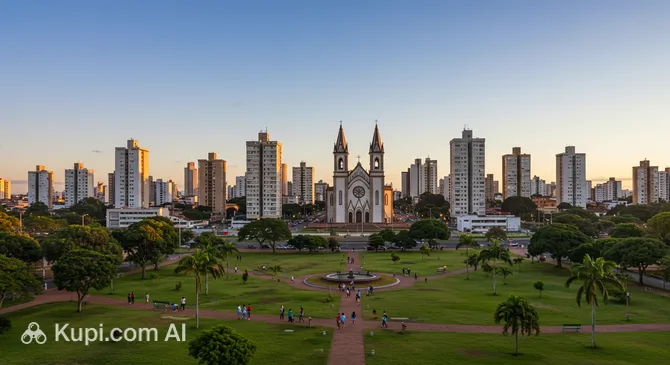
Londrina is a captivating destination located in the northern region of the state of Paraná, in southern Brazil. Often referred to as "Little London" due to the British influence during its colonization, this bustling metropolis offers a unique blend of urban development and lush green spaces. As the second-largest city in the state, it serves as a vital hub for commerce, education, and culture, welcoming visitors with its friendly atmosphere and organized urban planning.
Londrina. Illustration.
Source: Kupi.com AI
With a population exceeding 500,000 residents, the city boasts a subtropical climate that keeps its many parks and gardens vibrant year-round. The region's rapid development was originally fueled by the "red gold" of coffee plantations, a legacy that is deeply entwined with the history of Londrina. Today, this heritage is balanced with modern amenities, making it a comfortable and interesting place for travelers to explore.
Among the top attractions is the beautiful Lake Igapó, a sprawling man-made lake that serves as the city's main leisure area for jogging, cycling, and water sports. Visitors should also check out the Zerão, a unique amphitheater and recreational area shaped like a giant coffee bean, which hosts various cultural events. Whether you are strolling through the Botanical Garden or enjoying the local cuisine, Londrina invites you to discover the dynamic spirit of the Paraná interior.
Weather Overview
Londrina enjoys a pleasant subtropical climate with distinct seasonal variations that influence the best times to visit. The city typically experiences warm, humid summers and milder, drier winters. During the peak summer months of December through March, average temperatures hover around 25.0°C, with daytime highs often reaching nearly 30°C. Travelers should be prepared for frequent rainfall during this period, as January can see up to 22 wet days.
As the year progresses, the weather cools down significantly. The winter months, particularly June and July, offer a refreshing change with average temperatures dropping to approximately 19°C. July is typically the coolest and driest month, with lows around 13.1°C and only about 3 wet days, making it an excellent time for outdoor exploration. For a comprehensive forecast and detailed monthly averages, visiting the dedicated weather in Londrina page is highly recommended before your trip.
Average monthly temperature
Average monthly precipitation
Interesting Facts
Beyond the lush parks and bustling avenues, Londrina holds a treasure trove of stories that trace its journey from a settlement to a major metropolis. These lesser-known details offer a deeper glimpse into the cultural and historical fabric of this unique Brazilian city.
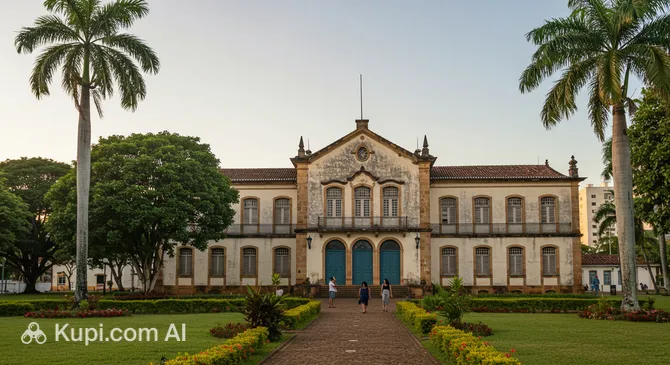
The Londrina Historical Museum is housed in the city's original railway station, a charming building constructed in the mid-20th century. This preserved structure serves as a tangible link to the era when the railway was the vital artery for exporting the region's massive coffee harvests.
Architecture enthusiasts might be surprised to learn that the city's main bus terminal bears the mark of Oscar Niemeyer, Brazil's most famous architect. The terminal's design features the modernist curves and geometric boldness characteristic of the visionary behind Brasília.
The region's famous soil, known locally as Terra Roxa, is not actually "purple" but a deep, reddish earth formed from decomposed volcanic basalt. Its incredible fertility was the primary driver for the immigration boom that built the city, earning it the nickname "Capital Mundial do Café" (World Coffee Capital) in the past.
Even modern landmarks pay homage to the city's agricultural roots; the Catuaí Londrina Shopping Mall is named after a specific variety of coffee. The "Catuaí" bean is a dwarf variety highly valued in Brazil, symbolizing the crop that originally generated the city's wealth.
Londrina Historical Museum. Illustration.
Source: Kupi.com AI
Traveler photos:
How to Get There
Reaching this bustling city in Paraná is relatively straightforward, with air travel being the most popular method for visitors coming from further afield. For those who want to explore all available options, you can find more details on how to get to Londrina on our dedicated page. The city is well-connected to major Brazilian hubs, ensuring a smooth journey for tourists.
The most direct entry point is Londrina Airport (IATA: LDB), which is conveniently located just 4 km from the downtown area. As a key regional hub serving nearly 800,000 passengers annually, it offers frequent connections to major cities. The commute from the terminal to the city center is very short, typically taking about 25 minutes by taxi or car. Alternatively, travelers may choose to fly into Regional de Maringá (IATA: MGF), situated in the city of Maringa. Although it is approximately 88.6 km away from Londrina, it serves as a viable alternative. The transfer by road from Maringa to Londrina generally takes around 1.5 hours.
For clarity, here is a summary of the main airports in the vicinity:
Londrina is a city that perfectly balances urban development with nature, offering visitors a variety of spaces to relax and explore. The city's planning prioritizes quality of life, resulting in numerous parks, lakes, and cultural centers that are easily accessible to tourists. Whether you are interested in the local history of the coffee boom or simply want to enjoy a peaceful afternoon by the water, the main attractions here cater to diverse tastes.
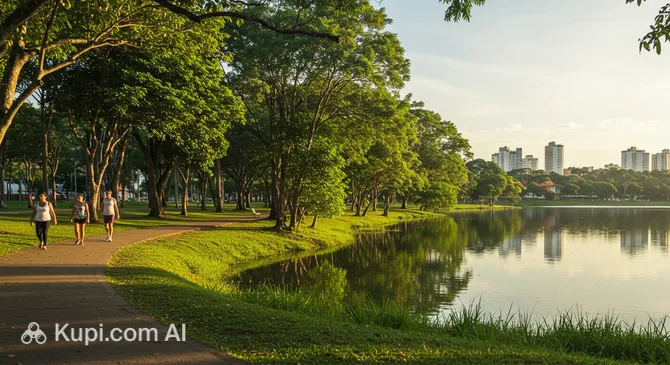
One of the most iconic symbols of the city is Igapó Lake I. This expansive man-made lake is the heartbeat of Londrina's outdoor life, drawing locals and tourists alike for jogging, cycling, and picnics along its scenic banks. It is an excellent spot for photography, especially at sunset when the city lights reflect off the calm water. The area is well-equipped with walking paths and recreational facilities, making it the perfect place to experience the active lifestyle of the residents.
Igapó Lake I. Illustration.
Source: Kupi.com AI
Traveler photos:
For nature enthusiasts, the Arthur Thomas Municipal Park is a must-visit destination. Located conveniently within the city limits, this park preserves a significant remnant of the Atlantic Forest, offering a lush escape from the urban environment. Visitors can walk along trails that wind through dense vegetation, leading to a beautiful waterfall that serves as the park's centerpiece. It is also common to spot local wildlife, such as capuchin monkeys and coatis, roaming freely in their natural habitat.
Arthur Thomas Municipal Park. Illustration.
Source: Kupi.com AI
Traveler photos:
Those interested in the region's cultural roots should visit the Londrina Historical Museum. Housed in the charming old railway station, the museum offers a fascinating journey through the city's past, particularly its rapid growth during the coffee era. The collection includes photographs, artifacts, and period objects that tell the stories of the immigrants and pioneers who built the city. It provides essential context for understanding the unique identity of Northern Paraná.
Families traveling with children will find the Londrina Aquarium to be an entertaining and educational stop. Although located inland, the aquarium showcases a variety of freshwater and marine species, allowing visitors to get close to aquatic life from different ecosystems. It serves as a fun diversion and offers a chance to learn more about biodiversity in a relaxed setting.
Local Cuisine
The culinary scene in Londrina is a vibrant reflection of its multicultural history, blending traditional Brazilian flavors with strong international influences. As a city built by immigrants, particularly from Italy, Japan, and Germany, the local gastronomy goes far beyond the standard rice and beans. Visitors will find everything from sophisticated steakhouses to bustling street food stalls, all underpinned by the region's rich agricultural heritage, especially its legendary coffee roots.
One cannot talk about food in this region without mentioning the immense influence of the Japanese community. Londrina has one of the largest Japanese populations in Brazil, which has made high-quality Asian cuisine a staple of the city. Sushi bars and noodle houses are as common here as burger joints elsewhere. For a comforting bowl of authentic noodles, you might visit Miejan Lamen Restaurant, where the rich broth and handmade noodles offer a taste of tradition that rivals what you would find in São Paulo's Liberdade district.
In true Southern Brazilian fashion, meat plays a central role in the local diet. The churrasco (barbecue) here is taken seriously, with numerous "churrascarias" serving endless rotations of premium cuts like picanha (rump cap). For a more casual carnivorous experience, look for the regional favorite known as Carne de Onça in local bars. Despite the name ("Jaguar Meat"), it is actually a dish of raw ground beef seasoned with spices, onions, and chives, typically served on dark bread—a perfect companion to a cold draft beer at a spot like Tomio's Bar.
Street food in Londrina has its own unique character, with the local hot dog (often called "Dogão") being a legendary quick meal. Unlike the simple American version, the hot dogs here are often pressed and toasted ("prensados") and can come filled with mashed potatoes, corn, bacon, and even cheese. Another street market classic is the pastel, a deep-fried crispy pastry filled with meat, cheese, or heart of palm, best enjoyed with a glass of freshly pressed sugarcane juice (caldo de cana).
For those seeking a more upscale dining experience, particularly for seafood, Coco Bambu Londrina is a popular destination. It is famous for its large, shareable portions of shrimp and fish, often prepared with creamy sauces and coconut milk that pay homage to Brazil's tropical coastline. Meanwhile, the city's nightlife often revolves around places like Bar Valentino, a historic venue where locals gather for drinks, music, and conversation.
Finally, no gastronomic tour of the "World Coffee Capital" would be complete without sampling the local brew. While the massive plantations of the past have diminished, the coffee culture remains strong. You will find excellent cafes throughout the city serving high-quality espresso and filtered coffee, often accompanied by pão de queijo (cheese bread), making for the perfect afternoon break.
Travel Tips
Visiting Londrina is a delightful experience, but like any destination in Brazil, a little local know-how goes a long way to ensure a smooth trip. To help you navigate the "Capital of Coffee" with ease and confidence, we have compiled a list of essential practicalities for your journey.
Clothing and Gear: Londrina has a subtropical climate, so pack lightweight, breathable clothing for the hot and humid summers. However, if you visit between June and August, bring a sturdy jacket or layers, as evenings can get surprisingly chilly. Comfortable walking shoes are a must for exploring the expansive parks and the lakeside paths.
Transportation: The city does not have a metro system, but it boasts a comprehensive bus network. For tourists, however, ride-hailing apps like Uber and 99 are the most convenient and safe way to get around; they are affordable and help overcome language barriers. Car rentals are generally only necessary if you plan to explore the wider Paraná region.
Finances: The official currency is the Brazilian Real (BRL). Credit and debit cards are widely accepted, even by small street vendors and kiosks. It is wise to carry some cash for small purchases, though a 10% service charge is often already included in restaurant bills. ATMs are readily available at banks and shopping malls.
Health and Safety: While Londrina is generally safer than Brazil's largest capitals, standard precautions apply. Avoid walking through parks or dimly lit streets late at night and keep expensive electronics out of sight. Pharmacies are plentiful, with major chains often open 24/7. It is also advisable to use insect repellent, especially during the summer months.
Communication: Portuguese is the primary language, and English proficiency among locals may be limited outside of high-end hotels. It is highly recommended to download a translation app and offline maps before you arrive. Buying a local SIM card is easy at newsstands or dedicated stores, with carriers like Vivo, TIM, and Claro offering good coverage.
Local Etiquette: Brazilians are warm and informal. A handshake is common, but women often greet friends with a kiss on the cheek. The "thumbs up" gesture is universally used to say "yes," "thanks," or "cool." When entering a shop or elevator, a polite "Bom dia" (Good morning) or "Boa tarde" (Good afternoon) is expected.
What to Avoid: Avoid drinking tap water unless it has been filtered; sticking to bottled mineral water is the safest bet for short-term visitors. Also, be cautious with the "OK" hand sign (forming a circle with thumb and index finger), as it can be interpreted as an offensive gesture in certain contexts in Brazil.
Local Insight: Do not miss the chance to eat like a local by trying a "Dogão". Londrina is famous for its pressed hot dogs, which are toasted and filled with elaborate toppings like mashed potatoes and bacon. It is a beloved late-night snack and a distinct part of the city's culinary identity.
With these tips in hand, you are well-prepared to enjoy the hospitality and vibrant culture of this Paranaense gem. Embrace the local rhythm, try the unique flavors, and have a safe and memorable trip to Londrina.
Entertainment & Nightlife
Londrina’s energy shifts noticeably when the sun goes down, fueled largely by its significant university population. The nightlife here is vibrant, unpretentious, and diverse, offering everything from lively street-side pubs to sophisticated lounges. The city’s social scene is decentralized, but the most famous hotspot is undoubtedly the area known as "Baixo Paranaguá" along Rua Paranaguá. This district is characterized by historic wooden houses turned into bustling bars, creating a unique, bohemian atmosphere where crowds often spill out onto the sidewalks to socialize.
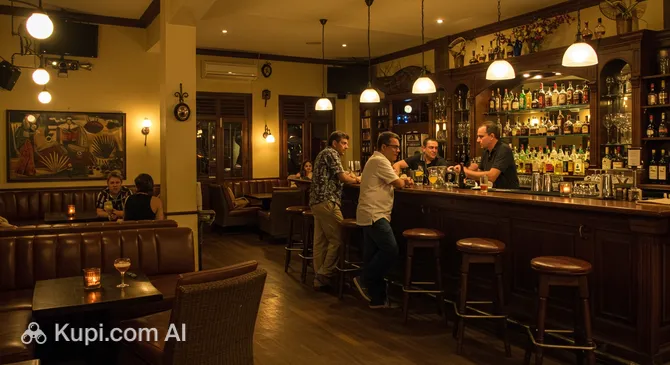
For a truly iconic experience, visitors should head to Bar Valentino. Housed in one of the city's preserved wooden structures, this venue is a cultural landmark that has served the community for decades. It is celebrated for its eclectic decor, diverse crowd, and a consistent lineup of live music ranging from samba and jazz to rock. It is the perfect place to immerse yourself in the local artistic scene while enjoying a cold drink in a setting that feels both rustic and hip.
Bar Valentino. Illustration.
Source: Kupi.com AI
Traveler photos:
If you prefer a more modern and relaxed evening, Boulevard Shopping Londrina offers a comprehensive leisure complex. Located in the eastern part of the city, it features a state-of-the-art cinema and a wide variety of dining options, making it a safe and comfortable choice for families or those looking for a quieter night out. For a reliable dining experience before hitting the town, Flavor & Air is a popular restaurant that offers a wide variety of dishes, providing a solid foundation for a night of exploration.
When planning a night out, keep in mind that the dress code in Londrina is generally casual; jeans and t-shirts are acceptable in almost all bars and most clubs. The nightlife starts relatively early compared to larger Brazilian capitals, with bars getting busy around 8:00 PM. For safety and convenience, it is highly recommended to use ride-sharing apps like Uber or 99 rather than walking long distances at night, even between venues. Fares are affordable, and it ensures a secure door-to-door service.
While the night belongs to music and socializing, daytime entertainment offers its own thrills. Families and adrenaline seekers can visit Play Master, an amusement park that provides a fun break from sightseeing with various rides and games. Whether you are riding a roller coaster in the afternoon or listening to live samba in a wooden house at midnight, Londrina offers a welcoming and spirited entertainment landscape.
Parks & Museums
Londrina is widely celebrated for its commitment to urban greenery and cultural preservation, offering residents and visitors alike a breath of fresh air amidst the city bustle. Beyond the well-known lakes and main squares, the city maintains a variety of specialized parks and cultural institutions that highlight its artistic spirit and dedication to environmental conservation.
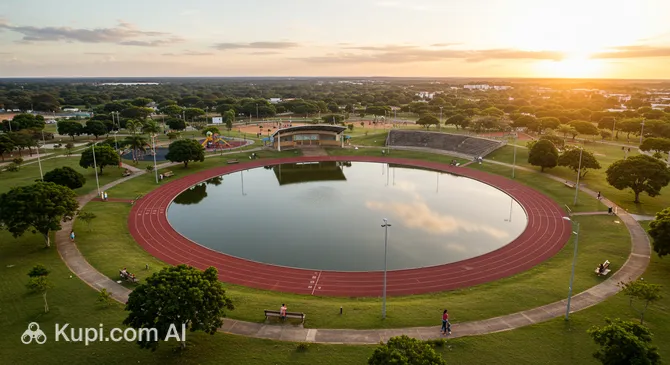
One of the most distinctive outdoor spaces in the city is the Zerão – Luigi Borghesi Recreation and Leisure Area. Located in a valley adjacent to the city center, this park is famous for its unique layout: the walking track, sports courts, and grassy areas are arranged in the shape of a giant coffee bean, paying homage to the crop that fueled Londrina's growth. It serves as a major gathering point for sports enthusiasts and cultural events, featuring an amphitheater that frequently hosts open-air concerts and festivals.
Zerão – Luigi Borghesi Recreation and Leisure Area. Illustration.
Source: Kupi.com AI
Traveler photos:
Another haven for nature lovers is the Londrina Botanical Garden (Jardim Botânico). Unlike the busy recreational parks, this space is dedicated to research and the conservation of native flora. Visitors can explore walking trails that wind through reconstructed ecosystems, view endangered plant species, and relax by the peaceful lakes. It is a quieter, more contemplative environment perfect for those seeking to disconnect and observe the region's biodiversity up close.
On the cultural front, the Londrina Art Museum (Museu de Arte) is a landmark in its own right. Housed in the city's former bus station, the building itself is a modernist architectural gem designed by Vilanova Artigas. Inside, the museum hosts a rotating schedule of contemporary art exhibitions, sculpture displays, and photography collections, playing a pivotal role in the local arts scene. It is a vital stop for anyone interested in Brazilian modernism and regional creativity.
For a unique glimpse into urban transformation, the Sesc Cadeião Cultural offers a fascinating experience. Located in a building that once served as the city's prison, this space has been beautifully revitalized into a vibrant cultural center. Today, it hosts workshops, musical performances, and art exhibitions, symbolizing the power of culture to reclaim and repurpose history. The on-site café is also a charming spot to enjoy a break while admiring the renovated architecture.
Insider Tip: If you are interested in astronomy, check the schedule for the Planetarium of Londrina at the State University (UEL). It is one of the few in the region and offers immersive projections of the night sky, making for an educational and mesmerizing outing that is often overlooked by standard travel guides.
Getting Around
Getting around Londrina is relatively straightforward, thanks to the city's planned urban layout and efficient public services. While the metropolis does not have a subway system, it offers a comprehensive variety of transportation options that make navigating between neighborhoods and tourist attractions easy for visitors.
Public Bus System: The primary mode of public transport is the bus network, which is extensive and covers the entire city. The system operates on an integrated model, allowing passengers to switch buses at designated terminals without paying an additional fare, provided they stay within the transfer area. The Terminal Central, located in the downtown district, is the main hub where most lines converge. Travelers should be aware that the system is modernizing, with electronic cards being the preferred payment method, though some lines may still accept cash. Using the official transport app is recommended for checking routes and schedules in real-time.
Ride-Sharing and Taxis: For a more direct and comfortable journey, ride-sharing apps like Uber and 99 are widely available and extremely popular in Londrina. They are generally considered safe and offer a convenient way to get around, especially in the evenings. Traditional taxis are also plentiful and can be found at designated stands (pontos de táxi) near major squares, hotels, and shopping centers. They are a reliable alternative, particularly if you do not have mobile data connectivity.
Car Rental and Driving: Renting a car is a good option if you plan to explore the outskirts or the wider Northern Paraná region. The city's streets are wide and well-signposted, facilitating easy driving. However, parking in the city center can be competitive during business hours. Drivers should look for the Zona Azul (Blue Zone) signs, which indicate areas where paid rotating parking is enforced; digital tickets can be purchased via mobile apps or at registered local shops.
Intercity Bus Terminal: For travel beyond the city limits, the Terminal Rodoviário de Londrina is one of the most important transport hubs in the state. Housed in a striking circular building designed by Oscar Niemeyer, the terminal offers frequent bus connections to major destinations such as Curitiba, Foz do Iguaçu, and São Paulo. It is a clean, safe, and well-organized facility, making overland travel a viable and comfortable choice for extending your trip.
Accommodation
Finding a place to stay in Londrina is a straightforward task, as the city offers a well-developed infrastructure primarily designed to accommodate business travelers, students, and event-goers. The accommodation landscape ranges from efficient, modern mid-range hotels to budget-friendly hostels and functional flats. While the city may not have an abundance of ultra-luxury resorts, visitors will find a high standard of cleanliness and service across the board, with many establishments providing excellent value for money compared to larger Brazilian capitals.
For most tourists, the best area to stay is the City Center (Centro). Staying here places you within walking distance of the main commercial streets, historical landmarks like the Metropolitan Cathedral, and a wide variety of restaurants and cafes. It is also the most convenient location for accessing public transportation and taxis. Alternatively, travelers seeking a more scenic and upscale environment should look for hotels near Lake Igapó or along the avenues leading to the major shopping malls. These areas offer a quieter atmosphere, beautiful views, and easy access to leisure activities like jogging or evening walks by the water.
Since Londrina is a major educational and agricultural hub, the city's calendar is often packed with events that can heavily impact room availability. The most critical times are during the ExpoLondrina (a massive agricultural fair usually held in April) and the university entrance exams (Vestibular), which draw thousands of students from across the country. A helpful booking tip is to check the local event schedule before your trip; if your visit coincides with these major dates, reserving your accommodation at least a month in advance is highly recommended to secure good rates.
In terms of pricing, Londrina is generally affordable. Budget travelers can find economical options in the downtown area, while mid-range hotels offer comfortable amenities like air conditioning, breakfast, and Wi-Fi at reasonable rates. Booking is easily done through major international online platforms, which are widely used by local establishments. Direct booking via hotel websites or WhatsApp is also common in Brazil and can sometimes yield better deals or more flexible check-in arrangements.
Nearby Cities
For those looking to explore the surroundings, Londrina serves as an excellent base for day trips to several interesting nearby locations:
Just a short drive south, Apucarana offers a unique mix of industrial prowess and religious tourism. Known as the "National Capital of Caps," it is a major hub for headwear production, making it a great spot for shopping. The city is also famous for the Cathedral of Our Lady of Lourdes, which features a massive statue of the saint on its roof, visible from various points in the city. Alternatively, travelers can visit Rolândia, a town deeply rooted in German culture. It provides a charming historical perspective with its Municipal Museum and annual festivals that celebrate the traditions of its European founders, offering a distinct cultural contrast to the bustling modernity of Londrina.
City
Population
Distance
Ibiporã
48 198
13 km
Cambe
96 733
13 km
Jataizinho
11 875
20 km
Rolandia
63 316
20 km
Arapongas
104 150
30 km
These nearby destinations offer a glimpse into the diverse culture and landscapes of the region, allowing visitors to experience the rich heritage of Northern Paraná beyond the city limits.
Shopping & Souvenirs
Shopping in Londrina offers a delightful mix of modern convenience and traditional charm, reflecting the city's status as a major commercial hub in Northern Paraná. Visitors will find everything from sprawling shopping centers featuring international brands to bustling pedestrian streets lined with local boutiques. Whether you are looking for high-end fashion, electronics, or unique regional handicrafts, the city provides a diverse retail experience that caters to all budgets and tastes.
For a truly authentic local experience, the heart of the city's commerce beats at the Calçadão de Londrina. Located along Avenida Paraná in the downtown area, this pedestrian-only zone is a lively meeting point filled with shops, banks, and kiosks. It is the perfect place to feel the pulse of the city while browsing for clothes and shoes. Just a few blocks away, Rua Sergipe is another key commercial artery, known for its popular prices and wide variety of budget-friendly stores, making it a favorite among bargain hunters.
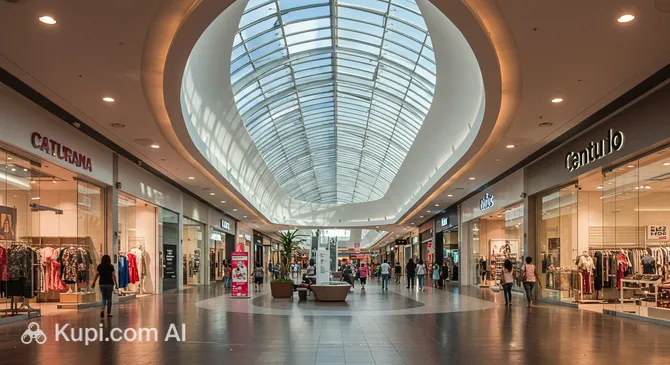
Those who prefer the comfort of air-conditioned environments will not be disappointed by the city's mall infrastructure. The Catuaí Londrina Shopping Mall is the region's largest and most traditional shopping center. It houses hundreds of stores, a cinema, and a vast food court, serving as a primary leisure destination for families. Another excellent option is the Boulevard Shopping Londrina, located near the eastern exit of the city. With its modern architecture and sophisticated atmosphere, it offers a relaxed shopping environment and a great selection of dining options.
Catuaí Londrina Shopping Mall. Illustration.
Source: Kupi.com AI
Traveler photos:
Markets play a special role in Londrina's culture, particularly regarding food. The Mercado Shangri-Lá is a must-visit for gourmets; this traditional market is famous for its high-quality produce, exotic fruits, imported beverages, and artisanal cheeses. For a more relaxed evening vibe, the Feira da Lua (Moon Market) is a beloved local tradition. Held on street corners at night, usually on Wednesdays, it combines handicraft stalls with an incredible array of street food, making it a great spot to shop for small gifts while enjoying a pastel or kebab.
When it comes to souvenirs, the city's history provides the best inspiration. As the "Coffee Capital," bringing home a bag of locally roasted coffee is almost mandatory. You can find specialty blends in local cafes or at the Shangri-Lá market. Additionally, items celebrating the "Pé Vermelho" (Red Foot) identity—a nickname derived from the region's red soil—are popular, including t-shirts, mugs, and artisanal crafts found in downtown shops.
Store opening hours in Londrina typically follow the standard Brazilian schedule. Street shops in the downtown area are generally open from 9:00 AM to 6:00 PM on weekdays and until 1:00 PM on Saturdays. Shopping malls operate daily, usually from 10:00 AM to 10:00 PM, with reduced hours for stores on Sundays (often 2:00 PM to 8:00 PM), though food courts open earlier. Credit and debit cards are universally accepted, even for small amounts, and the instant payment method "Pix" is also widely used, though cash is always useful for small street vendors.
Travelers should note that Brazil does not currently operate a Value Added Tax (VAT) refund system for international tourists. The price you see on the tag is the final price you pay. While "duty-free" shopping is not available in the city, the favorable exchange rate often makes local goods, especially clothing and leather products, very attractively priced for visitors.