Support

Maringa

About

Maringá is a vibrant and meticulously planned city located in the northern part of the state of Paraná. Known for its high quality of life and lush urban landscaping, it is often referred to as the "Green City" due to its high concentration of trees and native vegetation per inhabitant. With a population of over 400,000 residents, it serves as a major regional hub in southern Brazil, offering a perfect blend of modern urban infrastructure and nature.
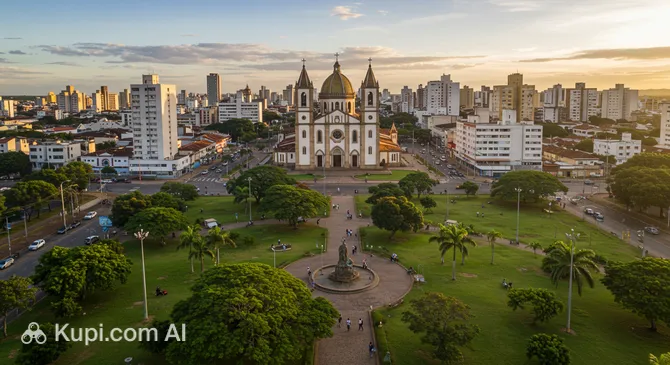
Maringa. Source: Kupi.Binoculars

Unlike many older settlements in the region, the city was designed from scratch in the mid-20th century with a focus on wide avenues and extensive parklands. To learn more about its fascinating development as a garden city, you can explore the history of Maringá. Today, the city stands as a testament to successful urban planning, boasting a subtropical climate that keeps its many gardens and tree-lined streets flourishing year-round.

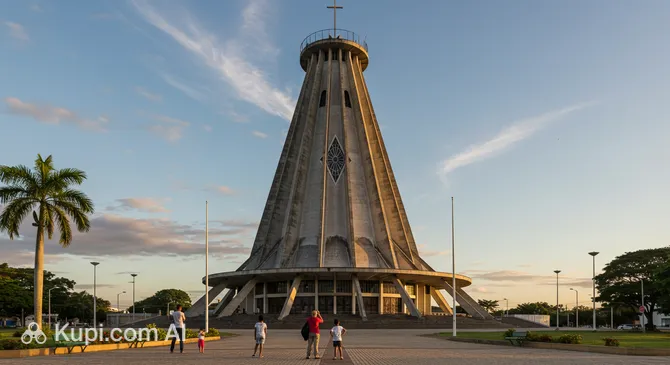
Travelers are drawn to the city's unique architectural landmarks and green spaces. The most iconic structure is the Cathedral Basilica Minor of Our Lady of Glory, a towering conical church that dominates the skyline and is one of the tallest in South America. For nature lovers, Parque do Ingá offers a peaceful retreat with native forest trails right in the heart of the city, while the Parque do Japão celebrates the region's strong Japanese cultural influence with beautiful gardens and traditional structures.

Whether you are interested in modernist architecture, relaxing in well-kept parks, or experiencing the warm hospitality of Paraná, Maringá is a destination that surely impresses. It is an excellent stop for those looking to discover a greener, more organized side of Brazilian urban life.
Weather Overview

Maringá enjoys a subtropical climate generally characterized by warm summers and mild, comfortable winters. The city's weather is often conducive to outdoor activities, though visitors should be prepared for distinct seasonal variations in rainfall and temperature.

During the summer months, particularly from December to March, the days are hot with average maximum temperatures reaching around 30°C. This is also the wettest time of the year; January, for instance, typically sees about 20 wet days, so carrying an umbrella is advisable. To get a precise forecast for your specific travel dates, reviewing the current weather in Maringa can be very helpful.

The winter period, spanning from June to August, brings cooler and drier air. Average temperatures dip to approximately 19°C, with nighttime lows falling to around 14°C or 15°C. Rainfall decreases significantly during this season, often dropping to just 3 to 7 wet days per month, making it an excellent time for exploring the city's parks and gardens under clear skies.

Interesting Facts

Beyond its reputation as a planned urban center, Maringá holds several fascinating secrets and distinctions that often surprise visitors. From its melodic origins to its unique geographical placement, the city offers plenty of intriguing details for the curious traveler.

  • Maringá is affectionately known as the "Song City" (Cidade Canção) because it is one of the few cities in the world named after a musical composition. The name was inspired by a popular song titled "Maringá" by Joubert de Carvalho, which was a hit during the time the city was being established.

  • The skyline is dominated by the Cathedral of Maringá, which is not only a modernist architectural icon but also a record-holder. Standing at 124 meters, it is widely recognized as the tallest church in South America, featuring a unique conical shape that is often compared to a space shuttle.

  • Geographically, the city occupies a significant location as the Tropic of Capricorn runs directly through its urban area. There is a specific landmark in the city indicating this latitude, marking the exact boundary where the tropical zone begins.

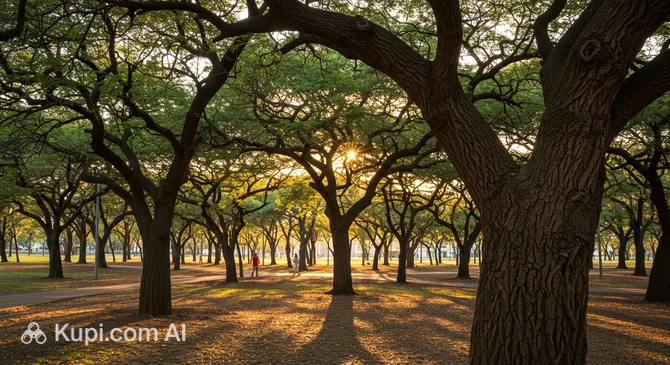
  • The city's commitment to nature goes back to its original blueprints, resulting in one of the highest ratios of green space per inhabitant in the country. This legacy is preserved in areas like the Grove of Grevillea Trees, where native and exotic species planted decades ago continue to provide a lush canopy over the streets.

Cathedral of Maringá. Source: Kupi.Binoculars

How to Get There

Reaching this well-planned city in Paraná is quite straightforward, thanks to its own airport and good road connections with neighboring regions. Most visitors arrive by air or long-distance bus from major Brazilian hubs. You can find more details about how to get to Maringa on our dedicated page, which covers various transport options.

The most convenient entry point is the Regional de Maringá (MGF), located directly in the city. It serves as a key hub for the region, handling a significant number of domestic flights. The airport is situated approximately 10.5 km from the city center, and a taxi or ride-share trip typically takes around 15 to 20 minutes depending on traffic.

Another viable option is flying into Londrina Airport (LDB), located in the neighboring city of Londrina. Although it is about 82.7 km away from Maringa, it offers alternative flight schedules that might suit some itineraries better. The journey from the airport to Maringa by road takes approximately 1 hour 15 minutes to 1.5 hours. This route is often used by those who plan to visit both cities or find better connections through Londrina.

For clarity, here is a summary of the main airports serving the region:

Airport Name City Annual Passengers Km from City
Regional de Maringá Maringa ~820,000 10.5
Londrina Airport Londrina ~784,000 82.7
Cascavel Airport Cascavel ~408,000 236.6
A. De Barros Airport Presidente Prudente ~309,000 147.5
Dr Gastao Vidigal Airport Marilia ~38,000 246.6

Besides air travel, Maringá is well-integrated into Brazil's extensive bus network. The city's bus terminal (Rodoviária) receives frequent services from state capital Curitiba, as well as from São Paulo and Foz do Iguaçu. Traveling by bus is a popular and often budget-friendly way to enjoy the scenic landscapes of Paraná before arriving in the "Green City."

Main Attractions

Maringá offers a delightful mix of architectural wonders and abundant green spaces, reflecting its status as a planned garden city. Visitors can easily spend days exploring its unique monuments, peaceful parks, and cultural institutions, all of which highlight the high quality of life in this region of Paraná.

The most prominent symbol of the city is undoubtedly the Cathedral of Maringá. This architectural masterpiece is famous for its bold, conical shape reaching 124 meters into the sky, making it one of the tallest church structures in Latin America. Visitors are often captivated by its modern design and the stunning stained-glass windows that bathe the interior in colorful light, creating a spiritual and artistic atmosphere that is hard to forget.

For a refreshing escape into nature, the Grove of Grevillea Trees provides a serene environment right within the urban area. This park is a favorite among locals for jogging, walking, or simply relaxing under the shade of the majestic silk oak trees (Grevillea robusta). Its well-maintained paths and vibrant flower beds make it a perfect spot for a leisurely afternoon stroll away from the city noise.

Grove of Grevillea Trees. Source: Kupi.Binoculars

Another gem for outdoor lovers is the Buracão Park (Alfredão), officially known as Alfredo Nyffeler Park. It features a large lake and extensive green areas that attract families and fitness enthusiasts alike. It is an excellent place to enjoy a picnic, watch local wildlife, or engage in sports activities in a safe and scenic setting that exemplifies Maringá's commitment to urban green spaces.

Buracão Park (Alfredão). Source: Kupi.Binoculars

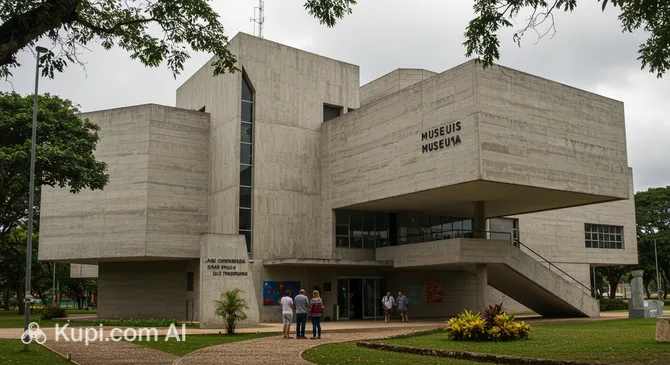
Those interested in science and education should stop by the Interdisciplinary Dynamic Museum (MUDI). Located within the State University of Maringá, this interactive museum offers fascinating exhibits ranging from zoology and anatomy to physics and history. It is a fantastic educational destination, especially for families traveling with inquisitive children who enjoy hands-on learning experiences.

Interdisciplinary Dynamic Museum. Source: Kupi.Binoculars

Local Cuisine

The culinary scene in Maringá is a delicious reflection of its multicultural heritage, blending traditional Southern Brazilian flavors with strong influences from Italian and Japanese immigrants. The city is renowned for its diverse food culture, ranging from bustling street markets to sophisticated dining halls, ensuring that every traveler finds something to satisfy their palate.

One of the most iconic local specialties that you simply must try is the Cachorrão (Big Dog). Far more than a standard hot dog, this Maringá classic is typically pressed and toasted until crispy, filled with double sausages and an abundance of ingredients like bacon, corn, and shoestring potatoes. It is the ultimate comfort food and a source of local pride, widely available at snack bars and street kiosks throughout the city.

Due to the city's significant Japanese community, Maringá boasts some of the best Asian cuisine in the state of Paraná. A unique aspect of the local food culture is the popularity of Yakissoba served at street fairs. Locals flock to the weekly "feiras" (farmers' markets), particularly the night markets, not just to buy fresh produce but to enjoy freshly made pastel with sugarcane juice or a hearty plate of noodles in a lively, communal atmosphere.

For those looking for a variety of gastronomic options in a modern setting, the Fratello Market Hall is a perfect destination. This contemporary food court gathers different culinary styles under one roof, making it an excellent spot for groups who want to sample everything from gourmet burgers to artisanal pizzas and fine wines.

Fratello Market Hall. Source: Kupi.Binoculars

The beverage scene in Maringá has also evolved significantly, with a growing appreciation for craft beers. The region is home to several microbreweries that produce high-quality lagers and ales. A great place to experience this local brewing culture is the Cathedral Brewery Sports Bar, where you can enjoy cold, locally crafted drafts paired with delicious pub snacks. Whether you prefer a traditional caipirinha or a hop-forward IPA, the city's nightlife offers plenty of welcoming spots to unwind.

Travel Tips

Welcome to Maringá! To help you make the most of your visit to this meticulously planned "Green City," we have compiled a set of essential guidelines covering everything from packing requirements to local customs. These practical tips will ensure your stay in Paraná is as smooth and enjoyable as possible.

  1. Clothing and Gear: Since Maringá experiences a subtropical climate, your packing list should depend on the season. For the hot and humid summers (December to March), bring light, breathable fabrics, sunglasses, and high-SPF sunscreen. If you visit during winter (June to August), evenings can get chilly, so a light jacket or sweater is necessary. Comfortable walking shoes are a must year-round, as you will likely spend a lot of time exploring the city's beautiful parks and the vast University campus.

  2. Transportation: Getting around Maringá is quite easy. The public bus system, operated by TCCC, is efficient and covers the entire city, with the central terminal located right downtown. However, for tourists, ride-hailing apps like Uber and 99 are often the most convenient and affordable option. Renting a car is only necessary if you plan to explore the surrounding countryside or neighboring towns; otherwise, the city center is very walkable.

  3. Finances: The local currency is the Brazilian Real (BRL). Credit and debit cards are widely accepted, even by small street vendors and at the local farmers' markets ("feiras"). However, it is always wise to carry a small amount of cash for minor expenses. ATMs are readily available at banks and shopping malls. Tipping is generally 10% in restaurants and is usually included in the final bill as a service charge.

  4. Health and Safety: Maringá is considered one of the safest cities in Brazil, but standard urban precautions still apply. Avoid flashing expensive jewelry or electronics in unlit areas at night. Pharmacies are abundant throughout the city, with major chains like Nissei or Raia often having branches open 24/7. In case of a medical emergency, look for a "UPA" (Emergency Care Unit) or a private hospital if you have travel insurance.

  5. Communication: The official language is Portuguese. While staff at high-end hotels may speak English, it is not widely spoken by the general public. It is highly recommended to download a translation app and offline maps before you arrive. WhatsApp is the primary method of communication in Brazil for everything from restaurant reservations to taxi drivers, so having the app installed is very useful.

  6. Local Etiquette: People in Maringá are generally warm and polite. A handshake is the standard greeting for strangers, while a kiss on the cheek is common between women or between a man and a woman who are acquaintances. When entering a shop or elevator, a friendly "Bom dia" (Good morning) or "Boa tarde" (Good afternoon) goes a long way. The "thumbs up" gesture is universally used to say yes, thank you, or that everything is okay.

  7. What to Avoid: Do not drink tap water, even though Maringá has good water treatment; stick to filtered or bottled water to avoid any stomach issues. Also, avoid assuming that everyone speaks Spanish; while the languages are similar, locals appreciate it more if you try to speak a few words of Portuguese rather than Spanish.

  8. Local Insight: Don't miss the Feiras Livres (Street Markets). They happen on different days of the week in various neighborhoods, but the Night Markets are particularly special. They are not just for buying vegetables but are social events where locals gather to eat pastel (fried pastry) and drink sugarcane juice. It is a safe, authentic, and delicious experience.

By keeping these practical tips in mind, you will be well-prepared to navigate the city with confidence. Whether you are marveling at the Cathedral or enjoying a local snack at a night market, Maringá is a welcoming destination that is easy to love.

Entertainment & Nightlife

Entertainment and Nightlife:

Maringá transforms as the sun sets, revealing a vibrant and energetic nightlife scene fueled largely by its significant university population. The city offers a diverse array of options, from laid-back craft breweries and bustling "botecos" (traditional bars) to lively nightclubs. Whether you are looking for a sophisticated evening of cocktails or a casual night out with friends, the "Green City" has plenty to offer after dark.

The nightlife is decentralized, but certain areas pulse with higher energy. Zona 7, located near the State University of Maringá, is the heart of the student scene, packed with affordable bars and snack joints where the atmosphere is always festive and casual. For a more upscale experience, the avenues around the city center and the Eurogarden district host trendy gastropubs and wine bars that attract a slightly more mature crowd.

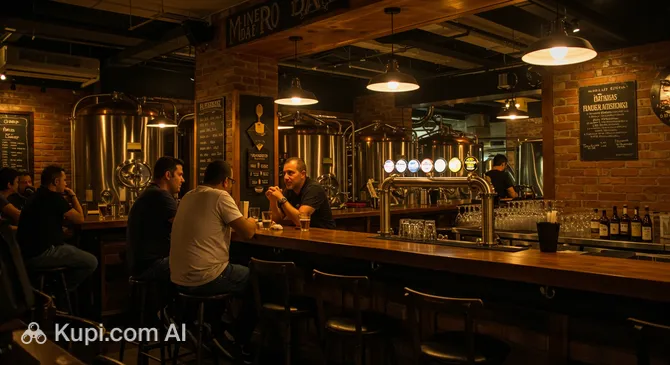
Given the region's booming craft beer culture, visiting a local brewery is a must. Hórus Craft Brewery is a standout destination for beer enthusiasts. Here, you can sample a wide variety of locally brewed styles in a welcoming industrial-chic setting. It is an excellent spot to start your evening, chatting with locals and enjoying the relaxed vibe that defines the city's social life.

Hórus Craft Brewery. Source: Kupi.Binoculars

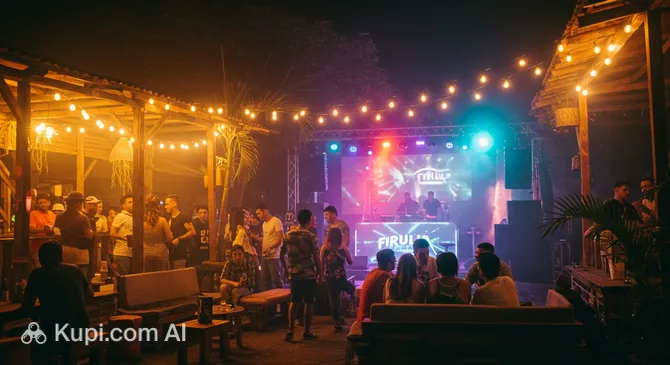
For those who prefer dancing and high-energy music, the city has several clubs that stay open late. Firula Bar is a popular choice among locals for its eclectic mix of music, ranging from Brazilian funk and sertanejo to electronic beats. The venue is known for its stylish decor and lively crowd, making it a perfect place to experience the authentic Brazilian party spirit.

Firula Bar. Source: Kupi.Binoculars

If you enjoy a more traditional Brazilian night out, look for places serving "espetinhos" (skewers). Quintal Espetinhos offers a classic experience where cold beer is paired with delicious grilled meats in an open-air environment. It is the ideal setting for a casual dinner that often turns into a long night of conversation and fun.

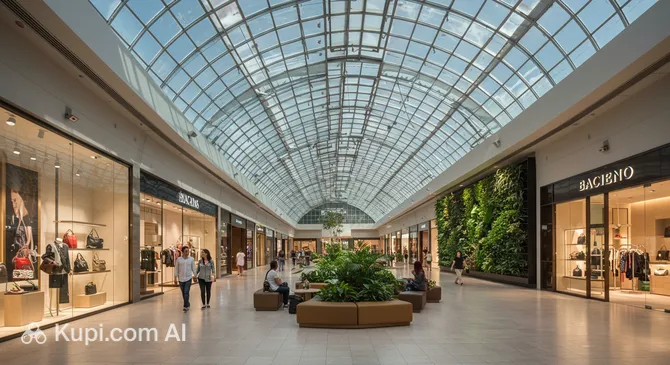
Before the nightlife kicks in, there are plenty of ways to entertain yourself during the day. Maringá is home to modern shopping destinations like the Maringá Park Shopping Center, which features a cinema and various leisure facilities. Additionally, the city's theaters, such as the Teatro Calil Haddad, frequently host plays and musical performances, adding a touch of culture to your itinerary.

Maringá Park Shopping Center. Source: Kupi.Binoculars

Practical Advice for Night Owls:

  • Safety: Maringá is generally safe, especially in busy nightlife districts. However, it is advisable to use ride-sharing apps like Uber or 99 rather than walking long distances alone late at night.
  • Dress Code: The dress code is mostly casual to smart-casual. Jeans and a nice top work well for almost any bar or club.
  • Timing: The party starts late in Brazil. Bars get busy around 9:00 PM, while clubs often don't fill up until after midnight.
  • Prices: Nightlife here is reasonably priced compared to larger capitals like São Paulo. Expect to pay a cover charge (entrada) at clubs and live music venues.

Parks & Museums

Maringá lives up to its reputation as Brazil's "Green City" by offering a remarkable array of preserved woodlands and cultural institutions that celebrate its diverse heritage. The city’s urban planning seamlessly integrates nature with daily life, resulting in vast green areas that serve as sanctuaries for native flora and fauna, alongside museums that document the region's rapid development and multicultural roots.

One of the most beloved natural landmarks is Parque do Ingá, a massive reserve of native Atlantic Forest located just minutes from the city center. Spanning over 47 hectares, this park is the green heart of Maringá and a favorite spot for locals to exercise and relax. It features a large lake with pedal boats, paved walking trails, and a Japanese garden that honors the city's immigrants. Visitors can often spot small monkeys and colorful birds while strolling through the shaded paths, making it a perfect escape from the urban bustle.

Another spectacular green space is the Parque do Japão (Japan Park), which stands as a tribute to the significant Japanese community in the region. Covering a vast area, it is considered one of the largest Japanese gardens in Latin America. The park is meticulously landscaped with koi ponds, traditional bridges, and a tea house, offering a serene environment for meditation and cultural appreciation. It also hosts various cultural events throughout the year, immersing visitors in Japanese traditions right in the middle of Paraná.

For those interested in the history and arts of the region, the Museu de História e Arte Hélenton Borba Cortes is a key destination. Located within the impressive Teatro Calil Haddad complex, the museum preserves the memory of Maringá’s colonization and expansion. Its collection includes photographs, documents, and artifacts that tell the story of the "pioneiros" (pioneers) who built the city. The building itself is an architectural highlight, serving as the main cultural hub for exhibitions and performances.

Science enthusiasts should not miss the Interdisciplinary Dynamic Museum (MUDI). Unlike traditional static museums, this facility focuses on interactive learning and scientific curiosity. It houses diverse collections ranging from zoological specimens to physics experiments, making it particularly engaging for families and students who want to understand the natural world through hands-on experiences.

A hidden gem for sports fans is the Museu Esportivo de Maringá. This unique space is dedicated to preserving the sporting memory of the city and the country, featuring a vast collection of jerseys, trophies, and memorabilia from various disciplines. It offers an intimate look at the local passion for sports and the achievements of athletes from the region.

For a truly authentic experience, try visiting the surroundings of Bosque II (Bosque dos Pioneiros). While less commercial than other parks, it offers a raw look at the native vegetation that once covered the entire region. It is a quieter spot often frequented by residents for morning jogs, providing a glimpse into the everyday lifestyle of this nature-loving city.

Getting Around

Public transport in Maringá is primarily based on an extensive and well-organized bus network, as the city does not have a metro, tram, or train system for urban commuting. The main provider is TCCC (Transporte Coletivo Cidade Canção), which operates a fleet of modern buses connecting all neighborhoods to the central area. The system is designed around the Terminal Intermodal, a large and modern hub located in the city center, where most lines converge, making it easy for tourists to transfer between different routes.

To navigate the city efficiently, it is highly recommended to use the official mobile app, Vou de Ônibus TCCC, or widely used apps like Moovit. These applications allow you to check route schedules, find the nearest bus stop, and track vehicles in real-time. Buses in Maringá are generally safe and clean, operating from early morning (around 5:00 AM) until shortly after midnight. On Sundays and holidays, the frequency of service may be reduced, so planning ahead with an app is advisable.

Regarding payment, the most convenient method is the Passe Fácil electronic card. While cash might be accepted on board for a single ride, having the card allows you to benefit from the "integração" (integration) system. This feature enables passengers to switch buses within a specific time window (usually around one hour) without paying a second fare, provided the transfer takes place at the terminal or designated integration points. You can purchase and recharge the Passe Fácil card at the TCCC sales office located inside the Terminal Intermodal.

As Maringá is known as the "Green City," it offers an excellent alternative for short-distance travel: a shared bike and electric scooter system. Visitors can rent bicycles or scooters from various stations scattered across key locations, such as the Cathedral, Parque do Ingá, and the bus terminal. To use this service, you need to download the specific operator's app (currently Adventure Mobi), register, and unlock the equipment via QR code. Bicycles are often free to use for a limited period (typically up to an hour), encouraging eco-friendly exploration of the city's tree-lined avenues.

For those who prefer more direct and private transportation, ride-hailing apps like Uber and 99 are extremely popular, reliable, and relatively inexpensive in Maringá. They are a great option for evening outings or when carrying luggage. Traditional taxis are also available, mostly found at designated stands near the bus terminal, the airport, and major shopping centers. If you choose a taxi, ensure the meter is running or agree on a price beforehand if traveling a long distance.

A practical tip for tourists is to avoid peak hours (7:30 AM to 8:30 AM and 5:30 PM to 6:30 PM) when buses can get quite crowded with commuters and students. Also, remember that boarding is done through the front door where you tap your card or pay the driver/conductor, and exiting is through the rear doors. The Terminal Intermodal itself is a good landmark to orient yourself; if you ever get lost, finding a bus that heads to the "Terminal" will bring you right back to the heart of the city.

Accommodation

Accommodation in Maringá caters to a diverse mix of business travelers, students, and tourists, reflecting the city's role as a major regional hub. Visitors will find a solid selection of lodging options ranging from efficient budget chains and hostels to comfortable mid-range hotels. While the city does not have an abundance of ultra-luxury resorts, it offers high-quality 4-star establishments that provide excellent service, modern amenities, and the warm hospitality characteristic of Paraná.

For most tourists, the best area to stay is the City Center (Zona 1) or the "Novo Centro." Staying here places you within walking distance of the city's most iconic landmarks, such as the Cathedral of Maringá and the lush Parque do Ingá. This area is safe, well-lit, and surrounded by restaurants and shops. Another convenient option is staying near the Maringá Park Shopping Center, which offers easy access to leisure facilities and dining options right at your doorstep.

Travelers on a tighter budget or those visiting for academic purposes often prefer Zona 7, located near the State University of Maringá (UEM). This neighborhood has a younger vibe, with numerous hostels and affordable inns (pousadas). It is also the center of the city's student nightlife, ensuring that affordable food and entertainment are never far away.

Price Range and Booking: generally, accommodation prices in Maringá are very reasonable compared to larger Brazilian capitals like São Paulo or Rio de Janeiro. A comfortable double room in a well-rated hotel typically falls into the mid-range price bracket. Reservations can be easily made through major online booking platforms, which is recommended to secure the best rates. Direct booking with hotels is also common and can sometimes offer flexibility.

Booking Tip: While finding a room is usually straightforward, the city can get fully booked during major events. The most significant periods to watch out for are the "Expoingá" agricultural fair (usually in May) and the university entrance exams (Vestibular), which bring thousands of visitors to the city. If your trip coincides with these dates, it is essential to book your accommodation several weeks or even months in advance.

Nearby Cities

For those looking to explore the surroundings, Maringa serves as an excellent base for day trips to several interesting nearby locations.

One of the most popular nearby destinations is Apucarana, located just a short drive away. Known nationally as the "Capital of Caps" due to its massive production of baseball caps, the city is also a hub for religious tourism, featuring the impressive Cathedral of Our Lady of Lourdes. It offers a pleasant mix of shopping opportunities and spiritual landmarks.

Another worthwhile stop is Arapongas, often referred to as the "City of Birds." While it is an industrial powerhouse famous for its furniture production, it also boasts the charming Parque dos Pássaros (Bird Park), which is perfect for a relaxing afternoon walk. Additionally, the nearby town of Rolândia is fascinating for history buffs, as it preserves the heritage of German immigrants who settled in the region, offering a distinct cultural flavor and historical museums.

City Population Distance (km)
Apucarana 120,919 50
Arapongas 104,150 50
Paranavaí 81,590 66
Rolandia 63,316 60
Paicandu 35,936 12

These nearby destinations offer a glimpse into the diverse culture and landscapes of the region.

Shopping & Souvenirs

Shopping in Maringá offers a delightful mix of modern convenience and traditional charm, reflecting the city's status as a major regional commercial hub. Visitors can find everything from high-end international brands to unique local handicrafts. The city is particularly known for its fashion industry, with numerous wholesale and retail outlets drawing shoppers from across the state of Paraná.

The heart of the city's street commerce beats along Avenida Brasil. This bustling avenue runs through the center of Maringá and is lined with a wide variety of department stores, clothing boutiques, and electronics shops. Walking down its wide, tree-shaded sidewalks allows you to experience the daily rhythm of the city while browsing for affordable fashion and everyday items. Another key area is the district around Rua Santos Dumont, where you can find more specialized services and smaller, independent boutiques.

For a more climate-controlled experience, the city boasts several excellent shopping centers. The Maringá Park Shopping Center is a favorite among locals and tourists alike for its sophisticated atmosphere. Located near the expansive Parque do Ingá, it features a curated selection of upscale brands, a cinema, and a pleasant food court. Another popular destination is Shopping Avenida Center, which is centrally located and offers a broad range of retail options. For a unique blend of shopping and gastronomy, the Fratello Market Hall provides a modern space where you can purchase artisanal products and enjoy gourmet foods.

Markets are an essential part of the local culture, known as "Feiras Livres." While many focus on fresh produce, the Feira do Parque do Ingá, held on Sunday mornings, is a treasure trove for shoppers looking for non-food items. Here, local artisans display paintings, woodwork, leather goods, and handmade jewelry. It is the perfect place to find a one-of-a-kind gift while enjoying the lively outdoor atmosphere.

When looking for souvenirs to bring back home, consider items that reflect the region's agricultural and cultural heritage. Handmade crafts from the Sunday market are always a good choice, as are products related to the local coffee culture. Additionally, since Maringá is a fashion hub, buying locally designed clothing or knitwear is a great way to take a piece of the city's creativity with you.

Store opening hours in Maringá generally follow standard Brazilian business practices. Street shops typically open from 9:00 AM to 6:00 PM on weekdays and until 1:00 PM on Saturdays, while shopping malls usually operate from 10:00 AM to 10:00 PM Monday through Saturday, with reduced hours on Sundays. Credit and debit cards are widely accepted almost everywhere, including at market stalls, but carrying a small amount of cash is useful for minor purchases.

Regarding tax refunds, Brazil does not have a widespread tax-free shopping system for international tourists comparable to those found in Europe. Visitors should generally expect the price on the tag to be the final price, inclusive of all local taxes, with no refund available at the airport upon departure.

Reached the end of the page?

That means the route is fully explored