Support

Presidente Prudente

About

Presidente Prudente is a dynamic city located in the western region of the state of São Paulo, Brazil. Often referred to as the "Capital of the West Paulista," it serves as an important regional hub for commerce, services, and education. The city offers a welcoming atmosphere that successfully blends modern urban development with well-maintained green spaces, creating a pleasant environment for both residents and visitors.

Geographically, the city is situated relatively far from the coast, characterized by a warm tropical climate that invites outdoor activities throughout the year. With a population of over 220,000 inhabitants, it feels lively yet manageable. Those interested in the past can explore the history of Presidente Prudente to learn how the expansion of coffee plantations and the arrival of the railway played a crucial role in its founding and subsequent growth.
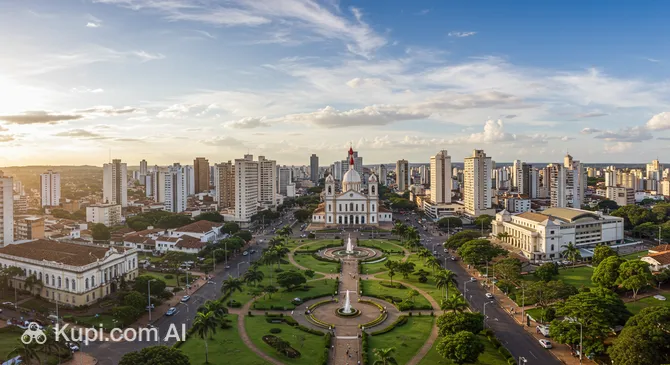
Presidente Prudente. Source: Kupi.Binoculars

Travelers will find several engaging attractions to enjoy during their stay. One of the most famous landmarks is the Cidade da Criança (City of the Child), a vast ecological complex that features a zoo, a planetarium, and a water park, making it an excellent destination for families. The Parque do Povo (People's Park) is another highlight, offering extensive walking paths and leisure areas where locals gather to exercise and relax. For a touch of culture, the Matarazzo Cultural Center hosts various artistic events and exhibitions within a historic industrial setting.

Whether you are visiting for business or leisure, Presidente Prudente offers a comfortable and interesting experience. Its combination of recreational parks, cultural venues, and warm hospitality makes it a noteworthy stop for anyone exploring the interior of São Paulo state.
Weather Overview

The weather in Presidente Prudente is characterized by a tropical climate with distinct wet and dry periods. Generally, the city experiences warm temperatures year-round, making it a welcoming destination for travelers at any time.

From December to March, the weather is typically hot and humid. Average temperatures hover around 27°C, while daily highs frequently reach 31°C. This season is also the wettest, with January recording up to 19 rainy days, so packing lightweight clothing and rain gear is advisable.

The winter months, particularly June through August, bring cooler and significantly drier conditions. During this time, average temperatures drop to approximately 22°C, with refreshing lows around 16°C at night. July is usually the driest month, often seeing almost no rainfall, which creates excellent conditions for outdoor activities.

Interesting Facts

Beyond the main attractions, Presidente Prudente holds many fascinating secrets and historical footnotes that define its identity. From its industrial heritage to impressive urban transformations, the city offers several intriguing details for the curious traveler.

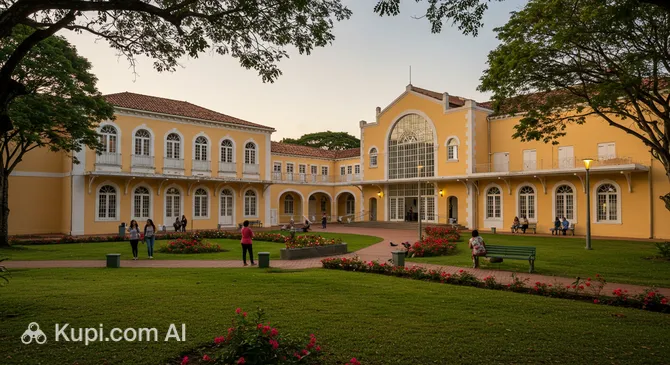
Matarazzo Cultural Center. Source: Kupi.Binoculars
  • The city's name is a tribute to Prudente de Morais, the first civilian president of Brazil. This homage reflects the region's strong connection to the early republican period and the expansion of the state's interior through coffee farming and railways.

  • The Matarazzo Cultural Center occupies a historic industrial complex that once belonged to the powerful Matarazzo family. Formerly a factory processing cotton and cottonseed oil, these preserved red-brick buildings have been reimagined as a vibrant space for cinema, theater, and art, symbolizing the city's cultural evolution.

  • The beloved People's Park is a triumph of environmental recovery and urban planning. It was constructed to rehabilitate a massive erosion gully that threatened the area, transforming a difficult geographical feature into the city's premier linear park for recreation and social gatherings.

  • Presidente Prudente is widely recognized as a major health and educational hub in western São Paulo. It boasts one of the highest ratios of physicians to inhabitants in the country, drawing patients from neighboring states for specialized medical care.

How to Get There

Reaching this destination in western São Paulo is relatively straightforward, with air travel being the most efficient option for those coming from afar. The city is well-connected to major Brazilian hubs, and there are also several regional airports in neighboring cities that offer alternative routes. For a complete guide on transportation options, including driving directions and bus routes, you can read more about how to get to Presidente Prudente.

The most convenient entry point is A. De Barros Airport (IATA: PPB), located directly in Presidente Prudente. It is a compact but functional facility situated just 7.2 km from the city center. Travelers landing here can expect a quick commute; a taxi or transfer typically takes around 30 minutes to reach the heart of the city. While it is a smaller airport, it handles a steady flow of passengers and provides essential connections to the state capital.

If flight availability is limited, you might consider arriving via Londrina Airport (IATA: LDB) in the city of Londrina. This is a larger regional hub located approximately 137 km away. While the airport offers more frequent connections, the transfer to Presidente Prudente is significant, taking about 3 hours and 45 minutes by road. Another alternative is the Regional de Maringá (IATA: MGF) in Maringa, roughly 163 km away, which requires a travel time of over 4 hours.

For clarity, here is a summary of the main airports:

Airport Name City Passenger Traffic Km from City
Regional de Maringá Maringa Medium 163.4
Londrina Airport Londrina Medium 136.9
A. De Barros Airport Presidente Prudente Small 7.2
Aracatuba Airport Aracatuba Small 147.3
Dr Gastao Vidigal Airport Marilia Small 150.9

Main Attractions

Presidente Prudente offers a variety of attractions that cater to nature lovers, culture enthusiasts, and those who enjoy modern conveniences. The city's urban planning successfully integrates leisure spaces with commercial hubs, providing visitors with diverse options for entertainment and relaxation.

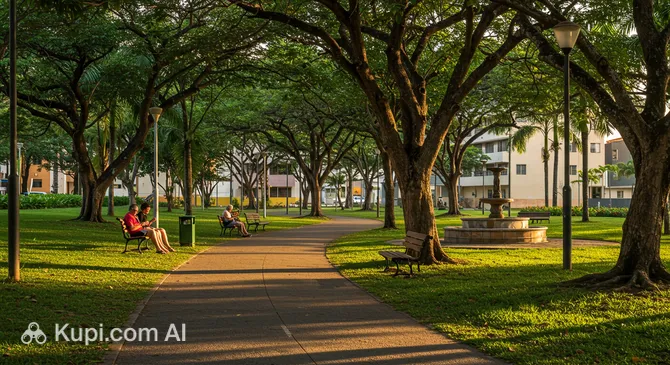
One of the city's most beloved outdoor spaces is People's Park (Parque do Povo). This extensive green area serves as the lungs of the city and is the go-to spot for locals and tourists alike who want to exercise or unwind. The park features well-maintained walking and running tracks, sports courts, and playgrounds for children. It is a perfect location for a morning jog or a late afternoon stroll to enjoy the sunset in a refreshing environment.

People's Park. Source: Kupi.Binoculars

For those interested in the arts and local heritage, the Matarazzo Cultural Center is a must-visit destination. Housed in a beautifully restored former industrial complex, this venue is the beating heart of the city's cultural scene. It hosts a municipal theater, art galleries, and a cinema, offering a rotating schedule of exhibitions and performances. The architecture itself, with its iconic brick chimney, stands as a testament to the city's industrial past while embracing its creative present.

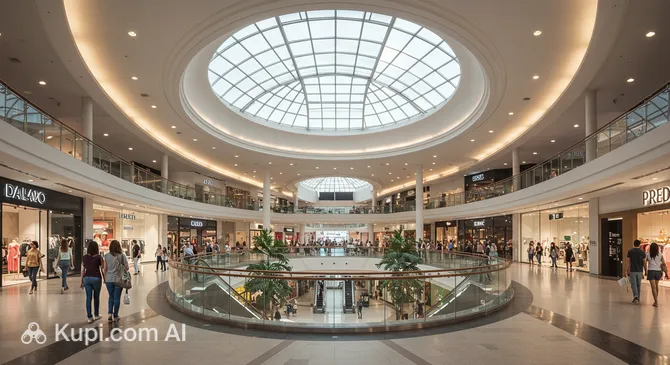
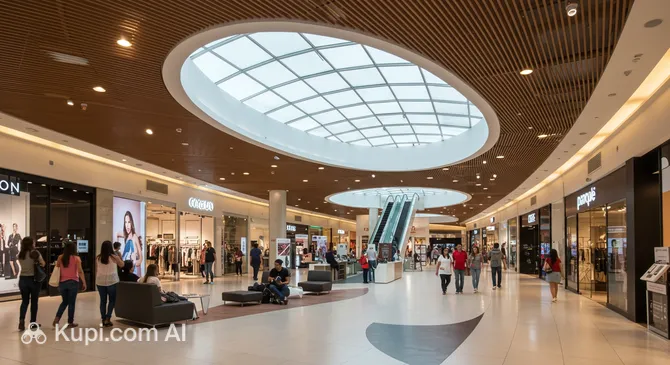
Shoppers will find excellent options for retail therapy and dining. Pruden Shopping is a traditional commercial center in the region, offering a wide range of stores, services, and a lively food court. It is a convenient place to find both local brands and national chains, as well as entertainment options like movie theaters.

Pruden Shopping. Source: Kupi.Binoculars

Another modern destination for shopping is Parque Shopping Prudente. Known for its spacious layout and contemporary design, this mall provides a comfortable atmosphere for families and groups of friends. Besides the variety of shops, it frequently hosts events and cultural activities, making it more than just a place to buy goods but a social gathering point for the community.

Local Cuisine

Local Cuisine:

The culinary scene in Presidente Prudente is a delightful reflection of the interior of São Paulo state, blending traditional countryside flavors with urban variety. As a major agricultural hub, the city is particularly famous for its high-quality meats. Visitors cannot leave without trying a traditional Brazilian churrasco. Steakhouses, or churrascarias, are abundant, serving succulent cuts of beef grilled to perfection, often accompanied by rice, beans, cassava, and vinaigrette salsa.

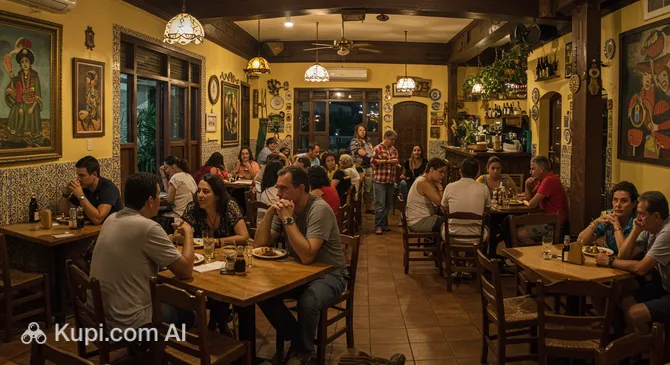
Beyond the barbecue, the "comida de boteco" (pub food) culture is strong here. Locals love to gather after work for savory snacks known as petiscos. Fried treats like coxinha (chicken croquettes) and pastéis (fried pastries with various fillings) are staples found throughout the city. For a taste of this local snacking tradition, you might visit Diça Petiscos, a spot known for its variety of bite-sized delights that pair perfectly with conversation.

Diça Petiscos. Source: Kupi.Binoculars

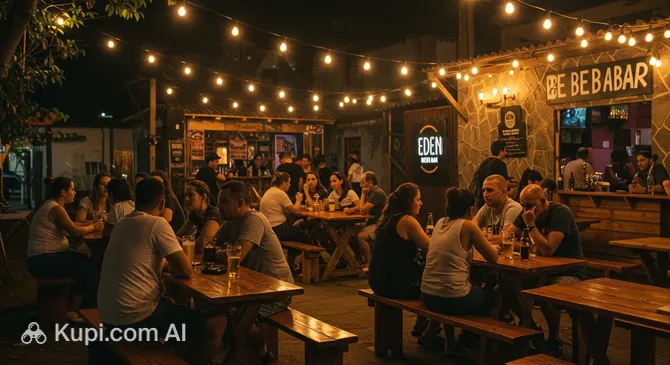
When it comes to drinks, the warm climate makes a cold draft beer, known locally as chopp, the beverage of choice. It is common to see tables lined with icy glasses on warm evenings, serving as a refreshing antidote to the tropical heat. For something more spirited, the classic caipirinha, made with lime, sugar, and cachaça, is a must-try. Establishments like Eden Beer Bar offer a lively atmosphere where visitors can sample different brews and enjoy the local nightlife vibe.

Eden Beer Bar. Source: Kupi.Binoculars

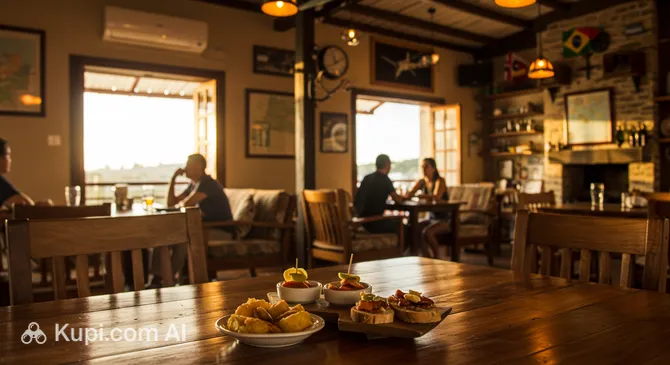
For a more substantial meal in a relaxed setting, the city offers diverse options ranging from pizzerias to contemporary eateries. Mochileiros Casual Restaurant is a popular choice for those seeking a laid-back dining experience with a menu that appeals to various tastes. Whether you are grabbing a quick snack at a street corner or sitting down for a family dinner, the food culture in Presidente Prudente is welcoming and unpretentious.

Travel Tips

Welcome to Presidente Prudente! To ensure your visit to the "Capital of West Paulista" is as smooth and enjoyable as possible, we have compiled a list of essential practical advice. These tips will help you navigate the city with confidence, from packing the right gear to mingling with the friendly locals.

  1. Clothing and Gear: Given the city's tropical climate, lightweight and breathable fabrics like cotton or linen are ideal for most of the year. Summer days can be quite hot, so bring sunglasses, a hat, and sunscreen. If you are visiting between June and August, pack a light jacket or sweater, as evenings can get surprisingly cool. Brazil uses Type N power sockets (three round pins) and Type C (two round pins), and the standard voltage in Presidente Prudente is 127V, so bring a universal adapter if needed.

  2. Transportation: The most convenient way for tourists to get around is by using ride-hailing apps like Uber or 99, which are widely available, safe, and affordable. Public buses cover the entire city, but routes can be confusing for non-locals. Car rental is a good option if you plan to explore the surrounding countryside, but for city-center activities, ride-sharing is sufficient.

  3. Finances: The local currency is the Brazilian Real (BRL). Credit and debit cards are accepted almost everywhere, including small cafes and kiosks. However, it is wise to carry a small amount of cash for street vendors or small tips. ATMs are easily found in banks and shopping malls like Pruden Shopping. Tipping is generally straightforward; a 10% service charge is usually added to the bill in restaurants, and no further tip is expected.

  4. Health and Safety: Presidente Prudente is generally safer than Brazil's large metropolitan capitals, but standard precautions apply. Avoid walking in deserted areas late at night and keep your valuables secure. Pharmacies are abundant, with major chains like Drogasil often open late or 24/7. Since it is a tropical area, using insect repellent is highly recommended to protect against mosquitoes.

  5. Communication: The primary language is Portuguese. English is not widely spoken outside of major hotels or business settings, so having a translation app on your phone is essential. Locals are very active on WhatsApp; many businesses, from restaurants to tour agencies, use it as their main customer service channel. You can purchase a prepaid SIM card at pharmacies or kiosks in the shopping malls with your passport.

  6. Local Etiquette: People in the interior of São Paulo are known for being warm and hospitable. Greetings often involve a firm handshake or, among women or close friends, a kiss on the cheek. The "thumbs up" gesture is universally used to say "yes," "okay," or "thank you." It is polite to greet shopkeepers and service staff with a friendly "bom dia" (good morning) or "boa tarde" (good afternoon).

  7. What to Avoid: Do not drink tap water; always opt for bottled or filtered water to avoid stomach issues. Also, avoid relying solely on English for communication; learning a few basic phrases in Portuguese will go a long way in earning the goodwill of the locals.

  8. Local Insight: Embrace the local rhythm by joining the residents at Parque do Povo in the late afternoon. It is not just a park but a social hub where people gather to exercise and chat as the sun sets. It is the perfect place to experience the true community vibe of the city safely.

By keeping these tips in mind, you will be well-prepared to experience the best of Presidente Prudente. Whether you are here for business or leisure, the city's welcoming atmosphere and organized urban setting promise a memorable and hassle-free stay.

Entertainment & Nightlife

As a lively university hub, Presidente Prudente boasts a vibrant nightlife scene that caters to a diverse crowd. The city's energy shifts noticeably after sunset, moving from the busy commercial streets to social hotspots where locals gather to unwind. The atmosphere is generally relaxed and welcoming, with a focus on socializing with friends over cold drinks and good music rather than exclusive, high-end clubbing.

The epicenter of the city's evening entertainment is undoubtedly the area surrounding the Parque do Povo (People's Park). The avenues flanking this massive green space, particularly Avenida 11 de Maio and Avenida 14 de Setembro, are lined with bustling bars, pubs, and eateries. On weekends, the sidewalks here come alive with people, creating a festive open-air environment. It is the perfect district to start your night, hopping from one venue to another while enjoying the warm tropical breeze.

For those who appreciate a well-crafted brew and a rock-and-roll vibe, Eden Beer Bar is a standout choice. It attracts a slightly alternative crowd and is known for its selection of specialty beers and live music performances. If you prefer a more laid-back setting to begin your evening with hearty food and conversation, Mochileiros Casual Restaurant offers a cozy atmosphere that feels like a traveler's lounge, perfect for groups looking to dine before the night heats up.

Mochileiros Casual Restaurant. Source: Kupi.Binoculars

Beyond the bar scene, the city's modern shopping centers serve as major entertainment hubs, especially for families and couples. Parque Shopping Prudente is a popular destination for night-time leisure, housing a multiplex cinema that screens the latest international and Brazilian blockbusters. The mall also features a variety of dining options and recreational areas, making it a safe and convenient spot for an evening out.

Parque Shopping Prudente. Source: Kupi.Binoculars

Culture enthusiasts will find that the Matarazzo Cultural Center remains active well into the evening. This historic venue frequently hosts theatrical performances, musical concerts, and art exhibitions. Checking their schedule is highly recommended, as attending a show in this converted industrial complex provides a unique glimpse into the local artistic soul.

Regarding practicalities, the dress code in Presidente Prudente is predominantly casual; jeans and a nice top are suitable for almost any bar or club. Nightlife typically kicks off around 9:00 PM, with bars staying open until 1:00 AM or 2:00 AM, while nightclubs may go later. Prices are generally affordable compared to larger capitals like São Paulo. For safety and convenience, it is best to use ride-hailing apps like Uber or 99 to get around at night, rather than walking long distances or hailing street taxis.

During the day, entertainment shifts towards the city's parks and museums. While the nightlife is the main draw for the younger crowd, daytime visitors can enjoy the tranquility of the City of the Child ecological complex or explore the historical museums that document the region's coffee-growing past.

Parks & Museums

Presidente Prudente offers a refreshing balance between urban development and environmental preservation, boasting expansive green areas and cultural institutions that honor its heritage. For tourists, the city provides ample opportunities to connect with nature in well-maintained parks and to explore the region's history through its dedicated museums and galleries.

One of the most significant outdoor destinations is the Cidade da Criança (City of the Child). This massive ecological complex is a favorite for families and nature enthusiasts, covering a vast area of preserved Atlantic Forest. It features a diverse zoo with regional fauna, an astronomical planetarium, and a water park. Visitors can enjoy walking trails, aviaries, and picnic areas, making it a perfect spot for a full day of recreation surrounded by local biodiversity.

Another highlight for nature lovers is the Balneário da Amizade. Located on the outskirts of the city, this recreational park surrounds a large dam and has recently undergone revitalization. It offers a scenic setting for outdoor activities, including walking paths, playgrounds, and spots for fishing or simply enjoying the view of the water. It serves as a tranquil escape from the city center, particularly popular on weekends for its breezy, open atmosphere.

In the urban core, People's Park remains the city's most accessible green lung. While it is a hub for sports and socializing, it also features landscaped gardens and quiet corners for reading or relaxation. Its strategic location makes it an easy stop for a quick immersion in greenery without leaving the convenience of the city streets.

When it comes to culture, the Matarazzo Cultural Center is the undisputed protagonist. Housed in a striking red-brick industrial complex from the 1930s, it serves as a dynamic gallery space. The center regularly hosts rotating art exhibitions, photography displays, and film screenings. The architecture itself is a museum piece, preserving the memory of the Matarazzo industries that were pivotal to the region's economic history.

Within the city's cultural landscape, the Municipal Historical Museum Prefeito Antônio Sandoval Netto is a key institution. Often associated with the Matarazzo complex, this museum safeguards a rich collection of photographs, documents, and artifacts that narrate the founding and development of Presidente Prudente. It provides visitors with a deep dive into the coffee era and the arrival of the railways, offering context to the city's current identity.

For a unique academic and historical perspective, the Regional Museum of Archaeology (Museu Regional de Arqueologia), managed by UNESP, is worth a visit. It houses an impressive collection of indigenous artifacts and archaeological finds from the Paranapanema Valley. This museum offers a fascinating glimpse into the pre-colonial history of the region, showcasing pottery and tools that predate modern settlement.

Insider Tip: If you visit the Cidade da Criança, try to catch a session at the planetarium. It is one of the few in the region and offers a captivating look at the southern hemisphere's night sky, which can be a magical experience after a day of walking through the woods.

Getting Around

Public transportation in Presidente Prudente relies exclusively on a bus network, as the city does not have a metro or tram system. The municipal service is operated by SOU Presidente Prudente and provides comprehensive coverage across the city, connecting residential neighborhoods with the city center, universities, and major shopping malls. The buses are modern and easily identifiable, serving as the primary mode of transit for many residents.

Fares can be paid using the local electronic transport card, Cartão SOU, or with cash. While the card allows for integration between different lines within a specific timeframe, cash payment directly to the driver or conductor is accepted and is often the most convenient option for short-term visitors. The cost of a single ride is affordable and consistent with standards in the state of São Paulo.

Navigation apps such as Moovit and Google Maps are useful tools for planning trips, as they provide real-time information on routes and bus arrival times. The bus service typically operates from approximately 05:00 AM until midnight. Frequency is high during peak business hours but decreases significantly during weekends and late-night periods, so checking schedules in advance is efficient for evening travel.

Ride-hailing apps like Uber and 99 are widely available and offer a convenient alternative for those seeking direct transport. These services are popular for trips to the airport or moving safely between nightlife venues. Traditional taxis are also readily available, typically found at designated stands near the central square, the bus terminal, and commercial centers, operating on a standard meter system.

The central district of Presidente Prudente is compact and conducive to walking, allowing visitors to explore local shops and services on foot. For those renting a car, traffic flow is generally smoother than in larger metropolitan areas. Drivers should be aware of the "Zona Azul" (Blue Zone) parking system in the downtown area, which requires the purchase of a digital or physical ticket to park on the street during business hours.

Accommodation

Accommodation in Presidente Prudente caters largely to business travelers, students, and visitors exploring the western region of São Paulo. The city offers a practical range of options, from efficient budget-friendly hotels and hostels to comfortable mid-range establishments that provide modern amenities. While you won't find sprawling luxury resorts, the hospitality sector is well-developed, focusing on cleanliness, convenience, and good service.

For those prioritizing accessibility, the city center is the most strategic place to stay. Hotels in this area are surrounded by banks, pharmacies, and a variety of shops, making it easy to handle daily needs without a car. Alternatively, the neighborhood around People's Park (Parque do Povo) is excellent for leisure travelers. Staying here offers the benefit of being close to the city's main green space for morning exercises, as well as being just steps away from a vibrant nightlife scene filled with bars and restaurants.

The majority of the city's lodging consists of business-style hotels, many of which belong to reputable national chains. These establishments typically offer essential amenities such as reliable Wi-Fi, air conditioning—crucial during the hot summer months—and complimentary breakfast. For visitors planning a longer stay, furnished apartments and vacation rentals are becoming increasingly available, offering a more home-like atmosphere with kitchen facilities.

Booking Tip: While room availability is generally good throughout the year, the city can get busy during major agricultural fairs, academic conferences, or university entrance exam periods. It is advisable to book your accommodation a few weeks in advance if your trip coincides with these events to secure the best rates and locations.

Price-wise, Presidente Prudente is quite affordable compared to the state capital or coastal tourist destinations. Travelers can expect reasonable rates for high-quality rooms. Most hotels and rentals can be easily booked via major online platforms, though contacting smaller local inns directly can sometimes yield better deals or flexible check-in times.

Nearby Cities

For those looking to explore the surroundings, Presidente Prudente serves as an excellent base for day trips to several interesting nearby locations. The region of Western São Paulo is dotted with charming towns that offer a slower pace of life, outdoor recreational areas, and a glimpse into the agricultural heart of the state.

One of the most popular destinations for leisure is Rancharia, located just a short drive away. The city is famous for its Balneário Municipal, a large recreational area surrounding a dam. It is a favorite spot for locals and visitors alike to enjoy water sports, fishing, and swimming. The area features kiosks, camping grounds, and a sandy beach, making it an ideal location for a relaxing family picnic or a refreshing dip on a hot summer day.

Another worthwhile stop is Presidente Venceslau, a city that shares a strong historical connection with the development of the region. Visitors can explore its well-preserved churches and public squares, which reflect the traditional architecture of the interior. The town is also known for its vibrant agricultural fairs and events that showcase the local culture and produce, offering a genuine taste of rural Brazilian life.

For those interested in urban parks and a pleasant town atmosphere, Adamantina is a great option. Often referred to as the "Jewel of the New Alta Paulista," it is known for its organized streets and abundant green spaces. It provides a peaceful setting for a leisurely afternoon walk and offers a variety of local dining options that highlight regional flavors.

City Population Distance (km)
Dracena 47043 72
Presidente Venceslau 39407 54
Adamantina 35048 57
Osvaldo Cruz 33000 63
Rancharia 29778 52

These nearby destinations offer a glimpse into the diverse culture and landscapes of the region, providing enriching experiences just a short distance from the city center.

Shopping & Souvenirs

Shopping in Presidente Prudente reflects its status as a commercial hub for the western region of São Paulo state. The city offers a balanced mix of bustling street commerce and modern shopping centers, catering to both budget-conscious buyers and those looking for branded goods. Whether you are in search of fashion, electronics, or local artisanal products, the city provides a convenient and varied retail environment.

The heart of the city's traditional commerce is located in the downtown area, particularly along the Calçadão da Rua Tenente Nicolau Maffei. This pedestrian-only street is always vibrant and crowded, lined with a multitude of stores selling clothing, footwear, accessories, and household items. It is the perfect place to experience the local hustle and bustle, find great bargains, and observe the daily life of the residents.

For a more climate-controlled and leisurely experience, the city's malls are the top destinations. Pruden Shopping is a well-established favorite among locals. It features a comprehensive selection of national retail chains, a supermarket, and a wide array of services. It is a go-to spot for everything from quick errands to a full day of browsing and dining.

Another major retail complex is Parque Shopping Prudente. Known for its modern architecture and spacious corridors, this mall offers a comfortable shopping atmosphere. It hosts a variety of fashion boutiques, department stores, and entertainment options, making it a popular choice for families and younger crowds looking for the latest trends.

While there is no central tourist market, the tradition of "feiras livres" (open-air street markets) is strong in Presidente Prudente. These markets rotate through different neighborhoods on specific days of the week, offering fresh produce, cheeses, and homemade sweets. They are also the best places to try traditional street food, such as freshly fried pastel accompanied by sugarcane juice.

When it comes to souvenirs, the region's strong agricultural and rodeo heritage makes country-style apparel a unique buy. You can find high-quality leather boots, belts, and hats in specialized stores, reflecting the local "sertanejo" culture. Additionally, locally produced coffee and artisanal sweets from the interior of São Paulo make for delicious and authentic gifts to take home.

Street shops typically operate from 9:00 AM to 6:00 PM on weekdays and until 1:00 PM on Saturdays, while shopping malls generally stay open from 10:00 AM to 10:00 PM Monday through Saturday, with reduced hours on Sundays. Credit and debit cards are widely accepted throughout the city, even in smaller stalls, though carrying some cash is useful for street markets. Tax-free shopping for tourists is not standard practice in Brazil, so the price you see on the tag is the final price.

Reached the end of the page?

That means the route is fully explored