Support

Dourados

About

Dourados is a vibrant and significant city located in the state of Mato Grosso do Sul, Brazil. Often referred to as the "Model City," it serves as a major economic and cultural hub for the region, renowned for its rich red soil and thriving agricultural sector. With a population of over 180,000 residents, Dourados offers a welcoming atmosphere that perfectly balances modern urban development with the warm hospitality typical of the countryside.

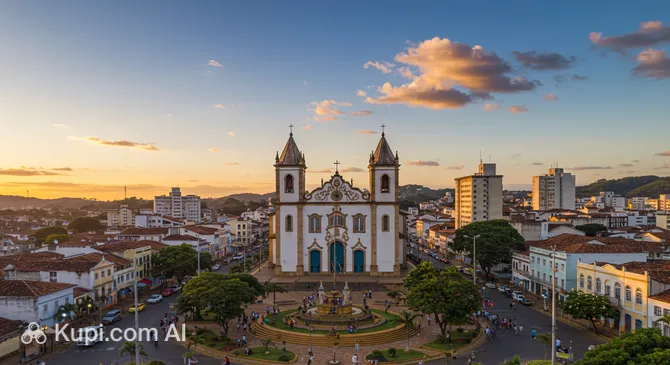
Dourados. Source: Kupi.Binoculars

Geographically, the city is situated in the southern part of the state, boasting a tropical climate that supports its lush greenery and parks. Visitors interested in the local heritage can explore the history of Dourados, which traces its evolution from a modest settlement to an agribusiness powerhouse. The city is also notable for having one of the largest indigenous populations in the country, adding a unique and diverse layer to its cultural identity.

Travelers will find plenty of engaging spots to visit, including the beautiful Parque dos Ipês, a favorite local gathering place for outdoor activities and relaxation. Another key landmark is the Catedral Imaculada Conceição, which stands as an architectural highlight in the city center. Whether you are passing through on business or eager to experience the authentic lifestyle of the Brazilian interior, Dourados invites you to discover its charm and dynamic spirit.

Weather Overview

Dourados typically experiences a warm climate characterized by distinct wet and dry seasons, offering plenty of sunny days throughout the year. The city generally sees hot, humid summers and milder, drier winters. For travelers planning their trip, checking the weather in Dourados is recommended to pack accordingly for the specific season.

During the summer months, from December to March, temperatures are quite high, with averages hovering around 26.8°C and daily maximums frequently reaching 31.5°C. This period is also the wettest time of the year; January, for instance, can experience up to 20 wet days, so carrying an umbrella is advisable if you visit during the start of the year.

The winter season, spanning roughly from June to August, brings a pleasant change with cooler air and significantly less rainfall. July is typically the coolest and driest month, with average temperatures around 20.2°C and nighttime lows dipping to approximately 14.3°C. Precipitation is minimal during this time, with July seeing as few as 3 wet days, making it an excellent time for outdoor activities.

Interesting Facts

Beyond its reputation as an agricultural powerhouse, Dourados holds several fascinating secrets that reveal its unique character and history. This city in the heart of the continent offers a blend of cultural influences and urban planning that sets it apart from other municipalities in the region.

  • The city's name, which translates to "Golden Ones," is derived from the Dourados River. This river was named after the Dourado (Salminus brasiliensis), a fierce and prized golden-colored fish native to the basin, often called the "King of the River" by local anglers.

  • Dourados is widely known as the "Model City" (Cidade Modelo) due to its organized urban planning. Unlike many other towns that grew organically, its center features a checkerboard layout with impressively wide thoroughfares, most notably the expansive Avenida Marcelino Pires, which was designed decades ago to accommodate future growth.

  • The city hosts one of the most populous indigenous areas in Brazil located directly adjacent to the urban perimeter. The Dourados Indigenous Reserve, comprising the Jaguapiru and Bororó villages, creates a rare and immediate interface where the daily lives of the Guarani-Kaiowá, Guarani-Nhandeva, and Terena peoples intertwine with the city's urban routine.

  • Despite its location deep in the Brazilian interior, Dourados has a significant Japanese cultural influence. A wave of Japanese immigration in the mid-20th century played a crucial role in developing the local agricultural sector, and their legacy is celebrated today through monuments, social clubs, and traditional festivals.

  • Ideally positioned near the border, the city is often called the "Portal of Mercosul". Its strategic location, just over 100 kilometers from Paraguay, has made it a vital logistical and cultural hub connecting the state of Mato Grosso do Sul with neighboring South American countries.

How to Get There

Reaching this welcoming city in Mato Grosso do Sul is quite convenient, with options to fly directly into the municipality or arrive via the state capital and continue by road. For travelers looking for detailed routes and logistics, you can find all ways to reach the city on our dedicated transport page. Most visitors choose a combination of air travel and road transport depending on their origin and budget.

The most direct way to arrive is by flying into Dourados Airport (IATA: DOU). Conveniently located just 12 km from the city center, this regional airport handles domestic connections and offers the quickest access to the "Model City." Once you land, a taxi or shuttle transfer to the downtown area typically takes approximately 20 minutes. Although it has a smaller passenger volume compared to major hubs, it provides a hassle-free entry point for those wishing to avoid long drives.

Alternatively, many tourists opt to fly into Campo Grande International Airport (IATA: CGR), located in the city of Campo Grande. Situated about 195 km from Dourados, this is a larger facility with significantly higher passenger traffic, offering a wider range of flight schedules and connections. From Campo Grande, you can rent a car or take a bus to Dourados; the journey by road generally takes around 3 hours by car, while the bus trip usually lasts between 4 and 5 hours depending on the service and traffic conditions.

For clarity, here is a summary of the main airports serving the region:

Airport Name City Passenger Traffic Km from City
Campo Grande International Airport Campo Grande High 194.9
Bonito Airport Bonito Medium 201.2
Dourados Airport Dourados Medium 12.0

While the region is not served by passenger rail, the road network connects Dourados efficiently to neighboring cities. Intercity buses are a very popular and comfortable method of travel in Brazil, frequently departing from Campo Grande and other major hubs to the Dourados bus terminal.

Main Attractions

While Dourados is primarily known as a business and agricultural hub, the city offers several pleasant diversions for visitors, ranging from expansive green spaces to historical landmarks. The local atmosphere is defined by a blend of urban development and nature, with well-maintained parks serving as the main recreational spots for both residents and tourists.

One of the most popular outdoor destinations is Parque Antenor Martins, frequently referred to by locals as Parque do Lago. Situated in the western part of the city, this large park features a scenic lake that serves as a habitat for local wildlife, including waterfowl and occasionally capybaras. It is an excellent location for a morning jog, a family picnic, or simply watching the sunset. The park also hosts various cultural events and fishing festivals throughout the year, making it a lively center of community life.

In the heart of the city lies Praça Antônio João, the central square that acts as the main gathering point for civic events and holiday celebrations. Surrounded by shops and cafes, the square is a great place to observe the daily rhythm of the city. It is also home to the Catedral Imaculada Conceição, a key religious landmark with striking architecture that dominates the downtown skyline. In the evenings, the area often becomes a social hub where locals meet to enjoy the cooler air.

For those interested in the region's industrial heritage, the Usina Velha (Old Power Plant) is a significant site. Built in the mid-20th century to provide electricity to the growing municipality, the structure stands today as a historical monument. Its distinctive chimney and machinery remnants offer a glimpse into the early development efforts that paved the way for the modern infrastructure of Dourados.

To delve deeper into the local narrative, a visit to the Museu Histórico e Cultural de Dourados is highly recommended. The museum houses a collection of photographs, documents, and artifacts that chronicle the city's transformation from a frontier settlement to a major agro-industrial capital in Brazil. The exhibits provide valuable context regarding the diverse communities, including the indigenous populations and immigrants, who shaped the city's identity.

Local Cuisine

The culinary scene in Dourados is a delicious reflection of its unique geography and history, blending traditional Brazilian flavors with strong influences from neighboring Paraguay and a significant Japanese immigrant community. As a major agricultural hub, the city takes pride in its high-quality ingredients, particularly beef, which plays a central role in the local diet. Visitors will find a food culture that is hearty, diverse, and deeply connected to the land.

Meat lovers will feel right at home in Dourados, where Churrasco (barbecue) is a local passion. Thanks to the region's massive cattle industry, steakhouses (churrascarias) are abundant and offer exceptional cuts of meat. However, the most distinctive feature of the local cuisine comes from the Paraguayan border. You must try the Sopa Paraguaia; despite its name translating to "Paraguayan Soup," it is actually a savory, solid corn cake made with cheese and onions, typically served as a side dish or a snack.

Another staple of the region is Chipa, a horseshoe-shaped cheese bread that looks similar to the famous Brazilian pão de queijo but has a denser, crunchier texture. It is sold everywhere, from bakeries to street corners, and makes for a perfect breakfast or afternoon treat. For a main course with a different twist, look for Sobá. Brought by Japanese immigrants, this noodle soup featuring beef broth, omelet strips, and green onions has been embraced by the locals and is a popular comfort food, especially in the evenings.

When it comes to drinks, the undisputed symbol of Dourados and the entire state is Tereré. This is an infusion of yerba mate similar to the southern chimarrão, but prepared with ice-cold water to combat the tropical heat. Drinking Tereré is more than just hydration; it is a daily social ritual. You will often see locals sitting in circles in parks or in front of their homes, passing the guampa (horn cup) around. It is a refreshing experience that tourists are warmly welcomed to join.

Dining in Dourados ranges from sophisticated restaurants to casual street fairs. The city's nightlife often revolves around food courts and open-air markets where you can sample these regional specialties in a relaxed atmosphere. Whether you are enjoying a premium steak dinner or grabbing a warm chipa on the go, the flavors of Dourados offer a genuine taste of the Brazilian interior.

Travel Tips

Visiting Dourados offers a unique glimpse into the authentic lifestyle of the Brazilian interior, but a smooth trip requires a bit of local know-how regarding the climate and customs. These practical tips will help you navigate the "Model City" with confidence, ensuring you enjoy everything from its sunny avenues to its vibrant social traditions.

  1. Clothing and Gear: Given the tropical climate, lightweight and breathable fabrics like cotton or linen are essential for most of the year to handle the heat and humidity. However, if you are visiting during the winter months (June to August), bring a light jacket or sweater, as temperatures can drop significantly in the evenings. Don't forget comfortable walking shoes for the parks and high-SPF sunscreen.

  2. Transportation: While there is a municipal bus system, it can be confusing for visitors who do not speak Portuguese. The most convenient way to get around is by using ride-hailing apps like Uber or 99, which are reliable and affordable in Dourados. If you plan to explore the surrounding rural areas or neighboring towns, renting a car is highly recommended for flexibility.

  3. Finances: The official currency is the Brazilian Real (BRL). Credit and debit cards are widely accepted in hotels, restaurants, and supermarkets. However, it is wise to carry some cash for small purchases, such as buying chipas from street vendors or handicrafts at local fairs. Tipping is usually discretionary, but a 10% service charge is often added to restaurant bills.

  4. Health and Safety: Dourados is generally safer than Brazil's large metropolises, but you should still exercise standard precautions, such as avoiding unlit areas at night and keeping an eye on your belongings. Pharmacies are abundant, especially along Avenida Marcelino Pires, and some operate 24/7. Since it is a tropical area, carrying mosquito repellent is crucial to protect against insect-borne issues like dengue fever.

  5. Communication: The primary language is Portuguese. English is not widely spoken outside of high-end hotels and business environments. Due to the proximity to the border, many locals understand Spanish, but they appreciate it if you try to speak a few words in Portuguese. Downloading an offline translation app and a map is very useful. You can easily purchase a SIM card at pharmacies or newsstands (bancas) with your passport.

  6. Local Etiquette: The people of Dourados are known for their hospitality and warmth. Greetings often involve a handshake or, among acquaintances, a hug or a kiss on the cheek. If you are invited to join a circle to drink Tereré (cold mate tea), accept it as a gesture of friendship. It is a communal activity that signifies inclusion and trust.

  7. What to Avoid: When sharing Tereré, never touch or move the metal straw (bomba) with your hands; doing so is considered rude and unhygienic. Additionally, avoid drinking tap water; always opt for bottled or filtered water to prevent stomach issues during your stay.

  8. Additional Tip: Take advantage of the Feira Central (Central Fair) if you are in town on weekends. It is the best place to experience the local vibe, buy fresh produce, and taste authentic dishes like sobá and sopa paraguaia at affordable prices, offering a true slice of daily life in Mato Grosso do Sul.

By keeping these simple guidelines in mind, you will be well-prepared to embrace the relaxed pace and friendly culture of Dourados. Whether you are here for business or leisure, blending in with the local rhythm will make your experience in this welcoming city truly memorable.

Entertainment & Nightlife

Dourados may be known for its agricultural strength, but its status as a university hub injects a youthful energy into the city's entertainment scene. The nightlife and leisure options are diverse, catering to both students and families. While it lacks the frenetic pace of a massive metropolis, visitors will find a welcoming atmosphere in this part of Brazil with enough variety to fill their evenings and weekends.

For a classic mix of shopping and leisure, Shopping Avenida Center is the primary destination in the city. Located centrally, this mall serves as a community meeting point, offering a wide range of retail stores, a bustling food court, and modern movie theaters. It is the perfect place to catch the latest blockbuster at the cinema or simply enjoy a comfortable, air-conditioned environment during the hotter parts of the day.

When the sun goes down, the city's nightlife comes alive, heavily influenced by the local passion for sertanejo (Brazilian country music). There are numerous bars and pubs scattered throughout the city, particularly near the university districts and along the main avenues. These venues often feature live music performances, cold beer, and a lively crowd, making them ideal spots to experience the local social culture firsthand.

If your visit coincides with the month of May, you are in for a treat with the Expoagro Dourados. This is the largest agricultural and industrial fair in the state and arguably the biggest entertainment event on the city's calendar. Beyond business, the fair features major rodeo competitions, concerts by famous national artists, and a massive amusement park, drawing visitors from all over the region.

Parks & Museums

For visitors looking to unwind or delve into the local heritage, Dourados offers a refreshing selection of green spaces and cultural institutions. The city's urban planning has successfully integrated nature into daily life, resulting in well-maintained parks that serve as the community's "backyard," while its historical venues provide a window into the region's diverse identity and development.

Parque Antenor Martins, widely known as Parque do Lago, is the premier outdoor destination in the city. Centered around a massive lake, this park is a sanctuary for birdlife and a favorite spot for locals to exercise or relax. It features extensive walking trails, sports courts, and plenty of shaded areas for picnics. The park is particularly lively in the late afternoon when residents gather to watch the sunset reflect off the water, and it occasionally hosts fishing competitions that draw participants from across the region.

Another beloved green space is Parque dos Ipês, located closer to the city center. Named after the iconic Ipê trees that bloom in vibrant colors during the dry season, this park offers a more intimate setting for leisure. It is equipped with walking paths, a playground for children, and an open-air theater that often serves as a stage for community events and performances. Its central location makes it an easy and peaceful escape from the bustling commercial avenues nearby.

To understand the roots of this "Model City," a visit to the Museu Histórico e Cultural de Dourados is essential. Located in the old bus terminal building, which itself is a piece of local history, the museum preserves a vast collection of photographs, documents, and objects. The exhibits narrate the story of the National Agricultural Colony of Dourados, the arrival of immigrants from various parts of Brazil and the world, and the enduring legacy of the indigenous populations who have inhabited the land for centuries.

While not a traditional museum, the Usina Velha (Old Power Plant) stands as a crucial monument to the city's industrial past. This architectural landmark symbolizes the modernization efforts of the mid-20th century. Although visitors typically view it from the outside, the site is a powerful reminder of the rapid growth that transformed Dourados into an agricultural powerhouse. It is often illuminated at night, creating a striking visual against the dark sky.

For a quieter and less crowded experience, consider visiting the Parque do Córrego Rego D'Água. This environmental park focuses on the preservation of local water sources and native vegetation. It is an excellent spot for nature enthusiasts who prefer a more rustic atmosphere for walking and observing the local flora and fauna away from the more manicured city parks.

Getting Around

The public transport system in Dourados relies exclusively on a bus network, as the city does not have a metro, tram, or passenger train service. The buses connect the residential neighborhoods to the downtown area and are operated by a single concessionaire, ensuring a standardized look and service level across the fleet. While the network covers most of the urban area, it is primarily designed for the daily commute of local residents.

The heart of the bus system is the Terminal de Transbordo, located centrally near the main commercial district. This terminal serves as the main hub where passengers can switch between different lines to reach their final destination without paying a second fare, provided they remain within the terminal area. The buses are generally identified by their destination signs on the front, and routes typically radiate outwards from this central point to the university campuses, industrial districts, and outlying suburbs.

Regarding payment, the system utilizes an electronic ticketing card, which is the most convenient option for frequent users. However, for tourists visiting for a short period, paying with cash directly to the driver or conductor upon boarding is usually the most practical method. If you choose to pay with cash, it is highly advisable to carry small bills and coins, as change for large banknotes is often not available. The fare is affordable and fixed, regardless of the distance traveled within the urban perimeter.

For many visitors, the most efficient alternative to public buses is the use of ride-hailing apps such as Uber and 99. These services are very popular in Dourados, offering reliable, air-conditioned vehicles that provide relief from the region's intense heat. They are generally inexpensive compared to larger cities and eliminate the language barrier and navigation challenges associated with the bus system. Traditional taxis are also available, mostly found at designated stands near the central square and the bus terminal.

A distinctive feature of transport in this region is the widespread use of mototaxis (motorcycle taxis). You will see designated mototaxi stands throughout the city, and the drivers wear specific vests. This is a regulated service in the city and is often the fastest and cheapest way to get around for solo travelers, although it requires a comfort level with riding on the back of a motorcycle.

Thanks to the city's flat topography, cycling is also a viable option and is popular among locals. Several major avenues, such as Avenida Marcelino Pires, have designated cycle lanes. However, tourists should be mindful of the high temperatures; if you choose to rent a bike or walk, it is best to do so in the early morning or late afternoon to avoid the midday sun. Public transport generally operates from early morning until around midnight, with reduced frequency on weekends and holidays.

Accommodation

Accommodation in Dourados is primarily designed to serve business travelers and regional visitors, reflecting the city's status as an agricultural and educational hub. While you will not find ultra-luxury resorts, the city offers a solid selection of functional and comfortable options. The range typically spans from economical hostels and budget-friendly guesthouses to modern mid-range hotels that provide excellent amenities for a restful stay.

For most tourists, the best area to stay is the City Center (Centro). Staying here places you within walking distance of key landmarks like Praça Antônio João and the Catedral Imaculada Conceição, as well as a variety of dining and shopping options. Hotels located along or near the main thoroughfare, Avenida Marcelino Pires, are particularly convenient, offering easy access to public transport and the rest of the city. This central corridor is well-lit and lively, making it a safe and practical base for exploration.

Another strategic location is the area surrounding the Terminal Rodoviário (Bus Terminal). This district is ideal for travelers passing through or those relying on intercity buses to explore the state of Mato Grosso do Sul. Accommodation here tends to be more utilitarian and budget-conscious, perfect for backpackers or those prioritizing logistics over scenic views. Conversely, the neighborhoods near the universities often have smaller inns and rentals catering to students and visiting academics, offering a quieter, more residential vibe.

When planning your trip, it is important to consider the local event calendar. Dourados hosts major agricultural fairs, such as the Expoagro in May, which draws thousands of visitors. During these peak periods, hotel occupancy rates skyrocket, and finding a room can be difficult. Therefore, it is highly recommended to book your accommodation well in advance if your visit coincides with these large-scale events.

In terms of pricing, Dourados is generally quite affordable compared to major Brazilian capitals. Travelers can expect to find high-quality mid-range rooms at very reasonable rates. Most established hotels are listed on major online booking platforms, making reservations straightforward. However, for smaller, family-run pousadas (inns), contacting the establishment directly via phone or messaging apps can sometimes yield better rates or more personalized service.

Nearby Cities

Dourados is strategically positioned in the southern part of Mato Grosso do Sul, serving as a convenient base for exploring the wider region. The city is connected to several key destinations by a network of highways, allowing visitors to easily reach both the bustling state capital and the vibrant border area. Whether you are interested in urban amenities or cross-border shopping, the surrounding towns offer diverse experiences within a few hours' drive.

The most prominent neighbor is Campo Grande, the state capital located approximately 196 km to the north. As a major economic and cultural center, it offers extensive services and attractions. To the south lies Ponta Porã, situated 101 km away on the dry border with Paraguay. This city is a favorite destination for tourists seeking shopping opportunities in the neighboring Pedro Juan Caballero, creating a unique binational atmosphere.

For those planning a road trip, here is a list of notable cities in the vicinity of Dourados:

City Distance Population
Maracaju 75 km 44,042
Ponta Porã 101 km 88,164
Naviraí 112 km 52,367
Sidrolandia 144 km 42,132
Campo Grande 196 km 906,092

Shopping & Souvenirs

Shopping in Dourados offers a practical and pleasant experience, reflecting its status as a commercial hub for the southern region of Mato Grosso do Sul. While the city is not primarily a shopping destination for international luxury brands, it serves as a vital center where residents from neighboring towns come to find a wide variety of goods. The retail scene is a mix of modern convenience and traditional commerce, ranging from bustling street shops to air-conditioned malls, all characterized by friendly service and reasonable prices.

The heart of the city's commercial activity beats along Avenida Marcelino Pires. This extensive thoroughfare cuts across the city and is lined with an array of stores selling clothing, footwear, electronics, and furniture. Walking down this avenue and its intersecting streets in the downtown area allows visitors to experience the local bustle. It is the best place to find everyday items, banking services, and local Brazilian fashion brands that offer good quality at affordable rates.

For a more modern and relaxed shopping environment, Shopping Avenida Center is the go-to destination. As the main shopping mall in Dourados, it provides a comprehensive retail experience with national chain stores, boutiques, and a large food court. It is a popular spot for families and young people, offering a cool escape from the tropical heat. The mall stays open later than street shops, making it a convenient option for evening browsing and entertainment.

To get a taste of the local culture and produce, a visit to the Feira Central João Totó Câmara is essential. This market is particularly vibrant on weekends and offers much more than just fresh fruits and vegetables. Here, tourists can find stalls selling regional cheeses, homemade sweets, and artisanal crafts. It is an excellent place to interact with local producers and discover the ingredients that define the regional cuisine.

When it comes to souvenirs, the most iconic item to bring back from Dourados is a Tereré kit. Since drinking cold mate tea is a daily ritual here, you will find a wide selection of guampas (cups often made from cattle horn or wood) and bombas (metal straws). Indigenous handicrafts, such as woven baskets and pottery made by the local Kaiowá and Guarani communities, are also meaningful keepsakes that support the local heritage. additionally, jars of local doce de leite or fruit preserves make for delicious gifts.

Store opening hours in Dourados generally follow standard Brazilian business practices. Street shops typically operate from 08:00 to 18:00 on weekdays and from 08:00 to 12:00 or 13:00 on Saturdays, remaining closed on Sundays. The shopping mall, however, usually opens its stores from 10:00 to 22:00 Monday through Saturday, with reduced hours on Sundays (often opening in the afternoon). Credit and debit cards are widely accepted almost everywhere, though carrying some cash is advisable for small purchases at street markets.

Tourists should be aware that Brazil does not typically offer a Value Added Tax (VAT) refund system for international visitors in standard retail stores, and Dourados is no exception. The price you see on the tag is the final price. However, the city is located just over 100 kilometers from the Paraguayan border (Ponta Porã/Pedro Juan Caballero), which is a famous duty-free shopping zone. Many visitors use Dourados as a base to make day trips to the border for tax-free imported goods, although such purchases are made outside the city itself.
Reached the end of the page?

That means the route is fully explored