Support

Campo Grande

Attractions

About

Campo Grande is a captivating metropolis that serves as the capital of the state of Mato Grosso do Sul. Often referred to as "Cidade Morena" (Brunette City) because of its distinctive reddish soil, this planned city offers a unique blend of modern urban infrastructure and abundant nature. As a strategic hub in the Midwest region of Brazil, it provides travelers with a warm and organized atmosphere, characterized by wide, tree-lined avenues and a rich cultural diversity.

Geographically, the city sits on a plateau, providing a pleasant climate that supports its lush greenery. With a population of approximately 906,000 residents, it is a bustling economic center that still manages to maintain a relaxed pace of life compared to other major capitals. The city is renowned for its biodiversity, where it is not uncommon to spot colorful macaws flying over the downtown area.
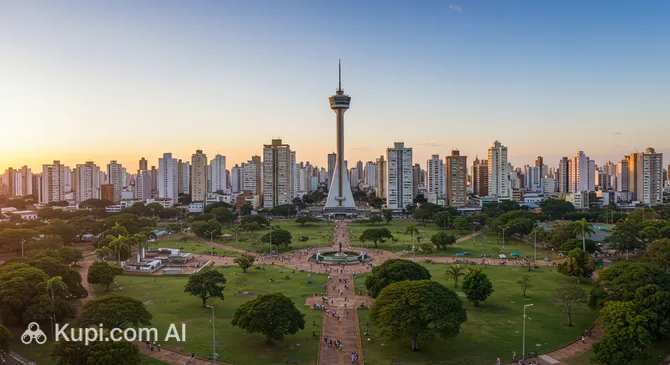
Campo Grande. Source: Kupi.Binoculars

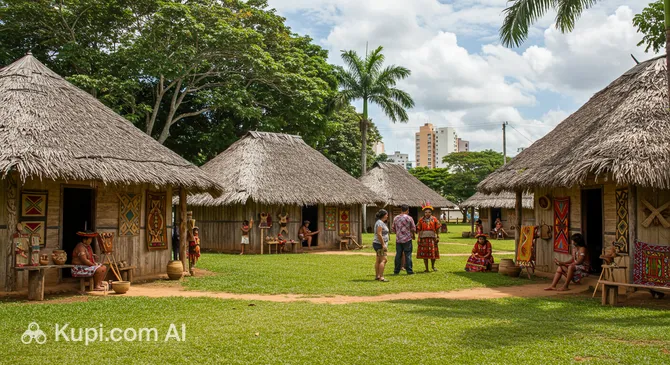
The history of Campo Grande is a fascinating tapestry woven from the traditions of indigenous peoples, cattle ranchers, and immigrants from places as diverse as Paraguay and Japan. This unique heritage is reflected in the local cuisine, festivals, and architecture. Visitors can explore this past while enjoying a city that was designed with quality of life in mind.

For tourists, Campo Grande is widely known as the primary gateway to the Pantanal, one of the world's largest tropical wetland areas. However, the city itself boasts impressive attractions. The Parque das Nações Indígenas is one of the largest urban parks in the world, offering a perfect spot for walking, picnicking, and observing local wildlife like capybaras. Additionally, the Dom Bosco Cultures Museum (Museu das Culturas Dom Bosco) houses a remarkable collection of natural history and indigenous artifacts.

Whether you are passing through on your way to an eco-adventure or staying to enjoy the local hospitality, Campo Grande is a destination that surprises and delights. Its mix of cultural richness, organized urban planning, and proximity to natural wonders makes it a must-visit stop on your journey.
Weather Overview

Campo Grande experiences a tropical climate defined by two distinct seasons: a hot, humid period and a drier, milder season. To help you plan the best time for your visit, it is useful to consult the detailed guide on the weather in Campo Grande before traveling.

The wet season typically runs from October to March, bringing frequent rainfall and warm temperatures. January is often the wettest month, featuring up to 22 rainy days and average highs around 30.4°C. During these months, the city is lush and green, though travelers should be prepared for regular showers.

In contrast, the winter months from May to August offer significantly drier conditions and cooler air. July is usually the driest time of year, with very little precipitation and just a couple of wet days. Temperatures during this season are pleasant, with averages hovering around 22°C and minimums dipping to approximately 16.6°C, making it an excellent time for outdoor exploration. The heat returns intensely in September and October, where maximum temperatures can peak near 33°C.

Interesting Facts

Beyond the well-known avenues and parks, Campo Grande holds fascinating secrets that reveal its unique cultural identity and deep connection with nature. From unexpected culinary traditions to architectural marvels, here are some intriguing aspects of the "Brunette City" that often surprise visitors.
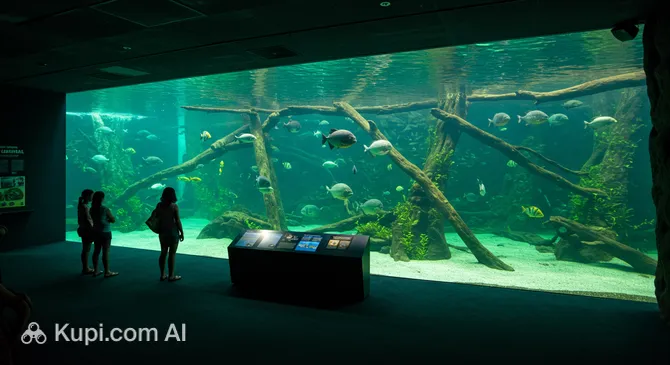
Pantanal Biopark. Source: Kupi.Binoculars
  • A Taste of Japan in Brazil: Campo Grande has a surprisingly strong connection to Okinawa, Japan, due to a large wave of immigration in the early 20th century. This influence is so profound that the local dish, "Sobá" (a noodle soup), was officially declared an intangible cultural heritage of Brazil. Visitors can find specialized "sobarias" throughout the city.

  • A Freshwater Giant: The city is home to the Pantanal Biopark, which is recognized as the largest freshwater aquarium in the world. This architectural masterpiece holds millions of liters of water and showcases the incredible biodiversity of the Pantanal biome and other regions.

  • The City of Macaws: While many cities have pigeons, Campo Grande is famous for its large population of blue-and-yellow macaws that live freely in the urban center. These colorful birds are such a symbol of the city that there is a dedicated tribute to them at the Square of the Macaws, featuring giant sculptures of the birds.

  • Revitalized Tracks: The city has creatively repurposed its history with the Orla Morena. This vibrant linear park was built along the old railway tracks that once divided the city, transforming a former barrier into a beloved leisure space for walking, cycling, and cultural events.

How to Get There

Reaching the capital of Mato Grosso do Sul is a straightforward experience, with the city serving as a major transportation hub for the region. Most visitors choose to arrive by air due to the distances involved in traveling across Brazil, though the city is also well-connected by road. For a comprehensive guide on all available transport options, you can read more about how to get to Campo Grande.

The most convenient way to enter the city is via Campo Grande International Airport (IATA: CGR). Located within the city limits, it sits just 5.3 km from the downtown area. As the primary gateway, it handles a significant volume of passengers annually, connecting the region to major Brazilian hubs. The journey from the terminal to the city center is quick, typically taking around 28 minutes by taxi or ride-share app, depending on traffic.

For travelers planning a wider itinerary across the state, there are other regional airports, though they are located at a considerable distance from the capital. Bonito Airport (IATA: BYO) is situated in the city of Bonito, approximately 209 km from Campo Grande. A transfer from there would be a long journey, taking roughly 5.5 hours by road. Similarly, Dourados Airport (IATA: DOU) is located in Dourados, about 195 km away, with a travel time of around 5 hours to the capital. These are generally used only if your trip specifically includes these destinations before heading to Campo Grande.

For clarity, here is a summary of the main airports:

Airport Name City Passenger Traffic Km from City
Campo Grande International Airport Campo Grande Large 5.3
Bonito Airport Bonito Small 208.9
Dourados Airport Dourados Small 194.9

In addition to air travel, Campo Grande has a busy bus terminal (Rodoviária) that receives long-distance buses from major cities like São Paulo and Brasília. This is a popular and often budget-friendly alternative for those who enjoy seeing the diverse Brazilian landscapes by road.

Main Attractions

Campo Grande offers a delightful array of attractions that blend urban convenience with the stunning natural beauty of the Brazilian Midwest. From expansive green spaces teeming with wildlife to historical buildings that tell the story of the city's development, there is something for every type of traveler to enjoy.

Undoubtedly the most iconic spot in the city is the Indigenous Nations Park (Parque das Nações Indígenas). Covering an immense area, it is one of the largest urban parks in the world and serves as the city's main postcard. Tourists love this place for its scenic lake, walking trails, and the unique opportunity to see animals like capybaras and exotic birds roaming freely. It is also a cultural hub, hosting the Museum of Contemporary Art (MARCO) and offering a perfect setting for a relaxing sunset picnic.

Indigenous Nations Park. Source: Kupi.Binoculars

For a dive into local history and culture, the Morada dos Baís is a must-visit destination. This charming historical building was one of the first masonry constructions in the city, dating back to the early 20th century. Today, it functions as a vibrant cultural center featuring art exhibitions, musical performances, and a restaurant. It is fascinating for visitors because it preserves the architectural heritage of the region while showcasing the artistic talent of Mato Grosso do Sul.

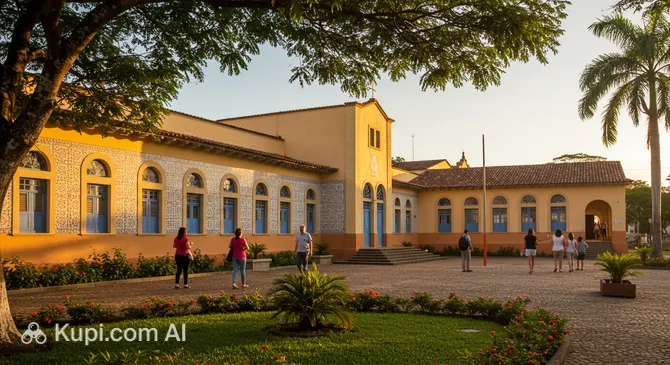
Morada dos Baís. Source: Kupi.Binoculars

Religious architecture enthusiasts should not miss the State Sanctuary of Our Lady of Perpetual Help. Dedicated to the patron saint of Mato Grosso do Sul, this church is known for its unique architecture and spiritual significance. It attracts many visitors not only for its religious services, particularly the famous Wednesday novenas, but also for the peaceful atmosphere and beautiful design that stands out in the cityscape.

Another green oasis worth exploring is the Horto Florestal Park. Located near the city center, this forest garden offers a refreshing escape with its dense vegetation, library, and theater arena. It is an excellent spot for families and nature lovers who want to enjoy a quiet walk or engage in recreational activities without leaving the urban environment. The park reflects Campo Grande's commitment to maintaining green spaces accessible to everyone.

Local Cuisine

The local cuisine of Campo Grande is a fascinating reflection of its multicultural history, blending indigenous roots with strong influences from Paraguay, Japan, and the Brazilian gaúcho tradition. This unique gastronomic fusion makes the city a delightful destination for food lovers, offering flavors that are distinct from the rest of the country.

Undoubtedly, the most famous dish in the city is Sobá. Brought by Japanese immigrants from Okinawa, this noodle soup has become so integral to the local identity that it was declared a cultural heritage of Campo Grande. Unlike the traditional Japanese version, the local Sobá is typically served with a rich beef broth, topped with strips of omelet, green onions, and beef or pork. It is best enjoyed at the city's central fair or specialized restaurants known as "sobarias."

Due to its proximity to the border, Paraguayan influence is heavily felt in local snacks. Visitors must try the Sopa Paraguaia, which, despite its name (Paraguayan Soup), is actually a savory, spongy cornbread made with cheese and onions. Another staple is the Chipa, a cheese bread similar to the Brazilian pão de queijo but with a denser consistency and a horseshoe shape, often sold on street corners.

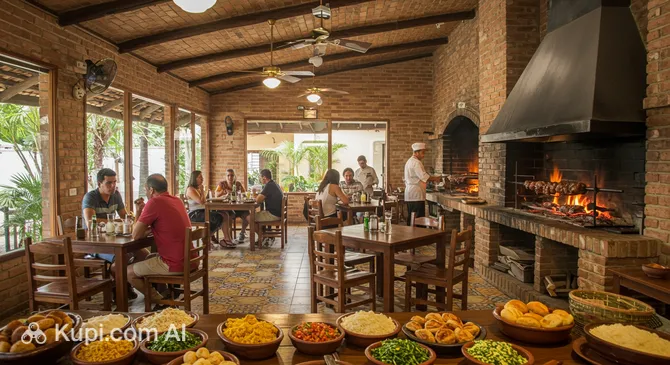
For a substantial meal, the region's cattle ranching heritage shines through in dishes like Arroz Carreteiro (Wagoner's Rice), a hearty mixture of rice and sun-dried beef. Freshwater fish from the nearby Pantanal, such as Pacu and Pintado, are also menu highlights. A great place to experience the variety of local flavors is the Campo Grande Seafood and Grill Restaurant, which offers a range of delicious options in a welcoming setting.

Campo Grande Seafood and Grill Restaurant. Source: Kupi.Binoculars

When it comes to drinks, the undisputed king is Tereré. This is a cold infusion of yerba mate, similar to the hot chimarrão found in southern Brazil but served with ice water to combat the region's heat. It is more than just a drink; it is a social ritual often shared among friends in parks or squares. You will see locals carrying their thermos flasks everywhere, from shopping malls to the Orla Morena, a linear park famous for its food stalls and relaxed atmosphere.

The city's dining scene ranges from casual street food to traditional establishments. For a quick and popular bite, Thomaz Lanches is a well-known spot among residents. If you are looking to unwind after a day of sightseeing, the nightlife offers charming venues like Bar Mercearia, where you can enjoy cold beer and appetizers. Additionally, the historic complex of Morada dos Baís often combines gastronomy with live music, providing a perfect cultural culinary experience.

Travel Tips

Welcome to Campo Grande! To help you navigate this unique blend of urban life and nature with ease, we have compiled a set of essential tips. Whether you are here to admire the city's macaws or are using it as a starting point for a Pantanal adventure, these practical insights will ensure your trip is smooth and enjoyable.

  1. Pack for the Heat and Rain: The climate in Campo Grande is tropical, meaning it is generally hot and humid. Bring light, breathable clothing made of cotton or linen to stay cool. If you are visiting between October and March, a raincoat or travel umbrella is essential for the frequent showers. Don't forget comfortable walking shoes for exploring the large parks.

  2. Getting Around Efficiently: While the city has a bus system, the most convenient option for tourists is using ride-hailing apps like Uber or 99. They are reliable, safe, and relatively inexpensive compared to traditional taxis. If you plan to explore the surrounding regions like Bonito or the Pantanal, renting a car is a good idea, but for the city itself, apps are sufficient.

  3. Money Matters: The local currency is the Brazilian Real (BRL). Credit and debit cards are widely accepted, even in small kiosks and for street food. However, it is always wise to carry a small amount of cash for minor expenses or tipping. ATMs are easily found in shopping malls, supermarkets, and gas stations.

  4. Health and Safety: Pharmacies are abundant, with major chains like Droga Raia and Drogasil often open late or 24/7. Since the city is a gateway to nature reserves, carrying and using insect repellent is crucial to protect against mosquito bites. As for safety, Campo Grande is considered one of the safer capitals in Brazil, but standard precautions apply: avoid walking alone in deserted areas at night and keep an eye on your belongings.

  5. Overcoming the Language Barrier: Portuguese is the official language, and English is not widely spoken outside of major hotels and tour agencies. It is highly recommended to download a translation app for offline use. Locals are generally very helpful and patient, often using gestures or their own phones to help you communicate.

  6. Local Etiquette and Tereré: The people of Campo Grande are known for their hospitality. A common social ritual is sharing Tereré, a cold yerba mate drink. If invited to share a "roda de tereré" (circle of tereré), accept it as a gesture of friendship. Remember not to move the metal straw (bomba) when drinking, as it is considered rude to stir the herbs.

  7. Respect the Wildlife: One of the city's charms is the presence of animals like capybaras, coatis, and macaws in urban parks. Do not feed or touch them. Capybaras, while cute, are wild animals and can carry ticks or bite if threatened. Observe them from a respectful distance to ensure your safety and theirs.

  8. Sunday Leisure Tip: If you are in the city on a Sunday, head to Avenida Afonso Pena near the Parque das Nações Indígenas. Part of the avenue is closed to cars and becomes a vibrant space for walking, cycling, and family activities, offering a great glimpse into the local lifestyle.

By keeping these tips in mind, you will be well-prepared to experience the best of the "Brunette City." Enjoy the warm hospitality, the unique cuisine, and the incredible nature that makes Campo Grande such a special destination in the heart of Brazil.

Entertainment & Nightlife

When the sun sets over the "Brunette City," the heat of the day gives way to a vibrant and welcoming nightlife scene. Campo Grande offers an entertainment landscape that is less about frantic energy and more about socializing, good music, and enjoying the warm tropical evenings outdoors. The local culture is heavily influenced by "Sertanejo" (Brazilian country music), and you will find that many venues, from small pubs to large concert halls, feature live performances of this beloved genre.

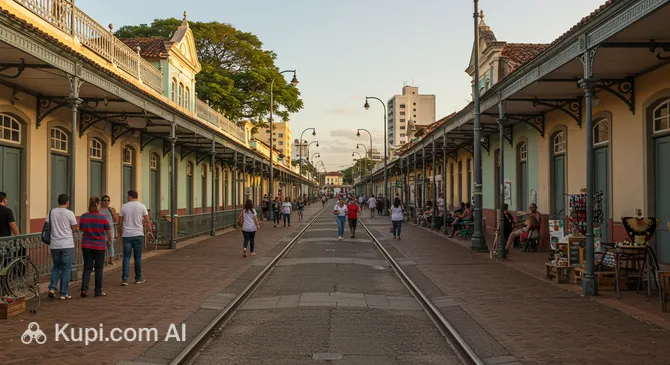
For those looking to explore the heart of the action, Avenida Afonso Pena is the city's main artery and a hub for evening activity. Cruising down this avenue is a local pastime, and it is lined with numerous bars and restaurants. If you prefer a more sophisticated atmosphere with upscale dining and trendy cocktail bars, the Jardim dos Estados neighborhood, particularly along Euclides da Cunha Street, is the place to be. For a more bohemian and historical vibe, the Orla Ferroviária is a revitalized area along the old railway tracks where locals gather for street food, drinks, and casual conversation.

Orla Ferroviária. Source: Kupi.Binoculars

Beer lovers will find a growing craft beer scene in the city. A great spot to sample local and national brews in a relaxed, open-air setting is Beers Hook Park. It is a container-style bar complex that perfectly captures the city's laid-back modern spirit, making it an excellent choice for starting your night. The dress code in most bars is casual to smart-casual; jeans and a nice shirt are perfectly acceptable almost everywhere.

If you are in the mood for dancing or a more high-energy experience later in the night, the city has several nightclubs catering to different tastes. Unica Club is a popular destination for those who enjoy electronic and pop music, often hosting themed parties and DJ sets. Alternatively, Paraiso Bar offers a lively environment that often extends into the early morning hours. Nightlife here typically starts late; bars get busy around 9:00 PM, while clubs usually fill up after midnight.

Regarding safety and logistics, Campo Grande is relatively safe for nightlife compared to larger Brazilian capitals, but it is still important to stay vigilant. Avoid walking long distances in dimly lit or deserted areas late at night. The best way to get around is by using ride-sharing apps like Uber or 99, which are widely available, safe, and affordable. Prices for drinks and cover charges are generally reasonable, offering good value for money.

While the nights are lively, the city also offers plenty of daytime entertainment beyond its natural parks. Shopping enthusiasts can visit the Campo Grande Shopping Mall, a comprehensive center with a cinema, food court, and a wide variety of stores. It is a popular spot for locals to beat the heat, catch a movie, or enjoy a coffee before the evening festivities begin.

Parks & Museums

Campo Grande is widely recognized for its exceptional urban planning, where nature and city life coexist harmoniously. Beyond the massive nature reserves, the city is dotted with charming squares and cultural institutions that offer visitors a deeper look into the daily life and history of the "Brunette City." Exploring these spaces provides a perfect balance of relaxation and education.

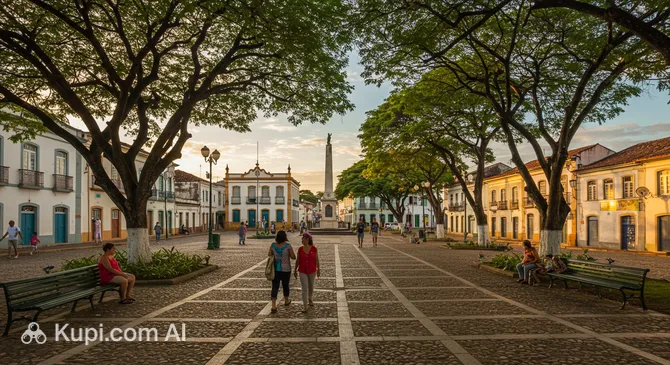
For a true sense of the city's pulse, a visit to Ary Coelho Square is essential. Located in the heart of the downtown area, this historic square is a lush refuge shaded by centuries-old trees. It serves as a traditional meeting point for locals and features a beautiful illuminated fountain, a playground, and a bandstand. It is an ideal spot to take a break from shopping or sightseeing, sit on a bench, and watch the world go by in a setting that has witnessed much of the city's growth.

Ary Coelho Square. Source: Kupi.Binoculars

Another unique green space is Belmar Fidalgo Square. Interestingly, this area was originally a football stadium before being transformed into a sports and leisure park. It retains its athletic spirit, offering excellent infrastructure for running, walking, and various sports courts. The park is a favorite among residents for morning exercises and evening strolls, providing a safe and well-maintained environment right in the center of the city.

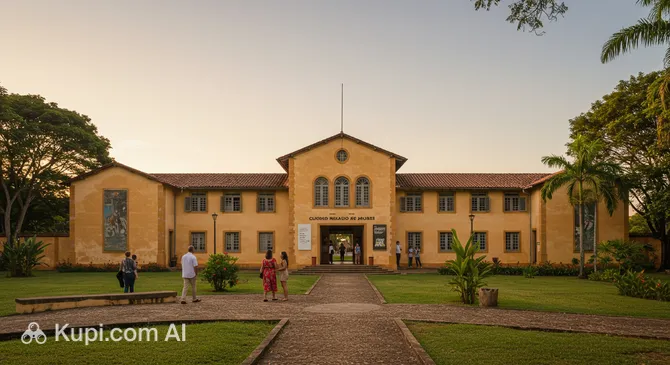
When it comes to culture and history, the Apolônio de Carvalho Memorial of Culture stands out as a significant landmark. This imposing building serves as a guardian of the state's heritage, frequently hosting art exhibitions and cultural events. It is a hub for those interested in the artistic expressions of Mato Grosso do Sul, often housing collections that range from literature to visual arts, reflecting the diverse identity of the region.

Apolônio de Carvalho Memorial of Culture. Source: Kupi.Binoculars

A short distance away, you will find the Obelisk of Campo Grande. This monument is a tribute to the city's founders and a symbol of the start of its urban development. While it is a quick stop, it is an important architectural marker that connects visitors to the pioneering spirit of the past. Nearby, the Pantanal Square offers another glimpse into local life, often serving as a venue for community events.

For those interested in religious architecture and community gatherings, the St. Joseph Parish and the Parish Christ Light of the Nations are welcoming spaces that demonstrate the strong community bonds in Campo Grande. These sites are not only places of worship but also architectural points of interest that contribute to the city's serene atmosphere.

Getting Around

Navigating Campo Grande is relatively straightforward, though the public transport options are more limited compared to larger global metropolises. The city does not have a metro, tram, or train system for passenger commuting. Instead, the public transportation network relies almost exclusively on a comprehensive bus system managed by the Consórcio Guaicurus. These buses cover the entire city and are connected through a system of integration terminals, allowing passengers to switch lines without paying an additional fare as long as they remain within the terminal.

To use the bus system, you will need to pay for your fare using the local electronic ticketing card known as the "Peg Fácil." Cash is generally not accepted directly by drivers on board, so it is essential to be prepared before you travel. You can purchase these cards and load credits at the main transport terminals, such as Terminal Morenão or Terminal General Osório, and at various authorized selling points throughout the city. The fare is affordable, making it a budget-friendly way to get around, though the routes can sometimes be complex for first-time visitors.

For tourists who prefer a more convenient and direct mode of transport, ride-hailing apps are the most popular alternative. Services like Uber and 99 are widely available, safe, and often surprisingly inexpensive. Using these apps eliminates the language barrier associated with explaining destinations to drivers and provides an upfront price. Traditional taxis are also available and can be found at designated stands (ponto de táxi), usually near shopping malls, the airport, and the bus station. They run on a meter, and while reliable, they are generally more expensive than app-based rides.

If you are interested in sightseeing, keep an eye out for the "City Tour" bus. This special service is designed specifically for visitors and offers a guided route through the main historical and cultural attractions of Campo Grande. It typically operates on weekends and holidays, departing from the tourist information point near Afonso Pena Avenue. It is an excellent way to get an overview of the city's landmarks comfortably and safely.

For those who enjoy active travel, Campo Grande offers a growing network of cycle paths, particularly along the main avenues like Afonso Pena and within the large parks. While there isn't a massive public bike-sharing scheme, the flat terrain makes cycling a pleasant option for short distances during the day. When planning your travel, try to avoid the bus system during peak rush hours (early morning and late afternoon) when vehicles can become quite crowded. To help plan your bus routes, apps like Moovit or Google Maps are reliable and work well within the city.

Accommodation

Finding the perfect place to stay in Campo Grande is a straightforward task, as the city boasts a well-organized hotel infrastructure designed to cater to both business travelers and eco-tourists. Thanks to its urban planning, accommodation options are distributed logically across the city, ranging from sophisticated high-rise hotels with modern amenities to budget-friendly inns and hostels. Whether you are looking for luxury or practicality, the "Brunette City" offers welcoming hospitality and excellent value for money.

For those seeking comfort and convenience, the most recommended area is along Afonso Pena Avenue, particularly in the upscale Jardim dos Estados and Chácara Cachoeira neighborhoods. This region is the heart of the city's business and leisure activities, hosting major hotel chains that offer facilities like swimming pools, gyms, and conference rooms. Staying here places you within easy reach of the Campo Grande Shopping Mall and a variety of excellent restaurants. It is also a strategic location for nature lovers, as it is close to the sprawling Indigenous Nations Park, allowing for a pleasant mix of urban comfort and outdoor relaxation.

Travelers on a tighter budget or those who prefer to be in the center of the action will find plenty of options in the Downtown (Centro) area. This district is ideal for those who want to explore the city on foot, offering easy access to historical landmarks such as Ary Coelho Square and the cultural hub of Morada dos Baís. The hotels here are often older but well-maintained, providing a practical base near banks, pharmacies, and popular shopping streets. While the center is bustling during the day, it tends to be quieter at night, so it suits travelers who plan to be out and about during daylight hours.

If your visit is a quick stopover before heading to the Pantanal or Bonito, you might consider the accommodation options near the Bus Station (Rodoviária) or in the Amambaí neighborhood. These areas offer simple, functional lodgings that are perfect for transit passengers. Additionally, there are several hotels located near the airport, providing convenience for late arrivals or early departures. Regardless of where you choose to stay, it is advisable to book in advance during the week, as Campo Grande is a busy corporate destination and hotels can fill up quickly with business travelers.

Nearby Cities

For those looking to explore the surroundings, Campo Grande serves as an excellent base for day trips to several interesting nearby locations:

Aquidauana is often referred to as the "Gateway to the Pantanal" and is a fantastic destination for nature lovers. Located roughly 120 km from the capital, it offers stunning landscapes characterized by the transition between the cerrado and the wetland biomes. Visitors can explore the majestic Serra de Maracaju, enjoy fishing in the Aquidauana River, or visit local ecological farms that provide a glimpse into the region's rich biodiversity and rural lifestyle.

For a unique cultural and shopping experience, Ponta Porã is a popular choice, though it requires a longer drive. Situated on the border with Paraguay, it forms a dry border with the city of Pedro Juan Caballero. Tourists frequently visit to take advantage of the shopping opportunities in the neighboring country, where imported goods are often sold at attractive prices. Beyond shopping, the city offers a fascinating mix of Brazilian and Paraguayan cultures, evident in the local language, food, and customs.

Closer to the capital, Sidrolândia is an accessible option for a quick getaway. Known for its strong agricultural presence, the town offers rural tourism experiences and historical sites related to the old railway lines. It is a peaceful retreat for those wanting to see the countryside without venturing too far from Campo Grande.

City Population Distance (km)
Dourados 182,747 196
Ponta Porã 88,164 257
Aquidauana 47,323 121
Maracaju 44,042 141
Sidrolandia 42,132 63

These nearby destinations offer a glimpse into the diverse culture and landscapes of the region.

Shopping & Souvenirs

Shopping in Campo Grande offers a diverse experience that ranges from modern, air-conditioned malls to vibrant street markets filled with local culture. As a commercial hub for the state of Mato Grosso do Sul, the city provides visitors with excellent opportunities to purchase everything from high-end fashion brands to unique regional handicrafts. Whether you are looking for the latest electronics or a traditional souvenir to take home, the city's retail scene caters to all tastes and budgets.

The heart of the city's commerce beats in the Downtown (Centro) area, particularly along Rua 14 de Julho. This historic street has recently undergone a major revitalization project, widening the sidewalks and burying electrical cables to create a pleasant, open-air shopping environment. Here, tourists can wander through blocks lined with clothing stores, shoe shops, and variety stores. Nearby, Avenida Afonso Pena offers a mix of upscale boutiques and services, serving as the main artery connecting different parts of the city.

For a comfortable shopping experience with all amenities under one roof, the Campo Grande Shopping Mall is the premier destination. Located on Afonso Pena Avenue, it is the most traditional mall in the city, featuring a wide selection of national and international brands, a large food court, and a cinema. It is a favorite spot for locals to escape the midday heat and enjoy some leisure time.

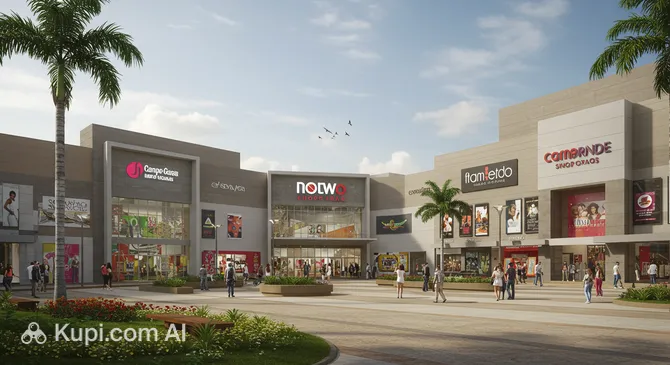
Campo Grande Shopping Mall. Source: Kupi.Binoculars

Another option for visitors is the Spipe Hyper Center, which offers a more practical shopping experience. While smaller than the main regional malls, it provides a convenient stop for essentials and quick purchases. The city also boasts other large commercial centers like Shopping Norte Sul Plaza and Shopping Bosque dos Ipês, ensuring that wherever you are staying, a modern retail center is likely nearby.

To truly understand the local culture, a visit to the Mercadão Municipal (Municipal Market) is essential. This bustling market is a sensory delight, packed with stalls selling medicinal herbs, exotic fruits, cheeses, and spices unique to the region. It is the best place to find authentic ingredients and chat with friendly vendors.

Another highlight is the Feira Central (Central Fair). While famous for its food stalls serving the traditional Sobá noodles, it is also a fantastic place to shop. The fair occupies a large covered space and features numerous stands selling clothing, electronics, and artisanal goods. It typically opens in the late afternoon and runs into the night, making it a perfect spot for evening shopping and dining.

When looking for gifts to bring back, items related to the Tereré culture are the top choice. You can buy beautiful "guampas" (cups made from cattle horn or wood) and "bombillas" (metal straws), along with bags of locally produced yerba mate. Indigenous handicrafts are also highly prized, particularly ceramics produced by the Terena people and baskets woven by the Kadiwéu, which feature distinctive geometric patterns. For a sweet treat, look for jars of "doce de leite" or fruit preserves made from native fruits like guavira and bocaiúva.

Store hours in Campo Grande are generally consistent. Street shops in the downtown area typically open from 8:00 AM to 6:00 PM on weekdays and until noon or 1:00 PM on Saturdays, remaining closed on Sundays. Shopping malls operate daily from 10:00 AM to 10:00 PM, although on Sundays, the stores may open later (around 2:00 PM) while the food courts open earlier. Credit and debit cards are widely accepted everywhere, from large department stores to market stalls. However, carrying some cash is recommended for small purchases at street fairs. Tax-free shopping is not a standard practice for tourists in Brazil, and VAT refunds are not typically available.

Reached the end of the page?

That means the route is fully explored