Support

Bonito

About

Bonito is widely considered the capital of ecotourism in Brazil, offering visitors a unique blend of adventure and relaxation amidst breathtaking natural scenery. This charming town is renowned for its crystal-clear rivers, spectacular caves, and lush vegetation, creating an atmosphere that feels like a true paradise for nature lovers. The commitment to sustainable tourism here ensures that the pristine environment remains preserved for future generations to enjoy.

Located in the state of Mato Grosso do Sul, the city is situated in a region rich in limestone, which acts as a natural filter for the water, resulting in its famous transparency. With a population of approximately 37,500 residents, the town maintains a welcoming, small-town vibe despite its international fame. While the history of Bonito began with agricultural roots, it has evolved into a premier destination where visitors can immerse themselves in the wonders of the natural world.

Bonito. Source: Kupi.Binoculars

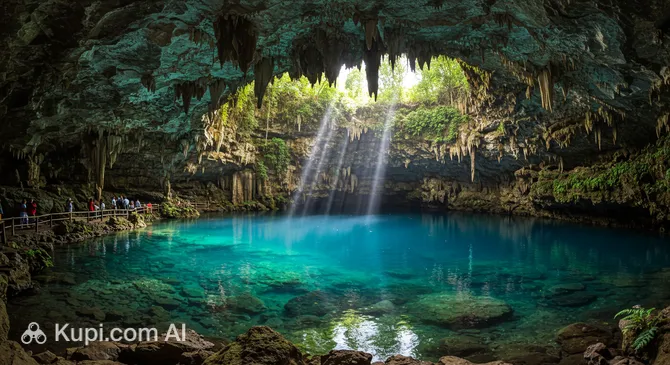
Travelers are drawn to Bonito for its exceptional outdoor activities. The Gruta do Lago Azul (Blue Lake Cave) is an iconic landmark, featuring a stunningly deep blue underground lake that captivates all who see it. Another highlight is the experience of flutuação (floating) down rivers like the Rio da Prata or the Rio Sucuri, where you can snorkel alongside diverse fish in water as clear as an aquarium. From rappelling down waterfalls to exploring underground caverns, the area offers endless excitement.

If you are planning a trip to South America, Bonito is a destination that should not be missed. Its combination of accessible adventure, safety, and unparalleled natural beauty makes it the perfect place to disconnect from the busy world and reconnect with nature.

Weather Overview

Bonito generally enjoys a tropical climate characterized by two distinct seasons: a hot, wet summer and a cooler, drier winter. Visitors can typically expect warm temperatures year-round, though the nights can get crisp during the winter months. To help you pack appropriately for your trip, it is helpful to review the detailed weather in Bonito before you go.

The summer season, spanning from December to March, brings the highest temperatures and the most rainfall. During this time, average temperatures hover around 26°C to 27°C, with daily highs frequently reaching 31°C. This is the wettest part of the year, with January seeing up to 19 wet days, which keeps the surrounding vegetation lush and vibrant.

From June to August, the weather becomes milder and significantly drier. Average temperatures drop to approximately 21°C, and nights can be cooler, with lows dipping to around 15.6°C in July. This period sees much less rain, with July recording only about 5 wet days, making it a popular time for visitors seeking clear skies and comfortable outdoor conditions.

Interesting Facts

Beyond the main attractions, Bonito holds many fascinating secrets and geological marvels that make it a truly unique destination. Here are some intriguing facts about this ecotourism hub:
  • Prehistoric Treasures: The famous Gruta do Lago Azul is not just a scenic spot; it is also a significant paleontological site. In 1992, a diving expedition discovered fossils of extinct megafauna submerged in the lake, including the remains of a giant ground sloth and a saber-toothed cat that lived thousands of years ago.

  • A Model for Sustainability: Bonito employs a pioneering "Digital Voucher" system that is considered a benchmark for ecotourism in Brazil and the world. Visitors cannot simply buy tickets at the entrance of attractions; everything must be booked through local agencies to strictly control visitor numbers and minimize environmental impact.

  • Hidden Giants: The Abismo Anhumas is a cave accessed only by a 72-meter rappel through a small crack in the ground. Inside, it reveals a massive underground lake housing some of the world's tallest submerged limestone cones, which stand nearly 20 meters high.

  • Nature's Comeback: The Buraco das Araras, a massive sinkhole now famous for its red-and-green macaws, has an inspiring history of restoration. It was once used as a garbage dump until a local resident purchased the land and cleaned it up, transforming it into the thriving wildlife sanctuary seen today.

How to Get There

Reaching the eco-tourism capital of Brazil requires a bit of planning, but the journey is part of the adventure. While the city is tucked away in the countryside of Mato Grosso do Sul, it is accessible via regional flights and well-maintained roads. For a comprehensive look at all transport options, including driving directions and bus schedules, you can read more about how to get to Bonito.

The most convenient entry point is the local Bonito Airport (IATA: BYO). This regional airport is located just 13.4 km from the city center, making the final leg of your trip a quick 15 to 20-minute taxi or transfer ride. Although it is a small facility with limited passenger traffic, it receives direct flights from major hubs like São Paulo, allowing travelers to land right on the doorstep of their destination.

However, many visitors opt to fly into Campo Grande International Airport (IATA: CGR) in the state capital. Situated approximately 202.6 km from Bonito, this airport serves as a major gateway with significantly higher passenger traffic and more frequent flight connections. From Campo Grande, you can take a rental car, shared van, or bus to reach Bonito. The road trip typically takes between 4 to 5 hours, offering a scenic drive through the Brazilian heartland.

For clarity, here is a summary of the main airports serving the region:

Airport Name City Passenger Traffic Km from City
Campo Grande International Airport Campo Grande Large 202.6
Bonito Airport Bonito Small 13.4
Dourados Airport Dourados Small 200.6
Corumba International Airport Corumba Small 265.1

Main Attractions

Bonito is renowned for its unparalleled natural beauty, offering a wide array of activities that range from relaxing river floats to adrenaline-pumping adventures. The city's strict environmental regulations ensure that every site remains pristine, providing an exclusive and intimate experience with nature. Here are some of the top attractions that define this ecotourism paradise.

Gruta do Lago Azul

Often considered the postcard symbol of the region, the Blue Lake Cave is a natural monument that leaves visitors in awe. After descending a staircase carved into the earth, you are rewarded with the sight of a crystal-clear underground lake that glows with an intense, surreal blue hue when sunlight hits the water. It is interesting to tourists not only for its breathtaking visual beauty but also for its geological formations, including massive stalactites and stalagmites that have grown over thousands of years.

Rio Sucuri

For those looking to experience the famous "flutuação" (snorkeling/floating), Rio Sucuri is a must-visit. It is frequently cited as having some of the clearest river water in the world. Visitors don a wetsuit and snorkel gear to float gently down the current, observing a vibrant underwater garden teeming with fish like piraputangas and dorados. The incredible visibility makes it feel as though you are flying through an open-air aquarium, offering a peaceful yet mesmerizing encounter with aquatic life.

Boca da Onça Ecotour

If you prefer hiking and waterfalls, the Boca da Onça complex offers a spectacular trail through the preserved forest. The highlight is the Boca da Onça waterfall, which is the highest in the state of Mato Grosso do Sul, plunging 156 meters into a pool below. This attraction is particularly interesting for adventure seekers, as it features a platform for rappelling that extends over the canyon, providing one of the most thrilling views in the region.

Balneário Municipal

Located very close to the city center, the Balneário Municipal is the perfect spot for a relaxing day out. Unlike some of the more regulated tours, this municipal park allows for more freedom to swim and sunbathe at your leisure in the clear waters of the Formoso River. Tourists love it for the opportunity to swim surrounded by schools of large, friendly fish in a safe and accessible environment, making it an excellent choice for families and those looking for a laid-back afternoon.

Lagoa Misteriosa

True to its name, the Mysterious Lagoon fascinates divers and snorkelers with its unknown depth. Situated at the bottom of a sinkhole, the water is so transparent that visibility can exceed 40 meters. It is a top choice for technical diving and snorkeling because of the sensation of floating over a deep, blue abyss. The lagoon is only open during certain months of the year to prevent algae proliferation, making a visit here a coveted and exclusive experience.

Local Cuisine

The culinary scene in Bonito is a delightful reflection of the Mato Grosso do Sul region, heavily influenced by the Pantanal wetlands and the abundance of fresh water. For food lovers, the town offers a unique opportunity to taste exotic flavors that are hard to find elsewhere. The star of the local menu is undoubtedly freshwater fish, which is prepared in various traditional ways, ranging from simple grilling to rich, creamy stews.

One of the most iconic dishes you must try is Piraputanga. While you will likely see these red-tailed fish swimming alongside you during your river snorkeling tours, they are also a staple of the local diet. The meat is reddish and flavorful, often served baked, fried, or grilled with herbs. Another regional favorite is Pintado a Urucum, a delicious stew made with pintado fish, coconut milk, cream, and urucum (annatto), typically topped with melted cheese. For those who enjoy ribs, the Costela de Pacu (pacu fish ribs) is a celebrated delicacy known for its tender texture.

For the more adventurous palate, Bonito offers the chance to taste jacaré (alligator meat). It is widely available in local restaurants and is considered a sustainable delicacy in the region. The meat is white and firm, often described as tasting like a cross between fish and chicken. It is commonly served as an appetizer (fried chunks) or in moquecas (stews), providing a memorable gastronomic experience that defines the adventurous spirit of the area.

When it comes to drinks, the region has its own distinct identity. You should sample the Guavira, a small, sweet fruit native to the cerrado that is often used in juices, ice creams, and caipirinhas. Another local legend is Taboa, a artisanal cachaça blended with honey, cinnamon, guaraná, and natural herbs. It is traditionally served in a clay cup and has become a cultural symbol of the city. Locals also frequently drink Tereré, a cold infusion of yerba mate that is perfect for cooling down on hot days and is a central part of social gatherings.

The dining culture in Bonito is concentrated primarily along the main street, Rua Coronel Pilad Rebuá. Here, the atmosphere comes alive at night as tourists return from their day trips. The street is lined with a variety of establishments, from rustic eateries serving hearty "prato feito" (set meals) to charming bistros offering refined regional cuisine. The vibe is relaxed and welcoming, often accompanied by live regional music, making it the perfect place to unwind and share stories of your underwater adventures over a great meal.

Travel Tips

Preparing for an adventure in Bonito requires a bit more foresight than the average vacation, largely due to its unique commitment to sustainable tourism. To help you navigate this eco-paradise in Brazil smoothly and make the most of your time in nature, here are some essential practical tips.

  1. Pack for Land and Water: You will spend a lot of time in the water, so bring multiple sets of swimwear and a UV-protective rash guard, which keeps you warm and protects you from the sun without polluting the rivers. However, do not forget comfortable, closed-toe sneakers or hiking boots. They are mandatory for visiting caves like Gruta do Lago Azul and for walking the trails to waterfalls; flip-flops are often not permitted for these activities.

  2. Transportation Logistics: Public transport does not connect the town to the natural attractions, which are often kilometers away on dirt roads. You have two main options: rent a car for flexibility or book shared van transfers (transport) through local agencies when you buy your tours. If you rent a car, an SUV is recommended during the rainy season, though a standard car usually handles the dry roads fine.

  3. Money Matters: The official currency is the Brazilian Real (BRL). While most agencies, hotels, and restaurants in the town center accept credit cards, it is advisable to carry cash for small snacks, souvenirs, or tips. Be aware that prices for attractions are set by the municipality and are non-negotiable, so budget accordingly as this is one of the pricier destinations in the country.

  4. Sunscreen and Chemicals: This is a critical rule in Bonito: the use of sunscreen and insect repellent is strictly prohibited before entering many of the crystal-clear rivers to preserve the water quality and marine life. Apply protection only after your swim, or use physical barriers like wetsuits and long-sleeved shirts while in the water.

  5. Staying Connected: Portuguese is the main language. While guides at major attractions often speak English, staff in smaller shops or restaurants may not; having a translation app on your phone is very useful. Wi-Fi is generally good in hotels and the town center, but expect to lose cell signal completely when driving to remote attractions.

  6. Local Etiquette: The vibe in town is relaxed and safe. It is polite to greet shopkeepers and locals with a "Bom dia" (Good morning) or "Boa tarde" (Good afternoon). On tours, silence is often encouraged to increase the chances of spotting wildlife, so keep your voice down and follow the guide's lead strictly.

  7. What to Avoid: Never arrive at an attraction without a voucher. You will be turned away. Also, strictly avoid touching the limestone formations in caves or standing on the riverbeds during snorkeling tours. Kicking up sediment ruins the visibility for others and damages the ecosystem.

  8. Understand the Voucher System: The most important specific tip for Bonito is that you cannot buy tickets at the attraction gates. You must go to a local travel agency (located in the town center) to purchase a "digital voucher" for every single activity. These slots are limited and controlled to prevent overcrowding, so book your main tours weeks in advance, especially for high-season travel.

By respecting these local guidelines and coming prepared, you will find Bonito to be an incredibly well-organized and welcoming destination. The town's strict rules are exactly what keep its waters so pristine, ensuring that your experience is as magical as the photos suggest.

Entertainment & Nightlife

Bonito may be a small town nestled in the Brazilian countryside, but its nightlife is surprisingly vibrant and full of character. After a long day of snorkeling in rivers or hiking through caves, the energy shifts to the town center, where locals and tourists gather to unwind. The atmosphere is distinctively "rustic-chic," combining the laid-back vibe of an ecotourism hub with lively regional culture. You won't find massive nightclubs or techno raves here; instead, the night is defined by open-air bars, live acoustic music, and animated conversations spilling out onto the sidewalks.

The heart of the action is undoubtedly Rua Coronel Pilad Rebuá, the city's main street. As the sun sets, this avenue lights up with restaurants, souvenir shops, and bars. It is the perfect place for a "footing" (a leisurely walk), allowing you to check out menus and listen to the bands playing before choosing a spot. The crowd is diverse, ranging from backpackers to families, and the dress code is very casual—shorts and flip-flops are the standard uniform, even at night.

One of the most iconic venues in town is the Taboa Bar. It is famous not just for its drinks but for its unique decor; the walls are covered in signatures from visitors from all over the world. Here, you can taste the local "Taboa," a artisanal cachaça mixed with honey, cinnamon, and guaraná, served in a traditional clay cup. The bar usually hosts live music, playing everything from Brazilian Popular Music (MPB) to regional sertanejo, creating a warm and welcoming environment.

For a slightly different evening experience, Projeto Jiboia is a must-visit attraction that operates exclusively at night. It is an educational center dedicated to demystifying snakes, particularly boas and pythons. The session typically starts at 7:00 PM with a humorous and informative presentation, followed by the chance to take a photo holding a snake. It is a fun, safe, and family-friendly way to spend the early evening before heading to dinner.

Another popular spot for nightlife is La Bonita, a bar and restaurant known for its lively atmosphere and cold draft beer. It is a great place to mingle with other travelers and enjoy hearty portions of local appetizers. If you are looking for a place to sit outside and enjoy the warm tropical breeze while listening to a band, this is a top choice. Prices in Bonito's nightlife scene are generally fair but can be slightly higher than in non-tourist towns, reflecting the destination's popularity.

Safety is rarely a concern in Bonito. The town is considered very safe for walking at night, especially along the main strip which is well-lit and patrolled. Since most hotels and inns are located close to the center, many visitors simply walk to and from the bars. If your accommodation is further out, taxis are readily available near the main square, and hotel receptionists can easily call one for you. Rideshare apps may not be as reliable here as in big cities, so keeping a taxi number handy is a good idea.

While the focus is often on nature, the city offers some daytime urban entertainment as well. The Aquário de Bonito offers a glimpse into the region's underwater life without getting wet, featuring tanks with rare species like albino fish and stingrays. For a relaxing break, a stroll through the Praça da Liberdade (Liberty Square) is recommended. It features large sculptures of the region's famous piraputanga fish and serves as a central meeting point for festivals and local events.
Parks & Museums

While Bonito is primarily celebrated as an open-air sanctuary for adventure, the city also maintains charming green spaces and cultural venues that offer a deeper understanding of the region's identity. Beyond the rivers and caves, visitors can explore central gathering spots and unique institutions that preserve the local history and biodiversity, providing a well-rounded travel experience in Brazil.

Praça da Liberdade (Liberty Square) is the beating heart of the city and its most significant urban park. Surrounded by trees and manicured gardens, it serves as the main stage for local festivals and daily social life. The square is famous for the Piraputanga Monument, a striking sculpture of two giant fish that has become the iconic symbol of the town. It is a perfect place for a leisurely afternoon stroll, offering a peaceful atmosphere where you can watch families gather and enjoy the fresh air in the center of town.

For those interested in wildlife conservation, the Bio Park is a notable shelter and educational center located just outside the main urban area. Unlike a traditional zoo, this facility functions as a sanctuary for wild animals that cannot be returned to nature. It offers tourists a chance to see species like anteaters, monkeys, and wolves up close while learning about the importance of protecting the Pantanal and Cerrado ecosystems. It is an inspiring visit for animal lovers and families alike.

In terms of culture, the Casa da Memória Raída stands out as a fascinating museum and storytelling center. This unique space is dedicated to preserving the oral history, myths, and legends of the Bonito region. The venue is filled with rustic decor and historical artifacts, but the real attraction is the storytelling sessions led by the owner, who captivates visitors with tales of the area's pioneers and indigenous roots. It provides an intimate and authentic look at the human side of this natural paradise.

Although often categorized as an attraction, the Aquário de Bonito functions as a living museum of the region's aquatic life. It houses over 60 species of fish found in the local rivers, including rare varieties that are difficult to spot while snorkeling. The exhibitions are designed to be educational, offering detailed information about the behavior and habitat of the marine life, making it an excellent stop for those who want to learn more about what they saw—or missed—during their river floats.

From an architectural perspective, the town is modest and retains a rustic charm, but the Piraputanga Monument remains the most photographed man-made landmark. Its imposing size and artistic representation of the region's most abundant fish make it a focal point of the city's visual identity. At night, the fountain and lights around the sculpture create a beautiful backdrop for photos.

For a truly authentic experience, try to attend an evening session at Casa da Memória Raída that includes a tasting of tea or local treats. It is a rare opportunity to move beyond the standard tourist trail and connect with the soul of the community through the art of storytelling.

Getting Around

Unlike major metropolitan areas in Brazil, Bonito is a small, rural town with a population of under 40,000 people. Consequently, there is no subway, tram, or extensive municipal bus network designed for visitors. The public transport system here is quite different from what you might expect in a large city; it is decentralized and tailored specifically to the needs of ecotourism. For tourists, the primary way to get around is not a city bus, but rather a well-organized system of shared vans and private transfers.

The most common form of "public" transport for reaching attractions is the shared van service (transporte compartilhado). These vans depart from the town center and drive to the various waterfalls, caves, and rivers, which are often located 10 to 60 kilometers away on dirt roads. These services operate on fixed schedules aligned with the tour times. You cannot simply hop on a bus at a street corner; instead, you must book your seat in advance through one of the local tourism agencies, usually at the same time you purchase your activity voucher.

Regarding payment, there are no travel cards, magnetic passes, or turnstiles in Bonito. Payment for shared transport is handled directly at the tourism agencies. You can pay with credit cards, debit cards, or cash when you finalize your itinerary. The cost is generally a fixed round-trip fee per person for each specific attraction. It is important to note that these prices are set and non-negotiable, much like the entrance fees to the attractions themselves.

For getting around within the town limits—for example, from your hotel to a restaurant or the main square—taxis are a reliable option. You can find taxi stands near the central square (Praça da Liberdade). In addition to standard cars, mototaxis (motorcycle taxis) are very popular and affordable in Bonito. They are a quick way for solo travelers to move across town. While some drivers may accept credit cards, it is highly advisable to carry cash (Brazilian Reals) for these short intra-city trips.

Ride-sharing apps like Uber or 99 do exist in the region, but availability can be sporadic compared to big cities. You might find a ride easily in the evening near the town center, but relying on them to return from a distant attraction in the countryside is risky, as cell signal is often non-existent and drivers are scarce in remote areas. Taxis or pre-arranged transfers are much safer bets for long distances.

For those seeking more independence, renting a car is the most popular alternative. This allows you to set your own schedule and visit attractions without waiting for the shared van groups. Many tourists pick up a rental car at the airport upon arrival. Additionally, bicycle rentals are a fantastic eco-friendly way to explore the urban area or visit the nearby Balneário Municipal, which is connected to the town by a paved cycle path tailored for leisure cycling.

A practical tip for all visitors is to plan your logistics the day before. Since transport to attractions is strictly linked to your appointment time, missing your van means missing your tour. Always confirm the pickup point—whether it is your hotel or the agency office—and be ready at least 10 minutes early. The transport system in Bonito is efficient and punctual, designed to ensure you maximize your time enjoying the natural wonders.

Accommodation

Where to Stay:

Finding the perfect place to stay in Bonito is an integral part of the travel experience, as the town offers accommodation options that perfectly complement its reputation as an ecotourism paradise in Brazil. The hospitality infrastructure here is well-developed, ranging from cozy, family-run inns to sophisticated eco-resorts. Whether you prefer to be close to the lively restaurants in the town center or secluded in nature surrounded by wildlife, there is something to suit every traveler's preference and budget.

Pousadas (Inns) are the most popular type of accommodation in the region. These charming establishments often feature rustic decor that reflects the local culture, offering a warm and intimate atmosphere. Many are located within walking distance of the main street, Rua Coronel Pilad Rebuá, making them convenient for visitors who want easy access to shops, bars, and agencies without needing a car. A highlight of staying in a pousada is the traditional Brazilian breakfast ("café da manhã"), typically a lavish spread of fresh tropical fruits, cakes, breads, and juices.

For those seeking luxury and total immersion in the environment, the area boasts several Eco-Resorts and Farm Hotels located slightly outside the urban perimeter. These properties are destinations in themselves, often featuring expansive grounds, private trails, and extensive leisure facilities like swimming pools, sports courts, and spas. Staying in these locations allows you to wake up to the sounds of macaws and toucans right outside your window, providing a peaceful retreat after a day of adventure.

Budget travelers and backpackers will find a welcoming community in Bonito's numerous hostels. Known for their vibrant social atmosphere, these accommodations are excellent places to meet fellow adventurers from around the globe. They usually offer both dormitory-style rooms and private suites, along with communal kitchens and lounge areas. Hostels here are generally clean, safe, and well-organized, reflecting the town's overall high standard of tourism services.

When booking your stay, consider the amenities that matter most for an active trip. Given the warm tropical climate, a swimming pool is a highly desirable feature for cooling off in the late afternoon. Additionally, many hotels and inns have their own in-house tourism agencies or partnerships with local operators. This is incredibly helpful for managing your schedule, as reception staff can assist you with booking the mandatory vouchers for attractions and arranging transport.

Travel Tip: Bonito is a year-round destination, but it gets extremely busy during Brazilian school holidays (July, December, and January) and national long weekends. During these peak periods, occupancy rates can hit 100%. It is highly recommended to book your accommodation several months in advance to secure your preferred location and rates. In the low season, you may find better deals and a quieter atmosphere, but booking ahead is still a wise practice.

Nearby Cities

For those looking to explore the surroundings, Bonito serves as an excellent base for day trips or short excursions to several interesting nearby locations. While the town itself is a haven for ecotourism, the wider region of Mato Grosso do Sul offers diverse experiences, ranging from shopping on international borders to exploring the vast wetlands of the Pantanal.

One of the most accessible options is Aquidauana, located approximately 104 kilometers away. Often referred to as the "Princess of the South," it serves as a primary gateway to the Southern Pantanal. This town is ideal for travelers interested in wildlife observation, fishing, and experiencing the authentic cowboy culture of the Brazilian wetlands. The transition from the limestone plateaus of Bonito to the floodplains of Aquidauana offers a striking contrast in landscapes.

For a completely different experience, Ponta Porã attracts visitors looking for shopping opportunities. Situated on the "dry border" with Paraguay, it sits directly adjacent to the city of Pedro Juan Caballero. Tourists often visit to take advantage of the duty-free shopping available on the Paraguayan side, crossing between the two countries simply by walking across an avenue. It provides a unique cultural mix where Portuguese and Spanish blend seamlessly in daily life.

Below is a list of nearby cities that can be visited, along with their population and distance from Bonito:

City Population Distance (km)
Campo Grande 906092 208
Dourados 182747 212
Corumba 112058 265
Ponta Porã 88164 175
Aquidauana 47323 104

These nearby destinations offer a glimpse into the diverse culture and landscapes of the region, allowing travelers to extend their adventure beyond the crystal-clear waters of Bonito.

Shopping & Souvenirs

Shopping in Bonito is a delightful experience that reflects the town's laid-back atmosphere and strong connection to nature. Unlike major metropolitan areas, you will not find high-end luxury brands or sprawling department stores here. Instead, the retail scene is focused on regional craftsmanship, eco-friendly products, and unique souvenirs that celebrate the local flora and fauna. Visitors can expect to find charming boutiques offering everything from high-quality swimwear and trekking gear to artisanal foods and handmade decor.

The heart of all commercial activity in the city is Rua Coronel Pilad Rebuá. This is the main avenue that runs through the center of town, and it is where the vast majority of shops are concentrated. Strolling down this street in the late afternoon or evening is a popular activity for tourists. The sidewalks are lined with colorful storefronts selling t-shirts with wildlife prints, local art, and beachwear. Because the town is small, you can easily explore the entire shopping district on foot, hopping from one store to another while enjoying the lively vibe of the city center.

Travelers looking for large shopping complexes should manage their expectations, as Bonito does not have traditional shopping malls. The retail infrastructure is composed primarily of street-level shops and small commercial galleries. These smaller centers often house a mix of souvenir stands, clothing boutiques, and tour agencies, offering a more intimate and personalized shopping experience than the generic atmosphere of a large mall.

While there isn't a massive central market, the town is home to several artisan associations and spaces dedicated to local craftsmanship. You can find markets and fairs, often held in or near the main square, where local artisans display their work. These spots are excellent for finding authentic handmade items, such as pottery, wood carvings representing local fish like the Piraputanga, and "bio-jewelry" made from seeds and natural materials found in the Cerrado region.

When it comes to souvenirs, there are a few must-buy items that define the region. The most famous local product is Taboa, a handcrafted cachaça blended with honey, cinnamon, guaraná, and natural herbs. The bottle itself is a souvenir, wrapped in woven straw. Another popular choice is anything made from Guavira, a native fruit of Mato Grosso do Sul; you can find it in the form of liqueurs, jams, and sweets. Additionally, ceramic pieces and plush toys shaped like the region's animals—anteaters, jaguars, and macaws—make for perfect gifts to bring back home.

Store opening hours in Bonito are quite tourist-friendly. While standard businesses operate from 8:00 AM to 6:00 PM, many souvenir shops and clothing stores along the main street stay open much later, often until 9:00 PM or 10:00 PM. This allows visitors to shop after returning from their day tours. Credit and debit cards are widely accepted throughout the town, even for small purchases, though it is always useful to carry some cash for smaller artisan stalls.

Regarding tax-free shopping, tourists should be aware that Brazil does not typically offer a Value Added Tax (VAT) refund system for international visitors on general goods. The price you see on the tag is the final price you pay. Therefore, there is no tax refund paperwork to process at the airport when leaving the country with your purchases from Bonito.

Reached the end of the page?

That means the route is fully explored