Support

Corumba

About

Corumbá, often referred to as the Capital of the Pantanal, is a captivating city located in the state of Mato Grosso do Sul. Situated on the right bank of the Paraguay River, right on the border with Bolivia, it serves as a primary gateway to one of the most incredible natural ecosystems in Brazil. With a population of approximately 112,000 people, the city offers a unique blend of urban energy and raw natural beauty, making it a strategic starting point for eco-tourism adventures.

Locals affectionately call it the Cidade Branca (White City) due to the light-colored limestone soil found in the area. Beyond its natural wonders, the city boasts a significant cultural heritage. Visitors can delve into the fascinating history of Corumbá by exploring its charming streets, which still bear witness to its past as a bustling river port and a strategic military point during the 19th century.
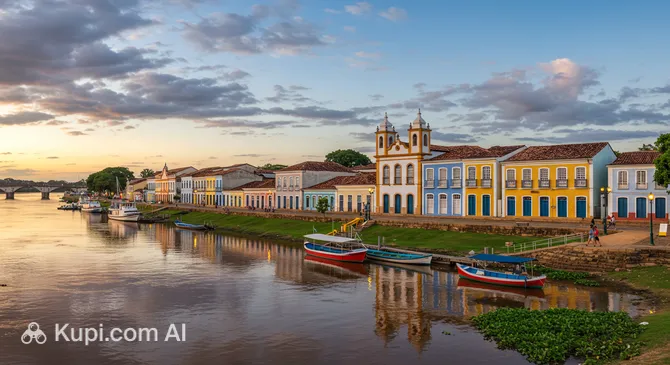
Corumba. Source: Kupi.Binoculars

The city's architecture is a major draw, particularly the Casario do Porto, a collection of historic buildings along the riverfront that has been designated a national heritage site. For those seeking breathtaking views, the Cristo Rei do Pantanal statue sits atop a hill, offering a panoramic outlook over the city and the immense wetlands beyond. Whether you are interested in sport fishing, wildlife observation, or simply soaking up the local culture, Corumbá invites you to experience the heart of the continent.
Weather Overview

The weather in Corumbá is defined by a tropical climate with distinct wet and dry periods, creating varying atmospheric moods throughout the year. Generally warm, the heat intensifies significantly from October through March. During this season, average temperatures stay around 29°C to 30°C, frequently peaking near 35°C in September and October, while humidity levels rise with up to 19 wet days per month early in the year.

The city transitions into a drier and slightly cooler phase from May to August. July is typically the driest month, recording almost no precipitation and just one wet day on average. During these months, the heat subsides to a more comfortable average of 23°C to 25°C, with nighttime lows dipping to around 17°C or 18°C. Expect hot, humid summers with regular rainfall and mild, dry winters ideal for outdoor activities.

Interesting Facts

Beyond the main attractions and its reputation as an eco-tourism hub, Corumbá holds fascinating secrets and historical curiosities that often surprise visitors. Here are some unique insights into the region:
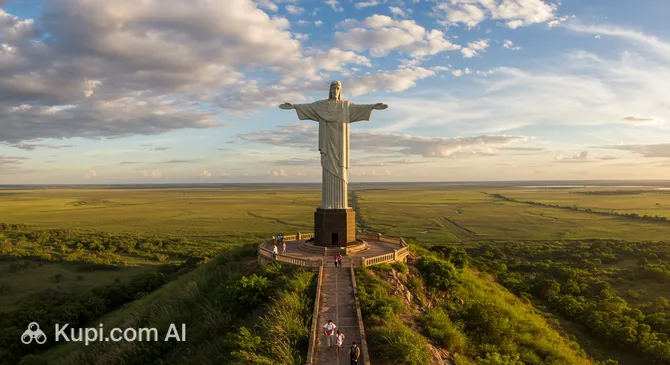
Christ the King of Pantanal. Source: Kupi.Binoculars
  • The journey to the Christ the King of Pantanal is an artistic experience in itself. The path leading up to the summit is lined with 72 distinct statues depicting the Via Sacra (Stations of the Cross), all handcrafted in concrete by the renowned local sculptress Izulina Xavier.

  • Corumbá sits adjacent to the Urucum Massif, a geological giant that contains one of the largest reserves of iron and manganese in the world. This isolated mountain formation rises abruptly from the wetlands, creating a unique micro-environment distinct from the surrounding floodplains.

  • The city shares such a seamless border with Bolivia that it forms a "twin city" dynamic with Puerto Suárez and Puerto Quijarro. This proximity has fostered a unique cultural blend where a hybrid language known as "Portuñol" is commonly heard in daily commerce and street conversations.

How to Get There

Reaching this gateway to the Pantanal is an adventure in itself, with air travel being the most convenient option for most visitors. For a comprehensive guide on all available transport methods, you can read more about how to get to Corumba and plan your journey accordingly.

The primary entry point is the city's own Corumba International Airport (CMG). Conveniently located just 2.3 km from the city center, it serves as the most direct link for travelers. A taxi or transfer from here takes only a short drive to reach downtown hotels. While it is a smaller regional hub with annual passenger traffic of approximately 35,000, it provides essential connections for those exploring the wetlands. You can find more details on the Corumba International Airport page.

Alternatively, travelers might consider flying into Bonito Airport (BYO), located in the city of Bonito. However, it is important to note that this airport is situated about 277.9 km away from Corumba. The transfer from Bonito to Corumba involves a significant overland journey that takes several hours by road. This option is generally chosen by tourists planning to visit both the Bonito eco-tourism region and the Pantanal in a single trip. More information is available on the Bonito Airport page.

For clarity, here is a summary of the main airports:

Airport Name City Passenger Traffic Km from City
Corumba International Airport Corumba ~35,400 2.3
Bonito Airport Bonito ~60,200 277.9

Main Attractions

Corumbá offers a rich tapestry of history, culture, and nature, making it a delightful destination for travelers. From its well-preserved colonial architecture to the breathtaking natural surroundings of the wetlands, the city provides a variety of experiences. Here are some of the main places you should visit to capture the essence of this unique region.

One of the most iconic landmarks is Christ the King of Pantanal. Located on the summit of Morro do Cruzeiro, this imposing statue watches over the city and offers one of the best vantage points in the region. Visitors who make the ascent are rewarded with a spectacular 360-degree view of Corumbá, the Paraguay River, and the vast expanse of the Pantanal. It is a particularly magical spot to watch the sunset, as the fading light reflects off the wetlands, creating a memorable visual spectacle.

Down by the riverfront, the Casario do Porto stands as a testament to the city's golden age. This architectural ensemble consists of historic buildings that date back to the early 20th century, featuring neoclassical influences and vibrant facades. Walking through this area feels like stepping back in time to when the river port was one of the busiest in South America. Today, many of these buildings have been restored and house cultural centers and shops, making it a perfect place for a leisurely afternoon stroll.

For those interested in the deep cultural roots of the area, the Muhpan (Museum of the History of Pantanal) is an essential stop. Housed in one of the historic port buildings, the museum offers a modern and interactive journey through the region's history. Exhibits cover everything from the indigenous peoples and early explorers to the biodiversity of the biome. It provides excellent context for understanding the relationship between the local population and the unique environment they inhabit.

Nature lovers should not miss the opportunity to explore the Estrada Parque Pantanal. While it is a route rather than a single building, this dirt road is considered an open-air zoo and a prime attraction for eco-tourists. Spanning roughly 120 kilometers, it crosses numerous wooden bridges and offers unrivaled opportunities to spot wildlife such as caimans, capybaras, and hundreds of bird species in their natural habitat, all without leaving your vehicle.

Local Cuisine

Local Kitchen:

The culinary scene in Corumbá is a delicious reflection of its unique location at the crossroads of the Pantanal wetlands and the Bolivian border. The local gastronomy is heavily influenced by the abundance of freshwater fish from the Paraguay River, as well as the traditions of the cattle herders and neighboring Andean culture. Visitors can expect a flavorful journey that ranges from hearty river stews to savory street snacks.

River fish is undoubtedly the protagonist of the local table. The most iconic dish is Pintado a Urucum, featuring fillets of Pintado fish breaded and covered in a rich sauce made with cream, mozzarella, and urucum (annatto), served with rice and pirão. Another must-try is the Costela de Pacu (Pacu ribs), often fried or grilled to perfection. For a refreshing break from the heat, locals constantly sip on Tereré, an ice-cold infusion of yerba mate that is a symbol of hospitality in Mato Grosso do Sul.

Due to its proximity to the border, Bolivian flavors are deeply integrated into the city's breakfast habits. It is common to find Salteñas, savory baked pastries filled with meat, potatoes, and slightly spicy seasonings, sold throughout the city in the mornings. These golden treats offer a distinct taste of the cultural exchange that defines daily life in this region.

When it comes to dining out, the city offers excellent venues to experience these regional tastes. One popular destination is Laço de Ouro Steakhouse, known for its traditional atmosphere and robust menu that appeals to meat lovers and those seeking local dishes. For travelers looking for a more casual evening or a quick bite, Grill Burger provides a relaxed setting with a variety of comfort food options.

Travel Tips

Welcome to Corumbá, where the wild beauty of the Pantanal meets historical charm in a vibrant border setting. To ensure your adventure in this unique region is safe, comfortable, and truly unforgettable, we have compiled a set of essential practical tips to guide your journey.

  1. Clothing and Gear: Given the tropical heat, lightweight and breathable fabrics like cotton or linen are essential. However, if you plan to explore the wetlands, bring long-sleeved shirts and trousers to protect against mosquitoes and the strong sun. Comfortable, closed-toe shoes are a must for hiking, and a wide-brimmed hat is highly recommended. Don't forget a universal power adapter (Type N is standard in Brazil) and a high-quality insect repellent.

  2. Transportation: The city center is compact enough to explore on foot, but for longer distances, mototaxis are a popular, fast, and affordable local way to get around. Standard taxis are also readily available. If you intend to drive the famous Estrada Parque or explore at your own pace, renting a robust vehicle, preferably a 4x4 during the wet season, is the best option.

  3. Finances: The local currency is the Brazilian Real (BRL). While hotels and larger restaurants accept credit cards, cash is necessary for small street vendors, local markets, and mototaxis. ATMs are available in the city center, but it is wise to withdraw money before heading into more remote areas of the Pantanal where connectivity is limited.

  4. Health and Safety: Corumbá is generally safe for tourists, but standard precautions apply; avoid walking alone in poorly lit areas at night. Pharmacies are plentiful in the downtown area. Since this is a gateway to the wild, staying hydrated is crucial. Be sure to carry sunscreen and apply repellent frequently to prevent insect-borne issues.

  5. Communication: The main language is Portuguese, and English is not widely spoken outside of major tourist agencies or high-end hotels. Due to the proximity to Bolivia, many locals understand and speak "Portuñol" (a mix of Portuguese and Spanish). Downloading an offline translation app and learning a few basic phrases like "bom dia" (good morning) and "obrigado" (thank you) will be very helpful.

  6. Local Etiquette: The people of Mato Grosso do Sul are known for their hospitality. It is common to see locals sitting in front of their houses sharing Tereré (cold mate tea). If invited to try it, accept it graciously; it is a gesture of friendship. Greetings are warm, often involving a handshake or a light kiss on the cheek.

  7. What to Avoid: Do not swim in the Paraguay River unless you are in a specifically designated safe area or with a guide. The river has strong currents and is home to wildlife such as rays and piranhas. Also, avoid drinking tap water; stick to bottled or filtered water to prevent stomach issues.

  8. Border Shopping Tip: Take advantage of the city's location right next to Bolivia. Many tourists take a quick taxi ride across the border to the "Free Shop" zones in Puerto Suárez or Puerto Quijarro to buy imported goods like electronics, perfumes, and beverages at duty-free prices. Just remember to bring your passport and check the current customs limits.

With these practical tips in hand, you are fully prepared to navigate the "White City" and immerse yourself in the wonders of the Pantanal. Enjoy the warm climate, the rich biodiversity, and the welcoming spirit of the locals on your Brazilian adventure!

Entertainment & Nightlife

As the sun sets over the Paraguay River, the stifling heat of the day gives way to a warm, breezy evening, signaling the start of Corumbá's vibrant nightlife. The city's entertainment scene is less about high-energy nightclubs and more about laid-back social gatherings, cold drinks, and live music in open-air settings. The atmosphere is distinctly "pantaneiro"—welcoming, informal, and deeply connected to the local culture.

The heart of the action is undoubtedly the Porto Geral district. This historic riverfront area, with its charming colonial facades, transforms at night into a bustling hub of activity. Bars and restaurants set up tables along the sidewalks, offering spectacular views of the river. It is the perfect place to mingle with locals, enjoy a cold draft beer, and listen to live performances, which often feature Sertanejo (Brazilian country music) or regional Samba styles. The energy here is contagious, especially on weekends when the streets fill with people of all ages.

For those looking to start their evening with a hearty meal and a traditional vibe, Laço de Ouro Steakhouse is a local institution. Known for its rustic decor and excellent cuts of meat, it frequently hosts live music, making it a great spot to experience the local social scene. If you prefer a more casual setting or a late-night bite, Grill Burger offers a relaxed environment to enjoy delicious burgers and snacks with friends after a walk along the river.

Practicality is key when enjoying a night out in Corumbá. The dress code is almost universally casual; shorts and t-shirts are the norm due to the tropical climate. Prices are generally affordable compared to larger Brazilian cities. For safety and convenience, it is best to use taxis or ride-hailing apps to move between your hotel and the nightlife districts, especially late at night. While the main tourist areas like the port are well-patrolled, it is advisable to avoid wandering into unlit residential streets alone.

Before the night begins, the city offers plenty of daytime entertainment to fill your schedule. Visitors can take relaxing boat tours along the river to spot wildlife or explore the local history at museums. Additionally, the proximity to the Bolivian border allows for quick shopping trips to the duty-free zones, a popular afternoon activity for tourists before returning to the city for a sunset drink.

Parks & Museums

Corumbá is a destination where cultural heritage and natural splendor coexist harmoniously. While the city is primarily known as a gateway to the wild wetlands, it also maintains a collection of green spaces and historical institutions that offer visitors a deeper understanding of the region. Exploring these parks and museums provides a fascinating context to the biodiversity and human history of the Pantanal.

For those interested in the rich past of the area, the Muhpan (Museum of the History of the Pantanal) is an essential stop. Located in the historic port district, this museum is housed in a beautifully restored colonial building. Its interactive exhibits take visitors on a journey through time, showcasing archaeological finds, indigenous artifacts, and the history of the river explorers. It is an excellent place to grasp the biological and cultural diversity of Brazil before venturing into the wild.

In the heart of the city, Praça da Independência (Independence Square) serves as a lush urban oasis. This historic square is unique for preserving its original defensive walls and features a charming gazebo surrounded by century-old trees. It functions as a small ecological sanctuary within the city, where it is common to spot local wildlife, such as agoutis and various bird species, roaming freely among the visitors.

A blend of art, faith, and nature can be found at the Christ the King of Pantanal monument. Situated atop Morro do Cruzeiro, the site is more than just a viewpoint; the ascent acts as an open-air gallery. The path to the summit is lined with handcrafted sculptures representing the Stations of the Cross, created by local artist Izulina Xavier, culminating in a panoramic view that overlooks the Paraguay River and the vast wetlands.

Nature enthusiasts willing to explore just beyond the city limits should not miss the Estrada Parque. Although it is a road, it functions as a linear nature reserve and is widely considered one of the best places for wildlife observation in the region. Traversing this route offers an immersive experience where the boundaries between the observer and the environment dissolve, providing close encounters with caimans, capybaras, and storks in their natural habitat.

Getting Around

The public transport system in Corumba is relatively simple and functional, reflecting the city's size and layout. Unlike major metropolises, there are no subways, trams, or trains for urban commuting. The backbone of the local transportation network consists of public buses, which connect the downtown area with residential neighborhoods and key points of interest. These buses are generally clean and reliable, though frequencies can vary depending on the time of day and the specific route.

A distinctive and highly popular mode of transport in the city is the mototaxi. You will see these motorcycle taxis everywhere, easily identifiable by the drivers' official vests and the specific color of the bikes. For solo travelers, this is often the fastest and most affordable way to navigate the streets, especially during rush hour. It is a strictly regulated service in the city, so always look for official operators at designated stands or hail one that is clearly marked to ensure safety.

Regarding payment, the system is quite traditional. For buses, fares are typically paid in cash directly to the conductor or driver upon boarding. While local residents may use electronic cards, tourists are advised to carry small bills and coins in Brazilian Reais (BRL), as obtaining change for large notes can be difficult. Mototaxis and standard taxis also operate primarily on cash, though many drivers are beginning to accept payment via mobile apps or credit cards. It is always best to confirm the payment method before starting your journey.

For those seeking more comfort, especially in the intense tropical heat, standard taxis and ride-hailing apps are available. Taxis can be found at specific stands (pontos de táxi) throughout the city center and near major hotels. Ride-sharing apps are also an option, offering the convenience of upfront pricing and cashless transactions. Renting a car is generally not necessary for exploring the city center itself, but it is highly recommended if you plan to drive independently to the Pantanal or explore the surrounding rural areas.

A unique feature of Corumba's transport network is its connectivity to the Bolivian border. Regular buses and taxis run frequently between the city center and the border post. This route is heavily used by both locals and tourists heading to the "Free Shop" zone or crossing into the neighboring towns of Puerto Suárez and Puerto Quijarro. Be aware that public transport schedules reduce significantly late at night and on Sundays, so plan your evening returns accordingly.

Accommodation

Accommodation in Corumba caters to a wide spectrum of travelers, ranging from eco-tourists and anglers to backpackers crossing the border. The city offers a mix of standard urban lodgings and unique experiences tailored to the surrounding environment. Visitors can find everything from budget-friendly hostels and modest family-run guesthouses to comfortable mid-range hotels. However, the most distinctive feature of the local hospitality sector is the presence of "Barco-Hotéis" (Boat Hotels), which are large, floating structures designed specifically for multi-day fishing and wildlife expeditions into the Pantanal.

When choosing where to stay within the city limits, the Centro (City Center) is the most practical area for general tourists. Staying here places you within walking distance of banks, pharmacies, and supermarkets, as well as transport links to the border. For those seeking a more scenic atmosphere, the area near the Porto Geral (Riverfront) is highly recommended. Hotels in this vicinity often offer views of the Paraguay River and are close to the city's best restaurants and historical sites, making it a convenient base for exploring local culture.

For a truly immersive nature experience, many travelers opt to stay outside the urban core in Pantanal Eco-Lodges or Fazendas (farm stays). These accommodations are often located deep within the wetlands, accessible by dirt roads or boat transfers. They provide all-inclusive packages that combine lodging with guided safaris, horse riding, and birdwatching tours, allowing guests to wake up to the sounds of the wild.

Booking Tips: The accommodation dynamics in Corumba are heavily influenced by the fishing season, which typically runs from March to October. During these months, and especially in September and October, the city fills up with anglers. If you plan to visit during this peak period or during the famous Banho de São João festival in June, it is essential to book your room well in advance. The popular Boat Hotels, in particular, are often reserved months ahead of time by large groups.

Price Range and Booking: In general, accommodation in the city center is quite affordable compared to major Brazilian tourist hubs, with options available for tight budgets. Mid-range hotels offer good value with air conditioning—a necessity in the heat—and breakfast included. The remote eco-lodges and all-inclusive fishing boat packages command significantly higher prices due to the logistics and services involved. While city hotels can be easily booked via major online platforms, many specialized lodges and boat hotels are best booked directly or through local tourism agencies to ensure all transfer details are arranged.

Nearby Cities

For those looking to explore the surroundings, Corumba serves as an excellent base for day trips to several interesting nearby locations. While the distances in the vast Mato Grosso do Sul region can be significant, the unique landscapes and distinct character of neighboring towns make them well worth the journey for a short visit or an extended adventure.

One of the most renowned destinations in the vicinity is Bonito. Known globally as the capital of eco-tourism in Brazil, it offers crystal-clear rivers perfect for snorkeling, breathtaking waterfalls, and magnificent caves like the Gruta do Lago Azul. Although it requires a few hours of travel, the opportunity to float in transparent waters surrounded by vibrant fish makes it a must-see for nature lovers exploring the region.

Another fascinating stop is Aquidauana, often called the "Princess of the South." It serves as another major gateway to the Pantanal and is famous for its stunning sandstone formations and the Serra de Maracaju. Visitors here can experience authentic wetland culture, enjoy safaris to spot wildlife, and admire the transition between the cerrado (savanna) and the floodplains.

City Population Distance (km)
Campo Grande 906,092 356
Caceres 91,271 323
Aquidauana 47,323 254
Sidrolandia 42,132 353
Bonito 37,566 265

These nearby destinations offer a glimpse into the diverse culture and landscapes of the region, providing travelers with a broader perspective of Brazil's natural heritage.

Shopping & Souvenirs

Shopping in Corumbá offers a unique dual experience that ranges from discovering authentic local handicrafts to exploring the bustling commercial opportunities of a border city. While it is not a destination defined by massive luxury malls, the city provides a vibrant retail environment where visitors can find distinctive souvenirs that reflect the rich culture of the Pantanal.

For those seeking traditional items, the Casa do Artesão (Artisan House) is the premier destination. Housed in a historic building that once served as the public jail, this cultural center now showcases the work of hundreds of local artists. Here, you can purchase beautiful leather goods, wood carvings, and ceramics, many of which feature designs inspired by the local wildlife, such as jaguars and tuiuiús. It is the perfect place to find a meaningful keepsake that directly supports the local community.

One of the biggest draws for visitors is the city's proximity to the Bolivian border. The region acts as a commercial hub where tourists often take advantage of the "Free Shop" zones. Whether on the Brazilian side or crossing into the neighboring towns of Puerto Suárez and Puerto Quijarro, shoppers look for imported products like electronics, perfumes, and beverages at attractive duty-free prices. This cross-border dynamic adds an exciting layer to the retail experience, blending Brazilian and Andean commercial influences.

Beyond souvenirs and imports, the local markets offer a glimpse into daily life. Strolling through the city center, you will find small shops selling regional fashion, including comfortable clothes suitable for the tropical heat, and stores dedicated to fishing gear, catering to the many anglers who visit the area. When planning a shopping trip, especially near the border, it is advisable to carry some cash and be aware of the current customs allowances for bringing goods back into Brazil.

Nearby cities

Reached the end of the page?

That means the route is fully explored