Foz do Iguaçu is one of the most captivating destinations in South America, serving as a vibrant gateway to some of the world's most spectacular natural wonders. Located in the western part of the state of Paraná, this bustling city is renowned for its diverse atmosphere and strategic position at the "Triple Frontier," where Brazil meets Argentina and Paraguay. The city offers a unique blend of cultures, languages, and cuisines, making it a fascinating place to explore beyond its famous landscapes.
Geographically, the city is situated in a subtropical zone, ensuring warm temperatures for most of the year, which is perfect for outdoor adventures. While the modern city is a thriving tourist hub, the history of Foz do Iguaçu is deeply rooted in its location along the confluence of the Iguaçu and Paraná rivers, which has long served as an important meeting point for different peoples and travelers.
Foz do Iguaçu. Illustration.
Source: Kupi.com AI
The undisputed highlight of the region is the majestic Iguazu Falls, a system of 275 waterfalls that stretches across the border and is recognized as one of the New Seven Wonders of Nature. Beyond the falls, visitors are often drawn to the Itaipu Dam, one of the largest hydroelectric power plants in the world and a marvel of modern engineering. Nature enthusiasts also flock to the Parque das Aves (Bird Park), an immersive sanctuary that houses hundreds of species of birds from the Atlantic Forest and beyond.
Whether you are seeking adrenaline-pumping boat rides beneath the waterfalls or a peaceful walk through lush rainforests, Foz do Iguaçu promises an unforgettable experience. Its welcoming infrastructure and unparalleled natural beauty make it a must-visit destination for anyone traveling through the region.
Weather Overview
The climate in Foz do Iguaçu is generally subtropical, characterized by distinct seasonal variations that travelers should consider when planning their visit. The summer months, spanning from December to February, are typically hot and humid. During this time, average temperatures range from lows of around 22.0°C to highs of 31.0°C. This season is also the wettest, particularly in January, which experiences precipitation on approximately 17 days, so carrying a raincoat is highly recommended.
In contrast, the winter period from June to August brings milder and drier conditions, making it a popular time for exploring the outdoors. July is generally the coolest month, with average lows dipping to 13.7°C and highs reaching 23.2°C. Rainfall is significantly less frequent, with only about 5 wet days in July. For a more detailed breakdown of the climate throughout the year, you can view the guide to the weather in Foz do Iguaçu. Overall, expect warm summers with frequent rain and mild, drier winters.
Average monthly temperature
Average monthly precipitation
Interesting Facts
Beyond its world-famous waterfalls, Foz do Iguaçu is a city of fascinating contrasts, engineering triumphs, and unique cultural blends. Here are some interesting facts to know before you visit:
Chen Tien Buddhist Temple. Illustration.
Source: Kupi.com AI
Traveler photos:
A Cultural Mosaic: The city is renowned for its cultural diversity, home to over 70 different ethnic groups. This is beautifully reflected in its religious architecture, including the Chen Tien Buddhist Temple. Standing on a high plateau, it is one of the largest Buddhist temples in Latin America and offers commanding views of the region.
Energy Giant: The region is powered by the Itaipu Dam, one of the world's largest generators of renewable energy. The structure is so massive that the amount of concrete used to build it could construct more than 200 football stadiums. You can explore this industrial wonder at the Itaipu Ecomuseum.
Three Countries in Sight: Foz do Iguaçu marks the Brazilian corner of the "Triple Frontier." From a specific landmark where the Iguaçu and Paraná rivers converge, you can simultaneously view the coastlines of Brazil, Argentina, and Paraguay—a rare geographical occurrence.
Architectural Diversity: Reflecting a significant Arab community, the cityscape features the Foz do Iguaçu Central Mosque. Its striking white geometry and towering minarets make it an unexpected and beautiful sight in a Brazilian city.
A Bridge of Commerce: The Friendship Bridge (Ponte da Amizade), which links the city to Ciudad del Este in Paraguay, is one of the busiest border crossings in South America, bustling with shoppers and commuters every day.
Water Volume: While Iguazu Falls is famous for its beauty, its scale is equally impressive. The system consists of 275 falls and is significantly wider than Victoria Falls in Africa and taller than Niagara Falls in North America.
How to Get There
Reaching this destination is relatively straightforward, thanks to its status as a major tourist hub in South America. Whether you are arriving from within Brazil or from neighboring countries, there are several convenient options available. For a detailed breakdown of routes and tips, you can read more about how to get to Foz do Iguaçu.
The most direct way to arrive is via Cataratas International Airport (IATA: IGU), which serves as the main gateway to the region. It is a large international hub located within Foz do Iguaçu itself, approximately 13.2 km from the city center. The airport receives frequent flights from major Brazilian cities like São Paulo and Rio de Janeiro. A taxi or transfer from the airport to the downtown area typically takes around 40 minutes.
Alternatively, travelers can fly into Cataratas del Iguazu International Airport (IATA: IGR). It is important to note that this airport is located in the city of Puerto Iguazu in Argentina, about 26.9 km from Foz do Iguaçu. While it is a significant airport with substantial passenger traffic, choosing this option requires crossing the international border between Argentina and Brazil, which involves immigration procedures. The travel time by car is roughly 60 minutes, depending on border traffic.
For clarity, here is a summary of the main airports serving the region:
Regarding rail transport, Foz do Iguaçu does not have a passenger railway station connecting it to other major cities. The region relies heavily on road transport. Long-distance buses are a very popular and comfortable alternative for those traveling from other parts of Brazil or neighboring countries. The city's bus terminal is well-connected, offering daily routes to destinations such as Curitiba, São Paulo, and Asunción.
Main Attractions
The city and its surroundings are packed with incredible sights that range from world-class natural wonders to exciting leisure parks. While the waterfalls are the main draw, taking the time to explore the other diverse attractions will provide a more complete picture of this unique destination.
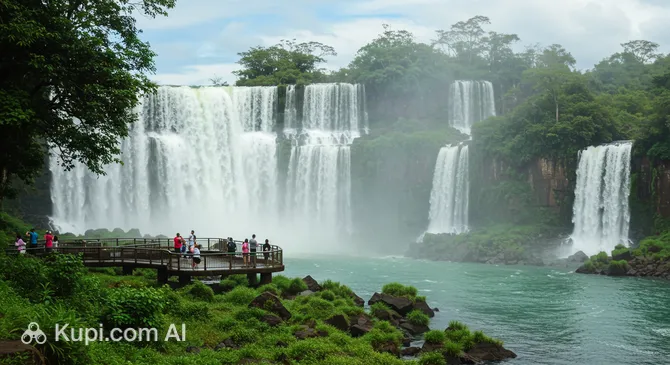
A trip to the region would be incomplete without experiencing the awe-inspiring power of Iguazu Falls. As one of the most significant natural landmarks on the planet, it offers visitors a chance to walk along scenic trails that lead right up to the thundering water. The highlight for many is the Devil's Throat, where the spray and roar of the falls create a truly immersive encounter with nature.
Iguazu Falls. Illustration.
Source: Kupi.com AI
Traveler photos:
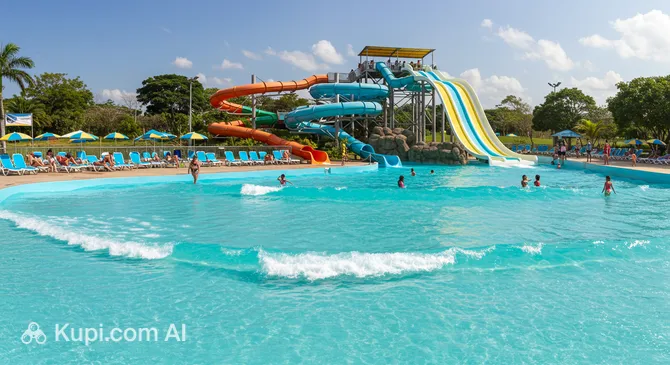
For those looking to cool off and have some fun, Blue Park Foz is a fantastic destination. This water park is famous for having one of the largest thermal wave beaches in the world. It provides a perfect setting for families and friends to relax on the sand or enjoy adrenaline-filled water slides, making it a great spot to unwind after a day of sightseeing.
Blue Park Foz. Illustration.
Source: Kupi.com AI
Traveler photos:
To gain a deeper understanding of the region's history and environmental efforts, a visit to the Itaipu Ecomuseum is highly recommended. This cultural space preserves the memory of the construction of the massive hydroelectric plant and the local area. Through interactive exhibits and historical artifacts, visitors can learn about the social and ecological impact of one of the world's largest engineering feats.
Just a short distance away, nature lovers can discover the impressive Monday Falls. Although often overshadowed by its larger neighbor, this set of waterfalls offers a more tranquil and intimate experience. Standing over 40 meters high, the falls are surrounded by lush vegetation and provide a stunning backdrop for photography and adventure sports like rappelling.
Monday Falls. Illustration.
Source: Kupi.com AI
Traveler photos:
Local Cuisine
The culinary scene in Foz do Iguaçu is as diverse as its population, reflecting a unique fusion of Brazilian traditions, neighboring Argentine and Paraguayan influences, and a strong international presence. Due to its location on the Triple Frontier, visitors can expect a gastronomic journey that ranges from traditional barbecue to authentic Middle Eastern cuisine, thanks to the city's significant Arab immigrant community. Dining here is not just about sustenance; it is an exploration of the region's multicultural identity.
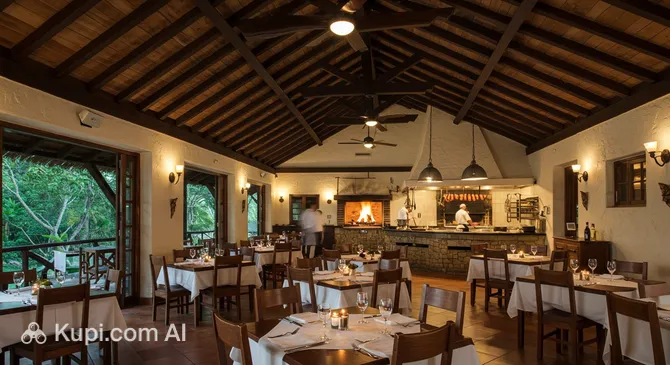
One of the most celebrated local specialties is river fish, particularly the Dourado. Often prepared "no rolete" (roasted on a spit) or baked with herbs, this freshwater fish is a staple of the region's diet. For meat lovers, the influence of the southern gaucho culture is undeniable. Churrasco (Brazilian barbecue) is widely available, featuring high-quality cuts of meat grilled to perfection. Travelers looking to experience premium cuts and a sophisticated atmosphere often visit Fino Corte, a restaurant known for its expertise in meats and elegant service.
Fino Corte. Illustration.
Source: Kupi.com AI
Traveler photos:
Beyond the main courses, the city offers a variety of refreshing beverages to combat the subtropical heat. While the famous Caipirinha is a must-try classic throughout Brazil, the locals in this region have a special affinity for Tereré. This is an infusion of yerba mate prepared with cold water and often flavored with lemon or mint, shared socially among friends and family. It is similar to the hot chimarrão found in southern Brazil but adapted for the warmer climate of the frontier.
For a taste of contemporary cuisine that highlights seafood and regional ingredients, Baru Gastronomia is a standout choice. It represents the modern side of Foz do Iguaçu's food scene, offering creative dishes in a cozy setting. On the more traditional side, Barracão Restaurant provides a rustic and homely experience, serving hearty Brazilian comfort food that feels like a meal at a grandmother's house.
Baru Gastronomia. Illustration.
Source: Kupi.com AI
Traveler photos:
The city's nightlife also offers excellent opportunities to sample local appetizers, known as petiscos. Bars and pubs are scattered throughout the city, providing lively environments to enjoy a cold beer and live music. Places like City Bier Petiscaria are popular for their relaxed vibe and generous portions of bar snacks, making them perfect spots to unwind after a day of exploring the waterfalls.
Travel Tips
Visiting Foz do Iguaçu is an adventure that combines breathtaking nature with a unique cross-border cultural experience. To help you navigate this "Triple Frontier" region smoothly and make the most of your trip, here are some practical tips covering everything from what to pack to how to get around.
Clothing and Gear: Comfort is key when exploring the national parks. Bring breathable, lightweight clothing for the heat, but always pack a waterproof jacket or a sturdy poncho—you will get wet near the waterfalls. Comfortable walking shoes with good grip are essential for the trails. Don't forget high-factor sunscreen, sunglasses, and insect repellent to protect against mosquitoes in the forest areas.
Transportation: Getting around Foz do Iguaçu is relatively easy. The public bus system connects the downtown area (TTU terminal) to the airport and the National Park efficiently and affordably. For more convenience, ride-hailing apps like Uber and 99 are widely available, safe, and often cheaper than standard taxis. Renting a car is a good option if you plan to visit attractions at your own pace or explore the surrounding region.
Finances: The official currency is the Brazilian Real (BRL). While credit and debit cards are accepted almost everywhere, including restaurants and ticket counters, it is wise to carry some cash for small purchases or street vendors. ATMs are widespread. If you dine out, a 10% service charge is typically included in the bill, so additional tipping is optional but appreciated for exceptional service.
Health and Safety: Foz do Iguaçu is generally a safe tourist destination, but standard precautions apply: avoid flashing expensive jewelry or electronics in quiet areas at night. Tap water is treated but can have a strong chlorine taste; sticking to bottled water is recommended to avoid stomach issues. Pharmacies are easy to find throughout the city, and many are open late.
Communication: The official language is Portuguese. Due to the proximity to Argentina and Paraguay, Spanish (or a mix known as "Portunhol") is widely understood. English is spoken at major hotels and tourist attractions, but less so in local shops. Downloading an offline translation app and offline maps is very useful. Wi-Fi is common in hotels and cafes, but buying a local SIM card ensures you stay connected everywhere.
Local Etiquette: Brazilians are warm and friendly. Greetings often involve a firm handshake or a kiss on the cheek (usually one in this region) between women or men and women. It is polite to greet shopkeepers and drivers with a "Bom dia" (Good morning) or "Boa tarde" (Good afternoon). Punctuality for social events can be flexible, but tours and transport usually run on schedule.
What to Avoid: A critical rule in the National Park is: do not feed or touch the coatis (wild raccoon-like animals). They may look cute, but they can be aggressive, have sharp teeth, and carry diseases. Also, avoid changing money on the street; stick to official exchange offices ("Casas de Câmbio") for safety and fair rates.
Border Crossing Tip: Since you are on the border of three countries, you might want to visit Puerto Iguazú (Argentina) or Ciudad del Este (Paraguay). Always carry your passport if you plan to cross borders, even for a short day trip. Be aware that traffic on the Friendship Bridge to Paraguay can be very heavy, so plan your crossing for early morning to avoid delays.
By keeping these practicalities in mind, you can focus entirely on the stunning beauty and vibrant culture that Foz do Iguaçu has to offer. Whether you are marveling at the falls or enjoying a Brazilian barbecue, a little preparation ensures a hassle-free and unforgettable journey.
Entertainment & Nightlife
When the sun sets over the waterfalls, Foz do Iguaçu transforms into a lively hub of entertainment, offering a nightlife scene that is as diverse as its population. The city's energy shifts from the national parks to the downtown streets, where locals and tourists mingle in open-air bars, pubs, and restaurants. The atmosphere is generally relaxed and welcoming, reflecting the warm Brazilian hospitality mixed with the multicultural vibes of the Triple Frontier.
The heart of the nightlife action beats strongest along Avenida Jorge Schimmelpfeng. This bustling avenue is lined with numerous bars and dining spots that spill out onto the sidewalks, creating a vibrant social environment. Here, you can find everything from quiet spots for a conversation to lively venues playing Brazilian sertanejo, pop, and rock music. It is the perfect place to start your evening with a cold draft beer (chopp) and some local snacks.
For those who enjoy a more alternative and rock-n-roll atmosphere, Zeppelin Old Bar is a local institution. Known for its eclectic decoration, excellent burgers, and frequent live music performances, it attracts a crowd that appreciates classic rock and a laid-back vibe. It is a great spot to meet locals and enjoy a night away from the typical tourist trails.
Zeppelin Old Bar. Illustration.
Source: Kupi.com AI
Traveler photos:
If you are looking for a place to enjoy crafted cocktails and a spirited setting, After Sunset is another notable venue to consider. The nightlife in Foz tends to start late, with most bars filling up after 9:00 PM and clubs peaking around midnight. The dress code is usually casual for bars, though nightclubs may require slightly smarter attire, such as long trousers for men and no flip-flops.
After Sunset. Illustration.
Source: Kupi.com AI
Traveler photos:
Safety is an important consideration for a fun night out. The main tourist areas, especially around Avenida Jorge Schimmelpfeng, are generally safe for walking in groups during the evening. However, it is advisable to avoid wandering into poorly lit side streets or residential areas late at night. For transportation, ride-sharing apps are the most convenient and safe way to get between venues and your hotel, often offering better rates than standard street taxis.
Beyond the bars and clubs, the region offers plenty of daytime and early evening entertainment. While Foz do Iguaçu has its own local malls, many visitors cross the Friendship Bridge to Ciudad del Este in Paraguay for a broader experience. There, popular destinations like Shopping Paris provide a mix of retail therapy and unique attractions, such as 3D museums and snow parks, making it a worthwhile excursion nearby. Additionally, the city hosts several cultural dinner shows that feature traditional music and dance from Brazil, Argentina, and Paraguay, providing a colorful and family-friendly way to spend the evening.
Parks & Museums
While the thundering waterfalls often steal the spotlight, Foz do Iguaçu offers a rich tapestry of green spaces and cultural institutions that provide a deeper look into the region's heritage and biodiversity. Beyond the famous cascades, visitors can explore tranquil urban zoos, historical landmarks, and unique architectural feats that reflect the diverse spiritual and cultural life of the Triple Frontier.
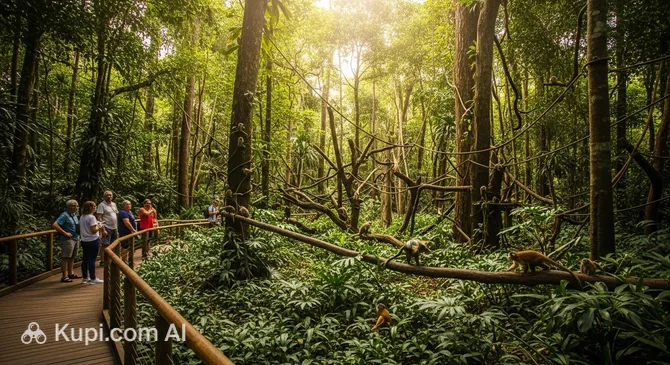
For a relaxing break within the city limits, the Monkey Forest (Bosque dos Guarani) is a favorite among locals and tourists alike. This urban zoo and park serves as a green lung in the center of Foz do Iguaçu, offering a shaded retreat where visitors can observe native flora and fauna. It is an excellent spot for a leisurely afternoon walk, allowing you to see animals in a well-maintained environment without leaving the downtown area.
Monkey Forest. Illustration.
Source: Kupi.com AI
Traveler photos:
Of course, the region's most significant natural area is the vast Iguaçu National Park itself. While famous for the falls, the park protects a massive remnant of the Atlantic Rainforest. Nature lovers should explore the trails beyond the main walkways, such as the Poço Preto trail, to experience the jungle's intense biodiversity, including colorful toucans, coatis, and butterflies, in a more serene setting.
In terms of museums, the city offers interesting stops that cater to different interests. The Dreamland Wax Museum is a popular attraction, featuring life-size figures of celebrities and historical icons, making it a fun visit for families. Another culturally significant site is the Marco das Três Fronteiras (Three Borders Landmark). While primarily a monument, the complex functions like an open-air museum, showcasing the history of the Jesuit missions and the early exploration of the region through architecture, light shows, and cultural presentations.
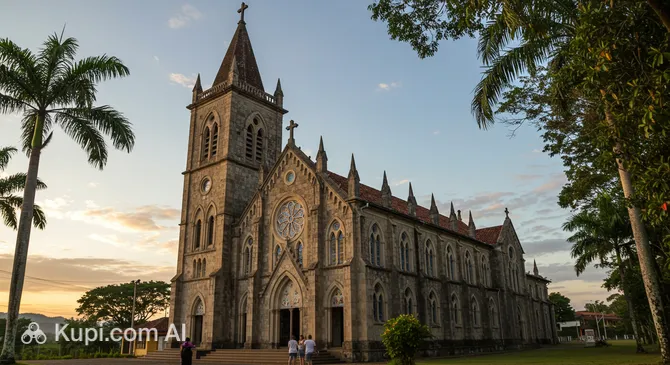
The area is also home to remarkable religious architecture. The St. John the Baptist Parish is the city's oldest Catholic church and a central historical landmark. Located in the heart of the city, it features beautiful stained glass windows and a peaceful atmosphere, standing as a testament to the faith and history of the local community.
St. John the Baptist Parish. Illustration.
Source: Kupi.com AI
Traveler photos:
Just across the Friendship Bridge, accessible to visitors staying in Foz, is the striking San Blas Cathedral. This architectural gem is renowned for its unique shape, which resembles a large boat, symbolizing the ark. Built in the 1960s, it utilizes stone and artistic stained glass to create a modern and spiritual ambiance that contrasts sharply with traditional colonial church designs.
San Blas Cathedral. Illustration.
Source: Kupi.com AI
Traveler photos:
For an authentic local experience, try visiting Parque Monjolo on a Sunday afternoon. It is a lesser-known park where residents go for picnics and fishing, offering a quiet glimpse into the everyday life of the Iguaçuenses away from the tourist crowds.
Getting Around
The public transport system in Foz do Iguaçu relies almost exclusively on a comprehensive network of urban buses. There is no metro, tram, or train service for navigating the city itself. The central hub for all municipal lines is the Terminal de Transporte Urbano (TTU), located in the city center. From here, buses fan out to various neighborhoods and major tourist sites. The vehicles are generally clean and functional, making them a viable option for visitors who wish to save money while exploring the area.
For tourists, the most important route is Line 120. This specific line acts as a vital artery connecting the three main points of interest: the international airport, the city center (TTU), and the entrance to the National Park where the waterfalls are located. It runs frequently throughout the day and is the most convenient way to travel between your arrival point, your hotel, and the main attraction without needing a private transfer.
Regarding payment, the system is relatively straightforward for short-term visitors. While local residents use an electronic ticketing card, tourists can simply pay in cash directly to the conductor or driver upon boarding. You enter through the front door, pay the fare, and pass through a turnstile. The fare is affordable, typically costing around a standard flat rate for a single journey anywhere within the municipal limits. It is highly advisable to carry small bills or coins, as conductors may not always have change for large denomination notes.
A unique feature of the public transport here is the existence of international bus lines. Due to the city's location on the border, you can catch public buses that take you across to Puerto Iguazú (Argentina) or Ciudad del Este (Paraguay). These buses usually depart from stops just outside the TTU terminal rather than inside it. If you choose this option, remember that the driver will stop at immigration control, and you must have your passport ready to stamp out and in. This is a very inexpensive way to visit neighboring countries for a day trip.
If you prefer more comfort or speed, alternatives are widely available. Ride-sharing apps like Uber and 99 are extremely popular, safe, and often cheaper than traditional street taxis. They are an excellent choice for evening outings or when carrying heavy luggage. Regular taxis are also easy to find at designated stands (pontos de táxi) and use a meter, but they tend to be more expensive. Bike rentals are not a standard part of the public transport network, though some hotels and specific tourist agencies offer them for leisure rides.
Public transport generally operates from early morning, around 5:00 AM, until midnight. However, frequency drops significantly on Sundays and holidays. To navigate the system efficiently, it is recommended to use navigation apps like Moovit, which provide accurate real-time schedules and route planning for the local bus network. Always signal clearly with your hand when you see your bus approaching a stop, as drivers will not stop unless hailed.
Accommodation
Where to Stay:
Accommodation in Foz do Iguaçu caters to every type of traveler, offering a wide spectrum of choices ranging from budget-friendly hostels to opulent five-star resorts. Whether you are a backpacker looking for a social atmosphere or a family seeking a relaxing resort experience with thermal pools, the city has well-developed infrastructure to meet your needs. The hospitality sector here is robust, ensuring high standards of service across various price points.
When choosing a location, most tourists opt for one of two main areas. Downtown (Centro) is the most practical choice for those relying on public transport, as it is close to the main bus terminal (TTU), restaurants, and nightlife. It is ideal for travelers who want easy access to both the Brazilian and Argentine sides of the falls. Alternatively, the Avenida das Cataratas, the highway leading from the city to the National Park, is home to larger, resort-style hotels. Staying here offers a more scenic and tranquil environment, often with sprawling grounds, though you may rely more on taxis or hotel shuttles to get around.
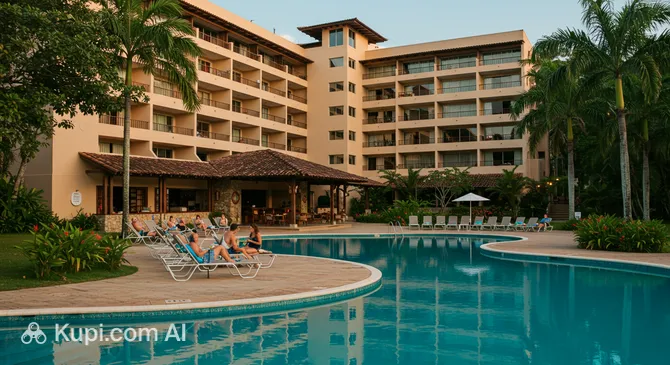
For visitors looking for a premium stay with extensive leisure facilities, the Recanto Cataratas Thermas Resort & Convention is a standout option. Located along the main avenue, this resort is famous for its thermal water pools and comprehensive entertainment programs, making it a favorite for families and couples alike.
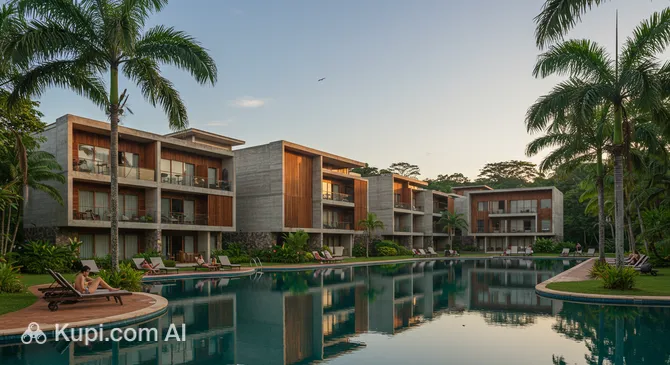
Another exceptional choice for those who wish to combine comfort with a connection to nature is the Thermas Eco Resort Cataratas do Iguaçu. This property focuses on providing a relaxing environment with eco-friendly practices and top-tier amenities, situated conveniently for accessing the major tourist sites.
Thermas Eco Resort Cataratas do Iguaçu. Illustration.
Source: Kupi.com AI
Traveler photos:
Regarding costs, Foz do Iguaçu is generally affordable compared to other major global tourist destinations. Budget accommodation can be found for very reasonable rates, while mid-range hotels offer excellent value for money. Luxury resorts are more expensive but often include half-board or full-board options. Most bookings can be easily made through major online travel platforms or directly via hotel websites.
Booking Tip: As a popular international destination, hotels can fill up quickly, especially during the summer months (December to February) and major holidays like Easter and Carnival. It is highly recommended to book your accommodation at least a few months in advance if you plan to visit during these peak times to secure the best rates and availability.
Nearby Cities
For those looking to explore the surroundings, Foz do Iguaçu serves as an excellent base for day trips to several interesting nearby locations:
One of the most notable destinations in the region is Cascavel. Known as the "Capital of the West," this planned city is distinguished by its wide avenues and organized urban layout. A major highlight for visitors is the Cathedral of Our Lady of Aparecida, famous for its unique fan-shaped architecture and dramatic suspended roof. It offers a different perspective on the development of western Paraná and serves as a significant commercial hub.
Another fascinating stop is Marechal Cândido Rondon, a town that proudly preserves its German heritage. The influence is visible in the half-timbered architecture and the local gastronomy, which features traditional German dishes. Located near the shores of Itaipu Lake, it provides a cultural immersion that contrasts with the cosmopolitan vibe of Foz do Iguaçu, making it a pleasant spot for those interested in the history of European immigration in Brazil.
These nearby destinations offer a glimpse into the diverse culture and landscapes of the region.
Shopping & Souvenirs
Shopping:
Shopping in Foz do Iguaçu is a unique experience that extends far beyond typical retail therapy. Due to its strategic location on the "Triple Frontier," the city serves as a hub for a diverse range of commercial activities, blending local Brazilian offerings with easy access to international duty-free zones. Tourists flock here not only for the natural wonders but also to take advantage of the competitive prices on imported goods, electronics, and cosmetics found in the region's vast commercial complex.
Within the city limits, the main commercial artery is Avenida Brasil. Located in the downtown area, this bustling street is lined with a variety of shops selling clothing, shoes, and accessories. It is the perfect place to find Brazilian fashion brands and everyday items. Walking along this avenue gives visitors a sense of the local lifestyle, with plenty of cafes and snack bars to take a break between purchases.
For a more comprehensive shopping experience, the region is famous for its large malls and cross-border shopping centers. While Foz do Iguaçu has modern malls like Cataratas JL Shopping, many visitors venture across the Friendship Bridge to explore the commercial giants in neighboring Paraguay. Here, destinations like Shopping Paris offer a massive selection of international brands, luxury items, and entertainment facilities under one roof.
Shopping Paris. Illustration.
Source: Kupi.com AI
Traveler photos:
Another highlight for technology enthusiasts and bargain hunters is the Nissei Shopping Mall. Known for its reliability and vast inventory, it is a go-to spot for electronics, perfumes, and beverages. These establishments are part of the greater cross-border shopping ecosystem that defines the tourist experience in Foz do Iguaçu, offering products that are often significantly cheaper than in other parts of Brazil.
Nissei Shopping Mall. Illustration.
Source: Kupi.com AI
Traveler photos:
If you are looking for authentic local flavor, the Feirinha da JK is a must-visit market held on Sundays along Avenida Juscelino Kubitschek. This vibrant street market is the ideal spot to buy artisanal cheeses, salamis, and traditional pastries like pastel and caldo de cana. It also features stalls selling handmade crafts, making it a great place to support local artisans and soak up the community atmosphere.
When it comes to souvenirs, the region offers plenty of unique options. Semi-precious stones and geodes are popular keepsakes, reflecting the area's geological richness. Leather goods are also a good buy, often of high quality and reasonable price. Additionally, visitors frequently bring back doce de leite (milk sweet) and alfajores, taking advantage of the culinary influences from neighboring Argentina.
Store hours in Foz do Iguaçu typically run from 9:00 AM to 6:00 PM on weekdays for street shops, while shopping malls usually stay open until 10:00 PM. On Saturdays, street shops may close earlier, around 1:00 PM. Payment methods are very flexible; credit and debit cards are widely accepted. Due to the border nature of the city, many merchants also accept US Dollars and sometimes Argentine Pesos and Paraguayan Guaranis, though paying in Brazilian Reais (BRL) or by card is generally the most straightforward option.
A significant advantage for tourists is the presence of Duty-Free shops (Lojas Francas) directly within Foz do Iguaçu. Unlike traditional duty-free stores restricted to airports, these designated shops in the city allow travelers to purchase imported goods tax-free up to a certain quota (currently USD 500 per person every 30 days). This convenience means you can enjoy tax-free shopping for perfumes, alcohol, and electronics without necessarily having to cross the border.