Support

Puerto Iguazu

About

Puerto Iguazu is a captivating destination located in the northeastern tip of Argentina, nestled within the lush Misiones province. Best known as the gateway to the majestic Iguazu Falls, this city serves as the perfect base for exploring one of the most awe-inspiring natural landscapes on the planet.

Puerto Iguazu. Source: Kupi.Binoculars

Geographically, the city is situated at the confluence of the Iguazu and Parana rivers, forming a natural border known as the Triple Frontier, where the territories of Argentina, Brazil, and Paraguay meet. The region enjoys a humid subtropical climate, characterized by warm temperatures and abundant rainfall that sustain the surrounding rainforest. While the history of Puerto Iguazu began as a modest settlement, it has grown into a bustling city with a population of over 82,000 people, thriving on tourism and cross-border exchange.

Beyond the world-famous Iguazu National Park, visitors can explore local gems such as the Hito Tres Fronteras, a landmark offering panoramic views of the three countries simultaneously. Nature enthusiasts will also appreciate Güira Oga, a wildlife rehabilitation center dedicated to rescuing and protecting the local fauna. Whether you are here for the thunderous waterfalls or the vibrant jungle atmosphere, Puerto Iguazu promises an unforgettable adventure.

Weather Overview

Puerto Iguazu generally enjoys a humid subtropical climate, characterized by warm temperatures and significant humidity throughout much of the year. For travelers wanting a deeper dive into what to expect during their specific travel dates, the guide to weather in Puerto Iguazu offers a comprehensive breakdown. Overall, you can expect hot, humid summers with frequent showers and milder, drier winters that are often more comfortable for hiking.

The summer months, particularly January and February, are the warmest, with average temperatures hovering around 27°C and daily highs frequently reaching 31.3°C. This period also sees the highest frequency of rainfall; January, for example, typically experiences up to 17 wet days. In contrast, the winter season from June to August offers a respite from the heat. During July, the average temperature drops to approximately 18.1°C, with nighttime lows dipping to 13.4°C, and rain becomes less frequent, occurring on roughly 6 days of the month.

Interesting Facts

Beyond the main attractions and the famous waterfalls, Puerto Iguazu holds fascinating secrets and unique features that often surprise visitors. From geographical oddities to innovative eco-projects, here are some intriguing facts about the city.
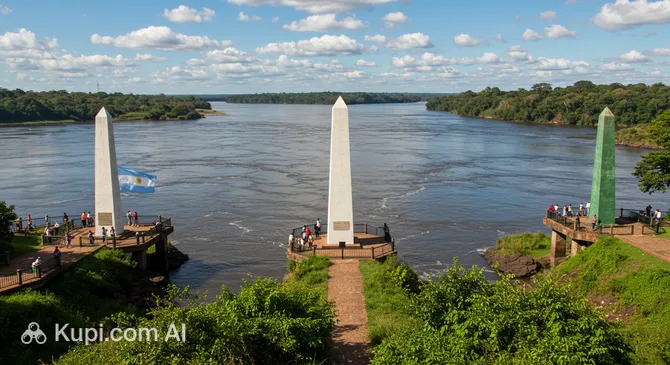
  • Puerto Iguazu is home to a unique geographical point known as the Triple Frontier. At the Three Borders Landmark (Argentina), you can stand on the riverbank and clearly see the coasts of Brazil and Paraguay, each marked by a massive obelisk painted in its national colors.

  • The city hosts an architectural marvel called La Aripuca, a massive structure built from giant tree trunks rescued from illegal trade. It is designed to resemble a traditional indigenous trap, serving as a metaphor to "capture" visitors' awareness about the importance of preserving the rainforest.

  • Sustainability takes a creative form at The Bottle House, a residence constructed almost entirely from recycled plastic bottles. The walls, furniture, and even the bed frames are made from reused plastic, showcasing an ingenious local approach to waste reduction.

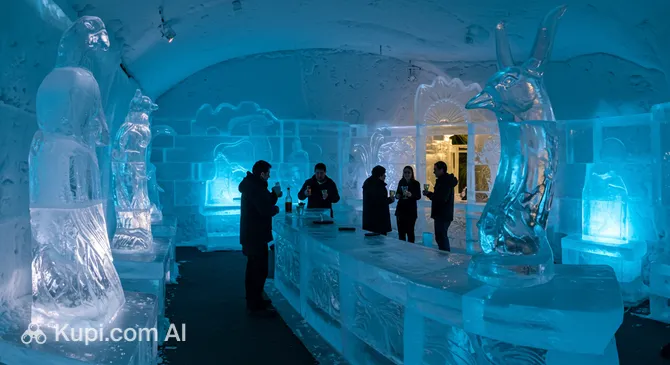
  • Despite the region's subtropical heat, you can experience sub-zero temperatures at the Ice Bar Iguazú. Inside this peculiar attraction, everything from the walls to the drinking glasses is carved from ice, requiring visitors to wear special thermal coats to enjoy a drink.

Three Borders Landmark (Argentina). Source: Kupi.Binoculars

How to Get There

Reaching this spectacular destination is relatively straightforward, thanks to its popularity as a major tourist hub. While most visitors arrive by air due to the distances involved from other major Argentine cities, overland travel by bus is also a common option for those exploring the region. For a detailed breakdown of all transport options, routes, and tips, you can read more about how to get to Puerto Iguazu on our dedicated page.

The most convenient gateway for travelers staying on the Argentine side is the Cataratas del Iguazu International Airport (IGR). Located approximately 18.6 km from the city center, it receives frequent flights from Buenos Aires and other domestic hubs. The journey from the airport to downtown typically takes around 48 minutes by taxi or shuttle. Another major option is the Cataratas International Airport (IGU), situated just across the border. Although it is closer geographically—about 8.8 km away—it is located in the city of Foz do Iguaçu, Brazil. If you choose to land here, remember that you will need to cross the international border to reach your hotel in Puerto Iguazu. The drive takes approximately 33 minutes, though border control procedures may add extra time.

For clarity, here is a summary of the main airports:

Airport Name City Passenger Traffic Km from City
Cataratas International Airport Foz do Iguaçu Large 8.8
Cataratas del Iguazu International Airport Puerto Iguazu Large 18.6
Cascavel Airport Cascavel Medium 126.7
Posadas Airport Posadas Medium 242.2
Alejo Garcia Airport Ciudad del Este Small 31.2

Puerto Iguazu does not currently have a functioning railway station for passenger services. Travelers wishing to arrive by land usually rely on the extensive network of long-distance buses that connect the city with Buenos Aires and other provincial capitals. The bus terminal is centrally located, making it a convenient arrival point for those who prefer scenic road trips over flying.

Main Attractions

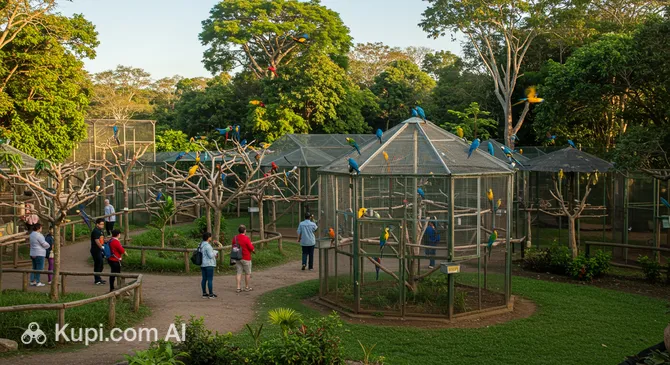
While the thunderous waterfalls often steal the spotlight, the city itself offers a variety of compelling experiences that showcase the region's nature and culture. A must-visit for animal lovers is Guira Oga, a renowned wildlife rehabilitation center located in the subtropical forest. Unlike a traditional zoo, this facility functions as a hospital and refuge for injured local fauna, including birds, monkeys, and anteaters. Visitors can take guided tours to learn about the rescue efforts and see animals that are being prepared for release back into the wild or those that have found a permanent safe haven there.

Guira Oga. Source: Kupi.Binoculars

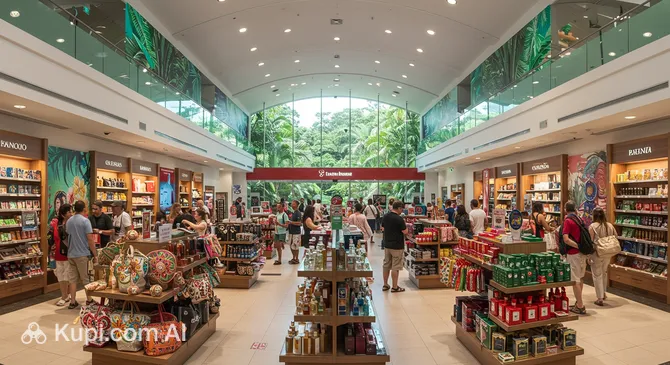
For those looking to combine leisure with retail therapy, the Duty Free Shop Puerto Iguazú is a major attraction situated near the bridge connecting Argentina and Brazil. This sprawling shopping complex is famous not just for its tax-free prices on international brands but also for its unique interior design. The mall is divided into themed sectors that replicate famous cities like Paris, New York, and Venice, making the shopping experience visually entertaining and distinct from typical commercial centers.

Duty Free Shop Puerto Iguazú. Source: Kupi.Binoculars

Nature enthusiasts seeking a quieter, more floral experience should head to the Orchidarium of the Solitary Indian. This specialized nursery is dedicated to the cultivation and preservation of both native and exotic orchids. It provides a peaceful atmosphere where you can wander through vibrant displays of blooming flowers and learn about the delicate processes required to grow these stunning plants in the Misiones climate.

To see the region's geography from a different perspective, the Iguazú River Catamaran Cruise offers a relaxing journey along the waters. Sailing from the port, this tour takes passengers to the confluence of the Iguazu and Parana rivers. It is an excellent way to view the Three Borders landmark from the water, enjoy the sunset, and witness the lush riverbanks of three different nations in a single trip.

Local Cuisine

The culinary scene in Puerto Iguazu is a delightful reflection of its location at the Triple Frontier, blending traditional Argentine flavors with strong influences from Brazil, Paraguay, and the indigenous Guaraní culture. While the renowned Argentine asado (barbecue) is a staple here, the region is uniquely famous for its freshwater fish cuisine. The rivers surrounding the city provide an abundance of surubí (spotted catfish), pacú, and dorado, which are often served grilled, baked with local herbs, or prepared in rich, savory sauces.

Another local specialty you simply must try is chipá, a small, cheesy bread roll made from cassava starch. This snack is deeply rooted in Guaraní tradition and is perfect for a quick bite between excursions. Since the Misiones province is the heartland of yerba mate production, you will find this herbal tea everywhere. In the heat of the summer, locals often enjoy it as tereré, a refreshing cold version prepared with ice and fruit juices.

For a comforting meal after a day of exploring the waterfalls, La Mamma Pastas and Salsas is a popular choice among visitors. This restaurant specializes in homemade pastas and hearty sauces, offering a warm and inviting atmosphere that pays homage to the strong Italian heritage found throughout Argentina.

If you are looking for a relaxed setting to unwind, Pátio Pomare offers a pleasant environment to enjoy a variety of dishes. Meanwhile, fans of craft beer should head to the Patagonia Refuge Iguazu. Here, you can sample some of Argentina's most famous microbrews paired with delicious pub-style food, making it an excellent spot for an evening out with friends.

Travel Tips

Planning a trip to Puerto Iguazu means preparing for a jungle adventure where three countries meet. To help you navigate the humid climate, cross-border dynamics, and natural wonders with ease, here are some essential practical tips for your stay.

  1. Clothing and Gear: The subtropical climate means high humidity and heat, so pack lightweight, breathable clothing. Since getting wet at the falls is almost guaranteed (and part of the fun), bring a rain poncho and a waterproof bag for your electronics. Most importantly, wear comfortable, non-slip walking shoes; you will be walking extensively on metal walkways and jungle trails that can get slippery.
  2. Transportation: Public transport is reliable and tourist-friendly. The Rio Uruguay buses run frequently from the main bus terminal to the Iguazu National Park and are clearly marked. Taxis and remises (private cars) are widely available and often offer fixed rates for trips to the airport or attractions. Renting a car gives you more freedom, especially if you plan to visit attractions further afield like the Wanda Mines.
  3. Finances: The local currency is the Argentine Peso (ARS). While credit cards are accepted in hotels and major restaurants, carrying cash is essential for smaller shops, tips, and entry fees to some local reserves. It is advisable to exchange money at official casas de cambio in the city center rather than at the airport for better rates. Tipping around 10% in restaurants is standard practice if the service is good.
  4. Health and Safety: Puerto Iguazu is generally a safe city for tourists, but standard precautions apply—keep an eye on your belongings in crowded areas. The biggest health concern here is the sun and insects. Insect repellent is mandatory to protect against mosquitoes in the tropical environment. Pharmacies are easy to find in the city center, and some operate on a rotation system (de turno) for after-hours needs.
  5. Communication: The official language is Spanish, though due to the proximity to Brazil, many locals understand and speak "Portuñol" (a mix of Spanish and Portuguese). English is spoken in major hotels and by tour guides, but less so in local shops and smaller eateries. Downloading offline maps and a translation app is highly recommended before you arrive.
  6. Local Etiquette: Argentines are warm and welcoming. The standard greeting is a single kiss on the right cheek, even among casual acquaintances. Dinner is typically eaten late, often after 9:00 PM, so don't be surprised if restaurants are empty at 7:00 PM. It is polite to greet shopkeepers with a "Buenos días" or "Buenas tardes" when entering.
  7. What to Avoid: Do not feed the wildlife, especially the coatis (raccoon-like animals) inside the National Park. They may look cute, but they are wild animals that can bite and steal food aggressively. Feeding them harms their health and alters their natural behavior.
  8. Border Crossing Tip: Since you are at the Triple Frontier, you might want to visit the Brazilian side of the falls or Ciudad del Este in Paraguay. Always carry your passport with you, as it is required for border control. Check visa requirements for Brazil and Paraguay based on your nationality well in advance.

By keeping these tips in mind, you will be well-equipped to enjoy the breathtaking nature and vibrant culture of Puerto Iguazu without any hassles. Embrace the jungle rhythm, stay hydrated, and get ready for one of the most memorable experiences of your life!

Entertainment & Nightlife

While the city is primarily known for its daytime jungle adventures, the nightlife in Puerto Iguazu offers a vibrant and welcoming atmosphere for travelers looking to unwind after sunset. The scene here is less about massive raves and more about lively bars, open-air dining, and unique experiences that reflect the local culture. The epicenter of evening entertainment is undoubtedly Avenida Brasil, particularly around the intersection known as the "Seven Corners" (Siete Bocas). This bustling district is packed with pubs, restaurants, and shops that stay open late, creating a festive environment where locals and tourists mingle.

For a truly distinctive start to your night, consider visiting the Ice Bar Iguazú. This venue offers a surreal escape from the subtropical heat, allowing guests to enjoy cocktails in a setting made entirely of ice, from the walls to the glasses. It provides thermal coats and gloves, making it a fun and photogenic stop before heading out to dinner or a club.

Ice Bar Iguazú. Source: Kupi.Binoculars

If you are in the mood for dancing and a more energetic vibe, Casanova Night Club is one of the most popular spots in town. Located centrally, it attracts a mix of locals and visitors with a variety of music styles, ranging from Latin beats like cumbia and reggaeton to international pop. The club typically picks up energy after midnight, so it is the perfect destination for night owls looking to extend their evening.

For a more family-friendly or relaxed evening, the Three Borders Landmark is a must-visit at dusk. Every evening, the site hosts a captivating light and water show (Show de Aguas Danzantes) projected onto a fountain, accompanied by music and images representing the culture of the three frontier nations. Surrounding this area, you will find an artisan market and food stalls, making it a pleasant place for a night walk.

Practical Tips for Nightlife:

  • Safety: The main tourist areas, especially along Avenida Brasil and Avenida Victoria Aguirre, are generally safe for walking at night. However, standard precautions apply; stick to well-lit areas and avoid carrying large amounts of cash.
  • Transport: Taxis and remises are readily available and affordable. If you are staying far from the center, it is best to ask your restaurant or bar to call a car for you rather than hailing one on the street late at night.
  • Dress Code: The vibe in Puerto Iguazu is casual. Even in nightclubs, smart-casual attire is the norm, and you will rarely need formal wear.
  • Prices: Nightlife here is reasonably priced compared to larger cities like Buenos Aires. Many bars offer "Happy Hour" specials early in the evening.

During the daylight hours, if you are looking for entertainment beyond the waterfalls, the city offers several cultural and recreational options. You can explore the Culturas Park Iguazu, which features exhibitions on the region's history and the Far East, or enjoy a shopping spree at the duty-free zone. Whether day or night, Puerto Iguazu ensures there is always something interesting to do.

Parks & Museums

Puerto Iguazu is a destination where the boundaries between urban life and the subtropical rainforest blur, offering visitors a selection of green spaces and cultural venues that celebrate the region's unique heritage. Beyond the world-famous waterfalls, the city maintains a deep connection with nature through its dedicated reserves and educational centers, while its museums reflect the diverse history and ecological consciousness of the Misiones province.

For those seeking a curated experience of the local flora and history, Culturas Park Iguazu is a fascinating stop. This venue combines lush garden settings with exhibitions that explore the multicultural roots of the region, including surprising displays related to Eastern influences alongside local traditions. It provides a peaceful environment where you can stroll through landscaped areas while learning about the diverse communities that have shaped the frontier identity.

Another essential site for nature lovers is the Jardín de los Picaflores (Hummingbird Garden). Although it is a private residence open to the public, it functions as a specialized sanctuary where visitors can observe hundreds of hummingbirds in their natural habitat. It offers a rare opportunity to see these agile birds up close, making it a favorite spot for photographers and wildlife enthusiasts looking for a quiet escape within the city limits.

In terms of museums, the city offers attractions that are as much about their architecture as their contents. La Aripuca is perhaps the most iconic eco-cultural site in the area. Built from massive rescued tree trunks, this imposing structure is designed to resemble a traditional indigenous trap. It serves as an educational center highlighting the importance of the Atlantic Forest and the need for conservation, offering visitors a chance to walk inside a monument built from centuries-old wood.

For a look at local ingenuity and sustainability, The Bottle House (La Casa de las Botellas) is a must-visit. This quirky museum is constructed almost entirely from recycled plastic bottles and other repurposed materials. It stands as an inspiring example of eco-friendly architecture, demonstrating creative ways to reduce waste while providing a whimsical tour through a house made of plastic.

Art enthusiasts should also seek out the Museo de Imágenes de la Selva. This museum houses a collection of intricate wood carvings by the Paraguayan artist Rodolfo Allou. The sculptures depict figures from local legends, indigenous people, and the wildlife of the jungle, preserving the cultural mythology of the region in the very medium that defines the forest.

Insider Tip: If you visit the Hummingbird Garden, try to go early in the morning or late in the afternoon. These are the times when the birds are most active, and the lighting is perfect for capturing the vibrant colors of their feathers.

Getting Around

Navigating Puerto Iguazu is pleasantly straightforward, as the city is relatively compact and designed with visitors in mind. The public transport system primarily relies on a network of buses that connect the downtown area with major attractions and neighborhoods. Unlike sprawling metropolises, there is no metro or tram system here; instead, the "colectivo" (bus) is the king of the road, offering an affordable and authentic way to get around.

For most tourists, the most important bus route is the one operated by the company Rio Uruguay, which runs between the city center (Hito Tres Fronteras) and the Iguazu National Park. These buses are easily recognizable and depart frequently, typically every 20 minutes during peak hours. There are also local lines that serve the residential areas and connect to other points of interest like the Duty Free Shop and the connection to the Brazilian border.

The payment system can be a mix of national standards and local specificities. For regular local city buses, the SUBE card—the same contactless smart card used in the capital and other major cities—is the standard method of payment. You can purchase and top up these cards at kiosks and lottery shops (look for the "SUBE" sign). However, for the specific tourist bus to the Waterfalls, you can often buy a paper ticket directly at the main Bus Terminal (Terminal de Ómnibus) or pay in cash on the bus, though buying in advance at the terminal is recommended to secure your seat during busy times.

If you prefer more comfort and privacy, taxis and remises are extremely popular alternatives. A "remis" is a private car service that functions similarly to a taxi but usually operates with fixed rates rather than a meter. This is a significant advantage for tourists, as you can ask for the price to your destination—be it the airport, the falls, or a restaurant—before getting in. You will find remis agencies scattered throughout the town and taxi stands at major intersections.

For those who value complete independence, car rentals are widely available. Renting a car allows you to explore attractions that are further afield, such as the Wanda Mines, at your own pace. However, keep in mind that parking can be limited in the city center during peak season. Bike rentals are also an option for exploring the town itself, though the humid climate and hilly terrain might make this a challenging choice for longer distances.

A unique transport feature worth mentioning, although it operates exclusively within the National Park, is the Ecological Train of the Jungle (Tren Ecológico de la Selva). This open-air, gas-powered train transports visitors from the park entrance to the various trailheads, including the station for the Devil's Throat. It travels at a slow speed to minimize environmental impact and prevent accidents with wildlife, adding a charming and historic feel to the start of your adventure.

Practical advice for a smooth experience includes carrying small change if you plan to use local services and always checking the return schedules for the buses from the National Park, as the last service usually departs shortly after the park closes. The main Bus Terminal is located in the city center and serves as the best hub for information, ticket purchases, and catching long-distance coaches if you plan to continue your journey overland.

Accommodation

Finding the perfect place to stay in Puerto Iguazu is an integral part of the travel experience, as the city offers accommodation options that cater to every type of traveler and budget. The range extends from lively backpacker hostels and family-run inns in the city center to luxurious eco-lodges and resorts tucked away in the surrounding rainforest. Whether you prefer the convenience of urban amenities or the tranquility of waking up to the sounds of the jungle, you will find a suitable home base for your adventures.

For those who value convenience and accessibility, the City Center (Centro) is the most popular choice. Staying here places you within walking distance of the main bus terminal, which is the hub for transport to the waterfalls, as well as a wide array of restaurants, shops, and supermarkets. This area is particularly dense with budget-friendly hostels and mid-range hotels, making it ideal for travelers who want to be in the heart of the action and enjoy the local nightlife without needing a taxi.

Travelers seeking a more immersive nature experience should consider the Selva Iryapú (Iryapú Jungle) district. Located just a short drive from the center, this 600-hectare reserve is home to many of the city's upscale hotels and lodges. Accommodations here are designed to blend into the environment, often featuring sustainable architecture, swimming pools surrounded by trees, and direct access to forest trails. It is the perfect setting for relaxation and spotting local wildlife right from your balcony.

Booking Tips: Puerto Iguazu is a year-round destination, but demand peaks significantly during the summer holidays (January and February), Easter week, and the winter break in July. During these times, it is highly recommended to book your accommodation several months in advance to secure your preferred location and rates. For the rest of the year, while last-minute bookings are possible, reserving ahead is still wise to ensure availability in the best-rated properties.

Price Range: The cost of accommodation is generally competitive. Budget travelers can find very affordable dormitory beds or simple private rooms, while mid-range options offer excellent value with amenities like pools and breakfast included. The luxury sector, particularly the jungle lodges, commands higher prices but delivers world-class service and unique settings. Most properties can be easily booked via major online platforms, though contacting smaller family-owned establishments directly can sometimes yield better personalized offers.

Nearby Cities

For those looking to explore the surroundings, Puerto Iguazu serves as an excellent base for day trips to several interesting nearby locations:

While the main attraction is undoubtedly the waterfalls, the region offers other fascinating stops just a short drive away. One of the most popular day trips is to the town of Wanda, located approximately 50 kilometers south of the city. It is famous for the Wanda Mines, an open-air deposit of semi-precious stones where visitors can explore tunnels filled with geodes of amethyst, agate, and topaz still embedded in the basalt rock.

Given its location on the Triple Frontier, a visit to Foz do Iguaçu in Brazil is almost mandatory. Just across the Tancredo Neves Bridge, this city offers a different perspective of the falls, the incredible Parque das Aves (Bird Park), and the engineering marvel of the Itaipu Dam. Similarly, adventurous travelers can cross into Paraguay to visit Ciudad del Este, known for its bustling shopping district and the impressive Saltos del Monday waterfalls.

For those willing to venture further into the Misiones province to discover more of Argentina's cultural heritage, the following cities are notable regional hubs:

City Population Distance (km)
Corrientes 352646 472
Resistencia 291720 485
Posadas 275988 236
Formosa 234000 367
Oberá 66112 216

These nearby destinations offer a glimpse into the diverse culture and landscapes of the region, ranging from the red earth of the missionary jungle to the bustling commerce of the border cities.

Shopping & Souvenirs

Shopping:

Shopping in Puerto Iguazu offers a delightful mix of local craftsmanship, regional delicacies, and duty-free luxury, largely influenced by its unique position on the Triple Frontier. Visitors can find everything from high-end international brands to authentic Argentine leather and artisanal goods. The city serves as a commercial hub where the cultures of Argentina, Brazil, and Paraguay converge, creating a vibrant marketplace that caters to diverse tastes and budgets.

The heart of the city's commercial activity is Avenida Brasil. This bustling street is lined with a wide variety of shops, boutiques, and souvenir stores. It is the perfect place to stroll in the evening, as many businesses stay open late to accommodate tourists returning from the waterfalls. Here, you can browse for clothing, leather jackets, and local handicrafts while enjoying the lively atmosphere of the city center.

For a world-class shopping experience, the Duty Free Shop Puerto Iguazú is an attraction in itself. Located near the Tancredo Neves Bridge, this expansive mall is organized into themed zones that replicate famous international cities. It offers a vast selection of tax-free products, including electronics, perfumes, cosmetics, and liquor. Another notable stop for fashion lovers, particularly those looking for footwear, is Studio Z, a popular retailer known for its fast-fashion approach and wide variety of styles.

To taste the local flavor, a visit to La Feirinha is essential. This lively market, located at the end of Avenida Brasil, is a favorite among both locals and Brazilian neighbors. It is famous for its stalls selling gourmet products such as spiced olives, artisanal cheeses, dulce de leche, and Argentine wines. It is also a great spot to sit down and enjoy traditional snacks like empanadas or picadas (platters of cheese and cold cuts) in a casual, open-air setting.

When it comes to souvenirs, Puerto Iguazu has several specialties worth bringing home. Since the province of Misiones is the main producer of yerba mate, buying a high-quality bag of this herbal tea along with a traditional gourd (mate) and metal straw (bombilla) is a classic choice. The region is also known for semi-precious stones, such as amethyst and topazes, sourced from the nearby Wanda Mines. Additionally, Argentine leather goods and bottles of Malbec wine are highly sought-after items that offer excellent value.

Most shops in the downtown area open around 9:00 AM or 10:00 AM and often stay open until 9:00 PM or 10:00 PM, especially during the high season. While the Argentine Peso is the official currency, due to the border nature of the city, many merchants readily accept US Dollars and Brazilian Reais. Credit and debit cards are widely accepted, though carrying some cash is recommended for smaller market stalls or to negotiate better prices in some local shops.

Regarding tax refunds, the primary "tax-free" benefit for tourists is found at the Duty Free Shop, where prices are exempt from certain taxes by default. For purchases made in regular stores within the country, Argentina offers a VAT (IVA) refund system for foreign tourists on locally manufactured products, provided the shop participates in the "Global Blue" or similar tax-free programs. Look for the "Tax Free" signage in store windows and remember to ask for the refund form upon purchase.
Reached the end of the page?

That means the route is fully explored