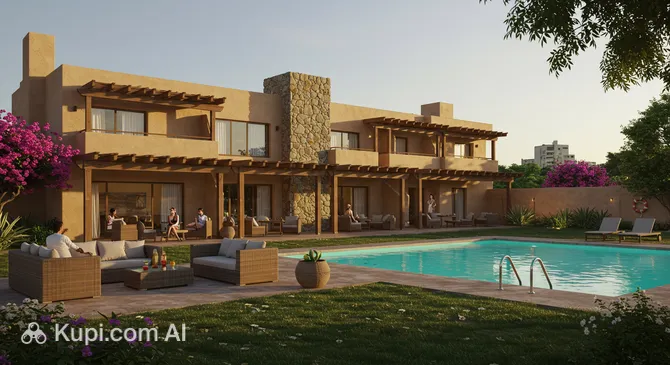
Welcome to Resistencia, the vibrant capital of the Chaco Province in northeastern Argentina. Known affectionately as the "City of Sculptures," this urban center offers a truly unique atmosphere where art is seamlessly integrated into the daily landscape. With a population of approximately 292,000 inhabitants, Resistencia serves as a vital commercial, administrative, and cultural hub for the entire region.
Resistencia. Illustration.
Source: Kupi.com AI
Geographically, the city is situated in the alluvial valley of the Paraná River, facing the city of Corrientes on the opposite bank. Its location contributes to a humid subtropical climate, characterized by warm summers and mild winters, making it a lush and green destination year-round. The history of Resistencia is deeply rooted in the arrival of Italian immigrants and the resilience of its people, which has evolved into a strong tradition of artistic expression and community engagement.
What sets Resistencia apart is its status as an open-air museum. The city streets, parks, and boulevards are adorned with over 600 sculptures, ranging from classical to modern styles. Key attractions include the renowned Fogón de los Arrieros, a bohemian cultural center that showcases local art and curiosities, and the Museum of Sculptures of the World (MusEUM). Whether you are attending the famous International Sculpture Biennial or simply taking a stroll, Resistencia invites you to discover its artistic soul and warm hospitality.
Weather Overview
Resistencia typically experiences a climate marked by hot summers and mild winters. During the peak of the warm season in January, the average temperature hovers around 28.3°C, with daily maximums frequently reaching 33.2°C. This time of year also sees higher humidity and frequency of rainfall, with approximately 10 wet days recorded in months like January and November.
In contrast, the winter months offer cooler and drier conditions. July is generally the coldest month, featuring an average temperature of 16.7°C and lows dipping to around 12.2°C. Precipitation becomes less frequent during this period, dropping to about 4 wet days in July. To help plan your trip around these seasonal variations, you can view more detailed information about the weather in Resistencia.
Overall, travelers should expect hot summers with occasional rain and mild, relatively dry winters.
Average monthly temperature
Average monthly precipitation
Interesting Facts
Beyond the main attractions, Resistencia holds many fascinating secrets and urban legends that define its unique character. Here are some intriguing details that make this provincial capital truly special.
Biennial Exhibition Grounds. Illustration.
Source: Kupi.com AI
Traveler photos:
One of the city's most beloved historical figures was not a human, but a stray dog named Fernando. In the mid-20th century, this charismatic stray became a local celebrity known for his "musical ear," frequently attending concerts and social gatherings; locals believed that if Fernando stayed, the performance was excellent, but if he walked out, the music was poor.
The city is officially recognized as the National Capital of Sculptures, boasting an open-air collection of over 650 artworks scattered across sidewalks and boulevards. This number grows every two years thanks to the famous competition held at the Biennial Exhibition Grounds, where sculptors create pieces live that subsequently become part of the city's heritage.
The name "Resistencia" is a literal tribute to the resilience of its founders. It honors the group of mostly Friulian Italian immigrants who arrived in 1878 and successfully resisted the challenging wilderness and early conflicts to establish a permanent settlement in the region.
Unlike many urban centers that hide their greenery, the city is anchored by large natural spaces like the Intercultural 2 de Febrero Park. This park not only serves as a recreational hub but also commemorates the date of the city's initial settlement, blending history with leisure.
How to Get There
Reaching the capital of Chaco Province is relatively straightforward, with several air travel options available depending on your origin. For a complete overview of all transportation methods, you can read more about how to get to Resistencia in our detailed guide.
The most direct entry point is the Resistencia Airport (IATA: RES), officially known as Resistencia International Airport. Located just 7 km from the city center, this facility primarily serves domestic flights connecting to Buenos Aires and other regional hubs. It is a convenient choice for travelers, with the transfer to downtown taking approximately 30 minutes by taxi or shuttle.
Alternatively, many visitors choose to fly into Camba Punta Airport (IATA: CNQ), which serves the neighboring city of Corrientes. Although it is located in a different province, this airport is only about 22 km from Resistencia. The two cities are connected by the General Belgrano Bridge, making the transfer quite quick; a drive from this airport to Resistencia typically takes around 55 minutes.
For those arriving from international destinations, the Silvio Pettirossi International Airport (IATA: ASU) in Asunción, Paraguay, is a major regional hub. However, please note that this airport is located in another country and is approximately 285 km away from Resistencia. The overland journey from Asunción can take roughly 7.5 hours by bus or car.
For clarity, here is a summary of the main airports:
Exploring Resistencia is an immersion into a city that values art, nature, and social gathering. The urban layout is centered around expansive green spaces and cultural hubs that serve as the beating heart of the community. Whether you are an art enthusiast or simply looking for a relaxing place to stroll, the city's top sights offer a unique glimpse into the local lifestyle.
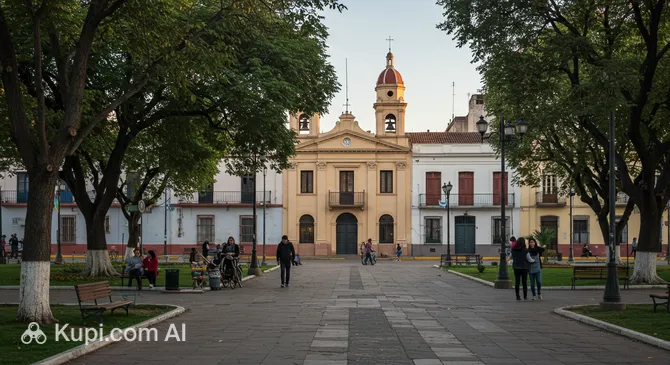
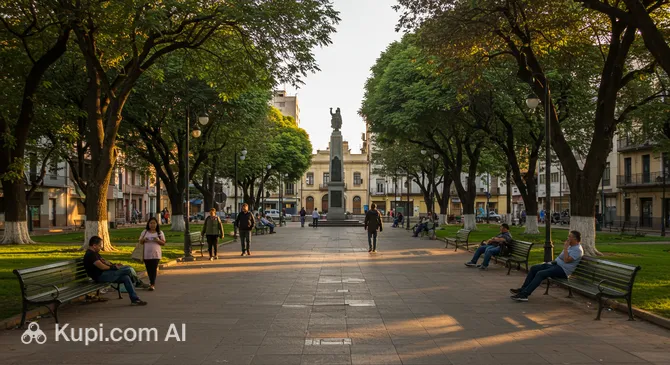
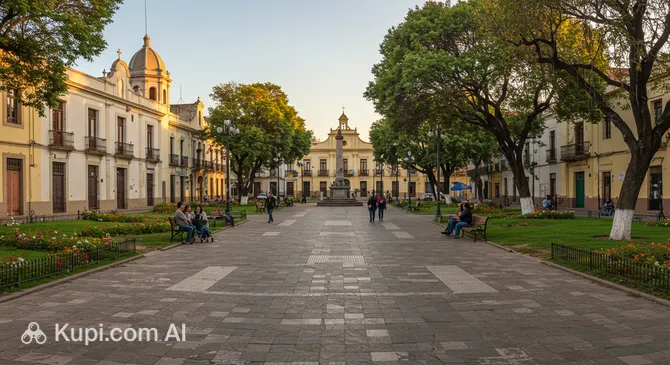
At the very core of the city lies the impressive 25th of May Square (Plaza 25 de Mayo). Far more than a typical town square, this is one of the largest plazas in South America, spanning over four city blocks. It functions as a lush botanical garden in the middle of the downtown area, teeming with native trees and vibrant flowers. For tourists, it is an essential stop not only for its natural beauty but also because it is surrounded by the city's most important administrative and religious buildings, making it the perfect starting point for any walking tour.
25th of May Square. Illustration.
Source: Kupi.com AI
Traveler photos:
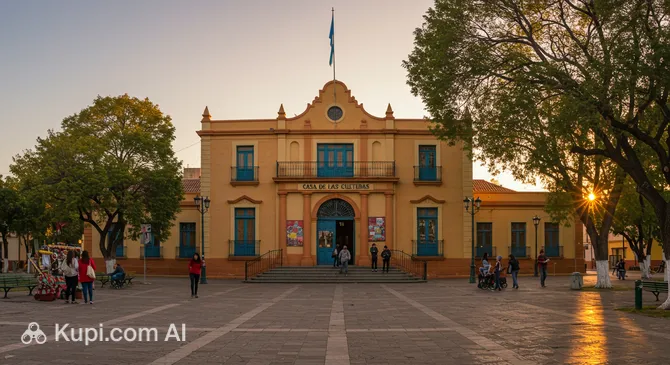
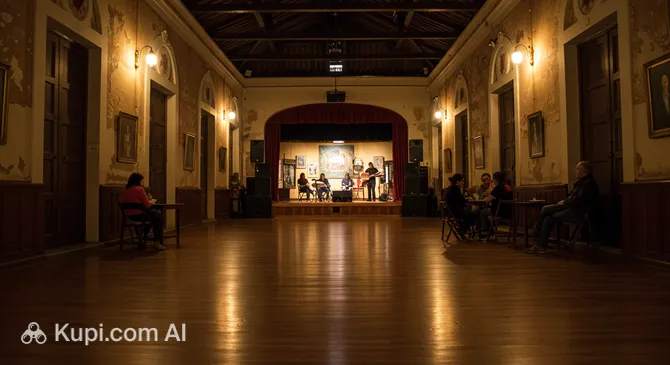
Just a short distance from the main square, you will find the House of Cultures (Casa de las Culturas). This modern architectural landmark is the epicenter of the province's artistic expression. The center hosts a dynamic schedule of art exhibitions, theater performances, and musical concerts, reflecting Resistencia's identity as a cultural capital. Visitors are often drawn to its sleek design and the high-quality events that provide deep insight into the creative spirit of the Chaco region.
House of Cultures. Illustration.
Source: Kupi.com AI
Traveler photos:
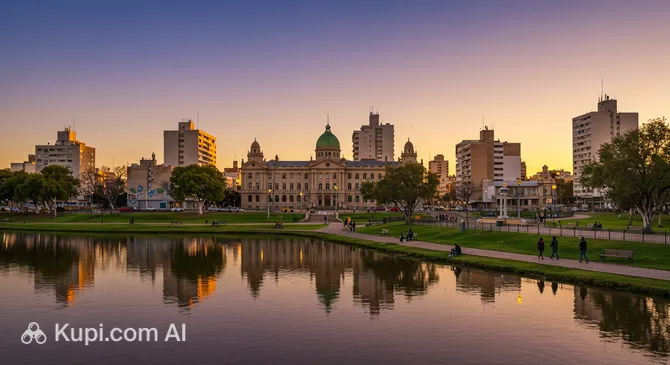
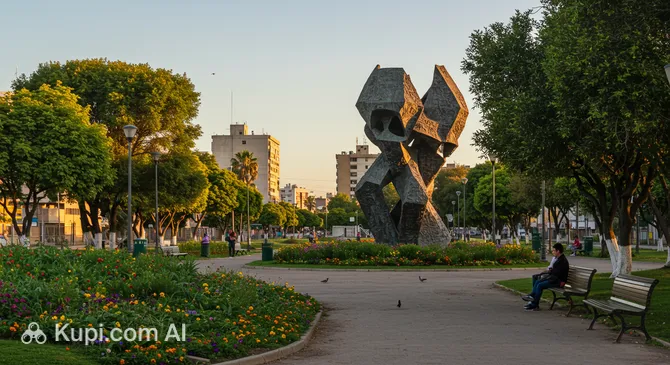
For those seeking a more modern recreational space on the city's outskirts, the Democracy Park (Parque de la Democracia) is a favorite destination. Located along Avenida Sarmiento, this sprawling park is designed for leisure and enjoyment, featuring extensive walkways, an artificial lake, and striking water fountains that light up at night. It is an excellent spot for an evening picnic or to witness the local social life in a vibrant, open-air setting.
Democracy Park. Illustration.
Source: Kupi.com AI
Traveler photos:
Local Cuisine
The culinary landscape of Resistencia is a flavorful journey that mirrors its riverside location and cultural diversity. Heavily influenced by the nearby Paraná River, the local gastronomy places a strong emphasis on freshwater fish, blending traditional Guaraní ingredients with recipes brought by European settlers. The result is a hearty and rustic cuisine where fresh produce like pumpkin and cassava play a central role alongside high-quality meats.
A true highlight for any visitor is the abundance of river fish dishes. The Pacú is a local favorite, renowned for its rich flavor and typically enjoyed grilled ("a las brasas") to achieve a crispy skin and tender meat. Another must-try is the Surubí, a large catfish that is delicious whether grilled, fried in batter as a milanesa, or cooked in a rich stew. These meals are almost invariably served with a side of mandioca (cassava), which is eaten boiled or fried and is as common here as potatoes are elsewhere. For a savory snack, look for Chipá, the addictive cheese-flavored rolls made from cassava flour that are sold throughout the city.
El Aljibe de Mendez. Illustration.
Source: Kupi.com AI
Traveler photos:
Given the warm subtropical climate, staying hydrated is a part of the culture. The most iconic drink is Tereré, a cold version of yerba mate often mixed with ice water and refreshing herbs (yuyos). It is more than just a drink; it is a social ritual seen in parks and gathering spots throughout the city. In the evenings, the local bar scene comes alive, offering a perfect opportunity to unwind. You can enjoy a relaxed atmosphere at places like El Aljibe de Mendez, which offers a glimpse into the local social life.
Dining in Resistencia is generally a laid-back affair, with dinner often served late in the evening. The city offers a variety of options ranging from traditional steakhouses to modern eateries. If you are in the mood for Italian-style comfort food, Rodziny Pasta Bar is a welcoming choice. For those preferring a place with a distinct character for dinner and drinks, Cerveza De Castillo is a popular venue. Meanwhile, Mi Lugar Cafeteria serves as a perfect spot for a mid-afternoon coffee and a sweet treat.
Travel Tips
Visiting Resistencia is a unique experience that blends urban culture with the relaxed pace of the Argentine littoral region. To help you navigate the "City of Sculptures" comfortably and make the most of your stay in the Chaco Province, here are some practical tips to keep in mind.
Clothing and Gear: Due to the humid subtropical climate, lightweight and breathable clothing (cotton or linen) is essential, especially from October to March. Summers can be intensely hot, so a wide-brimmed hat, sunglasses, and high-SPF sunscreen are mandatory. Crucially, bring effective insect repellent, as mosquitoes can be prevalent, particularly near the river and parks.
Transportation: The city center is walkable and perfect for admiring the sculptures. For longer distances, the local bus system (colectivos) is extensive but requires a SUBE card, which you can buy and top up at kiosks (kioscos). Taxis and "remises" (private car services booked by phone or at an agency) are safe and affordable alternatives; ride-hailing apps are less common here than in Buenos Aires, so relying on established remis agencies is often better.
Finances: The local currency is the Argentine Peso (ARS). While major hotels and restaurants accept credit cards, cash is king in Resistencia for smaller shops, kiosks, and local transport. ATMs are available, but they may have withdrawal limits or run out of cash on weekends. It is customary to leave a tip (propina) of about 10% in restaurants if the service was good.
Health and Safety: Pharmacies (farmacias) are easy to find; look for one marked "de turno" if you need service late at night. Resistencia is generally safe during the day, but exercise standard caution: avoid walking alone in deserted areas or on the outskirts at night. Drink bottled water to avoid any adjustment issues, and stay hydrated to prevent heatstroke.
Communication: The primary language is Spanish (Castellano). English is not widely spoken outside of major hotels, so learning basic phrases like "Hola" (Hello), "Gracias" (Thank you), and "¿Cuánto cuesta?" (How much?) is very helpful. WhatsApp is the main form of communication for businesses and locals; having a SIM card with data (Claro, Movistar, or Personal) is highly recommended for navigation and translation apps.
Local Etiquette: People in Chaco are warm and friendly. The standard greeting is a single kiss on the right cheek, even between casual acquaintances. Be patient with the pace of life; service can be slower than in big metropolises, reflecting the relaxed local lifestyle. Dinner is typically eaten late, often after 9:30 PM.
What to Avoid: Do not plan to go shopping between 1:00 PM and 5:00 PM. This is the time for the "siesta," and almost all businesses (except some restaurants and supermarkets) close their doors to escape the afternoon heat. Also, avoid touching the sculptures unless a sign explicitly says it is interactive; they are open-air art, but preservation is key.
Additional Tip: Keep an eye on the sidewalk! Resistencia is truly an open-air museum, and art is not just in plazas but often right next to you on the street. If you visit in July during the Biennial of Sculptures, book your accommodation months in advance, as the city fills up with visitors from around the world.
By packing for the heat and adjusting to the local rhythm of siestas and late dinners, you will find Resistencia to be a welcoming and fascinating destination. Embrace the artistic spirit of the city, and enjoy the warm hospitality of the Resistencianos!
Entertainment & Nightlife
Nightlife in Resistencia reflects the warm, social nature of its inhabitants, offering a mix of laid-back bars, energetic nightclubs, and cultural venues that stay open well into the early hours. The city comes alive late at night, with locals typically heading out for drinks after dinner around midnight, and clubs often not filling up until 2:00 AM or later. The atmosphere is generally welcoming and informal, though some of the upscale venues do appreciate a smart-casual dress code.
The main hubs for evening entertainment are concentrated around the downtown area and specific avenues. Avenida Avalos is particularly famous for its stretch of bars, restaurants, and ice cream shops, making it a perfect spot for "bar hopping" or enjoying a craft beer on a sidewalk terrace. The area buzzes with activity on weekends, drawing a diverse crowd ranging from university students to families enjoying the warm Chaco nights.
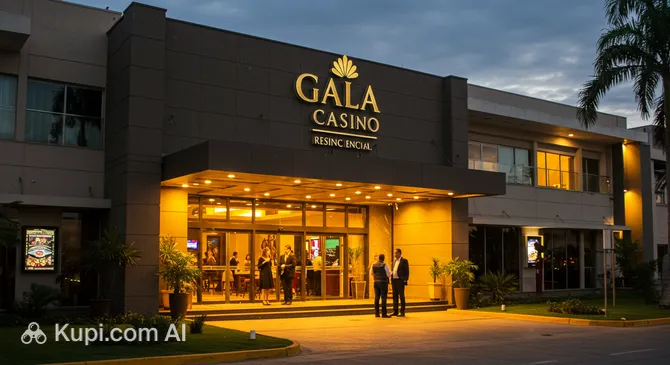
For those looking for a comprehensive entertainment complex, the Gala Casino is a premier destination. Located near the city's entrance, this venue offers much more than just gaming tables and slot machines; it frequently hosts live shows, musical performances, and events in a sophisticated setting. It is an ideal choice for visitors seeking a glamorous night out with top-tier service.
Gala Casino. Illustration.
Source: Kupi.com AI
Traveler photos:
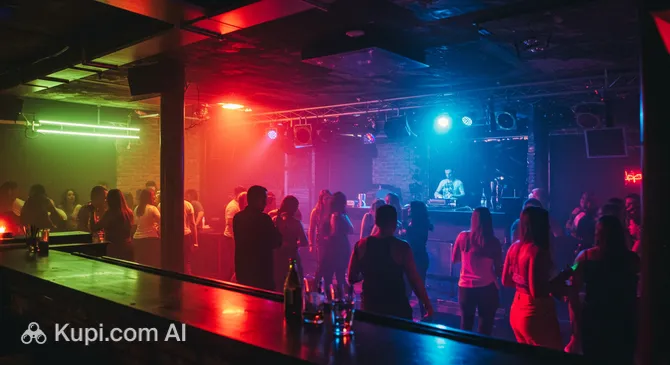
If you prefer dancing the night away, the city has several nightclubs that play a mix of electronic music, cumbia, and reggaeton. One popular spot is But-M, a nightclub known for its vibrant atmosphere and modern lighting systems. It attracts a younger, energetic crowd looking to party until sunrise. When visiting these clubs, it is advisable to bring identification and arrive with a group of friends.
But-M. Illustration.
Source: Kupi.com AI
Traveler photos:
For a more relaxed evening or daytime entertainment, the Sarmiento Shopping mall offers a modern cinema complex showing the latest international and Argentine films. Beyond the screen, the city boasts a rich cultural scene with venues like the Guido Miranda Provincial Cultural Complex and the Martín Fierro Native Cultural Center, which occasionally host theater productions and folklore shows celebrating regional traditions.
Sarmiento Shopping. Illustration.
Source: Kupi.com AI
Traveler photos:
Regarding safety and logistics, it is best to use "remises" (private radio taxis) or registered taxis when moving between venues at night, rather than walking long distances in dimly lit areas. You can ask your hotel or the venue staff to call a car for you. Prices for drinks and cover charges are generally affordable compared to Buenos Aires, but it is always wise to carry some cash, as not all night spots may accept cards for small transactions.
Parks & Museums
Resistencia is a city where nature and art intertwine, offering visitors a delightful mix of expansive green spaces and rich cultural institutions. The urban landscape is dotted with plazas that function as botanical gardens, while the museums serve as custodians of the region's artistic legacy and indigenous history. Whether you are looking to relax under the shade of a lapacho tree or explore the roots of the Chaco province, the city's parks and galleries provide the perfect setting.
One of the most significant natural areas in the city is the Intercultural 2 de Febrero Park. Spanning a vast area near the Negro River, this park is the recreational heart of Resistencia and a favorite gathering spot for locals on weekends. It features extensive walking trails, sports facilities, and a camping area, making it an ideal destination for outdoor enthusiasts. The park also hosts a large amphitheater that frequently serves as the venue for major festivals and concerts, blending natural beauty with cultural vibrancy.
Intercultural 2 de Febrero Park. Illustration.
Source: Kupi.com AI
Traveler photos:
Another essential green space is Belgrano Square (Plaza Belgrano). Located a few blocks from the main center, this plaza offers a more tranquil atmosphere compared to the bustling central square. It is beautifully landscaped with native flora and features a monument dedicated to Manuel Belgrano, the creator of the Argentine flag. For tourists, it provides a peaceful retreat to read a book, enjoy a mate, or simply admire the surrounding architecture in a serene environment.
Belgrano Square. Illustration.
Source: Kupi.com AI
Traveler photos:
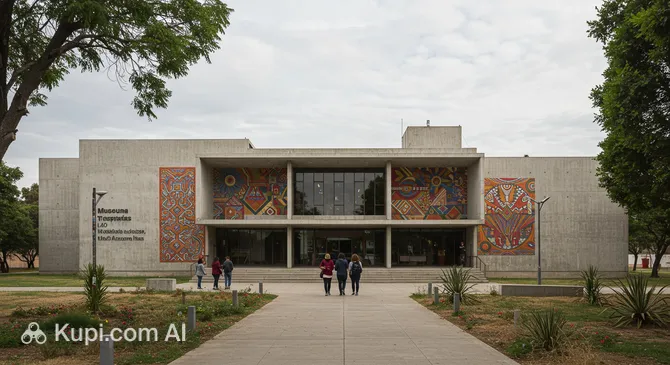
When it comes to museums, Resistencia is world-famous for its open-air art, but it also houses dedicated institutions that preserve its heritage. The Biennial Exhibition Grounds are the epicenter of the city's artistic identity. This sprawling venue is not just an event space; it is home to the MusEUM (Museum of Sculptures of the World), which safeguards the winning pieces from the prestigious International Sculpture Biennials. Visitors can wander through this area to see monumental works of art being created or preserved, offering a unique insight into the process that has earned the city its nickname.
For a deeper dive into the region's history and traditions, the Martín Fierro Native Cultural Center is a must-visit. This institution focuses on the preservation and dissemination of local culture, often highlighting the connection between the current inhabitants and the indigenous roots of the Chaco region. It is a fascinating place for travelers interested in understanding the social fabric of the province beyond just its visual arts.
Martín Fierro Native Cultural Center. Illustration.
Source: Kupi.com AI
Traveler photos:
Beyond these specific venues, the entire city functions as an informal gallery. An insider tip for art lovers is to simply walk down the boulevards radiating from the central plaza. Here, you will encounter hundreds of sculptures placed directly on the sidewalks, turning a simple stroll into a cultural expedition without any admission fee.
Getting Around
The public transport system in Resistencia is primarily reliant on a comprehensive network of buses, locally known as colectivos. These buses cover the entire city and extend into the metropolitan area, connecting the downtown district with surrounding neighborhoods and nearby towns like Barranqueras and Fontana. The lines are numbered, and the destination is usually displayed on the front windshield. While there is no metro or tram system, the bus network is efficient for getting around the urban sprawl.
To use the public bus system, you must have a SUBE card (Sistema Único de Boleto Electrónico). Cash is not accepted on board. Tourists can purchase these rechargeable cards at "kioscos" (convenience stores) or lottery agencies designated as SUBE points. Once you have the card, you need to load credit onto it at the same locations or via digital wallets if you have access to local apps. When boarding, simply tell the driver your destination if the fare varies, or just tap your card on the reader if it is a flat rate.
For visitors, understanding the operating hours is important. Buses typically run from approximately 5:00 AM to midnight. During peak hours, frequency is good, with buses arriving every 10 to 15 minutes. However, late at night and on Sundays, the service becomes significantly less frequent, so it is advisable to have a backup plan if you are out late.
A popular and convenient alternative to buses is the use of remises and taxis. In Resistencia, "remises" (private cars booked via phone or at an agency) are often more common and sometimes cheaper than street-hail taxis. Agencies are scattered throughout the city, and hotels can easily call one for you. This is the recommended mode of transport for safety and comfort at night. Ride-sharing apps are not as dominant here as in the capital, so relying on established local agencies is the standard practice.
While less commonly used for short inner-city hops, there is a regional commuter train service operated by Trenes Argentinos. It connects Resistencia with nearby localities such as Cacuí and Puerto Tirol. This service is very affordable and offers a different perspective of the landscape, though its schedule is limited compared to the bus system. Finally, given Resistencia's reputation as the "City of Sculptures," walking is a highly viable and rewarding option for the city center, allowing you to admire the open-air art at your own pace.
Accommodation
Where to Stay:
Finding the right place to stay in Resistencia is relatively straightforward, as the city offers a range of accommodations designed to meet the needs of both business travelers and tourists. As a provincial capital and commercial hub, the hospitality sector is well-developed, featuring everything from modern high-rise hotels in the downtown area to more modest, budget-friendly guesthouses. The service is generally warm and welcoming, reflecting the hospitable nature of the Chaco region.
For most visitors, the best strategy is to stay within the city center, particularly near the main plaza. This location places you within walking distance of the famous open-air sculptures, the pedestrian shopping streets, and a wide variety of restaurants and bars. Staying centrally means you can easily enjoy the city's nightlife and return to your hotel safely and quickly. Many of the central hotels are equipped with essential amenities for the climate, such as powerful air conditioning, which is absolutely necessary during the hot summer months.
Among the available options, the Hotel Amudoch 2 is a notable choice for travelers seeking comfort and convenience. Establishments like this typically offer a good balance of services, ensuring a restful stay after a day of exploring the humid subtropical environment of the city. Whether you are in town for a short stopover or a longer cultural visit, securing a room with reliable amenities is key to enjoying your trip.
Hotel Amudoch 2. Illustration.
Source: Kupi.com AI
Traveler photos:
When planning your booking, keep the local events calendar in mind. During the International Sculpture Biennial, which takes place every two years in July, the city's accommodation capacity is stretched to its limit. If you plan to visit during this world-renowned festival, it is crucial to book your room several months in advance. Additionally, if visiting in summer (December to March), look for hotels that offer a swimming pool, as a refreshing dip is the perfect way to escape the afternoon heat during the siesta hours.
Nearby Cities
For those looking to explore the surroundings, Resistencia serves as an excellent base for day trips to several interesting nearby locations:
The most accessible and popular destination is undoubtedly Corrientes, the capital of the neighboring province. Located just across the Paraná River and connected by the iconic General Belgrano Bridge, it is practically a twin city to Resistencia. Corrientes is famous for its stunning riverfront promenade, the Costanera, its well-preserved colonial architecture, and its vibrant cultural scene, often referred to as the "National Capital of Carnival."
Traveling inland towards the center of the Chaco province, visitors can reach Presidencia Roque Sáenz Peña. As the second-largest city in the province, it is a key agricultural hub but is best known to tourists for its Thermal Complex. These thermal waters are renowned for their therapeutic properties, making the city a perfect spot for a relaxing day of wellness and spa treatments away from the urban rush.
For those willing to venture a bit further north, the city of Formosa offers a glimpse into the distinctive landscape of the border region near Paraguay. It features a beautiful waterfront along the Paraguay River and serves as a gateway to the lush wetlands and biodiversity that characterize this part of the Argentine littoral.
These nearby destinations offer a glimpse into the diverse culture and landscapes of the region.
Shopping & Souvenirs
Shopping in Resistencia offers a pleasant mix of modern retail convenience and deep-rooted local tradition. While it may not have the massive commercial scale of Buenos Aires, the city provides a relaxed environment where visitors can find everything from international fashion brands to unique regional handicrafts. The shopping scene is intimately tied to the local lifestyle, meaning that browsing for goods often goes hand-in-hand with enjoying a coffee or strolling through the city's artistic streets.
The commercial heart of the city is concentrated around the Peatonal Juan Domingo Perón (Perón Pedestrian Street). This bustling walkway, along with the nearby Peatonal Arturo Illia, forms the main open-air shopping district. Located just steps from the central plaza, these pedestrian-friendly streets are lined with clothing boutiques, shoe stores, electronics shops, and cafes. It is the perfect place to experience the daily rhythm of the locals, window shop, and pick up essential items while admiring the sculptures that decorate the path.
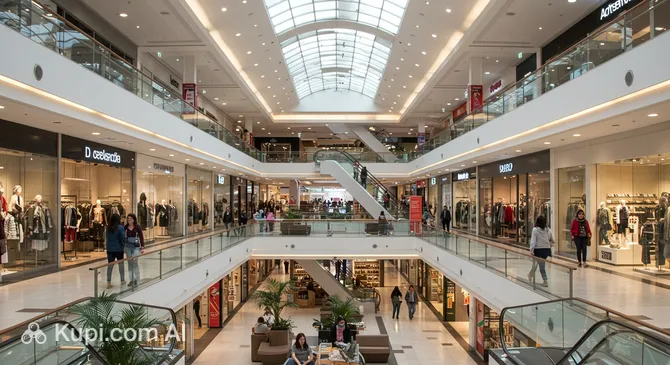
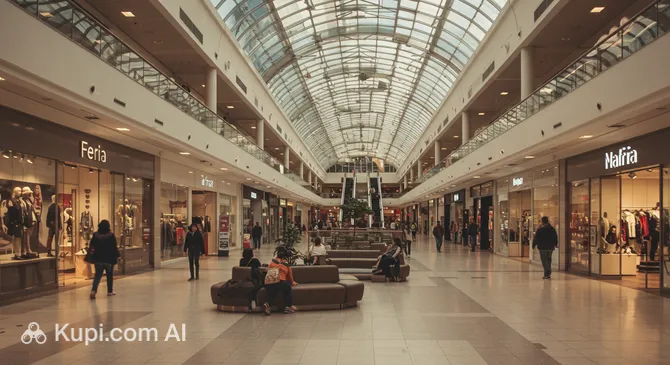
For those seeking a more modern, climate-controlled environment—especially welcome during the hot Chaco summers—the city features well-equipped shopping centers. Sarmiento Shopping is the largest and most comprehensive mall in the city. Situated on Avenida Sarmiento, it hosts a variety of national and international brands, a food court, and entertainment facilities, making it a one-stop destination for families. Another popular spot is La Feria Shopping Mall, which offers a different range of stores and often features good deals on apparel and accessories.
La Feria Shopping Mall. Illustration.
Source: Kupi.com AI
Traveler photos:
Beyond standard retail, Resistencia shines in its offering of artisanal products. The city and the surrounding province have a strong tradition of craftsmanship. You can often find pop-up artisan fairs in the main squares, particularly the Plaza 25 de Mayo on weekends. These markets are excellent for finding handmade jewelry, leather goods, and woodwork directly from the creators, allowing for a more personal shopping experience.
When it comes to souvenirs, the most authentic gifts are those connected to the indigenous cultures of the Chaco region, such as the Qom and Wichí communities. Look for textiles made from chaguar, a durable bromeliad fiber woven into intricate patterns to create bags, belts, and decorative items. Ceramics and basketry are also highly prized. Additionally, items made from palo santo wood, known for its fragrant scent, are popular, though visitors should ensure they are purchasing from sustainable sources.
Travelers must be mindful of the local schedule. Stores in Resistencia typically follow the traditional "siesta" break. Most shops open around 8:00 AM or 9:00 AM, close between 12:30 PM and 5:00 PM, and then reopen until 9:00 PM or 9:30 PM. Shopping malls usually stay open throughout the day, but street-side businesses will be firmly closed in the afternoon. Regarding payment, while malls and major stores accept credit and debit cards, smaller boutiques and artisan stalls often prefer or only accept cash (Argentine Pesos).
Argentina offers a Tax-Free Shopping refund system for foreign tourists on purchases of locally made products at participating retailers. If you see the "Tax Free" logo in a shop window, you can request a refund form when making a substantial purchase. You will need to present your passport at the store and later have the forms stamped at customs upon leaving the country to claim your refund.