Support

Uruguaiana

About

Uruguaiana is a vibrant and strategically important city located in the western part of the state of Rio Grande do Sul. Situated on the eastern bank of the Uruguay River, it serves as a major gateway between Brazil and neighboring Argentina. Known for its lively culture and significant role in international trade, this border city offers a unique blend of Brazilian and River Plate traditions.

The city is home to approximately 125,000 residents and boasts a humid subtropical climate. Its geography is defined by the expansive river and the vast pampa landscapes surrounding it. Exploring the history of Uruguaiana reveals a past shaped by its position on the border, involving strategic military importance and its eventual growth into a vital commercial hub.

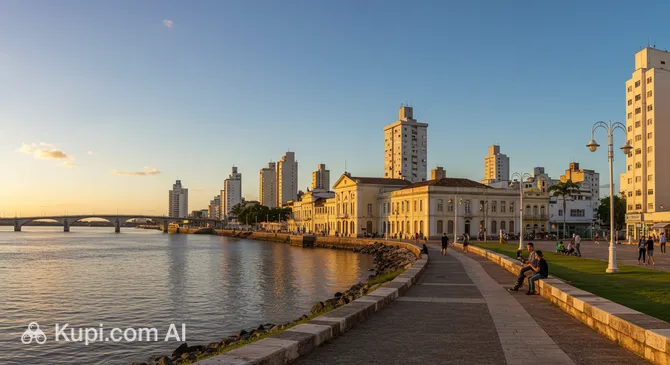
Uruguaiana. Source: Kupi.Binoculars

Travelers are often drawn to the impressive Getúlio Vargas-Agustín P. Justo International Bridge, a monumental structure connecting the city to Paso de los Libres in Argentina, symbolizing the connection between the two nations. Another major highlight is the city's famous off-season Carnival, considered one of the best in the region, which fills the streets with music, dancing, and colorful parades outside the traditional carnival dates.

Whether you are passing through on a cross-border journey or staying to experience the local hospitality, Uruguaiana welcomes visitors with open arms. It is an excellent stop for those wishing to experience authentic gaucho culture and the bustling atmosphere of a key South American crossroads.

Weather Overview

The climate in Uruguaiana is characterized by distinct seasons, offering a mix of hot summers and cool winters. Understanding the local conditions is helpful for planning outdoor activities and crossing the border. For a comprehensive forecast and detailed monthly averages, you can consult the guide to the weather in Uruguaiana.

During the summer months, from December to March, the city experiences its highest temperatures. January is typically the warmest month, with an average temperature of 26.8°C and daily highs often reaching 31.8°C. This period is also somewhat humid, with approximately 8 to 11 wet days per month. Travelers should be prepared for warm days and the possibility of occasional rain showers.

In contrast, the winter season from June to August brings noticeably cooler weather. July is generally the coldest month, with average temperatures dropping to around 14.9°C and lows dipping to 10.5°C. Rainfall frequency decreases slightly during these months, with about 6 to 7 wet days on average. Overall, visitors can expect hot summers with regular precipitation and cooler, drier winters.

Interesting Facts

Beyond the main attractions, Uruguaiana holds many fascinating secrets that reveal its pivotal role in regional history and commerce. Here are a few unique aspects of the city that often surprise visitors.

  • The Off-Season Advantage: While the rest of Brazil celebrates Carnival in February, Uruguaiana hosts its festivities later, typically in March. This unique scheduling allows the city to feature top-tier floats and professional performers from Rio de Janeiro who would otherwise be booked, ensuring a spectacle of remarkably high quality.

  • Birthplace of Brazilian Refining: The city claims a significant milestone in industrial history as the site of the country's first oil refinery. Established in the 1930s, the Refinaria Rio Grandense marked the beginning of the nation's petroleum processing capabilities, utilizing oil imported via the river.

  • A Logistics Giant: Uruguaiana is home to the largest dry port in Latin America. This massive customs and logistics facility is the primary hub for trade between Brazil, Argentina, and Chile, handling thousands of trucks daily and serving as a critical economic engine for the continent.

  • Imperial History: The city played a crucial role during the War of the Triple Alliance in the 19th century. It was the site of a major siege and the subsequent surrender of Paraguayan forces, an event of such importance that Emperor Dom Pedro II traveled to the front lines here to be present for the victory.

How to Get There

Reaching Uruguaiana often involves a journey through the scenic pampa region of southern Brazil. As a major border city, it is well-connected by road, though air travel options in the immediate vicinity vary. For a comprehensive overview of all transport methods, you can read more about how to get to Uruguaiana.

If you are considering arriving via regional flight hubs, one of the listed options is Posadas Airport (IATA: PSS). It is important to note that this airport is located in the city of Posadas in neighboring Argentina, approximately 285 km from Uruguaiana. Due to the distance and the need to cross the international border, the transfer by taxi or bus can take roughly 7 hours and 30 minutes. This route is generally more suitable for travelers who are already exploring the Argentine side of the region.

For clarity, here is a summary of the main airports:

Airport Name City Passenger Traffic Km from City
Posadas AirportPosadasMedium284.7

Beyond air travel, Uruguaiana is a significant hub for road transport. The city is served by a busy bus terminal that connects it to major Brazilian cities like Porto Alegre, as well as destinations in Argentina and Uruguay. Long-distance buses are a popular and reliable way to reach the city, offering a comfortable journey through the Rio Grande do Sul countryside.

Main Attractions

Exploring Uruguaiana offers a glimpse into the rich heritage of the Brazilian pampas and the unique atmosphere of the border region. The city's attractions reflect its historical strategic importance and religious devotion, providing visitors with several interesting sites to discover during their stay.

One of the architectural highlights is the Catedral de Sant'Ana. Located in the heart of the city, this imposing church serves as the seat of the local diocese and is a focal point for the community. Visitors are often impressed by its grand façade and the peaceful atmosphere inside, making it a perfect spot to appreciate the city's religious traditions and artistic details.

For those interested in local history and culture, the Centro Cultural Dr. Pedro Marini is an essential stop. Housed in the beautifully preserved former railway station, this center stands as a monument to the city's development. It hosts the Municipal Museum, where tourists can view varied collections that narrate the region's past, including artifacts related to the gaucho lifestyle and the area's military history.

The Ponte Internacional Getúlio Vargas-Agustín P. Justo is more than just a border crossing; it is a landmark of integration. Spanning the Uruguay River, this massive bridge offers spectacular views of the water and the neighboring Argentine city of Paso de los Libres. It is a popular spot for travelers to take photos and witness the busy flow of international commerce that defines the city.

Finally, a stroll through Praça Barão do Rio Branco allows visitors to experience the daily rhythm of Uruguaiana. As the main square, it is surrounded by important buildings and offers a green, shaded space for relaxation. It is often the stage for local events and a great place to observe the local architecture while enjoying the outdoors.

Local Cuisine

The culinary scene in Uruguaiana is a delicious reflection of its location on the border and its strong Gaúcho heritage. Visitors here will find a robust menu dominated by high-quality meats and hearty traditional recipes that were originally designed to fuel the cowboys of the pampas. The food culture here is unpretentious but deeply flavorful, blending Brazilian traditions with influences from neighboring Argentina and Uruguay.

The star of the local table is undoubtedly churrasco. In this region, barbecue is treated as an art form, often cooked over a ground fire known as fogo de chão or served in large steakhouses. Be sure to try the costela (beef ribs), which are slow-roasted until tender and juicy. Another staple dish is arroz de carreteiro, a savory rice meal cooked with shredded dried meat (charque), onions, and spices, historically prepared by wagon drivers crossing the plains. Given the city's position on the Uruguay River, fresh fish dishes featuring dourado or pintado are also excellent local choices.

No culinary experience in Rio Grande do Sul is complete without trying chimarrão. This hot, bitter mate tea is served in a hollowed-out gourd with a metal straw and is a ubiquitous symbol of hospitality and friendship. It is common to see locals carrying their thermos flasks and sharing the drink in parks and squares. For those seeking a refreshing alcoholic beverage to combat the humid summer heat, an ice-cold cerveja (beer) is the standard accompaniment to meals, though the region also appreciates robust red wines that pair perfectly with red meat.

Dining in Uruguaiana is a distinctly social affair. The most popular venues are the traditional churrascarias, often serving in the rodízio style where waiters continuously bring different cuts of meat to your table. You will also find restaurants specializing in parrilla, reflecting the Argentine style of grilling. Whether at a bustling steakhouse or a casual eatery near the river, the atmosphere is typically warm, welcoming, and centered around long conversations and generous portions.

Travel Tips

Preparing for a trip to Uruguaiana involves understanding a few key details about its unique border dynamics and local customs. These practical tips are designed to help you navigate the city with ease, ensuring a smooth and enjoyable experience in this vibrant part of the Rio Grande do Sul state.

  1. Clothing and Gear: The weather varies significantly by season. If you visit during the hot and humid summer (December to March), pack light, breathable fabrics, sunglasses, and sunscreen. In contrast, winters (June to August) can feel quite cold due to the wind, so a warm jacket and layers are essential. Comfortable walking shoes are recommended for exploring the city center and the riverfront.
  2. Transportation: While there is a municipal bus network, most tourists find taxis and ride-hailing apps to be the most convenient and efficient way to get around Uruguaiana. If you plan to explore the surrounding pampa region, renting a car is a good option, but be mindful of heavy truck traffic near the international bridge.
  3. Finances: The official currency is the Brazilian Real (BRL). Credit and debit cards are widely accepted in hotels, restaurants, and shops. However, it is wise to carry some cash for small vendors or street food. Since this is a border city, you will easily find casas de câmbio (exchange houses) if you need to swap Argentine Pesos or US Dollars.
  4. Health and Safety: Uruguaiana is generally safe for tourists, but standard precautions apply. Avoid walking alone in deserted areas at night, particularly near the riverbanks or the outskirts of the border zone. Pharmacies are plentiful in the city center, and some operate 24 hours a day. For medical emergencies, dial 192 for an ambulance.
  5. Communication: The official language is Portuguese, but due to the proximity to Argentina, Spanish is very widely understood and spoken by locals; a mix of the two, known as Portuñol, is common. English is not widely spoken outside of high-end hotels, so having a translation app or learning basic Portuguese phrases is highly recommended. You can buy prepaid SIM cards at pharmacies and newsstands with your passport.
  6. Local Etiquette: People in this region, known as Gaúchos, are warm and hospitable. Greetings often involve a firm handshake or a kiss on the cheek. If you are invited to share a chimarrão (the local mate tea), accept it as a sign of friendship. Remember the golden rule: never touch the metal straw (bomba) with your hands or stir the tea, as this is considered rude.
  7. What to Avoid: Do not attempt to cross the International Bridge into Argentina without your passport or proper identification, even for a short visit. Border controls are strict, and being caught without documents can lead to significant delays and legal issues.
  8. Shopping Tip: Uruguaiana is one of the few Brazilian cities authorized to have "Lojas Francas" (Duty-Free shops) within the city limits. These stores offer imported goods like perfumes, electronics, and beverages tax-free, making it a great destination for shopping enthusiasts.

By keeping these tips in mind, you will be well-prepared to embrace the distinct culture and atmosphere of Uruguaiana. Whether you are shopping, enjoying the local cuisine, or crossing borders, a little preparation goes a long way in making your visit memorable.

Entertainment & Nightlife

The nightlife in Uruguaiana reflects its spirited border culture, offering a mix of laid-back social gatherings and lively late-night venues. As a university city and a commercial hub, the evenings here are vibrant, particularly on weekends when locals and visitors alike fill the streets to enjoy cold drinks, live music, and the company of friends. The atmosphere is generally casual and welcoming, with a strong emphasis on the traditional Brazilian "boteco" culture—open-air bars where conversation flows as freely as the beer.

The heart of the city's entertainment scene is concentrated in the downtown area, particularly around the Praça Barão do Rio Branco and along Rua XV de Novembro. This central district is where you will find the highest density of bars, restaurants, and pubs. On warm evenings, tables often spill out onto the sidewalks, creating a festive environment. It is common for the night to begin with a relaxed dinner or happy hour before moving on to venues with music and dancing.

For those looking to experience the local scene, Café da Praça Gastropub is a popular choice located right on the main square. It offers a sophisticated yet accessible vibe, perfect for enjoying craft cocktails and varied dishes while people-watching in the city's center. If you prefer a more energetic atmosphere with live bands or DJ sets, Berlin Pub is a well-known spot that often draws a younger crowd looking to dance well into the night. Another excellent option for beer enthusiasts is Pastello Bar e Chopperia, known for its cold draft beer and hearty snacks, making it a great place to start the evening.

When planning a night out, keep in mind that the action typically starts late. Bars begin to fill up around 9:00 PM, but nightclubs and music venues often do not peak until after midnight. The dress code is almost exclusively casual; jeans and a nice shirt are appropriate for nearly everywhere. Prices in Uruguaiana are generally reasonable compared to larger Brazilian capitals, but it is always wise to carry some cash, as smaller vendors or cover charges might not accept cards.

Safety is an important consideration, as in any city. The central areas near the main square and busy avenues are generally safe for walking during the early evening when crowds are present. However, as the night progresses, it is highly recommended to use taxis or ride-hailing apps to move between venues or return to your accommodation, rather than walking through quiet or poorly lit streets. Taxis are readily available at designated stands near the main plaza.

For daytime entertainment, Uruguaiana offers several cultural and recreational options. The Centro Cultural Dr. Pedro Marini is the primary destination for history buffs, housing museums and exhibitions within a historic building. For a more relaxed afternoon, Parque Dom Pedro II, locally known as "Parcão," provides green space for walking and sports. Additionally, the city's status as a duty-free zone means that shopping is a major form of entertainment, with visitors spending hours exploring the various "Lojas Francas" for imported goods.

Parks & Museums

Uruguaiana offers a mix of open green spaces and deep-rooted cultural heritage, reflecting its unique position on the border of the pampas. The city's leisure areas are closely tied to the river and the outdoors, while its museums serve as guardians of the rich history and traditions that define this strategic crossroads.

For those seeking fresh air and recreation, Parque Dom Pedro II, locally known as "Parcão," is the city's main green lung. This expansive park is the go-to spot for residents to exercise, play sports, or enjoy a family picnic under the shade of trees. It captures the relaxed spirit of the region and is often bustling with activity on weekends. Another vital natural area is the Esplanada do Rio Uruguai, a scenic riverfront promenade. It offers uninterrupted views of the water and the international bridge, making it a perfect location for a tranquil walk to appreciate the vastness of the landscape.

The cultural life of Uruguaiana is centered around the magnificent Centro Cultural Dr. Pedro Marini. Housed in the beautifully restored former railway station, this building is a landmark in itself. Inside, it hosts the Museu Municipal and the Museu Crioulo, which preserve a vast collection of artifacts. Visitors can explore exhibits related to the Farroupilha Revolution, the city's railway past, and the daily life of the gaúchos, providing a comprehensive look at the region's identity.

Another interesting venue is the Museu do Rio Uruguay. This institution is dedicated to the ecology and history of the river that gave the city its name. Through its displays, tourists can learn about the local biodiversity, archaeological findings, and the crucial role the river has played in the development of commerce and communication in the Southern Cone.

Architecturally, the city boasts several impressive structures beyond its museums. The Prefeitura Municipal is a stately building that reflects the economic prosperity of the early 20th century. Nearby, the Catedral de Sant'Ana stands as a testament to religious devotion, featuring an imposing façade and intricate artistic details that attract admirers of sacred art.

For a moment of quiet connection with the local vibe, try visiting the riverbanks just before dusk. The sunset over the Uruguay River is considered one of the most beautiful in the state, offering a spectacular display of colors that is best enjoyed while sipping a traditional mate tea, just like the locals do.

Getting Around

The public transport system in Uruguaiana is relatively modest and straightforward, relying primarily on a network of municipal buses. As a medium-sized city, there is no metro, tram, or train service for intra-city travel. The bus fleet connects the central district with outlying neighborhoods and key locations such as the university and the riverfront. For most tourists, the system is functional for getting around during the day, though the city center itself is quite compact and often best explored on foot.

Fares for the municipal buses are affordable and are typically paid in cash directly to the conductor or driver upon boarding. While there is an electronic card system used by local residents and students to secure discounted rates, it is generally not practical for short-term visitors to obtain one. Travelers should carry small bills and coins, as breaking large denominations on the bus can sometimes be difficult. The approximate cost for a single ride is standard for the region, offering an economical way to traverse the city.

For those prioritizing comfort and speed, taxis and ride-hailing apps are excellent alternatives. Traditional taxis can be found at designated stands, particularly near the main square, the bus terminal, and the international bridge. Ride-sharing apps like Uber and 99 are also active in the city, providing a convenient way to book rides with transparent pricing and the ability to pay via credit card through the app, which eliminates the need for carrying cash.

A unique feature of transport in Uruguaiana is the cross-border connectivity. There are specific bus lines and authorized taxis that operate between the city and Paso de los Libres on the Argentine side of the river. These services are designed to facilitate the crossing of the International Bridge, making them a vital resource for tourists planning a day trip across the border. When using these services, ensure you have your passport or valid identification ready for customs control.

Regarding operating hours, municipal buses generally run from early morning, around 6:00 AM, until approximately 11:00 PM. However, visitors should be aware that the frequency of service drops significantly on weekends, holidays, and late at night. If you plan to stay out late enjoying the local nightlife, it is highly recommended to arrange a taxi or ride-share in advance, as bus services may be scarce or unavailable.

Accommodation

Accommodation in Uruguaiana serves a diverse mix of visitors, ranging from cross-border tourists to business professionals and logistics personnel. The city primarily offers functional and comfortable lodging options rather than high-end luxury resorts. Travelers can expect to find a solid selection of mid-range hotels, budget-friendly hostels, and traditional Brazilian pousadas (inns). Many establishments are designed to accommodate short stays, reflecting the city's role as a major transit hub between Brazil and Argentina.

For those wishing to explore the local culture and attractions, the City Center is the most convenient area to stay. Hotels located near Praça Barão do Rio Branco and the main commercial streets place visitors within walking distance of restaurants, shops, and the Cathedral of Sant'Ana. Alternatively, travelers passing through for a single night often prefer accommodations situated along the access roads or near the International Bridge, which offer easy access for early departures and are often equipped with secure parking facilities.

A crucial tip for booking in Uruguaiana is to be mindful of the local event calendar. The city hosts a famous Off-Season Carnival, typically held in March, which attracts thousands of visitors. During this period, and to a lesser extent during major holidays, hotel availability drops significantly, and prices may rise. It is highly recommended to secure your reservation well in advance if your trip coincides with these festivities.

In terms of cost, lodging in the city is generally affordable and offers good value for money. Prices typically fall into the budget to mid-range categories. While many of the larger, more modern hotels are listed on major international booking platforms, some smaller, family-run establishments may still rely on direct bookings via phone or email. Regardless of where you choose to stay, the hospitality in Uruguaiana is warm and welcoming, ensuring a pleasant rest before you continue your journey.

Nearby Cities

For those looking to explore the surroundings, Uruguaiana serves as an excellent base for day trips to several interesting nearby locations. The region is rich in history and offers a variety of cultural experiences that complement a visit to the border.

Alegrete is the closest major city and is deeply revered as a guardian of Gaúcho traditions. Famous in local folklore and song, it offers visitors an authentic look into the rural lifestyle of the pampas. The city hosts several museums and traditional events that celebrate the heritage of the cowboys and the history of the Farroupilha Revolution.

Another compelling destination is São Borja, located to the north along the river. It holds immense historical significance as one of the original Seven Peoples of the Missions founded by Jesuits. It is also known as the "Land of the Presidents," being the birthplace of two Brazilian presidents, Getúlio Vargas and João Goulart, making it a fascinating stop for history enthusiasts.

For a unique cross-border experience similar to Uruguaiana, Santana do Livramento is a popular choice. It shares a dry border with the Uruguayan city of Rivera, allowing visitors to walk freely between the two countries. The area is well-known for its duty-free shopping, the Park of Peace (Praça Internacional), and the emerging wine tourism in the Campanha Gaúcha region.

City Population Distance (km)
Santa Maria 243611 319
Santana do Livramento 83324 195
Santo Angelo 76275 319
Alegrete 73028 125
Sao Borja 62990 161

These nearby destinations offer a glimpse into the diverse culture and landscapes of the region.

Shopping & Souvenirs

Shopping in Uruguaiana is a unique experience largely defined by its status as a strategic border city. For many visitors, the primary allure lies in the opportunity to purchase high-quality imported goods at attractive prices, thanks to special tax regulations. Beyond the imports, the city also offers a variety of local products that reflect the rich Gaúcho culture, making it a diverse destination for bargain hunters and souvenir collectors alike.

The commercial heart of the city is located in the Downtown (Centro) area. The most bustling activity can be found along Rua XV de Novembro and Rua Duque de Caxias. These streets are lined with a mix of traditional clothing stores, pharmacies, and shoe shops. It is a lively district where locals do their daily shopping, and tourists can find everything from fashion to household items while soaking in the energetic atmosphere of the city center.

While Uruguaiana does not feature the massive shopping malls found in larger metropolitan capitals, it is home to several modern commercial galleries and, most notably, the Free Shops (Lojas Francas). These establishments function similarly to airport duty-free stores but are located within the city limits. They offer a comfortable, air-conditioned environment where visitors can browse international brands of cosmetics, electronics, beverages, and accessories.

For a more popular and eclectic shopping experience, the local Camelódromo (popular market) is a must-visit. This large commercial center is packed with small stalls selling a vast array of goods, from affordable electronics and toys to clothing and gadgets. It is a chaotic but fascinating place to find bargains, though shoppers should always check the quality of items before purchasing.

When it comes to souvenirs, visitors have two distinct categories to choose from. On one hand, the city is an excellent place to buy traditional Gaúcho items, such as leather boots, belts, woolen ponchos, and artisanal mate gourds (cuias) with silver straws (bombas). On the other hand, the duty-free status means many tourists leave with imported goods like Argentine wines, Uruguayan dulce de leche, Swiss chocolates, and designer perfumes.

Store opening hours in Uruguaiana generally follow the standard Brazilian commercial schedule. Most shops open around 9:00 AM and close at 6:00 PM or 7:00 PM on weekdays. Many smaller businesses may close for a lunch break between 12:00 PM and 2:00 PM. On Saturdays, shops typically close in the early afternoon, around 1:00 PM, while Sundays are quiet with most retail stores closed. Credit and debit cards are widely accepted, but carrying some cash (Brazilian Reais) is advisable for small purchases in markets.

A significant highlight for tourists is the Tax-Free shopping system. Uruguaiana was a pioneer in Brazil's "Twin Cities" duty-free legislation. Tourists can purchase imported products exempt from federal taxes in authorized "Lojas Francas." To take advantage of this, you must present a valid identification document, such as a passport or national ID. There is a monthly purchasing quota per person, so it is wise to check the current limits before you start your shopping spree.
Nearby cities

Reached the end of the page?

That means the route is fully explored