Nestled in the picturesque Serra Gaúcha mountains, Caxias do Sul is a captivating destination that perfectly blends industrial strength with rich cultural traditions. As the second-largest city in the state of Rio Grande do Sul in southern Brazil, it serves as a major economic hub while maintaining a charming atmosphere deeply rooted in its European ancestry.
Caxias do Sul. Illustration.
Source: Kupi.com AI
With a population of approximately 435,000 residents, the city offers a lively urban environment surrounded by stunning natural landscapes. The region is known for its subtropical highland climate, which often brings cooler temperatures compared to the rest of the country, making it a refreshing retreat. The history of Caxias do Sul is intrinsically linked to the wave of Italian immigration that began in the late 19th century, a legacy that is still visible today in the local architecture, cuisine, and dialect.
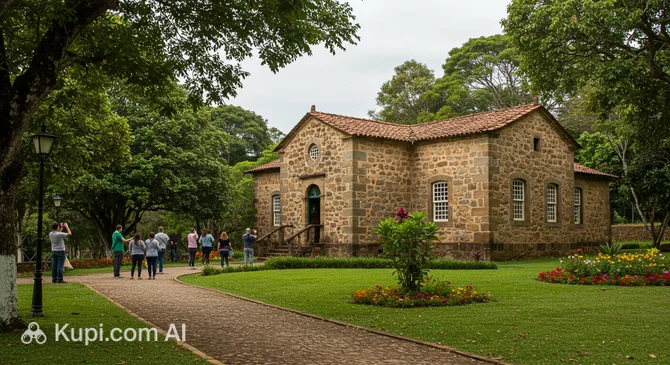
Travelers are often drawn to the city for its renowned enotourism. Caxias do Sul is a key player in the country's wine production and hosts the spectacular Festa da Uva (National Grape Festival), which celebrates local viticulture and Italian customs. Visitors should not miss the chance to explore the Museu Ambiência Casa de Pedra, a museum housed in a historic stone house that offers a glimpse into the lives of early settlers, or enjoy the lush greenery of the Getúlio Vargas Park.
Whether you are a wine enthusiast, a history buff, or simply looking to explore a unique side of South America, Caxias do Sul welcomes you with open arms. It is a destination that promises memorable experiences, delicious gastronomy, and a warm, hospitable spirit.
Weather Overview
The climate in this region is characterized by distinct seasons, offering a variety of experiences depending on when you visit. For a detailed forecast and monthly breakdowns, you can check the weather in Caxias do Sul before your trip. Generally, the city enjoys a subtropical highland climate due to its elevation, which prevents the extreme heat often found in other parts of Brazil.
Summer, spanning from December to March, brings pleasant warmth with average temperatures hovering around 21°C to 22°C. January is typically the warmest month, seeing highs of 27.1°C, though it is also quite humid with precipitation recorded on approximately 19 days. In contrast, the winter months of June through August are noticeably cooler. July is usually the coldest time of year, with average temperatures dipping to 13.3°C and minimums around 8.6°C.
Travelers should be prepared for variable conditions throughout the year. Expect warm summers with frequent precipitation and cool winters that require warm layers for comfortable sightseeing.
Average monthly temperature
Average monthly precipitation
Interesting Facts
Beyond the main attractions, Caxias do Sul holds many fascinating secrets that reveal the depth of its cultural and historical tapestry. Here are some intriguing facts that make this Brazilian city truly unique:
A Living Language: Caxias do Sul is one of the few places in the world where you can still hear "Talian," a Venetian dialect brought by Italian immigrants in the 19th century. It is recognized as part of the country's cultural heritage and is still spoken by older generations in the region.
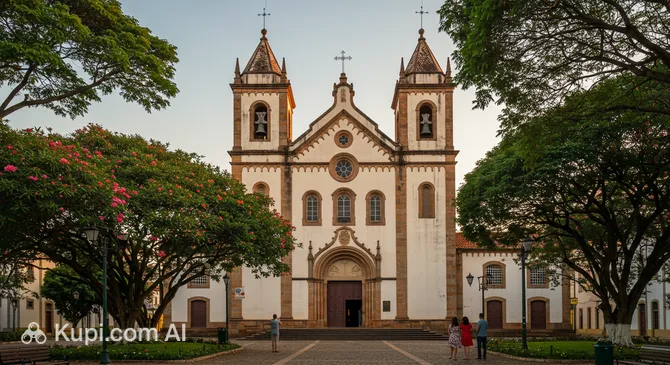
Masterpieces of Art: The Church of Saint Pellegrino is not just a place of worship but a treasure trove of art. It houses magnificent frescoes by Aldo Locatelli and bronze doors that are exact replicas of the famous "Gates of Paradise" by Lorenzo Ghiberti in Florence, Italy.
Ingenious Construction: The Stone House Ambience Museum stands as a testament to the resourcefulness of early settlers. Built in the late 19th century, this structure was crafted entirely from shaped basalt stones and mud without the use of cement, preserving the domestic lifestyle of the era.
Snow in Brazil: While Brazil is famous for its tropical beaches, Caxias do Sul offers a different experience. Due to its high altitude in the Serra Gaúcha, the city occasionally experiences snowfall during the winter months, creating a rare and beautiful winter landscape in South America.
Stone House Ambience Museum. Illustration.
Source: Kupi.com AI
Traveler photos:
How to Get There
Reaching this charming destination in the Serra Gaúcha is convenient, with options ranging from landing directly in the city to arriving at a major international hub nearby. For a detailed breakdown of all transport methods, including bus routes and driving directions, you can read more about how to get to Caxias do Sul.
The most direct entry point is the Hugo Cantergiani Regional Airport (IATA: CXJ), which is located within Caxias do Sul itself, just 2.6 km from the city center. Although it is a regional facility with medium passenger traffic, it offers the ultimate convenience for domestic travelers or those connecting from other Brazilian cities. A taxi ride from the terminal to the downtown area is very quick, typically taking less than 15 minutes depending on traffic.
For international travelers or those seeking more flight connections, the city of Caxias do Sul does not have its own large international hub, but you can fly into Salgado Filho International Airport (IATA: POA) in the city of Porto Alegre, which is about 91 km away. This is a large airport serving millions of passengers annually and acts as the primary gateway to the state of Rio Grande do Sul. The journey from Porto Alegre to Caxias do Sul by road typically takes around 2.5 to 3 hours, offering a scenic drive through the region's rolling landscapes.
For clarity, here is a summary of the main airports:
Exploring Caxias do Sul offers a delightful mix of cultural heritage, religious art, and refreshing green spaces. The city's attractions reflect its strong Italian roots and its status as a vibrant hub in the Serra Gaúcha region. Whether you are interested in history, nature, or local community life, there are several key spots you should include in your itinerary.
One of the most significant landmarks in the city is the Church of Saint Pellegrino. This religious site is not only a place of prayer but also a masterpiece of art. Visitors are captivated by the stunning frescoes painted by the renowned Italian-Brazilian artist Aldo Locatelli, which adorn the ceiling and walls. Another highlight is the impressive bronze doors, replicas of the "Gates of Paradise" from the Florence Baptistery, making this church a must-visit for art lovers and history enthusiasts alike.
Church of Saint Pellegrino. Illustration.
Source: Kupi.com AI
Traveler photos:
For those looking to connect with nature and wildlife, the UCS Zoo is an excellent choice, especially for families. Located within the University of Caxias do Sul, this facility focuses on environmental education and the rehabilitation of animals. It houses a variety of species, including reptiles, birds, and mammals, providing a safe environment for them while offering visitors a chance to learn about the region's biodiversity in a well-maintained setting.
UCS Zoo. Illustration.
Source: Kupi.com AI
Traveler photos:
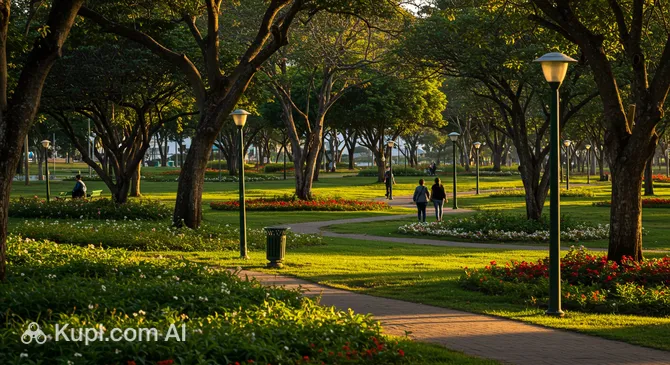
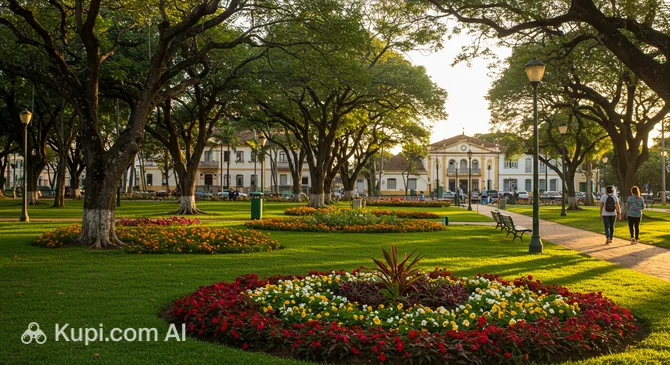
If you prefer a relaxing afternoon outdoors, Parque dos Macaquinhos (Getúlio Vargas Park) is the city's most beloved urban oasis. Situated close to the center, this park is perfect for a leisurely stroll, a morning jog, or a picnic on the grass. It features a small lake, playgrounds, and plenty of trees, serving as a popular gathering spot for locals to unwind and enjoy the fresh air away from the bustling streets.
Parque dos Macaquinhos (Getúlio Vargas Park). Illustration.
Source: Kupi.com AI
Traveler photos:
Another wonderful green space to explore is Cinquentenário Park. Known for its ample space and peaceful atmosphere, it is a favorite location for community events and outdoor activities. The park offers walking paths and sports courts, making it a great destination for travelers who want to experience the active lifestyle of the local residents or simply enjoy a quiet moment surrounded by nature.
Local Cuisine
Local Cuisine:
The gastronomic identity of Caxias do Sul is a delicious journey through its history, heavily defined by the traditions brought by Italian immigrants in the late 19th century. The city is famous throughout Brazil for its abundant and hearty meals, where hospitality is shown through overflowing plates and constant service. While the region shares the Gaúcho tradition of barbecue, the Italian influence creates a unique culinary landscape that is the pride of the Serra Gaúcha.
The undisputed star of the local table is the Galeto al Primo Canto. This dish consists of young chicken marinated in a mixture of herbs—typically sage, marjoram, and white wine—and roasted over charcoal until golden and juicy. It is rarely served alone; a traditional meal is a sequence that begins with sopa de agnolini (a rich broth with capeletti-like pasta), followed by the galeto, fried or toasted polenta (polenta brustolada), and a fresh salad of radicci with bacon. Handmade pastas, such as tortei stuffed with pumpkin and nutmeg, are also staples you must try.
When it comes to drinks, Caxias do Sul is the heart of Brazil's wine country. The region produces excellent red wines, particularly Merlot and Cabernet Sauvignon, as well as sparkling wines that have gained international acclaim. For a non-alcoholic alternative, the local whole grape juice is incredibly rich and sweet, made without added sugars. You will also see locals carrying thermoses for chimarrão, the hot mate tea that is a symbol of hospitality and friendship in southern Brazil.
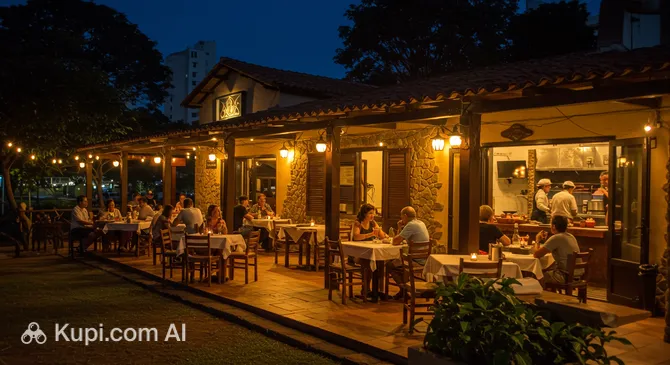
Dining out is a major social activity here. For a substantial meal featuring high-quality meats, visitors often head to establishments like Labaredas Grill Restaurant, which offers the robust flavors typical of the region's steakhouses. The service style in many traditional restaurants is often "espeto corrido" or "rodízio," where waiters continuously bring different cuts of meat or pasta to your table until you signal that you are satisfied.
Labaredas Grill Restaurant. Illustration.
Source: Kupi.com AI
Traveler photos:
For a more casual atmosphere or a fun evening out, the city offers a variety of spots ranging from modern burger joints to lively bars. You might enjoy a relaxed meal at Jaime Rocha Burger House, known for its creative takes on the classic sandwich. If you are looking for a place to unwind with drinks and appetizers, Sebastiana Bar & Restaurant provides a welcoming environment to experience the local nightlife. Additionally, for travelers who prefer a wide range of quick options in one location, the food court at Villagio Caxias Shopping Mall is a convenient choice to sample various snacks and sweets.
Travel Tips
Welcome to Caxias do Sul! To ensure your journey through this charming Brazilian-Italian hub is as smooth and enjoyable as possible, we have compiled a list of essential advice for your trip. These practical tips will help you navigate the local customs, climate, and logistics with the confidence of a seasoned traveler.
Clothing and Gear: The weather in the mountains can be unpredictable, so dressing in layers is the best strategy. Summers (December to March) are warm, while winters (June to August) can be quite cold, sometimes even reaching freezing temperatures. Bring comfortable walking shoes for the hilly streets and a universal power adapter, as Brazil uses type N sockets.
Transportation: Ride-hailing apps like Uber and 99 are widely available, safe, and often more convenient than navigating public bus routes for a short stay. However, if you plan to explore the famous vineyards or the scenic "Rota da Uva," renting a car provides the freedom to travel at your own pace.
Finances: The local currency is the Brazilian Real (BRL). Credit and debit cards are accepted almost everywhere, from restaurants to small shops. It is still wise to carry a small amount of cash for tips or minor purchases. Tipping around 10% is customary in restaurants and is usually included in the bill as a service charge.
Health and Safety: While Caxias do Sul is generally safer than Brazil's larger metropolitan areas, you should still exercise standard urban precautions. Avoid walking in poorly lit or deserted areas late at night and keep expensive electronics out of sight. Pharmacies are abundant, easy to spot, and often open late for minor health needs.
Communication: Portuguese is the primary language, and English is not widely spoken outside of major hotels and tourist agencies. Downloading an offline translation app or learning basic phrases like "Obrigado" (Thank you) and "Por favor" (Please) will be incredibly helpful. You can buy a SIM card at local carrier stores or some pharmacies with your passport.
Local Etiquette: People in the region are known for their hospitality. Greetings often involve a firm handshake or a kiss on the cheek. It is polite to greet shopkeepers and service staff with a friendly "Bom dia" (Good morning) or "Boa tarde" (Good afternoon) upon entering.
What to Avoid: Be careful with hand gestures; the "OK" sign (forming a circle with your thumb and index finger) is considered very offensive in Brazil. Additionally, avoid drinking tap water directly; sticking to bottled or filtered water is the safest option to prevent stomach issues.
A Taste of Tradition: Do not assume wine is the only local specialty. You must try the suco de uva integral (whole grape juice), which is rich, sweet, and made without added sugars. It is a staple of the region's identity and can be found in almost every restaurant and supermarket.
By keeping these tips in mind, you will be well-prepared to embrace the unique culture and beauty of Caxias do Sul. Have a wonderful trip and enjoy every moment of your adventure in the Serra Gaúcha!
Entertainment & Nightlife
As the sun sets over the Serra Gaúcha, Caxias do Sul transforms from a bustling industrial hub into a lively center for entertainment. Thanks to its large university population and vibrant local culture, the city offers a nightlife scene that is surprisingly diverse, catering to everyone from craft beer enthusiasts to electronic music lovers. The atmosphere is generally welcoming and unpretentious, reflecting the warm hospitality of the region.
The epicenter of the city's nightlife is undoubtedly the area surrounding the historic Estação Férrea (Old Train Station) in the São Pelegrino district. This revitalized zone features a cluster of bars, pubs, and clubs housed in charming old buildings, creating a unique blend of history and modern fun. It is the perfect place to start your evening with a "happy hour" drink or to party until the early hours of the morning. The streets here are often buzzing with young locals and visitors moving between venues.
For those seeking a high-energy experience, Level Cult is a standout destination. Known for its inclusive atmosphere and vibrant parties, this club is a favorite among the alternative crowd and LGBTQ+ community, often playing a mix of pop, funk, and electronic hits. It is a great spot to dance freely and meet new people in a safe, spirited environment.
Level Cult. Illustration.
Source: Kupi.com AI
Traveler photos:
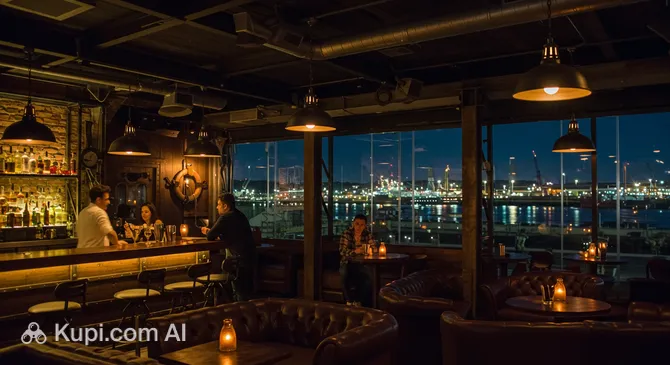
Another excellent venue in the nightlife circuit is Doca. This music complex often hosts live bands and themed parties, offering a spacious setting for enjoying good drinks and rhythm. If you prefer a more laid-back evening with high-quality food and cocktails, you might revisit Sebastiana Bar & Restaurant, which transitions seamlessly from a dining spot to a cozy bar atmosphere at night.
Doca. Illustration.
Source: Kupi.com AI
Traveler photos:
Practical Nightlife Tips: The fun in Caxias do Sul typically starts late. Bars begin to fill up around 9:00 PM, while nightclubs often don't get busy until after midnight. The dress code is generally "smart casual"—jeans and a nice shirt are acceptable almost anywhere, though some clubs might prefer a slightly more polished look. Prices for entry and drinks are reasonable compared to major capitals like São Paulo or Rio de Janeiro.
Regarding safety, the main nightlife districts like São Pelegrino are well-populated and generally safe, but it is always wise to stay vigilant. Avoid walking alone in unlit areas or empty streets late at night. The best way to get around after dark is by using ride-hailing apps like Uber or 99, which are reliable and affordable in the city.
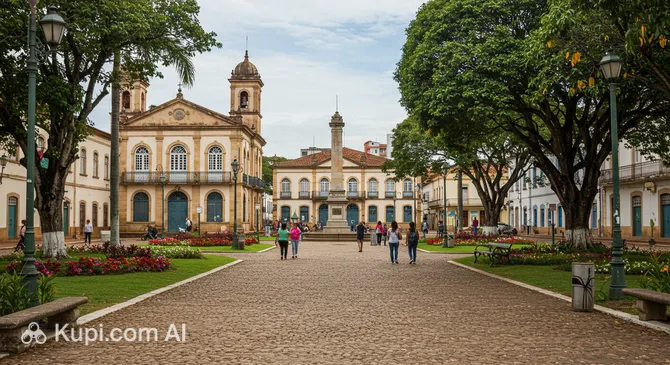
During the daylight hours, the entertainment focus shifts to culture and leisure. The city has a rich array of museums and theaters, such as the Casa de Cultura Percy Vargas of Abreu e Lima. For a relaxing afternoon, you can visit Praça da Bandeira (Dante Marcucci Square), a central landmark that offers a glimpse into the daily life of the residents and serves as a pleasant spot for a break between sightseeing adventures.
Praça da Bandeira (Dante Marcucci Square). Illustration.
Source: Kupi.com AI
Traveler photos:
Parks & Museums
Caxias do Sul offers a refreshing balance between urban development and environmental preservation, boasting well-maintained green spaces that serve as sanctuaries for both locals and visitors. Alongside its natural beauty, the city takes great pride in preserving its heritage, with museums that vividly narrate the saga of Italian immigration and the region's development.
For those seeking a spacious retreat for outdoor activities, Cinquentenário Park is a standout location. This expansive area is a favorite for families and fitness enthusiasts, offering wide walking paths, sports courts, and plenty of shaded areas perfect for picnics. It serves as a welcoming leisure spot where the community gathers to exercise, socialize, and enjoy the outdoors in a relaxed setting.
Cinquentenário Park. Illustration.
Source: Kupi.com AI
Traveler photos:
Another essential green lung in the city center is Parque dos Macaquinhos (Getúlio Vargas Park). While it is a popular spot for daily exercise, its true charm lies in its accessibility and the serene atmosphere it provides amidst the urban hustle. Visitors can enjoy leisurely strolls around the small lake or simply relax on the lawns, observing the local birdlife and the community coming together.
When it comes to history, the Stone House Ambience Museum is an unmissable cultural landmark. This museum is unique not just for its collection but for the building itself—a late 19th-century basalt stone house constructed by immigrants. Inside, the rooms are arranged to replicate the domestic life of the early settlers, featuring authentic furniture, tools, and clothing that transport visitors back in time.
Another significant site for understanding the local identity is the Monumento Nacional ao Imigrante (National Immigrant Monument). This imposing bronze sculpture greets visitors at the entrance of the city and houses a small museum in its crypt. It pays homage to the courage and determination of the immigrants who built the region, displaying historical documents and artifacts that offer a poignant look into their journey.
For a mix of education and nature, the UCS Zoo offers a different kind of museum experience—a living one. Dedicated to the conservation of biodiversity, it allows visitors to see native South American species up close. It is an excellent place to learn about the local fauna and the importance of environmental protection in the Serra Gaúcha.
Insider Tip: If you are interested in botany and quiet reflection, try to visit the Jardim Botânico de Caxias do Sul. It is a lesser-known gem compared to the main parks, offering a peaceful setting with a rich collection of native plants characteristic of the Atlantic Forest and the Araucaria moist forests.
Getting Around
The public transport system in Caxias do Sul relies almost exclusively on a comprehensive bus network. Unlike larger metropolitan areas, the city does not have a metro or tram system. The buses, easily identifiable by their yellow or green color schemes depending on the route type, connect the downtown area with residential neighborhoods and industrial districts. The system is designed around "EPIs" (Estações Principais de Integração), which are integration terminals allowing passengers to switch buses without paying a second fare within a specific time window.
For payment, the most convenient option for visitors is the Caxias Urbano card. While paying with cash on board is sometimes possible, using the card is cheaper and more practical. You can purchase and top up these cards at the main bus terminals or authorized sales points throughout the city. A single ride typically costs around 6.00 BRL, though prices are subject to change. It is advisable to have small change if you intend to pay in cash, as drivers often carry limited change.
To navigate the routes effectively, tourists are encouraged to download the official Caxias Urbano app. This application provides real-time updates, route maps, and schedules, which is incredibly helpful since bus stops do not always display detailed timetables. Buses generally operate from early morning until around midnight, but frequency drops significantly on Sundays and holidays. Always wave to the driver to signal that you want to board, as buses do not stop automatically at every station.
If you prefer more comfort or direct travel, ride-hailing apps like Uber and 99 are extremely popular and reliable in the city. They are often a cost-effective alternative for small groups or for reaching destinations not well-served by bus routes. Traditional taxis are also available, typically white with red or orange identification bands; they run on a meter and can be found at designated stands near major squares and the bus station.
For those planning to explore the surrounding vineyards or the wider Serra Gaúcha region, renting a car is highly recommended. While the city center is walkable, the terrain is quite hilly, and many of the best attractions are located on the outskirts. Having a vehicle gives you the freedom to explore at your own pace, though parking in the central district can be challenging during business hours.
Accommodation
Finding the perfect place to stay in Caxias do Sul is generally a straightforward experience, catering to a diverse mix of business travelers and tourists exploring the Serra Gaúcha. The city offers a solid range of accommodation options, primarily focusing on comfortable mid-range hotels and functional budget stays. While it may not have the abundance of luxury resorts found in neighboring Gramado, visitors can expect clean, modern, and well-equipped facilities that reflect the region's high standards of hospitality.
For those who prioritize convenience and accessibility, the City Center (Centro) is the most practical area to base yourself. Staying here places you within walking distance of essential services, shops, and transport hubs. It is an excellent choice for travelers who want to be close to the heart of the action, including the bustling Praça da Bandeira (Dante Marcucci Square), where local life unfolds.
Another highly recommended neighborhood is São Pelegrino. This district is slightly more upscale and offers a charming blend of culture and leisure. It is home to the city's best shopping options, including the Villagio Caxias Shopping Mall, and a vibrant nightlife scene. Staying in this area also keeps you close to major landmarks like the beautiful Church of Saint Pellegrino, making it perfect for those who want to combine sightseeing with easy access to restaurants and entertainment.
Booking Tip: While accommodation is usually easy to find, the city fills up quickly during major events. If you plan to visit during the Festa da Uva (National Grape Festival), which attracts crowds from all over the country, it is crucial to book your room several months in advance.
The price range for accommodation in Caxias do Sul is generally moderate and offers good value for money compared to other tourist hotspots in the region. You can find everything from economical hostels to higher-end business hotels. Booking is best done through major online platforms, which offer competitive rates and flexible cancellation policies, though contacting smaller inns directly can sometimes yield a more personalized experience.
Nearby Cities
For those looking to explore the surroundings, Caxias do Sul serves as an excellent base for day trips to several interesting nearby locations:
One of the most popular destinations is Bento Gonçalves, often hailed as the wine capital of Brazil. Located just a short drive away, it invites visitors to tour the renowned Vale dos Vinhedos (Valley of the Vineyards), where you can taste award-winning wines, enjoy authentic Italian gastronomy, and admire the rolling hills covered in grapevines. It is a must-visit for enotourism enthusiasts.
Another excellent option is Farroupilha, historically significant as the cradle of Italian immigration in the state. Beyond its heritage, the town is famous for its high-quality knitwear industry, attracting shoppers from all over. Nature lovers will also appreciate the spectacular Salto Ventoso waterfall, a stunning natural site where you can walk behind the curtain of falling water.
For those interested in German heritage and industrial history, Novo Hamburgo offers a different cultural perspective. Known as the "National Capital of Shoes," it features museums dedicated to the footwear industry and preserved half-timbered architecture that reflects the traditions of its German settlers.
City
Population
Distance
Flores da Cunha
31 063
16 km
Farroupilha
73 061
17 km
Nova Petropolis
19 045
23 km
Sao Marcos
21 658
25 km
Bento Goncalves
121 803
33 km
These nearby destinations offer a glimpse into the diverse culture and landscapes of the region.
Shopping & Souvenirs
Shopping in Caxias do Sul offers a delightful mix of modern convenience and traditional charm, reflecting the city's status as a regional economic powerhouse. While it may not be a global fashion capital, the city provides an excellent variety of retail experiences, ranging from bustling street markets to sophisticated shopping centers. Visitors will find that the local commerce is particularly strong in fashion, footwear, and, unsurprisingly, gastronomic products derived from the region's rich Italian heritage.
For a traditional high-street shopping experience, the downtown area (Centro) is the place to start. The bustling Avenida Júlio de Castilhos serves as the city's main commercial artery, lined with countless shops selling clothing, electronics, shoes, and accessories at competitive prices. Walking along this avenue gives you a real feel for the local rhythm. For a slightly more upscale atmosphere, the São Pelegrino district offers a selection of boutiques and specialty stores, often housed in pleasant, tree-lined streets near the historic train station.
If you prefer the comfort of a large, climate-controlled environment, the city has excellent options. The Villagio Caxias Shopping Mall is the premier destination for retail therapy. It features a wide array of national and international brands, a cinema complex, and a diverse food court. Another notable spot is Shopping San Pelegrino, located closer to the city center, which is known for its modern architecture and convenient mix of services and stores.
Villagio Caxias Shopping Mall. Illustration.
Source: Kupi.com AI
Traveler photos:
Markets play a vital role in the local culture, particularly regarding food. The Feira do Agricultor (Farmers' Market) is a must-visit for anyone interested in authentic local flavors. Held at various locations and times throughout the week, these markets allow you to buy directly from producers. You can find fresh fruits, vegetables, and the famous "colonial products" such as artisanal cheeses, salamis, jams, and honey, which are staples of the Serra Gaúcha diet.
When searching for the perfect souvenir, look no further than the region's culinary treasures. A bottle of local wine or sparkling wine (espumante) is the quintessential gift from Caxias do Sul. For non-drinkers, the thick, sweet whole grape juice is a delicious alternative. Additionally, the region is famous for its leather goods and knitwear (malhas), offering high-quality winter clothing that makes for a practical and stylish memento of your trip. Traditional mate tea gourds (cuias) and handcrafted items are also popular choices.
Store hours in Caxias do Sul generally follow the standard Brazilian schedule. Street shops are typically open from 9:00 AM to 6:30 PM on weekdays and until the early afternoon on Saturdays. Shopping malls usually operate from 10:00 AM to 10:00 PM Monday through Saturday, with shops opening later on Sundays (often from 2:00 PM to 8:00 PM). Credit and debit cards are widely accepted everywhere, from large department stores to small market stalls, so you rarely need to carry large amounts of cash.
Regarding tax refunds, tourists should be aware that Brazil does not currently have a widely operational tax-free shopping system for international visitors similar to those found in Europe. Therefore, the price you see on the tag is the final price you will pay, inclusive of all local taxes.