Support

Barbacena

About

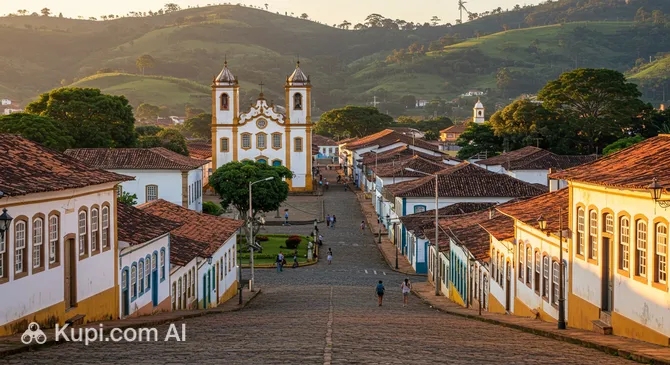
Welcome to Barbacena, a captivating destination nestled in the scenic mountains of Minas Gerais. Known for its rich cultural heritage and pleasant atmosphere, this city offers a delightful escape for travelers exploring southeastern Brazil. With its colonial architecture and lush surroundings, Barbacena provides a unique glimpse into the region's traditional way of life.

Barbacena. Source: Kupi.Binoculars

Geographically, the city is situated in the Serra da Mantiqueira range, which gifts it with a mild and refreshing climate that is notably cooler than many other parts of the country. Home to a population of approximately 126,000 people, it strikes a perfect balance between a bustling regional hub and a welcoming community. The high altitude not only shapes the weather but also contributes to the stunning landscapes that surround the urban area.

Barbacena is affectionately nicknamed the "City of Roses" because of its significant role in the commercial flower industry; it is one of the largest producers of roses in the country. Beyond its floral fame, the history of Barbacena is deeply rooted in the colonial era, visible in its majestic churches and historic buildings like the Santuário de Nossa Senhora da Piedade. Visitors are often charmed by the well-preserved facades that line the streets, telling stories of the past.

Whether you are a history enthusiast or a nature lover, Barbacena has something special to offer. From strolling through flower-filled parks to admiring 18th-century architecture, a visit here promises a memorable experience filled with beauty and tranquility.

Weather Overview

Visitors to this region can expect a generally temperate climate, characterized by warm, humid summers and cool, dry winters. The weather in Barbacena remains pleasant throughout the year, with average temperatures rarely becoming oppressive, making it a comfortable destination for outdoor activities.

The summer months, particularly from December to February, are the warmest, with average temperatures hovering around 22°C and daytime highs reaching approximately 26°C. However, this period also corresponds with the rainy season; travelers should be prepared for frequent precipitation, as months like December and January can experience over 20 wet days.

In contrast, the winter season from June to August brings significantly drier conditions and cooler air. July is typically the coldest month, with average temperatures dropping to 16.6°C and nighttime lows falling to around 11°C. Rainfall is scarce during this time, with June and July often seeing as few as 2 to 3 wet days, providing clear skies for exploring the city.

Interesting Facts

Beyond the main attractions, Barbacena holds many fascinating secrets and historical curiosities that surprise even seasoned travelers. From forgotten nicknames to urban legends involving national heroes, the city's past is as colorful as its famous flower fields.

  • The Legend of Tiradentes' Arm: Local lore suggests a deep connection to the Inconfidência Mineira movement. It is whispered that after the execution of the national hero Tiradentes, one of his arms was secretly brought to the city and buried in the cemetery of the Igreja de Nossa Senhora do Rosário, a detail often omitted from standard history books.

  • The "City of Salt": Long before it earned the romantic title "City of Roses," Barbacena was practically known as the "City of Salt." In the 19th century, it served as the primary distribution hub for salt transporting this essential commodity from the coast to the interior of Minas Gerais.

  • Eccentric Journalism: The city historically boasted a press with a unique sense of humor. Old local newspapers bore incredibly quirky titles such as O Mequetrefe (The Good-for-Nothing), O Esplenético (The Splenetic), and O Arranca-Toco (The Stump Puller), reflecting the witty spirit of its residents.

  • Pioneering Italian Roots: Barbacena was home to the very first official Italian immigrant colony in the state, known as Colônia Rodrigo Silva. Established in 1888, this settlement laid the foundation for the strong Italian cultural influence found in the region's cuisine and traditions today.

  • A School in the Clouds: The city is the proud home of the Preparatory School of Air Cadets (EPCAR). The location was specifically chosen for its high altitude and cool climate, which were considered ideal conditions for the physical development and health of young future aviators in Brazil.

How to Get There

Reaching this historic mountain destination is a straightforward journey through the scenic landscapes of Minas Gerais. While the city itself does not host commercial flights, visitors can easily access it via major transport hubs in neighboring cities. For a complete guide on planning your journey and choosing the best route, you can read more about how to get to Barbacena.

The closest facility for air travelers is the Zona da Mata Regional Airport (IATA: IZA), located in the nearby city of Juiz de Fora. Situated approximately 70 km from Barbacena, it is a convenient option for domestic connections. The drive from this airport typically takes about 1 hour and 15 minutes by taxi or transfer.

For international visitors, the major gateways are slightly further away but offer more extensive flight options. Tancredo Neves International Airport (IATA: CNF) in Belo Horizonte is a key hub located about 177 km from the city. Alternatively, travelers can fly into Rio de Janeiro's Galeão Antonio Carlos Jobim International Airport (IATA: GIG), which is approximately 183 km away. The journey by road from either of these international airports generally takes between 2.5 to 3 hours via the BR-040 highway.

For clarity, here is a summary of the main airports:

Airport Name City Passenger Traffic Km from City
Galeão Antonio Carlos Jobim International Airport Rio de Janeiro Large 183.3
Tancredo Neves International Airport Belo Horizonte Large 177.0
Santos Dumont Airport Rio de Janeiro Medium 197.3
Zona da Mata Regional Airport Juiz de Fora Small 70.2
Marica Municipal Airport Maricá Small 211.6

Currently, there is no direct passenger train service to Barbacena. However, the city is well-integrated into the regional bus network. Most travelers arriving from airports in Belo Horizonte or Rio de Janeiro continue their journey by intercity bus or rental car. The drive along the BR-040 highway is popular and offers beautiful views of the Serra da Mantiqueira mountains.

Main Attractions

Barbacena offers a fascinating mix of history, architecture, and culture, with attractions that reflect its colonial past and its unique place in Brazilian history. From poignant museums to majestic churches, the city invites visitors to explore its heritage in depth.

Museu da Loucura

One of the most significant and moving sites in the city is the Museu da Loucura (Museum of Madness). Housed in the "Turret" of the former Hospital Colônia, this museum is dedicated to preserving the memory of the patients and the history of psychiatric treatment in the region. It is an interesting destination for tourists seeking to understand the social and medical history of Brazil, offering a sobering yet educational experience through photographs, documents, and equipment from the past.

Santuário de Nossa Senhora da Piedade

Located in the heart of the city, this sanctuary is a prime example of the region's colonial architecture. Built in the 18th century, the church features classic baroque elements and stands as a central landmark for the local community. Visitors are drawn to its preserved façade and the artistic details of its interior, which provide a peaceful atmosphere for reflection and appreciation of religious art.

Museu Georges Bernanos

For literature enthusiasts, the Museu Georges Bernanos is a hidden gem. This house served as the residence of the famous French writer Georges Bernanos during his time in Brazil in the 1940s. The museum preserves the environment where he lived and worked, displaying personal objects and offering a unique cultural link between Minas Gerais and French literature. It is a captivating stop for those interested in the intellectual history of the city.

Basílica de São José Operário

Another architectural highlight is the Basílica de São José Operário. Known for its imposing structure and beautiful design, this basilica is a symbol of faith and a visually striking monument. Tourists often visit to admire its grandeur and to experience the vibrant religious culture that is central to life in Barbacena. The church is particularly beautiful when illuminated at night.

Local Cuisine

The culinary scene in Barbacena is a delightful reflection of its location in the heart of Minas Gerais, a state widely regarded as the gastronomic capital of Brazil. The local cuisine is characterized by hearty, comfort food often prepared on traditional wood-burning stoves, known as fogão a lenha, which imparts a distinct smoky flavor to the dishes. Visitors can expect generous portions and a warm, welcoming atmosphere in almost every establishment.

When exploring the city's menus, you simply must try the feijão tropeiro. This iconic dish consists of beans mixed with cassava flour, crackling (torresmo), sausage, eggs, and collard greens. It is a staple of the region's history, dating back to the colonial troopers who traversed these mountains. Another classic worth seeking out is frango com quiabo, a stew of chicken and okra that perfectly represents the rustic simplicity and deep flavors of comida mineira.

Due to the city's significant Italian heritage, particularly from the historic Colônia Rodrigo Silva, you will also find a unique fusion of flavors. Authentic homemade pastas and pizzas are readily available, often served with a local touch. This blend of Italian tradition with Brazilian ingredients creates a diverse dining landscape that sets Barbacena apart from many of its neighbors.

For those with a sweet tooth, the region is famous for its dairy products. Do not leave without tasting the local doce de leite (milk jam), which is often enjoyed alone or paired with a slice of fresh Minas cheese—a combination affectionately known as "Romeo and Juliet." The city's bakeries are also treasure troves of fresh pão de queijo (cheese bread), best enjoyed warm right out of the oven.

To wash it all down, the local beverage of choice is undoubtedly coffee. As a major coffee-producing region, the quality of the brew here is exceptional. For something stronger, visitors can sample artisanal cachaça, the famous Brazilian sugarcane spirit. Many local producers age their cachaça in wooden barrels, creating a smooth and complex drink that is perfect for sipping slowly before or after a hearty meal.

The food culture in Barbacena is casual and family-oriented. Locals and tourists alike frequent "self-service" restaurants where you pay by the weight of your plate, allowing you to sample a wide variety of dishes in one sitting. Whether you are dining in a historic colonial house turned restaurant or grabbing a quick snack at a street-side lanchonete, the food here is prepared with love and tradition.

Travel Tips

To ensure your visit to the charming "City of Roses" is as enjoyable and stress-free as possible, we have compiled a set of essential travel guidelines. These practical tips will help you navigate the unique aspects of Barbacena, from its cool mountain climate to the warm hospitality of its people.

  1. Clothing and Gear: Due to the city's location in the Serra da Mantiqueira, the weather can be surprisingly cool, especially at night. It is advisable to pack layers, including a warm jacket or sweater, even if you are visiting during the summer. For the winter months (June to August), heavier clothing is a must. Since the historic center features cobblestone streets and hilly terrain, bring sturdy, comfortable walking shoes. If you plan to visit religious sites like the Sanctuary of Our Lady of Pity, modest attire is respectful.

  2. Transportation: While the city center is walkable, the hilly landscape can be tiring. For longer distances, ride-hailing apps like Uber and 99 are active in Barbacena and offer a convenient and affordable way to get around. Local buses are available but may be slower and harder to navigate for non-Portuguese speakers. Renting a car is a good option if you plan to explore the surrounding waterfalls or historical farms in the countryside.

  3. Finances: The local currency is the Brazilian Real (BRL). Credit and debit cards are widely accepted in hotels, restaurants, and most shops. However, it is wise to carry some cash for small purchases at street stalls, local markets, or for public transport. ATMs are easily found in the city center and at bank branches. Tipping around 10% is customary in restaurants if the service charge is not already included in the bill.

  4. Health and Safety: Barbacena is generally considered safer than Brazil's large metropolitan capitals, but standard precautions should still be taken. Avoid walking alone in poorly lit areas late at night and keep an eye on your belongings in crowded places. Pharmacies, such as major chains like Drogasil or Araújo, are plentiful and well-stocked; some operate 24/7. For medical emergencies, there are public units (UPA) and private hospitals available.

  5. Communication: The official language is Portuguese. English is not widely spoken outside of high-end hotels or by tourism professionals, so learning a few basic phrases like "Bom dia" (Good morning) and "Obrigado" (Thank you) goes a long way. It is highly recommended to have a translation app downloaded on your phone. You can purchase a local SIM card (from providers like Vivo, Claro, or TIM) at pharmacies or newsstands to stay connected.

  6. Local Etiquette: The people of Minas Gerais are known for their friendliness and hospitality. Greetings often involve a handshake or, among women, a kiss on the cheek. It is polite to greet shopkeepers and drivers upon entering. If a local invites you for coffee or offers a piece of queijo minas (cheese), accepting it is a gesture of friendship, while refusing can sometimes be seen as impolite.

  7. What to Avoid: Do not drink tap water; always opt for bottled or filtered water to avoid stomach issues. Also, avoid relying solely on public Wi-Fi spots; having your own mobile data is much more reliable for navigation and translation needs while exploring the city.

  8. Local Insight: If you are visiting in October, you might catch the famous Festa das Rosas (Festival of Roses), a major local event celebrating the city's flower production heritage. Regardless of when you visit, try to wake up early at least once to see the mist settling over the mountains—a signature view of the region that makes for incredible photos.

Armed with these tips, you are ready to immerse yourself in the culture and beauty of this mountain gem. Whether you are here for the history, the flowers, or the food, a little preparation will ensure your adventure in Barbacena is nothing short of wonderful.

Entertainment & Nightlife

Entertainment in Barbacena reflects the city's dual identity as a historic colonial hub and a vibrant university town. While the nightlife here is more laid-back compared to Brazil's major metropolises, the presence of students from the local medical and air cadet schools ensures a spirited atmosphere, particularly on weekends. The evening scene is dominated by cozy pubs, lively bars, and restaurants that often feature live music ranging from Brazilian sertanejo to pop and rock.

The heart of the action is largely concentrated in the City Center and the surrounding neighborhoods. Many of the most popular establishments can be found near Praça dos Andradas and along the main commercial streets. The vibe is generally casual and welcoming, with no strict dress codes required for most venues. Locals typically head out for dinner or drinks around 8:00 PM, with bars staying open until around 2:00 AM on Fridays and Saturdays.

For those looking to experience the local bar culture, Mirante Pub is a well-known spot that offers a mix of good drinks, music, and a friendly crowd. It is a great place to socialize and enjoy the local nightlife energy. Another popular venue is República Beer, which often attracts a younger crowd and is known for its lively environment and variety of beer options. If you prefer a more gastronomic evening with a touch of tradition, Gino's il Candelabro offers a classic setting that has been a favorite in the city for decades, perfect for a late dinner accompanied by good wine.

For daytime and early evening entertainment, the city offers several cultural and leisure options. The Barbacena Shopping mall is the go-to destination for movie lovers, housing the Cineart cinema complex which screens the latest international and domestic releases. History buffs can explore the city's museums during the day, such as the fascinating Museu da Loucura, before transitioning to a relaxing evening at a local café.

Practical Advice:

  • Best Time to Go: Thursday through Saturday nights are the liveliest. Sunday evenings are typically much quieter.
  • Transport: Ride-hailing apps like Uber and 99 are active in Barbacena and are the most convenient way to get around at night. Taxis are also available at designated stands in the center.
  • Safety: Barbacena is considered one of the safer cities in the region. However, it is always wise to stick to well-lit areas and avoid walking alone in deserted streets late at night.
  • Prices: Entertainment here is generally affordable, with beer and cover charges being significantly cheaper than in cities like Belo Horizonte or Rio de Janeiro.

Parks & Museums

Barbacena’s charm extends beyond its misty mountains and colonial streets; the city offers a selection of welcoming green spaces and cultural institutions that preserve its unique heritage. As the "City of Roses," the connection between nature and urban life is evident in its public squares and event venues, while its museums guard the stories of its aristocratic past and artistic evolution.

Parque de Exposições Senador Bias Fortes

This expansive exhibition park is one of the most important outdoor venues in the city. It serves as the primary stage for the famous Festival of Roses (Festa das Rosas), which draws visitors from all over the country. Outside of major event dates, the park offers a vast open space suitable for walking and enjoying the fresh mountain air. It is a focal point for the community, reflecting the city’s agricultural strength and love for floriculture.

Praça dos Andradas

Located in the heart of the city, Praça dos Andradas is more than just a central square; it is a landscaped haven where locals gather to socialize. Surrounded by historic buildings and bustling commerce, the square features well-kept gardens, tall trees, and benches that offer a perfect spot for people-watching. It is the pulse of Barbacena, providing a green respite amidst the urban architecture and serving as a starting point for exploring the downtown area.

Museu Municipal de Barbacena

Housed in the magnificent Solar dos Canedo, a grand 18th-century mansion, the Municipal Museum is a treasure trove of local history. The building itself is a striking example of colonial residential architecture, declared a historic monument. Inside, visitors can explore collections that chronicle the city's political and social development, featuring period furniture, photographs, and documents that offer a glimpse into the lives of the prominent families who shaped the region.

Estação Ferroviária de Barbacena

While not a traditional museum in the strict sense, the old Railway Station is a significant cultural and architectural landmark. The structure stands as a reminder of the era when the railroad was the lifeline of Minas Gerais. The building's preservation allows tourists to appreciate the early 20th-century engineering and design. It often serves as a backdrop for cultural activities and is a must-see for those interested in the industrial heritage of Brazil.

For a truly authentic experience, try to arrange a visit to one of the local rose farms on the outskirts of the city. While many are commercial operations, some producers are open to guided tours where you can see the cultivation process of the flowers that gave the city its nickname. It is a colorful and fragrant excursion that offers a different perspective on the local economy.

Getting Around

Public transport in Barbacena is primarily reliant on a network of municipal buses. Unlike larger metropolises, the city does not have a metro, tram, or train system for urban commuting. The bus service is the backbone of local mobility, connecting the historic center with residential neighborhoods and outlying districts. The fleet is generally functional and serves the needs of the local population well, though frequencies can vary depending on the route and the time of day.

For most tourists, the payment system is straightforward. While local residents often use electronic smart cards for daily commuting, visitors can easily pay the fare in cash directly on the bus. When boarding, you will typically pay a conductor or the driver at the turnstile. It is highly recommended to carry small bills and coins, as change for large banknotes can be difficult to find. The fare is affordable, consistent with the average rates found in medium-sized cities in the region.

Navigating the bus system requires a bit of planning. Stops are not always clearly marked with detailed timetables, so asking locals for help or using navigation apps on your smartphone is advisable. Buses generally operate from the early morning, around 6:00 AM, until approximately 11:00 PM or midnight. On Sundays and holidays, the frequency of service is significantly reduced, so it is wise to check schedules in advance if you plan to travel during these times.

Given the city's topography, which features steep hills and cobblestone streets, walking can be physically demanding for longer distances. Fortunately, there are convenient alternatives to public buses. Ride-hailing apps like Uber and 99 are active in the city and offer a comfortable, reliable, and reasonably priced way to get around, especially at night or when carrying luggage. Traditional taxis are also available and can be found at designated stands (pontos de táxi) in the city center, particularly near major squares like Praça dos Andradas.

While there are no specialized tourist transport modes like cable cars, the experience of traveling through the city offers its own charm. As the bus or taxi winds up the hilly streets, passengers are often treated to sweeping views of the surrounding mountains and colonial architecture. For short distances within the downtown area, walking remains the best way to soak in the atmosphere, provided you are wearing comfortable shoes to tackle the inclines.

Accommodation

Accommodation options in Barbacena are diverse, catering to travelers ranging from business visitors to those seeking a relaxing countryside retreat. The city offers a mix of functional mid-range hotels, charming local inns known as pousadas, and rural resorts that take advantage of the region's beautiful mountain scenery. While you won't find ultra-luxury international chains, the hospitality is warm and the standards are generally high, reflecting the welcoming nature of Minas Gerais.

For those who prioritize convenience and easy access to historical sites, the City Center (Centro) is the best area to stay. Hotels here are within walking distance of major attractions like the Santuário de Nossa Senhora da Piedade and various museums, as well as shops and restaurants. Alternatively, the outskirts of the city offer Hotel Fazendas (farm hotels), which are perfect for families and nature lovers. These properties often feature expansive grounds, swimming pools, and opportunities to interact with farm animals, providing a tranquil escape from the urban bustle.

A unique highlight of the local hospitality scene is the presence of the Hotel Senac Grogotó. This establishment is not just a hotel but also a renowned teaching facility for the Senac hospitality school. It is widely regarded as one of the best places to stay in the region, offering exceptional service and cuisine as students apply their training under professional supervision. Other reliable options in the city include the Village Plaza Hotel, known for its modern amenities, and the Ibis Budget for travelers looking for standardized, economical accommodation.

Booking Tip: Barbacena can get quite busy during major local events, particularly during the Festa das Rosas (Festival of Roses) in October and the Jubileu de São José. If you plan to visit during these times, it is highly recommended to book your accommodation several months in advance to secure your preferred location and rate.

In terms of pricing, accommodation in Barbacena is generally affordable compared to larger Brazilian capitals. Most options fall into the budget to mid-range categories. Booking can easily be done through major online travel platforms, which is convenient for international travelers. However, some smaller, family-run pousadas may prefer direct contact via WhatsApp or email, often offering a more personal booking experience.

Nearby Cities

For those looking to explore the surroundings, Barbacena serves as an excellent base for day trips to several interesting nearby locations:

One of the most popular excursions is to São João del Rei. Located just about an hour away, this historic city is renowned for its magnificent colonial churches and the famous "Maria Fumaça" steam train, which takes passengers on a nostalgic journey to the neighboring town of Tiradentes. It is a perfect destination for history buffs wanting to experience the atmosphere of Brazil's 18th-century Gold Cycle.

Another culturally significant stop is Congonhas, home to the Sanctuary of Bom Jesus de Matosinhos, a UNESCO World Heritage Site. The city is celebrated for the "Twelve Prophets," a set of breathtaking soapstone sculptures created by the legendary artist Aleijadinho. These masterpieces of the Brazilian Baroque are located in the churchyard and offer a profound artistic and spiritual experience.

For a different vibe, travelers can head to Juiz de Fora, the major urban hub of the Zona da Mata region. It offers a more modern pace with extensive shopping centers, diverse dining options, and important cultural institutions like the Mariano Procópio Museum. It is an ideal spot for those looking for city amenities combined with historical significance.

City Population Distance (km)
Juiz de Fora 573,285 75
Conselheiro Lafaiete 116,512 62
São João del Rei 90,497 51
Congonhas 48,519 80
Ouro Branco 35,268 78

These nearby destinations offer a glimpse into the diverse culture and landscapes of the region, allowing visitors to easily expand their itinerary beyond Barbacena.

Shopping & Souvenirs

Shopping in Barbacena offers a pleasant mix of traditional charm and modern convenience. While the city does not boast the massive luxury complexes found in Brazil's largest metropolises, it provides a delightful retail experience characterized by friendly service and high-quality local products. Visitors can expect to find everything from national fashion brands to unique regional handicrafts, with a strong emphasis on the agricultural bounties of Minas Gerais.

The commercial heart of the city is located in the Centro (City Center), where the streets bustle with activity throughout the day. Rua Quinze de Novembro is the primary shopping artery, lined with a diverse array of stores selling clothing, footwear, electronics, and household goods. Strolling down this street and the adjacent Rua Lima Duarte allows tourists to immerse themselves in the local atmosphere, browsing window displays alongside residents going about their daily routines.

For a more modern and climate-controlled environment, Barbacena Shopping is the go-to destination. As the city's main mall, it gathers various retail outlets, a food court, and entertainment facilities under one roof. It is a convenient stop for travelers looking to purchase familiar brands, enjoy a meal, or simply take a break from the outdoor elements while browsing the latest collections.

To experience the authentic flavor of the region, visitors should seek out the local street fairs (Feiras Livres). Typically held on weekends, with a popular one often taking place on Sunday mornings, these markets are vibrant hubs of commerce. Here, local farmers and artisans sell fresh produce, homemade sweets, and spices. It is the perfect place to engage with the community and discover the fresh ingredients that define the local cuisine.

When it comes to souvenirs, the culinary treasures of Minas Gerais are the undisputed favorites. You simply cannot leave without buying a jar of creamy doce de leite (milk jam) or a wheel of fresh Minas cheese. Given Barbacena's title as the "City of Roses," you may also encounter rose-themed handicrafts or locally produced items that celebrate this floral heritage. Artisanal goods such as embroidery, crochet, and soapstone carvings are also popular and make for meaningful gifts.

Standard store hours in the city center are generally from 9:00 AM to 6:00 PM on weekdays and from 9:00 AM to 1:00 PM on Saturdays, with most street shops closing on Sundays. The shopping mall operates on a different schedule, usually remaining open until 10:00 PM from Monday to Saturday, with shops opening in the afternoon on Sundays. Credit and debit cards are widely accepted in almost all establishments, though carrying small amounts of cash is recommended for purchases at open-air markets.

Tourists should note that Brazil does not operate a tax-free shopping refund system (VAT refund) for international visitors. The price displayed on items is final. While bargaining is not customary in formal shops and the mall, it is often acceptable to negotiate a small discount when purchasing multiple items at street stalls or independent craft markets.
Reached the end of the page?

That means the route is fully explored