Support

Ipatinga

About

Welcome to Ipatinga, a vibrant and economically significant city located in the state of Minas Gerais. Often referred to as the main hub of the "Steel Valley" (Vale do Aço), this destination offers a surprising blend of urban development and extensive green spaces. While it is an industrial powerhouse in southeastern Brazil, the city is renowned for its high quality of life and well-planned urban landscape, making it a unique stop for travelers exploring the region.

Geographically, the city sits in a valley surrounded by rolling hills and is home to a population of approximately 240,000 residents. The climate is generally tropical, characterized by warm temperatures year-round, which encourages outdoor activities. The rapid growth and modern layout of the municipality are deeply rooted in its industrial past; delving into the history of Ipatinga reveals how it transformed from a small settlement into a major economic center in just a few decades.
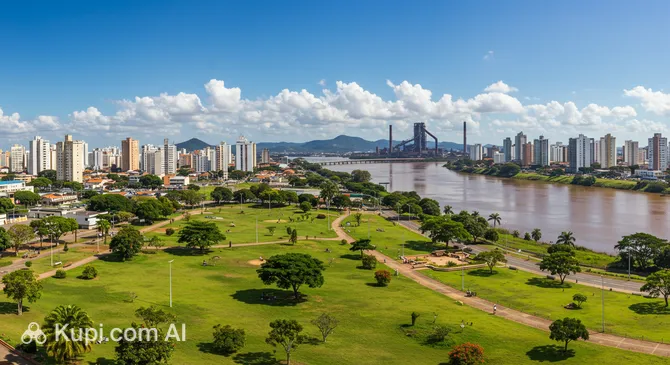
Ipatinga. Source: Kupi.Binoculars

Despite its industrial reputation, Ipatinga is celebrated for having one of the largest green areas per inhabitant in the country. The crown jewel of the city is the Parque Ipanema, a massive urban park designed by the famous landscape architect Roberto Burle Marx. It serves as the city's main postcard and a perfect spot for walking, cycling, and leisure. Visitors can also enjoy the local culture at the Usiminas Cultural Center, which hosts theater performances and art exhibitions, adding a touch of artistic flair to the city's dynamic atmosphere.

Whether you are visiting for business or leisure, Ipatinga offers a welcoming environment with excellent infrastructure. Its combination of modern amenities, lush public parks, and friendly locals makes it a pleasant place to discover. We invite you to experience the energy and charm of this distinctive Brazilian city.
Weather Overview

Travelers planning a visit to this region can expect a tropical climate characterized by distinct seasonal variations. The weather in Ipatinga is generally warm and inviting, making it a suitable destination for outdoor activities year-round, though packing requirements may change depending on when you arrive.

The summer months, typically spanning from November to February, are the warmest and wettest. During this period, average temperatures hover around 25°C, with daily highs frequently reaching nearly 30°C. This season is marked by frequent rainfall, with December and January often experiencing between 15 and 20 wet days per month, so carrying an umbrella or raincoat is advisable.

In contrast, the winter season from June to August offers cooler and significantly drier conditions. Average temperatures drop to approximately 20°C, with pleasant daytime highs around 25°C and refreshing nighttime lows dipping to 15°C. Rainfall is extremely scarce during these months, particularly in June and July, which often record zero precipitation and only a couple of wet days, ensuring plenty of sunshine for sightseeing.

Interesting Facts

Beyond the main attractions, Ipatinga holds many fascinating secrets that reveal the depth of its character. While it is famous for its steel production, the city surprises visitors with its ecological achievements and unique urban planning quirks.
Ipanema Park. Source: Kupi.Binoculars
  • Despite its heavy industrial focus, the city boasts one of the highest ratios of green space per inhabitant in the country, with approximately 127 square meters of greenery for every resident, serving as a lush counterpoint to the steel mills.

  • The vast Ipanema Park is a masterpiece designed by the world-renowned landscape architect Roberto Burle Marx, who planted over 12,000 trees here to create a sustainable "green lung" for the urban area.

  • Travelers can experience a rarity in Brazilian transport at the Intendente Câmara Railway Station; it is a key stop on the Vitória-Minas Railway, one of the very few lines in the nation offering daily long-distance passenger service to the Atlantic coast.

  • Education meets recreation in a unique way at the Science Park – Toy Square, where interactive exhibits and playground structures are designed to teach children scientific principles through play.

How to Get There

Reaching the "Steel Valley" is a straightforward journey, with several transport hubs serving the region effectively. Visitors generally fly into major airports in neighboring cities and complete the trip via ground transport. You can find detailed information on all ways to reach the city to help organize your itinerary efficiently.

The most convenient option for international and long-distance travelers is usually the Tancredo Neves International Airport (IATA: CNF), located in the state capital, Belo Horizonte. Situated approximately 150 km from Ipatinga, it offers the widest range of flight connections, with the subsequent road journey taking around 3 to 4 hours. For those seeking a closer landing point, the Governador Valadares Airport (IATA: GVR) is a practical alternative. Located about 87 km away, it provides a shorter drive of approximately 1.5 to 2 hours. Another option for travelers coming from the coast is the Eurico de Aguiar Salles Airport in Vitória, though it involves a longer transfer of about 250 km.

For clarity, here is a summary of the main airports serving the region:

Airport Name City Passenger Traffic Km from City
Tancredo Neves International AirportBelo HorizonteLarge149.1
Eurico de Aguiar Salles AirportVitoriaMedium253.8
Zona da Mata Regional AirportJuiz de ForaSmall235.6
Governador Valadares AirportGovernador ValadaresSmall87.4

In addition to air travel, Ipatinga is well-connected by the federal highway system, particularly via the BR-381, making access by bus or car accessible from major cities in Minas Gerais. The city is also a notable stop on the Vitória-Minas Railway, which offers a unique and scenic passenger train service connecting the interior of the state to the coast of Espírito Santo.

Main Attractions

While Ipatinga is widely known for its industrial prowess, the city offers a surprising array of attractions that cater to nature lovers, families, and culture seekers. The local tourism scene is anchored by extensive green spaces and unique cultural venues, providing a refreshing contrast to the bustling steel mills. Visitors will find that the city is well-planned and welcoming, with several key spots that are perfect for relaxation and exploration.

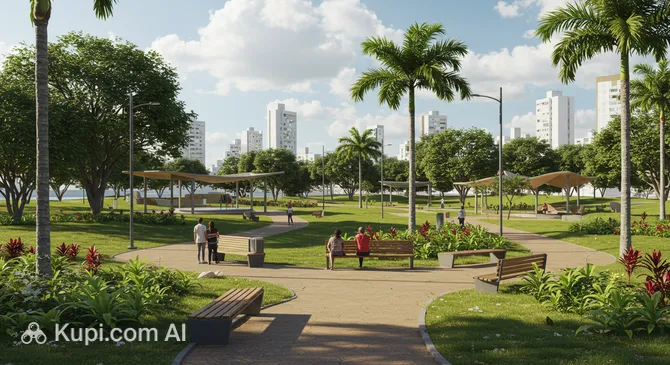
Undoubtedly the most famous landmark is Ipanema Park. As one of the largest urban green areas in the state of Minas Gerais, this magnificent park was designed by the celebrated landscape architect Roberto Burle Marx. It serves as the city's primary gathering place, featuring a beautiful artificial lake, walking and cycling paths, and sports courts. Tourists flock here to enjoy the serene atmosphere, admire the diverse flora, or simply watch the sunset over the water, making it an essential stop for anyone visiting the region.

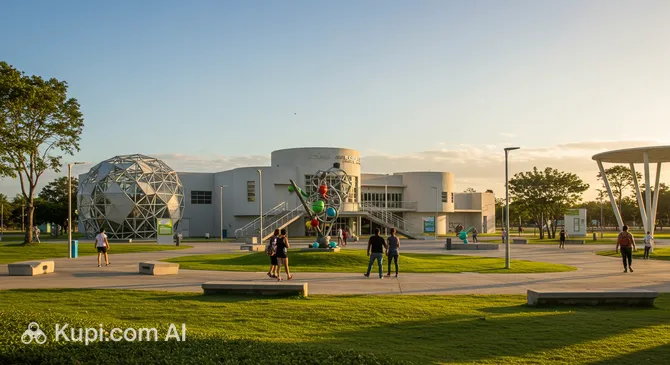
Located within the greater park complex is the fascinating Science Park – Toy Square. This attraction is particularly interesting for families and curious minds, as it functions as an open-air interactive museum. The space is filled with educational equipment and large-scale "toys" that demonstrate principles of physics, chemistry, and astronomy in a fun and engaging way. It offers a unique opportunity for children and adults alike to learn through play, blending education with outdoor recreation in a safe environment.

Science Park – Toy Square. Source: Kupi.Binoculars

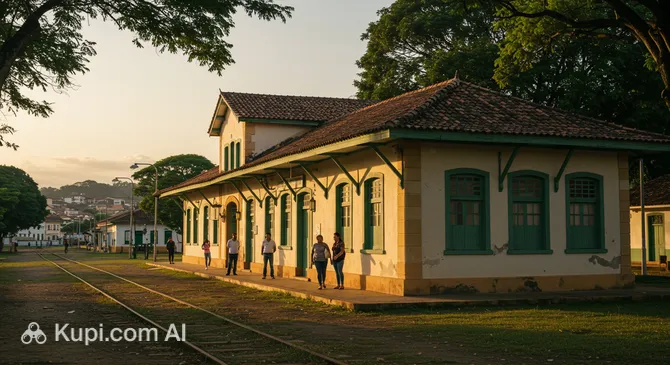
For those interested in unique travel experiences and history, the Intendente Câmara Railway Station is a significant site. It is one of the key stops on the historic Vitória-Minas Railway, which connects the interior of Brazil to the Atlantic coast. Beyond its functional role, the station represents the city's deep connection to the railways and offers travelers the chance to embark on one of the few daily long-distance passenger train journeys remaining in the country, known for its scenic views of the Rio Doce valley.

Intendente Câmara Railway Station. Source: Kupi.Binoculars

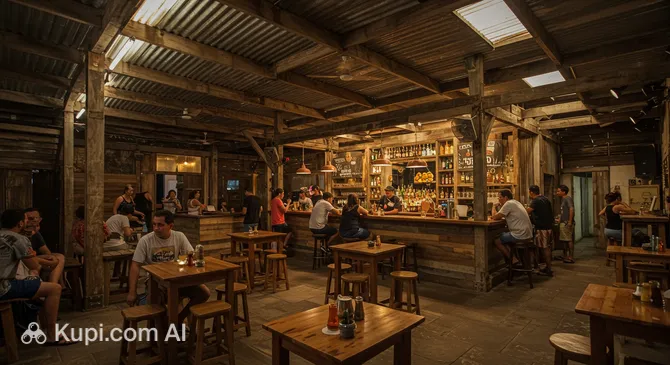
When the sun goes down, visitors looking to experience the local social scene should head to Galpão Bar. This venue is a popular choice for experiencing the city's nightlife, offering a rustic and welcoming atmosphere. Known for its live music performances and hearty menu of traditional Brazilian appetizers, it provides an authentic taste of the region's hospitality. It is a great place to unwind after a day of sightseeing, enjoying cold drinks and the vibrant energy of the locals.

Local Cuisine

The culinary scene in Ipatinga is a delightful reflection of its location in the heart of Minas Gerais, a state famous throughout Brazil for its distinct and comforting "comida mineira." The local food culture is characterized by hearty ingredients, slow cooking methods—often using traditional wood stoves—and generous hospitality. Visitors will find that dining here is not just about sustenance but a warm social experience, with aromas of garlic, onions, and pork fat filling the air in many restaurants.

When it comes to signature dishes, you simply cannot leave without trying the famous feijão tropeiro. This iconic meal consists of beans mixed with cassava flour, crispy pork rinds (torresmo), sausage, eggs, and collard greens, offering a burst of flavor and texture in every bite. Another staple is frango com quiabo (chicken stew with okra), a soul-warming dish that perfectly represents the rustic roots of the region. For a lighter snack, the omnipresent pão de queijo (cheese bread) is freshly baked throughout the day and pairs perfectly with a cup of strong, locally grown coffee.

The drinking culture in Ipatinga is equally vibrant, centering largely on cachaça, Brazil's sugarcane spirit. Minas Gerais produces some of the finest artisanal cachaças in the world, and you can enjoy them neat or in a refreshing caipirinha. Beer is also extremely popular, with locals preferring it served "stupidly cold" (estupidamente gelada) at bustling bars and outdoor tables. These venues are the heart of the city's social life, where friends gather to share conversation and platters of appetizers known as tira-gostos, such as fried cassava or spiced sausage.

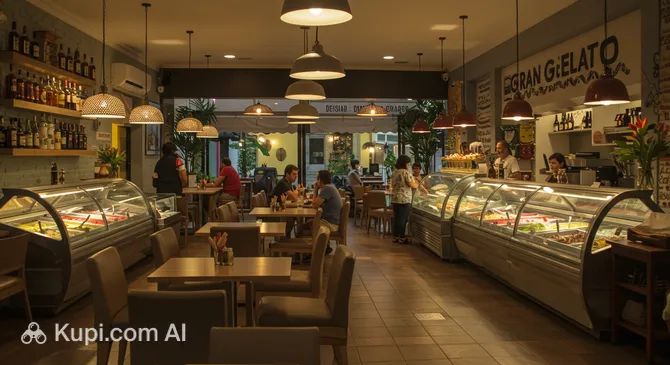
For those with a sweet tooth, the city offers traditional desserts like doce de leite (milk sweet) and guava paste with cheese, known as "Romeo and Juliet." If you are looking for a refreshing treat to beat the tropical heat, Gran Gelato is a fantastic stop. This establishment is known for its high-quality artisanal ice creams and sorbets, providing a modern twist on dessert that appeals to both locals and tourists seeking a cool break from their urban explorations.

Gran Gelato. Source: Kupi.Binoculars

Travel Tips

Welcome to Ipatinga! To help you make the most of your visit to this dynamic city in the heart of Minas Gerais, we have compiled a list of essential practical tips that will ensure your journey is as smooth and enjoyable as possible.

  1. Clothing and Gear: Given the tropical climate, pack lightweight, breathable fabrics like cotton or linen to stay cool during the day. If you are visiting between November and February, a sturdy umbrella or a raincoat is essential due to frequent summer showers. For exploring the expansive paths of Ipanema Park, bring comfortable walking shoes. Don't forget a universal power adapter (type N is standard, but type C often fits) and high-SPF sunscreen.

  2. Transportation: While the city has a public bus network, it can be confusing for first-time visitors. The most convenient and safe way to get around is by using ride-hailing apps like Uber or 99, which are widely available and affordable. If you plan to explore the surrounding waterfalls or the wider Steel Valley region, renting a car is a good option, but be prepared for local driving habits.

  3. Finances: The official currency is the Brazilian Real (BRL). Credit and debit cards are accepted almost everywhere, including most restaurants and shops. However, it is wise to carry some cash for small street vendors or local markets. ATMs are easy to find at banks and shopping centers. Tipping is generally 10%, which is usually included in the bill as a service charge (taxa de serviço).

  4. Health and Safety: Ipatinga is generally safe, but standard urban precautions apply. Avoid walking alone in unlit areas or parks late at night and keep expensive electronics out of sight. Pharmacies are plentiful, with major chains like Drogaria Araujo often open 24/7. Drink bottled or filtered water rather than tap water to avoid any stomach issues.

  5. Communication: Portuguese is the primary language, and English is not widely spoken outside of major hotels or business settings. It is highly recommended to download an offline translation app and learn a few basic phrases like "Bom dia" (Good morning) and "Obrigado" (Thank you). Wi-Fi is common in cafes and hotels, but buying a local SIM card (Vivo, Claro, or TIM) or an eSIM ensures you stay connected.

  6. Local Etiquette: People in Minas Gerais are known for their warmth and hospitality. Greetings often involve a firm handshake or, among friends, a hug and a kiss on the cheek. It is polite to greet shopkeepers and drivers when entering. If you are invited to a local's home, it is customary to bring a small gift, such as dessert or flowers.

  7. What to Avoid: Avoid making the "OK" hand sign (thumb and index finger forming a circle), as it is considered an offensive gesture in Brazil. Also, try not to lose patience if things move at a slower pace than you are used to; the local lifestyle is relaxed, and rushing is often seen as unnecessary stress.

  8. Train Travel Tip: If you plan to take the famous train to Vitória from the Intendente Câmara station, buy your tickets well in advance. This service is extremely popular with locals, especially during holidays and weekends, and seats sell out quickly.

With these tips in hand, you are ready to navigate Ipatinga with confidence and ease. Embrace the friendly local culture, enjoy the lush green spaces, and have a fantastic time exploring the Steel Valley!

Entertainment & Nightlife

While Ipatinga is an industrial hub by day, the city transforms after sunset, offering a lively and welcoming nightlife scene that caters to a diverse crowd. The evening entertainment here is characterized by a relaxed, social atmosphere rather than high-octane clubbing. Locals typically gather in bustling neighborhoods to enjoy cold beer, live music, and conversation. The most vibrant areas for a night out are the Cidade Nobre and Horto districts, where you will find a high concentration of bars, pubs, and restaurants lining the streets.

For those looking to experience the authentic local "boteco" culture, Galpão Bar is an excellent choice. This venue is a favorite among residents for its rustic charm and energetic vibe. It frequently hosts live music performances, ranging from Brazilian country music (sertanejo) to pop rock, making it a great place to dance or simply tap your foot to the beat. The dress code here, as in most of the city, is casual and comfortable; jeans and a nice t-shirt are perfectly acceptable for almost any venue.

Galpão Bar. Source: Kupi.Binoculars

If you prefer a more laid-back evening outdoors, the Ipanema Park remains a hub of activity well into the night. The area around the park is dotted with kiosks (quiosques) serving snacks and drinks, where families and groups of friends congregate to enjoy the cooler evening air. It is a safe and pleasant environment for a night walk, offering a break from the noise of the bars while still keeping you in the heart of the city's social life.

For a sweet ending to your evening, or a non-alcoholic alternative, Gran Gelato offers a delightful late-night treat. Ipatinga's warm climate makes evening ice cream runs a popular ritual, and this spot attracts a steady stream of visitors looking for high-quality gelato. It is a perfect example of the city's family-friendly approach to nightlife, where venues often stay open late to accommodate the nocturnal habits of the locals.

Regarding practicalities, the nightlife in Ipatinga typically kicks off around 8:00 PM, with bars getting busier towards 10:00 PM, especially on Thursday, Friday, and Saturday nights. Prices are generally moderate and very affordable compared to larger Brazilian capitals. For safety and convenience, it is highly recommended to use ride-hailing apps like Uber or 99 to get between districts, rather than walking long distances at night or hailing street taxis. While the main nightlife areas are well-lit and populated, staying in groups and avoiding empty streets is always good advice.

Beyond the bars and evening strolls, Ipatinga also offers daytime and cultural entertainment options. The Usiminas Cultural Center is a major venue for theater productions, art exhibitions, and concerts, providing a sophisticated cultural fix. Additionally, the Shopping Vale do Aço is the regional go-to for cinema lovers, featuring modern movie theaters and a wide variety of shops, making it a comprehensive entertainment complex for both day and night.

Parks & Museums

Ipatinga stands out in the "Steel Valley" not only for its industrial might but also for its surprising commitment to environmental preservation and cultural development. The city offers a refreshing mix of meticulously designed landscapes and educational venues, making it a destination where urban life coexists harmoniously with nature and history.

The crown jewel of the city's green spaces is undoubtedly Ipanema Park. Spanning approximately one million square meters, this vast area was landscaped by the legendary Roberto Burle Marx and serves as the primary "green lung" for the residents. It features a large artificial lake, extensive walking paths, and over 12,000 trees, providing a serene escape from the urban bustle. Within its grounds, visitors can also find the Municipal Nursery, which plays a crucial role in the city's arborization projects, offering a closer look at the local flora.

For those willing to venture just outside the city limits, the nearby Rio Doce State Park is a must-visit natural sanctuary. Although it requires a short drive, it is the largest continuous remnant of the Atlantic Forest in the state of Minas Gerais. This ecological paradise offers trails through dense vegetation, pristine lakes, and the chance to spot diverse wildlife, acting as a major attraction for eco-tourists staying in Ipatinga.

In terms of culture and education, the Science Park – Toy Square offers a unique museum experience. Located within the Ipanema Park complex, this open-air facility transforms abstract scientific concepts into interactive fun. Exhibits are designed as large-scale playground equipment, allowing visitors to physically engage with principles of mechanics, acoustics, and optics, making it a fascinating stop for families and curious minds.

Another pivotal cultural institution is the Usiminas Cultural Center. Regarded as one of the most modern equipment of its kind in the interior of Brazil, it houses an art gallery, a library, and a theater. The center frequently hosts rotating art exhibitions, musical performances, and theatrical plays, serving as the beating heart of the city's artistic scene and reflecting the community's investment in culture.

History enthusiasts should pay a visit to the Estação Memória Zeza Souto. Housed in the city's old railway station building, this museum preserves the collective memory of Ipatinga's development. Through photographs, documents, and artifacts, it tells the story of the workers and families who built the city. While the modern Intendente Câmara Railway Station serves current travelers, the Estação Memória offers a nostalgic glimpse into the past.

For a truly authentic local experience, try to visit Ipanema Park on a Sunday morning to explore the Feirarte. This traditional arts and crafts fair gathers local artisans and food vendors, offering everything from handmade jewelry to regional delicacies. It is a fantastic opportunity to mingle with residents and pick up unique souvenirs that aren't found in standard shops.

Getting Around

Getting around Ipatinga is relatively straightforward, with the public transportation network primarily relying on a comprehensive bus system. Since there is no metro or tram service in the city, buses serve as the backbone of daily commuting, connecting the residential neighborhoods to the commercial centers and industrial areas. The fleet is generally modern, and the routes are designed to cover the city's planned urban layout effectively.

For payment, the buses accept both cash and electronic transport cards. For tourists and short-term visitors, paying with cash directly to the conductor or driver upon boarding is the most convenient option. You should board through the front door, pay the fare—which is quite affordable—and pass through the turnstile to find a seat. While local residents use rechargeable cards for quicker access, cash is widely accepted on all lines.

Operating hours for the bus system typically run from early morning, around 5:00 AM, until midnight. Frequency is higher during peak business hours but can drop significantly on weekends and holidays. To navigate the routes efficiently, it is highly recommended to use navigation apps like Moovit or Google Maps, as they provide real-time updates and help you locate the nearest bus stop without confusion.

If you prefer a more direct and comfortable mode of transport, ride-sharing apps are extremely popular and reliable in the city. Services like Uber and 99 are widely available, offering a safe and often inexpensive alternative to public buses, particularly for evening outings or trips to the airport. Traditional taxis are also present, usually found at designated stands near shopping malls, the bus terminal, and major squares, running on a meter system.

A standout feature of Ipatinga’s infrastructure is its extensive network of bicycle paths (ciclovias). The city boasts one of the largest cycle lane networks relative to its population in the region, connecting many neighborhoods and leisure areas like Ipanema Park. While not a public transport system in the traditional sense, this makes cycling a viable and pleasant alternative for getting around the flatter parts of the city, allowing visitors to explore the "Steel Valley" at a leisurely pace.

Accommodation

Finding a place to stay in Ipatinga is a straightforward experience, with options that largely cater to the city's status as a major industrial and business hub. Consequently, the accommodation landscape is dominated by functional, comfortable, and well-equipped mid-range hotels designed to meet the needs of corporate travelers. While you won't find many ultra-luxury resorts, the standard of hospitality is generally high, offering excellent value for money. For budget-conscious visitors, there are also smaller inns (pousadas) and budget hotels that provide basic but clean amenities.

When choosing a location, the neighborhood you select can significantly impact your experience. The Horto district is a favorite among tourists and locals alike; staying here puts you within walking distance of the city's best nightlife, bars, and restaurants, making it perfect for those who want to socialize after a day of exploring. Alternatively, the Cidade Nobre neighborhood offers a more upscale residential vibe with easy access to shopping and dining. For those prioritizing logistics or business, the city center (Centro) provides convenient access to banks, services, and main transport routes.

Since Ipatinga is primarily a business destination, the demand for rooms often peaks during the work week (Monday to Thursday). Therefore, if you are traveling during these days, it is a smart booking tip to reserve your accommodation well in advance to secure the best rates and availability. Conversely, weekends can be quieter, sometimes offering better deals for leisure travelers.

In terms of pricing, the city is generally more affordable than Brazil's state capitals or coastal tourist hotspots. Most hotels offer modern conveniences like air conditioning—essential in the tropical heat—Wi-Fi, and breakfast included in the daily rate. Booking can be easily managed through major international online platforms, though contacting smaller establishments directly can sometimes yield friendly service and personalized attention.

Nearby Cities

For those looking to explore the surroundings, Ipatinga serves as an excellent base for day trips to several interesting nearby locations. The region, known as the Steel Valley, is densely populated with towns that each offer their own unique character. Just a short drive away, Coronel Fabriciano invites visitors to explore the Serra dos Cocais, a mountain range offering refreshing waterfalls and hiking trails, alongside its historical religious architecture. Neighboring Timóteo is another key destination, often celebrated as a gateway to the Rio Doce State Park, where nature enthusiasts can immerse themselves in the rich biodiversity of the Atlantic Forest. For those willing to travel a bit further, Caratinga charms travelers with its imposing neo-Gothic Cathedral of St. John the Baptist and its cultural heritage.

City Population Distance (km)
Santa Luzia 220444 67
Coronel Fabriciano 103694 10
Caratinga 85239 57
Timoteo 81243 16
Santana do Paraíso 27265 11

These nearby destinations offer a glimpse into the diverse culture and landscapes of the region.

Shopping & Souvenirs

Shopping in Ipatinga offers a diverse experience that reflects its status as the commercial hub of the Steel Valley. As a regional center, the city attracts visitors from neighboring towns who come to take advantage of its modern infrastructure and variety of retail options. From large, air-conditioned malls featuring national brands to bustling street markets and specialized boutiques, tourists will find plenty of opportunities to browse and purchase everything from fashion to local delicacies.

For a modern and comprehensive shopping experience, the Shopping Vale do Aço is the primary destination in the region. Located near the industrial district, this large mall serves as a meeting point for locals and visitors alike. It houses a wide array of stores, including major Brazilian department stores, electronics shops, and fashion outlets. Beyond retail, the mall provides a comfortable environment with a large food court and cinema, making it a convenient one-stop location for entertainment and shopping, especially on hot or rainy days.

Travelers who prefer the energy of street commerce should head to the Centro (Downtown) district. The area around Avenida 28 de Abril is the city's bustling commercial heart, lined with shops selling clothing, footwear, and household goods at competitive prices. For a slightly different vibe, the Canaã neighborhood is another popular shopping district, known for its high concentration of clothing stores and boutiques that cater to various styles and budgets, offering a more local feel than the downtown rush.

A highlight for those seeking local culture and handmade items is the Feirarte (Art and Craft Fair). Held every Sunday morning in the surroundings of Ipanema Park, this open-air market is a tradition in the city. It is the perfect place to find unique handicrafts, such as crochet, embroidery, and wood carvings, directly from local artisans. The fair also features food stalls, allowing you to snack on regional treats while you browse for gifts.

When looking for souvenirs to take home, the best choices are undoubtedly the edible treasures of Minas Gerais. The state is famous for its gastronomy, so look for Queijo Minas (a traditional white cheese), artisanal cachaça, and jars of doce de leite (milk sweet) or guava paste. These items can be found in local supermarkets or specialized emporiums (empórios) throughout the city and make for authentic and appreciated gifts.

Standard store opening hours in Ipatinga are typically from 9:00 AM to 6:00 PM on weekdays, and from 9:00 AM to 1:00 PM on Saturdays. The shopping mall operates longer hours, usually remaining open from 10:00 AM to 10:00 PM from Monday to Saturday, with reduced hours for stores on Sundays (though the food court stays open). Credit and debit cards are widely accepted everywhere, including small shops and most market stalls, but carrying a small amount of cash is always useful for minor purchases.

Tourists should be aware that Brazil does not operate a Value Added Tax (VAT) refund system for international visitors similar to those found in Europe. The price you see on the tag includes all applicable taxes. While "Tax-Free" shopping is not available, the favorable exchange rate often makes purchasing local goods, clothing, and leather products quite reasonably priced for international travelers.

Reached the end of the page?

That means the route is fully explored