Support

Vitoria

About

Vitoria is a captivating coastal destination and the capital of the state of Espírito Santo in Brazil. Often referred to as "Honey Island" due to its stunning geography, this vibrant city is unique because it is primarily located on an island within a bay, connected to the mainland by a series of bridges. The city seamlessly blends the charm of a historic settlement with the energy of a modern urban center.

Vitoria. Source: Kupi.Binoculars

With a population of approximately 355,000 inhabitants, the city maintains a friendly and manageable size while offering all the amenities of a major metropolis. The climate is tropical, ensuring warm temperatures year-round that are perfect for enjoying the outdoors. Visitors will find that the history of Vitoria is deeply woven into its streets, as it is one of the oldest capitals in the country, founded in 1551.

The city is renowned for its high quality of life and picturesque scenery. Key attractions include the bustling Camburi Beach, a favorite spot for jogging and socializing by the sea, and the serene Pedra da Cebola Park, famous for its unusual rock formations and lush gardens. The juxtaposition of busy port activities and tranquil natural reserves gives the city a distinct character.

Whether you are interested in colonial architecture, seaside leisure, or simply experiencing the local culture, Vitoria offers a welcoming atmosphere for every traveler. It is a hidden gem that promises a memorable and relaxing Brazilian experience.

Weather Overview

Vitoria enjoys a tropical climate that ensures warm and pleasant conditions for most of the year. Travelers can generally expect hot, humid summers with regular rainfall and mild, drier winters. To plan your trip effectively, it is helpful to check the weather in Vitoria and its seasonal variations before arriving.

From December to March, the city experiences its warmest temperatures, with average highs reaching up to 29.4°C. This period is also the wettest, particularly in December and January, which can see between 15 and 19 wet days per month. Despite the frequent showers, the atmosphere remains warm, making it a popular time for beach activities.

The cooler months, spanning from June through August, offer a respite from the heat with more stable conditions. During this time, average temperatures typically range from lows of around 17°C to highs of 25°C. Precipitation is significantly lower, with June and July experiencing as few as 8 wet days, providing plenty of clear skies for sightseeing.

Interesting Facts

Beyond the main attractions, Vitoria holds many fascinating secrets that reveal its deep cultural roots and unique geography. This historic capital offers intriguing stories ranging from ancient culinary traditions to its distinctive island layout.
  • Vitoria is often called an island city, but it is actually an archipelago comprising roughly 34 islands connected by bridges and landfills. It is one of only three Brazilian state capitals located on an island, creating a unique urban landscape where the city center is surrounded by bays, mangroves, and the sea.

  • The city is the birthplace of the famous clay pots known as "Panelas de Barro," which are essential for preparing the authentic Moqueca Capixaba dish. These pots are handmade by the Paneleiras of Goiabeiras using a technique passed down for generations, a tradition recognized as a National Intangible Cultural Heritage.

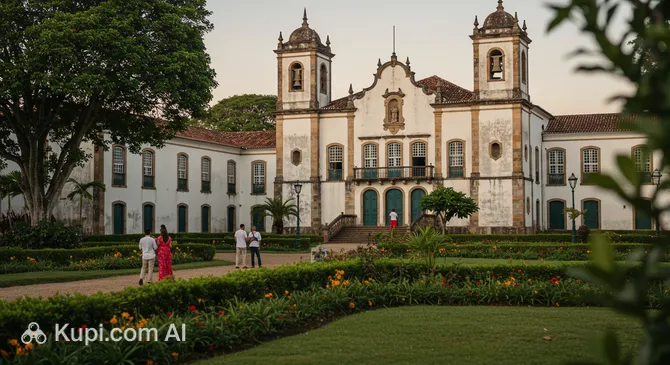
  • As one of the oldest cities in the country, founded in 1551, it is home to the Anchieta Palace. Originally built as a Jesuit church and college, this historic building has served as the seat of the state government since the 18th century and stands as a symbol of the region's colonial past.

  • Nature and history blend seamlessly at Moscoso Park, the oldest municipal park in Vitoria. Inaugurated in 1912, this green oasis in the city center features a distinctive acoustic shell and ancient trees, offering a glimpse into the Belle Époque era of the city.

Anchieta Palace. Source: Kupi.Binoculars

How to Get There

Reaching this coastal capital is relatively straightforward, especially for those arriving by air from other parts of Brazil. The primary entry point is Eurico de Aguiar Salles Airport (VIX), which is conveniently located within Vitoria itself. This busy hub handles a significant number of passengers annually and connects the city to major destinations. Situated just 8.7 km from the city center, the airport offers quick access to downtown; a taxi or ride-share journey typically takes around 35 minutes depending on traffic conditions. For those planning their trip, you can read more about how to get to Vitoria and explore various transport options in detail.

While the main city airport is the obvious choice, travelers exploring the broader region might also encounter Governador Valadares Airport (GVR). However, it is important to note that this airport is located in the city of Governador Valadares, which is approximately 233.7 km away from Vitoria. Due to the considerable distance—requiring a drive of roughly 6 hours—it is not a practical gateway for a direct visit to the capital but may be relevant for those on an extended itinerary through Espírito Santo and Minas Gerais.

For clarity, here is a summary of the main airports:

Airport Name City Passenger Traffic Km from City
Eurico de Aguiar Salles Airport Vitoria Large 8.7
Governador Valadares Airport Governador Valadares Small 233.7

Beyond air travel, Vitoria is well-connected by a network of federal highways, making it accessible by car or long-distance bus from neighboring states like Rio de Janeiro and Minas Gerais. The city's bus terminal receives regular services from many major Brazilian cities, offering an affordable alternative for those who prefer ground transport.

Main Attractions

Attractions:

Exploring Vitoria reveals a delightful mix of historical heritage, religious architecture, and natural beauty. The city's compact nature allows visitors to easily navigate between its most significant landmarks, each offering a unique glimpse into the local culture and history. From grand cathedrals to preserved colonial estates, there is much to discover.

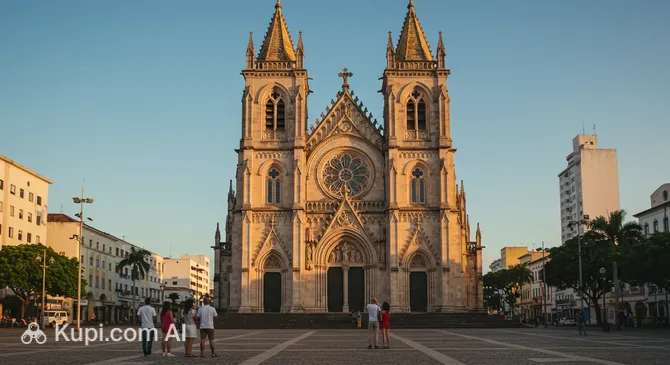
One of the most imposing religious structures in the city is the Metropolitan Cathedral of Our Lady of Victory. Located in the historic city center, this Neo-Gothic masterpiece was built in the 20th century on the site of an older church. Visitors are drawn to its magnificent stained glass windows and the intricate details of its façade. It serves not only as a place of worship but also as a symbol of the city's architectural evolution, offering a peaceful retreat from the bustling streets outside.

Metropolitan Cathedral of Our Lady of Victory. Source: Kupi.Binoculars

Another architectural gem is the Basilica Shrine of St. Anthony. This stunning sanctuary stands out with its eclectic style and distinctive domes, making it a prominent feature of the city's skyline. Situated in the Santo Antônio neighborhood, it is a site of deep devotion and history. Tourists appreciate the grandeur of its interior and the panoramic views of the bay available from its surroundings, making it a perfect spot for both spiritual reflection and photography.

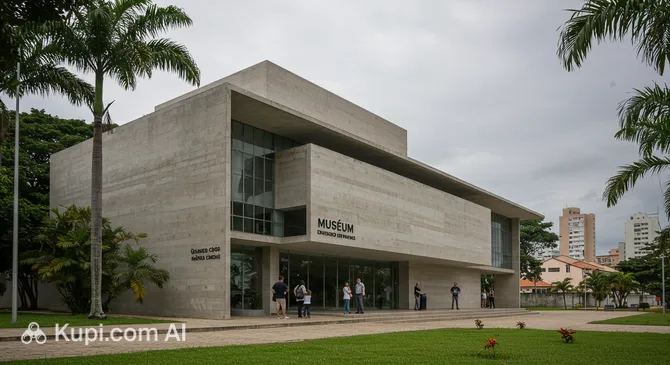
For those interested in the region's industrial and cultural past, the Vale Museum is a must-visit destination. Housed in the old Pedro Nolasco Railway Station, the museum preserves the history of the railway that connects Minas Gerais to Espírito Santo. The site features well-curated exhibitions, an old steam locomotive, and a massive maquette of the railway line. Its location on the banks of the bay provides a scenic backdrop, and the on-site café is a lovely place to relax after a tour.

Vale Museum. Source: Kupi.Binoculars

To step back into the colonial era, travelers should visit the Monjardim Manor House. This 18th-century rural residence is one of the finest examples of colonial architecture in the region. Now a museum, it displays furniture, domestic utensils, and artifacts that recreate the daily life of a wealthy family from that period. The preserved chapel and the rustic charm of the building offer a tangible connection to Brazil's colonial history.

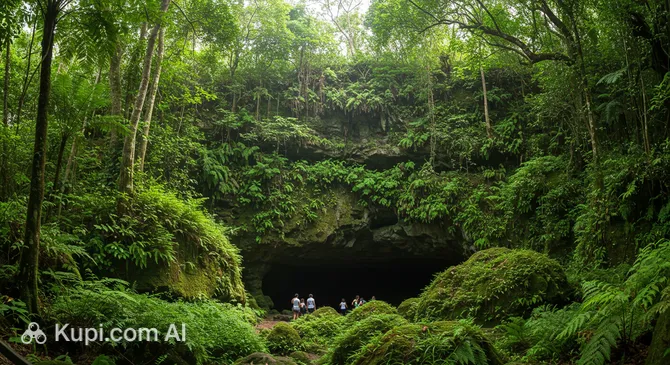
Nature lovers will find a haven at the Gruta da Onça Municipal Nature Park. Located in the heart of downtown Vitoria, this park covers a significant area of Atlantic Forest and offers trails that lead to spectacular viewpoints. The highlight is the large rock formation that resembles a jaguar, giving the park its name. It is an excellent spot for a refreshing hike, surrounded by lush vegetation and offering commanding views over the city and the port.

Gruta da Onça Municipal Nature Park. Source: Kupi.Binoculars

Local Cuisine

The gastronomy of Vitoria is a highlight for any visitor, offering a delicious insight into the culture of Espírito Santo. The local cuisine is heavily influenced by indigenous traditions and the abundance of fresh seafood from the surrounding coastline. The undisputed star of the region is the Moqueca Capixaba. Unlike the version found in Bahia, this fragrant fish stew does not use palm oil or coconut milk. Instead, it relies on olive oil and urucum (annatto) for its vibrant red color, allowing the delicate flavors of the fish, tomatoes, onions, and coriander to shine through. It is traditionally served in authentic clay pots, which keep the meal piping hot.

Another dish that travelers must try is the Torta Capixaba, especially if visiting around Easter. This hearty seafood pie is a complex blend of crab, shrimp, oysters, and salted cod, mixed with palm hearts and baked with an egg topping. It is a rich, flavorful symbol of the local identity. For dessert, look for sweets made with local tropical fruits, which provide a refreshing finish to the savory main courses.

For a memorable dining experience, the city offers a variety of establishments ranging from casual eateries to lively venues. Favoretti Restaurant is a popular choice for those wanting to enjoy a satisfying meal in a comfortable setting. If you are looking for a diverse menu that caters to various tastes, Mister Cook is another excellent option to consider during your stay.

Vitoria also has a vibrant nightlife and bar scene, perfect for experiencing the local social culture. Casa de Bamba is a well-known cultural hub where visitors can enjoy live music, particularly samba, alongside cold drinks and tasty appetizers. For a more relaxed evening, Rua 7 offers a friendly atmosphere to mingle with locals. Those who wish to immerse themselves in the rhythm of Brazil should head to Gordinho Sambão, a night club famous for its energetic samba performances.

Travel Tips

Welcome to Vitoria! To ensure your visit to this beautiful island capital is as smooth and enjoyable as possible, we have compiled a set of essential practical tips. These insights will help you navigate the city with confidence, allowing you to focus on the stunning beaches and rich culture.

  1. Clothing and Gear

    Given the tropical climate, lightweight and breathable fabrics like cotton or linen are your best friends here. Pack comfortable walking shoes, as you will likely explore the hilly historic center and long beach promenades on foot. Don't forget a high-SPF sunscreen, sunglasses, and a hat, as the sun can be quite strong even on cloudy days. If you plan to visit religious sites like the Convento da Penha (in neighboring Vila Velha) or the Cathedral, modest attire covering shoulders and knees is respectful.

  2. Transportation

    Vitoria is relatively easy to navigate. Ride-hailing apps like Uber and 99 are widely used, safe, and often more convenient than renting a car, especially given the traffic on the bridges. The public bus system (Transcol) is efficient for connecting Vitoria with neighboring cities like Vila Velha and Serra, but it can get crowded during rush hours. If you do rent a car, be aware that parking in the city center can be challenging.

  3. Finances

    The official currency is the Brazilian Real (BRL). Credit and debit cards are accepted almost everywhere, including beach kiosks and small cafes. However, it is wise to carry a small amount of cash for minor expenses or street vendors. ATMs are readily available at banks and shopping malls. Tipping is generally not mandatory but appreciated; a 10% service charge is usually already added to your bill at restaurants.

  4. Health and Safety

    Vitoria is generally safer than Brazil's larger metropolises, but standard precautions apply. Avoid walking alone in deserted areas at night and keep expensive electronics out of sight. Pharmacies are abundant and easy to find, with major chains often open late. For minor health issues, pharmacists can be very helpful, but comprehensive travel insurance is highly recommended for any medical emergencies.

  5. Communication

    The primary language is Portuguese. While staff at major hotels and high-end restaurants may speak English, it is not widely spoken by the general public. Learning a few basic phrases like "Bom dia" (Good morning) and "Obrigado" (Thank you) will go a long way. Buying a local SIM card or an eSIM is strongly advised to have access to maps and translation apps, which are lifesavers for getting around.

  6. Local Etiquette

    Capixabas (locals from Espírito Santo) are generally warm and welcoming. Greetings often involve a handshake or a kiss on the cheek (usually one or two) depending on familiarity. It is polite to greet shopkeepers and drivers. In public, the "thumbs up" gesture is a universal sign of approval or agreement. When at the beach, it is customary to rent chairs and umbrellas from a kiosk and order drinks or snacks from them in return.

  7. What to Avoid

    Avoid drinking tap water; always opt for bottled or filtered water to prevent stomach issues. Additionally, try not to display large amounts of cash in public. When at the beach, never leave your belongings unattended while you go for a swim; take turns watching bags with your travel companions.

  8. Sunday Leisure Tip

    If you are in Vitoria on a Sunday or a holiday, head to Camburi Beach in the morning. A large section of the coastal avenue is closed to cars and opened exclusively for pedestrians, cyclists, and skaters. It is a fantastic way to experience the local lifestyle, exercise, and enjoy the ocean breeze alongside the residents.

By keeping these practical tips in mind, you will be well-prepared to embrace the relaxed rhythm and vibrant atmosphere of Vitoria. Enjoy your journey through this hidden gem of the Brazilian coast!

Entertainment & Nightlife

Vitoria’s nightlife is characterized by a relaxed yet vibrant atmosphere, deeply rooted in the Brazilian "boteco" culture. Instead of exclusive velvet-rope clubs, the city favors lively bars with outdoor seating where friends gather for cold beer and appetizers. The action typically starts late, with locals heading out for dinner around 9:00 PM and bars filling up shortly after. The dress code is generally casual, reflecting the city's beachside nature, though venues in upscale neighborhoods may warrant a "smart casual" look.

The most famous nightlife district is undoubtedly the Triângulo das Bermudas (Bermuda Triangle) in the Praia do Canto neighborhood. This area is packed with bars and restaurants side-by-side, making it easy to hop from one venue to another. It attracts a diverse crowd, from young professionals to tourists, and offers everything from rock music to sertanejo. Another buzzing area is Rua da Lama in Jardim da Penha, which has a more alternative, university-student vibe and is known for being affordable and lively until the early morning hours.

For those seeking a bohemian experience in the heart of the city, the historic downtown (Centro) offers a unique setting. Rua 7 is a legendary spot in this area. It is not just a single venue but a cultural corridor that hosts street parties, live music, and an eclectic crowd. It is the perfect place to experience the city's artistic soul, often featuring samba and MPB (Musica Popular Brasileira) played right on the street.

If you want to immerse yourself in authentic Brazilian rhythms and dance the night away, Gordinho Sambão is a top recommendation. Located near the city center, this club is renowned for its high-energy shows featuring pagode and samba bands. It is a fantastic venue to witness how locals party, with plenty of dancing and a festive spirit that lasts all night.

Another staple of the local scene is Casa de Bamba. More than just a bar, it serves as a cultural headquarters for samba lovers. The venue combines delicious local snacks with live performances, offering an intimate and welcoming environment for visitors who want to appreciate high-quality regional music.

Practical Nightlife Tips:

  • Safety: While the main nightlife districts like Praia do Canto are generally safe, it is advisable to use ride-sharing apps like Uber or 99 to get around at night, especially when moving between neighborhoods or leaving the downtown area.
  • Timing: Thursdays through Saturdays are the peak nights. On Sundays, the pace slows down, but you can still find lively spots near the beach.
  • Prices: Vitoria is reasonably priced compared to Rio or São Paulo. Many bars charge a small "couvert artístico" (music cover fee) added to the bill if there is live music.

Beyond the nightlife, Vitoria offers engaging daytime entertainment. The city is home to several shopping destinations where you can find local fashion and souvenirs. The Portal da Glória Shopping Mall is one such option for a relaxed afternoon of browsing. For a more culturally enriching day, visitors can explore the various museums and historical sites scattered throughout the island, many of which are located near the city center.

Parks & Museums

Vitoria offers a refreshing balance of urban development and preserved green spaces, alongside institutions that celebrate its rich cultural heritage. For travelers looking to explore beyond the beaches, the city’s parks and museums provide a fascinating glimpse into local history, art, and nature.

A significant highlight for culture enthusiasts is the Capixaba Museum of Black Culture (MUCANE). Located in the historic city center, this institution is dedicated to preserving the history and identity of the Black population in Espírito Santo. Housed in a restored building from 1912, the museum features exhibitions, documents, and artistic expressions that tell the story of the Afro-Brazilian influence on the region. It serves as an important space for education and reflection, hosting various cultural events throughout the year.

For a peaceful escape within the bustling city, Moscoso Park is a beloved destination. As the oldest park in Vitoria, it boasts a charming atmosphere with century-old trees, winding paths, and a central lake dotted with small bridges. It is a perfect spot for a leisurely walk or a family outing. Visitors are often delighted to find peacocks and serene wildlife roaming the grounds, adding a touch of nature to the historic surroundings.

Another must-visit green space is the Pedra da Cebola Park, famous for its unusual rock formation that resembles a peeling onion. Situated in the Mata da Praia neighborhood, this park was built on the site of an old quarry and has been transformed into a vibrant recreational area. With its oriental-style garden, reptile house, and ample open spaces, it is a favorite location for sports, picnics, and photography lovers seeking unique landscapes.

Art lovers should also consider visiting the Espírito Santo Art Museum (MAES). Located in a grand historic building downtown, the museum hosts a diverse range of contemporary art exhibitions and historical collections. It plays a central role in the city's artistic scene, offering visitors a chance to engage with both local and national works in an architecturally stunning setting.

Getting Around

Public transport in Vitoria is primarily based on an extensive bus network that connects the island capital with the mainland and neighboring cities. Since there is no subway system, buses are the backbone of daily commuting. The network is divided into two main categories: the municipal lines, which circulate exclusively within the city limits and are often recognized by their green color, and the Transcol system, typically blue, which integrates the city with the wider metropolitan area. This integration is particularly useful for tourists, as it allows for easy travel across the bridges to visit nearby attractions in Vila Velha or Serra on a single fare.

To use the bus system, specifically the Transcol lines, you will need the CartãoGV smart card. It is important to note that cash payments are generally not accepted on board these buses, so you must be prepared before you travel. You can purchase and top up these cards at self-service machines located in major bus terminals, at various sales points throughout the city, or by using mobile apps like Kim+ or GVBus. These apps are also handy for generating QR codes for single rides if you do not wish to buy a physical card.

A unique and scenic addition to the transport network is the Aquaviário (water bus). This system uses boats to transport passengers across the bay, connecting key points such as the Enseada do Suá in Vitoria to the historic center of Vila Velha. It is fully integrated with the bus ticketing system, meaning you can use your CartãoGV to board. Taking the Aquaviário is not only a practical way to avoid bridge traffic but also offers a delightful sightseeing experience with panoramic views of the coastline and the bay.

For a smooth experience, it is advisable to download navigation apps like Moovit or Google Maps, which provide reliable real-time schedules and route planning. Buses operate from early morning, around 5:00 AM, until midnight, though service becomes less frequent late at night. When boarding, remember that passengers typically enter through the front door to validate their ticket at the turnstile and exit through the rear or middle doors.

If you prefer alternatives to mass transit, ride-sharing apps like Uber and 99 are widely used, safe, and often very affordable, making them a popular choice for getting around quickly. For shorter distances, especially along the scenic beach promenades, look for the Bike Vitória stations. This bike-sharing system allows you to rent a bicycle via a smartphone app, offering a healthy and enjoyable way to explore the city's waterfronts and parks.

Accommodation

Where to Stay:

Vitoria offers a diverse range of accommodation options that cater to various budgets and travel styles, from modern business hotels to charming beachfront flats. Unlike some of Brazil's more crowded tourist destinations, the city provides excellent value for money, with facilities that generally maintain high standards of cleanliness and service. Whether you are a backpacker looking for a hostel or a family seeking a comfortable resort-style stay, you will find suitable choices spread across the island.

For most tourists, the neighborhood of Praia do Canto is the most recommended area to stay. It is the heart of the city's social life, home to the famous "Triângulo das Bermudas" nightlife district, and packed with high-quality restaurants, bars, and shopping boutiques. Staying here puts you within walking distance of excellent dining and entertainment, making it a convenient and safe base for exploring the city.

Travelers who prioritize ocean views and morning walks by the sea should consider the hotels along Camburi Beach (in neighborhoods like Jardim Camburi or Mata da Praia). This area features a long promenade perfect for exercise and offers several modern hotels right on the waterfront. It is slightly further from the historic center but offers a refreshing coastal atmosphere and easy access to the beach kiosks.

Another popular option is Jardim da Penha. This neighborhood has a youthful, bohemian vibe due to its proximity to the university. It offers a mix of mid-range hotels and rental apartments, often at more competitive prices than Praia do Canto. For those on a stricter budget or visiting for business, the historic City Center (Centro) has several affordable hotels, though it is worth noting that the area becomes very quiet at night compared to the beach districts.

Booking Tips and Prices:

Accommodation prices in Vitoria are generally reasonable, falling into the budget to mid-range categories compared to Rio de Janeiro or São Paulo. Luxury options are available but are typically priced as upper-mid-range. It is highly recommended to book your stay in advance if you plan to visit during the peak summer months (December through February) or during major holidays like Carnival, as the best spots fill up quickly. Most hotels and rentals can be easily booked through major online platforms, which often offer flexible cancellation policies.

Nearby Cities

For those looking to explore the surroundings, Vitoria serves as an excellent base for day trips to several interesting nearby locations. Just across the Third Bridge lies Vila Velha, the state's oldest city, which offers a rich mix of history and leisure with its famous Convento da Penha and the inviting Praia da Costa. A bit further south, Guarapari is a renowned coastal resort destination, celebrated for its vibrant atmosphere and beaches with medicinal monazite sands. To the north, Serra provides a delightful escape with charming fishing villages like Manguinhos, known for their excellent seafood and relaxed vibe.

City Population Distance (km)
Vila Velha 1,209,091 6
Serra 485,376 21
Cariacica 348,738 11
Guarapari 121,506 43
Aracruz 81,832 55

These nearby destinations offer a glimpse into the diverse culture and landscapes of the region, making them perfect additions to your travel itinerary.

Shopping & Souvenirs

Shopping:

Shopping in Vitoria offers a delightful mix of modern convenience and traditional charm, catering to a wide range of tastes and budgets. The city provides everything from upscale boutiques and large commercial centers to vibrant street markets filled with local handicrafts. Whether you are looking for the latest fashion trends, unique souvenirs, or authentic regional products, you will find plenty of opportunities to indulge in some retail therapy.

For those interested in fashion and clothing, the Glória district is a renowned hub. It is famous for the Polo Moda Glória, a specialized area known for its high concentration of clothing stores and wholesale options. Here, visitors can find a vast array of apparel, from beachwear to casual outfits, often at very competitive prices. Another key area is the elegant neighborhood of Praia do Canto, where tree-lined streets like Rua Aleixo Neto host sophisticated boutiques and designer brand stores suitable for luxury shopping.

Travelers who prefer the comfort and variety of large centers will appreciate the city's malls. The Portal da Glória Shopping Mall is a popular destination that brings together diverse retail outlets, food courts, and entertainment facilities under one roof. It is an excellent place to cool off from the tropical heat while browsing for electronics, accessories, or international brands.

A visit to Vitoria would not be complete without exploring its markets, particularly those dedicated to local culture. The most significant spot is the Goiabeiras neighborhood, home to the Association of Paneleiras. This is where the famous clay pots are made by hand using traditional techniques. Watching the artisans at work is as rewarding as buying the finished product. Additionally, the Praça dos Namorados hosts a lively arts and crafts fair on weekends, perfect for finding handmade jewelry and decor.

When it comes to souvenirs, the authentic clay pot (Panela de Barro) is the ultimate keepsake from Espírito Santo. It is not just a cooking utensil but a symbol of the state's cultural heritage, essential for making the local Moqueca. Other excellent items to bring back include locally made fruit sweets, cachaça, and Brazilian beachwear, which reflects the city's coastal lifestyle.

Standard store hours in Vitoria typically run from 9:00 AM to 6:00 PM on weekdays, and until 1:00 PM on Saturdays. Shopping malls usually operate from 10:00 AM to 10:00 PM, Monday through Saturday, with reduced hours on Sundays (often opening in the afternoon). Credit and debit cards are widely accepted across the city, even in smaller stalls, though carrying some cash is advisable for street markets.

Regarding tax refunds, tourists should be aware that Brazil does not currently offer a standard tax-free shopping scheme for international visitors similar to those found in Europe. The prices displayed usually include all applicable taxes, so you should not expect a VAT refund at the airport upon departure.
Reached the end of the page?

That means the route is fully explored